
#18,987
While it remains to be seen just how impactful - or prolonged - this year's Northern Hemisphere flu season will end up being, from what we've already seen (see WHO DON: Seasonal influenza - Global situation) with this new (`drifted') subclade K H3N2 virus, we could be in for a long winter.
Late this week PAHO (the Pan American Health Organization) published a press release (below), and advice to member nations, on ways to deal with what may prove to be a difficult season.
First the press release, followed by the update for PAHO member nations.
PAHO calls for strengthened vaccination and surveillance in the Americas amid a global increase of influenza A(H3N2) subclade KYou'll can read the above referenced briefing note below. I'll have a brief postscript after the break.
12 Dec 2025
Washington, D.C., 12 December 2025 (PAHO/WHO) – The Pan American Health Organization (PAHO) has issued a briefing note, updating countries on the increasing circulation of the influenza A(H3N2) subclade K (J.2.4.1) virus in several regions of the world, and to reiterate the call to strengthen surveillance and promote vaccination—particularly among older adults and people with risk factors. PAHO also urges countries to ensure timely clinical management of cases and prepare health services for the possibility of early, or more intense, respiratory disease activity.
According to the latest data, circulation of subclade K has risen rapidly in Europe and several Asian countries, where it now represents a substantial proportion of detected influenza A(H3N2) viruses. Health authorities in those countries have not reported significant changes in clinical severity; however, seasons dominated by the A(H3N2) subtype have historically been associated with greater impact among older adults.
In North America, the United States and Canada are also reporting a progressive increase in detections of subclade K. To date, similar circulation has not been observed in South America, based on data reported to the Global Initiative on Sharing All Influenza Data (GISAID).
PAHO noted that the genetic evolution observed in subclade K is part of the natural variation process of seasonal influenza viruses. Although evidence on vaccine effectiveness for the current season remains limited, preliminary data from Europe indicate that vaccination continues to provide protection comparable to previous years against severe disease, including hospitalization.
Recommendations for countries
PAHO urged Member States to maintain and strengthen epidemiological, virological, and genomic surveillance; ensure high vaccination coverage; provide timely treatment of cases; and reinforce the preparedness of health services for the possibility of early or more intense activity during the 2025–2026 season in the Northern Hemisphere.
The Organization reiterated the importance of seasonal influenza vaccination for older adults, people with chronic conditions, pregnant women, and other groups at higher risk of complications, emphasizing that vaccinating these populations also helps reduce pressure on hospitalization services.
PAHO also recalled that the recommendations outlined in the December 4 Epidemiological Alert remain in effect. These include strengthening surveillance for influenza, respiratory syncytial virus (RSV), and SARS-CoV-2; ensuring continuous reporting of data; and regularly submitting samples for sequencing to detect variants that may alter virus transmissibility or severity.
The Organization further underscored the importance of early diagnosis, reinforced prevention and control measures, availability of antivirals for at-risk groups, and the immediate investigation and reporting of unusual respiratory events, in accordance with the International Health Regulations.
Personal preventive measures—such as handwashing, covering coughs and sneezes, and staying home when experiencing fever or respiratory symptoms—remain essential to limit transmission.
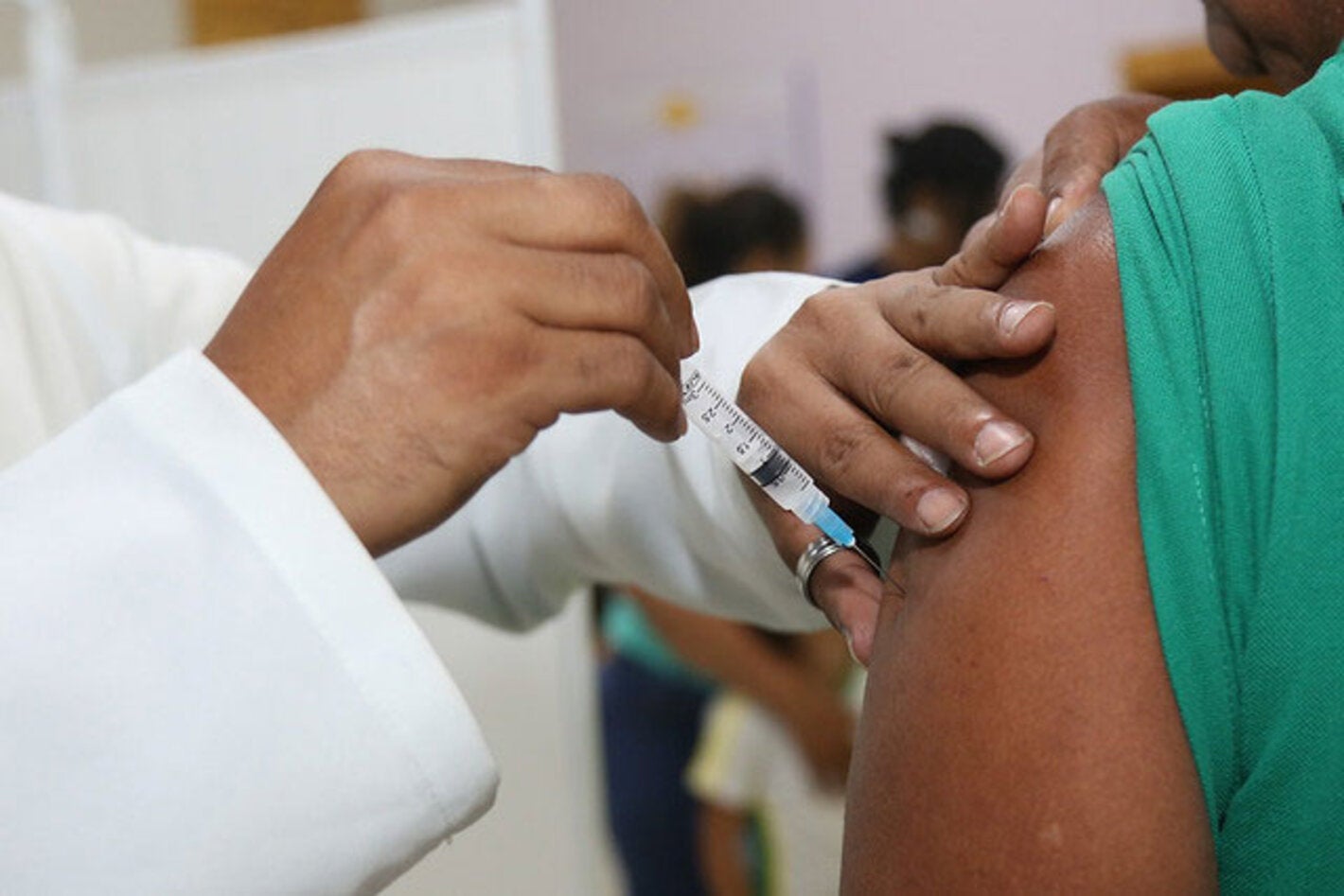


While we tend to treat the seasonal flu as primarily a serious risk to the elderly or frail, every once in a while a new flu strain will emerge that is a viral overachiever.
Even though we are coming off one of the worst flu seasons in more than a decade (see MMWR: Influenza-Associated Hospitalizations During a High Severity Season (United States, 2024–25)), this year could prove even more challenging.

With flu still rising in North America, it isn't too late to get a flu shot. I got mine in October, and am glad I did. But I'll also wear a mask in public, and use copious amounts of hand sanitizer this winter.
Over the past 20 years we've looked at a number of `outlier' flu seasons, where hospitals got slammed, and deaths far exceeded the norm (see When Seasonal Influenza Goes Rogue).
While a novel flu virus (like H5N1, or H9N2) would likely be worse, they generally emerge only a few times each century. Seasonal flu comes around every year, and history has repeatedly shown that these viruses should not be underestimated.
Making anything you can do (vaccines, facemasks, hand sanitizer, etc.) to reduce your risks of infection, more than worth the effort.
