Friday, May 31, 2024

Viruses: Assessment of Survival Kinetics for Emergent Highly Pathogenic Clade 2.3.4.4 H5Nx Avian Influenza Viruses


Photo Credit – FAO

#18,094

One of the things that makes H5Nx avian flu so difficult to contain is that it continues to evolve at a rapid pace, and it has diversified into literally scores of different subtypes and genotypes, many of which circulate simultaneously around the world. 

This diversity means something we might say about the H5N1 virus infecting mammals in Peru may not apply to the H5N1 virus infecting cows in the American Midwest, or to the H5N1 virus spreading in birds in Canada. 

Until about a decade ago, H5N1 was almost exclusively a cold weather threat, even in Asia where the virus has been endemic for more than 2 decades.  

Outbreaks would typically begin in November and end by early spring. Only rarely would we see reports over the summer.

When HPAI H5 arrived in North America for the very first time in December of 2014, it faded away by early summer, and did not return the following fall (see PNAS: The Enigma Of Disappearing HPAI H5 In North American Migratory Waterfowl). 

But something happened to the the HPAI H5 virus that invaded Europe in the fall of 2016. During its summer travels China and Russia it reinvented itself by reassorting with other viruses (see EID Journal: Reassorted HPAI H5N8 Clade 2.3.4.4. - Germany 2016), sparking Europe's largest avian epizootic on record.

In addition to being far more virulent in wild and migratory birds (see Europe: Unusual Mortality Among WIld Birds From H5N8), it also displayed the ability to infect a much wider range of birds (see ESA list of 78 species).

Over the next few years we'd see different subtypes (and new genotypes) emerge, sparking epizootics of varying sizes and intensities across Europe, Russia, the Middle East, Asia, and Northern Africa.  In 2017, HPAI H5N8 crossed the equator in Africa and found its way to South Africa.

Again, in 2020-2021, the HPAI H5 virus changed, switching back to a dominant H5N1 subtype, one which unexpectedly crossed the Atlantic, and rapidly spread across North and then South America. Unlike in the past, it was now able to maintain itself (albeit at lower levels) over the summer. 

While much of this success has been attributed to its ability to infect, and persist, in wild birds there is also evidence to suggest that it may persist longer in the environment as well

 A few studies we've looked at over the years include:

  • In 2012's EID Journal: Persistence Of H5N1 In Soil, we looked at several studies that found H5N1 could remain viable on various surfaces, and in different types of soil, for up to 13 days (depending upon temperature, relative humidity, and UV exposure).

And lest we forget, in 2022, we saw a cautionary report in the EID Journal: Higher Viral Stability and Ethanol Resistance of Avian Influenza A(H5N1) Virus on Human Skin, that found H5N1 demonstrates an enhanced ability to survive on some surfaces, and is less affected by low concentrations of ethanol than than other common influenza subtypes.

Today we have a report from the UK looking at the survivability of 5 different HPAI H5 clade 2.3.4.4b viruses collected between 2014 and 2021, in a laboratory environment at 3 different temperatures

Since far more goes into the survival of a virus in the real world than just temperature (e.g. humidity, UV exposure, surface and/or medium, pH, etc.), their results may not tell much much about the survival of H5N1 in the wild, but it does allow us to compare their relative stability at different temperatures.

And from this we learn that not all clade 2.3.4.4b H5 viruses are created equal.  First, the list of viruses used in this study:

Next some excerpts from a much longer study.  Follow the link to read it in its entirety.  I'll have a postscript after the break.  

Assessment of Survival Kinetics for Emergent Highly Pathogenic Clade 2.3.4.4 H5Nx Avian Influenza Viruses

Caroline J. Warren 1,*,Sharon M. Brookes 1, Mark E. Arnold 2, Richard M. Irvine 1,3, Rowena D. E. Hansen 1,4, Ian H. Brown 1,5, Ashley C. Banyard 1,5 and Marek J. Slomka 1,*
Abstract

High pathogenicity avian influenza viruses (HPAIVs) cause high morbidity and mortality in poultry species. HPAIV prevalence means high numbers of infected wild birds could lead to spill over events for farmed poultry. How these pathogens survive in the environment is important for disease maintenance and potential dissemination.

We evaluated the temperature-associated survival kinetics for five clade 2.3.4.4 H5Nx HPAIVs (UK field strains between 2014 and 2021) incubated at up to three temperatures for up to ten weeks. The selected temperatures represented northern European winter (4 °C) and summer (20 °C); and a southern European summer temperature (30 °C).

For each clade 2.3.4.4 HPAIV, the time in days to reduce the viral infectivity by 90% at temperature T was established (DT), showing that a lower incubation temperature prolonged virus survival (stability), where DT ranged from days to weeks. The fastest loss of viral infectivity was observed at 30 °C. Extrapolation of the graphical DT plots to the x-axis intercept provided the corresponding time to extinction for viral decay.

Statistical tests of the difference between the DT values and extinction times of each clade 2.3.4.4 strain at each temperature indicated that the majority displayed different survival kinetics from the other strains at 4 °C and 20 °C.

          (SNIP)

(SNIP)

Overall, for a given H5Nx clade 2.3.4.4 isolate, these data showed the reduction in survival time at 20 °C was at least 2.5-fold faster than the DT values observed at the low incubation temperature (4 °C).

Wild waterfowl cases, during the clade 2.3.4.4 epizootic waves, peaked in the European winter months when these heightened infection pressures would result in accompanying incursions in farmed poultry [12,16]. The two least stable viruses, at least when ranked by their extinction times, were H5N8-2014 and H5N6-2017 (Table 2), and their corresponding significance tests at 20 °C (Table 4) showed this virus pair was significantly different from the other viruses. 

Interestingly, the European winter incursions of H5N8-2014 and H5N6-2017 were the smallest of the five H5Nx clade 2.3.4.4 epizootics, which in the case of H5N6-2017 were essentially limited to wild birds with no accompanying commercial poultry outbreaks during winter 2017–2018 [12,40]. The relative instability of H5N8-2014 and H5N6-2017, reflected in low DT and extinction values, may have contributed to the limited scale of these incursions.

(SNIP)

Conclusions

These quantified virus survival data provide evidence to refine disease prevention strategies for poultry units and inform future veterinary risk assessments for outbreak management, particularly in view of the continuing H5N1 clade 2.3.4.4 HPAIV global epizootic [50,51]. Importantly, these virus survival outcomes contribute to the understanding of AIV persistence in the environment, thereby informing protection of poultry health and commercial production systems. 

These data highlight HPAIV persistence at low temperatures, so presenting a greater infection risk to avian species during the cooler months in temperate latitudes, especially in the case of clade 2.3.4.4 H5Nx HPAIVs to waterfowl with subsequent incursion risks for farmed poultry. Our statistical data, using pairwise comparisons of virus DT values and extrapolated extinction times at 4 °C and 20 °C, (p < 0.05; Table 3 and Table 4), revealed that, in many instances, the virus survival (stability) of each isolate was significantly different from the others. 

The relevance of these experimental findings has been underlined by the detection of H5N1 HPAIV in the immediate farm environment during UK clade 2.3.4.4 outbreaks in 2023 [38], affirming observations during earlier H5N1 GsGd HPAIV outbreaks [37].
These experimental and field-based studies are now identifying the consequences of environmental contamination, which have arisen from AIV incursions (either wild birds or poultry) and may influence onward spread. The temperature stability of isolates can also inform the likelihood of continuing infectivity, particularly during the vulnerable period prior to statutory cleansing and on-farm disinfection interventions [52,53]. Interestingly, heat treatment may provide an alternative to chemical disinfection, thereby giving additional importance to the outcomes of viral temperature stability investigations [54,55].
         (Continue . . . )


Interestingly, while the 2021 H5N1 virus came in 3rd in the 4 °C and 20 °C stability tests, it tied for 2nd at 30 °C.  But by any of their measures, the H5 virus of today is far hardier than the virus that emerged in 2014. 

While it would have been nice to see a 2023/2024 H5N1 isolate tested, with multiple genotypes currently circulating in the UK - and more expected - those results might not tell us very much. 

H5Nx remains very much a moving target. 

We have a long history of underestimating viruses, but they have evolved over ten of millions of years with only one purpose; to survive. And they've gotten exceedingly good at that.

Studies like today's remind us just how well adapted, and formidable, H5N1 has become. And it is only through a better understanding of how it functions that we can hope to contain it.


MMWR: Early Safety Findings Among Persons Aged ≥60 Years Who Received a RSV Vaccine — United States, May 3, 2023–April 14, 2024


Yes, that’s me in 1976, giving Swine Flu Shots.

#18,093

In 1976, when I was still a fledgling paramedic, the U.S. government rolled out an emergency flu vaccine in anticipation of a swine flu (H1N1) pandemic that never materialized (you can read my first hand account HERE).

Instead, that early flu shot was linked to a modest increase in Guillain-Barré syndrome (GBS) - a rare, often transitory, but occasionally fatal form of paralysis.

Although only about 1 in 100,000 vaccine recipients were thought to be affected - and many of the media accounts were overblown - the reputation of vaccines was badly (and, in many ways, unfairly) damaged. 

Had the anticipated H1N1 pandemic materialized, the negative impact from the vaccine would likely have been tolerated - or at least lost in the avalanche of severe flu cases - but instead the virus was a no-show, and several hundred people were injured by that early flu vaccine.

Even without taking vaccines, there is always a background rate of GBS - usually 1 to 2 cases per 100,000 each year - often linked to viral or bacterial infections. The CDC describes the disorder:

What is Guillain-Barré syndrome (GBS)?
Guillain-Barré syndrome (GBS) is a rare disorder in which a person’s own immune system damages their nerve cells, causing muscle weakness and sometimes paralysis. GBS can cause symptoms that usually last for a few weeks. Most people recover fully from GBS, but some people have long-term nerve damage. In very rare cases, people have died of GBS, usually from difficulty breathing. In the United States, an estimated 3,000 to 6,000 people develop GBS each year.
What causes GBS?
The exact cause of GBS is unknown, but about two-thirds of people who develop GBS experience symptoms several days or weeks after they have been sick with diarrhea or a respiratory illness. Infection with the bacterium Campylobacter jejuni is one of the most common risk factors for GBS. People also can develop GBS after having the flu or other infections (such as cytomegalovirus and Epstein Barr virus). On very rare occasions, they may develop GBS in the days or weeks after getting a vaccination. 
Vaccine technology has come a long way in 50 years, and while GBS is sometimes linked to getting vaccinated, the benefits of getting the vaccine generally far outweigh the risks. Some past blogs include:
Association Between Guillain-Barré Syndrome and COVID-19 Infection and Vaccination: A Population-Based Nested Case-Control Study
Nature Study: Greater Risk Of Neurological Complications From COVID Infection Than From Vaccine

BMJ: No Substantial Link Between Flu Vaccines And Guillain-Barre Syndrome

Lancet: The Influenza - Guillain Barré Syndrome Connection
Last summer the U.S. approved a new RSV vaccine for those 60 years of age or older, which was heavily promoted last fall.  RSV in the elderly can be severe, and even fatal, and according to the CDC: 
Each year, it is estimated that between 60,000-160,000 older adults in the United States are hospitalized and 6,000-10,000 die due to RSV infection
Yesterday the CDC's MMWR published the following report which finds that reports of GBS following receipt of the RSV vaccine to be higher than expected.  It isn't a huge spike, but it is enough to warrant further study. 

Given the heavy impact of RSV infection on the elderly, pending more information, the advice from the CDC remains: 

RSV vaccination continues to be recommended for adults aged ≥60 years using shared clinical decision-making (9). CDC and FDA are conducting active safety evaluations to assess risks for GBS and other adverse events of special interest after RSV vaccination.

I've posted some excerpts from a much longer report. Follow the link to read it in its entirety. 

Early Safety Findings Among Persons Aged ≥60 Years Who Received a Respiratory Syncytial Virus Vaccine — United States, May 3, 2023–April 14, 2024

Weekly / May 30, 2024 / 73(21);489–494

Anne M. Hause, PhD1; Pedro L. Moro, MD1; James Baggs, PhD1; Bicheng Zhang, MS1; Paige Marquez, MSPH1; Michael Melgar, MD2; Amadea Britton, MD2; Erin Stroud, MD1; Tanya R. Myers, PhD1; Jeffrey Rakickas, MD1; Phillip G. Blanc, MD3; Kerry Welsh, MD3; Karen R. Broder, MD1; John R. Su, MD1; David K. Shay, MD1 (VIEW AUTHOR AFFILIATIONS)View suggested citation


Summary

What is already known about this topic?

The Food and Drug Administration licensed Arexvy and Abrysvo vaccines in May 2023 for prevention of respiratory syncytial virus (RSV) lower respiratory tract disease in adults aged ≥60 years. In trials, Guillain-Barré syndrome (GBS) was identified as a potential safety concern.

What is added by this report?


Findings are consistent with those from trials; reports of GBS (5.0 and 1.5 reports per million doses of Abrysvo and Arexvy vaccine administered, respectively) were more common than expected background rates.

What are the implications for public health practice?


The Advisory Committee on Immunization Practices (ACIP) recommends adults aged ≥60 years may receive 1 dose of RSV vaccine. Population-based surveillance will evaluate the potential risk for GBS to guide ACIP recommendations.

Article PDF
Full Issue PDF


Abstract

In May 2023, the Food and Drug Administration (FDA) licensed Arexvy and Abrysvo vaccines for prevention of respiratory syncytial virus (RSV) lower respiratory tract disease in adults aged ≥60 years. In prelicensure trials, Guillain-Barré syndrome (GBS) was identified as a potential safety concern. During August 4, 2023–March 30, 2024, at least 10.6 million adults aged ≥60 years received a recommended RSV vaccine. During May 3, 2023–April 14, 2024, CDC reviewed data reported after RSV vaccination to V-safe, an active U.S. surveillance system that invites enrolled participants to complete web-based surveys, and reports to the Vaccine Adverse Event Reporting System (VAERS), a passive, voluntary surveillance system that accepts adverse event reports from the public, providers, and manufacturers. Findings from V-safe and VAERS were generally consistent with those from trials. Reporting rates of GBS after RSV vaccination in VAERS (5.0 and 1.5 reports per million doses of Abrysvo and Arexvy vaccine administered, respectively) were higher than estimated expected background rates in a vaccinated population. CDC and FDA are conducting population-based surveillance to assess risks for GBS and other adverse events. Findings from these studies will help guide development of Advisory Committee on Immunization Practices recommendations.

Introduction

Respiratory syncytial virus (RSV) infection can cause lower respiratory tract disease, hospitalization, and death in older adults and is responsible for substantial morbidity and mortality among this age group (1). The Food and Drug Administration (FDA) licensed Arexvy (GlaxoSmithKline Biologicals [GSK]) and Abrysvo (Pfizer Inc.) vaccines on May 3 and May 31, 2023, respectively, for prevention of lower respiratory tract disease caused by RSV in adults aged ≥60 years (2,3). On June 21, 2023, the Advisory Committee on Immunization Practices (ACIP) recommended that adults aged ≥60 years may receive a single dose of RSV vaccine, using shared clinical decision-making (4). Guillain-Barré syndrome (GBS) was identified as a potential vaccine safety concern in clinical trials of both RSV vaccines (4). To characterize early post-marketing vaccine safety findings in adults aged ≥60 years after RSV vaccination, CDC reviewed health surveys and adverse events reported to V-safe, an active U.S. surveillance system that sends web surveys to enrolled participants during the 6 weeks after vaccination, and the Vaccine Adverse Event Reporting System (VAERS), a passive, voluntary surveillance system that monitors adverse events after vaccination, during May 3, 2023–April 14, 2024* (5). During August 4, 2023–March 30, 2024, approximately 7.2 million adults aged ≥60 years received GSK RSV vaccine, and 3.4 million received Pfizer RSV vaccine.† Among the 16,220 V-safe participants aged ≥60 years who reported receiving an RSV vaccine and completed one or more daily surveys, 39.0% reported at least one symptom after vaccination; 0.4% of participants reported receiving medical care. VAERS received 3,200 reports of adverse events after RSV vaccination among persons aged ≥60 years (including 28 verified reports of GBS); 91.2% of reports were classified as nonserious. Estimated VAERS GBS reporting rates after RSV vaccination were 5.0 and 1.5 reports per million administered doses of Pfizer and GSK vaccines, respectively. CDC and the partnership between FDA and the Centers for Medicare & Medicaid Services are conducting population-based surveillance assessments of RSV vaccine safety.

          (SNIP) 

Discussion

This review provides early findings from V-safe and VAERS surveillance systems during the first months of GSK and Pfizer RSV vaccine administration among U.S. adults aged ≥60 years. The findings in this report are generally consistent with those from safety data collected in prelicensure clinical trials, including the observance of GBS cases¶¶¶ (2,3).

In V-safe, injection site and systemic reactions were more frequently reported among those who received GSK than among those who received Pfizer vaccine; few participants reported receiving medical care (2,3). Expected vaccination reactions (e.g., pain in extremity, headache, and fatigue) were among the most frequently reported events among nonserious VAERS reports. Using VAERS data, estimated GBS reporting rates after RSV vaccination among persons aged ≥60 years were 5.0 and 1.5 reports per million doses of Pfizer and GSK vaccine administered, respectively.

VAERS reporting rates of GBS after mRNA COVID-19 vaccination were used to estimate expected background rates of GBS in this study population; no excess risk for GBS was observed after mRNA COVID-19 vaccinations in active Vaccine Safety Datalink surveillance (7). VAERS reporting rates for GBS among adults aged ≥65 years were 0.43 and 0.54 per million doses of Pfizer-BioNTech and Moderna COVID-19 vaccines, respectively**** (8). Thus, using the reporting rate for mRNA COVID-19 vaccines as an estimate of background rate, reports of GBS after RSV vaccination were more common than expected. Two deaths among vaccine recipients who had been diagnosed with GBS were reported.

Limitations

The findings in this report are subject to at least four limitations. First, V-safe is a voluntary program, and data might not be representative of the vaccinated population. Second, VAERS is a passive surveillance system and is subject to reporting biases, underreporting (especially of nonserious events), and incomplete data reporting. Third, VAERS generally cannot determine causal associations between adverse events and vaccination (5). Finally, because these data do not include a comparison group of unvaccinated persons with a similar likelihood of receiving an RSV vaccine, estimating the magnitude of risk for serious but rare outcomes (e.g., GBS) after vaccination is not possible.

Implications for Public Health Practice

On February 29, 2024, ACIP announced that, based on a thorough review of currently available data, the estimated benefits of RSV vaccination continued to outweigh potential risks. RSV vaccination continues to be recommended for adults aged ≥60 years using shared clinical decision-making (9). CDC and FDA are conducting active safety evaluations to assess risks for GBS and other adverse events of special interest after RSV vaccination. Results of these studies will help guide future CDC RSV vaccine recommendations.

Acknowledgments


Charles Licata, Isaac McCullum, Seth Meador, Amna Mehmood, Narayan Nair, Carmen Ng, Suchita Patel, Tom Shimabukuro, Jonathan Tewodros, Peter Van Ameyden Van Duym, Jared Woo.

Thursday, May 30, 2024

CDC Statement On 2nd Michigan H5 Infection


 #18,092


CDC Confirms Second Human H5 Bird Flu Case in Michigan; Third Case Tied to Dairy Outbreak

Risk to general public remains low
Print
Press Release

For Immediate Release: Thursday, May 30, 2024
Contact: Media Relations
(404) 639-3286


May 30, 2024 – A second human case of highly pathogenic avian influenza (HPAI) A(H5) virus infection has been identified in the state of Michigan. This is the third human case associated with an ongoing multistate outbreak of A(H5N1) in U.S. dairy cows. None of the three cases are associated with the others. As with the previous two cases (one in Texas, one in Michigan), the person is a dairy farm worker with exposure to infected cows, making this another instance of probable cow-to-person spread.
This is the first human case of H5 in the United States to report more typical symptoms of acute respiratory illness associated with influenza virus infection, including A(H5N1) viruses. CDC continues to closely monitor available data from influenza surveillance systems , particularly in affected states, and there has been no sign of unusual influenza activity in people, including no increase in emergency room visits for influenza and no increase in laboratory detection of human influenza cases.

Based on the information available at this time, this case does not change CDC’s current A(H5N1) bird flu human health risk assessment for the U.S. general public because all three sporadic cases had direct contact with infected cows. Risk depends on exposure, and in this case, the relevant exposure is to infected animals. The risk to members of the general public who do not have exposure to infected animals remains low. However, this development underscores the importance of recommended precautions in people with exposure to infected or potentially infected animals. People with close or prolonged, unprotected exposures to infected birds or other animals (including livestock), or to environments contaminated by infected birds or other infected animals, are at greater risk of infection and should take precautions.

Case Background

A dairy worker with exposure to H5N1-infected cows (at a different farm from the case last week) reported symptoms to local health officials. The patient reported upper respiratory tract symptoms including cough without fever, and eye discomfort with watery discharge. The patient was given antiviral treatment with oseltamivir, is isolating at home, and their symptoms are resolving. Household contacts of the patient have not developed symptoms, are being monitored for illness, and have been offered oseltamivir. No other workers at the same farm have reported symptoms, and all staff are being monitored. There is no indication of person-to-person spread of A(H5N1) viruses at this time.

Specimens were collected from the patient; one of which was positive for influenza A(H5) virus using the CDC test at the state health department laboratory. The specimens were forwarded to CDC for further testing. They were received on May 29, and testing results that night confirmed A(H5) virus infection. Michigan was then notified of the results.

The designation of the influenza virus neuraminidase (the N in the subtype) is pending genetic sequencing at CDC and results will be made available within 1-2 days, if successful. Additional genetic analysis will look for any changes to the virus that could change the agency’s risk assessment.

CDC Activities and Risk Assessment


This case was detected through Michigan’s active monitoring program for people exposed to infected livestock, in collaboration with CDC. The identification of an additional case of H5 is not surprising and shows the importance of a proactive public health response. Given the extent of the spread of this virus in dairy cows, additional human cases in people with higher risk exposures would not be surprising. A CDC priority right now is to prevent additional cases of A(H5N1) infections in dairy herd workers, who are at higher risk of exposure. CDC has previously provided updated interim recommendations for worker protection to include those who work with dairy cows and asked states to provide personal protective equipment to farmworkers. In addition, the agency is conducting ongoing outreach to groups representing farmworkers.

CDC Recommendations
  • People should avoid close, long, or unprotected exposures to sick or dead animals, including wild birds, poultry, other domesticated birds, and other wild or domesticated animals (including cows).
  • People should also avoid unprotected exposures to animal poop, bedding (litter), unpasteurized (“raw”) milk, or materials that have been touched by, or close to, birds or other animals with suspected or confirmed A(H5N1) virus.

Michigan DOH Confirms 2nd H5 Case


#18,091

This afternoon the State of Michigan announced a second H5 case in a farm worker - who was exposed at at different farm - who is reportedly recovering after reporting respiratory symptoms.  

The severity is not mentioned, only that the patient was quickly provided with antivirals. 

Michigan is reportedly aggressively monitoring dairy farm workers, which likely explains how this case was identified.  Other states are conducting their own surveillance, some of which may not be as robust.


Additional influenza A (H5) case detected in Michigan

May 30, 2024

The Michigan Department of Health and Human Services (MDHHS) is announcing an additional case of influenza A (H5) in a Michigan farmworker, who worked closely with influenza A (H5) positive cows. This worker was employed at a different farm than the case announced on May 22. The Centers for Disease Control and Prevention (CDC) continues to highlight that the risk to the public remains low; this farm worker was quickly provided antivirals and is recovering from respiratory symptoms.

This virus has been associated with the ongoing multistate outbreak of influenza A (H5N1). As part of the ongoing response, state and local public health are closely monitoring for potential human cases, which can occur sporadically in individuals with close contact to infected animals. It is not unexpected that comprehensive testing is identifying sporadic human infections in farm workers.

“Michigan has led a swift public health response, and we have been tracking this situation closely since influenza A (H5N1) was detected in poultry and dairy herds in Michigan. Farmworkers who have been exposed to impacted animals have been asked to report even mild symptoms, and testing for the virus has been made available,” said Dr. Natasha Bagdasarian, chief medical executive. 

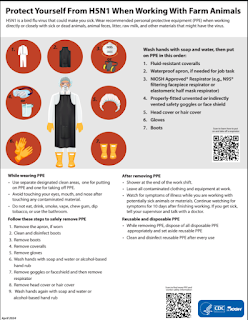
“With the first case in Michigan, eye symptoms occurred after a direct splash of infected milk to the eye. With this case, respiratory symptoms occurred after direct exposure to an infected cow. Neither individual was wearing full personal protective equipment (PPE). This tells us that direct exposure to infected livestock poses a risk to humans, and that PPE is an important tool in preventing spread among individuals who work on dairy and poultry farms. We have not seen signs of sustained human-to-human transmission, and the current health risk to the general public remains low.”

Additional influenza A (H5) case detected in Michigan


Transboundary & Emerg. Dis: Severe Avian Influenza A H5N1 Infection in a Human with Continuation of SARS-CoV-2 Viral RNAs

When Viruses Collide

#18,090

We've an interesting report today, published in Transboundary & Emerging Diseases, on an apparent co-infection with SARS-COV-2 and HPAI H5N1 clade 2.3.4.4b in a farmer in China. 

While we really can't draw any solid conclusions from a single case, it is important that we try to understand the interactions between COVID and H5N1 before they have an opportunity to act as a viral tag-team against us. 

Previously, we've seen reports of severe co-infections, and sequential infections, with COVID and influenza A, including:

Last year, in  Influenza viral infection is a risk factor for severe illness in COVID-19 patients: a nationwide population-based cohort study, researchers found that `. . . individuals who had an influenza infection less than 1 year before COVID-19 infection were at an increased risk of experiencing severe illness from the SARS-CoV-2 infection.'

More recently, in SARS-CoV-2 and Influenza Co-Infection: Fair Competition or Sinister Combination? - while they were unable to find conclusive evidence of how influenza co-infection mechanistically modifies disease outcomes of COVID-19 - the authors wrote: `. . . the dramatic increase in SARS-CoV-2 infections and fatalities during influenza epidemic seasons supports the notion that co-infection with both viruses exacerbates lung injury.'

The patient - a 53 year-old underweight female farmer with multiple comorbidities, fell ill with COVID in the days following the disbanding of China's Zero-COVID policies in late 2022.  Her backyard chickens began to die in late January 2023, and a few days later she spiked a fever, and visited a local health Clinic (Feb 2nd).  

Over the next week she would visit a local hospital, and then end up in a tertiary hospital and put on mechanical ventilation.  On day ten of her illness, she would finally be tested, and found positive for by SARS-COV-2 and H5N1 by PCR. 

Ten days later (day 20) she would finally test negative for both viruses.  Her condition improved gradually, and on day 35 she was moved to a general ward. She was discharged on day 44. 

First the link and some excerpts from a much longer report, after which I'll have a bit more.

Severe Avian Influenza A H5N1 Clade 2.3.4.4b Virus Infection in a Human with Continuation of SARS-CoV-2 Viral RNAs
Huiyan Yu,1Ke Jin,2Songning Ding,3Ke Xu,1Xian Qi,1Junjun Wang,3Qigang Dai,1Haodi Huang,1Chaoqi Xu,4Shenjiao Wang,1Fei Deng,1and Jun Li2 et al.

Academic Editor: Nan-hua Chen Published27 May 2024

Abstract

Background.

Since 2020, global attention has heightened towards epidemics caused by avian influenza A H5N1 virus of clade 2.3.4.4b in birds and mammals. This study presents the epidemiological history, clinical manifestations, and prognosis of a unique case infected with avian influenza A H5N1 clade 2.3.4.4b, along with the continuation of SARS-CoV-2 viral RNAs, in Eastern China.

Methods.


We collected and analysed the patient’s clinical, epidemiological, and virological data. Both sputum and bronchoalveolar lavage fluid (BALF) samples were subjected to real-time RT-PCR to test for respiratory pathogens of interests, including SARS-CoV-2 and influenza virus. Influenza virus isolation and propagation were performed on embryonated eggs. Serological tests were used to determine the presence of SARS-CoV-2 antibodies. Phylogenetic analysis was constructed to explore viral evolution and origin of A/H5N1 virus.

Results.

A 53-year-old female farmer with chronic bronchiectasis was hospitalized with severe pneumonia. Real-time RT-PCR revealed the presence of avian influenza A H5N1 and SARS-CoV-2 in BALF and sputum samples. Sequence analyses classified the human isolate as clade 2.3.4.4b of avian influenza A H5N1. The amino acid motif GlnSerGly at residues 226–228 of the haemagglutinin protein indicated avian-like receptor binding preference.
Epidemiological investigation established that the patient had exposure to sick or dead poultry 3 days before illness onset, while no cases of human-to-human H5N1 virus transmission were identified in 31 close contacts.

Conclusion.


We presented that the clade 2.3.4.4b H5N1 avian influenza virus has the potential to cross-infect humans with serious symptoms, especially in individuals already affected by COVID-19. It is indeed crucial to closely monitor the virus’s evolution in both avian populations and humans. Continued research and surveillance efforts are vital to monitor any potential changes in the virus, as well as to inform public health policies and interventions.

          (SNIP)

4. Discussion

(SNIP)
The genetic analysis of the isolated virus from Eastern China showed that it belongs to highly pathogenic avian influenza virus. Like the clade 2.3.4.4b of A H5N1 virus that caused human infection in Europe and America [26, 27], this virus does not currently possess mutations in key sites associated with mammalian adaptation. Therefore, it is still entirely of avian origin and has not yet developed adaptive changes to infect humans. Although the clade 2.3.4.4bA H5N1 virus can occasionally spill over to infection human, it does not currently can easily transmit among people, and its threat to public health is currently low. As the clade 2.3.4.4b of A H5N1 virus continued to spread worldwide and ongoing dynamic evolution with mutations and reassortment, the risk of HPAI virus infection in human might increase. It is necessary to monitor the pandemic potential of HPAI A H5N1 in birds, mammal animal, and human.
Our study has two limitations. First, we did not collect the samples from the sick or dead poultry the patient contacted before her illness onset. Hence, we cannot confirm the exact source of infection of the patient. Second, we cannot determine if post-COVID-19 condition increase the risk of the disease severity of the patient infection with avian A H5N1 virus. The extrapolation of the results warrants more researches in the future.

In conclusion, we report a female farmer with post-COVID-19 condition and multi-comorbidity factor, who had a history of sick or dead poultry exposure, was confirmed infection with the clade 2.3.4.4b avian influenza A H5N1 virus. The pre-existing infection with SARS-CoV-2 did not increase the transmissibility of avian influenza A H5N1 but increase its morbidity and prolong the patient’s hospital stay.
The avian influenza A H5N1 virus bearing clade 2.3.4.4b continues to exist in poultry and has spilled over to human beings. However, there is currently no evidence of adaptive mutations in the virus that would facilitate human-to-human transmission. In the post-COVID-19 pandemic era, sporadic human cases with avian influenza A H5N1 virus are possible to occur, especially among the population who professional or occasional contact with birds or poultry. Active surveillance of individuals following a high-risk exposure to the virus without any PPE protection is strongly recommended.

          (Continue . . .

During the time this patient was hospitalized, it is estimated that somewhere upwards of 2 million Chinese died from COVID alone (see EID Journal: Estimate of COVID-19 Deaths, China, December 2022–February 2023), making it difficult draw much from the severity of this case. 

But since examples of co-infection with  H5N1 and COVID are thankfully rare, any detailed field report on one provides us with important data. 

Interestingly, there is some research to suggest that an existing influenza A infection dramatically inhibits the replication of SARS-CoV-2 viruses in human airway epithelium cells. A process called viral interference. 
Which means taking an antiviral like oseltamivir when co-infected with influenza and COVID might increase SARS-CoV-2 replication, which may limit treatment options for co-infections (see Preprint: Counterintuitive Effect of Antiviral Therapy on Influenza A & SARS-CoV-2 Coinfection Due to Viral Interference). 

There is obviously a lot we still don't know yet about how COVID and other viruses will interact in the human - and even non-human - population.  But since COVID doesn't seem to be going away, and new viruses continue to enter the arena, its a topic very much worth further study.

USDA Map Now Tracking Domestic Cats With H5N1


#18,089

Yesterday the USDA updated their map/list of HPAI H5N1 in mammalian wildlife, with an unusually large jump in cases.  Most (n=16), we learn from the following notice, are domestic cat infections going back to March of this year.  

While many of these feline infections have come from direct exposure to dairy cattle or raw milk, over the past week we've seen reports from two states (South Dakota and New Mexico) of 4 H5N1 feline deaths not linked to diary barns. 

Additionally, one case from Montana is listed, which has yet to report HPAI H5 in cattle. 


We've seen earlier reports of domestic cats infected with H5N1 - both in the United States (see here & here), and in many other countries (see Poland, South Korea, and France).  

These events are undoubtedly badly under-reported, both here in the United States, and around the world. 

First, there is great disparity in the reporting of mammalian wildlife with HPAI H5 (see map above). Only 26 states have reported finding cases, and while New York and Michigan lead with 27 reports each, 7 of the reporting states (Arizona, Florida, Illinois, Missouri, Ohio, Rhode Island, and Vermont) have only reported a single incident.

Why the clear majority of the reports have come from northern states isn't clear, although it may come down to differences in climate and terrain (swamps vs. forests vs. deserts), and the fact that some states may be looking harder than others.

Mammals - including domestic cats - often die in remote and difficult to access places where their carcasses are quickly scavenged by other animals, meaning most never discovered or tested. And of course, some of these animals are likely to survive the infection, and are never tested. 

With so much H5 circulating in the wild, one of the concerns is the potential for companion animals (primarily cats) to bring avian influenza from the wild into the home (see A Brief History Of Avian Influenza In Cats). While the risk is considered low, it is not zero. 

In late 2016, New York City reported that hundreds of cats across several city-run animal shelters contracted avian an LPAI H7N2 (see NYC Health Dept. Statement On Avian H7N2 In Cats).

Studies later showed that two shelter workers were infected while 5 others exhibited low positive titers to the virus, suggesting possible infection (see J Infect Dis: Serological Evidence Of H7N2 Infection Among Animal Shelter Workers, NYC 2016). 

While dogs are also susceptible to H5N1 (see Microorganisms: Case Report On Symptomatic H5N1 Infection In A Dog - Poland, 2023)they tend to have milder (often asymptomatic) infections.

We recently reviewed the CDC's Updated Advice On Bird Flu in Pets and Other Animals, which warned the public to avoid contact between their pets (e.g., pet birds, dogs and cats) and wild birds. 

And of course, knowing what we know now,  you should never feed pets raw milk

Given the unusual amount of H5 virus still circulating in North America this late in May - and the unknowns provided by the recent introduction of H5N1 to American livestock - taking a few extra precautions over the summer would seem prudent until we know more about the threat we are facing.

Wednesday, May 29, 2024

UK HAIRS Risk Statement On Avian Influenza (H5N1) In Livestock


#18,088


While nations outside of the United States (and to a lesser extent, Canada) have been largely silent on the outbreak of HPAI H5N1 in American livestock, today the UK's HAIRS (Human Animal Infections and Risk Surveillance) group has released a detailed statement on the risks posed by H5N1 genotype B3.13 to people in contact with infected animals in the UK. 

These HAIRS risk assessments are generally quite detailed (see here, here, and here), but this one suffers somewhat from an apparent data cut off date of nearly of 3 weeks ago.

They make no mention of the 2nd human infection (reported May 22nd) from Michigan, or reports of infected cats not linked to dairy barnsand they state : `As of 9 May 2024, 42 dairy farms across 9 states have reported confirmed cases in cattle.'

Since their risk assessment only concerns itself with possible human exposure from UK livestock, I assume this 3 week gap in the data would have little impact on their findings.  

Although they currently state that H5N1 genotype B3.13 presents ` at most, a very low risk' in the UK, they also recognize that there are sizable evidence gaps, and a full assessment is not possible at this stage.

This is a lengthy report, and while I've reproduced some excerpts below, many will want to follow the link below and read it in its entirety.  I'll have a postscript after the break. 

Research and analysis
HAIRS risk statement: Avian influenza A(H5N1) in livestock
Published 29 May 2024

Date of this assessment: May 2024
Version: 1.0

Risk Statement

This risk statement provides a qualitative description of the zoonotic risk avian influenza (AI) A(H5N1) clade 2.3.4.4b genotype B3.13 presents to people in contact with infected animals in the UK, and highlights evidence gaps and recommendations for mitigating the risk of zoonotic transmission.

Based on the current available information, the HAIRS group determined that this currently presents, at most, a very low risk.

This is a rapidly emerging situation and there remain several evidence gaps, therefore a full assessment is not possible at this stage. This statement will be reviewed as the evidence becomes available.

         (SNIP)

UK Context

It should be emphasised that the AI A(H5N1) clade 2.3.4.4b genotype B3.13 reassortant virus implicated in USA dairy cattle has never been detected in the UK or Europe. Similarly, no other Eurasian-North American reassortants have been recorded in the UK or Europe, despite detections of these viruses in Canada and the USA since 2014. 

In Great Britain (GB), outbreaks of AI on poultry premises are followed-up with sequencing. Additionally, a proportion of wild bird cases will also be sequenced annually. Of all the GB sequences submitted to GenBank, none have been indicative of reassortants with North American strains. 

This can be visualised in the Global Initiative on Sharing All Influenza Data regional genome analysis from 2019 to 2024, where only a link for European viruses entering North America has been observed in this period (14) (Figure 1). The synchronisation of the migratory seasons and circulating avian influenza viruses have not been conducive to spread from west to east via these flyways.

Figure 1. Regional genome analysis and introductory routes of highly pathogenic avian influenza virus subtypes from 2019 to 2024. Source: Global Initiative on Sharing All Influenza Data. Accessed: 27 April 2024.
The likelihood of the presence in the UK of AI A(H5N1) clade 2.3.4.4b genotype B3.13 and undetected disease in cattle is considered to be very low. The risk level associated with AI in wild birds and poultry in the UK has recently been reduced from medium to low. On 29 March 2024, the UK self-declared zonal freedom from highly pathogenic AI (15) and is in the process of applying for disease free status, given the length of time since the last commercial poultry outbreak.

Mastitis frequently occurs in British cattle, although rarely to the high prevalence levels as reported in these cases in the USA. It is most commonly caused by bacterial infections of the mammary glands, and only in rare cases the aetiological agent is not found. Nevertheless, mastitis cases are not routinely tested for AI viruses as there has never been any evidence to suggest a testing requirement. 

The Animal and Plant Health Agency’s (APHA) cattle dashboard (16) reports the number of cases of mastitis tested and the causative agents identified under a voluntary scheme (as such, underreporting is likely). In 2024, there have been 44 cases of mastitis; 13 due to Escherichia coli infection, 16 due to Streptococcus species, 6 due to Staphylococcus infection and only 1 was undiagnosed. Between 2021 and 2024, there were 48 cases of mastitis in dairy herds in which no diagnosis was confirmed. From 2017 to 2020, there were 40 cases in which no diagnosis was confirmed.
(SNIP)

Possibility of human exposure in the UK

AI A(H5N1) Clade 2.3.4.4b, genotype B3.13 has not been detected in the UK. If infection was detected in UK dairy cattle, the likely pathways of human exposure are occupational and include farm and dairy workers, veterinary professionals and laboratory exposures. Historically, AI infections in humans have predominantly been acquired via direct contact with an infected animal or their contaminated environments. Current evidence suggests that the likelihood of human infection and onward spread is very low, and no sustained human-to-human transmission of AI viruses has ever been reported.

Consumption of unpasteurised, contaminated animal products is a possible but less likely source of exposure for humans (22), due to animal health and welfare and food safety guidelines in the UK around producing and consuming raw dairy products (23), particularly for vulnerable people.

There is currently no surveillance in dairy workers for AI A(H5N1). The only clinical sign in the USA human case was conjunctivitis, and while this is known to be a possible symptom of human infection with A(H5N1), it is unlikely that cases of conjunctivitis would be tested for AI A(H5N1).

(SNIP)

Interim outcomes and recommendations

Although there are evidence gaps affecting the interpretation of the risk AI A(H5N1) clade 2.3.4.4b genotype B3.13 presents to people in contact with infected animals in the UK, the HAIRS group determined that, based on the currently available information:
  • it is very unlikely this new Eurasian/North American reassortant is already circulating in dairy cattle in the UK, due to the lack of incursion pathways and the low level of AI cases in the UK since November 2023, when this virus strain emerged in the USA. Furthermore, there is ongoing genomic surveillance in place that aids early detection of new AI strains in wild bird and poultry in the UK. To date, this genotype has not been detected in the UK
  • the current risk to people in contact with animals infected with his strain in the UK is therefore, at most, very low (medium uncertainty). This is based on likelihood of exposure and impact of infection
  • there are some limited imports of raw dairy products including colostrum and these are being considered by not only Defra Imports team but also the Food Standards Agency. It is not certain whether current pasteurisation methods would be effective in completely eliminating the viral load of a large volume of thick, discoloured milk from infected cattle; however, milk from cattle showing such clinical manifestation would be identified as unfit for human consumption and disposed-of on the farm; it would not be added to the bulk tank, which is only for milk destined for human consumption. Nevertheless, exposure to such products (prior to pasteurisation) or equipment is a potential risk pathway which needs further assessment
  • unknowns which make a full assessment too uncertain at this stage, include the source of infection into and between herds in the USA – whether this is a rare spill-over event or an evolutionary change in the ability of the virus to infect cattle and in particular mammary gland cells; the duration of virus persistence in infected cattle or on equipment in the milk production process ; the transmission to calves from infected dams 
Based on the above, the HAIRS Group makes the following recommendations:

 For animal health and veterinary professionals to:

  • continue close monitoring of the situation in the USA, including further understanding of likely pathways of introduction into the UK
  • report any clinical signs associated with an unexplained reduction in milk yield, thickened milk (that is uncharacteristic for the stage of lactation) combined with reduced feed intake, low rumination and/or fever in dairy cattle to the APHA
  • report any unexplained mortality, neurological and/or respiratory symptoms in other animals (for example birds or other mammals) on dairy premises to the APHA
  • continue monitoring for new evidence as to the presence of AI A(H5N1) Clade 2.3.4.4b genotype B3.13 in wild birds, poultry and livestock in the UK
  • raise awareness and encourage farm and dairy workers to maintain sensible biosecurity on dairy farms (for example, the use of aprons, gloves and eye protection in parlours and sterilization of milking equipment)
  • undertake prompt investigation into possible transmissible zoonotic diseases on farms
  • include testing milk from UK dairy farms in surveillance plans for animal that meet the case definition (as published on GOV.UK (34))
  • ensure sharing of data between animal and human health agencies to ensure a one health approach is adopted to issues on dairy farms
For public health professionals to:
  • continue close monitoring of the situation in the USA, including likely transmission pathways to humans
  • raise awareness regarding consumption of raw dairy products including colostrum
  • consider the rapid investigation and testing of farm or dairy workers with respiratory or compatible symptoms, particularly on affected premises
  • ensure sharing of data between animal and human health agencies to ensure a one health approach is adopted to issues on dairy farms
(Continue . . . )


For what its worth, I highly doubt that H5N1 genotype B3.13 is currently circulating in UK cattle, and I agree the risk to people living in the UK is probably quite low.

This HAIRS report does a good job describing the various barriers the virus would need to cross to reach the UK, and while formidable, they are not insurmountable. 

Their perceived lack of risk, however, is being used to rationalize not aggressively testing for the virus.  A bit surprising, since this opinion is based on very limited testing (of both cattle and humans), which they admit is proffered with medium uncertainty. 

As stated in this report:

" . . . mastitis cases are not routinely tested for AI viruses as there has never been any evidence to suggest a testing requirement. "

"There is currently no surveillance in dairy workers for AI A(H5N1)."
"The only clinical sign in the USA human case was conjunctivitis, and while this is known to be a possible symptom of human infection with A(H5N1), it is unlikely that cases of conjunctivitis would be tested for AI A(H5N1)."

While genotype B3.13 appears to be a regional threat (at least for now) for North America, there is nothing to say another genotype couldn't emerge somewhere else in the world with a similar ability to infect livestock.  

But if we aren't actively look for it, it could - as genotype B3.13 has already done the U.S. - spread under the radar for quite some time.  

That, of course, is the problem with H5N1.  It is not a single entity, and it is fully capable of attacking us on multiple fronts. 

Tuesday, May 28, 2024

USDA: HPAI H5N1 Detected In Alpacas


 #18,087

While I was away from my desk for a few hours doing some badly needed pre-hurricane season prepping (4 new tires for the car), Helen Branswell tweeted a belated announcement from the USDA on the first detection of H5 in Alpacas. 

The statement provides little information, other than these alpacas were from a premises where HPAI affected poultry were recently culled.  
Highly Pathogenic Avian Influenza (HPAI) H5N1 Detections in Alpacas
Last Modified: May 28, 2024

The National Veterinary Services Laboratories (NVSL) confirmed the detection of Highly Pathogenic Avian Influenza (HPAI) H5N1 in alpacas from a premises where HPAI-affected poultry were depopulated in May 2024. While this HPAI confirmation is not unexpected due to the previous HPAI detection on the premises, the high amount of virus in the environment, and co-mingling of multiple livestock species on-farm, it is the first HPAI detection in alpacas.

NVSL has confirmed that the viral genome sequence for these samples is the same sequence currently circulating in dairy cattle (B3.13), which is consistent with sequences from the depopulated poultry on this premises. (NVSL PCR confirmation was completed on May 16. APHIS reported the confirmation to the World Organisation for Animal Health and on the HPAI livestock website upon completion of additional gene sequencing, per APHIS policy for disease detections in new species.)

Alpacas belong the the family Camelidae, which includes 3 types of camels ( dromedary camels, Bactrian camels, wild Bactrian camels), and 4 lamoids (llama, alpaca, guanaco, and vicuña).

Camelidae - including both camels and alpacas - are known to be susceptible to MERS-CoV (see EID Journal: MERS-CoV Antibodies In Alpacas - Qatar), but less is known about their susceptibility to influenza A viruses. 

A 2022 study, Influenza A Virus Infections in Dromedary Camels, Nigeria and Ethiopia, 2015–2017, reported:

We examined nasal swabs and serum samples acquired from dromedary camels in Nigeria and Ethiopia during 2015–2017 for evidence of influenza virus infection. We detected antibodies against influenza A(H1N1) and A(H3N2) viruses and isolated an influenza A(H1N1)pdm09–like virus from a camel in Nigeria. Influenza surveillance in dromedary camels is needed.

Last year Chinese scientists reported finding LPAI A/H7N9 in Mongolian camels back in 2020 (see  ASM Journal: Characterization of an H7N9 Influenza Virus Isolated from Camels in Inner Mongolia, China), while in 2014 we saw an EID Journal report on the discovery of Equine H3N8 In Mongolian Bactrian Camel. 

Immunization of Alpacas with H5N1 has been done in a laboratory setting (see Single-Cell Transcriptome Analysis of H5N1-HA-Stimulated Alpaca PBMCs) resulting in the animals mounting a robust immune response.

As far as I can tell, however, there have been no confirmed reports of natural infection of camelids with HPAI H5 until now.  But, given H5's rapidly expanding host range, it is getting harder and harder to be surprised when a new species is added to the list..  

The dangers of mixed-species farming, where poultry, pigs, cattle, mink, and yes . . . even alpacas, can readily exchange viruses are well known (see Study: Seroconversion of a Swine Herd in a Free-Range Rural Multi-Species Farm against HPAI H5N1 2.3.4.4b Clade Virus ).

But whether we've got the will, or the time, to change those practices is the $64 question.   


Preprint: Detection of a Reassortant Swine- and Human-origin H3N2 Influenza A virus in Farmed Mink in British Columbia, Canada


#18,086

Fifteen years ago, during the height of the 2009 H1N1 pandemic - in That Touch Of Mink Flu -  we started looking at the close relationship between influenza and mink farms.  At that time, Denmark was reporting the discovery of a novel H3N2 virus circulating on at least 11 mink farms in Holstebro.

While this wasn't the first detection of Influenza A in farmed mink, it set off alarm bells because it involved a `humanized' strain, and it had spread rapidly through multiple farms.

Earlier that same year, a report was published in the Journal of Clinical Microbiology, describing a 2007 outbreak of swine H3N2 among farmed mink in Canada.  Prior to that - in 2006, a mink was discovered to have highly pathogenic H5N1 `bird flu’ in Sweden (see CIDRAP Report).

Since then, we've revisited the mink-flu connection many times, and starting in 2020, its equally close relationship with COVID.  A few of many blogs include:


Nature: Semiaquatic Mammals As Intermediate Hosts For Avian Influenza
Last summer, in PNAS: Mink Farming Poses Risks for Future Viral Pandemics, we looked at an excellent opinion piece penned by two well known virologists from the UK (Professor Wendy Barclay & Tom Peacock) on why fur farms - and mink farms in particular - are high risk venues for flu.

Although our biggest mink-related concerns currently involve H5N1 and COVID, we've a preprint today on the finding of an H3N2 reassortant virus circulating on a remote mink farm in British Columbia. This discovery was only made because they were monitoring for COVID, which suggests flu outbreaks in mink are likely far more common than we know.

While its origins remain murky, this `swine-human reassortment' has since been detected in both birds and swine across central Canada and the United States.  

Today's report not only characterizes the virus, it spends a good deal of time trying to determine how this reassortant reached, and established a home, on this remote mink ranch.  

I've reproduced the abstract and some excerpts from the preprint, but I highly recommend reading the full 29-page report.  I'll return with a brief postscript after the break. 

Detection of a reassortant swine- and human-origin H3N2 influenza A virus in farmed mink in British Columbia, Canada

Kevin S Kuchinski, John Tyson, Tracy Lee,  Susan Detmer, Yohannes Berhane, Theresa Burns, Natalie A Prystajecky,  Chelsea Himsworth
doi: https://doi.org/10.1101/2024.05.27.596080

Preview PDF

Abstract

In December 2021, influenza A viruses (IAV) were detected in a population of farmed mink in British Columbia, Canada. Based on genomic sequencing and phylogenetic analysis, these IAVs were subtyped as H3N2s that originated from reassortment of swine H3N2 (clade 1990.4h), human seasonal H1N1 (pdm09), and swine H1N2 (clade 1A.1.1.3).
This reassortant has been subsequently observed in swine in several Midwest American states, as well as in swine and turkeys in Ontario, suggesting its spillover into farmed mink in British Columbia was incidental to its broader dissemination in North American swine populations.
These detections reaffirm the need for extensive genomic surveillance of IAVs in swine populations to monitor reassortments that might become public health concerns. They also highlight the need for closer surveillance of IAVs in mink to preserve animal health, protect agricultural interests, and monitor potential zoonotic threats.

(SNIP)

Results 

On 2 May 2021, an outbreak of SARS-CoV-2 was detected on an American mink farm (Neovison vison) in BC through a passive surveillance program. This program had been instituted by the Ministry of Agriculture and Food (MAF) in response to two previous SARSCoV-2 outbreaks on mink farms in BC. The outbreak continued until April 2022, at which point the farm was depopulated. 

No unusual clinical signs were reported in the herd, nor was there increased incidence of respiratory disease or mortality. During the surveillance period, SARSCoV-2 prevalence and evolution was monitored by testing a random stratified sample of 65 mink every two weeks. 

Testing was conducted by the BC Centre for Disease Control Public Health Laboratory (PHL), where SARS-CoV-2 assays had been multiplexed with IAV, influenza B virus, and respiratory syncytial virus for higher laboratory throughput during the COVID-19 pandemic. This led to the incidental detection of IAV in 17 of 65 mink specimens on 3 Dec 2021.


Discussion

Our investigation could not conclude how these mink became exposed to swine-origin IAVs. Additional modes of transmission were considered, but they could not be assessed due to lack of available data. For instance, wild mustelids have been reported to visit mink farms and interact with captive animals resulting in the transmission of viruses30; it is possible that wild mustelids may have visited this farm unnoticed after becoming infected with IAVs on another premise where swine are raised. 

(SNIP)

Ultimately, the limited extent of genomic surveillance for IAVs in local swine and poultry populations constrained our ability to identify a local source for the outbreak. It also restricted our ability to assess the plausibility of different transmission routes.
Although IAV is a reportable disease in swine and poultry in BC, the passive nature of surveillance programs combined with the potential for asymptomatic or unremarkable infections means that underreporting and under-detection is likely.

Indeed, only 4 contemporaneous, local swine-origin H3N2 IAV genomes were available for analysis, opportunistically detected through an unrelated research study, and these viruses were not related to the mink farm outbreak. This suggests that IAV diversity within swine populations is under-characterized. 

This was further indicated by limited detections of IAVs with the same genome constellation as far afield as Iowa, Minnesota, Missouri, and Ontario. This suggests that this IAV reassortant was able to disseminate across North America largely unnoticed.
The uncomfortable corollary is that many other reassortant IAVs are likely emerging and disseminating unobserved within large, transnational, commercial swine populations.

          (Continue . . . ) 

While people tend to think of farming as natural and safe, modern farming practices are a far cry from the family farms of yesteryear.  Pigs, in particular, are often transported cross-country, to be fattened - and then slaughtered - in the most economical way. 

Crowded factory farms can serve as `breeder reactors', co-mingling and amplifying viruses that come from multiple locations around the country.  In that way, they are not unlike unintentional, and unmonitored, GOF (Gain of Function) experiments. 
 
Add in `multi-species' farms, where pigs (or mink, or goats, or cattle . . . ) may have direct or indirect contact with other species, or cases of intrusion of viruses from passing birds or peridomestic animals, and the risks grow even greater. 

Despite the growing dangers, testing, surveillance, and reporting are often either passive, voluntary, or in some places; practically non-existent.  

Even here in the United States, where H5N1 is unexpectedly spreading widely in diary cattle, testing (except for interstate transport) remains extremely limited and voluntary.  As a result, we don't really know how widespread the problem really is. 

While it is somewhat reassuring that H5N1 has yet to turn up in American pigs - which is potentially far more risky than in cattle -  limited testing can only provide limited confidence.  

I have to believe 10 or 20 years from now - when historians look back at our next major pandemic - they will be completely mystified by our willingness to accept a `Don't test, don't tell' policy in the face of a clear and present danger like H5N1.

I know I'm dumbfounded now.