Saturday, August 31, 2024

Nature: Minimal Influenza Virus Transmission from Touching Contaminated Face Masks: a Laboratory Study


#18,272


Although I've been pretty diligent in wearing a surgical (or KN95) mask when in crowded public places for the past 4 years, I'll admit I don't usually doff the equipment as methodically as most infection control experts might like, and I often reuse masks (after UV exposure or 48 hours). 

While I use hand sanitizer most of the time after removing my face covering, I'm not entirely consistent.  But between my PPEs, my COVD/Flu vaccinations - and a little bit of luck - I've gone 3+ years without a COVID (or respiratory) infection. 

Somewhat reassuringly, today we've a study in Nature that suggests that concerns over viral transfer from touching a contaminated face mask may be overblown.  I've just posted some excepts, so follow the link to read it in its entirety. 


Minimal influenza virus transmission from touching contaminated face masks: a laboratory study
Yuxuan FanHidekazu NishimuraSoichiro SakataYasuhiro OkadaSatoru EbiharaJulian W. TangMasahiro Kohzuki

Scientific Reports volume 14, Article number: 20211 (2024) Cite this article
The risk of virus transmission via the touching of contaminated masks has long been assumed by infection control teams. Yet, robust evidence to support this belief has been lacking. This risk was investigated in a laboratory setting by measuring the amount of viable influenza virus successfully transferred from artificially contaminated medical (surgical) mask surfaces to a human finger used to swipe their outer surface under various experimental conditions. Despite being exposed to high levels of virus contamination on the masks, very little or no viable virus was successfully transferred from the mask to the finger in these experiments.

Introduction
Respiratory viral infections such as influenza have been considered to spread through two major routes: by inhalation of aerosols or droplets and via direct or indirect contact with contaminated surfaces. The latter route has long been emphasized in the field of infection control. The touching of contaminated masks is also traditionally assumed to be a risk of viral transmission in hospital infection control practices for the prevention of nosocomial infection of influenza, as well as of other infectious diseases. However, there is a notable lack of evidence supporting this route of transmission, despite the amount of infection control guidance related to this, including various personal protective equipment (PPE) donning/doffing guidelines1.

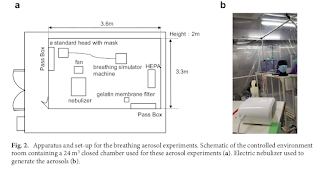
This study, conducted in a laboratory setting, investigates this risk for influenza transmission by quantitatively assessing the transfer of viable viruses from artificially contaminated medical (surgical) masks to human fingers. The surgical masks were exposed to airborne virus under differing experimental conditions, which mimicked common clinical exposure scenarios.
Results

Overall, with this experimental simulation, the number of transferred viruses was under the detection level or almost undetectable from the contaminated mask surfaces to the swiping finger. No virus or only a small amount (maximum 10 pfu) of the virus was detected in the experiments that used the nebulizer and coughing machine, which used large amounts of the virus under conditions reasonably favorable for influenza virus survival (20 °C, 20% RH) (Fig. 1a, b). Similarly, in the spray experiments under a variety of temperatures and RHs, little or no virus was detected on the swiping fingertip (Fig. 1c).

         (SNIP)
It is notable that despite the viral loads used in these transmission experiments being very high compared to real-world settings, there was still little or no transmission via fingertip swiping. In addition, even if a very small amount of the virus were transferred to the fingertip or hand, their viability would decrease rapidly9,10. Furthermore, the transmission of influenza via fingers is thought to occur by contact of the contaminated fingertip with the nasal mucosal membrane, but the low infection efficiency by such a nasal route was also seen in data from an efficacy study for the influenza drug, oseltamivir11. Therefore, based on these study results, the risk of viral transmission via this fingertip-mask surface-touching route appears extremely low—in contrast to commonly cited infection control guidance.

While we agree that a ‘bundled’ approach to infection control may be effective in sending a single message of how to disinfect surfaces and maintain good hand hygiene, we believe that this can go too far, as was seen with the excesses of ‘hygiene theatre’ highlighted during the COVID-19 pandemic12. At least one other real-world study showed little or no external mask viral contamination13. Thus, that study, together with the results in this current study and the plausible mechanisms discussed to explain these findings, are likely applicable to other human respiratory viruses that are also substantially airborne14,15.

This is not to say that hand-washing and fomite transmission precautions are not important. This study, together with another12, simply suggests that the risk of viral transmission via touching the surface of used masks is low.

          (Continue . . . )


California: CDFA Confirms HPAI H5 In 3 Dairy Herds


 #18,271

On Thursday California's Department of Food & Agriculture announced the suspicion of H5N1 In dairy cows in 3 locations in the Central Valley.  Overnight the CDFA has confirmed those those results (see press release below).

This statement is primarily geared towards reassuring the public on the safety of the milk supply, and the low level of risk to the general public. 

While largely true, they do gloss over some legitimate concerns (e.g. the legal sale of raw milk/dairy products in California, the possibility of milk from asymptomatic infected dairy cows entering the food chain, and the lack of mandatory testing, etc.)

A major unanswered question is how these 3 herds came to be infected, when presumably all cattle entering the state have tested negative for the virus for months.  Regarding their investigation, they state:

Animal movement is being tracked and evaluated, as are other potential introduction pathways. Additional testing will be prioritized according to epidemiologic risk. 


The full press release follows.  


Release #24-099

AVIAN INFLUENZA CONFIRMED IN THREE CALIFORNIA DAIRY HERDS

Three Central Valley farms quarantined; no human cases detected; no threat to the milk or food supply

SACRAMENTO, August 30, 2024 – Cows at three California dairies located in the Central Valley have tested positive for highly pathogenic avian influenza (HPAI).

When herds began showing clinical signs consistent with HPAI on August 25, 2024, the dairy owners worked with their veterinarians and the California Department of Food and Agriculture (CDFA) to submit samples to the California Animal Health and Food Safety (CAHFS) laboratory network for preliminary determination. The samples were then submitted to the National Veterinary Services Laboratory (NVSL), where the test results were confirmed today.

No human cases of HPAI have been confirmed in California related to this incident. The California Department of Public Health (CDPH) is working in collaboration with CDFA and will work with local health departments to monitor any individuals who may be exposed to infected animals to ensure prompt clinical and public health interventions, and CDPH would provide official confirmation of any human cases associated with this incident.

“We have been preparing for this possibility since earlier this year when HPAI detections were confirmed at dairy farms in other states,” said CDFA Secretary Karen Ross. “Our extensive experience with HPAI in poultry has given us ample preparation and expertise to address this incident, with workers’ health and public health as our top priorities. This is a tough time for our dairy farmers given the economic challenges they’re facing in a dynamic market, so I want to assure them that we are approaching this incident with the utmost urgency.”

According to CDPH and the Centers for Disease Control (CDC), this influenza virus is not considered a significant public health threat and the risk to humans is considered low. The primary concern is for dairy workers who come into close contact with infected dairy cows. As we have learned from recent cases in other states, these workers may be at risk of contracting avian influenza. Public health officials have experience working with agricultural partners and supporting farm workers working with infected poultry to prevent and monitor for infection. CDPH recommends that PPE (masks, gloves, caps, face shields, and safety goggles) be worn by farm workers and emergency responders when working with animals or materials that are infected or potentially infected with avian influenza.

Earlier this summer, CDPH supported a one-time distribution of protective equipment for dairy farm workers and others handling raw dairy products, as well as for slaughterhouse and commercial poultry farmworkers. CDPH will continue to support dairies with confirmed positive cases with PPE. Furthermore, affected farms can take advantage of a USDA grant that provides financial support for producers that supply PPE to employees. The CDC has confirmed four human cases of HPAI in dairy workers in other states since April 2024: one each in Texas and Colorado, and two in Michigan. CDFA is working with public health officials and dairy owners to inform and monitor workers at affected dairies in California, and to assist the dairies with education and resources to protect their workers, including providing PPE.

For CDC guidance for employees and employers, please visit https://www.cdc.gov/flu/pdf/avianflu/protect-yourself-h5n1.pdf

California’s supply of milk and dairy foods is safe and has not been impacted by these events. As a precaution, and according to longstanding state and federal requirements, milk from sick cows is not permitted in the public milk supply. Also, pasteurization of milk is fully effective at inactivating the virus, so there is no cause for concern for consumers from milk or dairy products. Pasteurized milk and dairy items, as well as properly handled meat and eggs, continue to be safe to consume.

The affected dairies have been placed under quarantine on the authority of CDFA’s State Veterinarian, and enhanced biosecurity measures are in place. Sick cows are isolated and are being treated at the dairies; and healthy cows have been cleared to continue shipping milk for pasteurization.

Animal movement is being tracked and evaluated, as are other potential introduction pathways. Additional testing will be prioritized according to epidemiologic risk.

Background on HPAI in California

The HPAI virus has been detected in wild birds in the U.S. since 2022, with occasional transmission into domestic poultry or wild mammals in almost all states, including California. In March, 2024, the first US detection in cattle was confirmed in Texas, most likely due to a single spillover event from wild birds. Since that time, the USDA has linked new detections in cattle to the interstate and regional movement of infected or contaminated livestock, people and equipment.

CDFA has been engaged for years with an extensive network of private veterinarians, farmers and ranchers, backyard bird enthusiasts, and local, state and federal partners to actively monitor for this disease in livestock and poultry throughout California. The department has taken steps to reduce the risk of entry of infected dairy cattle into the state, has extensive experience responding quickly and effectively to past detections of HPAI in poultry, and is fully prepared to respond to detections in cattle.

Most infected livestock and dairy cattle fully recover from an HPAI infection within a few weeks

No California domestic poultry flocks are affected by the current incident. Avian influenza viruses continue to circulate normally among migratory and wild birds. Monitoring of both wild and domestic bird populations is performed on a continuous basis by multiple public agencies, as well as farmers and ranchers and private bird owners.

For the most up-to-date information regarding highly pathogenic avian influenza (HPAI) in livestock in California, please visit CDFA - AHFSS - AHB - Highly Pathogenic Avian Influenza (HPAI) H5N1 Virus in Livestock.


Friday, August 30, 2024

WHO Interim Guidance to Reduce the Risk of Infection in People Exposed to Avian Influenza Viruses


#18,270

While the risks of exposure to avian flu are still considered low for most people, as these viruses continue to spread in avian and mammalian species, those risks are expected to rise.  

This week the WHO released an interim set of guidance for the public to use to reduce their risk of infection going forward. 

People will want to take particular note of the activities listed that may increase the risk of infection, as they go well beyond the usual suspects (i.e. visiting `wet' markets, culling poultry, working with livestock, etc.). 

Due to its length, I've only posted some excerpts.  Follow the link to read the full document.


Practical interim guidance to reduce the risk of infection in people exposed to avian influenza viruses
28 August 2024| Guidance (normative)

Download (251.1 kB)

Overview

Human infection with avian influenza viruses such as A(H5N1) can cause clinical disease ranging from conjunctivitis, mild upper respiratory tract infection and gastrointestinal issues to more severe outcomes, including encephalitis, encephalopathy and death. To minimize the risk of such human infections, interventions should be implemented to reduce human exposure to birds and mammals potentially infected with avian or other animal influenza viruses. It is recommended that national authorities conduct scientific investigations and enhanced surveillance to monitor, understand the extent of, and assess the risk among occupationally exposed individuals, including those with or without clinical signs and/or symptoms, and provide appropriate clinical management.

This interim guidance will be updated as more information becomes available.


A few excerpts from this 5-page document include:

Risk assessment 

Based on currently available information, WHO assesses the overall risk to the general population posed by avian influenza viruses – including the recently detected A(H5N1) virus in dairy cattle in the United States of America – to be low. For those exposed to infected birds or animals or contaminated environments, the risk of infection is considered to be low-to-moderate. (1,2)

Activities associated with increased risk

When influenza viruses are circulating in animals in a given area, people who are exposed to infected or potentially infected animals or their environments through certain activities, including through their work, are at risk of infection – especially those who:
  • keep live poultry in their backyards or homes, or who purchase live birds at markets;
  • slaughter, de-feather and/or butcher poultry or other animals at home;
  • handle and prepare raw poultry for further cooking and consumption;
  • have contact with poultry or other animal by-products (such as raw milk, viscera, manure and contaminated/unwashed feathers) or with water contaminated with such by-products (such as wastewater from a live bird market or slaughtering facility);
  • consume raw poultry, raw milk or other raw animal meat or by-products;
  • engage in outdoor activities (for example, shooting, hunting, animal watching or animal conservation/rescue) that may involve exposure to wild animals;
  • work in the poultry or other livestock industry or fur farms or zoos (including farmers and veterinarians), or who visit animal farms or premises in the course of their work (such as animal and public health responders), or who transport or sell live poultry or other animals or carcasses or slaughter animals, or who are involved in culling/depopulating/disposing of poultry or other animals or in the decontamination of contaminated premises
Recommendations

1. Minimize exposure
General public and those whose activities may put them at increased risk of infection 
Given the observed extent and frequency of avian influenza in poultry, wild birds and some wild and domestic mammals, the public are recommended to:
  • avoid contact with animals that are sick or dead from unknown causes, including wild animals;
  • report sick or unexpectedly dead animals to their veterinarian or local authorities;
  • follow good food safety and personal hygiene practices (especially hand washing);
  • properly handle and cook eggs, poultry meat and other animal products;
  • only slaughter healthy animals for human consumption – animals that have unexpectedly died should not be consumed and should be disposed of appropriately in accordance with national regulations;
  •  avoid consuming raw/unpasteurized milk;
  • seek health care if feeling unwell and inform their health care provider of any possible exposure to sick animals; and
  • comply with all other national or local official measures put in place (for example, animal movement restrictions).
People who have direct or indirect contact with infected or potentially infected animals or theirenvironments through the course of their work that puts them at increased risk of infection
People at risk of exposure to infected or potentially infected animals through the course of their work should wear appropriate personal protective equipment (PPE). PPE must be correctly fitted, used and removed, and safely disposed of or decontaminated. Individuals needing to use PPE should be provided with it and trained in its appropriate use. PPE may include the following depending on the risk assessment specific to the work involved:
  •  fluid-resistant coveralls
  •  particulate respirators (single-use FFP2, N95 equivalent or higher quality)
  •  eye protection (googles or face shield)
  •  gloves (heavy duty gloves depending on the task)
  •  boots.
People whose work includes activities that may put them at increased risk of exposure to potentially infected animals (such as selling live animals, or slaughtering and processing animals) should ideally wear light-coloured and clean protective clothing, aprons, gloves and rubber boots to ensure that any soiling is obvious. Eye protection should also be considered whenever possible, and good food safety and hygiene practices followed (especially hand washing).

In addition to frequent environmental cleaning and disinfection, individuals in at-risk groups should perform hand hygiene, either with alcohol-based hand rub or by washing their hands with soap and water if visibly soiled. This should be done regularly – but especially before and after contact with animals and their environments. Efforts should be made to avoid touching the nose, eyes or mouth with the hands during work. Showering and changing into clean clothes after work, if feasible, is also recommended.
        (SNIP)


While I hesitate to call this the `new normal', it is unfortunately our new reality. 


California: Statement On Detection of Suspected H5N1 In Dairy Cows


#18,269

California, which has the largest number of dairy farms in the country, announced late yesterday they are investigating the possible HPAI H5 infection of cows at 3 dairies located in the central Valley.   First the announcement, after which I'll have a bit more.


CDFA Statement on possible introduction of highly pathogenic avian influenza at California dairy farms

8/29/24

The California Department of Food and Agriculture (CDFA) is investigating the possible introduction of highly pathogenic avian influenza (HPAI) at three dairy farms in the Central Valley. Should HPAI be confirmed, it is important to note that pasteurization is fully effective at inactivating the virus and there is no milk or dairy product safety concern for consumers.

With the detection of HPAI in dairies elsewhere in the US in recent months, CDFA has been engaged with private veterinarians, farmers and ranchers, and local, state and federal partners to develop response plans and actively monitor for the disease in livestock and poultry throughout California. CDFA has taken steps to reduce the risk of entry of infected dairy cattle into the state, has maintained rapid response capability used during past detections of HPAI in poultry, and is prepared to respond to detections in cattle. If these cases are confirmed, CDFA will continue working closely with the California Department of Public Health, and local agricultural and public health officials, to understand the extent of the introduction and support animal health and public health activities with the goal of limiting exposure to virus while the impacted herds develop immunity.

Samples have been submitted from these three sites to our California Animal Health and Food Safety (CAHFS) laboratory. Any positive tests at our California lab would be considered “presumptive” and submitted to the USDA for final confirmation (typically within a few days). As with most influenza infections in cattle, infected dairy cows would be expected to recover within a few weeks.

Since we are now more than 4 months since the USDA's order requiring Mandatory HPAI Testing Prior to Interstate Movement Of Cattlefiguring out how (and when) HPAI reached Californian cattle should be of considerable interest. 

The CDFA reports they have been `. . . engaged with private veterinarians, farmers and ranchers . . . ', but exactly how much cooperation they are getting is unknown.  In other states we've seen considerable resistance to testing by dairy interests. 

California's statement - like many we've seen coming from other states - stresses the safety of the milk supply due to pasteurization.  In their words `. . .  there is no milk or dairy product safety concern for consumers.'

However, raw milk sales are legal in California (from approved dairies). 

This from the California Department of Public Health:


Are raw milk and raw milk products available in California?
Raw milk from cows, sheep, and goats may be legally sold in California if a dairy farm in California meets specific requirements for sanitation and licensing. Animals at the facilities and farms that are approved to sell raw milk in California must be tested for specific diseases, including brucellosis and tuberculosis. Farm workers at these facilities must also be free from infectious germs that can contaminate milk and make people sick.

However, these requirements cannot guarantee that a dairy farm will produce raw milk dairy products that are free from harmful germs. These requirements also cannot guarantee that raw milk products are as safe to eat or drink as pasteurized milk products. That is why farms that produce and sell raw milk must include a warning label on all raw milk dairy products that tells people that the product they are buying may contain germs that can make them sick. In fact, although these precautions and legal requirements are in place, contamination of raw milk still occurs, and there have been recent disease outbreaks and recalls of raw milk products in California.​​


While currently only 13 states have reported HPAI H5 in cattle (see map below) - given the lack of mandatory testing - we really can't say how widespread the virus truly is, or how quickly it is spreading.    


If, as farmers hope, the virus eventually burns itself out in cattle, then I suppose no-harm, no-foul.  But that's a big `if'.

Meanwhile, the virus continues to spread from cattle into other species (cats, mice, humans, even back into birds), and where that eventually leads is anyone's guess. 

Given the stakes - and our policy of `don't test, don't tell' - we better hope we get lucky. 

Thursday, August 29, 2024

Emer. Microbe & Inf.: HPAI Virus H5N1 clade 2.3.4.4b in Wild Rats in Egypt during 2023


Credit CDC

Correction:  When I first loaded the article, the Veterinary Quarterly logo appeared at the top.  I've amended the title to the proper journal. 


#18,268

Up until a couple of months ago, rodents had never been included in the USDA's list of mammalian wildlife infected with H5N1 (see USDA Adds House Mouse To Mammals Affected by H5N1). Since early June we've seen nearly 100 rodents (house mouse, deer mice) added to the list, and they now comprise over 25% of all of the confirmed mammals on the list. 

Over the past few months we've also seen the addition of domestic cats (n=37), prairie voles (n=1), and desert cottontails (n=1) to the list. HPAI H5 continues to expand its host range in mammals, and surveillance likely only picks up a small fraction of these spillover events.   

Earlier this month, in Nature: Decoding the RNA Viromes in Shrew Lungs Along the Eastern Coast of China, we looked at a study that found a wide range of zoonotic viruses - including HPAI H5N6 - in shrews.  Previously, in 2015's Taking HPAI To The Bank (Vole), we looked at that species' susceptibility to both H5N1 and H7N1.

While they haven't gotten the attention they probably deserve, rodents - which are often abundant around poultry and dairy farms - likely contribute to the spread of HPAI viruses (see 2016's The role of rodents in avian influenza outbreaks in poultry farms: a review).

All of which makes it less-than-surprising that researchers have now reported finding HPAI H5N1 in wild rats in Egypt.  Given recent detections in deer mice in the U.S., it is probably safe to assume this is not a rare occurrence. 

Due to its length, I've only posted some excerpts.  Follow the link to read the full report.  I'll have a  brief postscript after you return.

Highly Pathogenic Avian Influenza Virus H5N1 clade 2.3.4.4b in Wild Rats in Egypt during 2023

Omnia Kutkat,Mokhtar Gomaa,Yassmin Moatasim,Ahmed El Taweel,Mina Nabil Kamel,Mohamed El Sayes, show all

Article: 2396874 | Accepted author version posted online: 28 Aug 2024

Cite this article https://doi.org/10.1080/22221751.2024.2396874  

Main text

Avian influenza viruses (AIVs) pose continuous challenges to human and animal health worldwide. Wild birds are considered the natural reservoir for AIVs and play a major role in spreading influenza viruses over long distances [1]. Highly pathogenic avian influenza (HPAI) H5N1 activity has increased globally causing mass mortality in wild birds and poultry and incidental infections in mammals. H5 clade 2.3.4.4 of the H5N1 subtype emerged in China in 2014 due to reassortment and then diversified into several clades [2]. Clade 2.3.4.4b A(H5N1) viruses were detected in birds across the five continents [3, 4]. The spread of clade 2.3.4.4b of A(H5N1) viruses caused high mortality among domestic and wild birds. H5N1 clade 2.3.4.4b viruses have spilled over to several non-avian species, they were detected and isolated from domestic dogs and cats [5] and from different species of marine mammals and minks [6]. Epidemiological investigations based on serological testing showed that H5-specific antibodies were detected in foxes, polecats, and stone martens. These data showed that undetected and clinically mild HPAIV infections have occurred in wild carnivores in the Netherlands [7].

Some influenza viruses can propagate in rodents without adaptation [8]. Previous studies showed the detection of (HPAI) H5N8 virus in a mouse that was found dead in a depopulated poultry house [9] and antibodies against HPAI H5N1 virus were detected in rat sera during the initial outbreak of HPAI H5N1 virus in Hong Kong in 1997 [10]. Rodents can be abundant around poultry houses and share their habitat and may be contributing to the transmission of AIVs across poultry production sectors and across species [11]. The recent outbreak of clade 2.3.4.4b of A(H5N1) viruses in dairy cattle across several states in the United States has raised significant concern nationally and globally [12, 13]. Human cases of H5N1 clade 2.3.4.4b virus infection from dairy farm workers were reported [14]. Transmission of the virus from dairy cattle to other mammals including domestic cats was reported [15].

In 2021, the first HPAI H5N1 clade 2.3.4.4b viruses were detected in wild birds and domestic ducks from live bird markets in Egypt [16]. Based on the genetic analysis of HPAI viruses isolated in Egypt in winter 2021–2022, most H5N1 HPAI viruses were genetically close to H5 HPAI circulating in Europe, Africa, and the Middle East. Here, we report the first detection of HPAI H5N1 clade 2.3.4.4b viruses in wild rats in Egypt.

In July 2023, we collected oropharyngeal and paw swab samples from wild rats from a rural area in Giza near poultry farms, markets, and backyard flocks and performed influenza A virus detection via reverse transcription PCR (universal M-gene) [17]. This work was approved by the Medical Research Ethics Committee of the National Research Centre, Egypt (protocol number 1-4-6). A total of 20 rodents, eight Rattus norvegicus, nine Rattus rattus, and three Acomys cahirinus, were trapped alive, euthanized, and then sampled.

Four oropharyngeal samples from Rattus norvegicus and four oropharyngeal samples from Rattus rattus were positive for influenza A virus but none of the paw swabs (Table S1). The eight positive samples were inoculated into the allantoic cavity of 10-day-old embryonated chicken eggs (ECEs) and incubated for 48 h post-injection at 37 °C, and then chilled at 4 °C overnight, and analysed by hemagglutination assay (HA) using 0.5% chicken red blood cells (RBCs). From the four positive oropharyngeal samples from Rattus norvegicus, two were HA positive and confirmed by reverse transcription PCR of M gene (Table S1). Whole genome sequencing was attempted on RNA from the two isolates using Illumina's Nextera XT DNA Sample Preparation kit as previously described [16].

The two positive samples were confirmed to be positive for H5N1 using the whole genome sequencing and their full genomes (A/Rat/Egypt/STK001/2023 and A/Rat/Egypt/STK003/2023) were generated and submitted to GISAID under accession numbers EPI3276046-EPI3276053 and EPI3276054-EPI3276061. We compared the complete sequence of the HPAI H5N1 virus found in the rats (A/Rat/Egypt/STK001/2023 and A/Rat/Egypt/STK003/2023) with other highly pathogenic avian influenza (HPAI) H5N1 virus sequences available in GISAID selected based on a BLAST search. Sequence analysis to determine nucleotide identity between the two isolates of HPAI A(H5N1) viruses revealed that the eight segments had 99.9% to 100% sequence similarity. Also, the two viruses had a high nucleotide identity (99%–100%) with the HPAI A(H5N1) viruses of clade 2.3.4.4b from Egypt circulating since 2021 (Table S2).

(SNIP)

Low biosecurity measures, especially in backyards and markets, provide more chances for close contact between backyard birds and different animal species, creating an opportunity for interspecies transmission of influenza viruses. Dead birds infected with H5N1 are frequently discarded in open surfaces and consumed by stray animals. Such practices typically increase the chances of virus endemicity and increase viral loads on farms and surrounding environments.

Here, we characterized HPAI viruses from rodents. This has important implications on the management and control of the disease as rodents may be a potential route of virus transmission. To reduce the dissemination of AIV on poultry farms or backyard flocks, control measures including facilities’ maintenance, habitat management, removal of food sources, and pest control must be applied. This applies to Egypt and other countries with similar issues especially that the species sampled are wide spread almost globally.
Limitations of this study include the small sample size, variation of the types of wild mammals sampled, and the data’s inadequacy to distinguish infection from contamination. HPAI H5N1 cases in mammals continue to be reported globally. Enhanced active surveillance in wild animals and understanding the role of wild mammals in the maintenance and spread of influenza viruses are needed.

         (Continue . . . ) 


While it hits the main points, the ecology of H5N1 is far more complex than the CDC graphic below would suggest. 


Given the amount of HPAI H5 virus already circulating in birds, cattle, and an array of mammalian species, the addition of rats (in Egypt) or deer mice in Colorado is probably not a game changer, but it is another sign that the virus is becoming increasingly entrenched in our environment. 

What that will look like a year or two from now is anyone's guess. 

But we ignore this trend at considerable risk to our food supply, our economy, and potentially to our public health.  

USDA Announces 1st Field Trial Of An H5N1 Vaccine For Cattle


#18,267


Yesterday, USDA Secretary Vilsack announced at the Farm Progress Show in Boone, IA that this week he has authorized the first field trial of an H5N1 vaccine in Cattle, to be overseen by the USDA's Center for Veterinary Biologics (CVB) in Ames, IA. 

A Brief (60 sec) audio clip can be heard here


Yesterday the USDA also published the following notice which announces that the CVB is now accepting submissions for field studies to support full licensure of nonviable, non-replicating vaccines. 
CVB Notice 24-13: Field Studies with Nonviable, Non-replicating Veterinary Vaccines Targeting Highly Pathogenic Avian Influenza in Livestock

The Center for Veterinary Biologics (CVB) recently added CVB Notice 24-13: Field Studies with Nonviable, Non-replicating Veterinary Vaccines Targeting Highly Pathogenic Avian Influenza in Livestock (196.16 KB)to its website. The purpose of this notice is to provide an update to interested parties regarding veterinary biologics product license applications for veterinary biological products used to vaccinate livestock for Highly Pathogenic Avian Influenza (HPAI) H5N1, clade 2.3.4.4b. This Notice includes an update on field studies to support licensure.


While many dairy farmers view an H5N1 vaccine as the answer to their H5N1 problem, there are a lot of hurdles to overcome.  There are many questions about the logistics of vaccination, and concerns about potential downsides, some of which may not be readily apparent. 

Given what we've seen with H5N1 poultry vaccines (which are still not approved in the U.S. after years of study) - while this may be eventually adopted - this is unlikely to be a near-term solution. 

Wednesday, August 28, 2024

EID Journal Dispatch: Mpox Epidemiology and Vaccine Effectiveness, England, 2023

Credit ACIP/CDC 

#18,266

Two weeks ago the WHO Declared Mpox A PHEIC (Public Health Emergency of International Concern) For the 2nd Time, based the the emergence and spread of a more dangerous clade (Ib) in Central Africa.   

At the same time, we've seen a modest resurgence in clade IIb cases around the world, despite 2+ years of vaccination and public health awareness campaigns (see May 2024 NYC HAN Advisory: `Substantial' Increases In Mpox Infections Over Past Few Months)

Many of these clade II cases have reportedly occurred in fully vaccinated individuals, although their infections are generally less severe, leading to concerns that the vaccine's protective effects may wear off over time.  

Last March, in ECCMID 2024 Study: Mpox (monkeypox) Antibodies Wane Within A Year of Vaccination) we looked at a study by researchers from Erasmus MC in Rotterdam that found:

. . .  recipients of the 2-Dose JYNNEOS/ IMVANEX/ IMVAMUNE mpox vaccine who did not receive a childhood smallpox vaccination (discontinued in the 1970s) experienced substantial drops in their immune response after 12 months

Another presentation, released at roughly the same time from Sweden (see Immune response to MPXV wanes rapidly after intradermal vaccination with MVA-BN (Jynneos)) found an even quicker loss (> 28 days) of detectable neutralizing antibodies after the second vaccination, writing:

Our findings corroborate previous data showing that intradermal MVA-BN vaccination results in neutralizing antibodies only in a proportion of vaccinees, and that a significant decline occurs already during the first months post-vaccination. Immunity after MPXV infection mounts a higher and more robust neutralizing response. In conclusion, the findings merits the study of booster doses.

Today we've a new report, this time from the UK, which finds that nearly half of new community acquired mpox cases in 2023 were in vaccinated individuals.  They note:

Nearly half of outbreak case-patients in 2023 were vaccinated, and there were more cases among those who had received 2 doses of MVA-BN vaccine than among those who had received 1 dose.

This result, they suspect, may have more to do with the risk behavior of some who may feel `protected' by two-doses of the vaccine, than the vaccine itself.  Add in a possible gradual loss of protection over time, and you have an increased potential for breakthrough infections. 

The link and excerpts from the EID Dispatch follow, after which I'll return with a postscript. 


Mpox Epidemiology and Vaccine Effectiveness, England, 2023

Hannah Charles , Katie Thorley, Charlie Turner, Kirsty F. Bennet, Nick Andrews, Marta Bertran, Sema Mandal, Gayatri Amirthalingam, Mary E. Ramsay, Hamish Mohammed, and Katy Sinka
Author affiliation: UK Health Security Agency, London, UK
Abstract

Reported mpox cases in England continued at a low but steady frequency during 2023. Of 137 cases reported in 2023, approximately half were acquired overseas and half were in vaccinated persons. Estimated effectiveness of 2-dose vaccine was 80%, and no vaccinated mpox patient was hospitalized.

In England, after the July 2022 peak in the mpox outbreak (1), which affected primarily gay, bisexual, and other men who have sex with men (GBMSM), cases declined and remained low into 2023 (2). We analyzed the epidemiology of postpeak mpox cases in 2023 in England, describing case-patient characteristics including vaccination status and providing an updated estimate of Modified Vaccinia Ankara–Bavarian Nordic (MVA-BN) vaccine effectiveness (VE).
(SNIP)

Conclusions
The low numbers of mpox cases in 2023 were initially interpreted as the final few cases of the 2022 outbreak (1). However, throughout the year, cases continued steadily, split evenly between imported infections and community transmission. The demographic and behavioral characteristics of mpox case-patients in 2023 remained comparable to those in 2022 (Table 1), indicating that mpox continues to circulate predominately within GBMSM sexual networks.

Nearly half of outbreak case-patients in 2023 were vaccinated, and there were more cases among those who had received 2 doses of MVA-BN vaccine than among those who had received 1 dose. Our analysis, based on full-year data from 2023, demonstrates that VE of 1 or 2 doses remains high (82%). The estimated VE for 2 doses compared with 1 dose was marginally lower, but the difference was not statistically significant.
Considering that first doses will have been given farther in the past than second doses and that 2 doses would be expected to confer more protection, that finding is counterintuitive and may reflect differences in risk behavior among those who came forward for a second dose because they may also be at greater risk for exposure to monkeypox virus. 

Our observation is consistent with reports from other high-income countries with outbreaks predominantly among GBMSM. In May 2023, the Chicago Department of Public Health (Chicago, IL, USA) noted that most of the cases reported since mid-April were among men who had received 2 doses of MVA-BN vaccine (9), yet a higher number of first doses had been given compared with second doses overall (10).
We found that no vaccinated persons had been hospitalized for mpox in 2023, indicating that the MVA-BN vaccine probably protects against severe disease requiring hospitalization. Our finding is corroborated by a global case series that found illness among vaccinated persons to be less severe (11).

Among the limitations of our analysis, we were unable to examine VE in different population groups, because of unavailability of corresponding disaggregated coverage data. In addition, hospitalization resulting from clinical need was used as a proxy for severity, a pragmatic decision based on the unavailability of data using an objective measure.

Overall, the experience in England during 2023 was of continued low-level community transmission among GBMSM, as well as imported infections, which will probably continue. Given that ≈20 countries continued to report mpox cases in December 2023 and the World Health Organization assessment that the overall global risk for GBMSM remains moderate (12), continued low-level transmission is likely before elimination is reached. Our findings highlight the value of continued active prevention through vaccination and health promotion to persons at higher risk and ongoing surveillance to examine factors that contribute to continued transmission.
Dr. Charles is a principal epidemiologist at the UKHSA and was involved in the UK response to the global 2022 mpox outbreak. Her particular interest is outbreak investigation and real-time surveillance of sexually transmitted infections.


It was never expected that the JYNNEOS vaccine would be 100% effective, or that it would provide life-long immunity.  The 82% VE cited by this report is actually pretty impressive, and it aligns roughly with other studies we've seen (see below).

The duration of protection, however, is less clear.  While there has been some discussion of the possible need for booster shots - given the finite supply of the vaccine, and the pressing needs in Africa - it is hard to see how both can be accommodated any time soon. 

Currently, the CDC does not recommend `boosters' for the JYNNEOS vaccine beyond the initial 2-doses, although they continue to review the data.  

Complicating matters further, two weeks ago an NIH Study Found Tecovirimat (TPOXX) Antiviral Did Not Improve Outcomes From Clade I Infection

All reasons why we need to address Mpox clade Ib at the source, and not wait for it to spread globally.  

India: Odisha Directorate Of Health Investigating Suspected `Bird Flu' Cases

 
Credit Wikipedia

#18,265

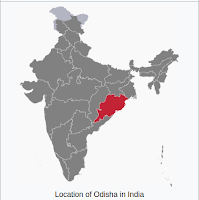
Overnight the Indian media has been filled with excited - and in some cases, inconsistent - reports of 1 or more human infections with `bird flu' (subtypes mentioned are H1N1 & H9N2) detected in the Puri district of Odisha, which is currently dealing with an H5N1 outbreak in poultry. 

It isn't at all clear whether any of these cases have actually tested positive for avian influenza - or of what subtype - although samples have reportedly been sent to Pune for further analysis. 

India has previously reported 2 H9N2 cases (2019 & 2024), 1 case of H5N1 in 2021, and was the apparent source of an exported case of H5N1 (in a child) who traveled to Australia last March.  Over the years there have been other suspected cases, but none were officially confirmed. 

While the facts of these suspected cases are (for now) uncertain, it is clear something is going on, as Odisha's Directorate of Health has issued a barrage of documents over the past few hours pertaining to the investigation, and their response. 

Starting with these, yesterday:


In the past few hours these directives have been issued, both marked Top Most Urgent.  The second one references `suspected human cases'. 


This may all turn out to be false alarm, but local officials are quite obviously taking it seriously.

Stay tuned. 


Tuesday, August 27, 2024

The Lancet: Antivirals for Post-Exposure Prophylaxis & Treatment of Influenza


#18,264


During the opening months of the 2020 COVID pandemic we found ourselves with few pharmaceutical options, since the first coronavirus vaccine wouldn't become widely available until early 2021, and the first experimental monoclonal antibody (Bamlanivimab) didn't receive a EUA until November 2020.

Available treatment was mainly supportive (ventilation, O2, IV fluids, etc.) with a few desperate attempts to incorporate `off-label' drugs, many of which proved to be of little value (see WHO Solidarity Therapeutics Trial: Remdesivir, HCQ, Lopinar/Ritonavir & Interferon Disappoint).

While we might have to wait 6 months or longer for a strain-specific flu vaccine, in an influenza pandemic we already have a range of antivirals in stock, including Oseltamivir (Tamiflu) and the newer Baloxavir (Xofluza). 

Granted, supplies are limited (see CIDRAP report Half of US states had antiviral shortages in 2022-23 flu season) and anti-viral resistance is always a concern (see EID Journal: Multicountry Spread of Influenza A(H1N1)pdm09 Viruses with Reduced Oseltamivir Inhibition), but there are also questions of just how effective these drugs really are.

While there is a good deal of anecdotal evidence (from observational studies) to support their use, more compelling data - from randomized controlled trials (RCTs) - is limited.  Such studies can be difficult to mount since it would be unethical to deny potentially life-saving antivirals to a `placebo group'

Since `purists' often dismiss observational studies as being unreliable, the evidence we have for - or against - their use is often considered `weak'.  

Despite these gaps in our knowledge the CDC (and other public health agencies) continue to urge early treatment with influenza antivirals for severe seasonal and novel flu infections.

CDC Interim Guidance on the Use of Antiviral Medications for Treatment of Human Infections with Novel Influenza A Viruses Associated with Severe Human Disease). 

In an attempt to better quantify the available evidence, on Friday The Lancet published two reports on antiviral effectiveness as both a treatment and a post-exposure prophylaxis. 

The first, and shorter of the two, is the following editorial which cites evidence that  `. . . oseltamivir and peramivir, relative to placebo or standard care, might reduce the length of hospitalisation for patients with severe seasonal influenza . . .', but also cautions that `Many knowledge gaps remain that need to be filled.'


Published:August 24, 2024 DOI:https://doi.org/10.1016/S0140-6736(24)01698-2

The larger analysis (excerpts below), looks primarily at the use of antivirals as a post-exposure prophylaxis, although it discusses treatment as well.  I've reproduced the summary and interpretation, but you'll want to follow the link for the details.


Yunli Zhao, MD,Ya Gao, PhD, Prof Gordon Guyatt, MD, Prof Timothy M Uyeki, MD, Ping Liu, MD, Ming Liu, MD et al.

Summary

Background

Antiviral post-exposure prophylaxis with neuraminidase inhibitors can reduce the incidence of influenza and the risk of symptomatic influenza, but the efficacy of the other classes of antiviral remains unclear. To support an update of WHO influenza guidelines, this systematic review and network meta-analysis evaluated antiviral drugs for post-exposure prophylaxis of influenza.

Methods

We systematically searched MEDLINE, Embase, Cochrane Central Register of Controlled Trials, Cumulative Index to Nursing and Allied Health Literature, Global Health, Epistemonikos, and ClinicalTrials.gov for randomised controlled trials published up to Sept 20, 2023 that evaluated the efficacy and safety of antivirals compared with another antiviral or placebo or standard care for prevention of influenza. Pairs of reviewers independently screened studies, extracted data, and assessed the risk of bias. We performed network meta-analyses with frequentist random effects model and assessed the certainty of evidence using the GRADE (Grading of Recommendations Assessment, Development and Evaluation) approach. The outcomes of interest were symptomatic or asymptomatic infection, admission to hospital, all-cause mortality, adverse events related to antivirals, and serious adverse events. This study is registered with PROSPERO, CRD42023466450.

Findings

Of 11 845 records identified by our search, 33 trials of six antivirals (zanamivir, oseltamivir, laninamivir, baloxavir, amantadine, and rimantadine) that enrolled 19 096 individuals (mean age 6·75–81·15 years) were included in this systematic review and network meta-analysis. Most of the studies were rated as having a low risk of bias.

Zanamivir, oseltamivir, laninamivir, and baloxavir probably achieve important reductions in symptomatic influenza in individuals at high risk of severe disease (zanamivir: risk ratio 0·35, 95% CI 0·25–0·50; oseltamivir: 0·40, 0·26–0·62; laninamivir: 0·43, 0·30–0·63; baloxavir: 0·43, 0·23–0·79; moderate certainty) when given promptly (eg, within 48 h) after exposure to seasonal influenza.

These antivirals probably do not achieve important reductions in symptomatic influenza in individuals at low risk of severe disease when given promptly after exposure to seasonal influenza (moderate certainty)

Zanamivir, oseltamivir, laninamivir, and baloxavir might achieve important reductions in symptomatic zoonotic influenza in individuals exposed to novel influenza A viruses associated with severe disease in infected humans when given promptly after exposure (low certainty).

Oseltamivir, laninamivir, baloxavir, and amantadine probably decrease the risk of all influenza (symptomatic and asymptomatic infection; moderate certainty). Zanamivir, oseltamivir, laninamivir, and baloxavir probably have little or no effect on prevention of asymptomatic influenza virus infection or all-cause mortality (high or moderate certainty). Oseltamivir probably has little or no effect on admission to hospital (moderate certainty). All six antivirals do not significantly increase the incidence of drug-related adverse events or serious adverse events, although the certainty of evidence varies.

Interpretation

Post-exposure prophylaxis with zanamivir, oseltamivir, laninamivir, or baloxavir probably decreases the risk of symptomatic seasonal influenza in individuals at high risk for severe disease after exposure to seasonal influenza viruses. 

Post-exposure prophylaxis with zanamivir, oseltamivir, laninamivir, or baloxavir might reduce the risk of symptomatic zoonotic influenza after exposure to novel influenza A viruses associated with severe disease in infected humans.

Funding

World Health Organization.

Research in context

Evidence before this study

Antivirals can be used to prevent influenza in people who have been in close contact with people or animals infected with influenza viruses. Although previous systematic reviews have found that antivirals (oseltamivir or zanamivir) are effective in preventing symptomatic influenza, these reviews assessed selected antivirals and did not rate the quality of evidence or consider the importance of effects in their interpretation. Additionally, a randomised controlled trial of baloxavir for influenza post-exposure prophylaxis was not included in previous reviews.

Added value of this study

This systematic review and network meta-analysis of randomised controlled trials evaluating antiviral post-exposure prophylaxis for influenza was performed to support a WHO guideline development panel in formulating recommendations on the use of antivirals for influenza. We present analyses of the efficacy of antiviral post-exposure prophylaxis to prevent symptomatic influenza for high-risk or low-risk populations and to prevent symptomatic zoonotic influenza.
We found evidence of moderate certainty that zanamivir, oseltamivir, laninamivir, and baloxavir probably reduce the risk of symptomatic seasonal influenza in individuals at high risk when administered promptly after exposure (eg, within 48 h) after exposure, but probably have little or no important effect in low-risk populations.
Rimantadine probably has little or no effect on symptomatic seasonal influenza A virus infection (moderate certainty).
Zanamivir, oseltamivir, laninamivir, and baloxavir might decrease the risk of symptomatic zoonotic influenza (low certainty). We found little evidence that amantadine prevents influenza A virus infection. We found no important impact on adverse events with any of these antivirals.

Implications of all the available evidence

The findings of this systematic review and network meta-analysis support use of zanamivir, oseltamivir, laninamivir, or baloxavir for post-exposure prophylaxis of seasonal influenza in individuals at high risk of severe influenza, and also provide some support for the use of these antivirals for post-exposure prophylaxis of zoonotic influenza.
The findings do not support using these antivirals among low-risk populations for post-exposure prophylaxis of seasonal influenza and do not support the use of amantadine or rimantadine for preventing symptomatic influenza A virus infection.


Last May these same authors published a preprint (Antivirals for treatment of severe influenza: a systematic review and network meta-analysis of randomized controlled trialswhich focused on the limited RCT data on antiviral treatment which is now available on The Lancet.

Despite this dearth of gold standard RCT data, observational studies continue to suggest that antiviral drugs such as Oseltamivir (aka Tamiflu ®), Zanamivir, Peramivir, and the relative newcomer Baloxavir - if taken within the first 48 hours of symptom onset - can reduce the both the length and severity of symptoms in adults and children.

While influenza antivirals are far from being a `cure', I personally would not hesitate to take them for seasonal or novel influenza.  For many patients, even a modest reduction in viral load, or duration of illness, may mean the difference between life and death.

And during a pandemic, even a small advantage is worth having.

Monday, August 26, 2024

ECDC: New Epidemiological Update on Clade I Mpox

Credit WHO Dashboard

#18,263

As the WHO map above illustrates the Mpox situation in Africa is complex, with 4 distinct clades (and subclades) circulating in multiple countries, often in areas with limited surveillance or testing.  

Anecdotal reports suggest that clade I (a & b) viruses produce more serious illness in humans, although the lack of data makes it difficult to quantify. Recent studies also suggest that clade Ib viruses may be transmitting more easily, but again data is limited. 

All of this has led to a series of recent risk assessments and guidance documents from the CDC, WHO, and ECDC and the declaration by the WHO that this outbreak now constitutes a  PHEIC (Public Health Emergency of International Concern). 

Recent guidance includes: 

ECDC Recommends Enhancing Preparedness as More Imported Cases of clade I mpox Highly Likely

PAHO Epidemiological Alert On MPXV Clade I

CDC Mpox Update & HAN #00513 On H-2-H Spread of Mpox From DRC To Neighboring Countries

Today the ECDC has published a new Epidemiological update (see below), incorporating recent reports of clade Ib cases in Sweden and Thailand, and recent reports from Africa.  Given the lack of surveillance and reporting - in Africa, and in many nations around the world - it is likely that there are more cases out there than we know.

I'll have a bit more after the break. 

 Mpox due to monkeypox virus clade I


Epidemiological update
26 Aug 2024
  
There has been an increase in the number of people infected with monkeypox virus (MPXV) clade I in the Democratic Republic of the Congo (DRC) since November 2023. More recently, such infections have been reported in additional countries in Africa that previously had no mpox cases. Two imported cases have also been detected in Sweden (August 15) and Thailand (August 22).

Epidemiological situation in the African continent

According to the Africa CDC Epidemic Intelligence Report issued on 23 August 2024(link is external) [1], over 20 000 mpox cases have been reported from 13 African Union Member States so far in 2024, including 3 311 confirmed cases and 582 deaths (case fatality; CF 2.9%). Of these, 19 667 cases (16 706 suspected and 2 961 confirmed) including 575 deaths (CF 2.9%) were reported from all provinces in the DRC where MPXV subclade Ia and Ib circulate, representing over 90% of the cases reported on the African continent to date. MPXV clade I and clade II both circulate in different countries on the continent.

Confirmed mpox cases due to MPXV subclade Ia or Ib have also been reported in five of the eight countries neighbouring DRC:
  • Clade Ia(link is external): Republic of the Congo (21 confirmed cases and 141 suspected) and Central African Republic (45 confirmed cases), both of which reported cases in 2023;
  • Clade Ib(link is external): Burundi (190 confirmed and 512 suspected cases), Rwanda (four confirmed cases), and Uganda (three confirmed cases).
In addition, Kenya reported one person infected with MPXV clade Ib in 2024 and another where the clade is still unknown, and Gabon reported(link is external) one person with mpox on 22 August with travel history to Uganda [1,2].

According to the World Health Organisation Disease Outbreak News published on 23 August(link is external) [3], the people with mpox reported in Rwanda had a travel history to DRC and Burundi. According to epidemiological investigation on those with MPXV infection reported by Uganda, the transmission occurred outside the country. The persons with mpox in Kenya were detected at a point of entry. On 22 August 2024, Gabon published a press release(link is external) reporting that a man with mpox was detected in the country who had travelled from Uganda where mpox cases due to MPXV clade Ib have been reported [2].

So far, the two countries where there is probably ongoing community transmission are DRC and Burundi. However, the data available from several other countries in Africa are not of sufficient quality to rule out more widespread transmission than currently reported.
Epidemiological situation in the EU/EEA

On August 15, 2024, Sweden reported one person with mpox due to MPXV clade Ib, with a travel history to a country in Africa where MPXV is circulating. Mpox cases due to MPXV clade II have continued to be reported in EU/EEA countries since 2022, although the numbers are low.
Other cases

On 22 August, Thailand reported the detection of mpox due to MPXV clade Ib in a returning traveller from an African country where MPXV clade Ib is circulating [4]. .
Risk assessment

The number of people with mpox due to MPXV clade I has increased in recent months alongside a geographical expansion of mpox in African countries where it was not previously documented. More imported mpox cases due to MPXV clade I are likely to be reported by EU/EEA and other countries.

ECDC published a Rapid Risk Assessment for the EU/EEA of the mpox epidemic caused by monkeypox virus clade I in affected African countries [5] on 16 August 2024. The levels of risk assessed in the document remain unchanged.

ECDC is monitoring trends of mpox through routine indicator-based surveillance in the EU/EEA and through event-based surveillance globally. An epidemiological update on mpox due to MPXV clade I can also be found on last week’s Communicable Diseases Threat report.
Recommendations
Public health authorities
Case detection and management
  • Develop and share information material for clinicians;
  • Identify, isolate and test any persons suspected of having mpox (presence of compatible symptoms +/- epi link in the absence of typical skin rash)using a PCR assay able to detect MPXV including clade Ib;
  • Thoroughly investigate each case (e.g. exposure history, clinical presentation and evolution, drugs administered, vaccination history, pre-existing conditions, perform genomic sequencing, etc).
Prevention and preparedness
  • Travellers to areas with active circulation of MPXV clade I should be made aware of and informed about the possibility of infection, and about which preventive measures to adhere to;
  • Implement contact tracing and testing of close contacts of people confirmed with the disease;
  • Map laboratory capabilities and capacity;
  • Immediately report through event-based surveillance mechanisms (EpiPulse, EWRS, IHR routes)Detection of MPXV clade I
  • Unexpected increase in case numbers
  • Emergence of cases in new risk groups, populations, or settings
  • Ensure consistent reporting in TESSy of virus clade information to facilitate clade-specific analyses.
  • Ensure comprehensive molecular characterisation of MPXVs isolated from mpox cases and upload viral nucleotide sequences to the GISAID or other publicly available database.
  • Consider making vaccination available, in addition to other preventive measures, for travellers who are at higher risk of infection, especially those at risk of severe outcomes (e.g. immunocompromised persons) based on an individual risk assessment by their healthcare provider and taking into account the available epidemiological data from the African continent. Risk groups to take into account when making such decisions include specific categories of healthcare workers, people visiting families or planning to have close contact with people in areas with an active circulation of MPXV clade I;
  • Consider offering post-exposure vaccination to close contacts of confirmed cases, based on an individual risk assessment by public health authorities.
  • Continue implementing national recommendations on mpox vaccination for at-risk groups issued in the EU/EEA following the 2022-23 epidemic;
  • Countries should continue awareness campaigns targeting key populations affected in the previous outbreak, with clear, positive, and stigma-free messaging.
People planning to travel to countries where the virus is circulating
  • Consult guidance from your national health authorities, ECDC guidance and epidemiological information (particularly on areas where ongoing community transmission is confirmed or presumed);
  • Avoid contact with wild animals while in countries where the virus is circulating;
  • Refrain from activities that involve close contact, including sexual or otherwise, with people suspected or confirmed as having mpox.

          (Continue . . . )


Last week the ECDC published a lengthy fact sheet geared for healthcare professionals on Mpox (see below), which provides an excellent overview of what we know - or in some cases, think we know - about this emerging clade Ib virus. 

Factsheet for health professionals on mpox

Last reviewed/updated: 22 August 2024

Disclaimer: The information contained in this factsheet is intended for the purpose of general information and should not substitute individual expert advice or judgement of healthcare professionals.
 

In it you'll find information on Clinical Features and Sequelae, Epidemiology & Transmission, Diagnostics, Case Management & Treatment, and Infection Control. 

Highly recommended.