Credit Wikipedia
#19,077
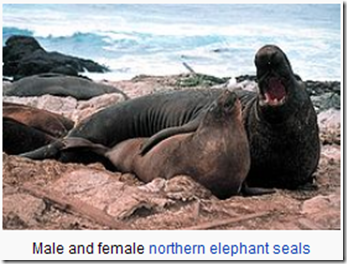
Ten days ago in California: Background on the Outbreak of H5N1 in Elephant Seals at Año Nuevo Natural Reserve, we looked at the first reports of the detection of HPAI H5 in North American Elephant Seals.
The initial report announced that 7 weaned seal pups had tested positive, after a small number of seals (later described by media as ~ 30) showed signs of illness (abnormal respirations, tremors, and neurological symptoms).We also reviewed the devastating outbreaks previously reported in South America, and looked back at several studies on its increasing transmission among marine mammals (see here, here, and here).
Disappointingly, we still don't have any publically released information on the genotype - or any other genomic information - beyond the subtype (reportedly H5N1).

According to their own documentation, a national reference lab like the NSVL should be able - assuming they received viable, high quality samples - to sequence a priority novel flu virus in less than a week.

But in actual practice (see Nature: Lengthy Delays in H5N1 Genome Submissions to GISAID), the public release of data often takes weeks or even months.
Official updates have been noticeably scant since the original announcement, but last night the California Department of Public Health published their first communications on this event, where they urge the public to be extra cautious around marine mammals and wild birds.
March 6, 2026
NR26-010Bird flu detected in elephant seal pups at Año Nuevo State Park; risk to public remains very lowbut officials urge cautionWhat You Need to Know: H5N1 bird flu has been confirmed for the first time in northern elephant seal pups at Año Nuevo State Park in San Mateo County. While the risk to the general public remains very low and there is no evidence of seal‑to‑human transmission, CDPH urges people to avoid contact with sick or dead wildlife, including dead birds, to limit the potential transmission of bird flu to humans. Local, state, federal and academic partners continue to monitor and test wildlife to understand the scope of the incident.
SACRAMENTO – The California Department of Public Health (CDPH) is urging the public to avoid contact with dead or distressed marine mammals and wild birds along the California coast after H5N1 bird flu, also known as highly pathogenic avian influenza (HPAI), was confirmed in weaned northern elephant seal pups at Año Nuevo State Park in San Mateo County. Wildlife workers are closely monitoring nearby beaches in San Mateo and Santa Cruz counties and conducting additional surveillance from Sonoma to San Luis Obispo County to better understand the possible spread of this disease.
These findings represent the first documented cases of bird flu in northern elephant seals and the first detection of the virus in any marine mammal in California. As a precaution, California State Parks has closed key areas and cancelled public tours at Año Nuevo State Park for the remainder of the season to protect the animals and minimize the potential spread of disease.
“While the detection of bird flu in these young seals is concerning, it also shows that our surveillance systems are functioning as intended,” said Dr. Erica Pan, CDPH Director and State Public Health Officer. “The risk to the general public remains very low, but Californians can protect themselves and their pets by avoiding contact with sick or dead marine mammals or birds, keeping pets on a leash near beaches, and respecting area closures. CDPH will continue to work closely with local, state, federal and academic partners to monitor this situation, support safety for workers who may be exposed, and provide updates as more information becomes available.”
What Californians Can Do: Avoid Contact with WildlifeBird flu is a disease that has the potential to spread between animals and people, including pets. Although the risk of infection to the general public remains very low and there is no evidence of seal-to-human transmission, beachgoers should not touch live or dead marine mammals or birds or allow pets to approach these wild animals.CDPH guidance for the public:
Stay 150 yards away from elephant seals and all wild marine mammals and seabirds whenever possible.
Keep children and pets away from sick, injured or dead wildlife.
Do not approach, touch or attempt to assist marine mammals or seabirds, as this can spread disease and cause harm to both animals and people.
Transporting potentially sick wildlife to a rehabilitation center, veterinary clinic or other animal facility can increase exposure risk. Always contact the facility first for guidance and to determine if the animal should be collected.
Report sightings of sick, injured or dead marine mammals to the NOAA West Coast Marine Mammal Stranding Hotline: (866) 767‑6114.
Report sick or dead birds to the California Department of Fish and Wildlife.
CDPH recommendations for wildlife workers:
Wear appropriate personal protective equipment (PPE) including gloves, eye protection and respiratory protection when working with sick or dead marine mammals.
Report any influenza-like symptoms after exposure to your local health department.
Seek testing if any symptoms develop within 10 days post-exposure. Persons with influenza (either regular seasonal influenza or bird flu) may be eligible for antiviral treatment to reduce disease severity.
If you’re not feeling well after a possible exposure:
Stay home, rest, and avoid contact with others except to get medical care. If you seek care for symptoms, notify your healthcare provider of your potential exposure to bird flu before or immediately on arrival.
Wear a mask indoors around other people and when entering any healthcare facility.
Wash your hands often (or use hand sanitizer with at least 60% alcohol if soap and water aren’t available).
Bird flu infections in people are rare, but infection can occur if the virus enters a person’s eyes, nose or mouth, or is inhaled during close unprotected contact with infected animals or by touching contaminated surfaces and then touching the eyes, nose or mouth. Pets such as dogs and cats may also be at risk of illness if they interact with infected wildlife.
What CDPH is Doing: CDPH is actively coordinating with California State Parks, the California Department of Fish and Wildlife, NOAA Fisheries, UC Davis, UC Santa Cruz, The Marine Mammal Center and the US Department of Agriculture to monitor and respond to incidents involving sick and dead elephant seals and other marine mammals.CDPH is supporting and advising local health departments with monitoring exposed personnel, providing appropriate personal protective equipment (PPE) and testing when needed, and ensuring public health and wildlife safety. Surveillance of wildlife in coastal areas has increased, and CDPH continues to monitor statewide influenza activity for any signs of bird flu in humans.Incident TimelineInitial signs of illness were observed in seal pups on February 19–20, when researchers noted weakness, tremors, seizures, abnormal neurological behavior and sudden death in some animals. Samples collected from sick and deceased pups tested positive for influenza A and were subsequently confirmed as H5N1 by the USDA National Veterinary Services Laboratories.
With the spring northbound migration of birds now firmly underway, we've seen Several States Warn On Contact With Wild Birds/Mammals in recent weeks.

While the public remains largely apathetic to the threat of HPAI (see Two Surveys (UK & U.S.) Illustrating The Public's Lack of Concern Over Avian Flu), the reality is the risks - while still fairly low - continue to increase.
Making the above advice very much worth heeding.
