Showing posts sorted by date for query Sequelae COVID. Sort by relevance Show all posts

Wednesday, September 02, 2026

Nature Comms: Acute viral infection accelerates neurodegeneration in a mouse model of ALS


#19,319

One of the great - yet unanswered - questions about acute viral illnesses is what role (if any) do they play in the development of neurodegenerative diseases, perhaps years or even decades later? 

A hundred years ago the world was embroiled in a global epidemic of Encephalitis Lethargica (EL) following the 1918 influenza pandemic, which appears to have affected millions of people.  

While a viral cause is suspected, it isn't clear whether it was sequelae from the  H1N1 influenza virus, or from some other viral agent (see Evidence for an enterovirus as the cause of encephalitis lethargica).

Throughout history, there have been other reports of neurological outbreaks following severe epidemics, including febris comatosa which sparked a severe outbreak in London between 1673 and 1675, and following the 1889–1890 influenza (?) pandemic, a severe wave of somnolent illnesses (nicknamed the "Nona") was described in Italy

Among those who survived, Parkinsonism and other neurological sequelae was common. 

Over the past 6 years, we've seen numerous reports of memory and neurological problems associated with COVID infection, including 2025's BMC Neurology: Long-term Neurological and Cognitive Impact of COVID-19: A Systematic Review and Meta-analysis in over 4 Million Patients. 

While this is an extensive review - and its 16-page PDF deserves careful review - briefly, they report fatigue affecting over 40% of patients and memory disorders affecting nearly 30%, at least 6 months post infection.

More broadly, in 2023 we looked at a study (see Neuron: Virus Exposure and Neurodegenerative Disease Risk Across National Biobanks), which found statistical linkage between viral illnesses and developing neurodegenerative diseases in the future.

With the very strong caveat that the exact cause of Alzheimer's, Parkinson's, and other neurodegenerative diseases are not yet known - and all are likely the result of multiple genetic and environmental factors - the role of infectious diseases is a hypothesis under serious investigation.

All of which brings us to a report in Nature Communications which reports that  a single, nonfatal respiratory virus infection appears to hasten ALS-like disease in genetically susceptible mice (SOD1-G93A mutation). 

ALS-susceptible mice were infected before they showed motor symptoms with either influenza A (H1N1) or SARS-CoV-2 and compared with uninfected (SOD1-G93A) mice. 

  • Influenza-infected mice developed declining motor performance earlier and reached severe ALS-related endpoints sooner. 
  • SARS-CoV-2 infected mice saw similar declines in motor ability, but their endpoint was not significantly shortened.  
While this isn't proof that flu or COVID-19 causes ALS or accelerates neurodegenerative disease in humans, it is another datapoint to consider. Although peer-reviewed, the final version will be uploaded when completed. 

Due to its length and technical nature, I've only posted the Abstract. Follow the link to read it in its entirety.  I'll have a postscript after the break. 

Acute viral infection accelerates neurodegeneration in a mouse model of ALS

Art Marzok, Jonathan P. Mapletoft, Imran Ahmed, Braeden Cowbrough, Daniel B. Celeste, Michael R. D’Agostino, Jann C. Ang, Andrew T. Chen, Vithushan Surendran, Yona Tugg, Hahn Li, Karena Wong, Anna Dvorkin-Gheva, Ali Zhang,
Hannah D. Stacey, Mannie Lam, Yasmine Kollar, Kevin R. Milnes, Sam Afkhami & Matthew S. Miller

Nature Communications (2026) Cite this article

 
PDF

We’re sharing this article early to provide faster access to peer-reviewed, accepted research. It is citable and carries a permanent DOI. This version is subject to further edits and will be replaced automatically by the final Version of Record. All legal disclaimers apply.

Abstract

While several viral infections have been associated with amyotrophic lateral sclerosis (ALS), the mechanism(s) through which they promote disease remains elusive. Here we investigate the impact of common, acute viral infections on ALS disease onset and progression in the SOD1G93A mouse model. 

A single sublethal infection prior to onset of ALS clinical signs is associated with markedly accelerated ALS disease progression characterized by rapid loss of hindlimb function. Prior infection results in gliosis in the lumbar spine and upregulation of transcriptional pathways involved in inflammatory responses, metabolic dysregulation, and muscular dysfunction. Therapeutic suppression of gliosis with an anti-inflammatory small molecule, or administration of a direct-acting antiviral, is associated with significantly improved ALS clinical signs, akin to what is observed in uninfected animals. 

Our study provides causal and mechanistic evidence that the immune response elicited by acute viral infections may be an important etiological factor that alters ALS disease trajectory.

        (Continue . . .) 


Although the link between COVID/Flu infection and neurodegenerative diseases later in life is far from established, over the past 15 years we've seen numerous studies that have linked heart attacks and strokes to acute influenza and respiratory infections.

At the same time, we've seen growing evidence that the uptake of the seasonal flu vaccine may reduce the incidence of heart attack and stroke, even if the vaccine doesn't prevent influenza infection. 

Conclusions

Our findings add to the evidence that influenza vaccination confers cardiovascular protection. In this study, prior vaccination halved the excess risk of acute myocardial infarction or stroke following breakthrough influenza infection.   

Which is why I'll be rolling up my sleeve again for my 21st consecutive yearly flu shot later this month, and why I'll be getting the updated COVID shot when it becomes available. 

If they turn out to be neuroprotective as well, I'll consider it a welcome bonus. 

Thursday, May 28, 2026

JAMA Network Open: Long COVID Persistence and Surveillance Gaps Across 58 US Hospitals


#19,180

For a variety of economic, political, and societal reasons most of the world's nations have moved towards `normalizing' COVID infection; treating it more as if it were the `flu' or the common `cold'. 
Testing outside of the hospital environment is now uncommon, and ICU admissions and deaths are no longer published by 90% of the world's nations.
Although COVID deaths have dropped, the evidence continues to show that COVID infections - and particularly repeated infections - can still take a considerable toll on human health. 

While `Long COVID' and PASC (Postacute Sequelae of COVID) are now officially recognized conditions, its presentation is often `messy'; with multiple diffuse - and sometimes conflicting - symptoms.  

A few studies of note include:


While we've seen estimates of up to 1 in 5 adults experiencing some form of PASC, other studies have shown a much lower incidence; sometimes in the single digits. We've also seen studies that suggest - since the arrival of Omicron in late 2021 - the incidence and/or severity of `Long COVID' has dropped. 

But nearly all of these reports rely heavily on the medical coding systems, which adopted a `Post-COVID syndrome' ICD-10 code (U09.9) in late 2021, but which is only used at the discretion of the treating physician. 

Some clinicians may avoid coding for PASC because it is largely a diagnosis of exclusion, and they may want to rule out other causes first. Others may consider it too broad, and prefer to code specific complaints like fatigue, dyspnea, or cognition problems. 

As a result, when studies are based on EHR (Electronic Health Records) coding, they may miss many probable PASC cases. 

In order to try to remove - or at least narrow - this blind spot, researchers created an AI tool that searched electronic health records for patterns of symptoms and diagnoses consistent with PASC, even though their chart may not have been coded as such.

There are limitations to this type of approach, as it relies heavily on the quality and quantity of the EHR documentation, and so it may have missed some PASC cases. At the same time, temporal association does not establish causation, and so these numbers should be taken with a grain of salt. 

Still, it strongly suggests that the actual burden of PASC is considerably higher than the EHR coding reflects, and that the incidence of Long COVID was still increasing in 2024, two years after the shift to Omicron. 

The full study is well worth reading in its entirety.  I've posted the Abstract and summary below. 

Original Investigation
Infectious Diseases
Long COVID Persistence and Surveillance Gaps Across 58 US Hospitals
Jiazi Tian, MSc1; Alaleh Azhir, MD, MSc1,2; Matthew Decaro, MSc3 et al

JAMA Netw Open
Published Online: May 27, 2026
2026;9;(5):e2614909. doi:10.1001/jamanetworkopen.2026.14909


Key Points

Question What is the true burden of chronic disease following COVID-19, and why does current surveillance fail to capture it?

Findings In this cohort study of 457 950 patients with COVID-19 across 58 hospitals, validated computable phenotyping identified postacute sequelae of SARS-CoV-2 infection in 16.28% of cases, 2-fold higher than diagnostic code–based surveillance. Of identified manifestations, 89.31% represented chronic conditions, with prevalence increasing through mid-2024.

Meaning These findings suggest that approximately 1 in 6 patients with COVID-19 develops postacute sequelae, predominantly chronic conditions currently invisible to surveillance systems, representing an accumulating rather than resolving health care burden.


Abstract
Importance Surveillance of postacute sequelae of SARS-CoV-2 infection (PASC) depends on diagnostic coding systems that capture fewer than one-half of affected individuals, rendering millions invisible to health systems and policymakers.

Objective To quantify the gap between true PASC burden and diagnostic code–based estimates, determine the proportion representing chronic disease, and characterize organ system heterogeneity and temporal trends across diverse populations.

Design, Setting, and Participants This retrospective cohort study used electronic health record data from 58 hospitals and affiliated clinics in 4 US regions, from 2017 to 2025. Adults (aged ≥18 years) with laboratory-confirmed SARS-CoV-2 infection or a COVID-19 diagnosis code were included. A custom artificial intelligence algorithm, the Precision Phenotyping for Research Cohorts (P2RC), was implemented using federated infrastructure.

Exposure Laboratory-confirmed SARS-CoV-2 infection or COVID-19 diagnosis code.

Main Outcomes and Measures The primary outcomes were PASC prevalence, the proportion classified as chronic conditions, organ system distribution, and temporal trends from 2020 to 2024. χ2 Tests were used to assess organ system heterogeneity across regions, and negative binomial regression was used to model quarterly temporal trends, yielding incidence rate ratios (IRRs) with 95% CIs.

Results In this cohort study of 457 950 COVID-19 cases (mean age, 52.05 years; 275 107 [60.07%] female), the P2RC algorithm identified 74 560 PASC cases (16.28% overall; 28 585 [18.58%] in New England, 978 [19.55%] in Southeast Texas, 10 534 [22.69%] in Southern California, and 34 463 [13.64%] in Western Pennsylvania), more than 2-fold higher than the proportion identified by code-based surveillance (<7%). Of 883 International Statistical Classification of Diseases, Tenth Revision, Clinical Modification codes associated with PASC, 594 (67.27%) represented chronic or potentially chronic conditions. Of 74 560 patients with PASC, 66 587 (89.31%) developed chronic conditions requiring ongoing clinical management; this represents 14.54% of the total number of 457 950 patients with COVID-19. Substantial organ system heterogeneity was observed (χ2 = 2504.73; P < .001): New England demonstrated thyroid-predominant endocrine patterns, while Southeast Texas, Southern California, and Western Pennsylvania showed metabolic-predominant profiles. Negative binomial regression revealed increasing PASC prevalence through mid-2024 (IRR per quarter, 1.01 [95% CI, 1.00-1.01; P < .001] in New England; 1.00 [95% CI, 1.00-1.01; P < .001] in Southern California; and 1.02 [95% CI, 1.01-1.02; P < .001] in Western Pennsylvania), indicating an accumulating rather than resolving burden.

Conclusions and Relevance In this cohort study, approximately 1 in 6 patients with COVID-19 developed PASC, and 89.31% of these patients had at least 1 chronic condition. Current diagnostic coding captured fewer than one-half of the cases, obscuring a substantial chronic disease burden. The persistently increasing prevalence through 2024 indicated an accumulating health care burden requiring investment in surveillance infrastructure and integrated care pathways.

        (Continue . . . )


Monday, April 13, 2026

Front. Immunology: Thymidine phosphorylase promotes SARS-CoV-2 spike protein-driven lung tumor development


#19,117

While the world continues to treat COVID as if it is now a mild illness, over the past 6 years we've seen compelling evidence that repeated COVID infections can seriously affect one's health (see Nature: Acute and Postacute Sequelae Associated with SARS-CoV-2 Reinfection), along with a long litany of post-COVID sequelae. 

A few (of many) recent studies include:


EID Journal: Thrombotic Events and Stroke in the Year After COVID-19 or Other Acute Respiratory Infection

European Society of Cardiology: Major Consensus Statement Released on Long-Term Cardiovascular Impact of COVID Infection 

Referral: JAMA - COVID-19 in Pregnancy Linked With Risk of Neurodevelopmental Disorders in Early Childhood


It may take years to fully parse out the long-term health impacts of COVID on society, but some researchers have expressed concerns over increased lung cancer risks due to SARS-CoV-2 infection (see 2022's SARS-CoV-2 and probable lung cancer risk). 

While it wasn't limited to COVID, last year in Nature: Respiratory Viral Infections Awaken Metastatic Breast Cancer Cells in Lungs, we saw a study in mice that demonstrate that common respiratory viruses may awaken dormant cancer cells.  The authors wrote:

Studies have shown that cancer metastasis can be triggered by inflammation. Infection by respiratory viruses, such as influenza and SARS-CoV-2, often causes inflammation. 

Last last year, Molecular Aspects of Medicine published The double-edged sword: How SARS-CoV-2 might fuel lung cancer, which suggested that Post-COVID-19 pulmonary fibrosis could be a precursor to lung cancer.

While we aren't at the point where we can say with any certainty that COVID infection causes cancer, researchers continue to find plausible reasons why it may create conditions that exacerbate the risks. 

Which brings us to a new study, which also suggests a potential link between COVID infection and an increased risk of lung cancer. First the Abstract, followed by some excerpts from a press release. 

Thymidine phosphorylase promotes SARS-CoV-2 spike protein-driven lung tumor development
Abstract

Background:

COVID-19 survivors exhibit increased interstitial lung fibrosis, a known risk factor for lung cancer. We investigated whether SARS-CoV-2 spike protein (SP)-induced lung injury and elevated thymidine phosphorylase (TYMP) promote lung tumorigenesis.

Methods:

A TriNetX retrospective cohort analysis was combined with mechanistic studies in K18-hACE2TG and K18-hACE2TG/Tymp–/– mice. Mice received intratracheal SP or control lysate followed by a urethane-induced lung cancer protocol. Lung injury, inflammation, thrombosis, fibrosis, STAT3 activation, cytokine profiles, and tumor burden were assessed. In vitro assays evaluated SP- and RBD-induced ACE2 processing.

Results:

Propensity score-matched TriNetX cohorts demonstrated an increased lung cancer risk after COVID-19, particularly among current smokers (n = 166,807; RR 1.22; HR 1.50; P<.001). In mice, SP induced acute lung injury, neutrophil infiltration, and microthrombi, which were reduced in TYMP-deficient mice. SP markedly increased lung tumor incidence and aggressiveness, whereas TYMP deficiency reduced tumor formation from 50% to 18% of lung lobes. SP-induced STAT3 upregulation and collagen deposition were significantly attenuated in K18-hACE2TG/Tymp–/– mice. Cytokine profiling revealed a tumor-promoting, myeloid-dominant inflammatory milieu in K18-hACE2TG mice, in contrast to a T cell-inflamed, anti-tumor profile in K18-hACE2TG/Tymp–/– mice. SP and RBD altered ACE2 processing, generating lower-molecular-weight fragments consistent with enhanced turnover.

Conclusions:

SARS-CoV-2 SP drives lung injury, fibrosis, and tumorigenesis through a TYMP-dependent mechanism involving STAT3 signaling and inflammatory microenvironment remodeling. COVID-19 significantly increases lung cancer risk, especially in current smokers. TYMP represents a potential therapeutic target to mitigate long-term pulmonary consequences of COVID-19.

       (Continue . . . )


Researchers explore potential link between COVID-19 and lung cancer risk 

Marshall University Joan C. Edwards School of Medicine

New findings from researchers at the Marshall University Joan C. Edwards School of Medicine and The Hebrew University of Jerusalem have identified a potential association between COVID-19 and increased lung cancer risk, driven by underlying biological mechanisms in the lung.

The study, published in Frontiers in Immunology, integrates human clinical data with mechanistic research in animal and cellular models to better understand how SARS-CoV-2, the virus that causes COVID-19, may contribute to long-term lung disease.

“Our findings suggest that COVID-19 may do more than cause acute illness—it may also create biological conditions in the lung that could contribute to increased cancer risk over time,” said Wei Li, Ph.D., professor of biomedical sciences at the Joan C. Edwards School of Medicine and co-corresponding author on the study. “Understanding these pathways is critical as we continue to study the long-term health impacts of the virus.”

The study identified a key role for thymidine phosphorylase (TYMP), a protein that may interact with the SARS-CoV-2 spike protein to promote inflammation, fibrosis and tumor-related pathways in the lung. Researchers found that this interaction may activate processes associated with cancer growth and alter the lung’s immune environment in ways that could support tumor formation.


While there is growing circumstantial evidence that COVID may promote tumor-promoting environments, we still lack causal proof. That may come in time, but even without it, we've pretty good evidence that repeated COVID infections are best avoided if at all possible. 

Monday, April 06, 2026

The Lancet: Long COVID and Risk of Incident Cardiovascular Disease

Atrial Fibrillation 

#19,109

During the opening salvo of the COVID pandemic we saw an abrupt increase in out-of-hospital cardiac arrests; in early April 2020, the New York Fire Department reported a 400% increase in sudden cardiac arrest deaths (see NBC affiliate Massive Spike in NYC ‘Cardiac Arrest’ Deaths Seen as Sign of COVID-19 Under counting).

While most of these cases were never tested for COVID-19, this trend became so pronounced that the city ordered new Standards Of Care During A Pandemic: CPR & Cardiac Arrest, limiting the use of CPR in the field. 

Two months later, JAMA published an original investigation which found  10-fold increase in out-of-hospital cardiac arrests in New York City during the peak of their COVID-19 epidemic.

By mid-summer of that year, it was apparent that COVID was more than just a respiratory virus (see Nature Med. Review: Extrapulmonary manifestations of COVID-19), and can cause blot clots, along with severe cardiovascular damage. 

That first summer we saw this cautionary editorial published in JAMA.

Coronavirus Disease 2019 (COVID-19) and the Heart—Is Heart Failure the Next Chapter?
Clyde W. Yancy, MD, MSc1,2; Gregg C. Fonarow, MD3,4
JAMA Cardiol. Published online July 27, 2020. doi:10.1001/jamacardio.2020.3575

Since then, studies showing post-acute impacts of COVID infection have exploded, with many citing repeated COVID infections as increasing the risk of long-term health damage. A few (of many) include:


Today we've a study from Sweden's Karolinska Institutet  which links `Long COVID' to new or emerging (incident) cardiovascular disease.

First the study, then a link and some excerpts from a press release, after which I'll return with a postscript.

Long COVID and risk of incident cardiovascular disease: a prospective cohort study using the Multimorbidity Integrated Registry Across Care Levels in Stockholm (MIRACLE-S) cohort

Pia Lindberga,b Pia.lindberg@ki.se ∙ Samuel Wiqvistg ∙ Maria Juszczykc,h ∙ Seika Leed ∙ Marta A. Kisield ∙ Caroline Wachtlere,f ∙ et al.  

Summary

Background

Long COVID has emerged as a global health challenge, with increasing evidence of cardiovascular sequelae. Most previous studies have focused on hospitalised cohorts, whereas cardiovascular risk in community-managed long COVID cases remains less explored. We aimed to investigate the incidence of major cardiovascular events in individuals with long COVID compared to those without long COVID in a large population-based setting.

Methods

Multimorbidity Integrated Registry Across Care Levels in Stockholm (MIRACLE-S) is a population-based cohort that covers all providers of healthcare for around 2.5 million residents in Stockholm County. Individuals aged 18–65 years with a physician-assigned long COVID diagnosis (ICD-10: U09.9) between October 2020 and January 2025 were identified. Exclusion criteria were hospitalisation for acute COVID-19 or pre-existing cardiovascular disease. Cox proportional hazards models estimated the effect of long COVID on a composite cardiovascular outcome (myocardial infarction, heart failure, cardiac arrhythmias, stroke, peripheral arterial disease), adjusting for demographic, lifestyle, and mental health factors.

Findings

Among 1,217,693 individuals, 8999 (0.7%) had long COVID diagnosis (66% women). Cumulative incidence of any cardiovascular event was higher in long COVID group (women 18.2%, men 20.6%) compared with control group (women 8.4%, men 11.1%). In a fully adjusted model, long COVID was associated with the composite cardiovascular outcome (women HR 2.06, 95% CI 1.92–2.22; men HR 1.33, 1.20–1.48), cardiac arrhythmia (women HR 3.11, 2.85–3.39; men HR 1.61, 1.41–1.85), and coronary artery disease (women HR 1.25, 1.04–1.52; men HR 1.26, 1.05–1.51). Heart failure incidence was elevated in women only (HR 1.25, 1.00–1.55), as also was peripheral artery disease (HR 1.25, 1.05–1.50). Long COVID was not associated with stroke in either sex.

Interpretation

Long COVID is associated with increased risk of incident cardiovascular disease, particularly cardiac arrhythmias, heart failure, and coronary artery disease. These findings underscore the need for systematic follow-up and integration of long COVID into cardiovascular risk assessment.

        (SNIP)

Discussion

This population-based cohort study demonstrates that individuals who developed long COVID after mild-to-moderate infection have an elevated risk of future cardiovascular disease analysed as a composite outcome. In particular, cardiac arrhythmias demonstrated markedly increased incidence in women with long COVID, although both sexes were affected. Risk of coronary artery disease was also elevated and in women and men, while heart failure and periphery artery disease were significant in woman patients with long COVID only. 

These findings are consistent with previous studies showing increased risk of cardiovascular sequelae in long COVID-19, including studies in non-hospitalised populations.2,4,17 The magnitude of excess risk for arrhythmias (HR ∼3.1 in women; HR ∼1.6 in men) is in agreement with earlier epidemiological and clinical research.3,7,18
These findings suggest an elevated burden of cardiovascular morbidity in individuals with long COVID, even in the absence of acute infection requiring hospitalisation.

        (Continue . . . )


Long COVID associated with increased risk of cardiovascular disease

People with long COVID are at increased risk of developing cardiovascular disease, according to a new study from Karolinska Institutet published in eClinicalMedicine. The results show that the risk of conditions such as cardiac arrhythmias and coronary artery disease is higher even among those who were not hospitalised during the acute infection.

(SNIP)

 During the follow-up period of around four years, people with long COVID were more likely to suffer from cardiovascular disease: 18.2 per cent of women and 20.6 per cent of men experienced some form of cardiovascular event, compared with 8.4 per cent of women and 11.1 per cent of men in the group without long COVID.

When the researchers then adjusted the results for factors such as age, socio-economic status and other known risk factors, the differences remained. Women with long COVID had just over twice the risk of receiving a cardiovascular diagnosis compared with women without long COVID. Men had approximately a third higher risk.

“We found that cardiac arrhythmias and coronary artery disease were more common among both women and men with long COVID. In women, there was also an increased risk of heart failure and peripheral vascular disease.

Despite the preponderance of evidence enumerating the long-term negative health consequences of SARS-CoV-2 infection, much of the world now considers COVID be no worse than the catching `common cold', and that the real health risk lies in taking the vaccine.

As a result, uptake of the vaccine has plummeted, and few bother to take any precautions against infection. 

A recent study (see PLoS Med.: Association Between COVID-19 Vaccination and Sudden Death in Apparently Healthy Younger Individuals) found no evidence that COVID-19 vaccines increase the risk of sudden cardiac death in young healthy adults, but they did find a strong link between recent COVID infection and an increased risk of sudden cardiac death.  

But since they don't reflect popular opinion, these types of studies tend to be ignored by the media, and by the general public.

Tuesday, January 27, 2026

A Brief History of the Nipah Virus


#19,030

Anyone who has scanned the news headlines over the past few days is likely aware of a Nipah (NiV) outbreak in Bengal State, India, which has been breathlessly reported by many media outlets (see Deadly Virus in India Sparks Asia-Wide Panic: Nipah Could Spread Like COVID).

While official government reports are hard to find, local and international sources are reporting 5 hospital employees (see Outbreak News Today) who worked at a private hospital in Barasat have been infected. 

Nipah, a henipavirus carried by fruit bats in Southeast Asia and the Indian Subcontinent (see map above), was first identified in the late 1990s after a large outbreak in Malaysia spread first from bat(s) to pigs - and then from pigs to humans - eventually infecting at least 265 people, killing 105 (see Lessons from the Nipah virus outbreak in Malaysia).

Since then, Bangladesh has reported the most cases (see chart below), although India has - since 2018 - reported several large outbreaks. 


Nipah Epi Curve In Bangladesh (2001-2023)

The WHO provides the following Key Facts on Nipah:

  • Nipah virus infection in humans causes a range of clinical presentations, from asymptomatic infection (subclinical) to acute respiratory infection and fatal encephalitis.
  • The case fatality rate is estimated at 40% to 75%. This rate can vary by outbreak depending on local capabilities for epidemiological surveillance and clinical management.
  • Nipah virus can be transmitted to humans from animals (such as bats or pigs), or contaminated foods and can also be transmitted directly from human-to-human.
  • Fruit bats of the Pteropodidae family are the natural host of Nipah virus.
  • There is no treatment or vaccine available for either people or animals. The primary treatment for humans is supportive care.
As mentioned, limited human-to-human transmission has been occasionally documented, as in India in 2018 (see Nipah Transmission In Kerala Outbreak) where we saw apparent robust household and nosocomial transmission of the virus.

While we've not seen truly large outbreaks, in July of 2018, in IJID: Enhancing Preparation For Large Nipah Outbreaks Beyond Bangladesh, we looked at an open-access article that appeared in the International Journal of Infectious Diseases, that discussed the potential of the Nipah virus producing a large urban epidemic, similar to what we saw in West Africa with Ebola in 2014.

Three years ago, in EID Journal: Nipah Virus Exposure in Domestic and Peridomestic Animals Living in Human Outbreak Sites, Bangladesh, 2013–2015, we looked at a dispatch that described the detection of NiV antibodies in cattle, dogs, and cats in proximity to known outbreaks in humans.
Nipah (and its cousin Hendra) belong to the Paramyxoviridae family of viruses, and over the past 10 years have been increasingly viewed as having some pandemic potential (see OFID: Viral Families with Pandemic Potential).

Whether Nipah has - or will ever accrue - the `right stuff' to pose a genuine pandemic threat is unknowable, but in the 2013 paper The pandemic potential of Nipah virus, the author Stephen P. Luby wrote (bolding mine) argued:

Characteristics of Nipah virus that increase its risk of becoming a global pandemic include:
  • humans are already susceptible; many strains are capable of limited person-to-person transmission;
  • as an RNA virus, it has an exceptionally high rate of mutation
  • and that if a human-adapted strain were to infect communities in South Asia, high population densities and global interconnectedness would rapidly spread the infection.
While there is currently no indication that Nipah is spreading internationally, several southeast Asian nations have issued warnings, and have increased airport surveillance. 

Three days ago Cambodia's MOH released the following (translated) advice on avoiding Nipah Infection.

And today Taiwan's CDC issued a lengthy statement, declaring Nipah to now be a Category 5 notifiable infectious disease.  A brief excerpt follows.


While the Nipah virus remains more of a regional concern than a global threat, each new human (or mammalian) infection affords the virus another opportunity to better adapt to a new host.
 
A reminder that the next global health crisis may already be simmering in a bat, a rat, or a cat somewhere in the world, just waiting for the right conditions to allow it to start its world tour.

For a deeper dive into the Nipah threat, the Journal of Advances in Biology & Biotechnology published a narrative review just 10 days ago:

Nipah Virus: Understanding Its Zoonotic Potential and Public Health Implications
Chandrani Goswami a* , Sophia Makdoh Gogoi b , Dimpi Choudhury c , Nayanmoni Konwar d , Karabi Phukan e and Manmi Kalita f
Journal of Advances in Biology & Biotechnology Volume 29, Issue 1, Page 476-489, 2026; Article no.JABB.151242 ISSN: 2394-1081

Abstract 

Nipah virus (NiV), a paramyxovirus of the genus Henipavirus, is one of the most significant threats to the overall health of the world population because of its high mortality rate and the possibility of human-to-human transmission. NiV has resulted in repeated and frequent outbreaks in South and Southeast Asia, especially in Bangladesh and India, since its first outbreak in Malaysia in the 1998- 1999 pandemic. Pteropus fruit bats is the natural reservoir, and individuals become infected by the means of contaminated food sources, intermediate amplifying hosts, such as pigs, or through direct contact. Clinical presentation involve acute respiratory disease and fatal encephalitis and are usually accompanied by long-term neurological sequelae in survivors. Without licensed vaccine or specific antiviral drugs; early detection, surveillance, and prevention play a critical role. This review provides an overview of the existing knowledge about NiV epidemiology, transmission modes, reservoir ecology, clinical presentation, diagnostic methods and new therapeutic advances, with the need of a One Health approach in mitigating the risk of spillover and enhancing outbreak preparedness.

Saturday, January 17, 2026

EID Journal: Thrombotic Events and Stroke in the Year After COVID-19 or Other Acute Respiratory Infection


#19,021

Six years after the emergence of a novel coronavirus (SARS-CoV-2) the world remains largely in denial over the long-term health impacts of COVID infection, even though the evidence of post-infection sequelae has been strong from the start. 

Originally billed as a primarily SARS-like viral pneumonia, COVID-19 has repeatedly shown that pneumonia is only part of its extensive repertoire (see Nature Med. Review: Extrapulmonary manifestations of COVID-19).

ARDS and pneumonia are often associated with severe SARS-CoV-2 infection, but other organs - including the brain, heart, and kidneys - may be involved as well. Thrombotic events (blood clots, strokes, etc.), in particular, were linked to COVID-19 in the opening months of the pandemic, including:

Large-Vessel Stroke as a Presenting Feature of Covid-19 in the Young

The Lancet: Yet Another Study On Neurological Manifestations In Severe COVID-19 Patients

In early April 2020, the NYC Fire Department reported a 400% increase in sudden cardiac arrest death calls beginning in late March (see NBC affiliate Massive Spike in NYC ‘Cardiac Arrest’ Deaths Seen as Sign of COVID-19 Under counting).

Two months later, JAMA published an original investigation which found  10-fold increase in out-of-hospital cardiac arrests in New York City during the peak of their COVID-19 epidemic.

A year into the pandemic (April 2021)  FIOCRUZ Researchers Made The Case That COVID-19 Should Be Considered A `Thrombotic Viral Fever', and in 2022 the BMJ published a Swedish study (BMJ: Elevated Risk Of Blood Clots Up To 6 Months After COVID Infection) which reported:

  • a 5-fold increase in the risk of DVT (deep vein thrombosis)
  • a 33-fold increase in risk of a PE (pulmonary embolism)
  • and an almost doubled risk of bleeding in the first month following infection.

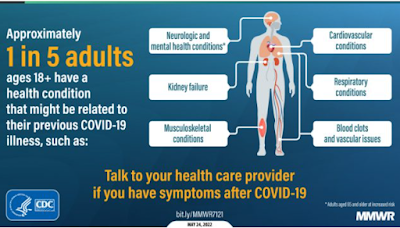
And all of this barely scratches the surface of the post-acute impact of COVID infection, with nearly 20% of the adult population reporting `long COVID' symptoms persisting for months or sometimes even years.  

All of which brings us to a new study, published yesterday in the CDC's EID Journal, which finds a strong signal that even mild COVID infection significantly increases your risk of stroke and other thrombotic events for up to a year post-infection.

While many studies have focused on the more severe Delta wave of COVID, this study covers a period when a milder Omicron variant had already supplanted Delta, yet non-hospitalized COVID patients still had a 73% increased risk of stroke of thrombotic event (compared to other ARIs).  

I've only posted the Abstract, and some excerpts, so follow the link to read the report in its entirety.  I'll return after the break with a bit more. 

Volume 32, Supplement—February 2026
Thrombotic Events and Stroke in the Year After COVID-19 or Other Acute Respiratory Infection
 
Caroline Q. Pratt , Alexandra F. Dalton, Emily H. Koumans, Abraham Agedew, Fatima Coronado, Elizabeth A. Lundeen, Rebecca C. Woodruff, Jason P. Block, Mark Weiner, Lindsay Cowell, Jonathan D. Arnold, Sharon Saydah, and PCORnet Network Partners
 
Abstract

Previous studies have documented an increased risk for thrombotic events 30 days after COVID-19 infection, but less is known about this risk beyond 30 days or compared with risk after other infectious acute respiratory illnesses (ARIs).

By using PCORnet data from April 1, 2022–April 30, 2023, we compared the incidences of thrombotic events in the year after COVID-19 illness with other ARI diagnoses in hospitalized and nonhospitalized patients. Overall, the risk for any thrombotic event was higher among patients with COVID-19 compared with patients with other ARIs (incidence ratio 1.63; p<0.05). 

Nonhospitalized patients with COVID-19 had a 73% increased risk for a thrombotic event in the year after acute illness compared with nonhospitalized patients with ARI (p<0.05). The increased risk for thrombotic events in the year after COVID-19 emphasizes the need for stroke awareness for patients and healthcare professionals.


Stroke and thrombotic events are known sequelae of respiratory viral illnesses, including influenza and COVID-19 (1–5). Since the onset of the COVID-19 pandemic, studies have documented an increased risk for embolic events, including ischemic stroke, in the first 30 days after a COVID-19 infection, with a >2-fold greater risk compared with people without COVID-19 (6,7). Several studies have found the risk for ischemic stroke is higher in those with severe acute illness (8,9). Among children, who have fewer strokes and thromboembolic events, 2 studies found an increased risk for stroke after COVID-19 (10,11). 

Although the mechanisms remain under investigation, the hypothesized pathophysiology that leads to increased stroke and thromboembolic events among patients with COVID-19 include endothelial cell damage (12,13), a viral-triggered exaggerated immune response and cytokine storm (14), and persistent microthrombi formation and fibrin amyloid microclots (15,16).
        (SNIP)
Of note, the risk ratios for all events in COVID-19 versus ARI patients were higher among the nonhospitalized group in this analysis, with a risk ratio of 1.73 (95% CI 1.71–1.76) for 31–365 days among nonhospitalized patients versus 1.14 (95% CI 1.10–1.18) in hospitalized patients. Many earlier studies focused on the initial phases of the COVID-19 pandemic, primarily during the pre-Delta and Delta variant periods (19,20).

In contrast, this study provides more recent data from the Omicron-dominant period, characterized by high population immunity because of extensive vaccination and prior infections. Those updated findings could provide valuable insights for future studies and enhance early recognition and effective management of DVT and stroke, while informing the long-term cardiovascular consequences of COVID-19.

This study underscores the importance of COVID-19 vaccination and other prevention and treatment efforts to reduce risk for severe illness and subsequent adverse outcomes and conditions (38). In addition, given the higher risk for post-COVID conditions with more severe COVID-19 acute illness (39,40), our data provide yet another reason to increase efforts targeted at prevention and improved management of chronic conditions that increase the risk for severe COVID-19, stroke, and thrombotic complications.
Comprehensive chronic disease management, combined with COVID-19 and ARI prevention strategies, can help reduce the incidence of postillness DVT and stroke, ultimately benefiting those most vulnerable to complications. Patient education is also crucial, particularly an emphasis on the benefits of vaccinations for those with underlying risk factors or comorbidities.

        (Continue . . . .)


This week I spent about 30 minutes in a Dr's waiting room with about 20 other (mostly elderly) people - during the height of one of the worst flu seasons in years - and I was conspicuously the only one wearing a mask. 

We've trivialized COVID and flu to the point that people are oblivious to the potentially life-altering (or ending) risks of infection.  

Seasonal flu vaccinations have plummeted by roughly 30% since 2019, COVID booster shots are down 70% since 2022, and mask wearing has become anathema for many. 

At the same time applications for COVID-related disability continue to rise, and Postpandemic Cardiac Mortality Rates remain elevated for the 5th year in a row.

While many now consider COVID infection to be no worse than a `common cold', the evidence suggests otherwise, including these 2025 studies: 

European Society of Cardiology: Major Consensus Statement Released on Long-Term Cardiovascular Impact of COVID Infection

EHJ: Accelerated Vascular Ageing After COVID-19 Infection: The CARTESIAN Study

BMC Neurology: Long-term Neurological and Cognitive Impact of COVID-19: A Systematic Review and Meta-analysis in over 4 Million Patients

Brain, Behavior & Immunity: COVID-19 may Enduringly Impact Cognitive Performance and Brain Haemodynamics in Undergraduate Students

Tuesday, January 06, 2026

Arch. Pub. Health: Excess Primary Healthcare Consultations in Norway in 2024 Compared to Pre-COVID-19-pandemic Baseline Trends


#19,010

From very early on in the SARS-CoV-2 pandemic, we saw concerns raised over the potential long-term impact of COVID infection; often centered around cardiac or neurological involvement.

In early April 2020, the New York Fire Department reported a 400% increase in sudden cardiac arrest death calls beginning in late March (see NBC affiliate Massive Spike in NYC ‘Cardiac Arrest’ Deaths Seen as Sign of COVID-19 Under counting).

In June, JAMA published an original investigation which found a huge increase in out-of-hospital cardiac arrests in New York City during the peak of their COVID-19 epidemic, writing:

From March 1 to April 25, 2020, New York City, New York (NYC), reported 17 118 COVID-19–related deaths. On April 6, 2020, out-of-hospital cardiac arrests peaked at 305 cases, nearly a 10-fold increase from the prior year.

Admittedly, most of these cases were never tested for COVID-19, making any link circumstantial. The following month, however, in JAMA: Two Studies Linking SARS-CoV-2 Infection To Cardiac Injury, we saw physical evidence of cardiac injury due to COVID infection, even among a relatively young cohort of previously healthy adults.

By mid-summer, it was becoming apparent that COVID was far more than just an acute respiratory infection (see Nature Med. Review: Extrapulmonary manifestations of COVID-19), and could produce blot clots, along with neurological, renal, and cardiovascular damage.

 In late July we saw this cautionary editorial published in JAMA.
Coronavirus Disease 2019 (COVID-19) and the Heart—Is Heart Failure the Next Chapter?
Clyde W. Yancy, MD, MSc1,2; Gregg C. Fonarow, MD3,4
JAMA Cardiol. Published online July 27, 2020. doi:10.1001/jamacardio.2020.3575
Since then, studies showing post-acute impacts of COVID infection have exploded, with many citing repeated COVID infections as increasing the risk of long-term health damage. A few (of many) include:

Much of the evidence is anecdotal, or inferential, because 90% of the world stopped testing, and reporting on ICU admissions and deaths, more than 3 years ago (No News Is . . . Now Commonplace).

The world desperately wanted to move on from COVID, and it decided the best way to do so was by touching up the X-rays.  But of course, the health burden of COVID - recognized or not - remains. 

Today we've a study from the Norwegian Institute of Public Health and others, that looks at the trajectory of primary care consultations in Norway both before - during - and after the COVID pandemic.

What they found was the number of consultations in 2024 were about 7% above pre‑pandemic expectations (see graphic at top of this blog). Most of these were coded as being for respiratory, fatigue, psychological, cognitive, and some infectious/gastrointestinal complaints.

Patterns that have often been associated with PASC or `Long COVID', but remain exceedingly difficult to establish a causal link.  

The authors - who cite (and are critical of) Norway’s national COVID strategy which `. . . emphasizes the assumed benefits of sustaining population immunity through repeated SARS-CoV-2 infections' - hypothesize that repeated COVID infections have led to population‑level health impacts, with PASC and post‑COVID immune dysfunction driving much of the cited excess primary care consultations.

The authors note, in particular, the impact this has had on women, children, adolescents, and young adults.

I've reproduced the abstract below, but you'll want to follow the link and read the full article.  I'll have a brief postscript when you return.

Excess primary healthcare consultations in Norway in 2024 compared to pre-COVID-19-pandemic baseline trends

Research
Open access
Published: 02 January 2026
article number , (2026)

Download PDF

We are providing an unedited version of this manuscript to give early access to its findings. Before final publication, the manuscript will undergo further editing. Please note there may be errors present which affect the content, and all legal disclaimers apply.

Abstract

Background

The risk of post-acute sequelae of COVID-19 (PASC) is estimated at 3–6% per infection in 2024. We hypothesized that widespread SARS-CoV-2 infections could lead to population-level consequences. Our previous study identified substantial increases in Norwegian primary healthcare consultations in 2023—compared to pre-pandemic levels—for conditions associated with acute COVID-19 and PASC. This study extended that analysis to 2024. We then assessed whether observed patterns were compatible with our hypothesis.

Methods

We used data from the Norwegian Syndromic Surveillance System, which captures nationwide primary healthcare consultations for 102 ICPC-2 codes (out of a possible 710) that are relevant for infectious disease surveillance and some post-acute infection syndromes. Bayesian linear regression models were fitted to 2010–2019 trends, adjusting for population changes, to estimate expected values for 2024. Excess consultations were calculated by age and sex. A COVID-19 community spread was proxied by vaccination-adjusted weekly hospitalization rates.

Results

In 2024, there were 17,800,365 consultations, corresponding to an absolute excess of 1,185,231 consultations, or a 7.1% relative excess, compared to the modelled baseline. The 10 code combinations with largest absolute excess in 2024 were respiratory infections (325,726 excess consultations; 20% relative excess), fatigue (205,381; 70%), psychological symptom/complaint other (188,978; 87%), acute stress reaction (182,079; 76%), feeling depressed (126,783; 133%), hyperkinetic disorder (112,763; 116%), abdominal pain/cramps general (84,544; 29%), memory disturbance (39,177; 63%), conjunctivitis (34,643; 59%), and infectious disease other/NOS (33,556; 81%). COVID-19 community spread showed the strongest correlations with conjunctivitis, strep throat, respiratory infections as a group (R**), fatigue, infectious disease other, memory disturbances, and pneumonia. Deviations from pre-pandemic trends varied: respiratory and psychological disorders worsened from 2020 onward and several conditions showed dramatic excess from 2022–2024. Females 15–29, children, adolescents, and young adults had disproportionately large relative excesses for consultations for memory disturbances.

Conclusions

Primary healthcare consultations in 2024 significantly exceeded pre-pandemic expectations, especially for conditions linked to acute COVID-19 and PASC, though the two cannot be differentiated in these data. While other factors undoubtedly also play a role, findings are compatible with ongoing population-level health impacts associated with repeated SARS-CoV-2 infections, particularly among women, children, adolescents, and young adults. These results emerged under a national COVID-19 strategy that does not account for post-acute consequences of SARS-CoV-2 infection.

(Continue . . . )


The author's hypothesis, and findings, certainly resonate with what I've seen, and written extensively about, for the past 6 years. But proving causality is always difficult, even when the patterns neatly `fit' the hypothesis. 

A task that is made even more onerous by the deliberate dismantling of COVID surveillance, testing, and reporting around the world.  

Society has used this lack of data to trivialize COVID infection (and reinfection) to the point that vaccine uptake has plummeted, and mask-wearing - and other protective measures - have become anathema. 

Meanwhile, COVID continues to exact a heavy toll, while the public remains oblivious to - or highly skeptical of - other threats that may be in the pipeline. 

While ignorance may yield temporary bliss, we risk a very rude awakening down the road.