Saturday, January 31, 2026

Nature: An Outbreak of HPAI H5N1 Could Impact the Dairy Cattle Sector and the Broader Economy in the United States

 
Credit FAO

#19,037

While HPAI H5N1 has yet to escalate into a human pandemic, it is most assuredly an epizootic in the animal world - and by some estimations - a Panzootic (see ISIRV: Update on H5N1 Panzootic: Infected Mammal Species Increase by Almost 50% in Just Over a Year).

The FAO map (above) of outbreaks reported since Oct 1st 2025 doesn't even come close to depicting the true extent of HPAI's impact. Many countries simply do not test extensively - or are unwilling to report outbreaks - often for political or economic reasons. 

Blind spots include all of Russia, Central Asia, much of Africa, Northern Canada, and the interior of South America (note: Australia/NZ are testing, but the virus has not shown up yet).

Tens of thousands of mammalian deaths (aquatic, foxes, rodents, cats, etc.) have been reported (see Nature Reviews: The Threat of Avian Influenza H5N1 Looms Over Global Biodiversity), but they likely only scratch the surface. 

In the United States, nearly 1,100 herds of dairy cattle have been confirmed infected with HPAI H5N1, although many studies suggest this is likely an undercount (see Nature: A Mathematical Model of H5N1 Influenza Transmission in US Dairy Cattle).


This week Europe has seen evidence of the first spillover of HPAI to dairy cattle - but given their passive surveillance methods - it would not be surprising if others have been missed. 

While the worst case scenario is arguably another severe pandemic, a runner-up would be a high impact panzootic, affecting cattle, pigs, poultry, or other high-value livestock. 

In the past we've looked at the devastating effects of ASF (African Swine Fever) in China (see ASF In China: Epizootic or An EpicZootic?), Foot and Mouth Disease (FMD) in South Korea), BSE in Great Britain, and even the great Equine Epizootic of 1872

The USDA lists 8 Animal Diseases of Concern (and 51 diseases of crops), with both HPAI and some LPAI viruses on their list. This list is a `living document' and could be revised if new threats emerge.


All of which brings us to a review article published in Nature Comms which looks at the economic impact of three different scenarios of an HPAI H5 cattle epizootic in the United States; ranging from:
  • S1 (the current situation)
  • S2 (a realistic expansion)
  • S3 (reasonable worst case)
Using these arbitrary scenarios, economic losses (in the short term) range from the current $11B  to costing the U.S. economy tens or even hundreds of billions of dollars (Est. $179B).  

While not as costly as a human pandemic, any increase in cattle transmission and/or morbidity & mortality would likely also increase the chances of a spillover to humans. 

By necessity, a great many assumptions are made in modeling these scenarios. Since I'm not an economist or a statistician, I'll leave it to others to opine on their merits.  I view this study more as a cautionary assessment of our economic vulnerability to HPAI in livestock, than a specific forecast.

The bottom line, however, seems pretty obvious.  

If we continue to dither, and allow HPAI H5N1 to spread in cattle, we risk a range of potential bad outcomes. Some worse than others, but all worth avoiding if possible.

Due to its length, I've only posted the link, the abstract, and brief excerpt. Click the link to read it in its entirety.  

Guillaume MorelAnh PhamChristian MorgensternJoseph T. HicksThomas RawsonVictoria Y. FanW. John EdmundsGiovanni ForchiniKatharina Hauck
Communications Earth & Environment , Article number: (2026) Cite this article


We are providing an unedited version of this manuscript to give early access to its findings. Before final publication, the manuscript will undergo further editing. Please note there may be errors present which affect the content, and all legal disclaimers apply.

Abstract

The outbreak of Highly Pathogenic Avian Influenza H5N1 in U.S. dairy cattle poses substantial risks to public health, economic sustainability of farming, and global food systems. Using a Computable General Equilibrium model, we simulate its short- to medium-term impacts on Gross Domestic Product and other macro-economic outcomes for the US and its main trading partners. 

We simulate impacts under the current situation and realistic and reasonable worst-case scenarios. We estimate domestic economic losses ranging between 0.06% and 0.9% of US GDP, with losses to the dairy sector ranging between 3.4% and 20.6%. Trading partners increase dairy production to compensate for the loss.
Current government subsidies are about 1.2% (95% HDI: 1% to 1.4%) of output losses, and likely insufficient to incentivise farmers to step up surveillance and biosecurity for mitigating the possible emergence of H5N1 strains with pandemic potential into human populations.
       (SNIP)
Despite the limitations, this study provides insight into the potential economic impacts of an H5N1 outbreak for the US and its trading partners. These economic impacts would pale in comparison to the health and economic impacts of an H5N1 outbreak among humans. 

Recent research suggests that the virus has gained genetic mutations in the months since it was first detected in cattle, increasing the risk of zoonotic spillover 5 ,34 . Compared with ten months ago, the virus now has more opportunities to adapt to its new mammalian hosts because of insufficiently controlled transmission, resulting in increasing numbers of infections amongst cows and other animals across the United States 4  .  
Considering the high potential economic losses, and the potential risk to human health, the currently introduced measures are disproportionately lax given the scale of the potential impact. We estimate that the current subsidies for enhanced testing and biosecurity (around $98m) are covering about 1.2% of the aggregate output loss of the dairy, cattle, and raw  milk sector due to the outbreak. There is robust research evidence on the economic benefits of animal tracing systems. 

The European Commission mandates that for the purpose of outbreak control, all bovine animal movements, births and deaths must be electronically registered within 7 days to the authorities. There is no such nationwide tracing system in the USA, although some states have introduced them. Animal tracking, combined with enhanced monitoring and biosecurity, should help reduce the risk of the current outbreak from escalating, reduce economic costs to farmers, and mitigate the potential emergence of highly virulent H5N1 strains with pandemic potential into human populations.

Friday, January 30, 2026

Netherlands: Avian Flu Outbreak at a `Mixed Species' Pet Shop in Wadenoijen


#19,036


While we wait for more details on the (now 5) dairy cows with antibodies to HPAI H5N1 in the Netherlands, over the past week the Netherland's National Government website (Rijksoverheid.nl) has reported a number of other outbreaks, including the following of an outbreak in a pet store in Wadenoijen:
Bird flu detected in Wadenoijen

News item | January 30, 2026 | 1:31 PM

In Wadenoijen (municipality of Tiel, province of Gelderland), avian influenza has been detected at a pet trade involving approximately 325 birds and several other mammals. To prevent the spread of the virus, the infected animals are being culled at the site by the Netherlands Food and Consumer Product Safety Authority (NVWA).

A large number of bird species are kept at the site. European regulations allow for an exception to the requirement to cull all birds at an infected site if the birds in question are of high genetic, cultural, or educational value, or if animals are kept that are threatened with extinction. Culling all the birds present would be disproportionate in this case. Therefore, careful consideration is given to which animals are and are not culled. Birds that are not culled are kept separately and retested at a later date.

A restricted zone will be established around the infected location. Within the entire 10-km restricted zone around the infected location are 10 commercial poultry farms. Several of these farms are also located in the restricted zone around Kesteren (January 2026).

Transport ban

A transport ban applies immediately within the entire 10-kilometre zone.

This means that no birds, hatching eggs, or eggs for consumption may be transported from bird-keeping locations in this zone. The disposal of bird manure and used litter is also prohibited. These measures are necessary to prevent the spread to other parts of the country. Animals other than birds and their products may be transported to and from bird-keeping locations, provided that this is done in accordance with the strict hygiene protocol .


Earlier this week (Jan 26th) the Netherlands reported an outbreak at a petting zoo in Alphen aan den Rijn. 

Bird flu detected in Alphen aan den Rijn

News item | January 26, 2026 | 4:06 PM

In Alphen aan den Rijn (province of South Holland), bird flu has been confirmed at a petting zoo with 73 birds. To prevent the spread of the virus, the infected birds are being culled from the site by the Netherlands Food and Consumer Product Safety Authority (NVWA).

A variety of birds are present at the site. Under European regulations, it is possible to deviate from the requirement to cull all birds at an infected site if they are birds of high genetic, cultural, or educational value. Twenty-six chickens of a rare breed are present; they will not be culled. These chickens are housed separately and will be retested at a later date. Culling all the birds present would be disproportionate in this case.

There are no poultry farms within the 1-km and 3-km restricted zones around this infected location. There are two commercial poultry farms within the 10-km restricted zone.
Also on January 26th, the Netherlands announced the culling of 70,000 broilers at a farm in Bornerbroek, while on the 25th they announced the culling of 44,000 breeding hens in Kesteren.

The Netherlands, like much of the rest of the world, is seeing a robust 2025-2026 avian flu season.  So much so, that it has become impractical to try to blog on every outbreak. 

You can find a partial list of outbreak in the Netherlands since October at the following  Wageningen University Research webpage. 

Netherlands: NOS.NL Reports 5 Dairy Cows Have Now Tested Positive for H5N1


#19,035

Although I have yet to find any official statement posted on a NL government website, NOS (Nederlandse Omroep Stichting) - the Netherland's Public Broadcasting Network - is reporting that last night Agriculture Minister Femke Wiersma notified the House of Representatives that testing now reveals Five cows with antibodies against bird flu in Northeast Friesland

This story has also been picked up by AgriHolland and BoerderiJ

The last official statement I can find was on January 23rd (see Netherlands: NVWA Announcement on Avian Flu Antibodies Detected In Dairy Cow), after an investigation into 2 sick barn cats (1 died from H5N1) led to the detection of a single dairy cow with antibodies to HPAI. 

Initial reports strongly suggested this was an isolated incident, stating `No evidence of active viral circulation of avian influenza among the dairy cows on this farm has been found. There are also no signs of avian influenza spreading to other dairy farms.'

Despite this reassuring report, a separate letter to Parliament indicated that 5 tests came back with `errors', and would be repeated (see excerpt below).

All but five samples tested negative for individual PCR tests. The bulk milk was also PCR negative. The five remaining individual milk samples resulted in a test error in the laboratory and will be retested this weekend. Based on the PCR results available so far, from last week and today, there is no indication of active avian influenza virus circulation among the dairy cattle on the farm. The final five PCR results will be available this weekend. If these unexpectedly result in a positive outcome, I will inform Parliament immediately. 

NOS  quotes Minister Femke Wiersma as stating during a debate on zoonoses last night at the House of Representatives; "It now appears, and this is new information, that antibodies have been found in five different cows." 

Hopefully we'll get more information in the hours ahead.


Thursday, January 29, 2026

Taiwan: The Plot Thickens . . .


#19,034

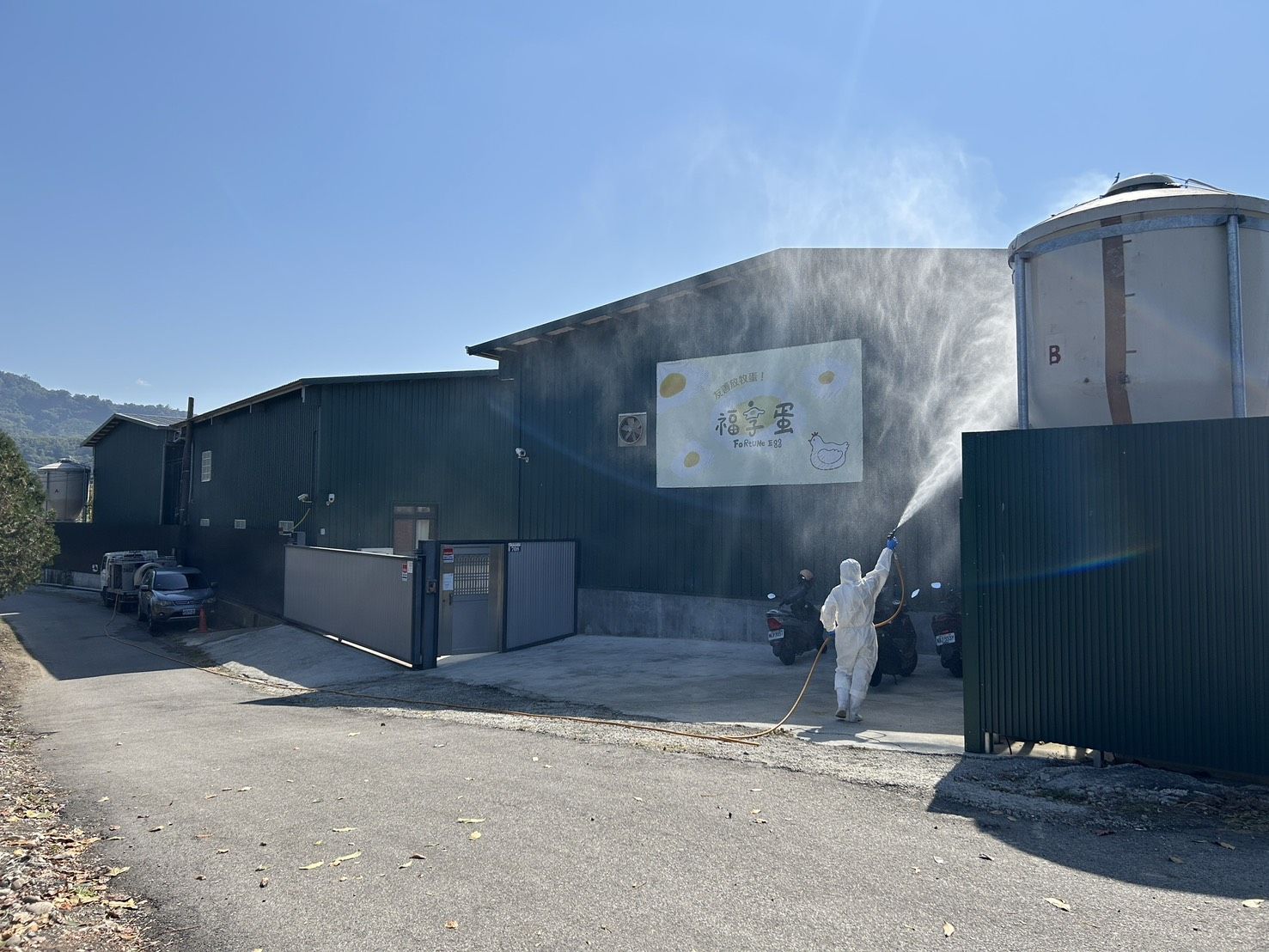
Yesterday, in quick succession, we learned (a) that 235 dead (H5N1 infected) chickens were dumped in a Miaoli County, Taiwan drainage ditch and (b) that an egg farm in neighboring Taichung County, had been hiding an outbreak of H5N1 by burying dead chickens on site.

Today, amid concerns that thousands of eggs may have been sold (and many consumed) during the 17 days which this outbreak appears to have been concealed, there is a fresh report of another 1,000+ birds buried in Miaoli County. 

It appears, from the reporting, that the Taichung Fengkang Livestock Farm at No. 906, Waipu Section, Houlong is the source of all 3 incidents. A brief (2 min.)   English language Formosa News report is available on YouTube. 

The latest (translated) report from the Miaoli County Govt. website follows:

A thousand dead chickens were unearthed in Waipu, Houlong County. The county magistrate ordered that the case be handled strictly.
Person in charge: Zheng Zhongcai, Head of the Livestock Section, Agriculture Division
Contact number: 037-351618
Last published on: 115-01-29 17:47


A thousand dead chickens were buried in Houlong Waipu. On the 29th, the Miaoli County Government attempted to excavate and dispose of the chickens, but the landowner refused. Miaoli County Magistrate Chung Tung-chin was furious upon learning of this and called it outrageous. He instructed the Agriculture Department to report the case to the police and prosecutors for assistance, emphasizing that the case would be investigated as a criminal case and that the landowner would be severely punished. He also called on the Taichung City Government to take stronger measures to severely punish Fengkang Ranch.

On the 28th, the Miaoli Animal Protection and Disease Control Center received an official document from the Taichung Animal Protection Office notifying them that Taichung Fengkang Livestock Farm at No. 906, Waipu Section, Houlong had illegally buried 1,150 chickens. The center immediately went to the site to clean up and seal off the area, and took samples from chicken farms within a 3-kilometer radius of the location for testing. The center also notified the perpetrator and the landowner to come to the site the following day to give their opinions.

On the 29th, the Agriculture Department was refused excavation by the landowner, so they went to the scene with the police to excavate. They soon unearthed chicken carcasses. The epidemic prevention personnel put the chicken carcasses in bags on site, sent them for incineration, carried out disinfection work on site, and cordoned off the area.

Agriculture Director Chen Shuyi explained that after the excavation is completed, the number of chickens will be thoroughly counted to prevent the occurrence of diseases and pests. The cleanup work will also be completed to reassure the villagers. Currently, in addition to imposing a maximum fine of NT$1 million on the landowner in accordance with the law, the case will also be referred to the District Prosecutor's Office for investigation in accordance with the Waste Disposal Act.

Miaoli County Magistrate Chung Tung-chin stated that the spread of fowl plague to Miaoli County has caused significant losses to the county's chicken farming industry. He emphasized that infectious diseases pose a public health risk, and in addition to imposing heavy penalties, Miaoli County hopes that the Taichung City Government will take strong measures to prevent more unscrupulous operators from causing such incidents and further exacerbating the disaster, which not only harms chicken farmers but also poses a threat to society. The magistrate stressed that regardless of what happens, the county and city governments must coordinate and cooperate effectively to stop the fowl plague from spreading further.

From adjacent Hsinchu County (borders Miaoli county to the north) we get the following response from their Animal Protection and Disease Control Center. 

In response to the avian influenza outbreak, Hsinchu County immediately activated its enhanced disease prevention mechanism.
Release Date: 115-01-29

Following a recent outbreak of H5N1 highly pathogenic avian influenza at a poultry farm in Taichung City, the Hsinchu County Animal Protection and Disease Control Center immediately activated its enhanced disease prevention mechanism. An investigation revealed that all poultry farms in the county are currently operating normally, and no suspected cases have been reported. The center is simultaneously strengthening patrols and monitoring, conducting regular blood sampling tests, and expanding environmental disinfection measures. The center also urges poultry farmers and the public not to panic.

In the "strengthened inspection and monitoring" section, epidemic prevention personnel have increased the frequency of visits to densely populated poultry farming areas within the county, supervising poultry houses to implement bird-proofing facilities and block the transmission route through contact between wild birds and poultry. In addition, through "regular sampling and blood testing," the dynamics of the epidemic are proactively monitored. The Animal Protection Office dispatches personnel to conduct regular sampling and blood testing of poultry in high-risk farms within its jurisdiction, and conducts accurate testing in the laboratory to achieve effective early warning before an outbreak occurs, thus protecting the safety of the poultry industry.

At the same time, "environmental disinfection has been expanded," with disinfection vehicles being dispatched to strengthen environmental spraying operations around important connecting roads, sorting yards, and poultry wholesale markets within the jurisdiction, in order to block the risk of the virus spreading across counties and cities via vehicles or personnel.

The Animal Protection Office also urges poultry farmers in the county to strengthen their self-management of biosecurity and strictly enforce personnel and vehicle access control and disinfection. If any poultry are found to have abnormal deaths, decreased feed intake, or decreased water consumption, or other suspected outbreaks, please immediately report to the Animal Protection Office (Tel: 03-5519548). According to the Animal Infectious Disease Prevention and Control Act, those who proactively report and confirm the disease can apply for compensation for culling; those who conceal or fail to report or dispose of the disease privately will not receive compensation and may be fined up to NT$1 million.

The Animal Protection and Quarantine Center also reminds the public to purchase poultry meat with the "Agency for Animal Health Inspection and Quarantine Slaughtering Certificate" and to practice the hygiene habit of "cooking poultry and eggs thoroughly." The Hsinchu County Animal Protection and Quarantine Center will continue to be at the forefront of epidemic prevention and control, working closely with various counties and cities to ensure the stability of Hsinchu County's industries.
While no figures have been released on the number of potentially contaminated eggs that have been sold, the farm reportedly had 7,000 layers, which (if healthy) would be expected to produce 5500+ eggs a day. 

Even assuming losses (reportedly 1,700), and lower production due to illness, 3000-4000 eggs a day could reasonably be expected (x) 17 days = 51,000 - 68,000 eggs. 

Fully cooked, these eggs should be safe for consumption, but there is an  (admittedlyslight) risk that handling these eggs could expose someone to the virus. 

In the past we've seen millions of eggs recalled over similar concerns, including Bulgaria To Recall 1 Million Eggs Due To HPAI H5N8 and Denmark: DVFA Destroying Hundreds Of Thousands Of Imported Eggs.

Hopefully this will be the end of the story, but we'll be keeping close watch for the next couple of weeks as dozens of farm workers, cullers, and poultry disposal personnel are monitored for the virus. 

Stay tuned. 

Wednesday, January 28, 2026

Taiwan: Meanwhile, in Taichung . . .

 
Miaoli & Taichung

#19,033

Even as I was finishing up my last blog (see Taiwan: H5N1 Infected Chicken Dumping Incident Investigated) from Miaoli County, Taiwan another report came across the transom from Taichung - 30 Km to the south - of a large egg farm which reportedly has been hiding an H5N1 outbreak by burying chickens on site.

While I normally wouldn't post back-to-back blogs on H5N1 outbreaks in Taiwan, the discovery of two attempts to hide or cover up outbreaks on the same day is blogworthy.

From official sources, we learn:

In the case of avian influenza at the Fengyuan egg farm, the city government has established a forward command post, completed disinfection, and will cull the chickens and impose fines in accordance with the law
.


In the case of avian influenza at the Fengyuan egg farm, the city government has established a forward command post, completed disinfection, and will cull the chickens and impose fines in accordance with the law.

Taichung City Government received a report on the evening of January 26 that a large number of chickens had died at a suspected chicken farm in Fengyuan area. Mayor Lu Shiow-yen stated that the Animal Protection Division of the Agriculture Bureau dispatched personnel to the site yesterday (January 27) to inspect the situation, collect samples from the sick poultry for testing, and implement movement control measures. The test results have now confirmed that the chickens were positive for avian influenza virus. In response, Taichung City Government has established a forward command post. Disinfection of the affected farm and poultry farms within a 3-kilometer radius has been completed, and all staff and vehicles have been placed under control.
The eggs that have been released will be tracked, removed from shelves, and destroyed. The case will be subject to a fine of NT$50,000 to NT$1 million. Furthermore, the failure to send the dead chickens for calcination in accordance with regulations will also be punished in accordance with the Animal Husbandry Act.

Mayor Lu pointed out that the chicken farm has been confirmed to have avian influenza. According to regulations, all chickens on the farm must be culled and the farm cleared. Since winter is avian influenza outbreak season, and several counties and cities have already reported outbreaks, the city government has instructed all district offices to conduct comprehensive inspections of the approximately 171 chicken farms in Taichung City to prevent further spread. Furthermore, the city government will impose a fine on the farm for failing to proactively report the outbreak and carry out the necessary culling procedures, in accordance with regulations.

The Agriculture Bureau explained that approximately 1,700 chickens have died at the site, which has a total of about 7,000 chickens. The number of deaths is considered a large and unusual occurrence. The Agriculture Bureau emphasized that because the business owner failed to report the incident proactively, in accordance with the Animal Infectious Disease Prevention and Control Act, no compensation will be provided for the losses incurred in culling animals and destroying equipment, and a fine of NT$50,000 to NT$1,000,000 will be imposed. Furthermore, the failure to properly process the dead chickens through calcination will also be subject to penalties under the Animal Husbandry Act.

       (Continue . . . )

Note: `Calcination' in this context refers to incineration. 

Meanwhile, a statement from the Taiwan Animal Society Research Association - issued today on the above mentioned farm - reports a series of infractions, and announces they have been expelled from the association.

Fengkang Livestock Farm in Taichung has been expelled from the association for failing the annual animal welfare standards audit and violating the regulations.
 
    1.  Fengkang Livestock Farm applied to our association for the Animal Welfare Mark - Egg-Laying Chicken Farm at the end of the year before last (2024). After our association sent personnel to conduct a strict audit in December of that year, we notified them on February 14 last year (2025) that the audit was passed and the certificate is valid from February 14, 2025 to February 13, 2026.
    2. In 2025, due to the addition of new animal sheds, the association sent personnel to conduct another audit in October in accordance with the audit standards. It was found that some conditions of the ranch did not meet the association's standards and requirements. The association required the ranch to make improvements, otherwise it would not be approved.
    3. On January 5, 2026, our association sent personnel to the ranch for on-site verification again and found that the ranch still did not meet our association's standards. Therefore, on January 16, our association issued a notice that the extension would not be granted.
    4. Today's (January 28) news report: The ranch recently experienced a large number of chicken deaths and failed to proactively report to the competent authorities and this association, which is a serious violation of animal welfare, biosafety and public health management.
    5. According to the cooperation agreement signed between this association and the farm on February 14, 2025, regarding the use of the "East Certified Animal Welfare Mark" and the "Friendly Egg Alliance" mark, the farm must keep pace with the times and comply with the "Animal Welfare Mark and Friendly Egg Alliance Egg Hen Animal Welfare Standards," as well as the relevant laws and regulations of our country, such as the "Animal Protection Act," the "Food Safety and Hygiene Management Act," and the "Animal Infectious Disease Prevention and Control Act." Fengkang Livestock Farm failed to report the matter truthfully, which has seriously damaged the reputation of this association's mark. Therefore, this association hereby announces the removal of the farm from the list. The farm is no longer a member farm of the "East Certified Animal Welfare Mark" and the "Friendly Egg Alliance." We urge consumers to be aware of this.

 
Farms are currently our main battleground against the spread of HPAI, and from what we've seen and heard recently from South Korea - and from Taiwan today - the virus appears to be on a winning streak.

And that's a trend we ignore at our peril. 

Taiwan: H5N1 Infected Chicken Dumping Incident Investigated

 
Credit https://www.miaoli.gov.tw/

#19,032

As long-time flu watchers, one of the `unofficial' signs we look for are reports of the illegal `midnight dumping' of sick or dead livestock (mostly poultry and pigs) into rivers, lakes, or ditches.  

A genuinely bad idea, as some viruses (HPAI, ASF, etc.) can remain viable in the environment (under the right conditions) for weeks or even months (see Proc. Royal Society B: Influenza A Viruses Remain Viable For Months In Northern Wetlands - USGS).

Water supplies can become contaminated, and insect vectors (see Nature Sci Rpts: Detection of H5N1 HPAI virus RNA in filth flies collected from California farms in 2024), birds, or small mammals may spread the disease even further. 

But people are often afraid to report unusual poultry deaths in their backyard flock - or even larger operations - for fear that authorities will come and cull the rest of their birds (see Vietnam: Dozens Of Sacks Of H5N6 Infected Chickens Dumped on Nghe An Beach).

During China's ASF (African Swine Fever) outbreak in 2018-2019, we saw so many pigs dumped into rivers, that they began floating up on Taiwan's beaches (see Taiwan BAPHIQ: Ramping Up Patrols For `Sea Drift' & Abandoned Pig Carcasses).

Famously, in 2013 (see Shanghai Govt.: Thousands Of Dead Pigs Retrieved From River) - we saw reports of as many as 3,000 pig carcasses dumped in the Huangpu river - a tributary of the Yangtze - that provides many of the 23 million residents of Shanghai with their drinking water.
Due to government crackdowns (and many governments paying compensation to affected farmers), reports of clandestine dumping of livestock have diminished in recent years, but today we have a report from Taiwan of just such an incident from the  Miaoli County government. 

The local authorities are taking this seriously, and if identified, the offender could be fined NT$1 Million (roughly $32,000 USD).  

While Taiwan pays farmers partial compensation for losses due to HPAI H5N1 - as we've seen in South Korea - payments can be denied  (and fines imposed) if the farms failed to follow strict biosecurity rules. 

I've posted the full (translated) statement from the Miaoli County website below. I'll have a bit more after the break.


H5N1 was detected in chicken carcasses found in Houlong. The county magistrate ordered a thorough investigation and a maximum fine of NT$1 million to be imposed on the perpetrators.
Person in charge: Zhang, Technician, Animal Protection and Quarantine Department, Animal Protection and Disease Control Center
Contact number: 037-320049 ext. 124
Last published on: 115-01-28 16:11
On January 26, the Miaoli County Animal Protection and Disease Control Center received a report that 235 chicken carcasses had been found abandoned in the Waipu drainage ditch in Houlong Township. Samples were immediately taken and sent for testing upon receiving the report. The carcasses were subsequently disposed of by a rendering plant, and a thorough disinfection of the surrounding environment was carried out. Health inspections of poultry farms within a 3-kilometer radius were also initiated.
On January 28, the Animal Protection and Disease Control Center received notification from the Veterinary Research Institute that the dead chickens had been diagnosed with H5N1 subtype highly pathogenic avian influenza. County Magistrate Chung Tung-chin took this matter very seriously, instructing a thorough investigation of the person responsible for abandoning the chicken carcasses and imposing the maximum penalty of NT$1 million for violating the Animal Infectious Disease Prevention and Control Act. At the same time, strict disease prevention measures were implemented to comprehensively prevent any potential outbreaks.
The Animal Disease Control Center stated that after receiving a report from the public on the 26th, it immediately activated its epidemic prevention response mechanism and completed measures including on-site inventory of designated facilities for disposal, sampling and testing, and comprehensive disinfection of the surrounding area. On the 27th, it continued to conduct health visits to 10 poultry farms within a 3-kilometer radius, and the results showed that the chickens were in good health. At the same time, it assisted in disinfecting the area around the farms and guided the operators to strengthen the disinfection of the farms and vehicles, and implement self-epidemic prevention and biosecurity management. On the 28th, it continued to complete the sampling and testing of poultry farms within a 3-kilometer radius.

The Miaoli County Government stated that the illegal disposal of diseased and dead poultry is suspected of violating Article 12 of the Animal Infectious Disease Prevention and Control Act. The authorities have traced the perpetrators and have identified poultry farms in the Taichung area. They are in close contact with relevant authorities in Taichung.

Upon learning that unscrupulous businesses were disregarding regulations by abandoning diseased and dead chickens, ignoring disease prevention efforts, and challenging public authority, County Magistrate Chung Tung-chin immediately instructed the relevant authorities to thoroughly investigate the perpetrators in accordance with the law and impose a maximum fine of NT$1 million in accordance with relevant regulations. He emphasized that the cases should be handled strictly and without leniency to ensure the integrity of the disease prevention system and public safety.

        (Continue . . . )

Hopefully this is an isolated incident, and not the start of a dangerous new trend.  But poultry farmers around the globe do seem to be having a harder time keeping the virus out of the hen house since last summer. 

Three weeks ago, in South Korea MAFRA: Special Quarantine Measures Implemented for one Month to Prevent the Spread of HPAI, we saw a tacit admission from the South Korean government that even farms that follow strict biosecurity procedures were still susceptible to infection from the current `highly infectious' HPAI H5 virus.

While most commercial poultry operations should already know and understand their obligations to maintain strict biosecurity due to avian influenza, there are more than 11 million backyard poultry flocks in the United States alone, and tens of millions more in Europe and Asia.

So far, roughly 200 backyard flocks have been infected since September of last year in the United States, and we've seen at least one death `linked to contact with backyard or wild birds'.

As bad as HPAI has become in recent months, it has the potential to become much worse. 

Hopefully backyard flock owners are taking these recommendations seriously, because the last thing we need is to give this virus any kind of helping hand. 

ECDC Statement On H5N1 Antibodies in Dutch Dairy Cow: ECDC Risk Assessment Remains Unchanged


#19,031

On Saturday (Jan 24th) we learned from the Netherlands: NVWA Announcement on Avian Flu Antibodies Detected In Dairy Cow; which appears to be the first compelling evidence of a spillover of H5N1 to European cattle.

While no active infections have been found, investigations are ongoing.   

This detection came as the result of a follow-up on 2 sick barn cats, one of which died from H5N1, rather than from routine surveillance. While this leaves open the possibility that other spillovers may have occurred unnoticed, the lack of human cases thus far is encouraging. 

For now, the ECDC states that their risk assessment (on risks to public health) remains unchanged:

The current risk is assessed as low for the general population and low to moderate for people with occupational exposure (e.g. poultry farm workers) or other exposure to infected animals or contaminated environments (e.g. direct contact with infected wild birds). 

Hopefully we'll get a more detailed report from the Netherlands or the the ECDC in the days to come.  I've reproduced the statement below, and will have a brief postscript after the break. 
(Note: The link for the `guide' provided in this article does not work).
Detection of avian flu antibodies in Dutch dairy cow: ECDC risk assessment remains unchanged
News
27 Jan 2026

With avian influenza A(H5N1) widely circulating in wild birds and poultry, and repeatedly detected in mammals, Dutch public health authorities report that antibodies indicating past exposure have been identified in milk from a dairy cow in the Netherlands. No other cows on the affected farm have tested positive for the virus and no exposed people have developed symptoms, but investigations are ongoing.

As yet, there have been no confirmed human cases of A(H5N1) in the EU//EEA and ECDC’s risk assessment remains unchanged. The current risk is assessed as low for the general population and low to moderate for people with occupational exposure (e.g. poultry farm workers) or other exposure to infected animals or contaminated environments (e.g. direct contact with infected wild birds).

Transmission of avian influenza from cattle to humans has only been reported in the United States among farm workers exposed to infected cattle or contaminated environments, and such cases remain sporadic and all developed only mild symptoms.

As highlighted in the ECDC/EFSA Scientific Opinion on preparedness, prevention and control of avian influenza, adherence to biosecurity measures is essential, alongside enforcing proper protective measures for people exposed to potentially infected animals and the early detection of animal-to-human influenza transmission.

ECDC has produced a guide for pre-pandemic zoonotic influenza preparedness and response to help European countries respond to possible animal-to-human influenza threats. This guide sets out practical response actions across a range of scenarios.

ECDC is monitoring the situation together with partner organisations in Europe and will continue to update its assessment of the risk for humans in the EU/EEA as new information becomes available. 
Further information

ECDC regularly monitors zoonotic avian influenza strains through its influenza surveillance programme and epidemic intelligence activities in collaboration with the European Food Safety Authority (EFSA) and the EU Reference Laboratory for Avian Influenza to identify significant changes in the virological characteristics and epidemiology of the virus. Together, they produce a quarterly updated report on the avian influenza situation.


The `missing link' above is to an ECDC report from last December - which we looked at in ECDC Pre-pandemic Guidance: Strategies to Fight Avian and Swine flu in Humans - which included 14 scenarios (see chart below) that are:

 `. . . based on specific epidemiological and virological factors, including animal origin, characteristics of human cases (number and exposure context), severity signals, that are then further defined based on the presence of virus mammalian adaptation, antiviral resistance and mismatch with available pre-pandemic vaccines and/or candidate vaccine viruses.'


As happens occasionally (and is the bane of all bloggers), the link to that report has changed since I posted that blog, with the new link now:

https://www.ecdc.europa.eu/sites/default/files/documents/Zoonotic-influenza-pre-pandemic-scenarios-jan26.pdf


Tuesday, January 27, 2026

A Brief History of the Nipah Virus


#19,030

Anyone who has scanned the news headlines over the past few days is likely aware of a Nipah (NiV) outbreak in Bengal State, India, which has been breathlessly reported by many media outlets (see Deadly Virus in India Sparks Asia-Wide Panic: Nipah Could Spread Like COVID).

While official government reports are hard to find, local and international sources are reporting 5 hospital employees (see Outbreak News Today) who worked atprivate hospital in Barasat have been infected. 

Nipah, a henipavirus carried by fruit bats in Southeast Asia and the Indian Subcontinent (see map above), was first identified in the late 1990s after a large outbreak in Malaysia spread first from bat(s) to pigs - and then from pigs to humans - eventually infecting at least 265 people, killing 105 (see Lessons from the Nipah virus outbreak in Malaysia).

Since then, Bangladesh has reported the most cases (see chart below), although India has - since 2018 - reported several large outbreaks. 


Nipah Epi Curve In Bangladesh (2001-2023)

The WHO provides the following Key Facts on Nipah:

  • Nipah virus infection in humans causes a range of clinical presentations, from asymptomatic infection (subclinical) to acute respiratory infection and fatal encephalitis.
  • The case fatality rate is estimated at 40% to 75%. This rate can vary by outbreak depending on local capabilities for epidemiological surveillance and clinical management.
  • Nipah virus can be transmitted to humans from animals (such as bats or pigs), or contaminated foods and can also be transmitted directly from human-to-human.
  • Fruit bats of the Pteropodidae family are the natural host of Nipah virus.
  • There is no treatment or vaccine available for either people or animals. The primary treatment for humans is supportive care.
As mentioned, limited human-to-human transmission has been occasionally documented, as in India in 2018 (see Nipah Transmission In Kerala Outbreak) where we saw apparent robust household and nosocomial transmission of the virus.

While we've not seen truly large outbreaks, in July of 2018, in IJID: Enhancing Preparation For Large Nipah Outbreaks Beyond Bangladesh, we looked at an open-access article that appeared in the International Journal of Infectious Diseases, that discussed the potential of the Nipah virus producing a large urban epidemic, similar to what we saw in West Africa with Ebola in 2014.

Three years ago, in EID Journal: Nipah Virus Exposure in Domestic and Peridomestic Animals Living in Human Outbreak Sites, Bangladesh, 2013–2015, we looked at a dispatch that described the detection of NiV antibodies in cattle, dogs, and cats in proximity to known outbreaks in humans.
Nipah (and its cousin Hendra) belong to the Paramyxoviridae family of viruses, and over the past 10 years have been increasingly viewed as having some pandemic potential (see OFID: Viral Families with Pandemic Potential).

Whether Nipah has - or will ever accrue - the `right stuff' to pose a genuine pandemic threat is unknowable, but ithe 2013 paper The pandemic potential of Nipah virus, the author Stephen P. Luby wrote (bolding mine) argued:

Characteristics of Nipah virus that increase its risk of becoming a global pandemic include:
  • humans are already susceptible; many strains are capable of limited person-to-person transmission;
  • as an RNA virus, it has an exceptionally high rate of mutation
  • and that if a human-adapted strain were to infect communities in South Asia, high population densities and global interconnectedness would rapidly spread the infection.
While there is currently no indication that Nipah is spreading internationally, several southeast Asian nations have issued warnings, and have increased airport surveillance. 

Three days ago Cambodia's MOH released the following (translated) advice on avoiding Nipah Infection.

And today Taiwan's CDC issued a lengthy statement, declaring Nipah to now be a Category 5 notifiable infectious disease.  A brief excerpt follows.


While the Nipah virus remains more of a regional concern than a global threat, each new human (or mammalian) infection affords the virus another opportunity to better adapt to a new host.
 
A reminder that the next global health crisis may already be simmering in a bat, a rat, or a cat somewhere in the world, just waiting for the right conditions to allow it to start its world tour.

For a deeper dive into the Nipah threat, the Journal of Advances in Biology & Biotechnology published a narrative review just 10 days ago:

Nipah Virus: Understanding Its Zoonotic Potential and Public Health Implications
Chandrani Goswami a* , Sophia Makdoh Gogoi b , Dimpi Choudhury c , Nayanmoni Konwar d , Karabi Phukan e and Manmi Kalita f
Journal of Advances in Biology & Biotechnology Volume 29, Issue 1, Page 476-489, 2026; Article no.JABB.151242 ISSN: 2394-1081

Abstract 

Nipah virus (NiV), a paramyxovirus of the genus Henipavirus, is one of the most significant threats to the overall health of the world population because of its high mortality rate and the possibility of human-to-human transmission. NiV has resulted in repeated and frequent outbreaks in South and Southeast Asia, especially in Bangladesh and India, since its first outbreak in Malaysia in the 1998- 1999 pandemic. Pteropus fruit bats is the natural reservoir, and individuals become infected by the means of contaminated food sources, intermediate amplifying hosts, such as pigs, or through direct contact. Clinical presentation involve acute respiratory disease and fatal encephalitis and are usually accompanied by long-term neurological sequelae in survivors. Without licensed vaccine or specific antiviral drugs; early detection, surveillance, and prevention play a critical role. This review provides an overview of the existing knowledge about NiV epidemiology, transmission modes, reservoir ecology, clinical presentation, diagnostic methods and new therapeutic advances, with the need of a One Health approach in mitigating the risk of spillover and enhancing outbreak preparedness.

Monday, January 26, 2026

Nature Comms: Oseltamivir and Baloxavir Monotherapy and Combination Therapy Efficacy Against Clade 2.3.4.4b A(H5N1) Influenza Virus Infection in Ferrets

 
CDC Influenza Antiviral Medications: Summary for Clinicians - Jan 2026

#19,029

While there are other options (see below), Oseltamivir  (aka `Tamiflu') remains the default antiviral for hospitalized or severe influenza worldwide, and has been stockpiled by many countries for use during a pandemic.  

Although Baloxavir was approved by the U.S. in 2018, the CDC expressly states that: `There are no data for baloxavir treatment of patients with HPAI A(H5N1) virus infection or avian influenza A(H7N9) virus infection.'

Peramivir is only administered by IV, and Zanamivir is an inhaled powder, which is often not tolerated by those with respiratory symptoms.  Additionally, oseltamivir is not only far more available - it is a fraction of the cost of the alternatives. 

Which is why oseltamivir makes up > 90% of all stockpiled influenza  antivirals, and is the drug of choice for treatment of influenza A.

There's only one problem; increasingly we've seen concerns expressed over the ability of oseltamivir to effectively treat severe novel flu infections. From Feb  2025's  St. Jude Researchers: Current Antivirals Likely Less Effective Against Severe Infection Caused by Bird Flu in Cows’ Milk

Our evidence suggests that it is likely going to be hard to treat people severely infected with this bovine H5N1 bird flu strain,” said corresponding author Richard Webby, PhD, St. Jude Department of Host-Microbe Interactions. “Instead, reducing infection risk by not drinking raw milk and reducing dairy farm workers’ exposures, for example, may be the most effective interventions.”
“In general, baloxavir [Xofluza] caused a greater reduction in viral levels than oseltamivir [Tamiflu], but neither was always effective,” said first author Jeremy Jones, PhD, St. Jude Department of Host-Microbe Interactions.

There is also the matter of antiviral resistance - which is relatively low right now -  but appears to be increasing in both seasonal and novel flu strains (see Emerg. Microbes & Inf: Oseltamivir Resistant H5N1 (Genotype D1.1) found On 8 Canadian Poultry Farms).

While we've not seen any reports of H275Y in D1.1 samples collected in the United States, the CDC did report finding a far-less impactful mutation (NA-S247N) in 3 poultry workers from Washington State, which they stated may slightly reduce the virus's susceptibility to antivirals.

Regardless of the antiviral used, it must be administered within 24-48 hours of onset of symptoms to have the most impact, and that presents a difficult logistic problem as well (see Sporadic Tamiflu (Oseltamivir) Shortages Reported In U.S. & Canada).

All of which brings us to a report from researchers at the CDC's Influenza Division, published today in Nature Comms, which looks at both mono and combination therapy with oseltamivir and baloxavir in ferrets infected with H5N1 (genotype D1.1). 

Ferrets are a good, but not perfect, proxy for humans in influenza research, so these results may not be 100% applicable to humans.  

In short, they found that:

  • Ferrets infected with H5N1 D1.1 and treated with oseltamivir saw little or no clinical or virologic benefit compared to no treatment, with persistent high fevers, weight loss, and systemic viral replication. 
  • Ferrets treated with Baloxavir saw significantly less fever, weight loss, and viral replication. Some ferrets, however, saw a late rise in fever (after 4 days) and viral shedding, suggesting a viral rebound
  • Ferrets treated with both drugs saw similar clinical protection to baloxavir alone, but did not show signs of rebound

I've only reproduced the abstract below, and a snippet from the conclusion. Follow the link to read the study in its entirety. I'll have a postscript after the break.

Oseltamivir and baloxavir monotherapy and combination therapy efficacy against clade 2.3.4.4b A(H5N1) influenza virus infection in ferrets
Communications Biology , Article number: (2026) Cite this article
PDF
We are providing an unedited version of this manuscript to give early access to its findings. Before final publication, the manuscript will undergo further editing. Please note there may be errors present which affect the content, and all legal disclaimers apply.

Abstract

Neuraminidase inhibitors (NAIs) and cap-dependent endonuclease inhibitors (CENIs) represent two classes of antiviral drugs recommended for early treatment of patients with seasonal influenza A virus (IAV) infections. However, only limited human data, particularly on combination antiviral treatment, are available to inform optimal dosing regimens against novel IAVs, including highly pathogenic avian influenza A(H5N1) virus, associated with severe disease. Clade 2.3.4.4b A(H5N1) viruses have caused outbreaks in avian and mammalian species worldwide, highlighting the need to assess antiviral drug efficacy against these strains. 
We challenged ferrets with a D1.1 genotype A(H5N1) virus and treated infected animals with the NAI oseltamivir phosphate (OST) and the CENI baloxavir acid (BXA), alone or in combination, with treatment onset commencing pre- or post-symptom onset (24- or 48-hours post-inoculation (p.i.), respectively).
When administered pre- or post-illness onset, BXA, but not OST, monotherapy provided significant reduction of clinical signs and significantly decreased infectious viral levels (in both respiratory and extrapulmonary specimens) compared with mock-treated animals.
Combination OST/BXA treatment, when administered pre- or post-symptom onset, resulted in significant improvements in both metrics versus OST monotherapy. These data support continued investigation of antiviral treatment modalities that include both NAI and CENI for patients with mild and severe A(H5N1) disease.
        (SNIP)
There is a paucity of studies evaluating BXA in combination with NAIs to mitigate clinical signs and viral levels following IAV inoculation compared with monotherapy in animal models, with even fewer studies using novel IAV s.
Our study found when administered at 24 or 48 hours p.i., combination OST/BXA treatment offered generally minimal improvements in reduction of clinical signs and viral levels relative to BXA monotherapy, but substantial improvements in both metrics relative to OST monotherapy . 

Current recommendations specify prompt oseltamivir treatment of patients with A(H5N1), 2 and consideration of combination antiviral therapy for immunocompromised outpatients and hospitalized patients. Our data support continued investigation of BXA monotherapy and combination OST/BXA therapy in patients with A(H5N1). Further investigations of antiviral treatment modalities are needed, including combination NAI and CENI, in vivo and in patients with mild and severe illness due to A(H5N1) virus infection, due to clade 2.3.4.4b and other virus clades.
       (Continue . . . ) 

Last October, in J.I.D.: Antivirals for Novel Influenza A Virus Infections, we looked at a narrative evidence review article two of the above authors - Dr. Timothy M. Uyeki, MD, MPH, MPP and Dr. Jessica A. Belser, PhD - which looked at the available literature on use of antivirals in humans with novel influenza A virus infections of avian A(H5N1), A(H5N6), A(H7N7), and A(H7N9).

Since randomized trials are both impossible and unethical, nearly all evidence comes from observational studies and case reports.

The main takeaways from that 19-page article were:
  • Most of our observational data comes from the treatment of H5N1 and H7N9 infections
  • Early treatment with neuraminidase inhibitors (NAIs), particularly oseltamivir, within 48 hours dramatically improves survival.
  • Delayed treatment (>5–7 days) correlates with higher mortality, longer viral shedding, and increased respiratory failure.
  • Post-Exposure Prophylaxis (PEP) evidence exists only for H7N7, but that dataset was small, and confidence is fairly low
  • Antiviral resistance can emerge, particularly with oseltamivir and baloxavir, reinforcing the need for combination therapy trials.
The rub is, while the United States reportedly has tens of millions of courses of oseltamivir (but likely only hundreds of thousands of doses of Baloxavir), there isn't nearly enough to treat more than a fraction of the population. 
Even during moderately severe flu seasons, we've seen difficulties getting antivirals to patients who need them in the crucial first 48 hours of infection (see CDC HAN #0482: Prioritizing Antiviral Treatment of Influenza in the Setting of Reduced Availability of Oseltamivir).
Furthermore, a strain-specific vaccine could easily take 6 - 12 months to reach the masses (see Maggie Fox's SCI AM - A Bird Flu Vaccine Might Come Too Late to Save Us from H5N1). 

While I wouldn't hesitate to take antivirals or a vaccine during a flu pandemic if they were offered, their availability and effectiveness are far from guaranteed.

Which means our initial response will once again have to rely heavily on preventing infection; wearing face masks, hand washing, improved indoor ventilation, staying home while sick, and avoiding crowds. 

Which is why I've already got my supply of masks, hand sanitizer, and OTC meds in the hall closet, and have stayed current with all of my vaccines.  

If you aren't similarly prepared, you may want to revisit:

Saturday, January 24, 2026

Netherlands: NVWA Announcement on Avian Flu Antibodies Detected In Dairy Cow


#19,028

As we've discussed often in the past, there has been a decided lack of testing for avian flu in dairy cattle around the world, despite indications that the American spillover of HPAI H5N1 into dairy cattle might not be an isolated event. 

Initially, only the North American B3.13 strain was believed capable of infecting cattle, which was reassuring to many countries (see DEFRA Risk Assessment Of HPAI H5N1 Occurring in Cattle In the UK).

That optimistic assumption was challenged in June of 2024, with a statement from Germany's FLI on the Experimental Infection Of Dairy Cows With European H5N1 Virus, and later by reports of H5N1 antibodies found in Pakistani goats and sheep.

A little less than a year ago, another genotype (D1.1) was discovered in dairy cattle in Nevada and Arizona, and more recently in Wisconsin, and over the course of the last year we've seen evidence of HPAI H5 antibodies in a sheep from the UK and from Norway.

Last October - more than 18 months after the first detection of HPAI H5 in U.S. cattle - OFFLU released an 11-page statement (see OFFLU Guidelines for High Pathogenicity Avian Influenza Virus Risk Mitigation in Cattle) which called for sweeping changes, including:

  • Implementing risk-based bulk milk surveillance
  • Enforcing pasteurization and safe disposal of waste milk
  • Applying flexible movement controls with testing and quarantines
  • Improved biosecurity & milking practices
  • Protecting workers with PPE  
A few weeks later, WOAH issued their own statement (see WOAH Statement (Oct 22nd): High Pathogenicity Avian Influenza (HPAI) in Cattle), which closely aligned with the earlier OFFLU report.

Late yesterday, the Netherland's Ministry of Agriculture announced the first known detection of avian flu antibodies in European dairy cows, after test results of an apparently healthy cow came back positive. 

Testing was conducted because two cats on that dairy farm fell ill from HPAI H5N1 in December. While no active virus was detected, these findings are indicative of previous infection with HPAI.  

For now, there is no evidence of further spread, but additional testing is underway.  I've posted the (translated) press release below.
Antibodies to bird flu virus found in dairy cow

News item | 23-01-2026 | 19:01

Avian influenza antibodies have been detected in a dairy cow at a dairy farm in the municipality of Noardeast-Fryslân, province of Friesland. No evidence of active viral circulation of avian influenza among the dairy cows on this farm has been found. There are also no signs of avian influenza spreading to other dairy farms. 

On December 24, 2025, the Netherlands Food and Consumer Product Safety Authority (NVWA) received a report of two sick cats. One of these cats tested positive for avian influenza and died two days later ( see the letter to Parliament here). Following this report, the NVWA conducted source and contact tracing. This investigation revealed that the cat came from a dairy farm.

On January 15th, the dairy cattle on that farm were screened with a random sample. There were no sick animals present at that time. Analysis of the milk samples by Wageningen Bioveterinary Research revealed that no active virus was present. The presence of antibodies was also tested, which were found in the milk samples from one cow. This indicates a previous infection with the virus in that cow.

The Netherlands Food and Consumer Product Safety Authority (NVWA) visited the farm again on January 22nd. Blood and milk samples were taken from all cattle present. These showed that there was no avian influenza virus on the farm. The results of the antibody tests are expected next week. This will tell us whether more animals have come into contact with the virus. Other mammals on the farm, such as dogs, cats, and horses, are currently and have not shown any symptoms. The people on the farm and the veterinarian are being tested by the Municipal Health Service (GGD).

As far as we know, antibodies against avian influenza have not previously been demonstrated in dairy cattle in Europe. However, there have been numerous avian influenza outbreaks among dairy cattle in the United States. Individual infection of a dairy cow with the avian influenza virus can occur. It is important to know whether this leads to spread within and between farms. There is no evidence that this has occurred.

Read the full message on the Dutch government website

We get a bit more detail, however, from a letter from the MOA to Parliament, and a separate clarification note/addendum to that letter. 

Below you'll find some translated excerpts from that letter, where we find that the cow in question was sick with mastitis and respiratory symptoms in December, and 5 PCR tests must be repeated due to errors in the initial testing. 

On December 24, 2025, the Netherlands Food and Consumer Product Safety Authority (NVWA) received a report of two sick cats. One of these cats tested positive for avian influenza. The cat in question died on December 26, 2025. The second cat tested negative and has fully recovered. I informed your House of this in my letter of January 13, 2025, with Parliamentary document 28807, no. 322. Following this report, the Netherlands Food and Consumer Product Safety Authority (NVWA) conducted source and contact tracing. This revealed a relevant contact with a dairy farm; the cat in question originated from this dairy farm.

On January 15th, the dairy cattle on this farm were screened. Milk samples were taken from several of the cows present, and a sample was also taken from the bulk milk. At the time of sampling, no animals showing symptoms of illness were present on the farm. The samples were sent to Wageningen Bioveterinary Research (WBVR) for analysis. The results of the PCR tests, which detect the virus in milk, were negative for both the individual samples and the bulk milk sample. This confirmed that no virus was present in the dairy cattle on the farm,

In addition, the samples were tested for the presence of antibodies. On January 20, the WBVR reported that one cow had antibodies against H5N1 avian influenza. The presence of antibodies indicates a previous infection with the virus. The cow in question had suffered from mastitis and respiratory problems in December.

These are symptoms that can be observed in a dairy cow infected with avian influenza. At the time of sampling, this cow had recovered.

Following this positive antibody test, the NVWA (Netherlands Food and Consumer Product Safety Authority) revisited the farm on January 22nd. During this visit, blood and milk samples were taken from all cattle present. A bulk milk sample was also taken again. Today, January 23, 2026, the PCR results of these tests were received.

All but five samples tested negative for individual PCR tests. The bulk milk was also PCR negative. The five remaining individual milk samples resulted in a test error in the laboratory and will be retested this weekend. Based on the PCR results available so far, from last week and today, there is no indication of active avian influenza virus circulation among the dairy cattle on the farm. The final five PCR results will be available this weekend. If these unexpectedly result in a positive outcome, I will inform Parliament immediately. 

 
While hopefully the remaining tests will continue to show this to be an isolated incident, the fact that symptomatic cattle are still not being routinely tested nearly two years after the first American spillover in Texas is concerning. 

Had barn cats not fallen ill, and been serendipitously tested for avian flu, this incident might never have come to light.  

The Dutch government has acted swiftly once the initial report was received, but sadly testing - even of symptomatic livestock - remains limited both here in the U.S., and and around the globe. 

A tactic that might work in the short term, but carries increasing risks as HPAI H5 continues to hone its skills.