Showing posts with label FDA. Show all posts

Friday, May 01, 2015

FDA Calls For Better Evidence On Health Care Antiseptics

image

# 9997


In this age of increasing HAIs (Hospital Acquired Infections) the number of times a HCW must stop and wash (or sanitize) their hands has grown exponentially over the past decade.   As the chart above illustrates (credit WHO), every patient contact can instigate as many as five hand washings.  


It is not unusual for HCWs to stop and sanitize their hands a hundred times during a single shift, often utilizing one of several antibacterial products (alcohol rubs, phenols, Iodine benzalkonium chloride, etc.). 


While these products have been around for decades, and are considered Generally Recognized As Safe & Effective (GRASE)  by the FDA , they’ve never been used by so many people – and applied so many times each day - as they are now.  


Yesterday the FDA published a notice that they would like to see evidence of both the safety and effectiveness of a broad range of products – used primarily, but not exclusively – in the Health Care arena.   This is the first major review of these products since the early 1970s.


Categories of healthcare antiseptics to be reviewed include:

  • Health care personnel hand washes
  • health care personnel hand rubs
  • surgical hand scrubs
  • surgical hand rubs
  • patient preoperative skin preparations


Not included in this review are common consumer antiseptics, like antibacterial soaps containing Triclosan, which are under a separate review (see FDA Reviewing Safety & Effectiveness Of Antibacterial Soaps). 


Results of this review won’t be available for several years, and in the meantime the FDA recommends that hospital staff continue to use these products as they have been. 


FDA News Release

FDA issues proposed rule to address data gaps for certain active ingredients in health care antiseptics

April 30, 2015

The U.S. Food and Drug Administration today issued a proposed rule requesting additional scientific data to support the safety and effectiveness of certain active ingredients used in health care antiseptics marketed under the over-the-counter drug monograph.

<SNIP>

Based on new scientific information and concerns expressed by outside scientific and medical experts on an FDA advisory committee, the agency is requesting additional scientific data to demonstrate that health care antiseptics in the over-the-counter drug monograph are generally recognized as safe and effective (GRASE) for their intended use to reduce bacteria that potentially can cause disease. The FDA’s request for more safety and effectiveness data for health care antiseptic active ingredients should not be taken to mean the FDA believes that these products are ineffective or unsafe.

Since the FDA began review of health care antiseptics in the 1970s, many things have changed, including the frequency of use of some of these products, hospital infection control practices, new technology that can detect low levels of antiseptics in the body, the FDA’s safety standards and the scientific knowledge about the impact of widespread antiseptic use.

Emerging science also suggests that for at least some health care antiseptic active ingredients, systemic exposure (full body exposure as shown by detection of antiseptic ingredients in the blood or urine) is higher than previously thought, and existing data raise potential concerns about the effects of repeated daily human exposure to some antiseptic active ingredients. The FDA is particularly interested in gathering additional data on the long-term safety of daily, repeated exposure to these ingredients in the health care setting and on the use of these products by certain populations, including pregnant and breastfeeding health care workers, for which topical absorption of the active ingredients may be important.

“Today health care professionals use antiseptic products much more frequently than they used to, in some cases up to 100 times a day,” said Theresa Michele, M.D., director of CDER’s Division of Nonprescription Drug Products. “Today’s proposal seeks to ensure the FDA’s evaluations and determinations for all health care antiseptic active ingredients are consistent, up-to-date and appropriately reflect current scientific knowledge and patterns of use by health care professionals.”

The proposed rule does not require any health care antiseptic products to be removed from the market at this time. Instead, it requires manufacturers who want to continue marketing health care antiseptic products under the monograph to provide the FDA with additional data on the active ingredients’ safety and effectiveness, including data to evaluate absorption, potential hormonal effects and development of bacterial resistance. Once the proposed rule is finalized, ingredients for which adequate safety and effectiveness data have been provided would continue to be available.

(Continue . . .)


During the last big review of hospital antiseptics in the early 1970s, the FDA determined that one of the most commonly used antimicrobial products - Hexachlorophene – used in hospitals and in consumer products like bar soaps, cosmetics, and acne medicines – was highly toxic and could produce neurological symptoms and even death.


Its non-prescription use was pretty much abolished in 1972. 


The fact that hexachlorophene was also used in pesticides might have served as a clue to its toxicity, but this was the middle of the 20th century, when for a time you could buy cigarettes with asbestos filter tips, cribs were coated with leaded paint, kids were encouraged to handle beads of mercury in school, and you could go to a shoe store and have your feet x-rayed for fun.


And yet, somehow we still think of them as the good old days.

Wednesday, September 24, 2014

FDA Issues Warning Letters Against Companies Selling `Ebola Cures’

image
Credit CDC PHIL


# 9008


Early in the 20th century electrical shock devices were used by doctors, and sold to the public, as supposed `cures’ for a variety of ailments both real and imaginary.  By the 1950s, when everything modern was `atomic’, people paid money to sit in uranium mines to soak up radon gas to `cure cancer’ or TB, or whatever might ail them. 


Throughout history there have always been claims for mineral springs, medical devices, special foods, talismans, or supplements that they can cure a variety of ills.


Some, like making tea from willow bark (it contains salicylic acid, the active ingredient in aspirin), are actually based on science – although dosing and possible side effects are problematic with this approach. 


But most are pure bunkum - and either have no therapeutic value - or in some cases, can actually be dangerous.  As long as there are desperate people looking for relief from illness, there will always be a ready market for all sorts of quack medicine and devices.


The FDA is the US agency in charge of regulating the drug industry, and today they have issued letters to three suppliers who are selling items they claim can either cure, or prevent, Ebola infection.  Among the usual suspects in today’s roundup are `nano silver and a variety essential oils’, all  with claims of curing everything from Ebola to PMS.


Here is the announcement, with embedded links to the letters sent to these distributors.  These letters are both detailed and specific regarding the claims being made.


2014 Ebola Outbreak in West Africa

September 24, 2014 – FDA has issued Warning Letters to three firms marketing products that claim to prevent, treat or cure infection by the Ebola virus: Natural Solutions Foundation, Young Living, and dōTERRA International LLC.  There are currently no FDA-approved vaccines or prescription or over-the-counter drugs to prevent or treat Ebola. Individuals and companies promoting these unapproved and fraudulent products must take immediate action to correct or remove these claims or face potential FDA action. 


Experimental Ebola vaccines and treatments are in the early stages of product development, have not yet been fully tested for safety or effectiveness, and the supply is very limited. There are no FDA-approved treatments for Ebola available for purchase on the Internet. A claim that a product prevents, treats, or cures a disease requires prior approval by FDA.

Wednesday, July 16, 2014

FDA Statement On Additional 300 Vials Discovered At NIH Campus Lab

image

Transferring H7N9 Into Vials – Credit CDC


# 8839


Just hours after the House subcommittee hearing on lapses at the CDC labs involving anthrax and avian H5N1 influenza, the FDA has announced details on roughly 300 vials of improperly stored pathogens that were recovered from the same cold storage room on the NIH campus where 6 vials of smallpox were discovered a couple of weeks ago (see CDC Media Statement on Newly Discovered Smallpox Specimens).


Among these latest discoveries are vials marked as containing such diverse pathogens as dengue, influenza, Q fever, and rickettsia, and are believed to date back 50 years or more.  


While we were aware that additional vials were discovered at the time of the announcement regarding the smallpox discovery, today’s announcement from the FDA provides additional details.


Update on findings in the FDA cold storage area on the NIH campus

For Immediate Release

July 16, 2014

Statement

As previously reported, on July 1, 2014, biological samples were found in the cold storage area of U.S. Food and Drug Administration laboratories on the National Institutes of Health campus. The FDA has since acquired additional information from the federal investigative agencies regarding inventories of the materials.

The investigation found 12 boxes containing a total of 327 carefully packaged vials labeled with names of various biological agents such as dengue, influenza, Q fever, and rickettsia. Upon the discovery of these vials on July 1, 2014, FDA employees followed standard protocol and turned them all over to the appropriate NIH safety program officials, who in turn transferred them to the appropriate investigative agencies, as per standard protocols.

As announced on July 8, 2014, six vials labeled “variola” (the causative agent of smallpox) along with ten other samples with unclear labeling were transported safely and securely with the assistance of federal and local law enforcement agencies in a government aircraft to CDC’s high-containment facility in Atlanta. In addition, 32 samples were destroyed following inventory at the NIH facility, including 28 labeled as normal tissue and four labeled as “vaccinia,” the virus used to make the smallpox vaccine. To be clear, vaccinia does not cause smallpox. These vials represented no value to forensic sciences and were destroyed according to standard protocols.

The remaining 279 biological samples were then transferred by the investigating agencies to the U.S. Department of Homeland Security’s National Bioforensic Analysis Center for safeguarding. There were no smallpox samples included in this transfer. The FDA received confirmatory information about the samples yesterday, thus permitting public disclosure of this additional information.

While an investigation continues regarding the origin of these samples, this collection was most likely assembled between 1946 and 1964 when standards for work with and storage of biological specimens were very different from those used today. All of the items labeled as infectious agents found in the collection of samples were stored in glass, heat-sealed vials that were well-packed, intact, and free of any leakage, and there is no evidence that anyone was exposed to these agents.

Overlooking such a sample collection is clearly unacceptable. The FDA has already taken steps to ensure that similar material is not present in its other cold storage areas by initiating a thorough review of all common cold storage spaces. The agency is in the process of reviewing its policies and procedures in order to implement a corrective action plan so that potentially hazardous samples are never overlooked in the future.

Monday, December 16, 2013

FDA Reviewing Safety & Effectiveness Of Antibacterial Soaps

image

Credit FDA


# 8078


A topic we’ve touched on more than a couple of times in the past has been the wisdom of using products containing the antimicrobial ingredient Triclosan (see Study: Bisphenol A, Triclosan and The Hygienic Hypothesis, Referral: Maryn McKenna On Triclosan, Allergies, and The `hygiene hypothesis’).


While evidence is scant, in recent years there have been studies that suggest the daily use of triclosan (in liquid soaps) and triclocarban (in bar soaps) could potentially pose a health hazard, and might foster the development of resistant bacteria.


Today, the FDA has announced a proposed rule that would require manufacturers to demonstrate both the safety and effectiveness of these products, or face relabeling or even removal from the marketplace.


FDA NEWS RELEASE

For Immediate Release: Dec. 16, 2013

Media Inquiries: Andrea Fischer, 301-796-0393, andrea.fischer@fda.hhs.gov

Consumer Inquiries: 888-INFO-FDA

FDA issues proposed rule to determine safety and effectiveness of antibacterial soaps

En Español

The U.S. Food and Drug Administration today issued a proposed rule to require manufacturers of antibacterial hand soaps and body washes to demonstrate that their products are safe for long-term daily use and more effective than plain soap and water in preventing illness and the spread of certain infections. Under the proposal, if companies do not demonstrate such safety and effectiveness, these products would need to be reformulated or relabeled to remain on the market.


Today’s action is part of a larger, ongoing review of antibacterial active ingredients by the FDA to ensure these ingredients are proven to be safe and effective. This proposed rule does not affect hand sanitizers, wipes, or antibacterial products used in health care settings.


Millions of Americans use antibacterial hand soap and body wash products. Although consumers generally view these products as effective tools to help prevent the spread of germs, there is currently no evidence that they are any more effective at preventing illness than washing with plain soap and water. Further, some data suggest that long-term exposure to certain active ingredients used in antibacterial products—for example, triclosan (liquid soaps) and triclocarban (bar soaps)—could pose health risks, such as bacterial resistance or hormonal effects.


“Antibacterial soaps and body washes are used widely and frequently by consumers in everyday home, work, school, and public settings, where the risk of infection is relatively low,” said Janet Woodcock, M.D., director of the FDA’s Center for Drug Evaluation and Research (CDER). “Due to consumers’ extensive exposure to the ingredients in antibacterial soaps, we believe there should be a clearly demonstrated benefit from using antibacterial soap to balance any potential risk.”


The widespread consumer use of antibacterial products, the accumulated scientific information and concerns raised by health care and consumer groups have prompted the FDA to reevaluate what data are needed to classify the active ingredients in consumer antibacterial products as “generally recognized as safe and effective” or GRASE.  Under the proposed rule, manufacturers who want to continue marketing antibacterial products will be required to provide the agency with additional data on the products’ safety and effectiveness, including data from clinical studies to demonstrate that these products are superior to non-antibacterial soaps in preventing human illness or reducing infection.


“While the FDA continues to collect additional information on antibacterial hand soaps and body washes, we encourage consumers to make an educated choice about what products they choose to use,” said Sandra Kweder, M.D., deputy director, Office of New Drugs at CDER. “Washing with plain soap and running water is one of the most important steps consumers can take to avoid getting sick and to prevent spreading germs to others.”


Consumers should continue to be diligent about washing their hands. If soap and water are not available, an alcohol-based hand sanitizer that contains at least 60 percent alcohol should be used.  More information on appropriate hand washing from the CDC may be found here.


Almost all soaps labeled “antibacterial” or “antimicrobial” contain at least one of the antibacterial ingredients addressed in the proposed rule. The most common active ingredients in antibacterial soaps are triclosan and triclocarban. Some soaps labeled “deodorant” may also contain these ingredients.


The proposed rule does not require the antibacterial soap products to be removed from the market at this time. When the proposed rule is finalized, as previously stated, either companies will have provided data to support an antibacterial claim, or if not, they will have to reformulate (remove antibacterial active ingredients) or relabel (remove the antibacterial claim from the product's labeling) these products in order to continue marketing. The proposed rule is available for public comment for 180 days, with a concurrent one year period for companies to submit new data and information, followed by a 60-day rebuttal comment period.


From the FDA’s Triclosan: What Consumers Should Know 

What consumers should know:
  • Triclosan is not known to be hazardous to humans.
  • FDA does not have sufficient safety evidence to recommend changing consumer use of products that contain triclosan at this time.
  • In light of questions raised by recent animal studies of triclosan, FDA is reviewing all of the available evidence on this ingredient’s safety in consumer products. FDA will communicate the findings of its review to the public in winter 2012.
  • At this time, FDA does not have evidence that triclosan added to antibacterial soaps and body washes provides extra health benefits over soap and water. Consumers concerned about using hand and body soaps with triclosan should wash with regular soap and water.
  • Consumers can check product labels to find out whether products contain triclosan.

Friday, November 22, 2013

FDA Approves Adjuvanted H5N1 Vaccine For National Stockpile

image

Since the H5N1 virus was first identified in 1996 it has expanded into more than 20 different clades and subclades, and new clades and variants continue to evolve. Credit - WHO


# 8002


With the recent emergence of H7N9 and MERS-CoV,  some may think of avian H5N1 influenza as `yesterday’s threat’,  but that virus continues to circulate – and mutate into new clades – in many places around the world.  Earlier this month in The Expanding Variants Of H5N1 we looked at an EID report on the emergence of three new variations of the H5N1 virus in Vietnam between 2009 and 2012.


And while the number of human H5N1 infections being reported in Indonesia, China, and Egypt have been much reduced over the past couple of years, Cambodia has seen more cases this year than their total over the 8 years before 2013 (see Nov 14th report Cambodian MOH Announces Two New H5N1 Cases.


Although some early experimental H5N1 vaccines were produced and stockpiled by the United States government in 2006 and 2007, the clades those shots were based on are no longer dominant.  Additionally, early human testing revealed a very poor immune response when using the standard antigen load of 15 ug.  In fact, it was discovered that it might take a whopping 12x’s the antigen (2 - 90 ug shots, 21 days apart) to produce a reasonable level of protection.


With a limited ability to produce H5N1 antigen in bulk, a requirement for 2-90 ug shots would dramatically reduce the number of vaccines that could be delivered in the first 6 to 12 months of a pandemic.


The solution offered was the inclusion of an adjuvant -  proprietary chemicals that are added to vaccines to increase the recipient’s immune response, and that can dramatically lower the amount of antigen needed in a vaccine. Since they are viewed by some as somewhat controversial, adjuvants were not used in flu vaccines in the United States during the 2009 H1N1 pandemic, but they were widely used in Canada and Europe.


While millions received adjuvanted vaccines during the 2009 pandemic without incident, a small number of children in Europe developed a rare neurological illness (narcolepsy) in the months after receiving the adjuvanted Pandemrix vaccine.


Although the adjuvant is being looked at, the actual cause of this illness has not been established.  The exact mechanism behind this Pandemrix-Narcolepsy link remains a medical mystery. Our understanding of this neurological disorder is very limited, as well.


In February of this year the UK’s HPA published a statement ( see Pandemrix Vaccine Linked To Childhood Narcolepsy In England) that found the absolute risk of a child developing narcolepsy from the adjuvanted Pandemrix flu shot appeared to be about 1 in 55,000. 

Over the past several years GSK has been moving through the approval process on their candidate monovalent, adjuvanted pandemic H5N1 influenza vaccine. Data published in November of 2012 indicated that they’d found a good immune response with their adjuvanted vaccine with just two doses of 3.75 ug, given 21 days apart. 


The adjuvant is provided in a separate vial, and is pre-mixed prior to injection.  You can view a Power Point Presentation on the FDA Website with the details of those trials at this link.

image


All of which brings us to a late Friday afternoon announcement from the FDA, that they have approved the first adjuvanted flu vaccine for the prevention of H5N1 influenza . This approval is for inclusion in the National Strategic Stockpile, not for commercial use, and is approved only for those over the age of 18.


FDA NEWS RELEASE

For Immediate Release: Nov. 22, 2013

Media Inquiries: Jennifer Rodriguez, 301-796-8232, jennifer.rodriguez@fda.hhs.gov
Consumer Inquiries: 888-INFO-FDA,OCOD@fda.hhs.gov

FDA approves first adjuvanted vaccine for prevention of H5N1 avian influenza


Vaccine to supplement National Stockpile, not intended for commercial availability

The U.S. Food and Drug Administration today approved the first adjuvanted vaccine for the prevention of H5N1 influenza, commonly known as avian or bird flu. The vaccine, Influenza A (H5N1) Virus Monovalent Vaccine, Adjuvanted, is for use in people 18 years of age and older who are at increased risk of exposure to the H5N1 influenza virus.

Avian influenza is an infectious disease of birds caused by certain influenza A viruses. Most avian influenza A viruses do not infect people. However some viruses, such as H5N1, have caused serious illness and death in people outside of the U.S., mostly among people who have been in close contact with infected and ill poultry. When people do become infected with H5N1, about 60 percent die, according to the World Health Organization. H5N1 is an influenza virus with pandemic potential because it continues to infect wild birds with occasional outbreaks of influenza disease in poultry populations, and most humans have no immunity to it.


“This vaccine could be used in the event that the H5N1 avian influenza virus develops the capability to spread efficiently from human to human, resulting in the rapid spread of disease across the globe,” said Karen Midthun, M.D., director of the FDA’s Center for Biologics Evaluation and Research. “Vaccines are critical to protecting public health by helping to counter the transmission of influenza disease during a pandemic.”


The H5N1 avian influenza vaccine is not intended for commercial availability. The U.S. Department of Health and Human Services has purchased the vaccine from the manufacturer, ID Biomedical Corporation of Quebec, Quebec City, Canada (a subsidiary of GlaxoSmithKline Biologicals), for inclusion within the National Stockpile for distribution by public health officials if needed.


The vaccine is made using an egg-based manufacturing process, which is also used for ID Biomedical Corporation’s seasonal influenza vaccine, FluLaval. It contains the adjuvant AS03, an oil-in-water emulsion. An adjuvant is a substance incorporated into some vaccines to enhance or direct the immune response of the vaccinated individual. The adjuvant makes it possible to use a small amount of influenza protein per dose of vaccine to elicit the desired immune response in an individual to prevent influenza disease. Reducing the amount of influenza protein per dose helps to increase the total number of doses of a safe and effective vaccine available for the public during a pandemic.


The H5N1 component and the AS03 adjuvant component are supplied in two separate vials, which must be combined prior to use. The vaccine is administered via intramuscular injection in two doses, 21 days apart.


The evaluation of safety compared approximately 3,400 adults 18 years of age and older who received the vaccine to about 1,100 adults who received placebo in a multi-center study. The most common side effect reported during the clinical studies among the vaccine recipients was injection site pain. Muscle aches, headache, fatigue and injection site redness and swelling were also common. To determine how well the vaccine works, the immune response was evaluated in about 2,000 of the vaccinated adults. The results showed that 91 percent of individuals between the ages of 18 and 64 years and 74 percent of individuals 65 years and older who received the two-dose regimen developed antibodies at a level that is expected to reduce the risk of getting influenza.


The manufacturer will collaborate with the FDA and other U.S. governmental agencies on plans to collect additional safety and effectiveness data through U.S. government-sponsored studies of the vaccine, in the event that it is used during an H5N1 influenza virus pandemic.

Wednesday, October 09, 2013

FDA & CDC Warn On Weight Loss Supplement

image


# 7846


There is an erroneous belief that whatever over-the-counter (OTC) medicines and supplements may lack in effectiveness, they make up for in safety.  The truth is that most OTC meds, and even a lot of `natural’ supplements, are quite capable of causing illness or even death under the `right’ (read: `wrong’)  dosage and/or circumstances.


Last week, in The Perils Of Not Knowing Your Dose, we looked at the impact of acetaminophen (Tylenol ®) overdoses in this country each year. 


Last night the CDC issued a HAN Health Advisory, along with and advisory from the FDA, on an OTC weight loss product called OxyElite Pro that has been tentatively linked to a number of cases of acute hepatitis and/or liver failure. 

The FDA recommendation is to:

`. . . stop using any dietary supplement product labeled as OxyElite Pro while the investigation continues. Consumers who believe they have been harmed by using a dietary supplement should contact their health care practitioner


Here are some excerpts from the CDC’s HAN Alert.


Distributed via the CDC Health Alert Network
October 8, 2013, 2:30 ET (14:30 PM ET)
HANINFO-00356

Acute Hepatitis and Liver Failure Following the Use of a Dietary Supplement Intended for Weight Loss or Muscle Building

Summary

Recently, a number of previously healthy individuals developed acute hepatitis and sudden liver failure of unknown cause after using a dietary supplement for weight loss or muscle building. CDC recommends increased vigilance by public health agencies, emergency departments, and healthcare providers for patients who develop acute hepatitis or liver failure following use of a weight loss or muscle building nutritional supplement. CDC requests that state health departments report such occurrences to the CDC. CDC also recommends that, as part of a comprehensive evaluation, clinicians evaluating patients with acute hepatitis should ask about consumption of dietary supplements.

Background

On September 9, 2013, the Hawaii Department of Health (DOH) was notified of seven patients with severe acute hepatitis and sudden liver failure of unknown cause. The patients were previously healthy and sought medical care from May through September 2013. Clinicians reported that the seven patients had all used OxyELITE Pro, a dietary supplement marketed for weight loss and muscle gain, prior to illness onset.

The investigation is ongoing and the data presented are preliminary. Thus far, clinicians have reported 45 patients to the Hawaii DOH in response to a public health alert. Of those, 29 patients, including the original seven, were confirmed to have acute hepatitis after using a nutritional supplement for weight loss or muscle building. The median age of the 29 patients is 33 years; 14 (48%) are male. The date of the first reported laboratory test was used as a proxy for illness onset and ranged from May 10 through October 3, 2013. The most commonly reported symptoms included loss of appetite, light-colored stools, dark urine, and jaundice. Median laboratory values reported at the peak of illness were the following:

  • aspartate aminotransferase (AST) 1,128 IU/L;
  • alanine transaminase (ALT) 1,793 IU/L;
  • alkaline phosphatase 150 IU/L; and
  • total bilirubin 12.6 mg/dL.

Ten patients had liver biopsy data available at the time of this report. Seven had histology consistent with hepatitis from drug/toxic injury, with findings including hepatocellular necrosis and cholestasis. Three patients had liver biopsy findings of acute hepatitis associated with other etiologies such as autoimmune hepatitis. Eleven (38%) patients were hospitalized, with a median duration of seven days. One patient died, and two patients received liver transplants. Two remain hospitalized, and all other hospitalized patients have been discharged.

Of the 29 identified patients, 24 (83%) reported using OxyELITE Pro during the 60 days prior to illness onset. There was no other dietary supplement or medication use reported in common by more than two patients.

National case finding efforts have identified several individuals from states outside Hawaii with reported OxyELITE Pro or other weight loss or muscle building dietary supplement use prior to the development of acute hepatitis of unknown cause. CDC, in collaboration with state health departments, is collecting additional clinical and epidemiologic information from these individuals to determine if this outbreak is national in scope.

<SNIP>

Recommendations

  • Clinicians evaluating patients with acute hepatitis should ask about consumption of dietary supplements as part of a comprehensive evaluation.
  • Clinicians should report patients meeting the case definition to the local or state health department, as well as the US Food and Drug Administration’s MedWatch program online at https://www.accessdata.fda.gov/scripts/medwatch/ or by phone at 1-888-INFO-FDA.
  • People who use dietary supplements for weight loss or muscle gain should do so with caution and under a medical provider’s close supervision.

And here is the Health Advisory from the FDA.


OxyElite Pro: Health Advisory - Acute Hepatitis Illness Cases Linked To Product Use

[Posted 10/08/2013]

AUDIENCE: Health Professional, Consumer

ISSUE: The FDA, along with the Centers for Disease Control and Prevention (CDC) and the Hawaii Department of Health (DOH), are investigating a growing number of reports of acute non-viral hepatitis in Hawaii. The Hawaii DOH has reported that 24 of these cases share a common link to a dietary supplement product labeled as OxyElite Pro.

BACKGROUND: OxyElite Pro is distributed by USPlabs LLC of Dallas, Texas, and is sold nation-wide through a wide range of distribution channels, including the internet and retail stores that sell dietary supplements. There have been 29 cases of acute non-viral hepatitis with an unknown cause identified in the state of Hawaii.  Eleven of the 29 cases have been hospitalized with acute hepatitis, two cases have received liver transplants and one person has died. CDC is also looking at other cases of liver injury nationwide that may be related. Symptoms of all types of hepatitis are similar and can include fever, fatigue, loss of appetite, nausea, vomiting, abdominal pain, dark urine, clay or gray-colored bowel movements, joint pain, yellow eyes, and jaundice.

The epidemiological investigation is being conducted by the Hawaii DOH and the CDC. As part of FDA’s associated investigation, the agency is reviewing the medical records and histories of patients identified by the Hawaii DOH. The FDA is also analyzing the composition of product samples that have been collected from some of these patients. Additionally, the FDA is inspecting the facilities involved in manufacturing the product and reviewing production and product distribution records. Because USPlabs LLC has informed FDA that it believes counterfeit versions of OxyElite Pro are being marketed in the US and have been on the US market for some time, FDA is also investigating whether counterfeit product is related to any of the cases of acute  hepatitis.

RECOMMENDATION: The FDA advises consumers to stop using any dietary supplement product labeled as OxyElite Pro while the investigation continues. Consumers who believe they have been harmed by using a dietary supplement should contact their health care practitioner.

Healthcare professionals and patients are encouraged to report adverse events or side effects related to the use of these products to the FDA's MedWatch Safety Information and Adverse Event Reporting Program:

  • Complete and submit the report Online: www.fda.gov/MedWatch/report.htm
  • Download form or call 1-800-332-1088 to request a reporting form, then complete and return to the address on the pre-addressed form, or submit by fax to 1-800-FDA-0178

[10/08/2013 - Recalls, Outbreaks & Emergencies - FDA]

[10/08/2013 - Health Alert Network Advisory  - CDC]

Saturday, October 05, 2013

The Perils Of Not Knowing Your Dose

image

Photo Credit – Wikipedia


# 7837


Twice last year (see The Narrow Margin & Too Much Of A Good Thing ) we looked at the dangers of accidental (& intentional) overdoses of acetaminophen (Tylenol ®).  


The first blog looked at a national campaign called KNOW YOUR DOSE launched by the AAC  (Acetaminophen Awareness Coalition), while the second looked at Supratherapeutic Dosing of Acetaminophen Among Hospitalized Patients – where a study found doctors were sometimes prescribing more than the recommended daily dose of acetaminophen for their patients.


Doctors will typically prescribe  hydrocodone/APAP 5 mg/500 mg 1 to 2 tablets every 4 to 6 hours to give patients some latitude in pain control. If a patient takes the full prescribed dose (12 pills in 24 hours) they will ingest 6 g of acetaminophen, or 50% more than the maximum daily recommendation.


In 2011 the FDA announced their intention to limit the amount of acetaminophen in opioid/APAP prescriptions like Vicodin and Lorcet to 325mg in order to reduce the risk of liver damage in patients taking these meds for chronic pain. But those regulations won’t come into effect until January of 2014, and for now, 500 mg & 600 mg APAP/opioid analgesics are still available.


But it isn’t just misuse of prescription medicines containing acetaminophen, as there are more than 600 over-the-counter medications containing the drug, and people who take two or more of these cold/pain remedies are often unaware of how much of the drug they are ingesting.


A study published in 2011 in the American Journal of Preventive Medicine (see Emergency Department Visits for Overdoses of Acetaminophen-Containing Products) found that - in the United States alone – there are an estimated 78,414 ER visits each year due to acetaminophen (aka Tylenol, paracetamol, APAP) poisoning.


Although most of these were intentional overdoses (69.8%), more than 13,000 ER visits were described as due to `therapeutic misadventures’  . . . or accidental overdoses.

The problem with acetaminophen is that there is a narrow margin between the maximum therapeutic dose and a potentially toxic (and sometimes fatal) overdose. 


While well tolerated when taken as directed, APAP in larger doses is a hepatotoxin; it overwhelms and destroys the liver. In fact, APAP poisoning is the biggest cause of acute liver failure in the United States (cite).


Which is why Johnson & Johnson – the makers of Extra-Strength Tylenol ® – has announced that they will take the unusual step of printing (In bright red letters) a warning on the bottle caps of their product.

image

More information on the safe  use of acetaminophen appears on the Johnson & Johnson website: 


Acetaminophen —the active ingredient in TYLENOL® — is an effective pain reliever and fever reducer. It works quickly and safely when used as directed.

Here is some information on the appropriate use of TYLENOL®:


With cold and flu season upon us, the consumption of over the counter (OTC) remedies will most certainly go up considerably over the next few months, so it seems a good time to repeat the warning from the ACC  KNOW YOUR DOSE campaign.


image


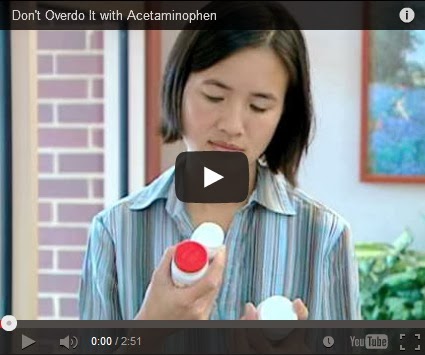
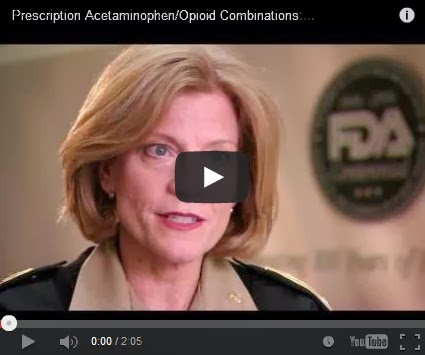
And finally, we’ve these videos from the FDA’s  Youtube channel on the dangers of misusing acetaminophen.


Tuesday, March 12, 2013

FDA: Drug Safety Communication On Azithromycin & Cardiac Risk


image

# 7000


Following up on a story from May of 2012, the Food and Drug Administration this morning has released a Drug Safety Communication on the popular macrolide antibiotic Azithromycin (aka Zithromax ®).


You may recall that last year, in NEJM: Cardiovascular Risks Of Taking Azithromycin I wrote about a study that found a `small absolute increase in cardiovascular deaths’ among patients taking the macrolide antibiotic Azithromycin when compared to a control group taking no antibiotics or with taking amoxicillin.

Shortly thereafter (May 17th, 2012), we saw an FDA Statement On Azithromycin & Cardiovascular Risks that included:


FDA is reviewing the results from this study and will communicate any new information that results from the FDA review.


Patients taking azithromycin should not stop taking their medicine without talking to their healthcare professional.


Healthcare professionals should be aware of the potential for QT interval prolongation and heart arrhythmias when prescribing or administering antibacterial drugs. (See additional information below.)


Fast forward nearly 10 months, and today the FDA released the following announcement:


FDA Drug Safety Communication: Azithromycin (Zithromax or Zmax) and the risk of potentially fatal heart rhythms

Safety Announcement

[3-12-2013]   The U.S. Food and Drug Administration (FDA) is warning the public that azithromycin (Zithromax or Zmax) can cause abnormal changes in the electrical activity of the heart that may lead to a potentially fatal irregular heart rhythm. Patients at particular risk for developing this condition include those with known risk factors such as existing QT interval prolongation, low blood levels of potassium or magnesium, a slower than normal heart rate, or use of certain drugs used to treat abnormal heart rhythms, or arrhythmias.  This communication is a result of our review of a study by medical researchers as well as another study by a manufacturer of the drug that assessed the potential for azithromycin to cause abnormal changes in the electrical activity of the heart.


The azithromycin drug labels have been updated to strengthen the Warnings and Precautions section with information related to the risk of QT interval prolongation and torsades de pointes, a specific, rare heart rhythm abnormality. Information has also been added regarding the results of a clinical QT study which showed that azithromycin can prolong the QTc interval. (see Data Summary)


Health care professionals should consider the risk of fatal heart rhythms with azithromycin when considering treatment options for patients who are already at risk for cardiovascular events (see Additional Information for Health Care Professionals below).  FDA notes that the potential risk of QT prolongation with azithromycin should be placed in appropriate context when choosing an antibacterial drug: Alternative drugs in the macrolide class, or non-macrolides such as the fluoroquinolones, also have the potential for QT prolongation or other significant side effects that should be considered when choosing an antibacterial drug.


FDA released a statement on May 17, 2012, about a New England Journal of Medicine (NEJM) study that compared the risks of cardiovascular death in patients treated with the antibacterial drugs azithromycin, amoxicillin, ciprofloxacin (Cipro), and levofloxacin (Levaquin), or no antibacterial drug.1 The study reported an increase in cardiovascular deaths, and in the risk of death from any cause, in persons treated with a 5-day course of azithromycin (Zithromax) compared to persons treated with amoxicillin, ciprofloxacin, or no drug. The risks of cardiovascular death associated with levofloxacin treatment were similar to those associated with azithromycin treatment.


FDA will update health care professionals and the public with any relevant information that becomes available about azithromycin and the risk of abnormal heart rhythms.

Thursday, December 20, 2012

CDC HAN Update On Fungal Meningitis Outbreak

image 

Photo Credit FDA

# 6796


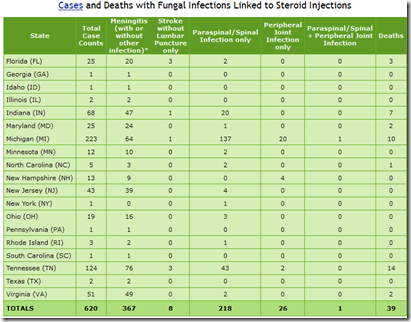
While the number of new meningitis cases linked to contaminated steroid injectables produced by NECC have slowed in recent weeks after their recall in late September, the number of slower-to-develop  paraspinal/spinal & peripheral joint (site of injections) infections continues to rise.


image 


In many cases, the symptoms of fungal infection are subtle - and since these patients (by definition) already had joint/spinal pain when they received these injections - it isn’t always easy to identify patients who develop pockets of these slow growing organisms.


The CDC, in reviewing diagnostic imaging of a number of patients who received these injections, has determined that there may be a substantial number of as-yet unrecognized infections out there. 


So today they have issued a HAN Health Update.


December 20, 2012, 11:55 ET (11:55 AM ET)
CDC HAN-0338-2012-12-20-U-N

Update: Multistate Outbreak of Fungal Infections among Persons Who Received Injections with Contaminated Medication

Summary
New information from diagnostic imaging of patients exposed to contaminated methylprednisolone acetate (MPA1) from the New England Compounding Center (NECC) in Framingham, Mass., demonstrates the need for assertive clinical evaluation of these patients for the possibility of an unrecognized, localized spinal or paraspinal infection. This Health Alert Network (HAN) notice provides updated guidance and information about the ongoing multistate outbreak of fungal infections as follows:

  • CDC and state partners have analyzed new preliminary data based on recent Magnetic Resonance Imaging (MRI) studies among patients who had spinal or paraspinal injection with contaminated MPA from NECC. These findings demonstrate that among patients with no previous evidence of infection, and with new or worsening symptoms at or near the site of their injection, more than 50% had findings suggestive of a localized spinal or paraspinal infection, including epidural abscess, phlegmon, arachnoiditis, discitis, or vertebral osteomyelitis.
  • This new information suggests that some patients who received spinal or paraspinal injections with implicated MPA from NECC may currently have an unrecognized, localized spinal or paraspinal infection.
  • CDC is therefore re-emphasizing the guidance from the November 20 HAN advisory that recommended clinicians remain vigilant for evidence of fungal infection in these patients and use an assertive approach for clinical management and follow-up of these patients. CDC continues to recommend MRI with contrast of the symptomatic area(s) in patients with new or worsening symptoms at or near their injection site following spinal or paraspinal injection of implicated MPA.
  • In addition, CDC is recommending that clinicians should consider obtaining an MRI with contrast of the injection site in patients with persistent but baseline symptoms because the presentation of these spinal or paraspinal infections can be subtle and difficult to distinguish from a patient’s baseline chronic pain.


(Continue . . .)


The CDC’s Health Alert Network (HAN) is designed to ensure that communities, agencies, health care professionals, and the general public are able to receive timely information on important public health issues.


You can sign up for HAN messages, and scores of other CDC and HHS email notifications, by going to the CDC - Quick Subscribe GovDelivery page.


There are 4 types of HAN releases, starting from the highest priority to the lowest.

  • Health Alert - Conveys the highest level of importance; warrants immediate action or attention.
  • Health Advisory - Provides important information for a specific incident or situation; may not require immediate action.
  • Health Update - Provides updated information regarding an incident or situation; unlikely to require immediate action.
  • Info Service -Provides general information that is not necessarily considered to be of an emergent nature.


Complicating matters, last week the FDA updated their list of contaminates detected in injectable drugs produced by this compounding pharmacy.


Laboratory Testing and Results


[12-12-2012] FDA and CDC have identified bacterial and/or fungal contamination in unopened vials of betamethasone, cardioplegia, and triamcinolone solutions distributed and recalled from NECC. These include bacteria known as Bacillus, and fungal species including Aspergillus tubingensis,  Aspergillus fumigatus,  Cladosporium species,and Penicillium species.

Although rare, some of the identified Bacillus species can be human pathogens.  Some of the fungal organisms identified, particularly Aspergillus fumigatus, are known to cause disease in humans.  It is not known how product contamination with these organisms could affect patients clinically.

 image

Wednesday, October 31, 2012

FDA: Ameridose Announces Voluntary Recall Of All Products

image

Photo Credit CDC


# 6685


Ameridose, a sister company to the New England Compounding Center (NECC) – the pharmacy at the center of investigation involving contaminated steroid products – has announced a voluntary recall of all of their products as their facilities are coming under review by the FDA.


The FDA reassures that - This recall is not based on reports of patients with infections associated with any of Ameridose’s products, and the agency recommended this recall out of an abundance of caution.


The company posted a carefully worded announcement on their website earlier today:


Ameridose Issues Recall of All Products

Contact:
Consumer:
888-820-0622
amdservice@ameridose.com

FOR IMMEDIATE RELEASE - October 31, 2012 - Ameridose today announced it will commence a voluntary recall of any unexpired products remaining in circulation. This action is voluntary, and represents an expansion of our cooperation with the U.S.Food and Drug Administration and the Massachusetts Board of Registration in Pharmacy.


During the course of its on-going inspection of our facility, FDA has notified Ameridose that it will be seeking improvements in Ameridose’s sterility testing process.  Ameridose and FDA agree that the use of injectible products that are not sterile can represent a serious hazard to health and could lead to life-threatening injuries and/or death.

(Continue . . .)


The first sentence in the second paragraph of their press release, which reads . . .


During the course of its on-going inspection of our facility, FDA has notified Ameridose that it will be seeking improvements in Ameridose’s sterility testing process.


. . .  is apparently their interpretation of the FDA’s assessment from below, which states:


FDA’s preliminary findings have raised concerns about a lack of sterility assurance for products produced at and distributed by this facility.


Without comment, I'll also mention that both parties managed to agree that injecting non-sterile products is generally a bad idea, and represents a - `serious hazard to health and could lead to life-threatening injuries and/or death’.


Moving on.   Here is the FDA’s statement in its entirety.


    FDA NEWS RELEASE

For Immediate Release: Oct. 31, 2012
Media Inquiries: Sarah Clark-Lynn, 301-796-9110,
sarah.clark-lynn@fda.hhs.gov
Consumer Inquiries: 888-INFO-FDA

FDA reports voluntary recall of all Ameridose drug products

The U.S. Food and Drug Administration announced today that Ameridose, LLC, based in Westborough, Mass., is voluntarily recalling all of its unexpired products in circulation. Products from Ameridose can be identified by markings that indicate Ameridose by name or by its company logo . A complete list of all products subject to this recall can be accessed at www.ameridose.com .

 
The FDA is currently conducting an inspection of Ameridose’s facility. Although this inspection is ongoing, the FDA’s preliminary findings have raised concerns about a lack of sterility assurance for products produced at and distributed by this facility. Use of non-sterile injectable products can represent a serious hazard to health that could lead to life-threatening injuries. Most products produced at and distributed by this facility are represented by Ameridose to be sterile products. Ameridose entered into a voluntary agreement with the Massachusetts Board of Registration in Pharmacy to cease all pharmacy and manufacturing operations starting on Oct. 10, 2012.


This recall is not based on reports of patients with infections associated with any of Ameridose’s products, and the agency recommended this recall out of an abundance of caution. Therefore, at this time, the FDA is also recommending that health care professionals do not need to follow up with patients who received Ameridose products. Health care professionals should stop using Ameridose products at this time, and return them to the firm.


Hospitals, clinics, health care professionals, and other customers with Ameridose products on hand should contact Ameridose at 888-820-0622 to obtain instructions on how to return products to Ameridose.


“The FDA’s top priority is to ensure that drugs are safe for the American public,” said FDA Commissioner Margaret A. Hamburg, M.D.


Together with the State of Massachusetts, the FDA commenced the current inspection of the Ameridose facility as part of the agency’s ongoing fungal meningitis outbreak investigation. Ameridose is a company sharing common management by the same parties as New England Compounding Center (NECC) of Framingham, Mass., the firm associated with compounded drugs linked to the ongoing fungal meningitis outbreak.


“Because the preliminary results of the FDA’s inspection raise concerns about the sterility assurance of Ameridose’s products, the FDA is advising health care professionals to stop using all Ameridose products and follow the recall procedures provided by the firm,” explained Janet Woodcock, M.D., director of FDA’s Center for Drug Evaluation and Research.


The FDA has identified some Ameridose products that currently appear on the critical shortage list. These products were in shortage before the Ameridose recall, but supplies may be further affected as a result of the Ameridose recall. The FDA is working with alternative manufacturers to maintain supplies of these life-saving drugs.


“The agency is taking all steps within its authority to help prevent or alleviate shortage situations and to minimize the impact this recall may have on drug supplies,” added Commissioner Hamburg.


As new information becomes available, the FDA will issue additional public communications.


Health care professionals and patients may dial the FDA’s Drug Information Line at 855-543-DRUG (3784) and press * to get the most recent information regarding the Ameridose recall and speak directly to a pharmacist.


The FDA asks health care professionals and consumers to report any adverse reactions to the FDA’s MedWatch Program by fax at 800-FDA-0178, by mail at MedWatch, FDA, 5600 Fishers Lane, Rockville, MD 20852-9787, or on the MedWatch website at www.fda.gov/medwatch.

Friday, October 26, 2012

FDA Statement On Conditions Reported At NECC Facility

 image

Photo Credit CDC


# 6669


The FDA has released a report citing the conditions they observed at the New England Compounding Center, the compounding pharmacy who’s steroid products are linked to a multistate fungal meningitis outbreak.


The report cited finding unopened vials of preservative-free methylprednisolone during an inspetion on October 2nd that were observed to have `greenish black foreign matter’ and/or `white filamentous material’ inside.


Additional testing `confirmed the presence of viable microbial growth in 50/50 vials tested’.


It’s an 8-page report, and may be read in its entirety at this link.  Here is the FDA press announcement.


FDA NEWS RELEASE

For Immediate Release: Oct. 26, 2012
Media Inquiries: Sarah Clark-Lynn, 301-796-9110,
sarah.clark-lynn@fda.hhs.gov
Consumer Inquiries: 888-INFO-FDA

FDA reports conditions observed at New England Compounding Center facility

Today, the U.S. Food and Drug Administration released a copy of the FDA Form 483 issued to the New England Compounding Center (NECC). The FDA observed and has since confirmed contaminated products and listed a number of observations regarding conditions in the clean room at NECC’s Framingham, Mass. facility.


The investigators also observed problems with NECC’s ability to maintain its clean room, which is the enclosed space that is designed and maintained to have a controlled environment with low levels of airborne particles and surface contamination. Production of sterile drug products in a properly functioning and maintained clean room reduces the risk of the introduction of microbial contamination into the drug during processing, including filling into its final container.


The FDA issues a 483 at the end of an inspection when the investigators believe that they observed conditions or practices that, in their judgment, may indicate violations of the Federal Food, Drug, and Cosmetic Act, or related regulations.


The 483 does not constitute a final FDA determination that any observation listed on the 483 is a violation of the Federal Food, Drug, and Cosmetic Act or any related regulations.


The FDA considers the 483 along with an Establishment Inspection Report (EIR), prepared by FDA investigators, and any other relevant information, including any responses received by the company. The agency then considers whether further action, if any, is appropriate. The inspection report for NECC has not been completed and is not being shared at this time.


The FDA continues to work closely with the U.S. Centers for Disease Control and Prevention and state partners, including the Massachusetts Board of Registration in Pharmacy, to investigate the outbreak of fungal meningitis among patients who received NECC’s compounded preservative-free methylprednisolone acetate (80mg/ml), an injectable steroid.

For more information: 

# # #

-

-

Saturday, October 20, 2012

The Narrow Margin

image

Photo Credit – Wikipedia


# 6649


Cold and flu season is upon us, and that means the consumption of over the counter (OTC) remedies will go up considerably over the next few months. So each fall I try to do a piece on some of the hidden dangers of these commonly used medications.  


  • Last year, in Kids, Colds, And OTC Meds we looked at the continuing trend of parents – against the advice of the CDC  – to use OTC medications to treat cold and flu symptoms in toddlers under the age of four.


The plain truth is, accidental and intentional poisonings from OTC medications are very common.


A study published last year in the American Journal of Preventive Medicine (see Emergency Department Visits for Overdoses of Acetaminophen-Containing Products) found that - in the United States alone – there are an estimated 78,414 ER visits each year due to acetaminophen (aka Tylenol, paracetamol, APAP) poisoning.


While most of these were intentional overdoses (69.8%), more than 13,000 ER visits were described as due to `therapeutic misadventures’  . . . or accidental overdoses.


The problem with acetaminophen is that there is a narrow margin between the maximum therapeutic dose and a potentially toxic (and sometimes fatal) overdose


While well tolerated when taken as directed, APAP in larger doses is a hepatotoxin; it overwhelms and destroys the liver. In fact, APAP poisoning is the biggest cause of acute liver failure in the United States (cite).


Since more than 600 products (OTC and Rx) contain acetaminophen, many consumers may be unaware that they could be `doubling up’ their dose when they take two or more of them. 


All of which leads me to a press release issued earlier this week by the AAC  (Acetaminophen Awareness Coalition)  who have launched a Know Your Dose campaign to help educate consumers about the safe use of acetaminophen. 


Excerpts below, but follow the links to read them in their entirety.


image

Credit – Acetaminophen Awareness Coalition


U.S. Health Coalition Reminds Consumers: Double Check, Don't Double Up

As Cold and Flu Season Nears, Consumers Are Urged to Double Check Their Medicine Labels to Avoid Doubling Up on Acetaminophen

WASHINGTON, Oct. 17, 2012 /PRNewswire-USNewswire/ --

The Acetaminophen Awareness Coalition is launching a nationwide initiative today calling on consumers to double check their medicine labels so they don't double up on medicines that contain acetaminophen during the cold and flu season. Acetaminophen is the most common drug ingredient in America. It is found in more than 600 different medicines, including prescription (Rx) and over-the-counter (OTC) pain relievers, fever reducers, sleep aids and numerous cough, cold and flu medicines. It is safe and effective when used as directed, but there is a limit to how much can be taken in one day. Taking more than directed is an overdose and can lead to liver damage.


Each year, Americans catch an estimated one billion colds, and as many as 20 percent get the flu. Seven in 10 consumers use over-the-counter medicines, many of which contain acetaminophen, to treat their symptoms. The Coalition is targeting its "Double Check, Don't Double Up" message to the more than 50 million Americans who use acetaminophen weekly for conditions such as headache and chronic pain, and directing them to double check their medicine labels before taking a cold or flu medicine that also contains acetaminophen.


<SNIP>

When taking medicines for cough, cold or flu this coming season, consumers should follow these four simple acetaminophen safety steps:

  1. Know if medicines contain acetaminophen, which is in bold type or highlighted in the "active ingredients" section of over-the-counter medicine labels and sometimes listed as "APAP" or "acetam" on prescription labels.
  2. Never take two medicines that contain acetaminophen at the same time.
  3. Always read and follow the medicine label.
  4. Ask your healthcare provider or a pharmacist if you have questions about dosing instructions or medicines that contain acetaminophen.

(Continue . . . )


For more on this issue, we turn to the FDA’s  Youtube channel for the following videos.


While drugs like acetaminophen are extremely useful and safe when taken as directed, the number of ER visits each year testify to the harm they can do when taken inappropriately.