Showing posts with label Notification. Show all posts

Sunday, May 10, 2015

CHP: Zhejiang, Jiangsu & Fujian (Belatedly) Report 4 H7N9 Cases

image


# 10,032


Reporting on H7N9 cases out of Mainland China during this third winter wave has been frustratingly slow, and often devoid of useful details.  In early March, after a winter of intermittent and inconsistent reporting, daily reports all but dried up (see H7N9: No News Is . . . . Curious). 


Since then we’ve seen a few `bulk’ announcements of older cases, often buried in EOM epidemiological reports, and almost always with little or no epidemiological information.


Hong Kong’s CHP today reports they’ve been informed of 4 additional H7N9 cases – all apparently from between 4 and 6 weeks ago – from three mainland provinces. The fact that they are only now sharing this information with Hong Kong’s Centre For Health Protection underscores how lax reporting from the mainland has become. 


First their statement, then I’ll be back with a bit more.


CHP notified of additional human cases of avian influenza A(H7N9) in Mainland


The Centre for Health Protection (CHP) of the Department of Health (DH) today (May 10) received notification of four additional human cases of avian influenza A(H7N9) with onset of symptoms between March 27 and April 12 from the National Health and Family Planning Commission, and again urged the public to maintain strict personal, food and environmental hygiene both locally and during travel.


The patients comprise two men and two women aged 5 to 67 and two of them (one man and one woman) died. Two cases are from Zhejiang, one is from Fujian and one is from Jiangsu.


From 2013 to date, 640 human cases of avian influenza A(H7N9) have been reported by the Mainland health authorities. Regarding the third wave in the Mainland since November 2014, a total of 200 cases have been reported, including 72 in Guangdong, 40 in Fujian, 40 in Zhejiang, 18 in Jiangsu, eight in Anhui, seven in Xinjiang, six in Shanghai, three in Jiangxi, two in Hunan, two in Shandong, one in Guizhou and one in Hubei.


Today’s announcement brings this year’s `official’ total to 200 cases – considerably more than the 1st wave of 2013 (n=133), but less than the 2nd wave (n=303).


While seemingly an improvement over last year, the continual foot dragging in reporting from the mainland and the dearth of data provided, make it a lot harder to compare this year’s wave to the first two.


Even the best disease surveillance system in the world won’t pick up all of the cases of a disease outbreak. Some cases will have mild symptoms, and never seek medical care. Some may die, untested or misdiagnosed, and never be counted.


The `official’ number is always going to be a subset of the total burden of an outbreak.  The `tip of the iceberg’.


When you have good, consistent, and honest surveillance you can deal without having exact numbers. You can follow trends (increasing or decreasing case loads), geographic spread, or changes in the behavior of the virus (CFR, age or gender shifts, etc.).  


Radically change the way you report cases – as we’ve seen from China during this third wave  - and data comparisons become far more difficult.


It is possible (perhaps even likely) that this 3rd winter wave of H7N9 was less severe than the previous year, perhaps due to the closing of some live bird markets, the weather, or other factors.


But to make that call, you have to be comfortable with the accuracy and completeness of the data. And this year, that’s an open question.

Saturday, May 02, 2015

HK CHP Notified Of An Additional Mainland H7N9 Case

image

Location of Jiangxi Province – Wikipedia


# 10,001


Despite the abrupt slowdown in H7N9 reporting out of China beginning the first week of March (see H7N9: No News Is . . . . Curious), the Mainland has still managed to post nearly 200 cases since November of 2014.  Based on limited, and often delayed reporting to date, this third wave appears to have been less active than the 2nd wave.


Note: Many provinces have elected tor release bulk information in EOM epidemiological reports, and it is possible we’ll see additional `April’ cases announced over the next couple of weeks.


In the meantime, we’ve got this announcement from Hong Kong’s CHP of their notification of a single H7N9 case in Jiangxi province. 


CHP closely monitors additional human case of avian influenza A(H7N9) in Mainland

May 2, 2015 Issued at HKT 18:09

The Centre for Health Protection (CHP) of the Department of Health (DH) is today (May 2) closely monitoring an additional human case of avian influenza A(H7N9) in the Mainland, and again urged the public to maintain strict personal, food and environmental hygiene both locally and during travel.


According to the Health and Family Planning Commission of Jiangxi Province, the patient is a 39-year-old woman who is hospitalised for treatment in critical condition.


From 2013 to date, 635 human cases of avian influenza A(H7N9) have been reported by the Mainland health authorities. Regarding the third wave in the Mainland since November 2014, a total of 195 cases have been reported, including 72 in Guangdong , 39 in Fujian, 38 in Zhejiang, 17 in Jiangsu, seven in Anhui, seven in Xinjiang, six in Shanghai, three in Jiangxi, two in Hunan, two in Shandong, one in Guizhou and one in Hubei.


"Locally, we will remain vigilant and work closely with the World Health Organization and relevant health authorities to monitor the latest developments," a spokesman for the DH said.


The DH's Port Health Office conducts health surveillance measures at all boundary control points. Thermal imaging systems are in place for body temperature checks on inbound travellers. Suspected cases will be immediately referred to public hospitals for follow-up.


The display of posters and broadcast of health messages in departure and arrival halls as health education for travellers is underway. The travel industry and other stakeholders are regularly updated of latest information.


Travellers, especially those returning from avian influenza-affected areas with fever or respiratory symptoms, should immediately wear masks, seek medical attention and reveal their travel history to doctors. Healthcare professionals should pay special attention to patients who might have had contact with poultry, birds or their droppings in affected areas.

(Continue . . . )

Monday, March 09, 2015

Hong Kong CHP Notified Of 19 H7N9 Cases From Mainland China

image


# 9797


One of the frustrations with this year’s wave of H7N9 in China over the past two years has been the delays in reporting of cases by a number of Mainland provinces.  We’ve looked at this issue several times, including in Jiangsu Province’s Uncertain H7N9 Count, and as a result  the size and scope of this year’s outbreak is difficult to quantify.


Today Hong Kong’s CHP published their notification of 19 H7N9 cases, from 6 different provinces, going back more than six weeks.  Individual case details, however, are not included.


Although we have seen several of these `bulk’ announcements this winter, there are still several provinces that have reported cases in previous years, but that we’ve not heard from this year (including Henan, Jilin, and Hebei).


CHP notified of additional human cases of avian influenza A(H7N9) in Mainland

The Centre for Health Protection (CHP) of the Department of Health (DH) today (March 9) received notification of 19 additional human cases of avian influenza A(H7N9) with the onset dates in the past five weeks prior to February 25 from the National Health and Family Planning Commission, and again urged the public to maintain strict personal, food and environmental hygiene both locally and during travel.


The patients comprise 13 males and six females aged from 3 to 76. Three of them (one man and two women) died and two (one man and one woman) were in critical condition. Eleven cases are from Zhejiang, three are from Jiangsu, two are from Hunan, one is from Fujian, one is from Guizhou and one is from Jiangxi.


To date, 618 human cases of avian influenza A(H7N9) have been reported by the Mainland health authorities in Guangdong (181 cases), Zhejiang (167 cases), Jiangsu (73 cases), Fujian (59 cases), Shanghai (45 cases), Hunan (26 cases), Anhui (24 cases), Xinjiang (10 cases), Jiangxi (10 cases), Shandong (six cases), Beijing (five cases), Henan (four cases), Guangxi (three cases), Jilin (two cases), Guizhou (two cases) and Hebei (one case).

(Continue. . . .)

Monday, February 17, 2014

Hong Kong Broadens Statutorily Notifiable Flu Definitions

image


# 8306


Amid the ever-expanding alphabet soup of novel flu combinations showing up in Asia, and around the world (think H5N1, H7N9, H10N8, H9N2, H7N7, H6N1 . . . the list goes on . . .) Hong Kong today has broadened their definition of what constitutes a `statutorily notifiable’ influenza.


In addition to scheduling the recently emerged H10N8 virus as a notifiable infection, the new regulation adds a generic "Novel influenza A infection" to include all subtypes of novel influenza infections in humans, regardless of whether it has been previously placed on the schedule.


According to well respected anthropologist and researcher George Armelagos of Emory University, we are entering the age of emerging and re-emerging infectious diseases, something he calls The Third Epidemiological Transition. As we saw yesterday, in The Global Reach Of Infectious Disease, this is a trend that public health agencies around the globe take very seriously.


As a result, public health agencies, and the regulations they work under, must become more nimble and proactive if these threats are to be contained. The following announcement comes from Hong Kong’s CHP.


Statutory notification of Novel influenza A infection

A spokesman for the Centre for Health Protection (CHP) of the Department of Health said today (February 17) that the Government will amend the Prevention and Control of Disease Ordinance (Cap 599) (the Ordinance) and its subsidiary legislation, the Prevention and Control of Disease Regulation (Cap 599A) (the Regulation), to include Novel influenza A infection as one of the statutorily notifiable diseases and specified diseases, and add influenza virus type A (subtype H10) as one of the scheduled infectious agents.


"Apart from the influenza viruses which can circulate among humans and cause seasonal influenza, many other influenza A viruses are found in birds and other animal species. Some of these animal viruses may, however, occasionally infect humans, causing disease ranging from mild conjunctivitis to severe pneumonia and even death. These are known as novel influenza viruses, against which the human population has low or no immunity," the spokesman explained.

Given the potentially unpredictable behaviour of novel influenza viruses and the fact that the majority of the population has no immunity against these viruses, vigilance and close monitoring is needed for Novel influenza A infection.

It is also foreseen that with frequent international travel, more imported human cases of Novel influenza A infections, such as influenza A (H6N1) or influenza A (H10N8) or other subtypes, may occur in Hong Kong, besides the five imported sporadic influenza A (H7N9) human infections detected so far locally.

Against this background, the Government has used the name "Novel influenza A infection" to include all subtypes of novel influenza infections in humans as a notifiable disease. The Government has also added subtype H10 to the various influenza virus type A as one of the scheduled infection agents, as human cases of influenza A (H10) infection detected so far have resulted in severe infection.

According to the amendments, "Influenza A (H2), Variant Influenza A (H3N2), Influenza A (H5), Influenza A (H7), Influenza A (H9)" will be repealed from the list of infectious diseases and replaced by "Novel influenza A infection" in Schedule 1 to the Ordinance; whereas "Influenza virus type A (subtype H2, H5 and H7)" will be repealed from the list of infectious agents and replaced by "Influenza virus type A (subtype H2, H5, H7 and H10)" in Schedule 2 to the Ordinance. Additionally, "Influenza A (H2), Influenza A (H5), Influenza A (H7), Influenza A (H9) or Swine Influenza" will be repealed from the list of specified diseases and replaced by "Novel influenza A infection" in Section 56 of the Regulation.

"The legislative amendments will be gazetted on February 21 with immediate effect. The amendments will make Hong Kong better prepared against the disease by facilitating early disease detection and implementation of appropriate public health measures if they are called for, depending on public health risk assessment," the spokesman said.

Medical practitioners are reminded to stay alert on cases of Novel influenza A infection and are required by law to notify the Director of Health of any suspected cases. Persons in charge of a laboratory are required to notify leakage of these viruses in the laboratory that may pose a public health risk.

"The CHP will issue letters to doctors and the medical laboratory sector to inform them of the relevant legislative amendments and the revised reporting criteria,"the spokesman said.

"In Hong Kong, the CHP has a sensitive laboratory surveillance system for influenza virus. The CHP conducts characterisation of all influenza virus isolates including antigenic and genetic analysis. Upon detection of any such cases, the CHP will conduct epidemiological investigation, contact tracing and other necessary control measures, to ascertain and contain the extent of transmission of infection," he said.

The spokesman reminded members of the public to observe good personal and environmental hygiene at all times to prevent influenza.

Ends/Monday, February 17, 2014
Issued at HKT 19:29
NNNN

Tuesday, January 07, 2014

Hong Kong Notification Of Latest Guangdong H7N9 Case


image


# 8136


As expected, Hong Kong’s CHP has posted an update on this morning’s latest H7N9 case (see China: Guangdong Province Announces 9th H7N9 Case)  from neighboring Shenzhen.  


While none of this patient’s close contacts has tested positive for the virus, samples are being tested from a four-year-old girl and her 37-year-old mother who had contact with the patient on December 31st, and who are currently in isolation at Princess Margaret Hospital after the mother reported a sore throat last night.


Here are some excerpts from the CHP notification.

7 January 2014

CHP notified by Guangdong HFPC of additional human case of avian influenza A(H7N9) 

The Centre for Health Protection (CHP) of the Department of Health (DH) was notified by the Health and Family Planning Commission (HFPC) of Guangdong Province today (January 7) of an additional human case of avian influenza A(H7N9) affecting a man aged 31.

The patient, who lives in Shenzhen, had onset of symptoms on December 30, 2013 and was admitted to a local hospital on January 3. His specimen tested positive for avian influenza A(H7N9) virus by the relevant health authority of Guangdong Province today. He had no recent history of contact with poultry and is currently in stable condition. His thirty-five close contacts in Shenzhen have been put under medical surveillance with their specimens all tested negative for avian influenza A(H7N9) virus by the relevant health authority of Guangdong Province.

Investigation by Centre for Disease Control and Prevention of Guangdong Province also revealed that the patient had another close contact who is a four-year-old girl living in Hong Kong. The girl and her 37-year-old mother travelled to Shenzhen between December 26, 2013 and January 6, 2014. The girl had close contact with that patient on December 30, 2013.

Upon receipt of the notification from Guangdong HFPC, the CHP commenced contact tracing immediately and located the duo today. Preliminary investigation by the CHP showed that the girl has been asymptomatic all along while her mother developed sore throat last night (January 6).

The pair has been admitted to Princess Margaret Hospital for isolation and their respiratory specimens will be taken for preliminary laboratory testing by the Public Health Laboratory Services Branch of the CHP.

To date, a total of 149 human cases of avian influenza A(H7N9) have been confirmed in the Mainland. They are in Zhejiang (52 cases), Shanghai (34 cases), Jiangsu (28 cases), Guangdong (nine cases), Jiangxi (six cases), Fujian (five cases), Anhui (four cases), Henan (four cases), Beijing (two cases), Hunan (two cases), Shandong (two cases) and Hebei (one case).

The CHP will follow up with the Mainland health authorities for more case details.

(Continue . . .)

Sunday, January 05, 2014

Zhejiang Province Reports New H7N9 Case

image

Zhejiang Province – Credit Wikipedia


# 8129


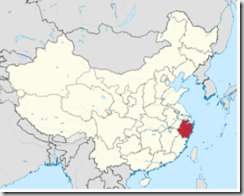
For the second day in a row we are notified of a new H7N9 case in China, this time in Zhejiang Province affecting a 34-year-old woman from the city of Zhuji.  She was diagnosed yesterday (Jan 4th) and is listed in critical condition at a hospital in a local hospital.


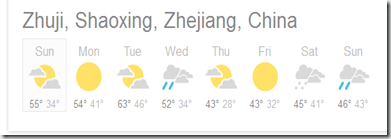
This uptick in the number of avian flu cases was widely expected once cooler temperatures – which are conducive for the transmission of the virus – set in.   A quick look at the forecast for the coming week in  Zhuji shows crisp, cool temperatures.

image

Credit The Weather Channel


First, the brief Xinhua News report, followed by the Hong Kong CHP notification.


China reports new human H7N9 case

English.news.cn   2014-01-05 19:49:55

HANGZHOU, Jan. 5 (Xinhua) -- A human case of H7N9 was reported in east China's Zhejiang Province on Sunday, the provincial health and family planning commission said in a statement.

The patient is a 34-year-old woman surnamed Cai, who is from the city of Zhuji. She was confirmed to be infected with the bird flu virus on Saturday.

By 1 p.m. on Sunday, she was still in critical condition at a local hospital, the statement said.

This is the first case to be reported in Zhejiang this year. In November, two cases were reported in the province.

It is the second case to be reported in China this year.


The following is an excerpt from the HK CHP notification statement, follow the link below to read it in its entirety.


Additional human case of avian influenza A(H7N9) in Zhejiang notified by NHFPC

The Centre for Health Protection (CHP) of the Department of Health (DH) received notification today (January 5) from the National Health and Family Planning Commission (NHFPC) of an additional human case of avian influenza A(H7N9) in Zhejiang affecting a woman aged 34.

The patient had onset of symptoms on December 29, 2013 and was admitted to a local hospital for treatment on January 2. Her specimen tested positive for avian influenza A(H7N9) virus by the relevant health authority of Zhejiang Province on January 4. Her current condition is critical.

To date, a total of 146 human cases of avian influenza A(H7N9) have been confirmed in the Mainland, including Zhejiang (52 cases), Shanghai (34 cases), Jiangsu (28 cases), Guangdong (six cases), Jiangxi (six cases), Fujian (five cases), Anhui (four cases), Henan (four cases), Beijing (two cases), Hunan (two cases), Shandong (two cases) and Hebei (one case).

The CHP will follow up with the Mainland health authorities for more case details.

<SNIP precautions>

(Continue . . . ) Ends/Sunday, January 5, 2014 ssued at HKT 16:26


While we’ve not seen any large outbreaks with the H7N9 virus, and no signs of efficient or sustained human-to-human transmission, recent cases cropping up in Shanghai, Guangdong Province, and Zhejiang Province suggest the virus remains endemic (probably in poultry) and well distributed along the eastern provinces of mainland China.


Which means we shall probably continue to see sporadic cases of H7N9 infection pop up across a wide expanse of China in the coming months, and that public health authorities outside of mainland China must be alert to the possibility of seeing exported cases.

Wednesday, December 18, 2013

Guangdong Province Reports Second H7N9 Case in Yangjiang City

image

Credit Wikipedia


# 8085

For the second time in two days (see Monday’s Hong Kong CHP: Notification Of New H7N9 Case In Yangjiang City) Hong Kong has been notified of a new H7N9 infection hailing from Yangjiang City in the Southwestern portion of Guangdong Province.  Today’s announced case is described as a 62 year-old male in critical condition. 


We’ve no word of any epidemiological links between these two cases at this time.


While of concern, it should be noted that we fully expected to see a resurgence of the H7N9 virus this winter in China, and now that cold weather has set in there, we are beginning to see that happen.  Thus far, cases appear to the sporadic, and the small handful of clusters of cases we’ve seen have been very limited in size. 


All of which leads public health authorities to believe that this virus has not yet gained the ability to transmit efficiently from person-to-person (see WHO Avian Flu Risk Assessment – December).


Two reports, first the notification from Hong Kong’s CHP, followed by the statement on the Guangdong Province Ministry of Health website:


18 December 2013

Notification of confirmed human case of avian influenza A(H7N9) in Guangdong 

The Centre for Health Protection (CHP) of the Department of Health (DH) has been notified by the Health and Family Planning Commission of Guangdong Province of a confirmed human case of avian influenza A(H7N9) today (December 18) affecting a 62-year-old man in Yangjiang, Guangdong Province.


The patient is currently in critical condition. His sample tested positive for the avian influenza A(H7N9) virus by the relevant health authority of Guangdong Province and the diagnosis was confirmed today.


To date, a total of 143 human cases of avian influenza A(H7N9) have been laboratory confirmed in the Mainland, including Zhejiang (51 cases), Shanghai (33 cases), Jiangsu (28 cases), Jiangxi (six cases), Fujian (five cases), Guangdong (five cases), Anhui (four cases), Henan (four cases),  Shandong (two cases), Hunan (two cases), Beijing (two cases) and Hebei (one case).


A spokesman for the DH remarked that the CHP is closely monitoring the situation and maintaining close liaison with the Mainland health authorities for case details, as well as keeping a close eye on the latest advice from the World Health Organization (WHO).


Travellers, especially those returning from avian influenza A(H7N9)-affected areas and provinces, with fever or respiratory symptoms are reminded to immediately wear facial masks, seek medical attention, and reveal their travel history to doctors. Health-care professionals should also pay special attention to patients who might have had contact with birds, poultry or their droppings in affected areas.


In response to the human cases of avian influenza A(H7N9) in the Mainland, port health measures have been implemented at all border control points and health information is being disseminated to travellers through various means including display of posters on avian influenza A(H7N9) in departure and arrival halls, distribution of health education pamphlets, in-flight announcements, enhanced environmental health inspection, provision of regular updates to travel industries via meetings and correspondence, surveillance of sick travellers and referral of suspected cases to public hospitals for further investigation.


The spokesman also urged travellers not to visit wet markets with live poultry in the affected areas and to avoid direct contact with poultry, birds and their droppings. If contact has been made, they should thoroughly wash their hands with soap and water.


Members of the public should remain vigilant and are reminded to take heed of the following preventive advice against avian influenza:

  • Poultry and eggs should be thoroughly cooked before eating;
  • Wash hands frequently with soap, especially before touching the mouth, nose or eyes, handling food or eating; after going to the toilet or touching public installations or equipment such as escalator handrails, elevator control panels or door knobs; or when hands are dirtied by respiratory secretions after coughing or sneezing;
  • Cover the nose and mouth while sneezing or coughing, and hold the spit with a tissue and put it into a covered dustbin;
  • Avoid crowded places and contact with fever patients; and
  • Wear a mask when respiratory symptoms develop or when taking care of fever patients.

The public may visit the CHP's avian influenza page (www.chp.gov.hk/en/view_content/24244.html) and its website (www.chp.gov.hk/files/pdf/global_statistics_avian_influenza_e.pdf) for more information on avian influenza-affected areas.

Ends/Wednesday, December 18, 2013


This from the Guangdong Province Ministry of Health and Family Planning Commission.


Yangjiang new case of human infection of avian influenza H7N9 confirmed cases of the provincial government dispatched five steering group supervision prevention and control of the province

2013-12-18 17:10:06 Ministry of Health and Family Planning Commission |

December 18, Yangjiang 1 new confirmed cases of human infection with H7N9 avian influenza. Patients Yijun, male, 62 years old, who lives in Yangjiang City, the patient is currently in critical condition. Epidemiologists and clinical experts have assisted the province in Yangjiang conduct epidemiological investigations and guide patient treatment. Currently, the province's people infected with H7N9 bird flu case in five cases, including one case in Huizhou, Dongguan, two cases, Yangjiang two cases.

According to the provincial government deployed since December 18, the provincial prevention and control of human infection with H7N9 avian flu leading group sent five inspection teams to the province's 21 cities and Shunde conduct of human infection with H7N9 avian influenza prevention and control work supervision .

Inspection team will be listening to the reports and on-site inspections by the way, for poultry farming and management, the medical institutions of human infection with H7N9 avian influenza situation supervision. Implementation, medical institutions and other key neuraminidase inhibitors inspection of live poultry business market, "a cleaning day, a week a cleaning" and "turns Rest day, comprehensive cleaning and disinfection" and other measures, the procurement and use of antiviral drugs, case screening investigation and investigation and so on.

Monday, December 16, 2013

Hong Kong: CHP Notification Letter To Doctors & Hospitals On Latest H7N9 Case

image

Credit CHP


# 8075


In their third letter in this month of December to local Doctors & Hospitals, Hong Kong’s CHP today notified local medical establishment about the latest H7N9 case detected in neighboring Guangdong Province.  This letter not only provides details on the latest case, it recaps the recent detection of the virus in live markets in Shenzhen (see HK: Notification Of Positive H7N9 Test Results From Shenzhen Bird Markets)


16 December, 2013
Dear Medical Superintendent,

Third Confirmed Case of Human Infection with  Avian Influenza A(H7N9) Virus in Guangdong Province


Further to our letter to you dated 6 December 2013, we would like to inform you that an additional confirmed human  case of avian influenza A(H7N9) was reported by the Guangdong Province on 15 December, 2013.  The case involves a 39-year-old man in Dongguan, Guangdong Province. The patient had onset of fever, headache and fatigue on 6 December. He was admitted to hospital on 11 December and transferred to intensive care unit on 13 December because of breathing difficulty. He is currently in critical condition. His sample was tested positive for the avian influenza A(H7N9) virus by the relevant health authority of Guangdong Province on 15 December. Fifty-three close contacts of the patient have been put under medical surveillance and no abnormalities were found among them so far.


As of 15 December, a total of 141 human cases of avian influenza A(H7N9) infection have been confirmed in  the Mainland across 10 provinces and 2 municipalities, including 47 deaths. The health authorities of Taiwan also reported one imported case from Jiangsu on 24 April. In addition, two cases of human infection with avian influenza A(H7N9) virus likely to be imported from Shenzhen of the Mainland were recorded in Hong Kong recently, making a total of 144 cases.


In addition, as part of the epidemiological investigation of the confirmed case, avian influenza A (H7N9) was also detected in three environmental samples collected from two live poultry markets in Longgang of Guangdong Province as reported by the Health and Family Planning Commission of Guangdong Province on 11 December.

The Centre for Health Protection (CHP)  of the Department of Health (DH) has been maintaining close liaison with the World Health Organization (WHO) and health authorities in the Mainland China to obtain information and monitor the latest development of the disease. According to the risk assessment of WHO (as of 7 October), most human cases have reported contact with poultry or live animal markets. As avian influenza A(H7N9) virus causes only subclinical infections in poultry, it is possible that the virus continues to circulate among poultry in Mainland China and perhaps in neighboring countries. As such, reports of additional human cases and infections  in animals would not be unexpected, especially as the Northern Hemisphere autumn approaches.


We would like to urge you to pay special attention to those who presented with influenza-like illness and had history of visiting wet market with live poultry or contact with poultry in affected areas especially Guangdong Province within he incubation period (i.e. 10 days before onset of symptoms). Please kindly be reminded that the list of affected areas is regularly updated and is available at the CHP website (http://www.chp.gov.hk/files/pdf/global_statistics_avian_influenza_e.pdf).


Any suspected case meeting the reporting criteria (https://ceno.chp.gov.hk/casedef/casedef.pdf) should be immediately reported to he Central Notification Office of CHP via fax (2477 2770), phone (2477 2772) or CENO On-line (www.chp.gov.hk/ceno). Please also contact the Medical Control Officer (MCO) of DH at Pager: 7116 3300 call 9179 when reporting any suspected case. DH will make arrangement to send the patient to regional public hospitals for isolation, testing and treatment. Please kindly isolate patient to minimize contact/exposure to staff and other patients and advise the patient to wear a surgical mask while waiting for transport.

For updates on the latest situation of avian influenza, please visit CHP website at 

http://www.chp.gov.hk/en/view_content/24244.html . Thank you for your ongoing support in combating communicable diseases.


Yours faithfully,
(Dr. SK CHUANG)
for Controller, Centre for Health Protection
Department of Health


Sunday, December 15, 2013

Hong Kong: CHP Notification Of H7N9 Case In Guangdong Province

image

Credit CHP


# 8073


In a follow up to a blog I wrote earlier this morning (see Guangdong Health Department Reports A New H7N9 Case) regarding a new H7N9 case detected in Dounguan City, roughly 50 miles from Hong Kong, we have the following statement from Hong Kong’s Centre For Health Protection.


Notification of confirmed human case of avian influenza A(H7N9) in Guangdong


The Centre for Health Protection (CHP) of the Department of Health (DH) has been notified by the Health and Family Planning Commission of Guangdong Province of a confirmed human case of avian influenza A(H7N9) today (December 15) affecting a 39-year-old man in Dongguan, Guangdong Province.


The patient is currently receiving treatment in a local hospital and is in critical condition. His sample tested positive for the avian influenza A(H7N9) virus by the relevant health authority of Guangdong Province and the diagnosis was confirmed today.

Fifty-three close contacts of the patient have been put under medical surveillance by the relevant health authority of Guangdong Province. No abnormalities were found among the close contacts so far.


To date, a total of 141 human cases of avian influenza A(H7N9) have been laboratory confirmed in the Mainland, including Zhejiang (51 cases), Shanghai (33 cases), Jiangsu (28 cases), Jiangxi (six cases), Fujian (five cases), Anhui (four cases), Henan (four cases), Shandong (two cases), Hunan (two cases), Beijing (two cases), Guangdong (three cases), and Hebei (one case).

A spokesman for the DH remarked that the CHP is closely monitoring the situation and maintaining close liaison with the Mainland health authorities for case details, as well as keeping a close eye on the latest advice from the World Health Organization (WHO).

Travellers, especially those returning from avian influenza A(H7N9)-affected areas and provinces, with fever or respiratory symptoms are reminded to immediately wear facial masks, seek medical attention, and reveal their travel history to doctors. Health-care professionals should also pay special attention to patients who might have had contact with birds, poultry or their droppings in affected areas.

In response to the human cases of avian influenza A(H7N9) in the Mainland, port health measures have been implemented at all border control points (BCPs) and health information is being disseminated to travellers through various means including display of posters on avian influenza A(H7N9) in departure and arrival halls, distribution of health education pamphlets, in-flight announcements, enhanced environmental health inspection, provision of regular updates to travel industries via meetings and correspondence, surveillance of sick travellers and referral of suspected cases to public hospitals for further investigation.

The DH will continue to maintain its port health measures at all BCPs and keep a close eye on the latest advice from the WHO and the measures of the Mainland inspection and quarantine authorities to strengthen its work in disease prevention and control according to the latest situation.

The spokesman also urged travellers not to visit wet markets with live poultry in the affected areas and to avoid direct contact with poultry, birds and their droppings. If contact has been made, they should thoroughly wash their hands with soap and water.

Members of the public should remain vigilant and are reminded to take heed of the following preventive advice against avian influenza:

  • Poultry and eggs should be thoroughly cooked before eating;
  • Wash hands frequently with soap, especially before touching the mouth, nose or eyes, handling food or eating; after going to the toilet or touching public installations or equipment such as escalator handrails, elevator control panels or door knobs; or when hands are dirtied by respiratory secretions after coughing or sneezing;
  • Cover the nose and mouth while sneezing or coughing, and hold the spit with a tissue and put it into a covered dustbin
  • Avoid crowded places and contact with fever patients; and
  • Wear a mask when respiratory symptoms develop or when taking care of fever patients.


The public may visit the CHP's avian influenza page

(www.chp.gov.hk/en/view_content/24244.html) and its website (www.chp.gov.hk/files/pdf/global_statistics_avian_influenza_e.pdf) for more information on avian influenza-affected areas.

Ends/Sunday, December 15, 2013

Tuesday, December 03, 2013

HK CHP: Notification Letter To Doctors On H7N9 Case

image


# 8034


One of the reason’s Hong Kong’s CHP is so well regarded among bloggers is they proactively release information to the public that other public health agencies might try hide, or at least gloss over.  Such was the case yesterday with the rapid confirmation of Hong Kong’s first (likely, imported) case of H7N9 (see Video: HK Officials Seeking Traveling Companion Of H7N9 Patient).


Today, HK’s CHP openly published a letter to local doctors and hospitals with additional details on this case, which provides us with the most detailed timeline of this patient’s illness and diagnosis to date.


Our Ref. :   (102) in DH SEB CD/8/6/1 Pt.27                                                 3 December, 2013

Dear Doctors,


A Confirmed case of Human Infection with Avian Influenza A(H7N9) virus and Activation of Serious Response Level of Government’s Preparedness Plan I would like to draw your attention to a confirmed case  of human infection with avian influenza A(H7N9) virus in Hong Kong. The patient  is a 36-year-old Indonesian maid. She lives with her employer's family (six family members)  in Tuen Mun in Hong Kong.


She had onset of cough on 21 November 2013 and developed fever on 22 November. She sought medical attention from two general practitioners on 25 and 26 November.  She developed shortness of breath on 27  November and attended Accident and Emergency Department of Tuen Mun hospital (TMH) and chest X-ray on admission showed right lower lobe consolidation.  She was admitted to TMH and was transferred to intensive care unit for treatment on 29 November.  Her condition deteriorated and she was transferred to Queen Mary Hospital for extracorporeal membrane oxygenation on 30 November by ambulance.


Her nasopharyngeal swabs and aspirates were tested positive by polymerase chain reaction (PCR) for influenza A and H7 and N9 on 2 December, confirming the diagnosis of influenza A (H7N9) by Public Health Laboratory Services Branch (PHLSB) of the Centre for Health Protection (CHP).  Her current condition is critical.


Preliminary epidemiological investigation revealed that the patient went to Shenzhen of Guangdong Province on 17 November for a day trip. She bought a live chicken in a market and ate after cooking  with a friend in Shenzhen. CHP of the Department of Health (DH) is communicating with the Guangdong Health Department to investigate the source of her infection. According to available information, this is likely to be an imported infection. CHP is tracing the exposed close contacts of the patients and will provide them with chemoprophylaxis and put them under quarantine. So far, four of the close contact had symptoms including cough, runny nose or sore throat and have been isolated in hospital. Investigation is on-going.

The Government has raised the influenza response level from “Alert” Response Level to “Serious” Response Level under the Framework of Government’s Preparedness Plan for Influenza Pandemic. Prior to this case, no human infections with avian influenza A(H7N9) virus were recorded in Hong Kong. According to the latest update from the National Health and Family Planning Commission of the People's Republic of China (28 November 2013), a total of 140 cases of human infection with  avian influenza A(H7N9) virus have been reported.


In response to the newly confirmed imported case in Hong Kong, we have enhanced surveillance by activating zero reporting with both public and private hospitals. We would like to urge you to pay special attention to those who presented with influenza-like illnesses and had history of visiting wet market with live poultry or contact with poultry in Guangdong Province and other affected areas within the incubation period (i.e. 10 days before onset of symptoms). Please kindly be  reminded that the list of affected areas is regularly updated and is available at the CHP website:

(http://www.chp.gov.hk/files/pdf/global_statistics_avian_influenza_e.pdf)


Any suspected case meeting the reporting criteria (https://ceno.chp.gov.hk/casedef/casedef.pdf) should be immediately reported to the Central Notification Office of CHP via  fax (2477 2770), phone (2477 2772) or CENO On-line (www.chp.gov.hk/ceno). Please also contact the Medical Control Officer (MCO) of DH at Pager: 7116 3300 call 9179 when reporting any suspected case. DH will make arrangement to send the patient to regional  public hospitals for isolation, testing and treatment. Please isolate patient to minimize contact/exposure to staff and other patients and advise the patient to wear a surgical mask while waiting for transport.


For updates on the latest situation of avian  influenza, please visit CHP website at http://www.chp.gov.hk/en/view_content/24244.html. Thank you for your ongoing support in combating communicable diseases.

Yours sincerely,
(Dr. SK CHUANG)
for Controller, Centre for Health Protection
Department of Health