Showing posts with label Pertussis. Show all posts

Friday, June 27, 2014

California DPH: Whooping Cough Epidemic Continues

image

Credit CDC


# 8791


California’s Whooping cough (Pertussis) outbreak – which officials declared as an epidemic two weeks ago -  continues to grow at a rate comparable to what we saw in 2010 – when the last major epidemic broke out. 


Over the past two weeks, 1100 new cases have been identified, including one fatality.

image

Pertussis report 2014-6-24


Almost eliminated in this country by the mid-1970s, Whooping cough has made a worrisome comeback over the past decade, with roughly 50,000 cases reported in 2012. The reasons behind these increases are complex, and not entirely understood, but some factors are believed to be:


Whooping cough outbreaks are cyclical, and we see localized outbreaks increase every three to five years.  The last `big’ year for Whooping cough in California was 2010, but  2014 is shaping up to be another bad year.   This from the California Department of Public Health.


California Whooping Cough Epidemic Continues

Date: 6/27/2014

Number: 14-060

Contact: Anita Gore, (916) 440-7259

SACRAMENTO

1,100 new cases have been reported in the last two weeks

The number of pertussis (whooping cough) cases in the state continues to climb, Dr. Ron Chapman, director of the California Department of Public Health (CDPH) and state health officer reported today.


In the past two weeks, 1,100 new cases of pertussis have been reported to CDPH. This brings the total number of cases to 4,558 (as of June 24). This far surpasses the total number of reported cases in 2013, which was 2,532. One additional infant has died, bringing the total number of infant deaths to three. Children four-months-old or younger account for nearly 2/3 of all pertussis hospitalizations.


“Infants are at the greatest risk of illness and death from pertussis,” said Dr. Chapman. “Vaccination is the best form of protection. We’re encouraging all parents to vaccinate their children, and for pregnant women to be vaccinated to protect their babies. This will ensure maximum protection against this potentially fatal disease.”


The Tdap vaccination for pregnant women is the best way to protect infants who are too young to be vaccinated. All pregnant women should be vaccinated with Tdap in the third trimester of each pregnancy, regardless of previous Tdap vaccination. Inoculated women pass immunity to their unborn babies that protect them until they can be vaccinated. Infants should be vaccinated as soon as possible. The first dose of pertussis vaccine can be given as early as 6 weeks of age.


Older children, pre-adolescents and adults should also be vaccinated against pertussis according to current recommendations.


“It’s particularly important that people who will be around newborns also be vaccinated,” added Dr. Chapman. “This includes babysitters, older siblings, parents and grandparents. When those people are vaccinated they will help protect infants who are too young for immunization.”


The symptoms of pertussis vary by age. For children, pertussis typically starts with a cough and runny nose that can last up to two weeks. The cough then worsens and turns into rapid coughing spells that end with a tell-tale “whooping” sound. Young infants may not have typical pertussis symptoms and may have no apparent cough. Parents describe episodes in which the infant’s face turns red or purple. For adults, pertussis may simply be a cough that lasts for several weeks.


CDPH is working closely with local health departments, schools, media outlets and other partners to inform the general public about the importance of vaccination against pertussis.

Saturday, June 14, 2014

California Declares Whooping Cough (Pertussis) Epidemic

image

Credit CDC’s Pertussis page.


# 8743


Two weeks ago, in California: Pertussis Rising (Again), we looked at the early, steep rise in Pertussis cases reported in California this year, along with a look back at the the history of the disease, and the vaccine used to combat it.

image

Credit CDC


After all but eliminating the disease in the United States in the 1970s, Pertussis is back, albeit at only 1/10th the levels it once was. The reasons behind these increases are complex, and not entirely understood, but some factors are believed to be:


Whooping cough outbreaks are cyclical, and we see localized outbreaks increase every three to five years.  The last `big’ year for Whooping cough in California was 2010, but 2014 looks like another contender.   Yesterday, the state of California formally declared this year’s outbreak an epidemic.


More than 800 new cases have been reported in the last two weeks

The number of pertussis (whooping cough) cases in the state has reached epidemic proportions it was reported today by Dr. Ron Chapman, director of the California Department of Public Health (CDPH) and state health officer.

As of June 10, there have been 3,458 cases of pertussis reported to CDPH in 2014, more than were reported in all of 2013. Over 800 new cases have been reported in the past two weeks.


Pertussis is cyclical and peaks every 3-5 years. The last peak in California occurred in 2010, so it is likely another peak is underway.

“Preventing severe disease and death in infants is our highest priority,” says Dr. Chapman. “We urge all pregnant women to get vaccinated. We also urge parents to vaccinate infants as soon as possible.”

Infants too young to be fully immunized remain most vulnerable to severe and fatal cases of pertussis. Two-thirds of pertussis hospitalizations have been in children four months or younger. Two infant deaths have been reported.

The Tdap vaccination for pregnant women is the best way to protect infants who are too young to be vaccinated. All pregnant women should be vaccinated with Tdap in the third trimester of each pregnancy, regardless of previous Tdap vaccination. In addition, infants should be vaccinated as soon as possible. The first dose of pertussis vaccine can be given as early as 6 weeks of age.

Older children, pre-adolescents, and adults should also be vaccinated against pertussis according to current recommendations. It is particularly important that persons who will be around newborns also be vaccinated.
“Unlike some other vaccine-preventable diseases, like measles, neither vaccination nor illness from pertussis offers lifetime immunity,” says Dr. Ron Chapman. “However, vaccination is still the best defense against this potentially fatal disease.”


The symptoms of pertussis vary by age. For children, a typical case of pertussis starts with a cough and runny nose for one to two weeks. The cough then worsens and children may have rapid coughing spells that end with a “whooping” sound. Young infants may not have typical pertussis symptoms and may have no apparent cough. Parents may describe episodes in which the infant’s face turns red or purple. For adults, pertussis may simply be a cough that persists for several weeks.

CDPH is working closely with local health departments, schools, media outlets and other partners to inform the general public about the importance of vaccination against pertussis. 

Pertussis data, including the number of cases in each county, can be found on the CDPH website, and is updated regularly

Saturday, May 31, 2014

California: Pertussis Rising (Again)

image

Credit CDC’s Pertussis page.


Key Points:


# 8688


In June of 2010 we started to follow what would end up being the worst Pertussis (Whooping cough) outbreak in the State of California (see California: Pertussis Epidemic) in at least a half century.  


During the summer and fall we revisited the outbreak (see here, and here), and in December the State of California released the following summary:


Pertussis Report


December 15, 2010


New in this report: Disease activity is slowing statewide, however relatively high numbers of cases continue to be reported each week

7,824 confirmed, probable and suspect cases of pertussis with onset from January 1 through December 15, 2010 reported to CDPH for a state rate of 20.0 cases/100,000.


527 new cases have been reported to CDPH since November 30 (Figure 1).

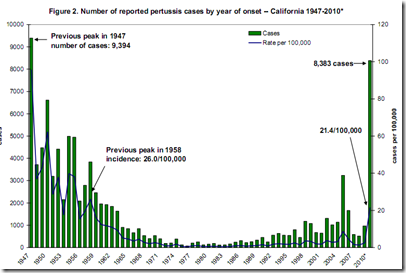
This is the most cases reported in 63 years when 9,394  cases were reported in 1947, a peak year,and the highest incidence in 52 years when a rate of 26.0 cases/100,000 was reported in 1958. Previously, the peak was in 2005 when there were 3,182 cases reported (Figure 2).


By the time all of the numbers were in for 2010, the number of cases had exceeded 9,000, including 10 deaths.  Since then, Pertussis numbers in California have remained elevated – particularly when compared to the the 1970s, 1980s, and 1990s – but not record setting.

image


During my parent’s day, whooping cough infected more than a 250,000 Americans each year, and killed about 5,000 of them. All that began to change in the 1940s when the first whole-cell pertussis vaccine - combined with diphtheria and tetanus toxoids (DTP) - was introduced.


It what was such remarkable success, that by the time my daughter was born (1977) the number of reported cases had just reached a record-low of 1,010 cases, a decrease of 99%.


But since then, the number of cases has increased dramatically, with 2012 seeing nearly 50,000 cases reported in the United States.

image

Credit CDC


The reasons behind these increases are complex, and not entirely understood, but some factors are believed to be:


Whooping cough outbreaks are cyclical, and we see localized outbreaks increase every three to five years.  As it has been four years since the last major epidemic in California, there are concerns that this year could be another banner year for the disease.


This from the California Department of Public Health.


Whooping Cough Cases Increase

Date: 5/30/2014

Number: 14-051

Contact: Anita Gore - (916) 440-7259

SACRAMENTO

Dr. Ron Chapman, director of the California Department of Public Health (CDPH) and state health officer, today warned that the number of pertussis (whooping cough) cases continue to increase in California.

CDPH has received reports of 2,649 cases of pertussis occurring from January through May 27, 2014, more than the number of cases reported in all of 2013. More than 800 cases were reported in April alone, the highest monthly count since the 2010 epidemic.

“The number of pertussis cases is likely to continue to increase,” says Dr. Ron Chapman. “As an important preventive measure, we recommend that pregnant women receive a pertussis vaccine booster during the third trimester of each pregnancy, and that infants be vaccinated as soon as possible.”

Infants too young to be fully immunized remain most vulnerable to severe and fatal cases of pertussis. Sixty-six of the hospitalized cases to date in 2014 have been in children four months of age or younger. Two infant deaths have been reported this year, one with onset in 2013, the second with onset in 2014.
Eighty-three percent of the cases have occurred in infants and children younger than 18 years of age. Of the pediatric cases, 8 percent who were younger than 6 months-old and 70 percent were 7 through 16 years of age.
It’s important that both children and adults are up-to-date on their immunizations. Booster shots for pertussis are critical because, unlike some other vaccine-preventable diseases, neither the pertussis disease nor vaccine offers lifelong immunity.

To prevent pertussis, CDPH recommends that: 

  • Pregnant women receive a pertussis vaccine booster during the third trimester of each pregnancy, even if they’ve received it before.                        
  • Infants be vaccinated against pertussis as soon as possible. The first dose is recommended at two months of age but can be given as early as 6 weeks of age during pertussis outbreaks. Children need five doses of pertussis vaccine by kindergarten (ages 4-6).
  • California 7th grade students receive the pertussis vaccine booster as required by state law.
  • Adults receive a one-time pertussis vaccine booster, especially if they are in contact with infants or if they are health care workers who may have contact with infants or pregnant women.

The symptoms of pertussis vary by age. For children, a typical case of pertussis starts with a cough and runny nose for one to two weeks. The cough then worsens and children may have rapid coughing spells that end with a whooping sound. Young infants may not have typical pertussis symptoms and may have no apparent cough. Parents may describe episodes in which the infant’s face turns red or purple. For adults, pertussis may simply be a cough that persists for several weeks.

Pertussis numbers will be updated every two weeks on the CDPH website.


Globally, Pertussis remains a serious public health issue, with the World Health Organization estimating that in 2008 about 16 million people were infected, and roughly 195,000 children died from the disease (cite).  And much like we discussed yesterday with measles, Pertussis can be reintroduced into a susceptible population by unvaccinated international travelers coming from areas where the disease is endemic.


But the truth is, with anywhere between 10,000 and 50,000 cases being reported in the United States each year, you don’t have to travel far to be exposed.  


Pertussis, after decades of near elimination, is a disease that is once again available locally.

Monday, May 20, 2013

Pertussis: Effectiveness Of Whole Cell vs Acellular Vaccine in Teenagers


image
Credit CDC Pink Book


# 7293


The dramatic drop in Pertussis (aka Whooping Cough) - as shown in the chart above  - began in the early 1940s following the introduction of the first whole-cell pertussis vaccine (combined with diphtheria and tetanus toxoids).


Before the vaccine was available, more than 160,000 cases  (and about 5,000 deaths) were recorded annually across the nation, but by 1976 the number of reported cases reached a record-low of 1,010 cases, a decrease of 99%. 


But over the past decade the number of cases has steadily risen, and in 2012 more than 40,000 cases were reported in the United States.


Similar increases have been reported in the UK (see UK: Whooping Cough Numbers Decline After Record Year), and Australia. 


The reasons behind these increases are complex, and not completely understood, but some factors are believed to be:

  • lower vaccination uptakes
  • the move away from whole cell pertussis vaccines to safer acellular vaccines in the 1990s
  • evolutionary changes in the Bordetella pertussis bacteria.


In 2010 California was hit particularly hard by a sudden resurgence in Pertussis cases, which resulted in more than 9,000 cases, the most in over 60 years, including 10 infant deaths. The following chart shows California’s dramatic upswing in Pertussis since the 1980s.

image


Last year, we began to see more studies suggesting that the newer acellular pertussis vaccine – introduced in the 1990s for safety reasons – might not be as protective as the older vaccine (see JAMA: Waning Pertussis Vaccine Effectiveness Over Time).


Today, we’ve another study, this time from Kaiser Permanente in California, that looked at children (ages 10-17) born between 1994 and 1999, and how they fared during the 2010 outbreak. 


Some of these children only received the older whole cell vaccine – while some had a combination of the older and newer vaccine – and some only received the newer acellular vaccine.


The results are outlined in a press release this morning.


Kaiser Permanente

Whole-cell vaccine was more effective than acellular vaccine during CA pertussis outbreak

OAKLAND, Calif., May 20, 2013 — Whole-cell pertussis vaccines were more effective at protecting against pertussis than acellular pertussis vaccines during a large recent outbreak, according to a new Kaiser Permanente study published in Pediatrics.

<SNIP>

Teenagers who were vaccinated with four doses of acellular vaccines were at almost six times higher risk of pertussis than were those who had received four doses of whole-cell vaccines. Persons who received mixed whole-cell and acellular vaccines had an intermediate level of risk between those who received all whole-cell or all acellular vaccines. Those who received mixed vaccines were at nearly four times higher risk of pertussis than were those who received all whole-cell vaccines.

(Continue . . . )


The full study appears in Pediatrics.

Comparative Effectiveness of Acellular Versus Whole-Cell Pertussis Vaccines in Teenagers

  • Nicola P. Klein,
  • Joan Bartlett,
  • Bruce Fireman,
  • Ali Rowhani-Rahbar,
  • and Roger Baxter
Pediatrics peds.2012-3836; Published online May 20, 2013 (10.1542/peds.2012-3836)


While the newer acellular vaccine appears to be protective in the short run, over time its effectiveness appears to drop dramatically.


Complicating matters further, earlier this year researchers at St. Christopher’s Hospital for Children in Philadelphia, PA reported that  11 of 12 isolates of B. Pertussis they examined in 2011-2012 using Western blot analysis failed to detect Pertactin (see NEJM: Pertactin Resistant Bordetella Pertussis – United States).


Pertactin (PRN) is a membrane protein that facilitates the attachment of Bordetella pertussis bacteria to epithelial cells in the trachea, and is one of the prime components of the acellular pertussis vaccine introduced in the 1990s.


The researchers state, "To our knowledge, this finding represents the first reported occurrence of pertactin-negative variants of B. pertussis in the U.S.”

Similar pertactin-negative strains have been reported in Japan, France, and Finland. Pertactin-negative strains reportedly remain infectious in humans, and retain lethality in laboratory testing on mice.


While the long-term solution to this problem will have to await the development of newer, longer-lasting, and more broadly protective pertussis vaccines, for now following the CDC’s  Pertussis Vaccination Guidelines remains your best strategy to protect yourself and your family.


And for more on Pertussis, visit the CDC’s Pertussis page.

image

Thursday, February 07, 2013

NEJM: Pertactin Resistant Bordetella Pertussis – United States

image
Credit CDC Pink Book


# 6913


Technological solutions to biological challenges are often fleeting, as nature’s incredibly prolific experimental laboratory begins work almost immediately to come up with a workaround.


Through random mutation and evolution antibiotic resistant bacteria often thrive while susceptible strains are constrained, viruses that drift antigenically are more likely to succeed, and mosquitoes not repelled by DEET or killed off by pesticides are more likely to live to bite another day.


Hence the old saying that Nature always bats last.


Over the past decade we’ve been watching the re-emergence of an old scourge; Whooping Cough.  A sometimes fatal childhood disease that 30 years ago was all but vanquished in the United States.


The following chart shows the number of Pertussis cases (whooping cough) in California over the past 60 years.

image

The dramatic drop in Pertussis - which began in the early 1950s – closely follows the introduction of the first whole-cell pertussis vaccine combined with diphtheria and tetanus toxoids (DTP) was introduced in the mid-1940s.


In the 1940s more than 160,000 cases  (and about 5,000 deaths) were recorded annually across the nation, but by 1976 the number of reported cases reached a record-low of 1,010 cases, a decrease of 99%. 


But over the past decade the number of cases has steadily risen, and in 2012 more than 40,000 cases were reported in the United States.


The reasons behind these increases are complex, and not completely understood, but some factors may include:

  • lower vaccination uptakes
  • the move away from whole cell pertussis vaccines to safer acellular vaccines in the 1990s
  • evolutionary changes in the Bordetella pertussis bacteria.

Today the New England Journal of Medicine published a letter to the Editor that alerts us to the identification of:


Pertactin-Negative Variants of Bordetella pertussis in the United States

N Engl J Med 2013; 368:583-584 February 7, 2013 

DOI: 10.1056/NEJMc1209369

Anne Marie Queenan, Ph.D.Janssen Research and Development, Raritan, NJ 
Pamela K. Cassiday, M.S. Centers for Disease Control and Prevention, Atlanta, GAAlan Evangelista, Ph.D.St. Christopher's Hospital for Children, Philadelphia, PA


Researchers at St. Christopher’s Hospital for Children found that in 11 of 12 isolates of B. Pertussis they examined in 2011-2012, Western blot analysis failed to detect Pertactin.


Pertactin (PRN) is a membrane protein that facilitates the attachment of Bordetella pertussis bacteria to epithelial cells in the trachea, and is one of the prime components of the acellular pertussis vaccine introduced in the 1990s.


The researchers state, "To our knowledge, this finding represents the first reported occurrence of pertactin-negative variants of B. pertussis in the U.S.”


Similar pertactin-negative strains have been reported in Japan, France, and Finland. Pertactin-negative strains reportedly remain infectious in humans, and retain lethality in laboratory testing on mice.


While recent attention has been focused on waning protection afforded by the safer acellular pertussis introduced in the 1990s (see JAMA: Waning Pertussis Vaccine Effectiveness Over Time), another possible cause of the increase in whooping cough cases could be the emergence of a vaccine resistant strain.


Eleven isolates collected in one geographic region of the nation are hardly conclusive evidence of a national trend, so the authors call for:


Isolates of B. pertussis from geographically distinct U.S. regions should be evaluated to determine whether our finding is a local event or represents a more widespread shift in B. pertussis strains. An understanding of the epidemiology and virulence of pertactin-negative variants is crucial to developing the next generation of pertussis vaccines


Media reports indicate we may get more on this story later today from the CDC.  If so, I’ll post a link on this blog.

Friday, February 01, 2013

UK: Whooping Cough Numbers Decline After Record Year


image

Credit CDC

# 6902


Reports of Pertussis or `whooping cough’ have been on the ascendant around the globe the past few years, including in the United States, Australia, and the UK.


Over the past few months I’ve blogged on the UK’s record setting year for Whooping cough several times, including:


HPA: Whooping Cough Cases Remain High

UK: Three Whooping Cough Deaths In October

The UK’s Whooping Cough Outbreak


Today, a little bit of encouraging news, as the number of new Pertussis cases reported by the HPA have declined for the second month in a row. It is too early, however, to read much into what this means for the rest of 2013.


Cases of whooping cough decline after record numbers in 2012

1 February 2013

There were 9,741* confirmed cases of whooping cough reported in England and Wales in 2012, according to figures published today by the Health Protection Agency (HPA). The total figure for 2012 is almost 10 times higher than the number of cases reported in 2011 (1,119) and in 2008 (902) – the last peak year before this current outbreak.


The December figures show a decrease for the second month running in cases of whooping cough with 832 confirmed cases reported compared with 1,168 cases in November 2012. One further death in an infant with laboratory confirmed whooping cough was reported in December bringing the 2012 total number of deaths in babies under three months to 14.


The highest number of cases were reported in those aged 15 and over, with a total of 8,059 cases in 2012, compared to 740 cases in 2011 and 493 cases in 2008.


Dr. Mary Ramsay, head of immunisation at the HPA, said: “The December figures show another welcome decrease in the overall number of whooping cough cases since the peak in October. However, it is very important to note that we usually see a reduction in cases of whooping cough at this time of year so this decrease is in line with normal seasonal patterns.

(Continue . . .)


Before we pop the Champaign corks, it is important to note that the total number of cases reported during the month of December (n=832) is nearly double the total reported in all of 2010 (n=422).

image


Still, any decline is welcome news.


The reasons behind the spike in Pertussis cases are complex, and not completely understood, but some factors may include:

  • lower vaccination uptakes
  • the move away from whole cell pertussis vaccines to safer – but less broadly protective  - acellular vaccines in the 1990s
  • evolutionary changes in the Bordetella pertussis bacteria.


Recent evidence published in the NEJM suggests that protection from the newer acellular pertussis vaccine – introduced in the early 1990s – may wane sooner than previously suspected. 


Waning Protection after Fifth Dose of Acellular Pertussis Vaccine in Children

Nicola P. Klein, M.D., Ph.D., Joan Bartlett, M.P.H., M.P.P., Ali Rowhani-Rahbar, M.D., M.P.H., Ph.D., Bruce Fireman, M.A., and Roger Baxter, M.D.

N Engl J Med 2012; 367:1012-1019 September 13, 2012DOI: 10.1056/NEJMoa1200850


In November of last year, in JAMA: Waning Pertussis Vaccine Effectiveness Over Time, we saw another study that found that the protective effect of the Pertussis vaccine begins to wane after the fifth dose (normally given at age 5) is received, leaving 7 to 10 year olds at greater risk of infection.


For more information, the CDC maintains an extensive Whooping Cough website, including audio files designed to help you identify the often distinctive `whooping’ sound made by those infected.


Pertussis (Whooping Cough)


And from the Advisory Committee on Immunization Practices (ACIP) this week we get recommendations that adults aged 65 and older and pregnant women receive the Tdap vaccine.


Advisory Committee on Immunization Practices (ACIP) Recommended Immunization Schedule for Adults Aged 19 Years and Older — United States, 2013

Supplements

February 1, 2013 / 62(01);9-19

(EXCERPT)

For tetanus, diphtheria, and acellular pertussis (Tdap) vaccine, recommendations have been expanded to include routine vaccination of adults aged 65 years and older and for pregnant women to receive Tdap vaccine with each pregnancy. The ideal timing of Tdap vaccination during pregnancy is during 27–36 weeks' gestation. This recommendation was made to increase the likelihood of optimal protection for the pregnant woman and her infant during the first few months of the infant's life, when the child is too young for vaccination but at highest risk for severe illness and death from pertussis

Friday, December 21, 2012

HPA: Whooping Cough Cases Remain High

image

Credit CDC


# 5798


Updating a story from late in November (see UK: Three Whooping Cough Deaths In October), while the number of new UK Pertussis cases reported in November dropped over the previous month, they still remain well above average.


The HPA released the following update this morning.


Whooping cough cases remain high

21 December 2012

Figures published by the Health Protection Agency (HPA) today show that cases of whooping cough have continued at high levels during November with 1,080 confirmed cases reported for England and Wales, bringing the total number of cases so far this year to 8,819*. No deaths were reported in November.


The total of 1,080 cases reported during November represents a decrease from October when 1,631 cases were reported for England and Wales, which is the first time we’ve seen a decrease in monthly numbers since the current outbreak began in the middle of 2011. However, a decrease in cases is usually seen at this time of year so this does not necessarily represent the end of this severe outbreak.


At the end of September, the Department of Health announced that pregnant women would be offered whooping cough vaccination to protect their newborn babies, who do not usually start their vaccinations against whooping cough until they are two months of age. The aim of the vaccination programme is to help to boost the short term immunity passed on by women to their babies while they are still in the womb.


It is too soon for this vaccination campaign to have had an impact on the case numbers we are seeing, however, the Department of Health recently reported an uptake of around 40 per cent in pregnant women.


Dr Gayatri Amirthalingam, consultant epidemiologist for immunisation at the HPA, said: “The November figures show a welcome decrease of whooping cough cases since October. However, it is very important to note that we usually see a reduction in cases of whooping cough at this time of year so this decrease is in line with normal seasonal patterns.


“The recent announcement that at least 40 per cent of pregnant women received the whooping cough vaccine in the first month of the programme is very encouraging. We would like to remind pregnant women how serious this infection can be in young babies and how it can in some cases cause death. Vaccination between 28 and 38 weeks of pregnancy should offer babies the best protection against whooping cough before they receive their own vaccines.


“As well as this, parents should ensure their children are vaccinated against whooping cough on time, even babies of women who’ve had the vaccine in pregnancy – this is to continue their baby’s protection through childhood."


Whooping cough, also known as pertussis, affects all ages. Young infants are at highest risk of severe complications and death from whooping cough as babies do not complete vaccination until they are around four months old. In older children and adults whooping cough can be an unpleasant illness but it does not usually lead to serious complications. Whooping cough is a highly infectious bacterial disease which spreads when a person with the infection coughs and sheds the bacteria which is then inhaled by another person.


Dr Amirthalingam continues, “Parents should also be alert to the signs and symptoms of whooping cough – which include severe coughing fits accompanied by the characteristic “whoop” sound in young children but as a prolonged cough in older children or adults.”

(Continue . . . )


The reasons behind the spike in Pertussis cases (not only in the UK, but in the U.S., Australia, and elsewhere) are complex, and not completely understood, but some factors may include:


  • lower vaccination uptakes
  • the move away from whole cell pertussis vaccines to safer – but less broadly protective  - acellular vaccines in the 1990s
  • evolutionary changes in the Bordetella pertussis bacteria.


Recent evidence published in the NEJM suggests that protection from the newer acellular pertussis vaccine – introduced in the early 1990s – may wane sooner than previously suspected. 


Waning Protection after Fifth Dose of Acellular Pertussis Vaccine in Children

Nicola P. Klein, M.D., Ph.D., Joan Bartlett, M.P.H., M.P.P., Ali Rowhani-Rahbar, M.D., M.P.H., Ph.D., Bruce Fireman, M.A., and Roger Baxter, M.D.

N Engl J Med 2012; 367:1012-1019 September 13, 2012DOI: 10.1056/NEJMoa1200850


While not 100% perfect, the Pertussis vaccine remains the best way to prevent Whooping Cough.


As noted above, the rise in whooping cough isn’t just a problem in the UK.  The graphic below shows that – except for California – every state in the union has reported an increase in Pertussis cases this year over 2011 (through week 46). 


image

For more on the prevention of Whooping Cough, and the role of the Tdap vaccine, visit:


http://www.cdc.gov/pertussis/


image

Friday, November 30, 2012

UK: Three Whooping Cough Deaths In October


image

Credit CDC


# 6749


Whooping cough has been in the news (and in this blog) a lot this week (see Safety Of Tdap Vaccine In Older Patients and Waning Pertussis Vaccine Effectiveness Over Time), and with an announcement overnight from the HPA, today I go for the hat trick.


Last month (see The UK’s Whooping Cough Outbreak) we looked at the rising pertussis numbers in the UK, and the announcement that that pregnant women would be offered the Pertussis vaccine in order to protect their newborns, who cannot be vaccinated until they are 2 – 4 months of age.


The latest announcement from the HPA indicates that during the month of October more than 1,600 additional cases of Whooping cough were reported in England and Wales, resulting in 3 infant deaths.  This brings the death toll in 2012 to 13.


As you can see by the chart below, Pertussis in 2012 is running roughly 10 times the rate seen in recent years.


image


The reasons behind this latest spike in Pertussis cases are complex, and not completely understood, but some factors may include:

  • lower vaccination uptakes
  • the move away from whole cell pertussis vaccines to safer – but less broadly protective  - acellular vaccines in the 1990s
  • evolutionary changes in the Bordetella pertussis bacteria.


Here are some excerpts from the HPA’s press release:


Whooping cough cases continue to increase

30 November 2012

Figures published by the Health Protection Agency (HPA) today reveal 1,614 cases of whooping cough were reported in England and Wales in October 2012, bringing the total number of cases so far this year to 7,728*.


The total number of cases so far in 2012 (up to end of October) is nearly ten times higher than for the same period in 2008, the last ‘peak’ year before this current outbreak, when 797 cases were reported. There have been three deaths in infants with laboratory confirmed whooping cough reported in October bringing the total number of deaths in this age group so far this year to 13.


At the end of September, the Department of Health announced that pregnant women would be offered whooping cough vaccination to protect their newborn babies, who do not usually start their vaccinations against whooping cough until they are two months of age. The aim of the vaccination programme is to help to boost the short term immunity passed on by women to their babies while they are still in the womb.


Dr Gayatri Amirthalingam, consultant epidemiologist for immunisation at the HPA, said: “The October figures show a continuing rise in the overall number of whooping cough cases. While there has been a decline in the number of infant cases it’s important to emphasise that it’s too early to see any impact from the pregnancy vaccination programme. Working with the Department of Health we are continuing to carefully monitor whooping cough activity to evaluate the success of the programme.


“We strongly recommend all pregnant women take up the offer of vaccination. Parents should also ensure their children are vaccinated against whooping cough on time, even babies of women who’ve had the vaccine in pregnancy – this is to continue their baby’s protection through childhood. Parents should also be alert to the signs and symptoms of whooping cough – which include severe coughing fits accompanied by the characteristic “whoop” sound in young children but as a prolonged cough in older children or adults. It is also advisable to keep babies away from older siblings or adults who have the infection.”


Whooping cough, also known as pertussis, affects all ages. Young infants are at highest risk of severe complications and death from whooping cough as babies do not complete vaccination until they are around four months old. In older children and adults whooping cough can be an unpleasant illness but it does not usually lead to serious complications. Whooping cough is a highly infectious bacterial disease which spreads when a person with the infection coughs and sheds the bacteria which is then inhaled by another person.

(Continue . . . )


For more information, the CDC maintains an extensive Whooping Cough website, including audio files designed to help you identify the often distinctive `whooping’ sound made by those infected.


Pertussis (Whooping Cough)

Mother holding baby.

Pertussis, also known as whooping cough, is a highly contagious respiratory disease. It is caused by the bacterium Bordetella pertussis.

Pertussis is known for uncontrollable, violent coughing which often makes it hard to breathe. After fits of many coughs, someone with pertussis often needs to take deep breathes which result in a "whooping" sound. Pertussis most commonly affects infants and young children and can be fatal, especially in babies less than 1 year of age.

(Continue . . . )

Thursday, November 29, 2012

Study Supports Safety Of Tdap Vaccine In Older Patients

image

Credit CDC Pink Book


# 6746


With the recent rise in whooping cough (pertussis) cases around the country, and indications protection from the acellular pertussis vaccine declines over time(see JAMA: Waning Pertussis Vaccine Effectiveness Over Time) there is increased interest in booster shots for adults.


The Tdap vaccine (tetanus-diphtheria-acellular pertussis) booster vaccine was introduced in 2005, and  was originally licensed for those under the age of 65. New recommendations from ACIP (updated Jun 2012) now reads:


Any adult 19 years of age and older who has not received a dose of Tdap should get one as soon as feasible – to protect themselves and infants. This Tdap booster dose can replace one of the 10-year Td booster doses. Tdap can be administered regardless of interval since the previous Td dose. Shorter intervals between Tdap and last Td may increase the risk of mild local reactogenicity but may be appropriate if your patient is at high risk for contracting pertussis, such as during an outbreak, or has close contact with infants.


This change was inspired partly by the surge in pertussis cases in 2010, and by favorable results from unpublished data from trials on the Tdap vaccine in adults over 65 provided to ACIP by Sanofi Pasteur and GlaxoSmithKline.


A major study published online today in Clinical Infectious Diseases, provides some reassuring data based on nearly 120,000 seniors who received the Tdap vaccine, who were compared to a like number that received the tetanus and diphtheria (Td) vaccine.


Their findings: While there was a small increased risk of injection site reaction following Tdap vaccination, it occurred with no more frequency than with the traditional tetanus and diphtheria (Td) vaccine.


First a link to the study, then some excerpts from a press release summarizing the findings.


Safety of a Tetanus-Diphtheria-Acellular Pertussis Vaccine When Used Off-Label in an Elderly Population


Hung Fu Tseng, Lina S. Sy, Lei Qian, S. Michael Marcy, Lisa A. Jackson, Jason Glanz, Jim Nordin, Roger Baxter, Allison Naleway, James Donahue, Eric Weintraub, and Steven J. Jacobsen


Infectious Diseases Society of America

Findings support safety of whooping cough vaccine for older adults

[EMBARGOED FOR NOV. 29, 2012] A new study of the safety of the tetanus-diphtheria-acellular pertussis (Tdap) vaccine supports the recommendation that those 65 and older get the vaccine to protect themselves and others, particularly young babies, from pertussis. Published online in Clinical Infectious Diseases, the findings come as reported U.S. cases of the bacterial infection, also known as whopping cough, are at the highest level since the 1950s.


In their study, Hung Fu Tseng, PhD, MPH, and his team at Kaiser Permanente Southern California found that adverse events following Tdap vaccination in seniors were mostly minor. "Although there is a small increased risk of injection site reaction following Tdap vaccination in the elderly, it is no more common than that following the traditional tetanus and diphtheria (Td) vaccine," Dr. Tseng said.


The researchers' study included 119,573 seniors who received the Tdap vaccine and the same number of people who received the traditional Td vaccine. Safety data were collected from seven health maintenance organizations across the U.S. The risk for adverse events following vaccination was comparable among both groups.


The authors hope the findings will allay any fears among older adults about the safety of the Tdap vaccine and prompt more doctors to urge across-the-board immunization, which is crucial in the wake of recent pertussis outbreaks, such as those in Minnesota, Washington state, Wisconsin, and elsewhere. Current recommendations call for infants older than 2 months, children, teens, adults (including pregnant women, parents, and health care workers), and those over 65 to be vaccinated.

(Continue . . . )

Wednesday, November 28, 2012

JAMA: Waning Pertussis Vaccine Effectiveness Over Time

image
Credit CDC Pink Book


# 6744


Pertussis, or `whooping cough’ was once a major childhood disease in the United States, with more than a million cases reported between 1940 and 1945, resulting in thousands of deaths. 


All that began to change with the introduction of a whole cell Pertussis vaccine in the 1940s.  By 1960, the number of Pertussis cases in the United States had dropped to about 15,000 cases a year – a 95% reduction over 20 years.


Rates dropped another 2/3rds over the next 10 years (see chart above).


The vaccine, while highly effective, was blamed for a variety of adverse reactions, prompting a move away from whole cell pertussis vaccines to safer – but less broadly protective  - acellular vaccines in the 1990s


The following chart illustrates the rise in pertussis cases, which began in earnest in the early 1990s.  The most recent years (2010-2011) are not shown, but they were among the most active in decades.


image


While still far below the rates seen in the 1940s, the recent rise in Pertussis cases has raised a good deal of concern these past couple of years.  A few blogs on it include:


The UK’s Whooping Cough Outbreak
Referral: McKenna On Pertussis Vaccines
California Reports 9th Pertussis Fatality of 2010


The reasons behind these increases are complex, and not completely understood, but some factors may include:


  • lower vaccination uptakes
  • the move away from whole cell pertussis vaccines to safer acellular vaccines in the 1990s
  • evolutionary changes in the Bordetella pertussis bacteria.


Although infants are still at greatest risk from this illness, children aged 7 to 10 years old have experienced an unexpected rise in infections over the past decade.


A recent study published in the NEJM suggested that protection from the newer acellular pertussis vaccine – introduced in the early 1990s – may wane sooner than previously suspected. 


Waning Protection after Fifth Dose of Acellular Pertussis Vaccine in Children

Nicola P. Klein, M.D., Ph.D., Joan Bartlett, M.P.H., M.P.P., Ali Rowhani-Rahbar, M.D., M.P.H., Ph.D., Bruce Fireman, M.A., and Roger Baxter, M.D.

N Engl J Med 2012; 367:1012-1019 September 13, 2012DOI: 10.1056/NEJMoa1200850


Today we can add another study, this time appearing in JAMA, that finds that the protective effect of the Pertussis vaccine begins to wane after the fifth dose (normally given at age 5) is received, leaving 7 to 10 year olds at greater risk of infection.


Association of Childhood Pertussis With Receipt of 5 Doses of Pertussis Vaccine by Time Since Last Vaccine Dose, California, 2010

Lara K. Misegades, PhD, MS; Kathleen Winter, MPH; Kathleen Harriman, PhD, MPH, RN; John Talarico, DO, MPH; Nancy E. Messonnier, MD; Thomas A. Clark, MD, MPH; Stacey W. Martin, MSc


JAMA. 2012;308(20):2126-2132. doi:10.1001/jama.2012.14939

ABSTRACT (Excerpt)

Conclusion  Among children in 15 California counties, children with pertussis, compared with controls, had lower odds of having received the 5-dose DTaP series; as time since last DTaP dose increased, the odds increased, which is consistent with a progressive decrease in estimated vaccine effectiveness each year after the final dose of pertussis vaccine.


Pertussis remains a poorly controlled vaccine-preventable disease in the United States, despite a well-established childhood vaccination program and high coverage. Although infants have substantially higher rates of pertussis compared with other age groups, data from the National Notifiable Diseases Surveillance System reflect a recent increase in the number of reported pertussis cases among children aged 7 to 10 years. In 2010, this age group had the second highest incidence of pertussis in the United States.


The changing epidemiology raises important questions about possible waning protection from the childhood acellular pertussis vaccine series.

(Continue . . . )


This is a lengthy report, heavy on statistics.  For a less imposing summary, we have a nice write up today in Family Practice News:


Pertussis Vaccine Loses Efficacy Each Year After Fifth Dose


By: MARY ANN MOON, Family Practice News Digital Network

The odds of a child developing pertussis increase as the interval since he or she received the fifth and final dose of the DTaP vaccine increases, according to a report published in the November 28, 2012 issue of JAMA.


This pattern indicates a progressive waning of vaccine effectiveness every year after completion of the vaccine series, which would explain the recently noted surge in pertussis cases among 7- to 10-year-olds in at least 34 states, said Lara K. Misegades, Ph.D., of the Meningitis and Vaccine Preventable Disease Branch of the Centers for Disease Control and Prevention and her associates.

(Continue . . . )


As more confirmatory data comes in and is analyzed, the question then becomes what to do about this decline in protection for those aged 7 to 10 years of age.  The authors, in their conclusion, grant that their are no easy answers.


The increasing incidence of pertussis, changing epidemiology, and demonstrated decline in the estimated DTaP VE over time have raised concerns about the current US pertussis vaccine program and may prompt consideration of alternative schedules.


Options include delaying administration of the fifth DTaP dose or administering the Tdap booster at earlier than 11 years of age. However, a recommendation to delay the fifth DTaP dose until 6 years of age or later may unintentionally increase the burden of disease between the fourth and fifth doses of the childhood series, and implementation would likely be programmatically challenging because many states' school entry immunization requirements for pertussis are built around the current DTaP schedule.


Alternatively, shifting the Tdap booster to 10 years of age or earlier may have the unwanted effect of reducing coverage, as there is no established routine health care visit for children before the adolescent vaccine platform visit at 11 to 12 years of age.32


Given the options for adjustments to the pertussis vaccine schedule, these issues will require careful and ongoing review of the epidemiology and vaccine program nationwide. Ultimately, improved control of pertussis may require a vaccine that provides longer duration of protection or differently affects transmission in the community.

Thursday, October 25, 2012

The UK’s Whooping Cough Outbreak

image

Confirmed Pertussis England & Wales by year & Quarter - 2012 numbers through 2nd Quarter


# 6661


Pertussis, or `Whooping Cough’ is a highly contagious bacterial infection that can cause serious illness and even death.  Although it is thought of as a `childhood’ disease, anyone of any age can catch it.


It is caused by either Bordetella pertussis or Bordetella parapertussis bacteria, which are easily spread through the air by the characteristic violent coughing spasms it induces. Infection can last for 6 weeks or longer, which is why it is sometimes called the `100 days' cough’.


Whooping cough in England and Wales, just as we’ve seen recently in the United States (see The Never Ending Battle), is on the rise again after two very successful decades of control.


image

The chart above (from Accelerating Control of Pertussis in England and Wales – EID Journal Vol. 18, No. 1, January 2012) illustrates just how well their vaccination program worked in controlling this disease since its introduction in the mid-1940s.


From seeing 170,000+ cases a year before the vaccine was introduced, down to triple digits in the early 1970s, the Pertussis vaccination in England & Wales has been a huge success story.


While spikes in cases did occur in the 1980s, increased uptake of the vaccine brought those numbers down again by 1990.


The reasons behind this latest spike in Pertussis cases are complex, and not completely understood, but some factors may include:


  • lower vaccination uptakes
  • the move away from whole cell pertussis vaccines to safer – but less broadly protective  - acellular vaccines in the 1990s
  • evolutionary changes in the Bordetella pertussis bacteria.


Recent evidence published in the NEJM suggests that protection from the newer acellular pertussis vaccine – introduced in the early 1990s – may wane sooner than previously suspected. 


Waning Protection after Fifth Dose of Acellular Pertussis Vaccine in Children

Nicola P. Klein, M.D., Ph.D., Joan Bartlett, M.P.H., M.P.P., Ali Rowhani-Rahbar, M.D., M.P.H., Ph.D., Bruce Fireman, M.A., and Roger Baxter, M.D.

N Engl J Med 2012; 367:1012-1019 September 13, 2012DOI: 10.1056/NEJMoa1200850


All of which brings us to an HPA press release this morning, indicating that more than 6,000 whooping cough cases have been reported through the end of September, and urging parents to follow the recommended Pertussis vaccination schedule for their kids.

.


Whooping cough outbreak continues

25 October 2012

According to figures published by the Health Protection Agency (HPA) today, 1,322 cases of whooping cough (pertussis) were reported in England and Wales in September 2012, bringing the total number of cases so far this year to 6,121*.


The total number of cases so far in 2012 (up to end of September) is more than five times higher than the annual total number of cases reported in 2011 (1,118) and almost seven times higher than the total in 2008 (902) – the last ‘peak’ year before this current outbreak. In September there was one pertussis-related death in an infants under three months of age, bringing the total number of deaths in this age group so far this year to ten.


<SNIP>


“The introduction of a vaccine for pregnant women will not have an immediate impact on serious infection in infants so vigilance remains important. Working with the Department of Health we will continue to regularly monitor figures to evaluate the success of the programme.


“All parents should ensure their children are vaccinated against whooping cough on time, even babies of women who’ve had the vaccine in pregnancy – this is to continue their baby’s protection through childhood. Parents should also be alert to the signs and symptoms of whooping cough – which include severe coughing fits accompanied by the characteristic “whoop” sound in young children but as a prolonged cough in older children or adults. It is also advisable to keep babies away from older siblings or adults who have the infection.”


(Continue . . . )


This rise in Pertussis isn’t just a problem in the UK.


The Untied States saw a major upsurge in 2010, with more than 27,000 Whooping cough cases reported. Earlier this year the State of Washington declared a Pertussis epidemic (see MMWR Pertussis Epidemic — Washington, 2012).


And Australia has a record 38,500 cases (out of a population of just over 22 million) reported in 2011.


While admittedly not 100% perfect, the Pertussis vaccine remains the best way to prevent Whooping Cough.


For more on how to protect yourself, your family, and your community, the  CDC offers the following advice on Pertussis Vaccination.


Pertussis Vaccination

The best way to prevent pertussis is to get vaccinated. There are vaccines for infants, children, preteens, teens and adults. The childhood vaccine is called DTaP, and the pertussis booster vaccine for adolescents and adults is called Tdap. Talk to your healthcare provider about getting vaccinated against pertussis and read more about pertussis prevention.
For Those Getting Vaccinated
Pertussis Vaccine Basics
Offers comprehensive offers information about pertussis vaccines and other educational tools.
Td or Tdap Vaccine "What You Need To Know"Adobe PDF file (66 KB, 2 pages)
This one-page CDC vaccine information statement explains who should get Td or Tdap vaccine and when.
DTaP Vaccine "What You Need To Know"Adobe PDF file (58 KB, 2 pages)
This one-page CDC vaccine information statement explains who should get DTaP vaccine and when.
Vaccine Safety
Who Should Not Be Vaccinated with DTaP or Td-Tdap?

Wednesday, August 01, 2012

Referral: McKenna On Pertussis Vaccines


image

# 6465


Maryn McKenna has a terrific blog this morning about an extraordinarily difficult subject – the recent rise in Pertussis cases even among those who have previously been vaccinated.


I’ll just step aside and invite you to read:


Is Childhood Pertussis Vaccine Less Effective Than We Thought?


Thursday, March 22, 2012

The Never Ending Battle


image

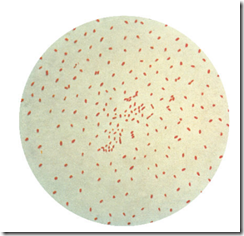
Bordetella pertussis bacteria – Credit CDC


# 6239


Although humans may like to believe that we represent the pinnacle of evolution - when you look at an organism’s ability to change, adapt, evolve . . . and to survive as a species – viruses and bacteria have us beat badly.


Not only have they been around far longer than humans, they are likely to be here long after we are gone.


With replication rates that provide for new generations every few hours – instead of every couple of decades – they possess an evolutionary nimbleness that allows them to adapt quickly to a changing environment.


Antibiotics, antivirals, and vaccines can temporarily hold these organisms at bay – but in their 70 years or use – only two diseases have been officially eradicated (smallpox and Rinderpest) from the globe.


None of this is to denigrate these miracle drugs, as they have saved countless lives and reduced untold misery, over the years.


But bacteria and viruses are moving targets, and our vaccines and antibiotics must constantly change to keep up with them. 


Illustrative of the effect vaccines can have on disease rates is the following chart showing the number of Pertussis cases (whooping cough) in California over the past 60 years.


image


The dramatic drop in Pertussis - which began in the early 1950s – closely follows the introduction of the first whole-cell pertussis vaccine combined with diphtheria and tetanus toxoids (DTP) was introduced in the mid-1940s.


Nationwide, in the 1940s, about 160,000 cases of Pertussis were recorded, and the illness claimed about 5,000 lives.


By 1976 the number of reported cases in the country reached a record-low of 1,010 cases, a decrease of 99%.  But over the past decade the number of cases has steadily risen, and in 2010 21,000 cases were reported.


The reasons for this recent rise are believed to include lower vaccination uptakes, the move away from whole cell pertussis vaccines to safer – but less broadly protective  - acellular vaccines in the late 1990s, and evolutionary changes in the Bordetella pertussis bacteria.

Which bring us to a story out of Australia, where a new strain of Pertussis (Whooping Cough) is gaining ground – one that is not controlled by the current vaccine.


First the study which appears in the Journal of Infectious Diseases, then I’ll be back with a press release from the University of New South Wales, with more details.


Newly Emerging Clones of Bordetella pertussis Carrying prn2 and ptxP3 Alleles Implicated in Australian Pertussis Epidemic in 2008–2010

Sophie Octavia, Vitali Sintchenko, Gwendolyn L. Gilbert, Andrew Lawrence, Anthony D. Keil, Geoff Hogg and Ruiting Lan

Abstract

Australia is experiencing a prolonged epidemic of pertussis that began in 2008. A total of 194 Bordetella pertussis isolates collected from 2008 through 2010 were typed by single-nucleotide polymorphism (SNP) analysis, by multilocus variable number tandem repeats analysis, and by fim3, prn, and ptxP sequence analyses. Strains with 2 closely related SNP profiles carrying prn2 and ptxP3 from the recently emerged SNP cluster I predominated. The data suggest increasing selection among the B. pertussis population in Australia in favor of strains carrying prn2 and ptxP3 under the pressure of acellular vaccine–induced immunity.


This from the University of New South Wales.


Sharp rise in cases of new strain of whooping cough

21 March 2012

Australia’s prolonged whooping cough epidemic has entered a disturbing new phase, with a study showing a new strain or genotype capable of evading the vaccine may be responsible for the sharp rise in the number of cases.


A team of Australian scientists, led by the University of New South Wales (UNSW),  believe this emerging new genotype (called prn2-ptxP3) of the Bordetella pertussis bacterium may be evading the protective effects of the current acellular vaccine (ACV), and increasing the incidence of the potentially fatal respiratory illness, according to the study published in The Journal of Infectious Diseases.


The new genotype also has been detected in other countries, suggesting it has the potential to spark epidemics elsewhere and should be closely monitored, the researchers warn.


“The prolonged whooping cough epidemic in Australia that began during 2008 has been predominantly caused by the new genotype of B. pertussis,” said one of the study authors, Associate Professor Ruiting Lan, of the UNSW School of Biotechnology and Biomolecular Sciences.


“The genotype was responsible for 31 percent of cases in the 10 years before the epidemic, and that’s now jumped to 84 percent – a nearly three-fold increase, indicating it has gained a selective advantage under the current vaccination regime.

(Continue . . . )


The success of the Pertussis vaccine over the past 5 decades is undeniable, and hundreds of thousands of young lives have been saved because of it.


But as with any vaccine, antibiotic, or antiviral – victory over any pathogen is generally fleeting – and new techniques must be developed if we are to wage this never ending battle against the evolutionary process.