Sunday, June 30, 2013

Pledge To Prepare

image


# 7436


National Preparedness Month (September) is just 60 days away, and along with thousands of others across the country, AFD blog is once again proud to be part of this year’s NPM coalition.


As you can see by the chart above, the number of coalition members has quadrupled since 2010.


Members consist of individuals, organizations, and businesses . . . and you are encouraged to join as well.


image

Interested in preparedness throughout the year? If so, continue here to Pledge to Prepare.  By Pledging you will become part of the National Preparedness Coalition.  There is no cost or obligation in doing so.  As a Coalition Member, you will have access to exclusive resources and be able to collaborate with thousands of fellow members across the country on ways to participate and get your community involved.


While I promote preparedness year-round, twice each year this blog makes a concerted `preparedness push’; first in late May to kick off Hurricane season, and again in September for National Preparedness Month. 


The goal of NPM2013 is to foster a culture of national preparedness, and to encourage everyone to plan and be prepared to deal with an event where they can go at least three days without electricity, running water, local services, or access to a supermarket.


These are, of course, minimum goals.


The disruptions following hurricanes, tornado outbreaks, floods, and other natural disasters often run for days or even weeks, and so – if you are able to do so - being prepared for 10 days to 2 weeks makes a good deal of sense (see When 72 Hours Isn’t Enough).


As a Floridian, my preparedness plans are somewhat hurricane-centric, as these massive storms provide the most likely disaster scenario for my area.  But my disaster plans are appropriate for other disaster scenarios as well.


In addition to being prepared to shelter-in-place for up to two weeks, I have a network of trusted disaster buddies to whom I can turn in an emergency (as can they to me), several pre-arranged evacuation destinations should I need to `get out of Dodge’, and a 72-hour bug-out bag I can grab at a moment’s notice.


bob 001a

My Bug-out-bag, Canteen, & Toiletry kit


I also keep an overnight bag, and a fully equipped first aid kit, in the trunk of my car . . .  just in case (see Inside My Auto First Aid Kit).


My investment in preparedness is relatively small – only a few hundred dollars – which I consider cheap insurance. But if a hurricane, a pandemic, or some other disaster strikes, I’ll be in a much better position to cope.


As I tell people, preparing is easy.  It’s worrying that’s hard.


While the federal government will respond during any major disaster, they know it may take days or longer to reach everyone and to restore essential services. Which is why they encourage all individuals, families, business owners, and communities to become better prepared to deal with all types of disasters.


I would invite you visit the following preparedness sites.

FEMA http://www.fema.gov/index.shtm

READY.GOV http://www.ready.gov/

AMERICAN RED CROSS http://www.redcross.org/


If you are on Twitter, I would suggest you follow @FEMA, @CraigatFEMA, and @ReadyGov.


And finally, a few of my own preparedness articles include:


In An Emergency, Who Has Your Back?

An Appropriate Level Of Preparedness

The Gift of Preparedness 2012

Saturday, June 29, 2013

CID Journal: Estimates Of Human Infection From H3N2v (Jul 2011-Apr 2012)

 image

Credit CDC


# 7435


In my last post (see CID Journal: Lessons From The `First Wave’ Of H3N2v) I recounted the history of the `first wave’ of the H3N2v swine variant virus (July 2011-Apr 2012) as part of a lead up to a series of articles just published in a supplement to the journal Clinical Infectious Diseases.


While only 13 human infections were detected during this 9 month time span, it is considered more than probable that a significant number of cases went undetected.


We know with practically every infectious disease you can name, that surveillance and testing only picks up a fraction of the total number of cases.  The proverbial `tip of the iceberg’ or in the case of the graphic below, the `top of the pyramid’


surveillance

Credit CDC 


As an example, last year the CDC was notified of 5,674 cases of West Nile virus disease in people, including 286 deaths. But the actual number of WNV infections (including mild & asymptomatic cases) may have been well over 100,000.


Similarly, we don’t actually know how many people contract, or even die from, influenza each year in the United States. With all of these diseases, the number of cases each year must be estimated, based on available surveillance and testing and mathematical modeling.


Which brings us to a study that attempts to extrapolate - using models developed during the opening months of the 2009 H1N1 pandemic - how many undetected cases of H3N2v may have occurred during this first wave (July 2011 – April 2012) when only 13 cases were confirmed.


Their results – that more than 2,000 human infections from H3N2v may have occurred during this time -  I suspect, will surprise a lot of people.


Estimates of the Number of Human Infections With Influenza A(H3N2) Variant Virus, United States, August 2011–April 2012

Matthew Biggerstaff, Carrie Reed, Scott Epperson, Michael A. Jhung, Manoj Gambhir, Joseph S. Bresee, Daniel B. Jernigan, David L. Swerdlow, and Lyn Finelli

Background. Thirteen human infections with an influenza A(H3N2) variant (H3N2v) virus containing a combination of gene segments not previously associated with human illness were identified in the United States from August 2011 to April 2012. Because laboratory confirmation of influenza virus infection is only performed for a minority of ill persons and routine clinical tests may not identify H3N2v virus, the count of laboratory-confirmed H3N2v virus infections underestimates the true burden of illness.


<SNIP  Methods>

Results. We estimate that the median multiplier for children was 200 (90% range, 115–369) and for adults was 255 (90% range, 152–479) and that 2055 (90% range, 1187–3800) illnesses from H3N2v virus infections may have occurred from August 2011 to April 2012, suggesting that the new virus was more widespread than previously thought.


Their estimates range from just under 1,200 cases to nearly 4,000 for this `first wave’. 

The `second wave’ began in late June 2012, and ran well into the fall, resulted in more than 300 confirmed cases. This study strongly suggests that those represented but a tiny fraction of the `true’ number of infections last summer.


Granted, the surveillance picture during the second wave – once the news broke that scores of people attending county & state fairs had contracted the virus – likely changed from during the first wave.


My guess is that these multipliers may need a bit of tweaking for use with the second wave, to account for more robust surveillance and testing that was put into place. 


But even so, the number of undetected cases last summer was likely many-fold greater than the 300 confirmed infections turned up by surveillance.


This past week, we learned of four new cases (see CDC FluView Update On H3N2v Cases) linked to attendance at a county fair in Indiana.


Given the prevalence of the H3N2v virus in swine, and the increased potential for exposure over county & state fair season (running from June-November), it seems likely we’ll be hearing a good deal more about this variant flu virus in the coming months.


Despite these numbers, and apparent limited human-to-human transmission of this virus, this strain has not yet managed to spread efficiently in the community.


The CDC maintains an H3N2v and You FAQ page, and offers the following advice for fairgoers and exhibitors.


Preventive Actions

CDC Recommendations For People At High Risk:

  • If you are at high risk of serious flu complications and are going to a fair where pigs will be present, avoid pigs and swine barns at the fair this year. This includes children younger than 5 years, people 65 years and older, pregnant women, and people with certain long-term health conditions (like asthma, diabetes, heart disease, weakened immune systems, and neurological or neurodevelopmental conditions).

If you are not at high risk, take these precautions:

  • Don’t take food or drink into pig areas; don’t eat, drink or put anything in your mouth in pig areas.
  • Don’t take toys, pacifiers, cups, baby bottles, strollers, or similar items into pig areas.
  • Wash your hands often with soap and running water before and after exposure to pigs. If soap and water are not available, use an alcohol-based hand rub.
  • Avoid close contact with pigs that look or act ill.
  • Take protective measures if you must come in contact with pigs that are known or suspected to be sick. This includes minimizing contact with pigs and wearing personal protective equipment like protective clothing, gloves and masks that cover your mouth and nose when contact is required.
  • To further reduce the risk of infection, minimize contact with pigs and swine barns.


CID Journal: Lessons From The `First Wave’ Of H3N2v

image

CID H3N2v Supplement


# 7435


Between 2005 and the end of 2010, the CDC  documented 19 human infections by swine origin influenza viruses (SOIV) across the United States, 12 of which were trH1N1 viruses, 6 were trH3N2, and 1 was trH1N2.


In 2011 a new strain of swine influenza  - originally dubbed trH3N2 but renamed H3N2v (swine variant influenza) in late 2011 – was discovered to have evolved in pigs.


What made this virus different from the earlier trH3N2 novel strains was that it was a reassortant swine H3N2 which had acquired the matrix (M) gene from the 2009 H1N1 pandemic virus.


image

Reassortant H3N2 virus detected in Pennsylvania & Indiana – Source CDC


We first heard about this new strain on Sept. 2nd, 2011, via an early release from the CDC’s MMWR.


That report described two young children – one in Indiana and another in Pennsylvania - who were infected by a new swine-origin H3N2 virus (see Swine-Origin Influenza A (H3N2) Virus Infection in Two Children --- Indiana and Pennsylvania, July--August 2011).


While these first two cases first appeared to be one-off, dead end transmissions, it was only a few days later that Pennsylvania Reported 2 More Novel Flu Cases.


All three cases in Pennsylvania were linked to the Washington County Agricultural Fair during the week of Aug. 13-20, 2011.


On September 9th, 2011 the CDC updated their SOIV (Swine Origin Influenza Virus) page (see CDC Update On Recent Novel Swine Flu Cases), acknowledging the possibility that limited human-to-human transmission of this trH3N2 virus might be occurring.


The CDC’s MMWR on November 23rd detailed the Iowa cases in a dispatch called Limited Human-to-Human Transmission of Novel Influenza A (H3N2) Virus — Iowa, November 2011.


By now, it was pretty apparent that this swine H3N2 virus had a greater affinity to human hosts than most of the other SOIVs we’d seen in the past (excluding the 2009 H1N1pdm virus).


Near the end of November the USDA reported they had detected a number of reassortant H3N2 viruses in swine, including 8 that displayed the 2009 H1N1 matrix (M) gene (see CIDRAP article New details emerge in novel H3N2 reports).


And in early December we learned that the CDC was Developing A trH3N2 Seed Vaccine . . . just in case this virus continued to spread.


December also saw a few more scattered cases in Minnesota and West Virginia, and the virus was given a new name WHO/FAO/OIE: Call It A(H3N2)v.  By the end of the year, there were an even dozen cases reported around the country.


By April, 2012 a total of 13 human infections with this new strain had been detected in the United States. The summer of 2012 would see a major escalation in cases (more than 300), but for the next few months at least, the `first wave’ was over.


All of which serves as prelude to a series of articles that appear in a July Clinical Infectious Diseases Supplement (abstracts & excerpts available, full text behind a subscription / pay wall) called:


The Emergence of Influenza A (H3N2)v Virus: What We Learned From the First Wave, July 2011–April 2012


Volume 57 suppl 1 July 15, 2013

The Emergence of Influenza A (H3N2)v Virus: What We Learned From the First Wave

Clin Infect Dis. (2013) 57 (suppl 1): S1-S3 doi:10.1093/cid/cit324

Lyn Finelli and David L. Swerdlow

Extract  Full Text (HTML) Full Text (PDF) Permissions


Human Infections With Influenza A(H3N2) Variant Virus in the United States, 2011–2012

Clin Infect Dis. (2013) 57 (suppl 1): S4-S11 doi:10.1093/cid/cit272

Scott Epperson, Michael Jhung, Shawn Richards, Patricia Quinlisk, Lauren Ball, Mària Moll, Rachelle Boulton, Loretta Haddy, Matthew Biggerstaff, Lynnette Brammer, Susan Trock, Erin Burns, Thomas Gomez, Karen K. Wong, Jackie Katz, Stephen Lindstrom, Alexander Klimov, Joseph S. Bresee, Daniel B. Jernigan, Nancy Cox, Lyn Finelli, and for the Influenza A (H3N2)v Virus Investigation Team

Abstract Full Text (HTML) Full Text (PDF) Permissions


Estimates of the Number of Human Infections With Influenza A(H3N2) Variant Virus, United States, August 2011–April 2012

Clin Infect Dis. (2013) 57 (suppl 1): S12-S15 doi:10.1093/cid/cit273

Matthew Biggerstaff, Carrie Reed, Scott Epperson, Michael A. Jhung, Manoj Gambhir, Joseph S. Bresee, Daniel B. Jernigan, David L. Swerdlow, and Lyn Finelli

Abstract Full Text (HTML) Full Text (PDF) Permissions 


Transmissibility of Variant Influenza From Swine to Humans: A Modeling Approach

Clin Infect Dis. (2013) 57 (suppl 1): S16-S22 doi:10.1093/cid/cit303

Karen K. Wong, Manoj Gambhir, Lyn Finelli, David L. Swerdlow, Stephen Ostroff, and Carrie Reed

Abstract Full Text (HTML) Full Text (PDF) Permissions


Multiple Contributory Factors to the Age Distribution of Disease Cases: A Modeling Study in the Context of Influenza A(H3N2v)

Clin Infect Dis. (2013) 57 (suppl 1): S23-S27 doi:10.1093/cid/cit298

Manoj Gambhir, David L. Swerdlow, Lyn Finelli, Maria D. Van Kerkhove, Matthew Biggerstaff, Simon Cauchemez, and Neil M. Ferguson

Abstract Full Text (HTML) Full Text (PDF) Permissions


In my next post, I’ll take a closer look at a couple of these reports.

WHO: Updated MERS-CoV Surveillance Recommendations

image

Photo Credit WHO


#7434


Late this week the World Health Organization released revised MERS-CoV Surveillance recommendations that emphasize the need for taking lower respiratory specimens for diagnostic testing, and extend the supposed incubation period of the virus up to 2 weeks.


These changes come about as a result of studies (see The NEJM Saudi MERS-CoV Cluster Report & The Lancet: Virological Analysis Of A MERS-CoV Patient) recently published on cases in Saudi Arabia and France.


This document reiterates the WHO’s request that all `probable and confirmed cases be reported within 24 hours of classification, through the Regional Contact Point for International Health Regulations at the appropriate WHO Regional Office’.


First a link and some excerpts from the document, then a link to last night’s CIDRAP overview of MERS-News.


Interim surveillance recommendations for human infection with Middle East respiratory syndrome coronavirus


As of 27 June 2013

Update

WHO is updating its guidance for surveillance for Middle East respiratory syndrome coronavirus (MERS-
CoV) that were first published in late 2012. WHO will continue to update these recommendations as
new information becomes available.


This document summarizes WHO recommendations, and is not a comprehensive summary of current
case reports, which are found on WHO’s novel coronavirus page
(http://www.who.int/csr/disease/coronavirus_infections/en/).

It is important to note that these WHO recommendations need to be implemented in different countries with varying resources and
epidemiological patterns.


Two key changes in this 27 June 2013 update 

  • Stronger recommendations for lower respiratory specimens, rather than nasopharyngeal swabs, to be used to diagnose MERS-CoV infection.
  • A longer period of observation for contacts of cases; this is based on accumulating information about the incubation period.

<SNIP>


Recommendations for specimen collection
It is strongly advised that lower respiratory specimens such as sputum, endotracheal aspirate, or
bronchoalveolar lavage should be used when possible until more information is available. If patients do not have signs or symptoms of lower respiratory tract infection and lower tract specimens are not possible or clinically indicated, both nasopharyngeal and oropharyngeal specimens should be collected.


The two can be combined in a single collection container and tested together. If initial testing of a nasopharyngeal swab is negative in a patient who is strongly suspected to have MERS-CoV infection, patients should be retested using a lower respiratory specimen or a repeat nasopharyngeal specimen with additional oropharyngeal specimen if lower respiratory specimens are not possible. For patients in whom adequate lower respiratory samples are not possible, investigators may also want to consider other types of auxiliary testing such as nasopharyngeal wash and paired acute and convalescent sera.


Virus has also been demonstrated in other body fluids such as blood, urine, and stool but the usefulness of those body fluids in diagnosing MERS-CoV infection is uncertain.

(Continue . . . )


For more on this, and a round up of additional MERS-CoV news, I’d invite you to visit CIDRAP NEWS and read Robert Roos & Lisa Schnirring’s report from last night.


WHO revises MERS-CoV surveillance advice

Filed Under:

MERS-CoV

Robert Roos and Lisa Schnirring | Staff Writers | CIDRAP News


The World Health Organization (WHO) yesterday updated its surveillance recommendations for MERS-CoV (Middle East respiratory syndrome coronavirus) to make them consistent with recent findings about diagnostic samples and the disease's potentially long incubation period.

(Continue . . . )


Friday, June 28, 2013

CDC FluView Update On H3N2v Cases


image

Flu Activity at summer baseline.  CDC FluView


# 7433


Influenza activity in the northern hemisphere this time of years is generally low, but as we saw last year, sporadic infections with swine variant influenza can occasionally turn up (see last Sunday’s A Variant Swine Flu Review).


Earlier this week we learned of four such cases in Indiana, all associated with attendance at the Grant County fair (see Indiana Reports 4 H3N2v Infections).


Today, the CDC’s FluView report carries the following details on these cases.


Novel Influenza A Viruses:

Four human infections with novel influenza A viruses were reported by Indiana. The four persons were infected with an influenza A (H3N2) variant (H3N2v) virus. One virus sample has been fully characterized by CDC and is 99% similar to H3N2v viruses identified in the 309 human infections that occurred in the United States in 2012. None of the four persons were hospitalized. At this time no ongoing human-to-human transmission has been identified and all four cases have reported close contact with swine in the week prior to illness onset. Public health and agriculture officials are investigating the extent of disease among humans and swine, and additional cases may be identified as the investigation continues.


Because of reporting schedules, state totals posted by CDC may not always be consistent with those reported by state health departments. If there is a discrepancy between state and CDC case counts, data from the state health department should be used as the most accurate number.


Early identification and investigation of human infections with novel influenza A viruses is critical in order to evaluate the extent of the outbreak and possible human-to-human transmission. Additional information on influenza in swine, variant influenza infection in humans, and strategies to interact safely with livestock can be found at http://www.cdc.gov/flu/swineflu/h3n2v-cases.htm.


The CDC recommends the following preventive steps for those attending fairs, or having contact with pigs:


Preventive Actions

CDC Recommendations For People At High Risk:

  • If you are at high risk of serious flu complications and are going to a fair where pigs will be present, avoid pigs and swine barns at the fair. This includes children younger than 5 years, people 65 years and older, pregnant women, and people with certain long-term health conditions (like asthma, diabetes, heart disease, weakened immune systems, and neurological or neurodevelopmental conditions).

If you are not at high risk, take these precautions:

  • Don’t take food or drink into pig areas; don’t eat, drink or put anything in your mouth in pig areas.
  • Don’t take toys, pacifiers, cups, baby bottles, strollers, or similar items into pig areas.
  • Wash your hands often with soap and running water before and after exposure to pigs. If soap and water are not available, use an alcohol-based hand rub.
  • Avoid close contact with pigs if possible.
  • Take protective measures if you must come in contact with pigs that are known or suspected to be sick. This includes wearing personal protective equipment like protective clothing, gloves and masks that cover your mouth and nose when contact is required.
  • To further reduce the risk of infection, minimize contact with pigs and swine barns.

ECDC On MERS-CoV Nosocomial Transmission Risks

image

Most recent ECDC MERS-CoV  Risk Assessment


# 7432

 image

 Twitter message today from Marc Sprenger, Director of the ECDC.


Reacting to a NEJM article published a week ago (see Branswell:The NEJM Saudi MERS-CoV Cluster Report), the ECDC has published a short note under Scientific Advice regarding the risks of healthcare associated transmission of the MERS coronavirus.


They evaluate the risk of such transmission as being `significant’, and urge healthcare workers who may be exposed to infected patients to: . . . in addition to standard precautions, practise both contact and airborne transmission precautions, as outlined in the ECDC rapid risk assessment.

The full comment reads:


Ongoing outbreak of Middle East Respiratory Syndrome Coronavirus (MERS-CoV)

28 Jun 2013

An article published on 21 June in the New England Journal of Medicine describes a healthcare associated outbreak of Middle East respiratory syndrome (MERS-CoV) infection in the Al-Ahsa region of the Kingdom of Saudi Arabia. During the outbreak, which involved 4 healthcare facilities, a total of 23 confirmed and 11 probable cases were reported. The majority of the cases reported were patients at the healthcare facilities, but five family members and two healthcare workers were also affected.  The most heavily affected department was a hemodialysis unit at one of the hospitals, where infection was confirmed in nine patients. Transmission apparently occurred also in the ICU and the medical ward. One of the patients in the hemodialysis unit transmitted the infection to seven persons, one patient transmitted the infection to three persons, and four patients transmitted the infection to two persons each. Implementation of contact and droplet precautions was reportedly followed by termination of the outbreak.


The epidemiologic and phylogenetic analysis indicates that there was human-to-human transmission. Until now it has not been possible to determine whether transmission occurs through contact and respiratory droplets alone. Moreover, transmission also apparently occurred between rooms of the same ward and there were similarities with the transmission pattern of SARS-CoV, which has also been associated with airborne transmission. Consequently, airborne transmission of MERS-CoV cannot be excluded with the currently available data.(1)


ECDC Comments: 27 June 2013

Based on this information, the risk of healthcare-associated transmission of MERS-CoV appears to be significant. Healthcare workers caring for patients under investigation for and confirmed cases of MERS-CoV infections in the EU/EEA should, in addition to standard precautions, practise both contact and airborne transmission precautions, as outlined in the ECDC rapid risk assessment.


ECDC is closely following any epidemiologic developments and the risk assessment will be updated when significant new information arises.

References:
(1) Hospital Outbreak of Middle East Respiratory Syndrome Coronavirus, 19 June 2013,
http://www.nejm.org/doi/full/10.1056/NEJMoa1306742?query=featured_home&&#t=abstract


Lancet: MERS-CoV – New Disease, Old Lessons

image

Coronavirus – Credit CDC PHIL


# 7431


The Lancet today has published two related MERS-CoV articles, one of which we examined several weeks ago when it was released early online (see Lancet: Clinical Findings On 2 French MERS-CoV Cases). 


The new article - Middle East respiratory syndrome: new disease, old lessons  by Charles D Gomersall & Gavin M Joynt – consolidates what has been learned from the imported case in France (and its nosocomial transmission), along with sparse details from cases in the Middle East, and discusses their findings.


Of the two French cases which provide a good deal of the clinical data used in their discussion, one died in late May (see France’s 1st MERS-CoV Patient Dies), while the other (the index case’s roommate) remains in critical condition a month later.


The original Lancet article (published online May 30th) provides a detailed review of the clinical findings on both patients, including lab results, radiographs and CT scans, and genetic analysis of specimens.


Clinical features and viral diagnosis of two cases of infection with Middle East Respiratory Syndrome coronavirus: a report of nosocomial transmission

Benoit Guery, Julien Poissy, Loubna el Mansouf, Caroline Séjourné, Nicolas Ettahar, Xavier Lemaire, Fanny Vuotto, Anne Goffard, Sylvie Behillil, Vincent Enouf, Valérie Caro, Alexandra Mailles, Didier Che, Jean-Claude Manuguerra, Daniel Mathieu, Arnaud Fontanet, Sylvie van der Werf, and the MERS-CoV study group*

Interpretation

Patients with respiratory symptoms returning from the Middle East or exposed to a confirmed case should be isolated and investigated for MERS-CoV with lower respiratory tract sample analysis and an assumed incubation period of 12 days. Immunosuppression should also be taken into account as a risk factor.


This first report served to increase the supposed incubation period from 10 days to 12, and warned that lower respiratory samples are more likely to return a positive PCR result than samples retrieved from the upper respiratory system.


The second report, available online (free registration req.) can be accessed at the link below:


Middle East respiratory syndrome: new disease, old lessons

Charles D Gomersall, Gavin M Joynt

In 2003, severe acute respiratory syndrome coronavirus caused an epidemic of severe viral pneumonia. The emergence of Middle East respiratory syndrome coronavirus (MERS-CoV) has raised concerns of a similar epidemic. Although 55 laboratory-confirmed cases have been reported to WHO,1 published clinical details are sparse. In The Lancet, Benoit Guery and colleagues2 give a detailed description of two cases, occurring without co-infection.

This report is important not only because it provides information about the clinical features of the disease, but also because it confirms human-to-human transmission, shows the importance of travel and contact history-taking, draws attention to the need for analysis of lower respiratory tract specimens to exclude disease, and suggests that previous estimates of the incubation period might be too short.

(Continue . . .)


While you’ll want to read the entire article, some of the points made include:


  • Some patients with MERS-CoV infection might present with atypical, or mild symptoms.
  • Patients with mild symptoms are less likely to be thoroughly investigated and current case counts might not reflect the true burden of the disease.
  • Testing is difficult, and samples taken from the upper respiratory system may be unreliable.
  • Repeated negative test results of of lower respiratory tract specimens are required to rule out infection.
  • While many exposed HCWs have not fallen ill, it is prudent to take precautions against airborne transmission.
  • Further investigations are needed into the presence or absence of MERS viral shedding via the stool.
  • The authors stress the importance of travel and contact history-taking


The most recent MERS-CoV update (June 26th) from the World Health Organization puts the case count at:


Globally, from September 2012 to date, WHO has been informed of a total of 77 laboratory-confirmed cases of infection with MERS-CoV, including 40 deaths.


There are a number of other exposed individuals for whom serological testing is not completed, and so these numbers are subject to revision.

Thursday, June 27, 2013

New Scientist: Don’t Stop Stockpiling Tamiflu

image


UPDATED :  My thanks to Debra MacKenzie  for her comment, and link to New Scientist article from last week (Evidence that Tamiflu reduces deaths in pandemic flu) that adds even more evidence of the value of oseltamivir in severe, or complicated, influenza infection.


# 7430


There’s a short opinion piece appearing in the New Scientist today that implores governments to ignore the side-bar controversies over Roche’s release of clinical trials, and continue to stockpile (and replace) their Tamiflu ® (oseltamivir) supplies.


Don't stop stockpiling Tamiflu

  • 27 June 2013

SHOULD countries continue to stockpile the flu drug Tamiflu in case there is a pandemic? Until now many governments have been happy to do so. But as stockpiles reach their "replace by" dates, cash-strapped politicians may be having second thoughts.


Their uncertainty may be being fuelled by a campaign against Tamiflu (oseltamivir), motivated by the entirely reasonable beef that manufacturer Roche has not released all of its clinical trial data.

(Continue . . . )


The stockpiling and use of oseltamivir (Tamiflu) has engendered a good deal of controversy over the past decade, but it is only partially deserved. Over the years Its value has been questioned by Cochrane meta-studies, medical journals, conspiracy theorists, pundits, and the press.


Roche Pharmaceuticals has been justifiably criticized for their past refusals to release all of the testing data on their best selling antiviral drug, and that has led to critical editorials in the BMJ, and excoriation in the British press.


We’ve seen media reports of aberrant psychiatric behavior in adolescents taking the drug (see 2007 New Worries On Tamiflu), and there’s been a paucity of `gold standard’ Randomized control trials (RCTs) proving its effectiveness.


Yet, despite these negatives, there is plenty of evidence to suggest that Tamiflu does work, that it can be lifesaving with severe influenza, and that the risks of side effects have been overstated.


Which is why the CDC continues to recommend its use – particularly for high-risk influenza patients - or for the treatment of novel flu (see  The CDC Responds To The Cochrane Group’s Tamiflu Study).


Regardless of one’s feeling about `Big Pharma’, the money they have made, or their parsimonious dispersal of clinical trial data, there are really only two factors that governments should consider. 


  1. Is oseltamivir safe?
  2. Does it reduce morbidity and mortality in severe influenza?


First the safety issue.


Everybody seems to remember the press reports of abnormal behavior in adolescents in Japan while taking the drug, but few recall that a study in 2008 found no link between the drug and these events (see
Japan: No Link Between Tamiflu And Abnormal Behavior).


In 2010 a review in the journal Eurosurveillance: Adverse Effects of Oseltamivir in Children, looked at the antiviral treatment of a number of students at a primary school in Sheffield, UK during the 2009 pandemic.


While none of the side effects reported were life-threatening, the nausea, vomiting, abdominal pain and other symptoms were bothersome enough that a minority of those who started the Tamiflu (< 10% ) stopped taking the drug.


More recently, in Study: Adverse Events Associated With Oseltamivir Outpatient Treatment, researchers writing in the journal Pharmacoepidemiology and Drug Safety, found that `no evidence was identified for an increased risk of neuropsychiatric or other AEs following oseltamivir treatment.’


The safety record of Tamiflu has been reassuring enough that last December the FDA approved its use in infants as young as two-weeks (see FDA expands Tamiflu’s use to treat children younger than 1 year).


Admittedly, all drugs have side effects, even over-the-counter medications.  But the side effects of Tamiflu appear, for the most part, to be mild and manageable.


The second issue, does Tamiflu work? 


While it’s value for `seasonal flu’ in healthy adults appears marginal – showing only a slight reduction in symptoms and duration of illness - for those with comorbidities, the benefits appear greater.


In 2010 an observational study appearing in JAMA  (see Study: Antivirals Saved Lives Of Pregnant Women) strongly suggested that Tamiflu was life saving for some patients with pandemic flu.


And again in 2010, in BMJ: Efficacy of Oseltamivir In Mild H1N1, we saw a study which suggested that the administration of oseltamivir may have significantly reduced the incidence of pneumonia among otherwise healthy pandemic H1N1 patients.


Quite recently, in December of 2012, in Study: The Benefits Of Antiviral Therapy During the 2009 Pandemic we looked at a meta-analysis of 90 observational studies that appeared in the Journal of Infectious Diseases that spanned nearly 35,000 patients, 85% of whom has laboratory confirmed H1N1.


Their main finding was antiviral therapy - principally oseltamivir - initiated within 48 hours of onset, reduced the likelihood of severe outcomes, namely admission to a critical care unit or death, by 49 to 65%.


And lastly, for those who question the value of Tamiflu in an avian flu pandemic, in Study: Antiviral Therapy For H5N1, we saw the largest study to date on outcomes of H5N1 patients who either received, or did not receive, antiviral treatment.


The research appears in the IDSA’s Journal of Infectious Diseases. The bottom line is essentially out of 308 cases studied, the overall survival rate was a dismal 43.5%.


But . . . of those who received at least one dose of Tamiflu . . .  60% survived . . .  as opposed to only 24% who received no antivirals.


Despite the critics, the preponderance of evidence continues to show that antivirals – including Tamiflu – can have a substantial positive therapeutic effect on influenza, particularly in high risk patients.

Wednesday, June 26, 2013

Indiana Reports 4 H3N2v Infections

image

Credit Wikipedia


# 7429


Last Sunday in A Variant Swine Flu Review I wrote about the upcoming county and state fair season (which started in mid-June) and the possibility of seeing a repeat of last year’s  swine variant influenza infections among fair goers.


During the summer and early fall of 2013, more than 300 people – mostly linked to county and state fairs in the Mid-West - were diagnosed with one of three swine variant flu strains (H1N1v, H1N2v, and H3N2v).


Today, we’ve the first report of 2013 of the H3N2v influenza detected in 4 fairgoers who recently attended the Grant County fair in Indiana. First the Press Release from the Indiana Department of Health, and then I’ll return with a bit more.


Health Officials Encourage Hoosiers to Protect Themselves From Swine Flu


INDIANAPOLIS—State health officials are encouraging Hoosiers to take steps to protect themselves at county and 4H fairs around the state this summer following detection of four cases of variant influenza A (H3N2v). All individuals visited the Grant County Agricultural Fair, June 16-22, prior to illness, and at least two had contact with swine. Variant influenza A H3N2v was identified in Indiana last year, with a total of 138 cases in 2012.


The Indiana State Department of Health and the Grant County Health Department continue to investigate these cases. Human infections with H3N2v are rare but have most commonly occurred after close proximity to live infected pigs, such as working with them in barns and livestock exhibits at fairs. Influenza viruses are not transmitted by eating pork and pork products.


According to the State Board of Animal Health, thirteen pigs at the fair tested positive for H3N2. It is not uncommon for pigs to be infected with swine influenza viruses but not show any signs of illness. If ill with influenza they typically recover.


“Fairs are a great way to get outdoors, have some fun and learn about agriculture,” said State Health Commissioner William VanNess, M.D. “If you plan to attend a fair this summer, just be sure to wash your hands frequently and avoid taking food into areas where animals are kept.”


Symptoms of variant influenza A include: fever, cough, sore throat, chills, headache and muscle aches. Diarrhea and nausea may occur in children. Symptoms can begin approximately one to four days after being exposed to the illness and last from two to seven days.


As several county fairs will open in the next few weeks, State health officials are increasing surveillance for influenza-like illness.


“We are increasing our surveillance so we can learn more about this virus and because antiviral treatment is most effective if given within 48 hours,” said Dr. VanNess. “It’s important to contact your health care provider if you begin experiencing flu-like symptoms.”


And if you have visited a fair or been around animals, let your health care provider know. Influenza antiviral drugs can treat infection with H3N2v and quick treatment is especially important for people who are at high risk of serious flu complications, including the very young, the elderly, people with chronic health conditions like asthma, diabetes and heart disease and pregnant women.


Visiting animal exhibits is fun and educational, and Hoosiers are reminded to follow some simple safety steps to prevent illness. Wash hands with soap and water before and after petting or touching any animal. Never eat, drink or put anything in your mouth when visiting animal areas and avoid face-to-face contact with animals. People at high risk for flu complications should avoid close contact with swine in the fair setting particularly.


While influenza is not an uncommon diagnosis in pigs, the State Board of Animal Health encourages swine owners to contact a veterinarian if their animals show signs consistent with flu, including coughing, respiratory illness, off-feed and fever. Most county fairs have a private veterinary practitioner on call for on-site assistance.


Since there is no vaccine available for people to protect against this H3N2v virus, the best way to prevent infection with variant influenza is to avoid sources of exposure to the virus. As always good hygiene and other everyday preventive actions are important to take as well. Wash your hands frequently. Cough or sneeze into your sleeve or elbow. Avoid contact with people or animals that are ill. Stay home if you develop influenza symptoms and contact your health care provider.


In 2012, the Centers for Disease Control and Prevention (CDC) reported 309 infections with H3N2v in the United States. According to the CDC, most of these infections resulted in mild illness, though 16 people were hospitalized and one person died. Most of the people who were hospitalized and the person who died had one or more high risk conditions.


For more information about variant influenza A, visit www.StateHealth.in.gov or follow the Indiana State Department of Health on Twitter at @StateHealthIN and on Facebook at www.facebook.com/isdh1.


The CDC’s Assessment of the risks from these swine variant flu strains reads:


CDC Assessment

It's possible that sporadic infections and even localized outbreaks among people with this virus will continue to occur. While there is no evidence at this time that sustained human-to-human transmission is occurring, all influenza viruses have the capacity to change and it's possible that this virus may become widespread.

So far, Illness associated with H3N2v infection so far has been mostly mild with symptoms similar to those of seasonal flu. Like seasonal flu, however, serious illness, resulting in hospitalization and death is possible.

People at high risk of serious complications from H3N2v include children younger than 5, people with certain chronic conditions like asthma, diabetes, heart disease, weakened immune systems, pregnant women and people 65 years and older. Limited serologic studies indicate that adults may have some pre-existing immunity to this virus while children do not. Most cases of H3N2v infection have occurred in children who have little immunity against this virus.


While fairs have instituted inspections for any signs of illness in livestock – as we discussed last October (see Asymptomatic Pigs: Revisited) – tests indicate that pigs can carry these viruses without showing any outward signs of infection.


The CDC maintains an H3N2v and You FAQ page, and offers the following advice for fairgoers and exhibitors.


Preventive Actions

CDC Recommendations For People At High Risk:

  • If you are at high risk of serious flu complications and are going to a fair where pigs will be present, avoid pigs and swine barns at the fair this year. This includes children younger than 5 years, people 65 years and older, pregnant women, and people with certain long-term health conditions (like asthma, diabetes, heart disease, weakened immune systems, and neurological or neurodevelopmental conditions).

If you are not at high risk, take these precautions:

  • Don’t take food or drink into pig areas; don’t eat, drink or put anything in your mouth in pig areas.
  • Don’t take toys, pacifiers, cups, baby bottles, strollers, or similar items into pig areas.
  • Wash your hands often with soap and running water before and after exposure to pigs. If soap and water are not available, use an alcohol-based hand rub.
  • Avoid close contact with pigs that look or act ill.
  • Take protective measures if you must come in contact with pigs that are known or suspected to be sick. This includes minimizing contact with pigs and wearing personal protective equipment like protective clothing, gloves and masks that cover your mouth and nose when contact is required.
  • To further reduce the risk of infection, minimize contact with pigs and swine barns.


For a more complete overview of these swine variant viruses, you may wish to revisit:


A Variant Swine Flu Review

CIDRAP’s New Look

image


# 7428


CIDRAP has always been a terrific resource, but today it unveiled it’s new, sleek, easy-on-the-eyes web design.


Check it out. http://www.cidrap.umn.edu/

(Note: I had to clear my browser cache before the new site appeared).

Study: Willingness of Physicians To Work During A Severe Pandemic

Pancategories

Pandemic Severity Scale – HHS 


# 7427


During any serious pandemic scenario the healthcare system will need to be able to cope with a flood of infected patients, their regular non-pandemic patient load (heart attacks, strokes, trauma, etc.), along with an influx of the `worried well’. 


Complicating matters, HCWs (Healthcare workers) are not immune to getting sick, and some estimates have put the number of HCWs that may be absent for an extended period of time due to illness, or caring for a sick family member, as high as 40%.


But there is another category of absenteeism which is less commonly addressed; the unwillingness of some HCWs (and their support staff) to report for work during a particularly severe pandemic.


The decision to report for work at a hospital or clinic during a severe pandemic would not be an easy one, as the HCW would be not only repeatedly exposing themselves to the virus, many would also be exposing their families by proxy.


Vaccines, antivirals, and even PPEs (Personal Protective Equipment) may be in short supply (or non-existent), and there may be hospital security issues as well.  Some HCWs fear being `locked down’ or quarantined at their facility and unable to go home and care for their own families.


And given the expected absenteeism levels and the high rate of admissions, the work load for the remaining staff would be enormous.

And it isn’t just doctors, nurses, and techs.


Non-medical (and often low paid) employees such as housekeeping, food service, laundry, security, lab, and even clerical workers are vitally important. Few facilities could operate for very long without them.


We’ve a new study, published today in the Asia Pacific Family Medicine journal, that polls Canadian doctors to try to determine under what circumstances they would be unwilling to work during a pandemic.


image


Although limited by only a 22% response rate to the poll, under certain scenarios, fewer than half of the doctors who responded would be willing to report for work during a severe pandemic.


Alberta family physicians' willingness to work during an influenza pandemic: a cross-sectional study

Dickinson JA, Bani-Adam G, Williamson T, Berzins S, Pearce C, Ricketson L and Medd E Asia Pacific Family Medicine 2013, 12:3 (26 June 2013)

Abstract (provisional)
Objective

Effective pandemic responses rely on frontline healthcare workers continuing to work despite increased risk to themselves. Our objective was to investigate Alberta family physicians willingness to work during an influenza pandemic. Design: Cross-sectional survey. Setting: Alberta prior to the fall wave of the H1N1 epidemic. Participants: 192 participants from a random sample of 1000 Alberta family physicians stratified by region. Main Outcome Measures: Willingness to work through difficult scenarios created by an influenza epidemic.

Results

The corrected response rate was 22%. The most physicians who responded were willing to continue working through some scenarios caused by a pandemic, but in other circumstances less than 50% would continue. Men were more willing to continue working than women. In some situations South African and British trained physicians were more willing to continue working than other groups.

Conclusions

Although many physicians intend to maintain their practices in the event of a pandemic, in some circumstances fewer are willing to work. Pandemic preparation requires ensuring a workforce is available. Healthcare systems must provide frontline healthcare workers with the support and resources they need to enable them to continue providing care.


You can read the full, provisional PDF file here.

These numbers are not out of line with previous studies we’ve seen, including a 2010 report (See Study: Willingness Of HCWs To Work In A Pandemic) that polled 18,612 employees of the Johns Hopkins Hospital from January to March 2009, and found:


Demographic and professional distribution of respondents was similar to all hospital staff. Overall, more than one-in-four (28%) hospital workers indicated they were not willing to respond to an influenza pandemic scenario if asked but not required to do so. Only an additional 10% were willing if required. One-third (32%) of participants reported they would be unwilling to respond in the event of a more severe pandemic influenza scenario.


Another study (see UK Poll: Will HCW’s Work In A Pandemic?), conducted in early 2009, asked:


Will the NHS continue to function in an influenza pandemic? a survey of healthcare workers in the West Midlands, UK

Sarah Damery, Sue Wilson, Heather Draper, Christine Gratus, Sheila Greenfield, Jonathan Ives, Jayne Parry, Judith Petts and Tom Sorell

BMC Public Health 2009, 9:142 doi:10.1186/1471-2458-9-142

Published: 14 May 2009

Results

The survey response rate was 34.4% (n = 1032). Results suggest absenteeism may be as high as 85% at any point during a pandemic, with potential absence particularly concentrated amongst nursing and ancillary workers (OR 0.3; 95% CI 0.1 to 0.7 and 0.5; 95% CI 0.2 to 0.9 respectively).

Conclusion

Levels of absenteeism amongst HCWs may be considerably higher than official estimates, with potential absence concentrated amongst certain groups of employees. Although interventions designed to minimise absenteeism should target HCWs with a low stated likelihood of working, members of these groups may also be the least receptive to such interventions. Changes to working conditions which reduce barriers to the ability to work may not address barriers linked to willingness to work, and may fail to overcome HCWs' reluctance to work in the face of what may still be deemed unacceptable risk to self and/or family.


And yet another study, this time from Australia (see And The New Survey Says . . .), focused on two scenarios:

  1. A single admission of an avian flu patient
  2. Multiple admissions of avian flu patients

Out of 570 questionnaires distributed, 560 were completed.  The results, with just a single avian flu case, were surprising.


How would Australian hospital staff react to an avian influenza admission, or an influenza pandemic?

Authors: Martinese, Franco; Keijzers, Gerben; Grant, Steven; Lind, James

Source: Emergency Medicine Australasia, Volume 21, Number 1, February 2009 , pp. 12-24(13)


For scenario one, 72 (13%) indicated that they would not attend work, and an additional 136 (25%) would only work provided that immunizations and/or antiviral medications were immediately available, so that up to 208 (38%) would not attend work.

For scenario two, 196 (36%) would not attend work, and an additional 95 (17%) would work only if immunizations and/or antiviral medications were immediately available, so that up to 291 (53%) staff would not attend work.


Of course, the actual number of HCWs that would report for work during a pandemic would depend on a great many factors, including:


  • The infectivity of the virus
  • The Case Fatality & Significant Sequelae rate
  • The availability of appropriate PPEs (masks, gowns, gloves)
  • The availability of effective antivirals and/or treatment
  • Individual comorbidities (Asthma, diabetes, etc.)
  • Obligations to care for, or protect, loved ones
  • The overall safety & security of the work environment
  • Their ability to get to work during a crisis
  • The physical and psychological burden of continuing to work amid staff & resource shortages


During the early months of the 2009 H1N1 pandemic, shortages of N95 respirators forced many health facilities to ration them, or move to less protective surgical masks. This led to numerous complaints from nursing staffs (see Nurses Protest Lack Of PPE’s).


Luckily, the H1N1 virus proved less fearsome than first envisioned.


But should a more severe pandemic arise, a failure to provide adequate protective gear would likely drive up HCW absenteeism dramatically. Even if some HCWs were to agree to work without protection, the attrition rate due to illness would likely soon negate the benefits of their heroism.


The bottom line is, in order retain staff during a pandemic, healthcare facilities need to go above and beyond to keep their employees, and their workplace, safe. 


Anything less is a recipe for disaster.


For more on HCW safety during a pandemic, and their willingness to work, you may wish to revisit these earlier posts:


Study: 1 In 6 HCWs May Not Work In Any Pandemic
Report: Health Care Workers In Peril
Keeping The Doors Open

ECDC: Influenza Virus Characterization Summary


image


# 7426


The only real constant with influenza strains is that they are constantly changing. As viruses, they leave behind (varying degrees) of immunity in every host they infect. Were they not to change, they would eventually run out of susceptible hosts.


Influenza viruses evolve via two well established routes; Antigenic drift & Antigenic Shift (reassortment).


Antigenic drift causes small, incremental changes in the virus over time. Drift is the standard evolutionary process of influenza viruses, and often come about due to replication errors that are common with single-strand RNA viruses.


Shift occurs when one virus swap out chunks of their genetic code with gene segments from another virus. This is known as reassortment. While far less common than drift, shift can produce abrupt, dramatic, and sometimes pandemic inducing changes to the virus.


And while we talk about the four main strains of influenza that are currently circulating in humans (A/H1N1(pdm), A/H3N2, B Victoria, B Yamagata) as if they were single entities - in reality – within each strain, you will find a good deal of diversity.


New `prototypes’ from  these strains are constantly being generated (mostly by antigenic drift) and `field tested’ for biological fitness and transmissibility.


Most are evolutionary failures.


But occasionally, a new, biologically fit virus will emerge that can compete with its parental strains, and it begins to spread.


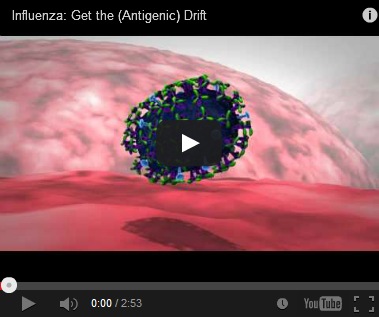
NIAID has a terrific 3-minute video that shows how influenza viruses drift over time, and why the flu shot must be frequently updated, which you can view at this link.


As flu vaccine formulations must be decided upon six months in advance of each flu season, public health agencies like the CDC, ECDC, the World Health Organization, Hong Kong’s CHP  (and others) spend considerable resources on influenza surveillance, looking for signs of any up-and-coming viral strains.


All of which brings us to the ECDC’s latest influenza virus characterization summary, that looks at the ongoing evolution of these seasonal strains over the past 6 months.


Influenza virus characterisation: Summary Europe, December 2012 to May 2013

26 Jun 2013

ECDC

The latest issue of ECDC’s monthly series on 'Influenza virus characterisation’ covers the time period from 1 December 2012 to 31 May 2013, spanning the entire 2012-13 season.


It is prepared by the European Reference Laboratory Network for Human Influenza (ERLI-Net). Until June 2013, ERLI-Net was called the Community Network of Reference Laboratories for Human Influenza in Europe (CNRL).


During the 2012–13 season, A(H1N1)pdm09, A(H3N2) and B/Victoria- and B/Yamagata-lineage influenza viruses have been detected in ECDC-affiliated countries. The relative prevalences varied between countries.

The report summarises the findings as follows:

  • Type A and type B viruses have continued to co-circulate in similar proportions.
  • A(H1N1)pdm09 viruses have been detected at comparable levels to A(H3N2) viruses.
  • A(H1N1)pdm09 viruses continued to show genetic drift from the vaccine virus, A/California/07/2009, but the vast majority remained antigenically similar to it.
  • The vast majority of A(H3N2) viruses have been antigenically and genetically similar to cell-propagated A/Victoria/361/2011, the prototype vaccine virus for the 2012–13 influenza season.
  • Viruses of the B/Yamagata lineage predominated over those of the B/Victoria lineage.
  • B/Victoria lineage viruses were antigenically similar to cell-propagated reference viruses of the B/Brisbane/60/2008 genetic clade.
  • Recent B/Yamagata-lineage viruses fell into two antigenically distinguishable genetic clades: clade 2, represented by B/Estonia/55669/2012, and clade 3, represented by B/Wisconsin/1/2010 (the recommended vaccine component for the 2012–13 influenza season).

For further details, download the complete report 'Influenza virus characterisation - Summary Europe, May 2013'.


Last February the World Health Organization met with influenza expert from around the globe to decide on this fall’s flu vaccine composition.  Their decision:


Recommended composition of influenza virus vaccines for use in the 2013-14 northern hemisphere influenza season

21 February 2013

It is recommended that trivalent vaccines for use in the 2013-14 influenza season (northern hemisphere winter) contain the following:

  • an A/California/7/2009 (H1N1)pdm09-like virusa;
  • an A(H3N2) virus antigenically like the cell-propagated prototype virus A/Victoria/361/2011b*;
  • a B/Massachusetts/2/2012-like virus.

It is recommended that quadrivalent vaccines containing two influenza B viruses contain the above three viruses and a B/Brisbane/60/2008-like virusc.


a A/Christchurch/16/2010 is an A/California/7/2009-like virus;
b A/Texas/50/2012 is an A(H3N2) virus antigenically like the cell-propagated prototype virus A/Victoria/361/2011;
c B/Brisbane/33/2008 is a B/Brisbane/60/2008-like virus.


* It is recommended that A/Texas/50/2012 is used as the A(H3N2) vaccine component because of antigenic changes in earlier A/Victoria/361/2011-like vaccine viruses (such as IVR-165) resulting from adaptation to propagation in eggs.


It is always difficult – six months in advance – to predict which flu strains are likely to predominate in the upcoming flu season. Some years the vaccine is a good match, other years, not so much.


The good news is that despite the inevitable evolution of the flu strains in circulation, so far, the vast majority of those tested by the ECDC are described as being antigenically similar to the components of this year’s flu vaccine.