Wednesday, April 30, 2025

EU Commission Paves Way For More H5N1 Vaccine Purchases


Credit ACIP/CDC

#18,460

Not quite 11 months ago the EU Commission secured access for Member States to purchase 665,000 doses of zoonotic influenza vaccines to prevent avian flu, with the first shipment to go to Finland which had recently experienced a prolonged H5 outbreak in fur farms (see Finland: MOH Announcement On Avian Flu Vaccine Availability For People At High Risk).

This initial order was enough to vaccinate 330,000 people, and the full order enough for 20 million. But the EU would need something in excess of 1 billion doses to cover their entire population.

While there is genuine concern that existing vaccines may be less effective against an emerging pandemic strain, we've seen a number of nations secure relatively small quantities of H5 vaccines over the past 12 months, including:

This week the EU Commission has announced another procurement contract, with will substantially increase the number of pre-pandemic vaccine doses which can be ordered by member countries. 

Press release Apr 28, 2025 Brussels 

Commission offers 17 countries the possibility to purchase over 27 million influenza vaccine doses

The European Union is strengthening its preparedness for a potential flu pandemic. A new joint procurement contract, signed by the European Commission, through the Health Emergency Preparedness and Response Authority, offers 17 countries the possibility to purchase up to 27,403,200 pandemic influenza vaccine doses.

The agreement, concluded with pharmaceutical company Seqirus UK Ltd., secures supplies of Foclivia, a vaccine to protect against flu when a pandemic has been officially declared by the World Health Organization or the European Union. A flu pandemic occurs when a new type (strain) of flu virus can spread easily from person to person because people have no immunity against it. While it is difficult to predict an influenza pandemic, today's joint procurement framework contract is part of the Commission's wider work on strengthening EU-level preparedness and response to protect the health of citizens.

This joint procurement builds on a previous agreement signed with CSL Seqirus in 2019 and an agreement signed with GSK in 2022 under which participating countries can purchase vaccine doses in the event of an influenza pandemic.

The framework contract is concluded for a period of 48 months. It can be further renewed two times for 12 months each.

(Continue . . . )


While these pre-pandemic purchases of vaccines may allow for a small number of high-risk individuals to receive an early jab - the creation, manufacturing, and deployment of a a strain-specific vaccine will likely take many months - meaning most will have to wait 6 to 12 months for a vaccine. 

Unpopular as they might be, NPIs (non-pharmaceutical interventions like masks, social distancing, etc.) will once again become our first line of defense.

For more on pandemic vaccinations strategies and considerations, you may wish to revisit:

NPJ Vaccines: Modeling the Impact of Early Vaccination in an Influenza Pandemic in the United States

Preprint: Immune History Shapes Human Antibody Responses to H5N1 Influenza viruses

Referral: SCI AM - A Bird Flu Vaccine Might Come Too Late to Save Us from H5N1

Cell: Macrophages Direct Location-Dependent Recall of B cell Memory to Vaccination


#18,459


Despite the daunting title, and its highly detailed and formidable narrative, the question posed by a study published this week in Cell is fairly simple; is there an advantage to getting both the prime and booster pandemic vaccine in the same arm?

Previous studies have suggested that it probably doesn't matter, or even that alternating arms produces a superior immune response (see JCI Contralateral second dose improves antibody responses to a 2-dose mRNA vaccination regimen). 

While this JCI study published in the spring of 2024 (see Switching arms improves effectiveness of two-dose vaccinations, OHSU study suggestsseemed to have answered the question, since then new research has emerged suggesting just the opposite. 

Note: Methods, materials, and endpoints can differ widely between studies, making it possible for two or more valid studies to come to different conclusions.  The devil is always in the details. 

First, a study published last March in the Journal of Immunology:

Modulation of germinal center and antibody dynamics via ipsilateral versus contralateral immunization against SARS-CoV-2
Lauren Burmas , Wen Shi Lee , Andrew Kelly , Rosela Webster , Robyn Esterbauer , Stephen J Kent , Adam K Wheatley , Jennifer A Juno , Hyon-Xhi Tan
The Journal of Immunology, Volume 214, Issue 3, March 2025, Pages 335–346, https://doi.org/10.1093/jimmun/vkae067  Published: 09 March 2025
From the press release:
Multi-dose vaccines administered in the same site boost immune response 

New research suggests that receiving multiple doses of a vaccine in the same limb leads to faster antibody development, an important strategy for providing immunity as quickly as possible during a pandemic or disease outbreak.
The study, published in The Journal of Immunology, found that mice that received both doses of the COVID-19 vaccine in the same limb (ipsilateral) had a faster initial antibody response in the weeks after vaccination compared to those whose vaccines were administered in different limbs (contralateral). In the long term, both vaccination approaches resulted in similar antibody development or immunity levels.

Granted, laboratory animal studies have limitations ( it's been commonly said that `Mice lie and monkeys exaggerate'), but these human proxies are often the only ethical or practical choice for biomedical research

Today, however, we have a new study that utilizes both lab-animal and human results, which points towards ipsilateral vaccination as producing a superior B cell memory response. While both methods  achieve similar long-term immunity, getting both vaccines in the same arm led to a more rapid immune response.

Macrophages direct location-dependent recall of B cell memory to vaccination

Rama Dhenni1,2,12 ∙ Alexandra Carey HoppĂ©3,12 ∙ Arnold Reynaldi4 ∙ … ∙ Vanessa Venturi3,13 vventuri@kirby.unsw.edu.au ∙ C. Mee Ling Munier3,13 cmunier@kirby.unsw.edu.au ∙ Tri Giang Phan1,2,13,14 t.phan@garvan.org.au  
Received September 19, 2023; Revised August 31, 2024; Accepted April 2, 2025; Published online April 28, 2025
DOI: 10.1016/j.cell.2025.04.005 External Link
Copyright: © 2025 The Author(s). Published by Elsevier Inc.

Highlights

• Memory B cells in the draining lymph node (dLN) re-enter germinal centers when boosted

• Recirculating Bmems in the non-dLN tend to differentiate into plasma cells when boosted

• Primed subcapsular sinus macrophages in the dLN promote resident Bmem GC re-entry

Vaccine boosting in the same arm promotes GC re-entry and rapid secretion of antibodies

Summary

Vaccines generate long-lived plasma cells and memory B cells (Bmems) that may re-enter secondary germinal centers (GCs) to further mutate their B cell receptor upon boosting and re-exposure to antigen. 

We show in mouse models that lymph nodes draining the site of primary vaccination harbor a subset of Bmems that reside in the subcapsular niche, generate larger recall responses, and are more likely to re-enter GCs compared with circulating Bmems in non-draining lymph nodes. This location-dependent recall of Bmems into the GC in the draining lymph node was dependent on CD169+ subcapsular sinus macrophages (SSMs) in the subcapsular niche.

In human participants, boosting of the BNT162b2 vaccine in the same arm generated more rapid secretion of broadly neutralizing antibodies, GC participation, and clonal expansion of SARS-CoV-2-specific B cells than boosting of the opposite arm. These data reveal an unappreciated role for primed draining lymph node SSMs in Bmem cell fate determination.

          (Continue . . . )

This is, as previously noted, and extremely detailed and highly technical report - which while undoubtably a delight for virologists - may be a bit much for many to wade through.  In its stead we have the following  press release from the Garvan Institute for Medical Research in NSW, Australia.

 28 Apr 2025

Left or right arm? New research reveals why vaccination site matters for immune response

Scientists have uncovered why vaccines can elicit a stronger immune response if they are administered in the same arm.

Dr Rama Dhenni and Professor Tri PhanDr Rama Dhenni and Professor Tri Phan

Sydney scientists have revealed why receiving a booster vaccine in the same arm as your first dose can generate a more effective immune response more quickly. The study, led by the Garvan Institute of Medical Research and the Kirby Institute at UNSW Sydney and published in the journal Cell, offers new insight that could help improve future vaccination strategies.

The researchers found that when a vaccine is administered, specialised immune cells called macrophages became ‘primed’ inside lymph nodes. These macrophages then direct the positioning of memory B cells to more effectively respond to the booster when given in the same arm.

The findings, made in mice and validated in human participants, provide evidence to refine vaccination approaches and offer a promising new approach for enhancing vaccine effectiveness.

“This is a fundamental discovery in how the immune system organises itself to respond better to external threats – nature has come up with this brilliant system and we're just now beginning to understand it,” says Professor Tri Phan, Director of the Precision Immunology Program at Garvan and co-senior author.

Scientia Professor Anthony Kelleher, Director of the Kirby Institute and co-senior author says: “A unique and elegant aspect of this study is the team’s ability to understand the rapid generation of effective vaccine responses. We did this by dissecting the complex biology in mice and then showed similar findings in humans. All this was done at the site of the generation of the vaccine response, the lymph node.”

(Continue . .  )

While this may not be the last word on the topic, during the opening months of a pandemic - when vaccines may be both scarce and potentially less effective - any advantage is probably worth pursuing.

This study reminds us that our understanding of the human immune system continues to evolve, and that it is far more complex than we know.

Tuesday, April 29, 2025

Instead of Cursing The Darkness


https://www.hsdl.org/?view&did=819354

#18,458

Yesterday's 18-hour blackout across most of Spain, Portugal, and parts of France - which follows a nearly 48-hour grid down event in Puerto Rico two weeks ago - is a reminder how easily our world can be turned upside down by an infrastructure failure, natural disaster, or malicious attack. 

Six months ago 3.2 million Floridians were without power - many for days - following our second hurricane (first Helene, then Milton) in just two weeks. Helene spread similar damage and disruption well into Georgia and the Carolina's in late September.

Every four years the ASCE (American Society of Civil Engineers) releases a report card on America’s infrastructure, and their most recent report (2025) warns that our cumulative GPA for infrastructure sits at only a C, and one of our most vulnerable infrastructures is the electrical grid (D+). 


In December of 2018, in NIAC: Surviving A Catastrophic Power Outage, we looked at a NIAC (National Infrastructure Advisory Council) 94-page report that examined the United State's current ability to respond to and recover from a widespread catastrophic power outage. 

What is a catastrophic power outage?
• Events beyond modern experience that exhaust or exceed mutual aid capabilities
• Likely to be no-notice or limited-notice events that could be complicated by a cyber-physical attack
• Long duration, lasting several weeks to months due to physical infrastructure damage
• Affects a broad geographic area, covering multiple states or regions and affecting tens of millions of people
• Causes severe cascading impacts that force critical sectors—drinking water and wastewater systemscommunications, transportationhealthcare, and financial services—to operate in a degraded state
 (Excerpt From Dec 2018 NIAC Report)
Four years ago, in DHS: NIAC Cyber Threat Report - August 2017, we looked at a 45-page report addressing urgent cyber threats to our critical infrastructure that called for `bold, decisive actions'. 
 
As we are entering Solar Maximum, the risk of grid-damaging space weather also increases. According to NASA, we actually came very close to seeing it happen in 2012 (see NASA: The Solar Super Storm Of 2012). 

 We've a report and a 4 minute video from NASA explaining earth's close call, then I'll return with more.
Near Miss: The Solar Superstorm of July 2012

July 23, 2014: If an asteroid big enough to knock modern civilization back to the 18th century appeared out of deep space and buzzed the Earth-Moon system, the near-miss would be instant worldwide headline news.

Two years ago, Earth experienced a close shave just as perilous, but most newspapers didn't mention it. The "impactor" was an extreme solar storm, the most powerful in as much as 150+ years.

"If it had hit, we would still be picking up the pieces," says Daniel Baker of the University of Colorado.  
(Snip)
A ScienceCast video recounts the near-miss of a solar superstorm in July 2012. 
Play it
(Continue . . . )

Regardless of how it happens (natural or deliberate), or the scale (local, regional, national), our fragile power grid is the Achilles heel of our nation, and our economy.   

Living in hurricane country, I've been through these prolonged blackouts more times than I care to mention, and over the  have built - and shared on this blog - some of my preparedness solutions. 

My primary goal is to have power for lights, radio, phone charging, and fans.  Trying to run appliances, HVAC, or other high-draw devices is simply beyond my budget (but if you have enough money . . . . it can be done ).

 For those on a budget, there are two easy ways to go.  1) Prebuilt off-the-shelf USB powered devices (radios, lights, fans, etc.) along with one (or more) solar panels or  2) a do-it-yourself 12 volt system with a larger solar panel. 


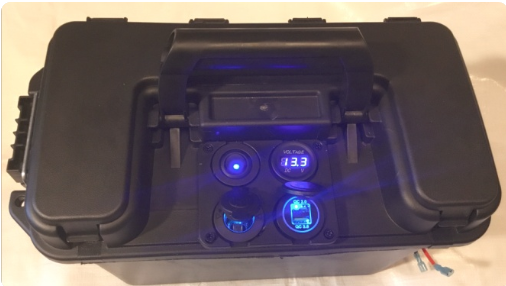
I described building a rudimentary LiFePo4 power station  (see picture below), which packs a whopping 600 Watt/hour capacity.  LiFePo4 batteries are lighter than lead/acid, are far less dangerous, and can be charged and discharged (fully) thousands of times. 

My system featured dual 12V Car Cigarette Lighter Sockets (for CPAP, or Inverter), 2 USB outlets, and I added a small 110v inverter.
Although pre-built power stations (e.g. Jackery, EcoFlow, Bluetti, etc.) are an option, they can be pricey, and if one breaks, you don't have many options beyond sending it back for repair.  If you built it, and have a few spare parts, you should be able to repair it yourself. 

After my last hurricane I endeavored to improve my 12-volt battery bank (see Post-Milton Improvements To My Power Preps)


Weighing in at less than 15 lbs, this 50 amp/hr (600 watt/hour) setup is self contained, with storage for cables, a wall charger, and a small 110v inverter. All you need to add is a solar panel (100 watt or better).

The plastic carrying case was $12 at Harbor Freight, the 50 amp/hr battery was $109 on Amazon, and the rest of the build (solar charge controller, cables, lighted output panel, inverter) added about $60

All in, including taxes, this can be assembled in a couple of hours for less than $200.  I built a second, lighter weight and smaller version using a 20 amp/hr LiFePo4 battery (240 watt/hours) for less than $140. Something to keep on the bedside table.

While these projects won't make life `normal' during a prolonged grid-down situation, a little bit of power beats no power at all.   

And as always, the advantage during any emergency goes to those who prepare in advance.

The Lancet Regional Health - Americas: Enhancing the Response to Avian Influenza in the US and Globally


#18,457

While no one can say with certainty what HPAI H5Nx will do next, its current trajectory - and recent successes in infecting new mammalian species - has many experts and long-time flu watchers more than a little concerned.  

HPAI H5 is now credited with sparking the largest epizootic on record, has spread globally to nearly every corner of the globe, and continues to show signs of mammalian adaptation. 

 A few (of hundreds) of recent studies include:

Nature Reviews: The Threat of Avian Influenza H5N1 Looms Over Global Biodiversity

Travel Med. & Inf. Dis.: Pacific and Atlantic Sea Lion Mortality Caused by HPAI A(H5N1) in South America

EID Journal: Recent Changes in Patterns of Mammal Infection with Highly Pathogenic Avian Influenza A(H5N1) Virus Worldwide
Recently, we've also seen signs of growing antiviral resistance in some H5 viruses (see Emerg. Microbes & Inf: Oseltamivir Resistant H5N1 (Genotype D1.1) found On 8 Canadian Poultry Farms) and as Maggie Fox explained last year in SCI AM - A Bird Flu Vaccine Might Come Too Late to Save Us from H5N1, our pharmaceutical options during the opening months of any pandemic will be limited.

While none of this guarantees that HPAI H5 will spark the next pandemic, it is certainly at the top of our list of contenders. And while many recent cases have been mild, its history suggests it is capable of producing severe and fatal infections. 

But the response of governments (both here in the U.S., and around the globe) has been largely to dismiss the threat as `low', and to treat H5 as more of an agricultural or economic concern than a public health threat. 

Last month, in Nature: Lengthy Delays in H5N1 Genome Submissions to GISAID, we learned that the average delay for submitting non-human sequences was 7 months, and that Canada came in last at 20 months.

We continue to see diplomatically worded pleas to countries to share data (see WHO Guidance: Surveillance for Human Infections with Avian Influenza A(‎H5)‎ Viruses), but our visibility of the global spread of the virus grows increasingly dim (see Flying Blind In The Viral Storm).

Yesterday The Lancet Regional Health - Americas published a viewpoint article penned by some of the most recognizable names in virology - all members of the Global Virus Network (GVN) - which outlines the growing threat, and calls for urgent, proactive measures to prevent widespread outbreaks

This group makes specific recommendations in 10 areas.

  1. Enhanced Surveillance 
  2. Faster Genomic Data Sharing
  3. Improved Farm Biosecurity
  4. Preparedness Plans for the Roll-Out of Tests
  5. Strengthening Public Health Infrastructure
  6. Investment in Phenotype Prediction from Genetic Data
  7. Investment in Rapid Vaccine Development
  8. Preparedness Plan for the Roll-Out of Vaccines and Therapeutics
  9. Preparedness Plan to Allow for Rapid Clinical Studies
  10. International Collaboration 

First the link and some excerpts from the article (which you'll want to read in its entirety), followed by link and excerpts from the GVN press release.  I'll have a bit more after the break. 

Enhancing the response to avian influenza in the US and globally

Maggie L. Bartlett a b, Peter Palese c a, Meghan F. Davis b a, Sten H. Vermund a d, Christian Bréchot a d, Jared D. Evans e a, Lauren M. Sauer e a, Albert Osterhaus f a, Andrew Pekosz b a, Martha Nelson g a, Elyse Stachler h a, Florian Krammer i a, Gage Moreno h a, Gene Olinger j a, Marion Koopmans k a


Summary

The recent emergence of highly pathogenic H5N1 avian influenza virus infections in dairy cows and humans in the U.S. has raised alarms regarding the potential for a pandemic. Over 995 dairy cow herds and at least 70 humans have been affected, including cases of severe disease and the first reported H5N1-related death in the U.S. Sporadic human infections with no known contact with infected animals highlight the possibility of viral adaptation for efficient human-to-human transmission. Concurrently, the virus continues to circulate in wild birds, backyard flocks, and hunted migratory species, further amplifying the risk to humans and domestic animals. 
This article provides an overview of the current outbreak status, emphasizes the importance of robust surveillance systems to detect emerging strains with pandemic potential, and highlights risks to the U.S. dairy and poultry industries. Recommendations for risk mitigation include enhanced biosecurity measures, improved surveillance, decentralized testing, and targeted public health messaging.
The Global Virus Network calls for urgent, proactive measures to prevent widespread outbreaks, leveraging lessons learned from prior pandemics. These measures include targeted vaccination, improved communication strategies to combat vaccine hesitancy, and the incorporation of social sciences to address barriers to public health interventions.

Avian influenza status in early 2025

Recent animal and human infections with highly pathogenic H5N1 avian influenza virus in the US have raised concerns related to an emerging pandemic. From 2024 through April 2025, there have been confirmed cases in 995+ dairy cow herds, 168+ million birds, 1650+ flocks, and at least 70 humans with the epizootic now present in all 50 states and human cases in 13 states and Canada. One mystery is the sporadic H5N1 infections that have occurred in humans with no known contact with infected animals, some of which resulted in severe disease; the first confirmed death in the US is an individual who likely contracted infection from wild birds that died on his property.1 

While the H5N1 outbreak in dairy cows and associated farm workers has not resulted in sustained human-to-human transmission, the possibility of virus adaptation and widespread infections requires proactive and vigilant measures. Particularly given the continued presence of H5N1 in avian species. The recent CDC bird flu report highlights increased evidence of transmission to people underscoring the necessity of stronger surveillance approaches.2

The Global Virus Network (GVN) is an international coalition of virologists helping the international community improve the prevention, detection, and management of viral diseases. We recognize the threat that the H5N1 subtype of influenza A virus poses once efficient human-to-human transmission starts.

Here, we outline the status, information for the public and federal partners, risks, and mitigation opportunities to address the ongoing US epizootic, however, the information and recommendations are applicable globally.

Is the virus mutating?

Current sequence data from circulating highly pathogenic H5N1 avian influenza viruses indicate ongoing mutations and reassortment/mixing of genomic segments.3,4 The massive viral circulation has led to infection of an increasing range of mammals including suspected mammal-to-mammal transmission for minks, sea lions, and cows.5 In mammals, these viruses may acquire mutations that increase their ability to transmit and replicate efficiently in mammals, eventually including humans; however, this has yet to be demonstrated.3,6 Co-circulation of H5N1 viruses with swine or human seasonal influenza viruses, especially during the Northern hemisphere winter season, could lead to reassortant viruses that can efficiently spread in humans. The Pandemic Emergence Score is given by the CDC Influenza Risk Assessment Tool to estimate the risk of a pandemic. The CDC currently considers the virus to have a moderate future pandemic risk when compared to other Influenza A viruses.

What is the situation now? How worried should the public be?
Until recently, human H5N1 infections globally were primarily the result of bird-to-human transmission, typically arising from direct or indirect contact with infected poultry or contaminated environments. These sporadic human infections increase the opportunities for a virus with sustained ability of human-to-human transmission. To understand risk, it’s vital that affected industry workers are kept appraised of health department and CDC advice. The proportion of undiagnosed human infections is unknown at present, and serosurveillance and respiratory surveillance of the population at greatest risk of exposure can enhance our understanding of risk to human health and to detect spillovers quickly. This requires heightened communication efforts to ensure the public is well informed. Measures like personal protective equipment (PPE) for those at risk and biosecurity in poultry farms generally are effective in preventing spread.7,8

         (Continue . . . ) 

The link and a snippet from the GVN press release follows:


Top global virologists publish a comprehensive analysis and advocate for a multi-government initiative in the Lancet Regional Health—Americas

Tampa, FL, USA, April 28, 2025: Today, the Global Virus Network (GVN), representing eminent human and animal virologists from 80+ Centers of Excellence and Affiliates in 40+ countries, published a comprehensive analysis and call-to-action in The Lancet Regional Health—Americas on the North American avian influenza virus, or H5N1, outbreak. The GVN calls on world governments to address the threat of H5N1 avian influenza by enhancing surveillance, implementing biosecurity measures, and preparing for potential human-to-human transmission.

"Understanding the current landscape of H5N1 infections is critical for effective prevention and response," said Sten H. Vermund, MD, PhD, chief medical officer of the GVN and dean of the USF Health College of Public Health at the University of South Florida, USA. "The virus’ ability to infect both animals and humans, combined with recent genetic changes, underscores the importance of proactive surveillance and rapid response measures."


While I agree with the sentiments of this viewpoint, the $64 question is; is anybody listening?

A week ago, we looked at Two Surveys (UK & U.S.) Illustrating The Public's Lack of Concern Over Avian Flu, and on social media conspiracy theories abound about a `manufactured' pandemic. 

Vaccine uptake is down for both COVID and Influenza, (along with Measles and other easily preventable diseases), while we continue to see new records set in the number of pediatric flu deaths each year.


Despite the known dangers of COVID reinfection (see CIDRAP COVID-19 reinfection ups risk of long COVID, new data show), post-pandemic mask wearing is almost non-existent outside of Asia (see Preprint - Continuing to be Cautious: Japanese Contact Patterns during the COVID-19 Pandemic).

While our global `don't test, don't tell' strategy may be politically or economically expedient in the short run - and the public may be comforted by this lack of information - we risk sleepwalking our way into the next pandemic

Just like we did (see The Most Predicted Global Crisis of the 21st Century) with COVID in 2019. 

Monday, April 28, 2025

Austral Ecology: Impacts of a Potential HPAI H5N1 Incursion on Australian Wildlife

 
Credit FAO

#18,456

Although Australia and New Zealand have both experienced outbreaks of homegrown HPAI viruses (see here and here), the HPAI H5Nx virus currently on its world tour has yet to reach Oceania.  

A year ago, however, Australia did see its first imported human case (see EID Journal: Influenza A(H5N1) Virus Clade 2.3.2.1a in Traveler Returning to Australia from India, 2024).

Remarkably, even though H5N1 emerged in Southeast Asia more than 25 years ago, and has been widely reported across much of the Indonesian archipelago for decades, the virus has never managed to get a foothold in Oceania.

It has long been believed that that this good fortune is due in part to the Wallace and Weber lines - imaginary dividing lines used to mark the difference between animal species found in Australia and Papua New Guinea and the rest of Southeast Asia. 


While separated by a relatively narrow strait, on the western side you'll find Elephants, monkeys, leopards, tigers, and water buffalo while on the eastern side, you'll mostly find marsupials (kangaroos, Koalas, wombats, etc.).

These stark faunal differences also extend to birds, reptiles, and even insects.

Previous studies have suggested very few migratory birds appear to cross the Wallace line (see The Australo-Papuan bird migration system: another consequence of Wallace's Line).  

Last fall, however, in Virus Evol. : Contrasting Dynamics of Two Incursions of Low Pathogenicity Avian Influenza Virus into Australia, we saw evidence of recent incursions of both Eurasian and North American LPAI viruses into Australian birds.

Add in the fact that HPAI H5 has now been reported in the Antarctic region, there are growing concerns that Oceania's luck with H5 may be on borrowed time (see Australia : Biodiversity Council Webinar on HPAI H5 Avian Flu Threat).

All of which brings us to a brief open access report - published late last week in Austral Ecology - which warns that `Avian influenza HPAI H5N1 is catastrophic and will likely have negative consequences for Australian wildlife.'

I've reproduced the link, and a brief excerpt below. Follow the link to read it in its entirety.

Impacts of a Potential HPAI H5N1 Incursion on Australian Wildlife

Sara Ryding, Tobias A. Ross, Marcel Klaassen, Michelle Wille
First published: 25 April 2025
https://doi.org/10.1111/aec.70048

Sections
PDF

ABSTRACT

Avian influenza HPAI H5N1 is catastrophic and will likely have negative consequences for Australian wildlife.

Summary
  • HPAI H5N1 has thus far affected more than 400 wild bird species and 40 mammal species globally since 2021, marking it an animal disease of unprecedented magnitude.
  • The virus has not yet arrived in Oceania, but there is a substantial risk it will do so via migratory sea- and/or shorebirds.
  • In addition to wild birds, sustained transmission means HPAI H5N1 has also severely impacted marine mammals, suggesting a risk of wide harm to Australia's fauna.
  • Efforts to mitigate impacts on Australia's fauna include enhanced surveillance of wild populations, protecting habitat to increase species' resilience and the establishment of rapid response plans to manage outbreaks. 


         (Continue . . . )


Aside from the obvious damage that HPAI H5 could do to the fauna of Oceania, the H5 virus would also be introduced to an array of LPAI viruses - and a number of animal hosts - it had never encountered before.  

While there is no way of knowing what might come from that, the last thing we need is for this highly mutable virus to have more evolutionary options going forward. 

Stay tuned. 

ECDC: Measles - Annual Epidemiological Report for 2024


#18,455

According to WHO estimates - globally there were 10.3 million cases of measles in 2023, with 107,500 related deaths -  mostly in children younger than 5 years of age.  
They cited ` Inadequate immunization coverage' as driving the surge in cases, noting that only 83% of children had received their first dose of measles vaccine, while just 74% received the recommended second dose.
A year ago, the ECDC reported:
In 2023, 2 361 cases of measles were reported by 30 EU/EEA Member States. The overall notification rate was 5.2 cases per 1 000 000 population, which was significantly higher than the notification rate observed the last three years (2022:0.3, 2021:0.1, and 2020:4.3). Despite the rise, the 2023 rate remains lower than the pre-pandemic

Today the ECDC has released their surveillance report for 2024, and it shows a 10-fold increase in measles cases (and 23 deaths).  

In 2024, a total of 35 212 measles cases were reported across the EU/EEA, marking a notable increase (ten-fold), from the 3 973 cases reported in 2023; in addition, cases reported followed a seasonal pattern, after a period (2021-23) in which the typical pattern was not evident. Measles activity had already begun to increase in 2023 after a period of unusually low activity during 2020–2022, coinciding with the COVID-19 pandemic.

While you'll want to download and read the full 13-page report ( Measles - Annual Epidemiological Report for 2024 - EN - [PDF-1.15 MB]), I reproduced the Key Points and conclusion.  I'll have a bit more after the break.

Key facts

• In 2024, a total of 35 212 measles cases were reported across the EU/EEA, marking a notable increase (ten-fold), from the 3 973 cases reported in 2023; in addition, cases reported followed a 
seasonal pattern, after a period (2021-23) in which the typical pattern was not evident. Measles activity had already begun to increase in 2023 after a period of unusually low activity during 2020–2022, coinciding with the COVID-19 pandemic.

• The overall notification rate in 2024 was 77.4 cases per 1 000 000 population, which was substantially higher compared to 9.1 in 2023, and notably exceeding pre-pandemic levels observed in 2019 (27.2 cases per 1 000 000). Romania reported the highest notification rate at 1 610.7 cases per 1 000 000 population, accounting for approximately 87% (30 692) of all EU/EEA cases, followed by Austria (59.5), Belgium (44.9) and Ireland (39.6) per 1,000,000 population.

• In 2024, measles cases were reported among all age groups, and infants under one year of age were the most affected group, with a notification rate of 1 175.4 cases per 1 000 000 population, followed by children aged 1–4 years (688.7 cases per 1 000 000). Individuals above the age of 14 years represented 26% of the overall reported cases; some countries reported the majority of cases (range:28-53%) in individuals above 30 years of age. A total of 14 of the 23 measles deaths reported in 2024 (22 of which from Romania), were observed in children below five years of age.

• Of the cases with known vaccination status in 2024, 87% (27 692) were unvaccinated, and a total of  90% of children between the ages of one and four years were unvaccinated. Children in this age group are those who are targeted for the first dose of measles vaccination in EU/EEA countries, and sometimes the second dose.

• The observed vaccine coverage estimates indicate that in many countries, routine childhood vaccination against measles remains below the recommended level to achieve and sustain measles elimination, with average weighted vaccination coverage for the first dose of measles containing vaccine (MCV1) in the EU/EEA declining slightly in 2024 (93.9%) compared to 2023 (94.2%). Only four countries in the EU/EEA reached the ≥95% threshold for the second dose of measles-containing vaccine in 2024. In two countries there was a positive upward trend of 3% or above (range up to 7%) when comparing the estimates from 2020 to 2023 for the first dose, as well as an upward trend in four countries for the second dose. A downward trend of 3% or more was observed in eight countries, for both the first and the second dose.

• Accelerated efforts are needed to increase vaccination coverage and uptake of both routine childhood immunisation and catch-up campaigns in adolescents and adults who have missed vaccination in the past. To this end, the deployment of upgraded digitalised immunisation information systems to identify and reach the unvaccinated is critical and should form an integral part of national efforts to improve the performance and management of the overall national immunisation programmes. Continuous high quality surveillance and prompt outbreak investigations are also key tools to closely monitor measles
 

Conclusion

In 2024, the EU/EEA region recorded the highest number of measles cases observed in the past two decades, significantly exceeding pre-pandemic levels. This sharp increase underscores persistent immunity gaps and vulnerabilities within the population, exacerbated by suboptimal measles vaccination coverage. Although the impact of the COVID-19 pandemic on immunisation programmes varied by country — with some experiencing declines and others maintaining or slightly improving coverage — most EU/EEA countries have yet to achieve or sustain the ≥95% vaccination coverage target with two doses of measles-containing vaccine.
Enhanced epidemiological surveillance, prompt outbreak investigation, and control measures remain critical for interrupting transmission and achieving regional elimination targets. Urgent action to address existing immunity gaps through targeted catch-up vaccination campaigns, particularly among populations disproportionately impacted by pandemic disruptions are essential. Strengthened public health communication and accelerated efforts to enhance vaccine acceptance remain crucial for restoring high immunisation coverage and preventing future measles outbreaks in the EU/EEA.
In 2019, just prior to the COVID lockdown, the United States reported the most measles cases (1274) in 25 years, raising concerns that this scourge - considered eliminated in the U.S. since 2000 - was making a comeback.

While measles cases plummeted during the pandemic, last year the U.S. reported a modest 285 cases (and zero deaths). But already in 2025 we've seen nearly 900 cases and 3 deaths. 

Between waning vaccination uptake and rampant misinformation on the internet, measles (and other childhood diseases) are making a comeback. The chart below (source: CDC) shows the remarkable effectiveness of the vaccination campaign which was started in 1963.

Too many parents today think of measles as a relatively benign childhood illness, but it can actually produce significant morbidity and mortality with respiratory, ocular, and neurological complications - sometimes resulting in death.

While I've touched briefly on the topic of of acquired immune amnesia, from measles infection (see here, here, and here), two weeks ago Dr. Ian M. MacKay - author of the Virology Down Under Blog - produced an in-depth explainer on both measles, and this adverse immunological impact from MeV infection. 


Highly Recommended.

Sunday, April 27, 2025

J. Gen. Virology: Emergence, Migration & Spreading of the HPAI Virus H5NX of the Gs/Gd Lineage into America


H5N1's Early Impacts  Credit WHO

#18,454

Nearly 30 years ago H5 A/Goose/Guangdong/1/1996 (gs/GD) lineage emerged in South East China, causing up to 40% mortality in farmed geese. It was originally subtyped as H5N4, but retyped as H5N1 in 1997 (cite).  

Roughly a year later Hong Kong reported outbreaks in poultry, and in May of 1997 the 1st human infection was reported (see Influenza A (H5N1) in Hong Kong: an overview).  In November and December, 17 more cases were detected (6 fatal), raising international alarm and sparking the eradication of Hong Kong's poultry. 

While HPAI H5 viruses were occasionally reported in Chinese wild birds, the HPAI H5N1 virus went to ground for nearly 6 years, resurfacing again in 2003 in Hong Kong in 2 residents who had recently visited Fujian Province. Notably, other family members reportedly died, but were never tested (see WHO Announcement).

For the next two years HPAI H5N1 remained primarily a South East Asia concern, with outbreaks in poultry, and spillovers into humans and captive big cats (often fed raw poultry), spreading from China into Vietnam, Thailand, Cambodia and Indonesia. 

But the virus continued to mutate, spawning new clades and genotypes. Some were more biologically `fit' than others, but each served as a stepping stone in the virus's evolution. 


In the spring of 2005, pictures of a massive die off of migratory birds at Qinghai Lake, Tibet went viral (see H5N1 Influenza Continues To Circulate and Change 2006 by Webster et. al.).  A new clade (2.2) had emerged, which was particularly pathogenic in some species, while other migratory birds were better able to transport it over long distances. 

This sparked the first major diaspora of the virus, with H5N1 turning up in Europe, then the Middle East, and Africa, within a matter of months (see H5N1 Virus Evolution in Europe—An Updated Overview).

That was twenty years ago, and today the descendants of H5 A/Goose/Guangdong/1/1996 (Gs/Gd) are more diverse, more widespread, and more impactful than ever (see Nature Reviews: The Threat of Avian Influenza H5N1 Looms Over Global Biodiversity).

Today we've got a fascinating, and highly detailed review article that traces the evolution and spread of H5Nx from those early years to where we are today, with clade 2.3.4.4b's recent conquest of the Western Hemisphere, and its rapidly expanding host range.  

Those looking for a deep-dive will find this 21-page review is well worth reading in its entirety.  Due to its length, I've only reproduced the link and a brief excerpt below.  I'll have a brief postscript after the break.

Review Article Open Access

Emergence, migration and spreading of the high pathogenicity avian influenza virus H5NX of the Gs/Gd lineage into America Open Access

Alejandro J. Aranda1​, Gabriela Aguilar-TipacamĂş1​,2, Daniel R. Perez3, Bernardo Bañuelos-Hernandez4​, George Girgis5, Xochitl Hernandez-Velasco6​, Socorro M. Escorcia-Martinez6​, Inkar Castellanos-Huerta7 and Victor M. Petrone-Garcia8

Published: 25 April 2025 https://doi.org/10.1099/jgv.0.002081

Conclusion

A wide range of factors promote the environmental permanence of AIV, considering natural reservoirs, as well as seasonal migration patterns intra- and intercontinental, facilitating the introduction and emergence of the virus in various geographical regions. The breeding area in Siberia plays a key role in the spread of the main epidemiological events caused by H5NX viruses descended from the Gs/Gd lineage since not only the main migratory routes from all continents are interconnected, but it also is a region where 200 000–400 000 wildlife birds converge during the breeding season [263].
However, factors like globalization also contributed to the increased activity of the poultry industry, which led to the emergence of HPAIV and the local spread of AIV worldwide. The leap between different species has been an observable phenomenon in Gs/Gd lineage viruses by acquiring mutations involved with pathogenicity, transmissibility and adaptability due to the participation of potential intermediary or bridge hosts that allow the permanence of these mutations.

Based on the eco-epidemiological review of the outbreaks caused by the Gs/Gd virus, it is of interest to evaluate whether the acquisition or permanence of the mutations involved in adaptation to a new host. As well, evaluate the implementation of biological tools such as vaccination to safeguard wildlife populations that are suffering from a never-before-seen imbalance and the potential risk presented for Antarctic and Greenland wildlife which have reported cases of H5NX virus of the Gs/Gd lineage for the first time, as would be the spread of the virus to Oceania through pelagic species, which is increasingly becoming a target continent in the spread of the virus, since in March 2024 the first case of H5N1 clade 2.3.2.1a was reported in a human [264], opening the window of a possible third intercontinental incursion of Gs/Gd lineage viruses, mediated by ecological and human activity factors.

          (Continue . . . ) 


Despite our growing concerns over H5N1, we probably won't know if H5Nx avian influenza is capable of sparking a pandemic until we actually see it happen. While I wouldn't bet good money against it, it is probably fair to call it a long-shot (at least in the near-term).

But H5Nx is only one of scores of avian and swine influenza A viruses in the wild with pandemic potential (see CDC IRAT scores)


All are continually evolving (via antigenic drift and antigenic shift), and many are spilling over into new mammalian species where they may pick up host adaptations. A few (of many) recent examples: 

While individually they may all be long-shots to spark a pandemic (and some would undoubtedly be worse than others) - when you have that many threats rolling the genetic dice - it makes it all but inevitable that one of them will eventually succeed.

We now live in an age (see The Third Epidemiological Transition) where the the number, frequency, and intensity of pandemics are only expected to increase over the next few decades.

BMJ Global: Historical Trends Demonstrate a Pattern of Increasingly Frequent & Severe Zoonotic Spillover Events

PNAS Research: Intensity and Frequency of Extreme Novel Epidemics

Since predicting the next pandemic is a mug's game, our best option is to make sure we are prepared for the next global public health crisis. 

Regardless of the source. 


Saturday, April 26, 2025

New Mexico DOH: First Animal Plague Case of 2025


#18,453

While H5N1 continues to attract the bulk of our attention, there are scores of other zoonotic pathogens in the wild which pose either localized public health threats, or have some degree of epidemic or pandemic potential. 

Nearly 9 months ago, the WHO unveiled a revised 38-page Pathogens Prioritization report that detailed more than 30 PHEIC High Risk disease threats. This is hardly an exhaustive list, and will probably grow over time.

Included were 7 different influenza A subtypes (H1, H3, H3, H5, H6, H7, and H10), 5 bacterial strains that cause cholera, plague, dysentery, diarrhea and pneumonia, several Coronaviruses (including MERS-CoV), along with a number of hemorrhagic viruses.

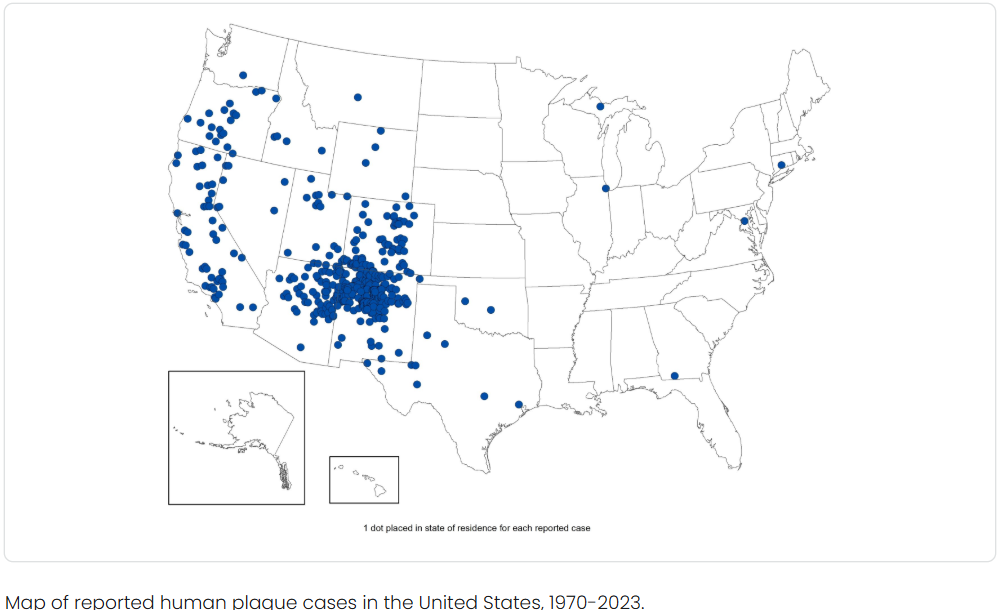
While largely treatable by modern antibiotics, we still see outbreaks of plague (Y. Pestis) around the globe, and rare, sporadic cases here in the United States. According to the CDC, the U.S. reports an average of 7 human plague cases each year, mostly from Western states. 


The most common way to be exposed to plague in the United States is from a family pet, which picks up infected fleas outside the home. In September of 2021, in Wyoming DOH Reports A Rare Case Of Pneumonic Plague, we looked at an unusual report of Pneumonic Plague, contracted by a patient who had close contact with sick pet cats.
 

The last major urban outbreak of plague in the United States occurred in 1924-25 in Los Angeles. Plague can present in three forms: bubonic, septicemic and pneumonic. If untreated, bubonic plague can evolve to a more transmissible pneumonic plague.
  • Bubonic Plague (Yersinia Pestis) - carried by rats, squirrels, and other small rodents, and transmitted by fleas - sets up in the lymphatic system, resulting in the tell-tale buboes, or swollen lymph glands in the the groin, armpits, and neck.
  • Less commonly Pneumonic Plague may develop, when the infected individual develops a severe pneumonia, with coughing and hemoptysis (expectoration of blood), which may spread the disease by droplets from human-to-human.

The advent of effective antibiotics makes plague far less fearsome than it once was, but Madagascar's recent epidemics, and a large 1994 India outbreak that infected more than 5,000 people (see WHO Summary), show that large urban outbreaks are still possible.

Yesterday, the New Mexico DOH reported their first animal plague case of 2025, which - much like the recent spate of Hantavirus reports from NM and California - comes a bit early in the year. 
Both plague and Hantavirus are normally associated with warmer weather, and generally peak in the summer (cite).  As the following chart illustrates, some years are far more active than others, so we'll be watching for more activity on both fronts this summer.  


First the press release, after which I'll have a brief postscript. 

Dog diagnosed with plague in Santa Fe County
April 25, 2025 - Zoonotic Diseases - Disease

SANTA FE – A Santa Fe County dog has been diagnosed with plague – the first animal plague case in the state in 2025.

The New Mexico Department of Health (NMDOH) reports the dog received veterinary care and has recovered.

“Plague is a bacterial disease in wildlife that pets can be exposed to by eating an infected animal or through bites of infected fleas,” said Dr. Erin Phipps, state public health veterinarian. “Humans can also contract it through flea bites but also risk getting plague through direct contact with infected animals, including rodents, wildlife and pets.”

With prompt diagnosis and appropriate antibiotic treatment, chances of death in people and pets are greatly reduced. Physicians or veterinarians who suspect plague should promptly report to the NMDOH Helpline at 1-833-SWNURSE (1-833-796-8773).

Plague symptoms in cats and dogs are fever, lethargy and loss of appetite. There may be swelling in the lymph node under the jaw.

Symptoms of plague in humans include sudden onset of fever, chills, headache, and weakness. In most cases, there is a swollen, painful lymph node in the groin, armpit or neck area.

Prevent plague by: 
  • Not leaving pet food and water where rodents and wildlife can get to it.
  • Putting hay, wood, and compost piles as far as possible from your home.
  • Getting any sick pets examined promptly by a veterinarian.
  • Contacting your medical provider about any unexplained illness involving a sudden and severe fever.
  • Talking to your veterinarian about using an appropriate flea control product on your pets.
  • Preventing pets from roaming and hunting.
  • Cleaning up areas near the home where rodents could live, such as woodpiles, brush piles, junk and abandoned vehicles.
  • Avoiding sick or dead rodents and rabbits, and their nests and burrows.
For more information, including fact sheets in English and Spanish, go to the Department of Health’s website at: https://nmhealth.org/about/erd/ideb/zdp/plg.


I first read James Leasor’s The Plague and The Fire nearly 60 years ago, which recounts two incredible years in London’s history (1665-1666) - which began with the Great plague, and ended with the Fire of London.
image
A highly recommended read (if you can find a copy) for both history buffs and those with an interest in infectious diseases.