Showing posts with label EMRO. Show all posts

Tuesday, May 12, 2015

WHO EMRO: Scientific Meeting Reviews MERS Progress & Knowledge Gaps

image

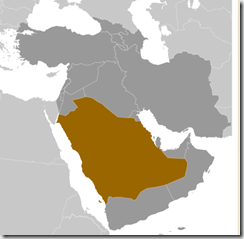
Saudi Arabia


# 10,039


We are rapidly approaching three years since the novel coronavirus now known as MERS-CoV was first discovered in Saudi Arabia, and yet there is still much we don’t know about how the virus is transmitted to, and among, humans. 


A fair number of cases have been linked to hospital spread, and camels have been shown to carry the virus and are presumed to play some part in introduction of the virus to humans, but for most cases the source of infection remains unknown.


The lack of obvious epidemiological links between many cases raises the question of transmission of the virus from mildly symptomatic (or asymptomatic) carriers of the virus.  We know from limited testing of contacts of known cases that some percentage (roughly 20%)  can be infected and show little or no outward signs of illness. 


Whether these people can transmit the virus onward isn’t known, but we’ve seen some hints that it may be a factor (see Study: Possible Transmission From Asymptomatic MERS-CoV Case).


Also unexplained are the heavily skewed demographics of infection (predominately older, and male)  shown in the following graphic from the most recent ECDC Rapid Risk Assessment on MERS.  The minor representation of patients under the age of 20 (which comprise roughly 40% of Egypt’s population) is also a mystery.

image


Normally we’d get answers to these questions from a well mounted case-control study, where epidemiologists would compare laboratory-confirmed cases to a large number of controls, matched for age, sex, and by neighborhood. By examining their respective exposures against their outcomes, patterns of risk are often revealed.


While repeated promises have been made regarding this study (see KSA Announces Start To Long-Awaited MERS Case Control Study), for whatever reason, we’ve yet to see the results.


Today the World Health Organization’s EMRO published the following report on a recent scientific meeting, calling for renewed emphasis on finding the answers to these, and other, questions.


International scientific meeting on MERS-CoV reviews progress and identifies remaining knowledge gaps


Cairo 10 May 2015 – The WHO Regional Office for the Eastern Mediterranean held an international scientific meeting on Middle East Respiratory Syndrome coronavirus (MERS-CoV) in Cairo, Egypt, to discuss and share new scientific evidence and identify remaining gaps in knowledge pertaining to the virus’s origin, reservoir, and transmission mode. The overall goal of the meeting was to improve the global health response based on the new evidences accumulated so far on the risk factors for transmission of this virus. In the two and a half years since emergence of MERS-CoV in 2012, the understanding of the epidemiology of the virus has greatly improved but several important questions remain unanswered.  

Participations of the meeting include experts in human and animal health from Jordan, Oman, Saudi Arabia and United Arab Emirates, in addition to representatives of international health agencies: Centers for Disease Control and Prevention, Atlanta; United States Naval Medical Research Unit 3 (NAMRU-3); Institute of Virology, University of Bonn, Erasmus Medical Centre in Nedtherland; Institute Pasteur, Mount Sinai Hospital, Toronto, Canada; China Faculty of Medicine; Chinese University of Hong Kong, the US Centers for Disease Control and Prevention (US-CDC); Food and Agriculture Organization of the United Nations (FAO); and World Organisation for Animal Health (OIE).

To date, WHO has organized four international scientific meetings on MERS-CoV. The first was held in January 2013, the second in December 2013 and the third in Riyadh, Saudi Arabia, in March 2014, during which the final protocol for the case–control study on MERS-CoV was finalized. “These meetings, including this fourth one, have contributed immensely to improving our understanding of the virus, its evolution and risk factors for transmission, as well as identifying critical information and knowledge gaps that can better guide an effective global public health response,” said WHO’s Regional Director Dr Ala Alwan. “Today, once again, this meeting has underscored the need for the animal health and human health sectors to work together and collaboratively in MERS-CoV’s investigation, surveillance and research. Without the active collaborative support and engagement of both of these two sectors, the virus will continue to threaten public health,” Alwan concluded. 

As a novel virus of zoonotic origin and with its ability to cause severe disease in a number of patients, the virus continues to pose a serious threat to global health security. The participants of the meeting discussed the new scientific knowledge that has been accumulated so far surrounding the origin, reservoir and transmission mode of MERS-CoV in animals and humans. 

The participants confirmed that the epidemiological researches and all current accumulated scientific evidence prove that camels are the source of MERS-CoV.  However, what’s still unknown is how the virus is transmitted from camels to humans. By reviewing the research findings, participants concluded that all hospital outbreaks were caused by poor and inadequate infection control practices and measures in the healthcare environment, and not because of any change in the virus transmission.

As such, the meeting also reviewed the best practices in detecting, preventing and controlling the virus. Additionally, they looked into the most effective means of controlling the outbreak in both community and hospital settings.

Most importantly, they identified many knowledge gaps that need to be addressed to better understand the transmission dynamics of the virus among animals, between animals and humans, and from human to humans. These knowledge gaps include: the risk factors for transmission between camels and humans, the role of mild or asymptomatic cases in the infection transmission, the seasonal trend of the disease, the specific exposures that put the healthcare workers at highest risk illness, the underlying factors that are contributing into the transmissibility of the virus in healthcare settings, and the behaviors that put certain groups of people at higher risk of illness, etc. 

The participants agreed to work together to translate the information that has been generated so far on the virus, into a set of evidence-based recommendations that aims at improving the global preparedness against MERS-CoV.  As of 30 April 2015, WHO has been notified of 1111 laboratory-confirmed cases of infection with MERS-CoV globally, including at least 422 related deaths

Thursday, June 19, 2014

Dengue, Not MERS, In Red Sea State (Sudan)

image

Credit Wikipedia


# 8761


For several weeks there have been reports of a `hemorrhagic’ fever in Sudan, which in turn gave rise to some highly speculative news reports earlier this week (see Sudan: Port Sudan Hit by Unknown Virus, MERS Suspected), despite the fact that little about the reports matched MERS.


Today (h/t Ronan Kelly on FluTrackers) we have a dispatch from the World Health Organization which identifies this `mystery’ virus as Dengue.


Dengue – which was fairly limited 40 years ago – has blossomed into a major public health concern, with 40% of the world’s population (2.5 billion) now at risk of infection. Each year  WHO estimates between 50 and 100 million people will be infected, including 500,000 cases of DHF (Dengue Hemorrhagic Fever), the most severe  form of the illness. 


This from WHO EMRO.


Dengue fever outbreak in Red Sea State, Sudan

18 June 2014 - An outbreak of dengue fever has been reported in Red Sea State, Sudan. As of 17 June 2014, a total of 738 cases with six deaths have been reported.


On 16 and 17 June, 57 new suspected dengue fever cases were reported - 36 cases from Port Sudan locality and 21 cases from Tokar locality.


Sudan’s Federal Ministry of Health, the State Ministry of Health and the World Health Organization (WHO) have been implementing control measures to reduce the risk of sustained transmission, as well as to minimize the impact on the affected population. Several activities have been taking place over the last weeks including strengthening of the surveillance system, vector control activities, improving case management and diagnosis through various training activities.


In addition, a joint action plan has been endorsed including vector control and health promotion activities in all affected localities with support from the Italian Cooperation, WHO, UNICEF, Sudanese Red Crescent Society, as well as community-based organization volunteers.


Dengue fever is transmitted by the bite of an Aedes mosquito infected with any one of the four dengue viruses. Symptoms, which appear from 3-14 days after infection, range from mild fever to incapacitating high fever with severe headache, pain behind the eyes, bleeding manifestations, muscle and joint pains, as well as rash.


The public are advised to take individual protective measures during the day to reduce mosquito bites if travelling to areas with dengue fever outbreak.


Since 2003, the Red Sea state has been hit by dengue fever. The worst outbreak so far was in 2010, with 4008 cases and 12 deaths.

Middle East respiratory syndrome coronavirus (MERS-CoV)

No suspected case of MERS-CoV has been reported from the Red Sea State. The haemorrhagic fever cases reported earlier were diagnosed as dengue fever. However, health authorities are in active search for any suspected MERS-CoV cases by strengthening surveillance in the state general hospital, private clinics and hospitals.

Wednesday, April 23, 2014

WHO EMRO Statement On MERS-CoV

image

Coronavirus – Credit CDC PHIL


# 8518


Via an emailed press statement from the WHO’s Eastern Mediterranean Regional Office, we get the following statement on the MERS outbreak, taking particular note that  roughly 75% of recent cases are attributed to human-to-human transmission, that healthcare facilities are the site of two major clusters, and  the victims are mainly healthcare workers.


Acknowledging that `some critical information gaps remain to better understand the transmission of the virus as well as the route of infection’, the WHO has offered `its assistance to mobilize international expertise to Saudi Arabia and UAE’.


While there have been media reports indicating that Saudi Arabia was `inviting’ international experts in to discuss the MERS situation, there is no mention in this press release as to whether either country has taken the WHO up on this offer. 


For now, I can’t find this press release on the WHO EMRO website.  When it appears, I’ll post a link (posted).


WHO vigilant on new Middle East Respiratory Syndrome developments


Cairo, 23 April, 2014 – The World Health Organization (WHO) is concerned about the rising number of cases of Middle East respiratory syndrome coronavirus (MERS-CoV) in recent weeks, especially in the Kingdom of Saudi Arabia and the United Arab Emirates (UAE) and in particular that two significant outbreaks occurred in health facilities.


“Approximately 75 percent of the recently reported cases are secondary cases, meaning that they are considered to have acquired the infection from another case through human-to-human transmission,” Regional Director of WHO for Eastern Mediterranean Dr. Ala Alwan said. “The majority of these secondary cases have been infected within the healthcare setting and are mainly healthcare workers, although several patients are also considered to have been infected with MERS-CoV while in hospital for other reasons.”


Although the majority of the cases had either no or only minor symptoms, and most do not continue to spread the virus, WHO acknowledges that some critical information gaps remain to better understand the transmission of the virus as well as the route of infection. WHO is unaware at this point in time of the specific types of exposure in the health care facilities that have resulted in transmission of these infections, but this remains a concern.


Therefore, WHO has offered its assistance to mobilize international expertise to Saudi Arabia and UAE to investigate the current outbreaks in order to determine the transmission chain of this recent cluster and whether there is any evolving risk that may be associated with the current transmissibility pattern of the virus.


Since the emergence of MERS in April 2012, a total of 253 laboratory-confirmed cases of human infections with MERS have been reported to WHO, including 93 deaths. These cases have been reported in the Middle East (including Jordan, Kuwait, Oman, Qatar, Saudi Arabia and UAE); in Europe ( France, Germany, Greece, Italy and the United Kingdom of Great Britain and Northern Ireland); in North Africa (Tunisia); and in Asia (Malaysia and the Philippines). The source and mode of infection for the virus remain undetermined.


Several recent cases of people becoming infected in either Saudi Arabia or UAE and traveling to a third country have also been reported.  Greece, Jordan, Malaysia, and Philippines each reported one such case. So far no further spread of the virus in those countries has been detected. Imported cases already occurred in the past that resulted in limited further human-to-human transmission in France and United Kingdom.


WHO urges all Member States to remain vigilant and enhance surveillance to detect any early sign that the virus has changed and has attained the possibilities of causing sustained person-to-person transmission. WHO expects that it is only through an enhanced coordinated effort the mystery and the risk to global health associated with the emergence of this virus can be unraveled. 
Media contacts:
WHO Regional Office in  Cairo -- Bahaaeldin Elkoussy:   (mobile) +201006019316

Saturday, June 22, 2013

WHO: Statement From The Cairo MERS-CoV Conference

Middle East respiratory syndrome coronavirus (MERS-CoV)

Photo Credit WHO


# 7419


The three-day meeting in Cairo this week on coordinating an international response to the MERS coronavirus (see WHO: Health Officials Meet In Cairo Over MERS-CoV) has now concluded, and the World Health Organization has released, via email, a press statement (which I assume will be posted on the EMRO site shortly).


This document stresses the need for international cooperation, and calls upon member states to `share data with WHO and report any confirmed and probable cases of MERS-CoV within 24 hours of classification.’


This meeting identified 7 key areas where actions were needed to enhance the international community’s ability to deal with emerging diseases, like MERS-CoV. 


They are:

  1. surveillance
  2. mass gatherings preparation
  3. clinical management of cases
  4. laboratory diagnostics
  5. infection control,
  6. communications
  7. International Health Regulation (2005) reporting


Dr. Keiji Fukuda, WHO Assistant Director-General for Health Security and the Environment, is quoted as saying:


“At the moment we have an important window where cases have still been relatively few and human transmission is relatively limited.


We need to exploit this chance to agree and implement the best public health measures possible across the board for, in so doing, we stand the best chance of controlling this virus before it spreads further.”


My thanks to  Sharon Sanders on FluTrackers for posting this, and I’ll update this blog with a direct link to this press release on the WHO website when it is published.


WHO News Release (EMRO)
22 June 2013

Public Health Officials Agree Priority Actions to Detect and Control MERS-CoV

Cairo, 20-22 June 2013

22 JUNE 2013 / CAIRO - Strengthening countries’ abilities to control, detect, and treat cases of MERS-CoV infection are among the most urgent actions needed at national level to stem the growing outbreak of disease caused by the virus, over 100 public health experts meeting at WHO’s Eastern Mediterranean Regional Office agreed.


The experts, who came from all countries in the Middle East and North Africa and Europe which have already registered MERS-CoV cases, and from throughout WHO’s Eastern Mediterranean Region (EMR), agreed that there is a list of priority actions which need to be agreed internationally and implemented nationally.


At an international level, fast and complete reporting of cases, with contact histories, clinical care and treatment outcomes in as much detail as possible, and collected in a uniform manner across countries, is necessary for the international public health community to be able to build up a picture of what works and what doesn’t in combatting this virus.


“Having the same tools and protocols in all countries allows us to draw on and implement best practice from around the world, and to pool our information and resources most effectively on an international level,” said Dr Ala Alwan, WHO Regional Director for the EMR, who chaired the meeting. “This meeting has taken us an important step in that direction.”


“At the moment we have an important window where cases have still been relatively few and human transmission is relatively limited,” added Dr Keiji Fukuda, WHO Assistant Director-General for Health Security and the Environment. “We need to exploit this chance to agree and implement the best public health measures possible across the board for, in so doing, we stand the best chance of controlling this virus before it spreads further.”


The meeting agreed that a series of actions in seven key areas were key to increasing Member States’ and the international community’s ability to prepare for, control, detect, alert the world to, and treat cases of diseases caused by MERS-CoV. These areas are surveillance, mass gatherings preparation, clinical management of cases, laboratory diagnostics, infection control, communications, and International Health Regulation (2005) reporting.


Participants agreed, for example, that every country should enhance surveillance for severe acute respiratory illness in accordance with prevailing local situation and urgently investigate any cluster of pneumonia with unusual clinical presentations, or any immune-compromised patient or healthcare worker with any unusual sign of acute respiratory infection. Furthermore, Member States should share data with WHO and report any confirmed and probable cases of MERS-CoV within 24 hours of classification.


In the area of mass gatherings, the participants agreed that Member States should to develop specific plans when MERS-CoV might be an additional risk for an event, and they also highlighted the need for standardised protocols for serological testing, and systematic and sequential sample collection.


In the area of communications, the value of fast and transparent reporting of cases both to the public and to WHO via the system of International Health Regulations National Focal Points was highlighted, while the needs to better understand the probability and means of hospital-based transmission of the disease, and to ensure hospitals had adequate knowledge and facilities to treat cases, including the most severe ones, were also highlighted.


“Collecting and sharing epidemiological, clinical, immunologic, and genetic information related to MERS-CoV infections in the right way is essential if the disease is to be better characterized in terms of source, exposure and presentation. Coordinated and intersectoral global action to increase regional and inter-regional collaboration between countries, WHO and other international partners is vital,” the meeting concluded.

Thursday, June 20, 2013

WHO: Health Officials Meet In Cairo Over MERS-CoV

 Middle East respiratory syndrome coronavirus (MERS-CoV)

Photo Credit WHO


# 7414


My thanks to Lisa Schnirring of CIDRAP for this link to the World Health Organization’s EMRO (Eastern Mediterranean Regional Office) press statement regarding a three-day meeting being held in Cairo this week.


More than eighty public health representatives from numerous countries will gather to discuss a collective response to the MERS-CoV Threat.


Health officials meet to discuss urgent measures for control of novel coronavirus infection (MERS-CoV)

At present the source of infection as well as how the virus transmits among humans remain unknown. There is currently also limited evidence that the virus can transmit from person to person. Over 80 health officials from countries in the Eastern Mediterranean Region, as well as from France, Germany, Ireland, Italy, Russian Federation and the United Kingdom (UK) will meet in the WHO Regional Office in Cairo from 20 to 22 June to discuss and agree on a collective response plan to counter the threats of novel coronavirus infection to global health.


The emergence of novel coronavirus infection in September 2012, now named Middle East respiratory syndrome coronavirus (MERS-CoV), has raised a global health alert. Although, it is a new, emerging virus that is distantly related to the virus that caused SARS in 2003, the emergence of this novel virus has drawn widespread global attention and concern as the virus has caused death in about 60% of patients so far. About 75% of the cases have been in men and most have occurred in people with one or more major chronic health conditions. The majority of patients infected with the virus required intensive care treatment and currently there are no treatment options available to treat patients infected with this virus.


As of January 2013, WHO had received reports of laboratory-confirmed cases originating in the following countries in the Region: Jordan, Qatar, Saudi Arabia, and the United Arab Emirates. France, Germany, Italy, Tunisia and the UK also reported laboratory-confirmed cases; they were either transferred there for care of the disease or returned from the Middle East and subsequently became ill. In France, Italy, Tunisia and the UK, there has been limited local transmission among patients who had not been to the Middle East but had been in close contact with the laboratory-confirmed or probable cases.


In view of the fact that the majority of the human infections with MERs-CoV are reported from the Region, the WHO Regional Office for the Eastern Mediterranean is organizing an intercountry meeting on the MERS-CoV outbreak in the Regional Office from 20 to 22 June 2013. The meeting will be attended by senior level health officials of all the countries in the Region. In addition, health officials from France, Germany, Italy and the UK, who have reported imported cases of MERS-CoV infection, are also expected to attend along with officials from Ireland and the Russian Federation.


Dr Ala Alwan, WHO Regional Director for WHO Eastern Mediterranean is expected to inaugurate this meeting which will also be attended by WHO staff from the Regional Offices for the Eastern Mediterranean and Europe and WHO headquarters, as well as representatives of WHO collaborating centres. The meeting will discuss the current situation in the Region related to the emergence of this virus and review the current level of response and control measures being undertaken in affected countries. At the end of the meeting, countries are expected to agree on a joint action plan that can collectively improve and strengthen public health preparedness measures against MERS-CoV through regional and inter-regional collaboration and partnerships.