Showing posts with label Fake drugs. Show all posts

Tuesday, April 21, 2015

AJTMH/NIH: The Threat From Fake & Substandard Pharmaceuticals

image


# 9964


A topic we’ve touched on in the past, and coincidentally mentioned last Saturday (see Early Signs Of Artemisinin-Resistant Malaria In Africa), is the proliferation of fake or substandard pharmaceuticals around the globe; everything from antimalarials, to antibiotics, to chemotherapy agents.


Three years ago, in Interpol & FDA: Operation Pangea V, we looked at a consortium of 100 nations engaged in a crackdown on illegal pharmaceutical sales via the Internet. That marked the fifth year that Operation Pangea has been run, and according to Interpol, thousands of illegal websites have been targeted.


Some of these drugs may have none of the promised active ingredients, while others may be less potent than advertised, or are laced with potentially dangerous substitutes or fillers. Often more money is spent trying to duplicate the packaging of a legitimate product, than is spent producing the medicine itself.


And the end result can not only be tragic for the user – but also to society – as using substandard medicines is one of the ways that drug resistant bacteria, viruses, and parasites can be created and spread.


Yesterday the NIH, in concert with the publication of a series of reports in the AJTMH (The American Journal of Tropical Medicine and Hygiene), released the following statement.


For Immediate Release: Monday, April 20, 2015

Global pandemic of fake medicines poses urgent risk, scientists say

Poor quality medicines are a real and urgent threat that could undermine decades of successful efforts to combat HIV/AIDS, malaria and tuberculosis, according to the editors of a collection of journal articles published today. Scientists report up to 41 percent of specimens failed to meet quality standards in global studies of about 17,000 drug samples. Among the collection is an article describing the discovery of falsified and substandard malaria drugs that caused an estimated 122,350 deaths in African children in 2013. Other studies identified poor quality antibiotics, which may harm health and increase antimicrobial resistance. However, new methodologies are being developed to detect problem drugs at the point of purchase and show some promise, scientists say.

Seventeen articles in all, detailing various aspects of the issue and proposing possible solutions, are included in a special journal supplement “The Global Pandemic of Falsified Medicines: Laboratory and Field Innovations and Policy Perspectives,” published online ahead of print by The American Journal of Tropical Medicine and Hygiene. Several articles suggest policy interventions, including an international framework and the adoption of stricter national laws against drug counterfeiting.

“This problem continues to spread globally, creating an even greater challenge to cooperation among stakeholders, many with limited resources,” noted the supplement’s co-editor, Joel Breman, M.D., M.P.H., senior scientist emeritus at the National Institutes of Health’s Fogarty International Center. “The need is urgent for collaboration among those with expertise in policy, science, technology, surveillance, epidemiology and logistics, in order to secure global supply chains.”

<SNIP>

An urgent and coordinated international response is required to address the pandemic of poor quality drugs, the scientists maintain. Policy proposals include a global agreement, similar to the Framework Convention on Tobacco Control External Web Site Policy, and stricter national laws to prosecute those who knowingly sell counterfeit medicines.

In addition to Fogarty, the supplement is sponsored by the Bill and Melinda Gates Foundation and the New Venture Fund.

The individual articles will be published online at: http://www.ajtmh.org/content/early/recent External Web Site Policy

(Continue . . . )


While bogus medicines – devoid of any therapeutic benefit - have been reported around the globe, researchers at the London School of Hygiene & Tropical Medicine analyzed 2,028 antimalarials from Tanzania and Cambodia and found that while as many as  31% were substandard, none sampled were completely fake.


From another related press release (Fake malaria drugs not as common as previously reported) we get the following summations:


Dr Harparkash Kaur from the London School of Hygiene & Tropical Medicine, lead investigator of the drug quality programme of the ACT Consortium, said: "Although there have been alarming reports about the prevalence of fake antimalarials, our study provides ample data showing that the quality of drugs is not so bad based on comprehensive sampling and analysis presented here. This type of study is very cost intensive, both for the purchase and analysis of drugs. The lack of falsified medicines in Cambodia and Tanzania are reassuring, but the presence of substandard medicines is definitely a concern."

Dr Shunmay Yeung from the London School of Hygiene & Tropical Medicine, lead author of the study in Cambodia - one of the epicentres of resistance to artemisinin - said: "Falsified medicines have received much attention globally, but substandard drugs are far more prevalent and of great concern. Not only do they leave patients with malaria undertreated, which could be fatal, but they may also contribute to the development of resistance to ACTs, the most effective drugs for malaria. Generally, the fact that no falsified antimalarials were identified reflects the positive impact of the country's effort to control drug quality."

 
But whether wholly bogus, adulterated, or simply substandard – these counterfeit medications represent a serious threat to global health.


Unless you are buying your prescription drugs from an unscrupulous online pharmacy, Americans are most likely to encounter these fake or substandard medications while traveling to developing countries.  The CDC’s Traveler’s Health website offers the following advice.


Counterfeit Drugs

Bottle of pills

Counterfeit (or fake) medicines are manufactured using incorrect or harmful ingredients. These medicines are then packaged and labeled to look like real brand-name and generic drugs. Counterfeit medicines are unsafe because they may not be effective or may even harm you.

Counterfeiting occurs throughout the world, but it is most common in countries where there are few or no rules about making drugs. An estimated 10%–30% of medicines sold in developing countries are counterfeit. In the industrialized world (countries such as the United States, Australia, Japan, Canada, New Zealand, and those in the European Union), estimates suggest that less than 1% of medicines sold are counterfeit.

The only way to know if a drug is counterfeit is through chemical analysis done in a laboratory. Counterfeit drugs may look strange or be in poor-quality packaging, but they often seem identical to the real thing. The only way to make sure you have the real thing is to bring all the drugs you will need during your trip with you from the United States, rather than buying them while you are traveling.

Pills being manufactured

If an emergency occurs and you must buy drugs during your trip, you can reduce your chances of buying drugs that are counterfeit:

  • Buy medicines only from licensed pharmacies and get a receipt. Do not buy medicines from open markets.
  • Ask the pharmacist whether the drug has the same active ingredient as the one that you were taking.
  • Make sure that the medicine is in its original packaging.
  • Look closely at the packaging. Sometimes poor-quality printing or otherwise strange-looking packaging will indicate a counterfeit product.
  • If you buy drugs online, visit Buying Prescription Medicines Online: A Consumer Safety Guide to learn how to buy safely.

Thursday, February 07, 2013

Study: Substandard & Falsified TB Drugs

image

(From the 2011 TB Progress Report)


# 6914


A topic we’ve looked at before – the proliferation of substandard or fake medications – is back in the news today with the publication of a field analysis of the quality of first line anti-Tuberculosis drugs (isoniazid and rifampicin) collected from pharmacies from 17 low- and middle-income countries.


The results are reminiscent of those we saw a year ago in an report in The Lancet that looked at the quality of Malarial drugs (see Lancet: 1/3rd Of Malaria Drugs Fake Or Sub-Standard).


Not only can using substandard (or fake) drugs endanger the person taking them, their use can lead to the rise of greater drug resistance.


And that endangers everyone.


Last October, in Interpol & FDA: Operation Pangea V, we looked at some of the International efforts to curb the trafficking in counterfeit drugs.

image

FDA PSA on Counterfeit Drugs


Today’s study, published this month in the International Journal of Tuberculosis and Lung Disease, found  9.1% of the drugs tested failed to have the requisite levels of API (Active Pharmaceutical Ingredients) or failed a disintegration test. 


The abstract was published on PubMed last month.


Substandard and falsified anti-tuberculosis drugs: a preliminary field analysis

R. Bate, P. Jensen, K. Hess, L. Mooney, J. Milligan.

Abstract

SETTING: Pharmacies in 19 cities in Angola, Brazil, China, Democratic Republic of Congo, Egypt, Ethiopia, Ghana, India (n = 3), Kenya, Nigeria, Russia, Rwanda, Thailand, Turkey, Uganda, United Republic of Tanzania and Zambia.

OBJECTIVE: To assess the quality of the two main first-line anti-tuberculosis medicines, isoniazid and rifampicin, procured from private-sector pharmacies, to determine if substandard and falsified medicines are available and if they potentially contribute to drug resistance in cities in low- and middle-income countries.

DESIGN: Local nationals procured 713 treatment packs from a selection of pharmacies in 19 cities. These samples were tested for quality using 1) thin-layer chromatography to analyze levels of active pharmaceutical ingredient (API), and 2) disintegration testing.

RESULTS: Of 713 samples tested, 9.1% failed basic quality testing for requisite levels of API or disintegration. The failure rate was 16.6% in Africa, 10.1% in India, and 3.9% in other middle-income countries.

CONCLUSIONS: Substandard and falsified drugs are readily available in the private marketplace and probably contribute to anti-tuberculosis drug resistance in low- and middle-income countries. This issue warrants further investigation through large-scale studies of drug quality in all markets.


While the study appears to be available only to subscribers at the Journal, I found it available on the American Enterprise Institute website in its entirety at the link below:


Substandard and falsified anti-tuberculosis drugs: A preliminary field analysis

Roger Bate, Lorraine Mooney, Kimberly Hess, Julissa Milligan, Paul Jensen | The International Journal of Tuberculosis and Lung Disease


Roger Bate also authors a commentary that warns of the dangers of these drugs - published on Feb. 5th in the International Herald Tribune - called:


Feeding a Disease With Fake Drugs

By ROGER BATE
Published: February 5, 2013

Wednesday, May 30, 2012

FDA Warning On Fake Adderall


# 6356


Counterfeit drugs are a problem that has been around for some time, but appears to be getting worse as manufacturing delays and drug shortages send desperate customers in search of new sources for medications that they need.


A little more than a week ago, we saw from the Lancet: 1/3rd Of Malaria Drugs Fake Or Sub-Standard, and when the H1N1 pandemic was just getting started, we looked at the burgeoning business of selling fake antivirals in Spamalot: Fake Tamiflu


Yesterday the FDA issued a warning on a new internet drug scam, one that is selling counterfeit Adderall – a medication commonly used for attention deficit hyperactivity disorders (ADHD) and narcolepsy.


In recent months, Adderall has been one of hundreds of drugs that have come in short supply (see FDA’s Current Drug Shortages list), prompting some desperate parents and patients to seek online sources for the drug.


Unfortunately, what some of these people got was not Adderall – but a potentially dangerous mixture of Tramadol and acetaminophen.


Here is the FDA announcement, with information on how to spot fake, or counterfeit medications.


FDA NEWS RELEASE

For Immediate Release: May 29, 2012
Media Inquiries: Shelly Burgess, 301-796-4651,
shelly.burgess@fda.hhs.gov
Consumer Inquiries: 888-INFO-FDA

FDA warns consumers about counterfeit version of Teva’s Adderall


Tablets purchased on the Internet contain wrong active ingredients

The U.S. Food and Drug Administration is warning consumers and health care professionals about a counterfeit version of Teva Pharmaceutical Industries’ Adderall 30 milligram tablets that is being purchased on the Internet. Adderall, which is approved to treat attention deficit hyperactivity disorders (ADHD) and narcolepsy, is a prescription drug classified as a controlled substance – a class of drugs for which special controls are required for dispensing by pharmacists.


FDA’s preliminary laboratory tests revealed that the counterfeit version of Teva’s Adderall 30 mg tablets contained the wrong active ingredients. Adderall contains four active ingredients – dextroamphetamine saccharate, amphetamine aspartate, dextroamphetamine sulfate, and amphetamine sulfate. Instead of these active ingredients, the counterfeit product contained tramadol and acetaminophen, which are ingredients in medicines used to treat acute pain.


Currently on the FDA’s drug shortage list, Adderall is in short supply due to active pharmaceutical ingredient supply issues. Teva continues to release product as it becomes available. Consumers should be extra cautious when buying their medicines from online sources.  Rogue websites and distributors may especially target medicines in short supply for counterfeiting.


The counterfeit Adderall tablets are round, white and do not have any type of markings, such as letters or numbers. Any product that resembles the tablets or the packaging in the photos below and claims to be Teva’s Adderall 30 mg tablets should be considered counterfeit. The counterfeit versions of Adderall should be considered as unsafe, ineffective and potentially harmful.


Authentic Adderall 30 mg tablets produced by Teva are round, orange/peach, and scored tablets with “dp” embossed on one side and “30” on the other side of the tablet. Teva’s Adderall 30 mg tablets are packaged only in a 100-count bottle with the National Drug Code (NDC) 0555-0768-02 listed.

Pictures of the counterfeit version of Teva’s Adderall 30 mg tablets and packaging

Pictures of the counterfeit version of Teva’s Adderall 30 mg tablets and packaging. The counterfeit Adderall tablets are round, white and do not have any type of markings, such as letters or numbers.

Counterfeit Adderall label. There are misspellings on the package as follows: "NDS” instead of “NDC”, “Aspartrte” instead of “Aspartate”, and “Singel” instead of “Single”

The Adderall 30 mg product may be counterfeit if:

1. The product comes in a blister package.

2. There are misspellings on the package.

  • “NDS” instead of “NDC”
  • “Aspartrte” instead of “Aspartate”
  • “Singel” instead of “Single”

3. The tablets are white in color, round in shape, and are smooth.

4. The tablets have no markings on them.

Pictures of authentic Adderall 30 mg tablets (immediate release) by Teva (front and back side of tablet)

Pictures of authentic Adderall 30 mg tablets produced by Teva are round, orange/peach, and scored tablets with “dp” embossed on one side and “30” on the other side of the tablet.

Anyone who believes they have the counterfeit version of Teva’s Adderall 30 mg tablets should not take or should stop taking the product. Consumers should talk to their health care professional about their condition and options for treatment.


Consumers and health care professionals are encouraged to report adverse events or side effects from the suspect counterfeit Adderall to the FDA’s MedWatch Safety Information and Adverse Event Reporting Program:

  • Complete and submit the report online: www.fda.gov/MedWatch/report.htm.
  • Download form or call 1-800-332-1088 to request a reporting form, then complete and return to the address on the pre-addressed form, or submit by fax to 1-800-FDA-0178.

Consumers who believe they have received counterfeit Adderall should contact the FDA’s Office of Criminal Investigations (OCI) at 800-551-3989 or http://www.fda.gov/OCI.


The problem isn’t just limited to Adderall and Tamiflu.


While there are scores of legitimate online pharmacies, it doesn’t take much searching to find sites (particularly out of India and Asia) that offer to sell everything from antibiotics to narcotics – often without a prescription.


But what you get when you order these meds is anyone’s guess. 


The FDA has an online FAQ on Buying Medicines and Medical Products Online

Tuesday, May 22, 2012

Lancet: 1/3rd Of Malaria Drugs Fake Or Sub-Standard


image

Credit  CDC 


# 6339


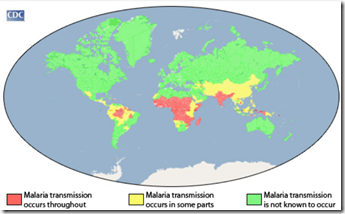
An eye-opening report from The Lancet today, which indicates that a large percentage of the anti-malarial drugs used in Asia and sub-Saharan Africa are either fake, or are of inferior quality.


Ominously, using drugs that contain too little of their intended active ingredient can contribute to pathogens developing increased and widespread resistance over time.


The problem isn’t new, but is apparently more widespread than previously thought.   The authors divided `Poor Quality’ drugs into three categories.


  • Falsified (fraudulently manufactured with fake packaging and usually no or a wrong active pharmaceutical ingredient)
  • Substandard (products resulting from poor manufacturing with no intent to deceive, usually with inadequate or too much active pharmaceutical ingredient);
  • Degraded (good-quality drugs that are degraded by poor storage after leaving the factory)


Follow the link to the Lancet article (full access with free registration) is below.


Poor-quality antimalarial drugs in southeast Asia and sub-Saharan Africa

Gaurvika ML Nayyar BS , Joel G Breman MD , Paul N Newton MRCP , James Herrington PhD

Summary

Poor-quality antimalarial drugs lead to drug resistance and inadequate treatment, which pose an urgent threat to vulnerable populations and jeopardise progress and investments in combating malaria. Emergence of artemisinin resistance or tolerance in Plasmodium falciparum on the Thailand—Cambodia border makes protection of the effectiveness of the drug supply imperative.


We reviewed published and unpublished studies reporting chemical analyses and assessments of packaging of antimalarial drugs. Of 1437 samples of drugs in five classes from seven countries in southeast Asia, 497 (35%) failed chemical analysis, 423 (46%) of 919 failed packaging analysis, and 450 (36%) of 1260 were classified as falsified.

(Continue . . . )


A problem of longstanding, the CDC’s website has more on the problem of fake Malaria drugs, and what steps travelers should take if the must purchase medication abroad.


Counterfeit and Substandard Antimalarial Drugs
What Are They?

Counterfeit (fake) antimalarial or other drugs are deliberately made to look like brand name drugs. However, they may have no active ingredients, they may have less than the required amount of active ingredient, or they may contain ingredients which are not what is described on the package label. Counterfeiters tend to focus on the more expensive brands. Substandard drugs are found even among cheaper products, because some manufacturers try to avoid costly quality control and good manufacturing practices.

The quality of commercially available drugs varies greatly in malaria-endemic countries:

  • The amount of the active ingredient can vary due to lack of regulations and poor quality control practices in many of these countries.
  • Some pills may release very little if any drug due to poor formulation techniques.
  • Chemical break-down of some drugs can occur due to poor storage conditions, especially in warm and humid tropical climates.
  • Some drugs may be contaminated with other substances.
  • Counterfeiters may also obtain expired drugs and repackage them with new expiration dates.
Where Do You Find Them?

Worldwide prevalence of counterfeit and substandard products is summarized in a Drug Quality Report matrix by the U.S. Pharmacopeia Drug Quality and Information (USP DQI) Program. Information on domestic (U.S.) issues regarding counterfeit and poor-quality drugs is provided by the U.S. Food and Drug Administration.


For example, in Cambodia in 1999, counterfeit antimalarial drugs were responsible for the deaths of at least 30 people. A 2001 survey in Southeast Asia showed that among 104 tablets presented as the antimalarial drug artesunate, 38% did not contain any artesunate.

When Buying Drugs, Take the Following Precautions

  • Travelers should buy in their home country all the medicines they will need before their trip.
  • Travelers should write down the drug's generic and brand names as well as the name of the manufacturer. In case they run out, they can look for the correct product.
  • Make sure that the drug is in its original packaging.
  • Inspect the packaging because many times poor quality printing indicates a counterfeited product.
  • Be suspicious of tablets that have a peculiar odor, taste, or color, or that are extremely brittle