Wednesday, July 31, 2024

USDA Adds 3 New Species (Deer Mice - Prairie Vole - Desert Cottontail) to Mammals with H5N1 List


#18,216

Seven weeks ago the USDA added the common house mouse (Mus musculus) to their list of wild mammals affected by H5N1, after dozens were found infected at a New Mexico poultry farm.  Since then, the number of mice infected has grown to more than 80.  

Today, they've added three new species - deer mice (n=13) and a prairie vole (n=1) & Desert cottontail (n=1) - all collected in Weld, County, Colorado which is the site of recent human, poultry, and dairy outbreaks. 

Additionally, Larimer County, CO. has added 2 domestic cats, bringing the total reported since March to 36.  Details on where these new species were detected, and likely source of their infection are not provided. 


Over the past 60 days over 110 new cases have been added to the USDA's list (n=373), although this is likely a significant undercount as wild animals often die in remote and difficult to access places, and it appears that some states are looking a lot harder for cases than others.

Given the detection now in deer Mice, a rabbit, and a vole, it would be useful to know exactly where - and under what circumstances - these samples were collected. 

Sadly, we continue to get disappointingly few details on these discoveries, and while genetic sequences are being (slowly) uploaded to GISAID, they continue to report:

This collection includes many virus sequences from dairy cows, but also closely related viruses detected in poultry and wild birds and in mice, cats and other mammals as well as the recent human infections. Although metadata such as sampling date and location are unfortunately missing from recent datasets, the available data allow a close watch on mutations that may arise as a consequence of virus adaptation to new hosts.

Nature: Severe Influenza in Pregnancy Linked to Neurodevelopmental Disorders in Offspring

image

Photo Credit – CDC 

#18,215

While most people tend to regard the flu as a nasty, but relatively trivial and self-limiting, respiratory infection, it is obvious that for some high risk groups - including children, the elderly, the immunocompromised, and those who are pregnant - influenza can have profound and lasting impacts. 

And we've seen evidence suggesting that repeated influenza infections may be linked to an increase risk of developing Parkinson's later in life (see 2017's Nature Comms: Revisiting The Influenza-Parkinson's Link)

In early 2023, in Neuron: Virus Exposure and Neurodegenerative Disease Risk Across National Biobanks, we also looked at a study published in Cell Neuron which found a statistical linkage between viral illnesses and developing neurodegenerative diseases later in life.

Many studies have found links between maternal influenza infection and damage to the unborn child, as in last January's CIMB Review: Maternal Influenza and Offspring Neurodevelopment).

Historical accounts and studies following the last four influenza pandemics (1918, 1957, 1968, and 2009) all showed distinct increases in maternal mortality, the number stillbirths, and evidence of impaired fetal development. 

The best records come from the most recent, and mildest, of these flu pandemics (2009).  
We've also seen studies that have attempted to quantify the impact of influenza infection on both pregnant women and their offspring. While some of these studies are more compelling than others, we've seen a wide spectrum of sequelae linked to maternal flu infection, including:
Pregnancy, Influenza & Elevated Psychosis Risks In Adult Offspring
Molecular Psy.: Increased Autism Risk Linked To Prenatal Fever
JAMA Psych: Long-term Risk of Neuropsychiatric Disease After Exposure to Infection In Utero
Systematic Review & Meta-Analysis: First-Trimester Influenza Infection Increases the Odds of Non-Chromosomal Birth Defects

This week the Journal Nature has published another study, this time conducted using live mouse-adapted influenza virus and pregnant lab mice, which finds it is the mothers immune response to the virus that causes damage to the unborn offspring. 

This is a lengthy, and highly technical, report so I've just reproduced the link, and abstract, along with some excerpts from a press release from the University of Illinois.  Follow the links to read them in their entirety, I'll have a brief postscript after the break. 
Influenza A virus during pregnancy disrupts maternal intestinal immunity and fetal cortical development in a dose- and time-dependent manner
Ashley M. OteroMeghan G. ConnollyRafael J. Gonzalez-RiconSelena S. WangJacob M. AllenAdrienne M. Antonson 
Molecular Psychiatry (2024)Cite this article


Abstract

Epidemiological studies link exposure to viral infection during pregnancy, including influenza A virus (IAV) infection, with increased incidence of neurodevelopmental disorders (NDDs) in offspring.
Models of maternal immune activation (MIA) using viral mimetics demonstrate that activation of maternal intestinal T helper 17 (TH17) cells, which produce effector cytokine interleukin (IL)-17, leads to aberrant fetal brain development, such as neocortical malformations. Fetal microglia and border-associated macrophages (BAMs) also serve as potential cellular mediators of MIA-induced cortical abnormalities. However, neither the inflammation-induced TH17 cell pathway nor fetal brain-resident macrophages have been thoroughly examined in models of live viral infection during pregnancy. 

Here, we inoculated pregnant mice with two infectious doses of IAV and evaluated peak innate and adaptive immune responses in the dam and fetus. While respiratory IAV infection led to dose-dependent maternal colonic shortening and microbial dysregulation, there was no elevation in intestinal TH17 cells nor IL-17. Systemically, IAV resulted in consistent dose- and time-dependent increases in IL-6 and IFN-γ. Fetal cortical abnormalities and global changes in fetal brain transcripts were observable in the high-but not the moderate-dose IAV group. Profiling of fetal microglia and BAMs revealed dose- and time-dependent differences in the numbers of meningeal but not choroid plexus BAMs, while microglial numbers and proliferative capacity of Iba1+ cells remained constant. Fetal brain-resident macrophages increased phagocytic CD68 expression, also in a dose- and time-dependent fashion. 

Taken together, our findings indicate that certain features of MIA are conserved between mimetic and live virus models, while others are not. Overall, we provide consistent evidence of an infection severity threshold for downstream maternal inflammation and fetal cortical abnormalities, which recapitulates a key feature of the epidemiological data and further underscores the importance of using live pathogens in NDD modeling to better evaluate the complete immune response and to improve translation to the clinic.


Fetal brain impacted when mom fights severe flu: New mouse study explains how

Peer-Reviewed Publication

UNIVERSITY OF ILLINOIS COLLEGE OF AGRICULTURAL, CONSUMER AND ENVIRONMENTAL SCIENCES

URBANA, Ill. -- A bad case of the flu during pregnancy can increase the risk for fetal neurodevelopmental disorders such as schizophrenia and autism spectrum disorder. But it’s not the virus itself doing the damage; it’s the mother’s immune response.

New University of Illinois Urbana-Champaign research using live mouse-adapted influenza virus improves upon previous mouse experiments to explain the process on a cellular and molecular level. It also indicates fetal brain changes are more likely once the severity of the mother’s infection meets a specific threshold.

“Our data provide really compelling evidence for an infection severity threshold, which mimics what we see in humans. There are only a subset of maternal infections that are going to be severe enough to cause concerns like this. That said, pregnant people should definitely get the flu vaccine to reduce their risk,” said senior study author Adrienne Antonson, assistant professor in the Department of Animal Sciences, part of the College of Agricultural, Consumer and Environmental Sciences at Illinois.

The study is one of only a handful to investigate maternal infection in mice using live influenza virus at doses that replicate seasonal flu outbreaks in humans. “That means our results are more relevant to human pathological infection,” said lead study author Ashley Otero, a doctoral student in the Neuroscience Program at Illinois.

Antonson’s team infected pregnant mice with live influenza A virus, rather than a viral mimic — an inert molecule that mimics viral behavior — used by most research groups in recent decades. The viral mimic elicits the innate immune response, broadly categorized as non-specific inflammation, that occurs within 24 to 48 hours of infection.

These studies have provided important clues about which inflammatory proteins are made by the mother and how they interact with the fetal brain. But Otero says viral mimics may prompt slightly different immune responses than the live virus in both mother and fetus, and they fail to capture what happens during the mother’s adaptive immune response, which occurs later and helps an animal “remember” past infections.

To address these issues, the team subjected the mice to one of two doses of the virus — representing a moderate or severe infection — at the moment in gestation closest to the end of the first trimester in humans. Then, at two and seven days post-infection, they tracked how the infection progressed in the lungs and intestines of the mother, as well as how products from the mother’s immune response interacted with the fetal brain. They also measured the physical properties of fetal brains, including the thickness of the cortex, which has been linked to neurodevelopmental disorders in humans.

(SNIP)

Antonson emphasizes that maternal infection is only one of many risk factors for neurodevelopmental disorders.

“These disorders are caused by a multitude of elements, including environmental factors, genetics, pharmacological exposures, and more. We're focusing on just this in-utero period, but the early postnatal period is important, and adolescence is important. It’s just one slice of a very complicated pie.”

The study, “Influenza A virus during pregnancy disrupts maternal intestinal immunity and fetal cortical development in a dose- and time-dependent manner,” is published in Molecular Psychiatry [DOI: 10.1038/s41380-024-02648-9]. The research was supported by the Roy J. Carver Charitable Trust (grant #23-5683), USDA NIFA Research Capacity Fund (Hatch project #ILLU-538-940), the Department of Animal Sciences, and the College of ACES.

Antonson is also affiliated with the Beckman Institute, the Microbial Systems Initiative, and the Carl R. Woese Institute for Genomic Biology at Illinois.

This study adds to the growing list of evidence that influenza (and other viral infections) can sometimes have a profound, and long-term, impact on the host. 

At the same time we've seen many studies confirming the safety and benefits of flu vaccination and the early use of antivirals in protecting the lives of pregnant women and their unborn child, including:

Pediatrics: Maternal Flu Vaccination Extends Protection To Infants

Clinical Infectious Diseases: Flu Vaccine May Reduce Incidence of Stillbirth

JID: Benefits Of Early Use of Influenza Antivirals In Pregnancy

While seasonal flu vaccines only provide moderate protection against infection, they do a much better job at reducing the severity of the illness (see CDC MMWR: Interim 2023-2024 Flu Vaccine Effectiveness Estimates).  

And as this study points out, the risks to the unborn child go up with the severity of the maternal infection. If you can reduce the severity, you should also reduce the chances of neurodevelopmental disorders.

While there is no doubt we need better seasonal flu vaccines, even a little protection can make the difference between a mild, self-limiting illness, and something much worse. 


Tuesday, July 30, 2024

CDC: $5 Million Initiative to Improve Uptake of Seasonal Flu Shots For Livestock Workers


#18,214


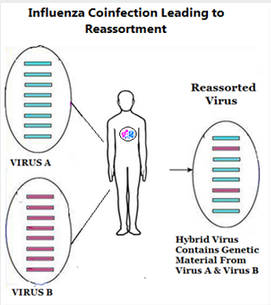
Although HPAI H5N1 remains poorly adapted to humans - and as an avian-adapted virus might never make that leap - there is one potential shortcut for it to become a pandemic virus; reassortment with a more `humanized' seasonal flu virus. 

While reassortment - aka `Antigenic Shift' is fairly rare, as any virologist will tell you; Shift happens. 

At least twice in my lifetime (1957 & 1968) an avian flu virus has reassorted with the current seasonal flu, to produce a new pandemic virus.  

  • The first (1957) was H2N2, which according to the CDC `. . . was comprised of three different genes from an H2N2 virus that originated from an avian influenza A virus, including the H2 hemagglutinin and the N2 neuraminidase genes.'
  • In 1968 an avian H3N2 virus emerged (a reassortment of 2 genes from a low path avian influenza H3 virus, and 6 genes from H2N2) which supplanted H2N2 - killed more than a million people during its first year - and continues to spark yearly epidemics more than 55 years later.

This history is one of the reasons why there was so much concern last winter over a report out of China of a fatal coinfection (see WHO Risk Assessment On Co-infection With H10N5 & Seasonal H3N2 in China).

While reassortment can happen in any susceptible host; pigs, birds, and humans are thought the most likely `mixing vessels'
 
For that reason, we've frequently seen recommendations for pig and poultry workers to get the seasonal flu shot (see BC Provincial Health Officer Urges People Living/Working On Poultry Farms To Get Seasonal Flu Vaccine). 

Luckily, most coinfections do not lead to the creation of a biologically `fit' hybrid.  But the potential exists, and arguably has increased now that H5N1 has been detected in cattle, alpacas, and goats

In today's HHS press teleconference, the CDC's Principal Deputy Director Nirav Shah announced their intention to launch a $5 million initiative to improve the uptake of the seasonal flu vaccine among livestock workers this fall.  The hope is to get as many of the roughly 200,000 livestock workers in the nation vaccinated. 

Although the seasonal flu shot is not expected to provide any protection against the H5N1 virus, it can help reduce the chances of a farm worker being simultaneously infected with seasonal flu.  

It is not a perfect solution, since the seasonal flu shot is better at preventing serious illness than preventing infection. But given the downsides, it makes sense to try to reduce the the opportunities for a reassortment event that might provide H5N1 with a pathway to human adaptation.

For more on influenza coinfection, you may wish to revisit these blogs:

EID Journal: Human Co-Infection with Avian and Seasonal Influenza Viruses, China

J Clin Virol: Influenza Co-Infection Leading To A Reassortant Virus

Lancet: Coinfection With H7N9 & H3N2

(2011) Webinar: pH1N1 – H3N2 A Novel Influenza Reassortment

ECDC Risk Statement On Mpox As Cases Continue to Spread In Africa

Countries with endemic Mpox- Credit WHO

#18,213

While it isn't getting the attention it deserves, for the better part of a year we've been watching the rapid spread of a new, and arguably more dangerous, Mpox clade (Ib) which was first detected in the DRC in 2023 (see WHO Reports 1st Confirmed Cluster Of Sexually Transmitted MPXV Clade 1 in the DRC).

Meanwhile the milder clade IIb virus - which began its world tour in 2022 - continues to cause sporadic outbreaks around the globe (see WHO DON Mpox - South Africa). 

Last March a study was published Eurosurveillance: Ongoing Mpox Outbreak in South Kivu Province, DRC Associated With a Novel Clade I Sub-lineage, which contained the first genomic analysis of samples from a previously unaffected region of the DRC (the city of Kamituga). 

That study revealed a novel clade I sub-linage had emerged - most likely from a zoonotic introduction - which included changes that may render current CDC tests unreliable.

In April, in Preprint: Sustained Human Outbreak of a New MPXV Clade I Lineage in Eastern Democratic Republic of the Congo, we saw a further analysis, which called for this new lineage to be named Clade Ib, and warned of its potential to spread globally. 

While that hasn't happened yet, the Mpox epidemic in the DRC continues to worsen, and neighboring nations are on heightened alert.  In recent weeks Mpox cases have been reported in Burundi, and given limited surveillance, other cases may be flying under the radar. 

Yesterday the 8-nation EAC (East African Community) released the following statement:

EAC calls for heightened public awareness to combat spread of Monkeypox

East African Community Headquarters, Arusha, Tanzania, 29th July, 2024: The East African Community (EAC) Secretariat has called on EAC Partner States to educate their citizens on how to protect themselves and prevent the spread of Monkeypox (Mpox).

This follows reports from the World Health Organization (WHO) that Burundi and the Democratic Republic of Congo (DRC) are experiencing an outbreak of the viral Mpox disease.

Burundi has confirmed three (3) cases of Mpox in Bujumbura and Isare, verified by national laboratories and the WHO. The Burundian health ministry has assured the public that measures are in place to manage the disease, with patients currently receiving treatment and showing improvement.

Since 2022, the DRC has reported over 21,000 cases and more than 1,000 deaths, according to WHO. In 2023, there were 14,626 cases and 654 deaths, and by the end of May 2024, 7,851 cases and 384 deaths had been reported. Many of those infected are children under five (39%), and nearly two-thirds (62%) of the deaths are also among children. Health experts have identified a new strain of the virus in one part of the country.

Burundi borders DRC, Rwanda and Tanzania while the DRC borders five EAC Partner States: Tanzania, Burundi, Rwanda, Uganda and South Sudan.

The EAC Deputy Secretary General in charge of Infrastructure, Productive, Social and Political Sectors, Hon. Andrea Aguer Ariik Malueth, emphasised the importance of taking preventive measures to minimise the spread of Mpox.

         (Continue . . . ) 


Amid this growing concern, yesterday the ECDC released the following statement reassuring - at least for now - that the risk of seeing this new clade Ib spreading to Europe remains `very low'

Risk to EU/EEA from variant mpox virus ‘very low
News
29 Jul 2024
 
The European Centre for Disease Prevention and Control (ECDC) is working closely with Africa CDC, and local and international partners to monitor and respond to a worsening mpox outbreak in the Democratic Republic of the Congo (DRC) where a new variant of the mpox virus has emerged.

While the risk to the EU/EEA remains very low, more than 11 000 suspected cases of mpox including around 450 deaths have been reported in DRC since the beginning of 2024. Adding to concerns about the outbreak is the emergence of a new variant of the clade I mpox virus which is thought to cause more severe disease and higher mortality than the clade II variant that has circulated globally since 2022.
“I would like to stress that the risk to the EU/EEA population from the new mpox variant identified in DRC remains very low. ECDC is engaging with our partners in Africa in their efforts to contain this outbreak for the benefit of all those affected, prevent this new variant from spreading any further and reinforce future preparedness and response capabilities,” says Pamela Rendi-Wagner, Director of ECDC.
Despite concerns about the new clade I variant, current vaccines and treatments are expected to remain effective. There is no evidence that the clade I variant is circulating outside central Africa.

Experts from across ECDC have been working closely with their partners at Africa CDC to support the response to the outbreak. Through the ‘ECDC and Africa CDC partnership project’, ECDC experts are contributing to a rapid literature review to help identify gaps in the knowledge of the clade I mpox variant and guide future research. They are also supporting an in-action review of the mpox outbreak response in DRC to inform preparedness and response activities.

In addition, ECDC is preparing for an EU Health Task Force (EUHTF) deployment to DRC, enabled by the Global Outbreak Alert and Response Network (GOARN), as part of wider, proactive efforts to support global health and strengthen Europe's defences against infectious disease.

The EUHTF deployment will see an ECDC epidemiologist join colleagues from Africa CDC and the World Health Organization (WHO) on the ground in DRC to contribute to the DRC Ministry of Public Health-led outbreak response. EU Health Task Force efforts in DRC will focus on surveillance, field investigation and research projects.

Since 2022, 22 592 cases of mpox have been detected in the EU/EEA in an unrelated outbreak of the less severe clade II variant. Cases have declined steadily since their peak in July 2022. Nine EU/EEA countries reported a total of 98 cases in the four weeks up to July 5, 2024 – the most recent data available.

In the EU/EEA, the risk of infection from mpox clade II remains low for the general population and moderate among higher risk groups such as people who have multiple sexual partners and some men who have sex with men.

ECDC continues to support EU/EEA Member States in responding to the ongoing mpox clade II outbreak, issuing public health guidance, risk communication and community engagement resources and regular joint surveillance bulletins with the WHO Regional Office for Europe. ECDC assesses the overall risk from the ongoing clade II mpox outbreak in Europe as moderate for men who have sex with men and low for the broader population.

The caveat of course is that up until mid-May of 2022, the risk of Mpox Clade II spreading internationally was considered equally low The Mpox virus was only belatedly discovered to be spreading in multiple non-endemic nations, leading to the declaration of a PHEIC (Public Health Emergency of International Concern) the following July. 

As we've seen with COVID, H5N1, and other infectious disease reporting around the globe, surveillance and reporting on Mpox is often limited, or sometimes missing entirely.  The WHO described this situation in their last monthly Mpox update #34:

WHO continues to encourage all countries to ensure that mpox is a notifiable disease and to report mpox cases, including reporting when no cases have been detected (known as ‘zero-reporting’, as outlined in the Standing Recommendations on mpox issued by the WHO Director General).

This report does not highlight non-reporting countries. Therefore, it should be noted that an absence of reported cases from a country may be due to the country not reporting, rather than having no cases. Reporting to WHO has been declining, therefore, the decline in reported cases should be interpreted with caution.

A reminder that an absence of evidence is not necessarily evidence of absence. 

Monday, July 29, 2024

MMWR: Health Monitoring, Testing, and Case Identification Among Persons Exposed to Influenza A(H5N1) — Michigan, 2024


 #18,212

The state of Michigan has been rightfully lauded for having perhaps the most aggressive testing and monitoring program for farm workers exposed to HPAI in the country.  Through their efforts, two dairy workers were identified as having mild H5N1 infection (see here and here). 

Michigan's MDARD also invited the USDA to investigate the spread of the H5 virus in farms (see Epidemiological investigation into the spread of H5N1 in Michigan) which concluded the movement of livestock, farm equipment (including trucks), and personnel contributed to the spread of the H5N1 virus.

Other states have been far less cooperative, although Colorado recently asked the CDC to send  investigators after 9 people were infected by H5N1 across two poultry farms, and last week announced the most aggressive dairy cattle testing in the nation. 

Grading on the curve, Michigan would appear to get an A+, but - as the following MMWR report illustrates - there were limitations to their surveillance as well. 

  • Of the 23 known (now 26) infected dairies, only 20 appear to have provided employee lists. 
  • Illnesses and/or symptoms were mostly self reported, and testing was voluntary. 
  • Only symptomatic individuals were tested.

It is unknown how many other infected farms there might be in Michigan, and it is also possible that some individuals with minor symptoms - or an aversion to being tested - might not have responded to the daily texts. 

There is also often a narrow `window' where testing will reliably detect HPAI H5, particularly if  these workers were on already on prophylactic antivirals (not stated, but a common practice). 

Still, given that perfect is often the enemy of good, this is far-and-away the most comprehensive testing and surveillance program we've seen since HPAI H5 emerged in American dairy cattle, and it may be the best we can hope for. 

Given the anecdotal reports (see EID Journal: Avian Influenza A(H5N1) Virus among Dairy Cattle, Texas, USA) of sick dairy workers who have refused to be tested, and the (likely large) number of unidentified infected herds across the nation, the known number of human infections is likely a significant undercount. 

The MMWR report follows, after which I'll have a brief postscript.

Notes from the Field: Health Monitoring, Testing, and Case Identification Among Persons Exposed to Influenza A(H5N1) — Michigan, 2024

Weekly / July 25, 2024 / 73(29);656–658

Joseph Coyle, MPH1; Natasha Bagdasarian, MD1; Seth Eckel, MPH1; Jeremy Kuo, MPH1; Mary Grace Stobierski, DVM1; James Barber, MPH1; Megan Weinberg, PhD1; Fatema Mamou, MPH1; Sarah Lyon-Callo, PhD1; Michigan Local Health Departments; Bureau of Laboratories; Bureau of Infectious Disease Prevention Investigation Team (VIEW AUTHOR AFFILIATIONS)View suggested citation

Summary

What is already known about this topic?


Highly pathogenic avian influenza (HPAI) A(H5N1) virus has been detected in wild birds and mammals, poultry, and commercial dairy facilities in the United States. A human case in a Texas dairy worker was reported in April 2024.

What is added by this report?

As of May 23, 2024, Michigan had the largest number of affected dairy and poultry facilities linked to the HPAI A(H5N1) outbreak. Active symptom monitoring and testing of exposed workers led to detection of the second and third known dairy-associated HPAI A(H5N1) cases in 2024.

What are the implications for public health practice?

The current risk to the public from HPAI A(H5N1) viruses is low; however, continued symptom monitoring and testing are critical to characterizing genetic or epidemiological changes that might alter the risk assessment.
Article PDF
Full Issue PDF

On March 25, 2024, a Texas dairy farm detected highly pathogenic avian influenza (HPAI) A(H5N1) virus in cows. The outbreak widely spread after interstate cow movement. During March 25–June 17, animals at a total of 102 dairy farms in 12 states, 24 commercial poultry flocks in five states, and multiple backyard flocks tested positive for HPAI A(H5N1) (1,2). This report describes response activities in Michigan, which led to detection of the second and third human cases related to the 2024 HPAI A(H5N1) outbreak. The activity was reviewed by the Michigan Department of Health and Human Services, deemed not research, and was conducted consistent with applicable federal law, state, and departmental policy.*

Investigation and Outcomes

Infected cows from Texas resulted in introduction of HPAI A(H5N1) virus in a Michigan dairy, detected on March 29. As of May 29, a total of 23 Michigan dairies in 10 counties are known to be affected (1). Michigan’s first affected commercial poultry facility was confirmed on April 2; currently, seven affected poultry facilities in four counties have been identified (2). HPAI A(H5N1) virus has also been detected in a backyard flock, pigeons, foxes, cats, opossums, and a racoon in Michigan. Whole genome sequencing results suggest that, since March 2024, all sequenced isolates have ancestral Texas origins (3).

Monitoring of Dairy Workers

Among the 23 affected dairies, 306 persons exposed to affected cows were identified. Lists of exposed persons were obtained by public health officials from 20 (87%) affected dairies. Workers at 12 (60%) of those dairies were enrolled in text-based daily symptom monitoring,† and workers at eight (40%) farms were monitored through a farm point of contact. Because it could be unclear when workers’ exposures to cows ended, some workers were monitored for >50 days.

Twenty (6.5%) exposed workers reported symptoms and were tested for influenza A(H5) virus infection. Among persons who received real-time reverse transcription–polymerase chain reaction testing,§ one received a positive test result from a conjunctival swab, similar to the case of HPAI A(H5N1) reported from a dairy worker in Texas (4).
Before the onset of mild unilateral conjunctivitis, the patient reported direct ocular exposure to raw, unpasteurized milk from an affected cow. A second worker from a different dairy farm experienced respiratory symptoms after close contact with sick cows and received a positive A(H5) virus test result from a nasopharyngeal swab.
In both instances, public health officials rapidly collected patient specimens, which tested positive for HPAI A(H5N1). Neither worker was severely ill, neither required hospitalization, and no household or work contacts reported being ill. Both workers wore some personal protective equipment (PPE), but neither wore a mask or respirator.
Monitoring of Poultry Workers

Among seven affected commercial poultry facilities, 857 persons exposed to affected birds were identified. Lists of exposed persons were obtained from all facilities. Workers from four facilities were directly enrolled in text-based daily symptom monitoring, and workers from three facilities were monitored through a farm point of contact who reported results to public health officials. Eighteen (2.1%) symptomatic persons were identified and tested; all test results were negative for influenza A(H5).

Monitoring of Other Exposed Persons

Federal and state employees who responded to affected farms were also observed for symptoms, as were persons with exposure to HPAI A(H5N1) virus–infected animals (domestic or wild) or humans. Overall, 125 such persons were monitored, and 15 (12%) reported symptoms, 14 of whom received negative influenza A(H5) test results.

Preliminary Conclusions and Actions

Among 1,288 Michigan residents who were monitored for signs and symptoms after potential HPAI A(H5N1) virus exposure, 53 (4.1%) reported signs and symptoms, 52 of whom received testing for influenza A(H5). Two dairy workers received positive test results (3.8% of all persons tested, <1% of all monitored dairy workers).

Although the risk for HPAI A(H5N1) virus to the public remains low, novel influenza A viruses such as A(H5N1) have pandemic potential. Therefore, it is critical to notify persons with exposure to infected animals, provide education and access to PPE,¶ monitor signs and symptoms, test specimens collected from any exposed person with signs and symptoms, and make antivirals available to symptomatic persons as soon as possible.**

Although the percentage of workers who regularly used PPE is not known, the human cases associated with dairy farms in Texas and Michigan demonstrate the potential value of PPE, including eye and respiratory protection, especially on affected farms (4,5). The cases identified to date have resulted in mild illness, which might not have been detected without the collaboration of state officials and the engagement of farms and workers. Streamlined, nonintrusive approaches to monitoring, such as the text-message monitoring used in Michigan, might encourage participation and subsequent testing. A One Health†† approach including collaboration with agriculture departments, farms, and workers is crucial to successful public health response.

          (Continue . . . )
 

Two weeks ago the CDC held a COCA Call for clinicians to help them identify, treat, and report suspected novel flu infections (see CDC COCA Call On H5N1 for Clinicians & Healthcare Centers Now Online).

This presentation also included a 48-slide PDF file 

As we've seen previously from the UKHSA (see TTD (Time to Detect): Revisited), identifying community spread of a novel virus could take weeks, and only come after dozens or even hundreds of people had been infected. 

Our ability to detect H5 cases in the community depends not only on a bit luck, but also on how hard we are actually looking.

And right now, in far too many places, we barely appear to be looking at all.

Sunday, July 28, 2024

Eurosurveillance: Strain-dependent Variations in Replication of European clade 2.3.4.4b Influenza A(H5N1) Viruses in Bovine Cells


#18,211

When HPAI H5N1 was unexpectedly discovered in American dairy cows last March, many countries immediately assumed this spillover was due to a unique - and likely geographically limited - genotype (B3.13) of the virus. 

Cattle had never been thought susceptible before (see A Brief History Of Influenza A In Cattle/Ruminants), and many countries seemed to content not to look for similar cases. 

The UK's rationale for not testing their cattle (see UK HAIRS Risk Statement On Avian Influenza (H5N1) In Livestock) for HPAI was that the H5N1 genotype B3.13 had never been seen in Europe or the UK, and was unlikely to cross oceans. 

Not everyone was convinced that genotype B3.13 was the only H5N1 strain capable of infecting cattle. In early June we looked at a cautionary letter - published by Chinese researchers in the Journal of Infection - that warned that similar spillovers could occur anywhere in the world. 

A little over a month ago, researchers from Germany's Friedrich-Loeffler-Institut (FLI) announced that in early experiments, they found that several European strains of HPAI H5N1 were capable of infecting bovine cells (see  FLI Statement On Experimental Infection Of Dairy Cows With European H5N1 Virus).

While unwelcome news, it appears to have had an effect. Earlier this week the UK raised their pre-pandemic risk level (from 3 to 4), and warned:

With the current evidence we should not assume that the risk of a mammalian outbreak is limited to clade B.3.13.

In last Thursday's Eurosurveillance, researchers from Germany's FLI published their full results, including their study on the effectiveness of heat inactivation on different strains of the HPAI H5N1 virus.

They not only confirmed that cattle are susceptible to a range of HPAI H5N1 viruses, they demonstrate that heat treatment at 56 °C for 30 minutes did not completely eliminate the infectivity of the tested AIV in milk.

This is a lengthy and detailed report, with a lot to take in.  I've only posted some excerpts, so follow the link to read it in its entirety.  I'll have a brief postscript after the break.

Strain-dependent variations in replication of European clade 2.3.4.4b influenza A(H5N1) viruses in bovine cells and thermal inactivation in semi-skimmed or whole milk separator 

Diana I Palme1 , Juliane Lang1 , Dajana Helke1 , Maryna Kuryshko1 , Elsayed M Abdelwhab1 

Cattle were once thought to be resilient to avian influenza virus (AIV) infections [1], until the recent widespread influenza A(H5N1) virus infections in dairy cattle in several states in the Unites Stares (US) since March 2024 [2]. Surprisingly, high viral loads were found in the milk of infected cows, but not in the respiratory tract [3]. Consumption of unpasteurised influenza A(H5N1)-contaminated milk represents a new niche of possible public health concern for an avian virus. Cats on the dairy farms [3] and laboratory mice got infected and died after drinking influenza A(H5N1)-contaminated unpasteurised colostrum and milk [4]. To date, four dairy farm workers have been reported with influenza A(H5N1)-associated conjunctivitis and upper respiratory influenza-like illness [5].

Little is known about the efficiency of H5N1 clade 2.3.4.4b, particularly non-US isolates, to replicate in bovine cells and remain infectious in milk with different fat contents. Here we investigated the effect of different fat contents on the thermostability and duration of heat inactivation of H5N1 influenza viruses and assessed the replication of recent German H5N1 viruses of clade 2.3.4.4b in bovine kidney and lung cells.

(SNIP)

Four influenza A(H5N1) viruses isolated in Germany were used in this study. These included three recent clade 2.3.4.4b viruses A/chicken/Germany/AI04286/2022 (designated H5N1-chicken), A/wood pigeon/Germany-NW/AI00951/2022 (H5N1-Pigeon; accession number EPI_ISL_10261376) and A/red knot/AI000616/2022 (H5N1-Knot; accession number EPI_ISL_18006920), as well as a clade 2.2.2 A/swan/Germany/R65/2006 (designated H5N1-Swan; accession number EPI_ISL_10142). In addition, the historic A/turkey/England/384/79 (H10N4) virus was used as a control.

(SNIP)

Heat inactivation at 75 °C for 30 min or 56 °C for 120 min effectively reduced the infectivity of all viruses below the detection limit of the plaque assays (Figure 1B–F) [6]. However, heat inactivation for 30 min at 56 °C did not completely eliminate the infectivity of the tested AIV: Despite reduced titres, H10N4, H5N1-Swan and H5N1-Chicken retained infectivity in whole milk, and H5N1-Swan and H5N1-Pigeon were detectable in semi-skimmed milk (Figure 1). In addition, infectious H10N4 and, to a lesser extent, H5N1-Knot and H5N1-Pigeon viruses were detected in virus-spiked MEM (Figure 1). Overall, thermostability varied by virus strain and fat content of the milk. Complete virus inactivation required heat treatment at 56°C for 120 minutes.

Replication of influenza A(H5N1) viruses in bovine cell culture

Viral replication was assessed in Madin–Darby bovine kidney (MDBK) cells infected with a multiplicity of infection (MOI) of 0.001 for 24 h. All H5N1 viruses replicated in MDBK cells (Figure 2A), while H10N4 did not induce detectable titres without trypsin (data not shown). The levels of H5N1-Knot and H5N1-Pigeon were ca 10 times lower than those of H5N1-Swan and H5N1-Chicken (Figure 2A). We further assessed the cell-to-cell spread in MDBK cells relative to Madin–Darby canine kidney type II (MDCKII) cells by measuring plaque diameters. The intercellular spread of H5N1 clade 2.3.4.4b viruses in MDBK cells was notably more homogeneous compared with clade 2.2.2 H5N1-Swan (Figure 2B). In contrast, MDCKII cells showed a mixed population of plaques, indicating a more heterogeneous spread (Figure 2C–E).

          (SNIP) 

Discussion 

During the current H5N1 outbreak in the US, raw cow milk has been identified as a source of influenza virus infection among mammals near infected dairy cows. In addition, bovine A(H5N1) and human A(H1N1)pdm09 influenza viruses retained infectivity on milking machines for up to 3 h [7]. It is known that pasteurisation of milk at 63 °C for 30 min or, alternatively, heating to 72–154 °C for a few seconds, inactivates a wide range of pathogens and ensures safety for human consumption [8-10]. Studies have shown that American and Asian influenza viruses are effectively inactivated at pasteurisation temperatures.

It remains unclear if milk with varying fat contents presents a unique medium for influenza virus infectivity compared with allantoic fluid or serum samples. Our study demonstrated that all viruses were undetectable after treatment at 75 °C for 30 min, consistent with recent findings on American and Chinese H5N1 influenza viruses [4,11,12].

 Interestingly, while viral titres significantly decreased at 56 °C, residual infectious virus was detected after 30 min in whole milk (three strains), semi-skimmed milk (one strain) and MEM (two strains). These findings suggest thermostability may vary by virus strain, and whole milk could impact the stability of certain influenza viruses. Similar strain-dependent variations were seen in Chinese virus-spiked milk [12]. To ensure complete inactivation of A(H5N1) viruses and thus biosafety under laboratory conditions, higher temperatures should be considered.

Furthermore, all H5N1 viruses and H10N4 (in the presence of trypsin), replicated efficiently in bovine cells, whereas pigeon and red knot viruses exhibited lower titres. This indicates that certain H5N1 viruses can replicate effectively in bovine lung and kidney cells without prior adaptation. The reasons for the cell and virus dependency to infect bovine cells are not clear, and additional studies are needed to understand the distribution of sialic acid receptors on both cell types and receptor binding specificity/affinity of these viruses.

          (SNIP) 

Conclusion  

This study demonstrates that non-US influenza A(H5N1) viruses can also infect and replicate in bovine kidney and lung cells, albeit with varying titres, spread and infectivity. Some viruses remained infectious after exposure to 56 °C for 30 min, particularly in whole milk. Therefore, considering strain dependency is crucial when determining virus inactivation protocols at this temperature for biosafety reasons.

          (Continue . . . )


Once again we find that the deeper we look, the more we find. 

Yet in far too many places around the globe, Don't test, don't tell' continues to be the preferred option. 

As a result, we don't know how pervasive HPAI is in American cattle, and we know even less about what is going on with H5Nx in places like China, Asia, Russia, the Middle East, and Africa. 

There are some signs that governments and agencies are starting to take the threat more seriously (see Colorado Orders Mandatory Statewide Weekly Bulk-Tank Testing for HPAI and UKHSA Raises Risk Assessment On HPAI H5N1), but in far too many places half-measures and bland reassurances remain the order of the day.

We may get lucky, and HPAI H5Nx may fizzle. But that is not its current trajectory, and we risk enormous damage by continuing to underestimate its future impacts. 

Saturday, July 27, 2024

Minnesota Extension Advice: Do Not Exhibit Lactating Dairy Cows at Public Events Through 2024


Credit CDC 

#18,210

While the spread of HPAI H5 to humans has thus far been restricted (at least in the United States) to agricultural workers, in other parts of the world just strolling through or living near a live bird market has been linked to increased risk of infection (see Open Forum Inf. Dis.: High Prevalence of HPAI Virus In Vietnam's Live Bird Markets).

The standard advice from WHO in countries where HPAI H5 is circulating remains: 

`The public should avoid high-risk environments, such as live animal markets or farms, and avoid contact with live poultry or surfaces that might be contaminated by birds or poultry droppings . . . '.

Similar advice is offered to citizens of Hong Kong who may be traveling to China, where H5N6, H5N1, and several other avian viruses can be found:

Travellers to the Mainland or other affected areas must avoid visiting wet markets, live poultry markets or farms.

This advice is borne of two decades of experience dealing with HPAI.  While the exact route of infection isn't always determined, we've seen studies showing the ambient air at live bird markets can carry detectable virus particles. 

We've even seen evidence that insect vectors, like the common house fly (see Kyushu University: The Return Of The Fly), can become a mechanical transmitter of H5N1 influenza virus.  

The risks from infected livestock (poultry, cows, goats, etc.) - even here in the United States - is a genuine concern.  So much so, that the CDC is currently recommending that farm workers wear PPEs.

Over the past 3 weeks at least 10 farm workers (across 3 American farms) have been infected with HPAI H5N1.  I say `at least' because there are anecdotal reports of symptomatic workers who have refused testing, and because there may be others in the queue. 

Against this backdrop there is a vigorous debate over the risks of allowing agricultural exhibits at state and county fairs, which really kick off in middle America during August & September. 

These range from small local venues to state fairs which attract more than a million visitors. Altogether, it is a multi-billion dollar industry, and these prize animals represent the hard work and dedication of tens of thousands of exhibitors, many of whom are still in school. 

And understandably, nobody wants to be the Grinch who stole the county fair.  

As a result, we've seen a wide range of bio-safety rules promulgated by state and local authorities. Some, like from Michigan and Wisconsin, have been fairly strict.  Others, have been less rigorous, although I would note that yesterday Texas ordered Pre-Movement Testing for Exhibition Dairy Cattle.

We've previously seen the spread of swine-variant influenza viruses to the public through these types of exhibitions (see EID Journal: Shortening Duration of Swine Exhibitions to Reduce Risk for Zoonotic Transmission of Influenza A Virus).  

The CDC has long advised those who are at higher risk of serious flu complications (including children under 5, adults over 65, pregnant women, and those with certain chronic medical conditions), to avoid pigs and the swine barn altogether.

With a new, and potentially more dangerous, HPAI H5 virus now spreading in American livestock, the question becomes, how much risk is acceptable?  And how much faith can we put in the existing (and often inconsistent) biosecurity requirements? 

The risk is more than just to humans, since fairs often bring together poultry, cattle, goats, and pigs.  This `mixed species' environment provides opportunities for the spillover, and spread, of viruses - and potentially - a myriad of reassortment possibilities. 


All of which brings us to a guidance document, issued by the University of Minnesota Extension Office, which calls of the banning of lactating cattle (regardless of testing) from agricultural exhibits until 2025 (and possibility beyond)

While this would be a bitter pill for many if adopted, the authors warn : `The risk of exposure to H5 influenza for both animals and humans at fairs and exhibitions is high'.

The full report goes into their rationale, and is well worth reading in its entirety.   I'll have a postscript when you return.  


Extension advice: Do not exhibit lactating dairy cows at public events through 2024
July 24, 2024

This article has specific recommendations for animal exhibitions in 2024 in Minnesota due to the outbreak of H5N1 in dairy and poultry operations across the state and country. It also contains information about the spread of influenza A viruses relevant to the general public and people involved in farm animal operations.

Given the high risk posed by lactating dairy cattle to other cattle, the rest of the exhibition community, and the public, lactating dairy cattle should not attend exhibitions including county and state fairs, until 2025 or beyond.

          (Continue . . . )

Short of HPAI H5 suddenly transmitting efficiently in humans, the `next-worse-case' scenario would be for the virus to begin spreading in pigs.  There, it could find a plethora of better-adapted swine flu viruses with which to reassort, substantially increasing the risk of a pandemic. 

While unfortunate for the exhibitors, given the stakes, I find it hard to argue with the advice to exclude lactating cattle from state and county fairs.  Whether these recommendations will be adopted widely, remains to be seen. 

There are, of course, other ways H5N1 might succeed in sparking a pandemic. But given what we know about HPAI, it makes little sense to make it any easier for the virus. 

Friday, July 26, 2024

UKHSA Raises Risk Assessment On HPAI H5N1 In Humans

#18,209

Six months can be a long time when discussing the rapidly changing threats from emerging infectious diseases.  Last January the UK's Health Security Agency released a risk assessment that reassuringly placed the HPAI H5N1 virus in a pre-pandemic level 3 category. 

They wrote:

Assessment

The avian influenza outbreak in the UK is assessed as at risk level 3*. The apparent transmission between mink is of significant concern but there is no clear evidence that this has continued in mammalian species since the initial outbreak. The UK assessment is consistent with the international picture with the same or similar viruses detected in multiple regions, evidence of mammalian spillover, but very few detected human infections.
At present, there are no indicators of increasing risk to human health, however this is a low confidence assessment. The risk assessment is dynamic and requires regular review during this period of unusually high levels of transmission in birds with mammalian spillover.

Two months later we learned of the outbreak of HPAI in American cattle - and of its rapid spread across the nation - which led to a revised risk assessment from the UKHSA in May, where they stated: 

Situational assessment: the outbreak is currently at level 3 (with high confidence) and may have risen to level 4 (low confidence)

Over the past 3 weeks we've seen a 4th H5 human infection linked to dairy cattle exposure, and more linked to infected poultry. Considering that up until 3 months ago, the U.S. had only reported 1 (weakly positive) case, that represents a significant increase. 

We've also seen recent reports suggesting `sustained and efficient' transmission of the virus - a highly specific phrase which is not used lightly - both in cattle, and to a lesser degree in marine mammals

Yesterday the UKHSA released an updated risk assessment which raises - incrementally - their risk assessment from level 3 to level 4 (moderate confidence). The full report (including their rationale) runs 11-pages, so I've only posted some excerpts below.  

Follow the link to read the full assessment.  I'll have a brief postscript after the break. 


Influenza A(H5N1) 2.3.4.4b B3.13: UScattle outbreak update 

Human health evidence review and situational assessment 17 July 
UKHSA, APHA, FSA, and Defra

Overview

The UK Health Security Agency (UKHSA) is working with the Animal and Plant Health Agency (APHA), the Department for Environment, Food and Rural Affairs (Defra), Food Standards Agency (FSA), and the public health agencies of the 4 nations to monitor the risk to human health from emerging influenza viruses.

A previous assessment of this situation was published in May 2024.

Current evidence review

1. Animal outbreak
There is ongoing transmission of influenza A(H5N1) in the US, primarily through dairy cattle but with multispecies involvement including poultry, wild birds, other mammals (cats, rodents, wild mammals) and humans (1, 2). There is high uncertainty regarding the trajectory of the outbreak and there is no apparent reduction in transmission in response to the biosecurity measures that have been introduced to date. There is ongoing debate about whether the current outbreak should be described as sustained transmission given that transmission is likely to be facilitated by animal farming activities (3). However, given that this is a permanent context, the majority of the group considered this outbreak as sustained transmission with the associated risks.

The available genomic data show a single expanding clade, genotype B3.13, consistent with ongoing transmission through dairy cattle and spillover into other mammals and birds.
2. Human cases

There is evidence of zoonotic transmission (human cases acquired from animals). There is likely to be under-ascertainment of mild zoonotic cases (4). There have been ten human cases detected associated with the current US outbreak, 4 in dairy workers at separate farms and 6 in poultry workers exposed during a single depopulation event at which a large number of workers were symptomatic (1).
 
Environmental factors may have contributed to increased viral exposure at this site (5). Human case genomes where available are within the cattle outbreak clade although the first human case in Texas is distinct (3). The sequence from this case (EPI_ISL_19027114) does contain the HA L131Q and T211I mutations present in all B3.13 sequences, but not contain the PB2 M631L, PA K497R or the NA N71S mutations observed in the main cattle outbreak clade. It contains PB2 E627K and D441N mutations, K142E in PA, and S7L and Q40R in NS1 that are not observed in other B3.13 sequences.

The ongoing cattle outbreak in dairy cattle with spillover to poultry farms means that there could be large numbers of human exposures and increased opportunity for zoonotic cases. However, there are insufficient data to assess whether the rate of zoonotic infection is unusually high.
(SNIP)

4. Evidence relevant to human transmissibility

Despite the increased activity of the bovine virus polymerase with the PB2 M631L and PA K497R mutations in human and other mammalian cells, the lack of human receptor binding supports the virological observations that bovine virus (EPI_ISL_19014384), like earlier clade 2.3.4.4b viruses that circulated in the UK, replicates and spreads poorly in human airway epithelium at 33°C (similar to temperatures in human nasal passage) (10). Preprint data finds respiratory inoculation is possible in experimentally infected heifers and published data suggests inefficient respiratory transmission in the ferret model (8, 16, 17).

5. Characteristics of genotype B3.13

There are insufficient data to assess whether the genotype B3.13 was already fitter in birds or mammals at the point of spillover (that is, had a predisposition to cause a mammalian outbreak) and therefore it is difficult to assess whether other genotypes seen in Europe could cause similar outbreaks given similar opportunity. In vitro data shows that other influenza A viruses with internal genes derived from avian viruses including those of clade 2.3.4.4b replicate efficiently in bovine cells (10). Widespread transmission in marine mammals is also noted in South America, involving a slightly different genotype (18).
With the current evidence we should not assume that the risk of a mammalian outbreak is limited to clade B.3.13.

6. Risk of reassortment

There is an ongoing elevated risk of reassortment with other influenza viruses given the range of animal and human infections occurring. There is also early in vitro data suggesting that human seasonal influenza viruses can replicate in bovine cells (10). This implies that reassortment resulting in exchange of genes between the bovine virus, avian influenza viruses and fully human adapted influenza viruses could also occur in cattle, as it does in pigs.

Current situational assessment

Levels are indicators that a zoonotic influenza virus outbreak may be an increasing human health threat, either because the opportunities for it to evolve are increasing or because there is evidence that it has already begun to evolve. All levels are pre-pandemic events. The current situational assessment is shown in Table 1 alongside accompanying evidence, updated from the previously published situational assessment (May 2024).

            (Continue . . . )


Risk assessments are - by necessity - based on older, often fragmented, and usually rapidly changing information.  As such, they are always going to be behind the curve.  

They can be useful, however, since they can show changes in our levels of concern over time. And it is clear that concerns over HPAI H5 are rising around the globe. 

In addition to raising the pre-pandemic level, this report also acknowledges that it isn't just the bovine B3.13 genotype - currently spreading in North America - that poses a zoonotic threat.  This is a palpable shift from the UK HAIRS Risk Statement On Avian Influenza (H5N1) In Livestock released in late May.

Zoonotic threats advance and retreat, often without warning, and so we could find ourselves back at level three in the fall, still at level four, or somewhere decidedly worse.   

While these risk assessments can't predict the future, they can help us decide where best to put our prevention and preparedness efforts. 

Assuming, of course, that those who are in charge of such things are actually paying attention.