Sunday, March 09, 2014

PLoS One: Biodiversity of Influenza A in Wild Birds

image

Photo Source - FAO


# 8361


Thanks to the work of virologists like Dr. Robert Webster, we’ve known for decades that wild birds (most notably waterfowl) are the natural hosts of influenza A viruses - and that if you trace their lineage back far enough - all human, swine, and equine influenza A viruses are likely of avian origin.


Influenza A subtypes are categorized by two proteins they carry on their surface; their HA (hemagglutinin) and NA (neuraminidase).  Each of these subtypes can have many `clades’ (branches on the family tree), and within each clade there can be many minor variants.


If you count the recently discovered `bat flu’ viruses, there are now 18 known HA proteins, and 11 known NAs  (see PLoS Pathogens: New World Bats Harbor Diverse Flu Strains) – but to date, among birds - only HA types 1-16 and NA types 1-9 have been detected – making a total of 144 different avian subtypes possible.


Not all of these possible subtypes have actually been detected in the wild, but then, influenza is a constantly moving target, and subtypes may appear, and then disappear, over time. 


Our understanding of the prevalence, and biodiversity, of avian influenza viruses in birds has grown in recent years, but the sudden emergence of H7N9 in China a year ago, and the surprise eruption of H5N8 in Korean poultry in January, show that there is still much more to learn.


This week, an international group of researchers (hailing from the United States, Canada, Sweden & Australia) published an open access paper in PloS One providing perhaps the most detailed review of the biodiversity of influenza A viruses in wild birds to date.  Among their findings:


  • Among wild birds, 112 subtypes were identified
  • 49 (44%) of the 112 subtypes were also found in domestic birds
  • Five subtypes were found in domestic birds, but not in the wild
  • Globally, 79% (89/112) of wild bird subtypes were found in Mallards
  • The top five wild host species for subtype richness (n) were: Mallard - Anas platyrhynchos (89), Ruddy Turnstone - Arenaria interpres (45), Northern Pintail - Anas acuta (43), Northern Shoveler - Anas clypeata (35), and Blue-winged Teal - Anas discors (33).
  • 61% of all subtypes were found in > 1 order of birds, and 66% were detected on > 1 continent


Below you’ll find a link, and some excerpts, but by all means you’ll want to read the paper in its entirety.


Research Article

Sampling Strategies and Biodiversity of Influenza A Subtypes in Wild Birds

Sarah H. Olson, Jane Parmley, Catherine Soos, Martin Gilbert, Neus Latorre-Margalef, Jeffrey S. Hall, Phillip M. Hansbro, Frederick Leighton, Vincent Munster, Damien Joly

Published: March 05, 2014   DOI: 10.1371/journal.pone.0090826

Abstract

Wild aquatic birds are recognized as the natural reservoir of avian influenza A viruses (AIV), but across high and low pathogenic AIV strains, scientists have yet to rigorously identify most competent hosts for the various subtypes. We examined 11,870 GenBank records to provide a baseline inventory and insight into patterns of global AIV subtype diversity and richness. Further, we conducted an extensive literature review and communicated directly with scientists to accumulate data from 50 non-overlapping studies and over 250,000 birds to assess the status of historic sampling effort. We then built virus subtype sample-based accumulation curves to better estimate sample size targets that capture a specific percentage of virus subtype richness at seven sampling locations. Our study identifies a sampling methodology that will detect an estimated 75% of circulating virus subtypes from a targeted bird population and outlines future surveillance and research priorities that are needed to explore the influence of host and virus biodiversity on emergence and transmission.

image

Figure 1 - Subtypes found in Anseriformes (green), Charadriiformes (purple), Procellariiformes (blue), more than one order (gray), and occurrence in domestic birds (***)

While this study is not without its limitations (including geographic sampling bias, and a tendency for GenBank submissions to focus more on HPAI viruses), this study provides a number of interesting findings.  From the author’s Observations and findings.


We found that some subtypes appear to be limited to certain bird orders or flyways, which suggest the presence of a limited degree of subtype specificity to host or geographic region, but may also reflect sampling biases within GenBank. Fifty-six percent (5/9) of H9 subtypes were only found in Charadriiformes, of which four, H9N4, H9N5, H9N6, and H9N7, were only detected in Delaware Bay shorebirds. Fifty percent (8/16) of N3 subtypes were only found in Anseriformes. Australia alone had 75% (3/4) of known H15 subtypes; the other H15 subtypes have not been observed to date. We also identified H8, H13, and H15 subtypes where four or more combinations with NA subtypes had not been observed. Noticeably, N7 lacked eight combinations with HA subtypes.


And finally, some excerpts from a press release from the Wildlife Conservation Society, which participated in this research.


Birds of all feathers and global flu diversity

PUBLIC RELEASE DATE:

6-Mar-2014

A group of international scientists have completed the first global inventory of flu strains in birds by reviewing more than 50 published studies and genetic data, providing new insight into the drivers of viral diversity and the emergence of disease that can ultimately impact human health and livelihoods.

The research, published in the journal PLOS ONE and performed as part of the USAID PREDICT project, identified over 116 avian flu strains in wild birds. This is roughly twice the number that were found in domestic birds, and more than ten times the number found in humans. Additionally, an analysis of studies that sampled more than 5,000 birds suggested some regions may have more viral diversity than others.

<SNIP>

"This snapshot of the world of flu virus diversity in birds is the outcome of many years of ecology and evolution, as viewed through the lens of surveillance methods utilized by scientists from around the world," said study lead and Wildlife Conservation Society (WCS) Associate Director of Wildlife Epidemiology, Dr. Sarah Olson.


Understanding the natural diversity of viruses is critically important to identifying health risks. But authorities face a challenge, both in focusing efforts in the right places, and adequately financing surveillance to describe global flu diversity. To address this, the authors introduced a new method, which borrows on approaches used by ecologists, to estimate the diversity of flu viruses in a particular location. With this approach, health authorities can design surveillance programs to detect a given percentage of flu virus diversity.


The scientists also looked at patterns of flu diversity in different bird hosts. Mallards carry the highest number of strains at 89 and ruddy turnstones were second with 45. The more a strain was shared across wild bird types, the more likely it was to be found in domestic birds, a risk factor for spillover events. They also noted that some strains could be specific to certain bird types. For example, gulls and shorebirds (Charadriiformes) carried ten strains that have not been identified in any other bird order.


According to Dr. Olson, "This inventory isn't about blaming wild birds, but it allows us to map what we know, and informs our understanding of what drives viral diversity and the emergence of rare viral strains that can infect people. Given that flu viruses can jump from domestic poultry to people, ongoing efforts at improving biosecurity at poultry farms and markets remain key to outbreak prevention."

Saturday, March 08, 2014

Spring Forward Into Preparedness


image

Credit APHA 

# 8360


Each year in the U.S. most of the country switches to Daylight Savings Time (DST) in the Spring, and back to Standard Time in the Fall.   Tonight (well, 2am tomorrow morning to be precise),  we `spring forward’  into DST, which is used as a handy reminder by FEMA , READY.GOV,  the APHA and others for the public to the check batteries in smoke alarms, and to check their emergency supplies.

image


I also use this twice-a-year time change as a reminder to go through and check my stash of emergency food storage, discarding any foods that are out of date (and either using - or donating to the needy - those that are still good, but will expire in the next 6 months).


For some quick and easy advice on how to stock up and prepare,  American Public Health Association has a set of free guides available at:

     Get Ready: Set Your Clocks, Check Your Stocks


Agencies like FEMA, READY.GOV and the HHS are constantly trying to get the preparedness message out, so that when (not `if') a disaster does occur, human losses can be minimized. At a bare minimum, every household should have a disaster plan, a good first aid kit (and the knowledge to use it), and emergency supplies to last a minimum of 72 hours during a disaster. 


For more information on how to prepare for emergencies, up to and including a pandemic, the following sites should be of assistance.

FEMA http://www.fema.gov/index.shtm

READY.GOV http://www.ready.gov/

AMERICAN RED CROSS http://www.redcross.org/

APHA Get Ready : http://getreadyforflu.org/newsite.htm


A few of my (many) blogs on this subject include:

  • In An Emergency, Who Has Your Back?
  • When 72 Hours Isn’t Enough
  • When Evacuation Is The Better Part Of Valor
  • While it takes more than a few minutes to become prepared, once you’ve laid that foundation, a few minutes twice-a-year may be all it takes to maintain it.

    NYC Health Department Investigating Measles Outbreak

    image 

    Photo Credit CDC


    # 8359


    Measles are back in the news again this week (see Thursday’s ECDC: Risk Assessment On Measles Outbreak Aboard Cruise Ship), with a CDC travel Notice issued for an outbreak in the Philippines, and reports of cluster of cases in New York City.


    Our first stop, a press release from the New York City Department of Health:


    Health Department Investigating Measles Outbreak in Northern Manhattan and the Bronx

    Department urges all New Yorkers to make sure they are vaccinated against measles

    infants should be vaccinated at 12 months of age 

    March 7, 2014 – The Health Department announced today that it has identified 16 cases of measles in northern Manhattan and the Bronx. Seven adult cases and 9 pediatric cases have been identified to date. New Yorkers are urged to make sure all household members, including young children, are vaccinated. To date, there have been four hospitalizations as a result of this outbreak.

    Measles is a highly contagious viral infection characterized by a generalized rash and high fever, accompanied by cough, red eyes, and runny nose, lasting five to six days. The illness typically begins with a rash on the face and then moves down the body, and may include the palms of the hands and soles of the feet.  People who contract the measles virus can spread the infection for four days before developing a rash, and for four days after the rash sets in. Measles can spread easily through the air to unprotected individuals. If you suspect you have measles, call and explain your symptoms to your doctor or medical provider BEFORE leaving to avoid exposing others to the measles virus.

    The Health Department is working with New York City hospitals to prevent additional exposure to the virus in emergency departments. The Health Department is also asking pediatric-care facilities in Manhattan and the Bronx to identify and vaccinate children who have not received the MMR vaccine and to give the second dose of MMR vaccine to children at the next medical visit. Adults who are unsure of their vaccination history can be revaccinated or obtain a blood test to see if they are immune. Several adults who are included in this outbreak thought they had been vaccinated in the past, but lacked documentation.

    As many as one in three people with measles develop complications. These complications from measles can be very serious and include pneumonia, miscarriage, brain inflammation, hospitalization and even death. Infants under one year of age, people who have a weakened immune system and non-immune pregnant women are at highest risk of severe illness and complications.

    (Continue . . . )


    Maggie Fox with NBC News has more on this story:


    New York City Investigates Measles Outbreak

    By Maggie Fox

    New York City health officials said Friday they are investigating an outbreak of measles that’s made at least 16 people sick.

    It might be part of a bigger national outbreak linked to the Philippines.

    Health officials are quick to declare concern when they see someone with measles, which is one of the most contagious human diseases. Although it was once seen as a normal childhood infection, it’s easily prevented with a vaccine. And it should be, because fully a third of patients develop complications from the virus, including pneumonia, miscarriage and brain inflammation that can put patients into the hospital or even kill them.

    (Continue . . .)


    The outbreak in the Philippines, mentioned in Maggie’s article, is the subject of the following travel notice from the CDC.

    image

  • Updated Measles in the Philippines Updated March 06, 2014 According to the Department of Health of the Philippines, 1,163 cases of measles and a number of measles deaths were reported in the country from January 1 through January 11, 2014. CDC recommends that travelers to the Philippines protect themselves by making sure they are properly vaccinated against measles. Clinicians should keep measles in mind when treating patients with fever and rash, especially if the patient has recently traveled internationally. Read More >>
  •  

    The measles vaccine – which was introduced in the United States in the mid-1960s - quickly reduced the incidence of the disease by more than 90%.  In the decades that followed, improved vaccination protocols were established and implemented, and in the year 2000 the United States achieved its long sought goal of  `measles elimination’.


    `Elimination’ refers to a local or regional victory over a disease, while `eradication’   indicates global success.


    Thus far, only two infectious diseases – smallpox and rinderpest – have been considered successfully eradicated, although considerable progress has been made on many others (ie. polio, yaws, Dracunculiasis).


    While the number of measles cases in the United States had dropped from nearly a million each year in the 1950s - to roughly 60 each year in the first decade of the 21st century – the virus continued to flourish elsewhere in the world, providing the opportunity for the virus to `reseed’ itself in the US.


    image


    In 2010, we began to see an uptick in the number of `imported’ measles cases.  This from the  MMWR report  Measles — United States, 2011

    During 2011, a total of 222 measles cases (incidence rate: 0.7 per 1 million population) and 17 measles outbreaks (defined as three or more cases linked in time or place) were reported to CDC, compared with a median of 60 (range: 37–140) cases and four (range: 2–10) outbreaks reported annually during 2001–2010.

    This report updates an earlier report on measles in the United States during the first 5 months of 2011 (2). Of the 222 cases, 112 (50%) were associated with 17 outbreaks, and 200 (90%) were associated with importations from other countries, including 52 (26%) cases in U.S. residents returning from abroad and 20 (10%) cases in foreign visitors. Other cases associated with importations included 67 (34%) linked epidemiologically to importations, 39 (20%) with virologic evidence suggesting recent importation, and 22 (11%) linked to cases with virologic evidence of recent importation.

    Most patients (86%) were unvaccinated or had unknown vaccination status. The increased numbers of outbreaks and measles importations into the United States underscore the ongoing risk for measles among unvaccinated persons and the importance of vaccination against measles (3).


    Imported diseases such as measles, polio, dengue, malaria (and many others) remain an ongoing threat – even in places where they have been officially `eliminated’.  Likewise, emerging diseases, like Chikungunya, H5N1, or MERS-CoV can easily expand to new geographic regions due to enhanced global travel and trade.

    image

    Photo Credit- CDC


    As both the CDC and the World Health Organization reminded us last month (see The Global Reach Of Infectious Disease), pathogens are excellent international travelers. A few recent blogs on other `imported’ disease threats includes:


    Chikungunya Update & CDC Webinar Online
    CDC Statement On 1st H5N1 Case In North America
    Pathogens At the Gate

    Friday, March 07, 2014

    Vietnam Reporting H5N1 Poultry Vaccine `Failures’

    image

    Photo Credit – FAO


    # 8358


    We’ve a pair of (likely related) reports this morning regarding the spread of the the 2.3.2.1C clade of H5N1 and the recent illness in previously vaccinated ducks in Southern Vietnam’s Tra Vinh Province.


    The first report, from Thanh Nien News, reports on H5N1 infection among vaccinated ducks in Tra Vinh province, which they somewhat vaguely report as due to a `possible mutation’  of the H5N1 virus.


    Vietnam reports bird flu virus mutation

    Friday, March 07, 2014 12:10


    Vaccine-resistant mutation of H5N1 bird flu virus strain has been confirmed in the Mekong Delta province of Tra Vinh while vaccinated fowls fell sick in central Vietnam.

    Ngo Duc Thanh, director of Tra Vinh animal health department, said the kinds of vaccine that have been used for many years showed weaker effects this year.

    Thanh said most samples from sick poultry would be tested for a new mutation.

    (Continue . . . )


    A somewhat more specific report comes this morning from Xinhua News, which states that the 2.3.2.1C clade of the H5N1 virus – previously seen in Northern and Central Vietnam and known to evade older vaccines - has moved further south in Vietnam, and has been detected in nearby Dong Nai province. 

    image

    The `mutation’ mentioned in the Tra Vinh report may well turn out to be this already-known, but continually expanding variant of the H5N1 virus. Testing will tell us if it is that, or (less likely, but still possible) a new variant of the virus. It is also possible that this flock was not properly vaccinated to begin with.


    H5N1 spreads to Vietnam's southern province

    English.news.cn   2014-03-07 13:45:59
     

    HO CHI MINH CITY, March 7 (Xinhua) -- The H5N1 strain of avian influenza virus, clade 2.3.2.1C, which has been prevalent in Vietnam's northern regions, was discovered for the first time in a number of dead ducks in southern Dong Nai province, about 1,120 km from capital Hanoi, local media reported Friday.

    State-run Vietnam News Agency quoted an official from Dong Nai province's Animal Health Department as reporting that results were confirmed after a sample from the birds tested positive for the virus.

    Previously, the A/H5N1 strain, clade 1.1, were found in affected poultry sold at many markets across Vietnam, with the availability rate up to 6 percent in 2013.

    From late 2013 and particularly in the first two months of 2014, the A/H5N1 strain, clade 2.3.2.1.C, has penetrated into southern regions, along with clade 1.1. To date, eight out of 13 city and provinces in southern Mekong delta were reported to be struck with avian flu outbreaks.

    Dong Nai province is home to the largest number of poultry raised nationwide, with over 12 million. It is also located at the gateway of Ho Chi Minh City, the key economic hub in the south. As such, the transportation of poultry products is more likely to trigger the outbreak of bird flu, according to the local animal health department.

    Currently, only 10 percent of the poultry in Dong Nai has been vaccinated against the A/H5N1 strain of the virus. Earlier, the province detected two bird flu cases in Trang Bom and Cam My districts.

    The latest statistics from the National Steering Committee on Bird Flu Prevention and Control revealed that the H5N1 virus hit 23 provinces and cities across Vietnam, with over 80,000 infected poultry culled. Two Vietnamese died from the virus so far this year, one in southern Binh Phuoc and the other in Dong Thap provinces.


    While most countries have adopted a strict `quarantine and stamp out (cull)’ policy when it comes to avian flu, China, Indonesia, Vietnam & Egypt have – for a variety of economic and social reasons – embraced poultry vaccines as a major part of their control strategy.


    The challenge is that the  H5N1 virus is continually evolving, and over time new strains emerge that can (either partially, or totally) evade the vaccines in current use.


    In 2012, in Egypt: A Paltry Poultry Vaccine, we looked at a  study conducted by the Virology department at St. Jude Children’s Research Hospital appearing in the journal Poultry Science, that gauged the effectiveness of six commercially available H5 poultry vaccines currently deployed in Egypt.


    Of the 6 vaccines tested, only one (based on a locally acquired H5N1 seed virus) actually appeared to offer protection.


    Poultry vaccines that provide only partial protection can mask infections, but may not prevent the spread (and possible mutation) of a virus.  A situation that experts, like Professor C.A. Nidom, of the Institute of Tropical Disease, Airlangga University have warned about in the past (see Indonesia: Debate Over Poultry Vaccination).


    The World Health Organization's Western Pacific Office (WPRO) has a detailed fact sheet on Vietnam’s H5N1 challenges (below), from which I’ve pulled a few excerpts.


    H5N1 in Viet Nam

    (EXCERPTS)

    • Viet Nam is considered to be endemically infected with H5N1, with disease outbreaks being detected in a number of provinces across the country in 2012. In the south of Viet Nam the clade 1 virus persists since 2004 indicating that there is an endemic disease cycle with that particular clade and with no persisting introductions from other areas or countries.
    • In contrast, in northern and central Viet Nam the previous clade 2.3.4 virus was replaced from 2009 by clade 2.3.2.1 suggesting that additional incursions of new viruses were still occurring. Viruses belonging to the 2.3.2.1 “clade” have been detected in many countries in Asia, Middle East and Eastern Europe.
    • This pattern of incursion and establishment of new clades or variants has continued. In 2011, a new variant of H5N1 within clade 2.3.2.1 was detected and this virus caused immediate concern as the available poultry vaccines gave poor protection against it. A similar event has occurred in 2012 with another variant appearing. As of September 2012 at least three different H5N1 viruses variants were causing disease in poultry.
    • The Government of Viet Nam has, through the H5N1 control programme, detected these new virus strains as a result of disease outbreaks being reported and subsequent virus monitoring in the laboratory. This detailed knowledge of the viruses present is a very important outcome of the monitoring programme.
    • Department of Animal Health-led trials, supported by FAO, continually test vaccine efficacy against emerging strains of virus. In September 2012 a vaccine trial was underway to test a newly available H5N1 vaccine against the second 2.3.2.1 variant found two months previously. Information is on hand from earlier work about vaccine effectiveness against previously recognized viruses.
    • The different clades of the H5N1 viruses continue to be present in Viet Nam for two main reasons –trade in poultry with neighbouring countries and virus circulation in older ducks, commonly layers, which can become infected and not show clinical disease. Also, wild birds are known to carry influenza viruses, but H5N1 viruses of the 2.3.2.1 clade have not been detected to date in wild birds in Viet Nam.


    Essentially, as long as these novel viruses are able to survive in the wild, or in domesticated poultry flocks - they continue to evolve – pitting our vaccine technology, surveillance methods, and biosecurity protocols against their evolutionary prowess and growing diversity. 


    A viral `arms race’, that shows no signs of abating, and that has recently been joined by H7N9, H5N8, and a short-but-growing list of other worrisome novel  flu viruses.


    For more on the evolution of the H5N1 virus, you may wish to revisit these earlier blogs.


    EID Journal: H5N1 Clade 2.3.2.1 In Indonesia
    Moving Viral Targets
    EID Journal: The Expanding Variants Of H5N1


    Eurosurveillance: Zika Virus Infection Complicated By Guillain-Barré Syndrome

    image


    # 8357


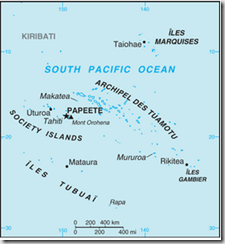
    Ten days ago in Zika, Dengue & Unusual Rates Of Guillain Barre Syndrome In French Polynesia, we looked at the history of this (normally mild) emerging mosquito-borne virus, and at a recent outbreak in the South Pacific that – quite unusually – seemed to be linked to an increase in Guillain Barré Syndrome cases as well.


    The CDC describes Guillain-Barré syndrome below:


    What is Guillain-Barré syndrome (GBS)?

    Guillain-Barré syndrome (GBS) is a rare disorder in which a person’s own immune system damages their nerve cells, causing muscle weakness and sometimes paralysis. GBS can cause symptoms that last for a few weeks. Most people recover fully from GBS, but some people have permanent nerve damage. In very rare cases, people have died of GBS, usually from difficulty breathing. In the United States, for example, an estimated 3,000 to 6,000 people develop GBS each year on average, whether or not they received a vaccination.

    What causes GBS?

    Many things can cause GBS; about two-thirds of people who develop GBS symptoms do so several days or weeks after they have been sick with diarrhea or a respiratory illness. Infection with the bacterium Campylobacter jejuni is one of the most common risk factors for GBS. People also can develop GBS after having the flu or other infections (such as cytomegalovirus and Epstein Barr virus). On very rare occasions, they may develop GBS in the days or weeks after getting a vaccination.

    Who is at risk for developing GBS?

    Anyone can develop GBS; however, it is more common among older adults. The incidence of GBS increases with age, and people older than 50 years are at greatest risk for developing GBS.


    The ECDC’s summation of the Zika situation in French Polynesia (released March 3rd) follows:


    Zika virus infection outbreak in The Pacific


    In French Polynesia, 61 new suspected cases of Zika virus infection (ZIKAV) were recorded during the last week bringing the total number of suspected cases to 8 503. One additional case of Guillain-Barré syndrome has been reported. One case of ZIKAV in a returning traveller from Tahiti was confirmed by the Norwegian Institute of Public Health. The outbreak is declining in the majority of the islands.

    This is the second documented outbreak of ZIKAV in the Pacific. It is estimated that more than 29 000 cases sought medical care with Zika-like symptoms in French Polynesia since the beginning of the outbreak in October 2013. 


    Yesterday, the journal Eurosurveillance carried a Rapid Communications describing the first case of Guillain Barre (GBS) associated with ZIKAV infection in French Polynesia.  While the exact link between ZIKAV (and/or Dengue) and GBS is undetermined, this region has reported a 20-fold increase in the neurological disorder during the recent epidemic.


    Zika virus infection complicated by Guillain-Barré syndrome – case report, French Polynesia, December 2013

    E Oehler ()1, L Watrin2, P Larre2, I Leparc-Goffart3, S Lastère4, F Valour1, L Baudouin5, H P Mallet6, D Musso7, F Ghawche2

    Zika fever, considered as an emerging disease of arboviral origin, because of its expanding geographic area, is known as a benign infection usually presenting as an influenza-like illness with cutaneous rash. So far, Zika virus infection has never led to hospitalisation. We describe the first case of Guillain–Barré syndrome (GBS) occurring immediately after a Zika virus infection, during the current Zika and type 1 and 3 dengue fever co-epidemics in French Polynesia.


    <SNIP Extensive Case Report>

    Discussion and conclusion

    During this ongoing Zika fever outbreak in French Polynesia, we report the first case of GBS developing seven days after an influenza-like illness evoking ZIKA infection. Based on IgM/IgG serological results and PNRT which, according to our experience, is reliable and specific enough to differentiate a recent ZIKA infection from cross-reactions due to former infections to DENV, we believe that this is the first case of hospitalisation because of a severe ZIKA infection.

    Since the beginning of this epidemic, and as up to 8,200 cases of ZIKA infection have already been reported of a 268,000 total population, the incidence of GBS has been multiplied by 20 in French Polynesia (data not shown), raising the assumption of a potential implication of ZIKA.

    Underlying physiopathological mechanisms of Zika-related GBS is unknown, and could be of immunological origin as described with other infectious agents [18]. There is also no explanation for the emergence of this previously undescribed complication, which could lie in a genetic evolution of the virus to a more pathogenic genotype, or a particular susceptibility in the Polynesian population.

    As suggested by DENV and ZIKA serological tests in our patient, the simultaneous epidemics of type 1 and 3 dengue fever may also be a predisposing factor for developing GBS during Zika fever, as DENV infection had also been associated with GBS [19,20]. Our patient, like part of others who also presented a GBS, harboured serological markers of resolute dengue and recent ZIKA infections. This raises the hypothesis of a sequential arboviral immune stimulation responsible for such unusual clustering of GBS cases during concurrent circulation of ZIKA and two dengue serotypes. The risk of developing GBS would be consequently underlain by a specific sequence of DENV and ZIKA infections.

    Therefore in endemic areas, clinician should be aware of the risk of diffuse demyelinating disorder in case of ZIKA infection.

    Cambodia Reports 6th H5N1 Case Of 2014

    image

    Credit Wikipedia


    # 8356


    Although it has yet to appear on Cambodia’s MOH website, the following joint statement from the MOH and the World Health Organization appears on the UN Cambodia Website, detailing that nation’s 6th reported H5N1 case of the year.


    Of note, this case is from the outskirts (Khan Porsenchey) of Phnom Penh City, which is both the capital, and most populous city in Cambodia (pop. 2.2 million).


    Despite ongoing and frequent reports of H5N1 cases reported in Cambodia over the past couple of years, their sporadic nature and broad geographic distribution show no evidence of sustained or efficient community-level transmission, and so the assumption is that the vast majority of these infections came from exposure to infected birds or their environment.


    6th New Human Case of Avian Influenza H5N1 in Cambodia in 2014

    Joint Press Release From the Ministry of Health, Kingdom of Cambodia, and the World Health Organization (WHO)

    Phnom Penh, 07 March 2014

    The Ministry of Health (MoH) of the Kingdom of Cambodia wishes to advise members of the public that one (1) new human case of avian influenza has been confirmed for the H5N1 virus. This is the 6th case this year and the 53rd person to become infected with the H5N1 virus in Cambodia. The case is from Phnom Penh City. Of the 53 confirmed cases, 41 were children under 14, and 29 of the 53 were female. In addition, since the first case happened in Cambodia in 2005 there were only 18 cases survived.

    A 3-year-old boy from Prey Lyea village, Sangkat Chom-Chao commune, Khan Por-SenChey district, Phnom Penh province, was detected by the National Institute of Public Health (NIPH) on 3rd March and confirmed positive by Institut Pasteur du Cambodge (IPC), on 3rd March. The boy had onset symptoms of fever, cough, running nose and vomiting on 22nd February 2014. His parents sought treatment at a private clinic on the same day. His condition worsened and the boy was admitted to National Pediatric Hospital (NPH) on 28th February. On 2nd March, the boy had symptoms of fever, cough, running nose, vomiting, dyspnea, and cyanoses and was transferred to Calmette Hospital on the same day. The boy died about one hour after his admission on 2nd March.

    Around mid-February, over 90% of the chickens and small number of ducks suddenly died in the village. The boy was often going to a neighbour’s house where their poultry died. The relatives reported that the boy had no direct contact but the chickens died in close proximity to the house of the case.

    The national and local Rapid Response Teams (RRTs) are conducting outbreak investigation and responses following the national protocol.

    (Continue . . . )


    The World Health Organization’s most recent public health assessment on the H5N1 virus reads:


    Overall public health risk assessment for avian influenza A(H5N1) viruses: Whenever influenza viruses are circulating in poultry, sporadic infections or small clusters of human cases are possible, especially in people exposed to infected household poultry or contaminated environments. This influenza A(H5N1) virus does not currently appear to transmit easily among people. As such, the risk of community-level spread of this virus remains low.