Showing posts with label Avian Influenza. Show all posts

Monday, March 16, 2015

Defra: Update On HPAI Avian Flu In Europe, America & The Middle East

image


# 9834


An indication of how quickly things are changing, although this document was put online today and carries a March 13th release date, HPAI H5 has been reported in a 10th American State (Kansas) since this report was written.


After the great H5N1 diaspora of 2005-2006, where the virus spread from 15 countries to more than 60 in two years, it began to recede in most places, becoming endemic in just a handful. 


While remaining a perennial concern in places like China, Indonesia, India, and Egypt . . . the feared global expansion of HPAI H5N1 stopped almost as abruptly as it began. And except for occasional appearances in Japan, Korea, and Nigeria, the virus settled into an uneasy status quo.


But a little over a year ago a new HPAI H5 virus appeared in Korean Poultry; H5N8.  In short order it was detected in Japan, and China, and within months turned up in Europe, Taiwan, Canada, and now the United States.   As a world traveling HPAI virus, H5N8 has picked up where H5N1 stalled out.


Added to this, we’ve significant H7N9 activity in China, a record setting outbreak of human H5N1 infections in Egypt, and a growing roster of new reassortant avian flu viruses bubbling up in China (see China: H5 AI Rising).


Due to this rapidly changing avian threat, for the second month in a row the UK government has issued an avian flu update.


Department for Environment, Food and Rural Affairs Animal & Plant Health Agency Veterinary & Science Policy Advice Team - International Disease Monitoring
Updated Outbreak Assessment


Update on Highly Pathogenic Avian Influenza: Europe, America and the Middle East 13th March 2015

Ref: VITT/1200 HPAI Europe, America and Middle East

Disease Report


No further outbreaks of H5N8 highly pathogenic avian influenza (HPAI) in Italy,
Netherlands, Germany or the UK.


Hungary reported a single outbreak of H5N8 HPAI earlier this month in Bekes region. The affected premises contained 16 day old fattener ducks in which clinical signs were observed, probably related to the young age of the birds as in adults birds infected with the same strain of virus, clinical signs have been relatively mild in cases to date. Disease control measures were put in place and no further spread was reported.


Bulgaria reported an outbreak of H5N1 HPAI in a backyard flock in Burgas region and also in three more wild birds (Dalmatian pelican, Pelecanus crispus, Rock dove, Columba livia and a Black headed gull, Larus ridibundus). Sequence data has confirmed this is related to the Central Asian strains circulating in wild birds and associated with the last poultry and wild bird incursions Europe in 2010. Disease control measures were put in place.

Israel has reported further cases of H5N1 HPAI in poultry: five more outbreaks in Hamerkaz in commercial poultry (turkeys and broilers). Disease control measures are in place. Sequence data has confirmed this is a poultry-adapted strain found in this region previously and closely related to strains associated with outbreaks in Egypt. Department for Environment, Food and Rural Affairs Animal & Plant Health Agency Veterinary & Science Policy Advice Team - International Disease Monitoring

USA continues to report avian influenza. A further outbreak of H5N8 HPAI in commercial birds (a mixed duck and chicken premises) has been reported in California. H5N2 HPAI has been reported from commercial premises in Idaho, Washington State, Minnesota, Missouri and Arkansas. The most recent outbreaks in Mid-USA are all in commercial turkeys and represent a large geographic jump in disease distribution to the centre of the country which suggests a corresponding spread of H5N2 HPAI in wild birds into the Central Flyway as well as a the Pacific Flyway. Sequence data for the virus isolated from the turkey cases showed 99% similarity to wild bird viral sequences. Wild bird cases of H5N8 and H5N2 HPAI continue to be reported within the Pacific Flyway States.


Situation Assessment In addition to the outbreaks and wild bird cases reported in Europe, the Middle East and America, there are still multiple virus subtypes circulating in Asia (Japan, China, Republic of Korea, Myanmar, Vietnam) as well as Nigeria (H5N1 HPAI) and a significant increase in outbreaks of H5N1 HPAI in Egypt (for further information on the situation in Egypt, see the FAO report at


http://www.fao.org/ag/againfo/programmes/en/empres/news_060315.html) .

image

Recently the WHO has Department for Environment, Food and Rural Affairs Animal & Plant Health Agency Veterinary & Science Policy Advice Team - International Disease Monitoring produced a warning about the increase in avian influenza viruses in terms of both circulation and diversity emphasising that vigilance is required in case of a potential increase in human infection, but it should be emphasised that of the recently reported outbreaks of H5N8 HPAI, none have caused spill-over infection into humans (WHO, 2015).

Nevertheless cases of human infection are still occurring, with H5N1 HPAI in Egypt and China and three cases of H5N6 HPAI in China, while avian influenza H7N9 continues to cause human cases in China. The recent report of two human cases of H7N9 in travellers returning from China to Canada demonstrates the risk of carriage by humans to new areas. Nevertheless the co-circulation of multiple lineages and subtypes of H5 HPAI within different continents will likely result in further genetic diversity within this group of viruses with unknown implications for its maintenance and spread.

Conclusion The continuing outbreaks of HPAI and LPAI occurring across the EU and wider afield, means the likelihood of the UK having another outbreak remains increased for the upcoming weeks. It would not be unexpected to see a degree of seasonality in the timing of the outbreaks but for the time being we would like to remind all poultry keepers to maintain high standards of biosecurity and report any suspect clinical signs promptly. For reports of wild birds (any number of swans, ducks and geese or >5 other birds) found dead by the public, please notify the Defra helpline on 03459 33 55 77 and see the Gov.uk website for more information: https://www.gov.uk/avian-influenza-bird-flu

Study: Co-Circulating H5, H9, H10 Avian Flu Subtypes In Nanchang, China LBMs

image

How viruses shuffle their genes (reassort)


# 9833


When it comes to the source for the next novel flu virus, nature has a lot of options. 


Last month, in Virology J: Human-like H3N2 Influenza Viruses In Dogs - Guangxi, China, we looked at canine hosted flu viruses and their potential threat to humans, while last year in Keeping Our Eyes On The Prize Pig we looked at the array of swine variant flu viruses (H1N1v, H1N2v, H3N2v) that have sporadically jumped to humans over the past few years. 


In Eurosurveillance: Avian H10N7 Influenza In Harbor Seals and mBio: A Mammalian Adapted H3N8 In Seals, we even looked at the potential for seeing a human flu arise from a marine mammal host.


Cats and bats and horses . . . even camels (see Equine H3N8 In Mongolian Bactrian Camel) . . .  are susceptible to various types of flu viruses – a testament to influenza’s promiscuity and adaptability – and while pretty far down our suspect list, all probably have some possibility of spawning the next novel flu.  


But influenza is first and foremost of avian origin, and has its greatest diversity and incidence in birds - both wild and domesticated – putting them at the top of our watch list.


Over the past several years we’ve watched an explosion in the diversity of highly pathogenic avian flu viruses around the world.  While some of this shift may be due to better testing, surveillance, and reporting  - there seems little doubt that we are seeing a increase in the incidence, variety, and virulence of avian flu viruses.


Of the avian flu viruses we are currently watching with the greatest  concern – H5N1, H5N2, H5N3, H5N6, H5N8, H7N9, H10N8 -  all  share several important features (see Study: Sequence & Phylogenetic Analysis Of Emerging H9N2 influenza Viruses In China):

    • They all first appeared in  Mainland China
    • They all  have come about through viral reassortment in poultry
    • And most telling of all, while their HA and NA genes differ - they all carry the internal genes from the avian H9N2 virus

Today we’ve a study, appearing in the Japanese Journal of Infectious Diseases, that looks at the incidence of avian flu in live bird markets (LBMs) in Nanchang, China in late 2013 and early 2014, immediately following the first human H10N8 case reported in that city (see EID Dispatch: Human Infection with Influenza Virus A(H10N8) From LPMs).

.


Although hampered by a lack of sequencing, and limited to HA testing, this study turned up high levels of infection by H9, H10, and H5 viruses – with a surprisingly high rate of multiple flu infections among poultry. 


First the link, abstract, and some excerpts – after which I’ll return with a bit more:


Coexistence of Avian Influenza Virus H10 and H9 Subtypes among Chickens in Live Poultry Markets during an Outbreak of Human Infection with Novel H10N8 Virus in Nanchang, China

Maohong Hu1), Xiaodan Li2), Xiansheng Ni1), Jingwen Wu1), Rongbao Gao2), Wen Xia1), Dayan Wang2), Fenglan He1), Shengen Chen1), Yangqing Liu1), Shuangli Guo1), Hui Li1), Yuelong Shu2), Jeffrey W. Bethel3), Mingbin Liu1), Justin B. Moore4), Haiying Chen1)

[Advance Publication] Released 2015/03/13

 Full Text PDF [1739K]

Human infections with the novel H10N8 virus have raised concerns about pandemic potential worldwide. We report the results of a cross sectional study on avian influenza virus (AIV) in live poultry markets (LPMs) in Nanchang, China after the first patient case with H10N8 virus was reported in the city. A total of 201 specimens tested positive for AIVs of the 618 samples collected from 24 LPMs in Nanchang from December 2013 to January 2014.

We found that the LPMs were heavily contaminated by AIVs, with H9, H10 and H5 being the predominant subtypes and more than half of the LPMs providing samples positive for H10 subtype. Moreover, the coexistence of different subtypes was common in LPMs. Of the 201 positive samples, 20.9% (42/201) were mixed infections of different HA subtypes of AIVs.

Of the 42 mixed infections, 50% (21/42) were coexistence of H9 and H10 subtypes with or without H5, and were from chicken samples. This indicated that H10N8 virus probably originated from the segment reassortment of H9 and H10 subtypes during the period of emerging of the H10N8 virus.


The entire study is available online. One striking aspect is the shift in the subtypes of viruses detected over what was reported in the same region a decade ago.  This from the study:


A previous study conducted in Nanchang approximately 10 years ago showed that H2, H3, H4 and H9 subtypes, were isolated most frequently from chickens and ducks in LPMs, but no H7 or H10 subtype was isolated (13). The difference of the subtypes revealed the variation of AIVs over time while H9 was continuous existing in the LPMs in Nanchang


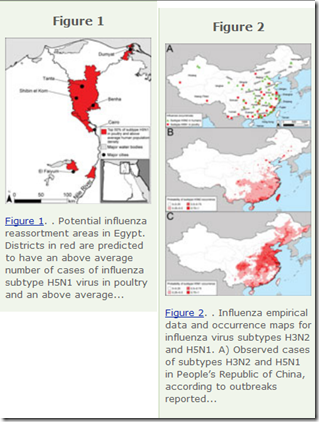
Two years ago – coincidentally, just  two weeks before we learned of the emergence of H7N9 in Eastern China – we looked at a study in the EID Journal: Predicting Hotspots for Influenza Virus Reassortment that found Eastern China to be one of the worlds best breeding grounds for novel flu viruses.


Potential geographic foci of reassortment include the northern plains of India, coastal and central provinces of China, the western Korean Peninsula and southwestern Japan in Asia, and the Nile Delta in Egypt.

image


Interestingly, two of the biggest concerns cited – China and Egypt – are the prime focus of our current bird flu watches, and H5N8 first came to our attention on the western Korean Peninsula just over a year ago.


While it is true that most of this new crop of avian influenza viruses have yet to demonstrate the ability to infect and sicken humans, their growing diversity provides essential viral building blocks from which new, possibility more dangerous, viruses can be constructed. 


You can view a short (3 minute) video from NIAID on reassortment here.


And even viral subtypes that currently don’t easily infect humans can, over time, acquire genetic changes that might eventually change their behavior – either through further reassortment or antigenic drift.  It is this continual evolutionary process - highlighted by the Journal Nature last week (see Nature: Dissemination, Divergence & Establishment of H7N9 In China) – that places H7N9 at or near the top of our pandemic threats list.


While we can’t predict when, from where, or through what HA-NA subtype the next pandemic will arise, what is clear is that we live in an increasingly viral-threat-rich environment, with new flu subtypes emerging over the past couple of years at an accelerated rate.


Which no doubt influenced the World Health Organization  last month when they issued  a statement called Warning signals from the volatile world of influenza viruses  where they cautioned:


Warning: be prepared for surprises


Indeed.

Tuesday, March 10, 2015

J. Virol: Spread & Persistence Of Avian Flu Viruses In The Mississippi Flyway

image

# 9803


Sometimes good timing is everything.


Published just two days before HPAI H5 was confirmed for the first time in North America’s Mississippi Flyway (see HPAI H5N2 In A Minnesota Turkey Farm  followed 4 days later by Missouri Dept. Ag. Statement On Avian Flu At Missouri Turkey Farm), we have a study that looks at the spread, reassortment, and persistence of  (low path) avian flu viruses over three seasons in the Mississippi Migratory Flyway (MMF).


The MMF runs from Northern Canada south to the southern tip of Argentina, and encompasses 2/3rds of the continental United States.  It is bordered (and overlapped) on the west by the Pacific Flyway, and on the east by the Atlantic American Flyway.


While these flyways are predominately north-south corridors, their overlapping allows for a lateral (east-west) movement of avian viruses as well – often via shared nesting areas and ponds.  We’ve recently seen the abrupt move east of HPAI H5 from the Pacific Flyway into the Mississippi Flyway.


First the abstract from the study (which, alas, is behind a pay wall) after which I’ll be back with a bit more.


J Virol. 2015 Mar 4. pii: JVI.03249-14. [Epub ahead of print]

The spread and persistence of influenza A viruses in waterfowl hosts in the North American Mississippi Migratory Flyway.

Fries AC1, Nolting JM2, Bowman AS2, Lin X3, Halpin RA3, Wester E3, Fedorova N3, Stockwell TB3, Das S3, Dugan VG3, Wentworth DE3, Gibbs HL4, Slemons RD2.


Abstract

While geographic distance often restricts the spread of pathogens via hosts, this barrier may be compromised when host species are mobile. Migratory waterfowl in the Order Anseriformes are important reservoir hosts for diverse populations of avian-origin influenza A viruses (AIVs) and are assumed to spread AIVs during their annual continental-scale migrations. However, support for this hypothesis is limited and rarely tested using data from comprehensive surveillance efforts incorporating both the temporal and spatial aspects of host migratory patterns.

Over three autumn migratory seasons we conducted intensive AIV surveillance in waterfowl using the North American Mississippi Migratory Flyway (MMF). Viral isolates (n=297) from multiple host species were sequenced and analyzed for patterns of gene dispersal between northern staging and southern wintering locations. Using a phylogenetic and nucleotide identity framework, we observed a greater amount of gene dispersal within rather than between the other three longitudinally identified North American flyways. Across seasons, we observed patterns of regional persistence of diversity for each genomic segment along with the limited survival of dispersed AIV gene lineages. Reassortment increased with both time and distance resulting in transient AIV constellations.

This study shows that within the MMF, AIV gene flow favors spread along the migratory corridor within a season and that intensive surveillance during bird migration is important to identify virus dispersal on time scales relevant to pandemic responsiveness. In addition, this study indicates that comprehensive monitoring programs to capture AIV diversity are critical to provide insight into AIV evolution and ecology in a major natural reservoir. 

PMID:
25741003
[PubMed - as supplied by publisher]

(Continue . . . )


This study describes the MMF as being an efficient conduit through which avian viruses can intermix, propagate, and spread.  


With the recent introduction of HPAI H5 viruses into this avian population – and several new reassortant viruses already detected (H5N8, H5N2, H5N1) – this suggests the potential for additional HPAI subtypes to emerge cannot be ignored.


image

How viruses shuffle their genes (reassort)


While human infection with these recently emerged H5 viruses have not been reported, they are related to H5 subtypes that have caused severe (even fatal) infections before.  Therefore, the CDC is taking a cautious approach, and a couple of weeks ago released CDC Interim Guidance On Antiviral Chemoprophylaxis For Persons With Exposure To Avian Flu  and CDC Interim Guidance For Testing For Novel Flu.


Last month, in EID Journal: Novel Eurasian HPAI A H5 Viruses in Wild Birds – Washington, USA, we looked at an early dispatch that warned:


The appearance of highly similar Eurasian H5N8 viruses in Asia, Europe, and now the United States suggests that this novel reassortant may be well adapted to certain waterfowl species, enabling it to survive long migrations (6). These appearances also represent a major change in Eurasian H5 virus circulation. After the reported spread of HPAI H5N1 virus in Asia, a large, interagency avian influenza virus (AIV) surveillance effort was implemented throughout the United States during April 2006–March 2011 (7).

Of nearly 500,000 wild bird samples tested, none harbored Eurasian subtype H5 AIV. The overall prevalence of AIV was ≈11%, and most viruses (86%) were detected in dabbling ducks (family Anatidae) (8). Although H5N8 subtype viruses have been detected previously in the United States, all have been low pathogenicity AIV of North American wild bird lineage.

<SNIP>

The ongoing circulation of these Eurasian HPAI H5 viruses in wild birds considerably alters the potential risks and subsequent consequences for US poultry and wildlife rehabilitation centers. Detection of HPAI H5N8 virus in apparently healthy common teal (A. crecca), Eurasian wigeon (A. penelope), mallard, spot-billed duck (A. poecilorhyncha), and tundra swans (C. columbianus) (3,5) suggests that wild birds may contribute to further spread of this HPAI H5 lineage in North America.


This study also cited three major findings:

First, the Eurasian lineage avian H5N8 clade 2.3.4.4 virus survived introduction into North America in its entirety.

Second, introduction of Eurasian H5N8 virus into North America appears to be independent from introductions of the virus into Europe.

Third, the duration of circulation of H5N8 virus in the Pacific flyway (California, Idaho, Nevada, Oregon, Utah, and Washington, USA) is unknown, but it was sufficient for reassortment with low pathogenicity North American lineage wild bird AIV (Figure 1).


Although the ultimate fate of HPAI H5 in North America’s wild and migratory birds is unknown, thus far it appears to be thriving in its new found environment.  It has produced several new reassortants, it has infected commercial farms in at least three states, and as yet, shows no signs of dying out.


For now, the USDA advises:


All bird owners, whether commercial producers or backyard enthusiasts, need to continue practicing good biosecurity, preventing contact between their birds and wild birds, and reporting sick birds or unusual bird deaths to State/Federal officials, either through your state veterinarian or through USDA’s toll-free number at 1-866-536-7593. 

Monday, December 01, 2014

An Avian Flu Primer

image


# 9392


Two years ago, there was essentially just one HPAI (highly pathogenic avian influenza) virus we were really watching – H5N1.  True, there were some lesser avian viruses out there – including H9N2, H5N2, and  H7N7 – but none of these were viewed as posing a major public health threat.


Fast forward 24 months, and the avian flu scene has changed dramatically, with the addition of multiple clades of H7N9, H10N8, H5N6, H5N8, and H5N3.   And at the rate new hybrids are emerging, this list could well expand over the next year or two.


With so many new avian viruses in the news, it is getting hard to keep track.  So today, a brief overview of the major avian flu `players’ – at least as things stand on this first day of December 2014.


But first, a word about clades.


While we talk about subtypes as if they represent a single strain, influenza viruses are constantly evolving, and over time each subtype can split into multiple clades; similar, but genetically distinct branches off the family tree. 


And within each of these clades, there can be sub-clades, and within those, minor variants.  Each clade, or variant within a clade, has the potential to behave differently.  Some clades may be more virulent than others, while others may develop resistance to antivirals or evade current poultry vaccines (see Differences In Virulence Between Closely Related H5N1 Strains).


As a result, the H5N1 virus circulating in Egypt is not the same H5N1 virus circulating in Cambodia.  H5N1 alone has produced more than 20 clades over the years (not all continue to circulate).

image

Diversity of circulating H5N1 Clades – Credit WHO


The bottom line is that what we can say about any of these avian flu subtypes today may not hold true tomorrow, as they are constantly evolving.  But we have to start somewhere . . . .


H5N1

The granddaddy of avian flu viruses, it first appeared (as an HPAI) in Guangdong Province in 1996, and sparked a mini-epidemic in Hong Kong in 1997 (18 infected, 6 killed).   A massive poultry cull dampened the threat until 2003, when it resurfaced in both Vietnam and China.  


Within three years the virus had spread throughout much of Asia and into Europe, and has become endemic in Indonesia, Vietnam, China, Cambodia, Bangladesh, and Egypt.  Although surveillance and testing is lacking, we know of more than 640 human infections, of which about 60% have died.


The past few years the virus has taken a backseat to some of the newer HPAI’s, but over the past couple of weeks has flared again in Egypt, infecting 7 people.   It is the most geographically widespread, and genetically diverse subtypes of HPAI, and therefore still commands respect for its potential as a public health threat.


For now, it is mainly a threat to poultry operations (it has a high mortality rate in chickens), and to those who have close contact with live (infected) birds.  Like all of the other avian flu threats, for now, it does not transmit well from human-to-human.


H7N9

An avian flu virus with a twist – it isn’t highly pathogenic in birds – only (it seems) in humans.  And so instead of being tipped off that the virus is circulating by sick or dead poultry, often our first indication of its presence is when humans begin to fall ill.


Not as deadly as H5N1 is to humans, it still manages to kill about 30% of those sick enough to be hospitalized with the virus. 


H7N9 first appeared nearly 2 years ago (Feb 2013) in Eastern China, where it sparked a brief epidemic that infected 130+ people.   The following year, another epidemic emerged in mid-winter, producing another 300 cases.  Although it is early in the `bird flu season’, we are beginning to see an uptick in H7N9 cases in China once again this fall.

image

Two Waves of H7N9  - Credit Hong Kong’s CHP


Because of its rapid spread to humans (despite a lack of human-to-human transmission), and because it continues to pick up `mammalian adaptations’, H7N9 is viewed as a bigger pandemic threat than H5N1, although no one knows when, or if, either of these viruses will adapt to humans.


In June, in Eurosurveillance: Genetic Tuning Of Avian H7N9 During Interspecies Transmission, we saw evidence of the genetic diversity, and continual evolution, of the H7N9 virus in Mainland China.  Researchers found that at least 26 separate genotypes had emerged, mostly during the first wave, through a process they called `genetic tuning’.


As this process appears to be ongoing, with unpredictable results, the authors warned:

Overall, due to the genetic tuning procedure, the potential pandemic risk posed by the novel avian influenza A(H7N9) viruses is greater than that of any other known avian influenza viruses.


While we can’t afford to turn our backs on any of the emerging avian viruses, H7N9 is considered the one to watch.


H5N8


One of the newer viruses on the block, H5N8 emerged in Korea last January both in wild & migratory birds, and in commercial poultry operations, and in short ordered spread across the peninsula.   Dozens of farms were affected, and millions of birds were culled.

image

South Korean H5N8 outbreaks – Credit Japan’s MAFF 


The virus also showed up briefly in Japan last April, but was quickly stamped out.  This fall H5N8 has shown up in Korea, China, Japan, and Europe – carried it appears by migratory birds – and infecting farms in Germany, the UK, and the Netherlands.


So far, while highly pathogenic in poultry, this virus has not been shown to infect humans.  However, last spring we did see  Korea Finds More Dogs With H5N8 Antibodies


As the virus spreads, however, it continues to evolve (see EID Journal: Describing 3 Distinct H5N8 Reassortants In Korea), giving rise to concerns that it could someday pose a greater human health threat.


H5N6

Another recent arrival – H5N6 – appeared on our radar screen last April in Southern China, where it infected local poultry and killed one person (see Sichuan China: 1st Known Human Infection With H5N6 Avian Flu).  While one human infection does not a pandemic threat make, the appearance of H5N6 six months ago was concerning enough that in September we saw the FAO Warn On H5N6.


After a quiet summer, in August reports of the virus began to turn up as far south as Central Vietnam and as far north as China's Heilongjiang Province -  more than 2000 miles apart. The latest FAO report (see China: H5 AI Rising) showed 24 detections of H5N6 over the past 6 weeks across thousands of miles of China.

image

Our knowledge of H5N6 remains limited right now, but its rapid spread across China and into Vietnam suggests that it too has `legs’, and could turn up elsewhere in the months and years ahead.


H10N8


Avian H10 viruses haven’t garnered a lot of attention until relatively recently, as they rarely produce symptoms in poultry, and human infections have been both rare, and mild.  All of that changed last winter when China reported three H10N8 infections (2 fatal)  (see Jiangxi Province Reports 3rd H10N8 Case) in quick succession.


LPAI (Low Path Avian Influenza) H10N8 had been previously reported in a duck sampled back in 2012 from Guangdong province, but was otherwise not well described. 


Human infections with a close cousin – H10N7 – had previously been reported in two children in Egypt in 2004 (see Avian Influenza Virus A (H10N7) Circulating among Humans in Egypt) and among abattoir workers in Australia in 2012 (see EID Journal: Human Infection With H10N7 Avian Influenza).  


In both cases illness was described as mild, and of short duration.


In any event, H10N8 is probably the wild card this winter.  We know very little about it, and no one really knows whether it reappear, or simply fade away.


H9N2


While only rarely found to infect humans, H9N2 appears to play a central role in the evolution of HPAI viruses.


The three novel avian flu strains that currently worry scientists the most – H5N1, H7N9, and the recently observed H10N8 – all share several important features,  which we’ve discussed previously.

  1. They all first appear to emanate from Mainland China
  2. They all appear to have come about through viral reassortment in poultry
  3. And most telling of all, while their HA and NA genes differ - they all carry the internal genes from the avian H9N2 virus

The avian H9N2 virus – unlike the H5 and H7 avian viruses – is not considered a `reportable’ disease by the OIE since it is viewed as a relatively stable LPAI (Low Pathogenic Avian Influenza), not prone to evolving into a more dangerous HPAI form.  It is, however:

  1. Believed ubiquitous across much of Asia’s poultry population
  2. Has occasionally infected humans (see Hong Kong: Isolation & Treatment Of An H9N2 Patient)
  3. And is viewed as having at least some `pandemic potential’ (see H9N2: The Other Bird Flu Threat)


H7N7


Until recently, H7N7 and other H7 viruses had been viewed as posing only a small threat to human health. While they have sparked a small handful of outbreaks – including the largest known H7N7 cluster (89 confirmed, 1 fatality) in the Netherlands more than a decade ago – nearly all of the reported cases have been  very mild (often just conjunctivitis).


The impact on the poultry industry has been major. With more than 30 million birds on more than 1,000 farms culled to control the 2003 outbreak in the Netherlands. 


More recently, in Mexico we saw two mild human cases in 2012 (see see MMWR: Mild H7N3 Infections In Two Poultry Workers - Jalisco, Mexico), and 3 mild cases in Italy in 2013 (see ECDC Update & Assessment: Human Infection By Avian H7N7 In Italy).


While H7s have been regarded as less of a human threat than H5s, in 2008 we saw a study in  PNAS that suggested the H7 virus might just be inching towards adapting to humans (see H7's Coming Out Party). The emergence of an uncharacteristically highly pathogenic (in humans) H7N9 in China in 2013 has only served to increase these concerns


There are others out there – H5N3,  H5N2, H6N1 . . . .   - and in truth, six months from now we may be looking at a new crop of reassorted viruses.  The continued use of only partially effective vaccines in China, and elsewhere, is viewed by many as a major driver of new viral reassortments (see EID Journal: Subclinical HPAI In Vaccinated Poultry – China).


While we can’t know when – or even if – any of these viruses will gain enough human adaptations to pose a pandemic threat, the more viral `building blocks’ that are available for nature’s laboratory, the more variations on an avian flu theme that may emerge.


All of which makes any hopes of avian flu’s demise as a pandemic threat premature.

Saturday, November 22, 2014

Nature Comms: Host Adaptation Of Avian Influenza Viruses

image

Flu Virus binding to Receptor Cells – Credit CDC


# 9360


More than a decade after it re-emerged in Vietnam, H5N1 continues to circulate widely in Asian and Middle Eastern poultry providing numerous opportunities to infect humans, and yet only a few more than 600 human infections have been identified.  


Similarly, the H7N9 virus which appeared 2 years ago in China appears well distributed in Asia’s domesticated poultry population, but only about 450 human infections have been reported.


While both viruses are capable of infecting and causing severe illness in humans, neither has taken off as a human-adapted pathogen.  Transmission has almost always been from bird to human, with secondary human-to-human transmission a rarity. 


Despite our concerns over the future of these influenza subtypes, both viruses remain primarily adapted to avian hosts.  The concern of course, is that over time, that may change.


Why some influenza viruses – like seasonal H1N1, H3N2, H2N2, and others through the years – have successfully adapted to humans, while others like H5N1, H7N9, H5N6, H10N8 haven’t remains a mystery, although researchers are making progress in figuring it out.  


Avian flu viruses are preferentially adapted to birds, where it is primarily a gastrointestinal infection. What scientists look for are `mammalian adaptations’;  those that favor the infection and respiratory transmission among mammals – including humans. 


Unlike solving a Rubik’s cube, there is probably more than just one `winning’ combination.  And a change in one part of the virus that favors adaptation may either be enhanced, or blocked, by a change somewhere else along the14,000 nucleotide chain of the influenza A virion.


Avian adapted flu viruses bind preferentially to the alpha 2,3 receptor cells found in the gastrointestinal tract of birds. So the first barrier appears to be switching the RBS, or Receptor Binding Site (the area of its genetic sequence that allows it to attach to, and infect, host cells) to `fit’ the receptor cells commonly found in the human upper respiratory tract; the alpha 2,6 receptor cell (see Study: Dual Receptor Binding H5N1 Viruses In China)


But that, we are learning, isn’t enough on its own.


Birds run `hotter’ than mammals, with a normal body temperature  several degrees higher (and avian viruses replicate in the gut, which is warmer than the upper airway of humans).  Which means mammalian adapted viruses must be adapted to replicate at a lower temperature.


Researchers have determined the (E627K) substitution in the (PB2) protein - the swapping out of the amino acid Glutamic acid (E) at position 627 for Lysine (K) - makes the an influenza virus better able to replicate at the lower temperatures (roughly 33C) normally found in the upper human respiratory tract (see Eurosurveillance: Genetic Analysis Of Novel H7N9 Virus).


These are just two examples of species barriers that must be overcome before an avian virus can successfully adapt to human (or mammalian) physiology.  There are more, some we know about, some we probably don’t


Complicating matters – influenza viruses constantly develop multiple amino acid changes – and their combined effects on the virulence, transmission, antiviral resistance, `fitness’, and host range of the virus are far from fully understood.


All of which serves as prelude to a study recently published in Nature Communications, that finds another PB2 amino acid substitution (K526R) enhances the effects of the E627K mutation mentioned above.


First the link and abstract with the daunting title of:


The K526R substitution in viral protein ​PB2 enhances the effects of E627K on influenza virus replication

Wenjun Song, Pui Wang, Bobo Wing-Yee Mok, Siu-Ying Lau, Xiaofeng Huang, Wai-Lan Wu, Min Zheng, Xi Wen, Shigui Yang, Yu Chen, Lanjuan Li, Kwok-Yung Yuen & Honglin Chen

Host-adaptive strategies, such as the E627K substitution in the ​PB2 protein, are critical for replication of avian influenza A viruses in mammalian hosts. Here we show that mutation ​PB2-K526R is present in some human H7N9 influenza isolates, in nearly 80% of H5N1 human isolates from Indonesia and, in conjunction with E627K, in almost all seasonal H3N2 viruses since 1970.

Polymerase complexes containing ​PB2-526R derived from H7N9, H5N1 or H3N2 viruses exhibit increased polymerase activity. ​PB2-526R also enhances viral transcription and replication in cells. In comparison with viruses carrying 627K, H7N9 viruses carrying both 526R and 627K replicate more efficiently in mammalian (but not avian) cells and in mouse lung tissues, and cause greater body weight loss and mortality in infected mice. ​PB2-K526R interacts with nuclear export protein and our results suggest that it contributes to enhance replication for certain influenza virus subtypes, particularly in combination with 627K.

(Continue . . .)


Simply put, an influenza virus carrying both the E637K and K526R mutation in it’s PB2 protein replicates more efficiently in mammalian hosts. 


Interestingly, the H3N2 seasonal flu virus – which traditionally produces more severe flu seasons than does seasonal H1N1 – has also carried this dynamic duo of amino acid substitutions since the early 1970s.


HKU (Hong Kong University) – which did this study – published a press release (excerpts below) with a summary of their findings:


HKU medical research team finds host adaptation strategies of avian influenza A viruses for better replication in human

20 Nov 2014

(EXCERPT)

Research findings
In a recent study reported in the Nature Communications, a research team led by Dr. Honglin Chen, Associate Professor, and Professor Kwok-yung Yuen, Henry Fok Professor in Infectious Diseases, Chair Professor of Infectious Diseases from the Department of Microbiology, Li Ka Shing Faculty of Medicine, and State Key Laboratory for Emerging Infectious Diseases, the University of Hong Kong, found that avian influenza A H5N1 and H7N9, and seasonal H3N2 viruses may gain the ability to replicate in mammal and human cells through various adaptation changes in the viral replication enzyme complex called the PB2 subunit. 

They found that H7N9 avian influenza A virus is able to utilize multiple adaptive strategies to replicate in human cells, which may explain why H7N9 is distinct in causing human infections; This study identified a novel adaption marker, PB2-526R among some H7N9 viruses and almost exclusively among all H5N1 human cases from Indonesia.  It has been a puzzle why there is no known PB2 adaptation marker in the H5N1 virus from Indonesia human cases and the finding from HKU nicely explained how this Indonesian subclade of avian H5N1 virus may have adapted for human infections. 

This study also found PB2-526R is able to enhance replication and pathogenicity of other types of PB2 adaptations, such as previously known PB2-627K, in H7N9 and H3N2 viruses.  Since the human pandemic H3N2 virus emerged in 1968, it has gained an additional PB2-526R adaptation marker since 1970s and the PB2-526R-627K virus replicates better than the solely PB2-627K virus.  It is likely that the impression of more severe disease burden caused by H3N2  than that of H1N1 may be partly attributed to the better replication ability of PB2-526R-627K virus. 

These findings by HKU provided new insight for the understanding of cross species transmission and replication in human cells by avian influenza viruses.  The study provides a new genetic marker for the surveillance of avian influenza A virus with potential for human infection.

While this study provides us with a new genetic marker by which to track the evolution of avian flu viruses, it alone is obviously not the only barrier to seeing H7N9, H5N1, or any other novel flu virus become a pandemic. 


But given its sloppy replication habits, and promiscuous `mating habits (reassortment)’, influenza viruses get billions of throws of the genetic dice each and every day.


So the odds (and history) suggest that given enough time the `right’ combination will come up, and another novel virus will strike mammalian host gold.  We’ve seen that happen four times in the past century (2009, 1968, 1957, and 1918), and there is no reason to doubt it will happen again.

Monday, November 10, 2014

FAO-EMPRES Report On The Emergence And Threat Of H5N6

image


# 9305


For many years Southeast Asia has been considered `the cradle of influenza’, an area of the world where both human and animal influenza viruses circulate more-or-less year round, and where humans and farm animals often live in close proximity with one another.


In March of 2013, in EID Journal: Predicting Hotspots for Influenza Virus Reassortment, we looked at a study that selected East-Central China a one of the top hotspots in the world for the creation of zoonotic influenza viruses – those that can jump from animals to man. 


And then, almost on cue, two weeks later we saw the first reports of a new avian flu virus that had jumped to humans in Shanghai; H7N9.  


In a matter of less than 60 days, more than 130 human cases were diagnosed.  The following year -  another 320+ cases were tallied, and over the summer we saw the following assessment appear in Eurosurveillance: Genetic Tuning Of Avian H7N9 During Interspecies Transmission.

Overall, due to the genetic tuning procedure, the potential pandemic risk posed by the novel avian influenza A(H7N9) viruses is greater than that of any other known avian influenza viruses.


As if that weren’t enough,  in rapid succession over the past 12 months we’ve seen 3 more subtypes appear:


Suddenly, we’ve gone from having 1 worrisome bird flu virus (H5N1), to having at least 5 (H5N1, H7N9, H10N8, H5N8, H5N6).  All are the product of reassortment – the swapping of gene segments between two flu viruses - to produce a new hybrid.


Although categorized by their two surface proteins (HA & NA) Influenza A viruses have 8 gene segments (PB2, PB1, PA, HA, NP, NA, M1, M2, NS1, NS2).

image

Shift, or reassortment, happens when two different influenza viruses co-infect the same host swap genetic material.  New hybrid viruses may be the result of multiple reassortments, with gene contributions coming from several parental viruses.


Interestingly, while their HA and NA genes may differ – almost all of these new viral interlopers carry the internal genes from the avian H9N2 virus (see The Lancet: H9N2’s Role In Evolution Of Novel Avian Influenzas). 


And while we are talking about 5 main subtypes (for now, anyway), we’ve seen evidence of dozens of variants or clades bubbling up within these subtypes  - with new, updated versions emerging at a tremendous rate.


And new subtypes continue to emerge, as is evidenced by the announcement last month that an H5N3 virus was detected in a live bird market in Changsha, Hunan. 


The more subtypes in circulation, the more `interchangeable parts’  that are available for building new viruses. No one should be overly shocked if this list of newly emergent avian viruses continues to grow this winter. 


All of which brings us to a new 5-page FAO EMPRES report published today, excerpts which I’ve posted below.  By all means, download the entire PDF, as it is chock full of good information and covers the genesis – and possible interaction with – other avian influenza viruses in the region (i.e. H7N9, H10N8, H5N8, etc.).


Avian influenza A(H5N6): the latest addition to emerging zoonotic avian influenza threat In East and Southeast Asia

VOL 30 — NOVEMBER 2014 EMPRES-ANIMALHEALTH@FAO.ORG | WWW.FAO.ORG/AG/EMPRES.HTML

image


<BIG SNIP>

Perspectives and recommendations
The epidemiological and genetic analysis described above show that the virus is still more adapted to avian-type than  human-type respiratory receptors. However, with winter season approaching in eastern Asia, the prevalence of the virus in poultry is expected to rise, increasing both chances for human exposure and opportunities for mutation or reassortment, especially considering the location of circulation of this virus: in endemic regions with H5N1, H9N2 and H7N9 for China. The latter could change the viruses’ transmissibility to humans. H5N6 therefore remains a public health threat, which requires close monitoring in the same way as for H5N1 HPAI and H7N9.


The possibility exists that wild birds could become infected and spread these viruses to other countries or continents. Migratory birds, which have played a key role in the introduction of H5N1 to Europe and Africa [Kilpatrick et al, 2006] and of H5N8 to the Republic of Korea [Jeong et al, 2014], could spread the viruses to other countries or continents. Research is required to better understand the role migratory birds play in the epidemiology of these novel viruses and related risks.

(Continue . . . .)


For those who may have missed it, coincidentally I wrote about concerns over the spread of H5N6, H7N9, H5N8 and other avian flu viruses this morning in Bird Flu Spread: The Flyway Or The Highway?

Monday, October 27, 2014

China: H5 AI Rising

image

Credit ECDC – 125 years of  Pandemic  History


# 9253


Despite its horrific impact on West Africa, Ebola – since it is not an `airborne virus’ – is unlikely to spark the next great pandemic.  None of which is to sell the impact of this virus short.  If it is not contained soon, it could wreak considerable havoc around the globe  -  particularly in the developing world. 


But respiratory viruses – particularly novel influenzas –  have far greater pandemic potential, and influenza reassortments (see chart above)  have a long history of doing precisely that.


For almost two decades the H5N1 virus has been on the radar screen – ever since it caused an outbreak in Hong Kong in 1997 (18 human infections, 6 fatal).  Massive poultry culls seemingly sent the virus packing – but it reappeared in Vietnam in  2003 – having apparently been circulating unnoticed in wild birds and poultry in China. 


For nearly a decade, the H5N1 virus captured the bulk of our attentions.  Yes, there were `other’ avian strains out there of interest – H7s and H9s - but none produced the kind of dramatic high mortality in humans that this HPAI H5N1 strain did. 


At least not until the spring of 2013 when – out of left field – H7N9 appeared in China, and rewrote the books on H7 avian strains. 


Instead of producing mild respiratory symptoms and conjunctivitis – which is what we saw with other H7 avian viruses – this reassortant was killing up to 30% of hospitalized cases.


Either virus would be devastating were they to gain the ability to spread efficiently between humans.  For now, infection comes primarily from direct exposure to infected poultry, and secondary transmission remains rare.  Neither virus has evolved to the point of becoming an imminent human pandemic threat.


But these viruses – and others recently arrived on the scene – continue to mutate, reassort, and evolve.  They roll the genetic dice millions of times each day - and even though successful mutations are rare -  with that many opportunities the odds say they will eventually find the right combinaton.


One that makes the virus more `biologically fit’.  

image

Reassorted viruses can result when two different flu strains inhabit the same host (human, swine, avian, or otherwise) at the same time. Under the right conditions, they can swap one or more gene segments and produce a hybrid virus.


The intermingling of wild birds, ducks, and poultry over the past two decades have produced dozens of new clades of avian flu viruses that could potentially endanger humans, including subtypes H5N1, H7N9, H10N8, and H9N2 (see EID Journal: Predicting Hotspots for Influenza Virus Reassortment).


H5N1 and H7N9 – the two avian viruses that are most widely entrenched - continue to evolve and spit into more and more clades and variants.  H5N1 alone has produced more than 20 clades over the years (not all continue to circulate).

image

Diversity of circulating H5N1 Clades – Credit WHO


Until a couple of years ago, China was very circumspect in regards to their `avian flu problem’.  Even when we heard of mass poultry die offs or culls, or when migratory birds flying out of China were often found to be infected, China rarely acknowledge human – or poultry – infections with H5N1.  


In the past two years, after a decade of really only watching H5N1, we’ve seen an unprecedented explosion in new subtypes of avian flu appearing in China.

  • H7N9
  • H10N8
  • H5N6
  • H6N1 (in Taiwan)


The H10N8 virus emerged last winter, and infected (and killed) three people in China.  H5N6 – while only infecting one person (that we know of) – has spread quickly across China and into Vietnam since it first appeared last April.


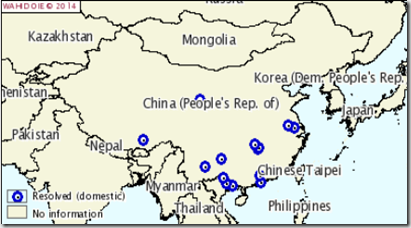
All of which brings us to 5 OIE reports filed late last week by China informing the international community of two `new H5 virus detections, and a significant number of H5N1, H5N2 and H5N6 detections among poultry across the country.  


The `new’ viruses are 2 detections of H5N8 in Liaoning – which appeared for the first time in South Korea last January and resulted in the culling of more than 10 million birds, and H5N3 detected in a live bird market in  Changsha, Hunan.


More numerous are reports of H5N1 – long known to plague China’s poultry industry, but rarely acknowledged – H5N2,  and the upstart H5N6 virus which first appeared 6 months ago. 

First stop, the detection through their national surveillance system of H5N1 at numerous sampling locations around the country.

image 

image


Followed by 24 detections of H5N6 over the past 6 weeks.


image

image

And lastly H5N2

image

image


While culling has traditionally been the standard procedure used to stamp out H5 avian flu outbreaks – even in China where avian flu vaccines are heavily employed – the disease control measures listed in these reports indicates less drastic measures are being employed.

image 


These recent reports only deal with the H5 family of avian viruses.  H7N9 also circulates widely in Chinese poultry, as does H9N2, and an ever widening array of other reassortant viruses. 


The good news is, despite an expanding array of viral components with which to play, successful reassortant viruses with genuine pandemic potential only appear very rarely. 


The bad news is that nature’s laboratory is open 24/7, and it is constantly trying to produce the next `successful’ virus.  And the more subtypes it has to play with, the greater the odds are it will come up with something we really don’t want to have to deal with.

Tuesday, July 08, 2014

CHP Notified Of Additional H7N9 Case In Hunan Province

image

Two Waves of H7N9  - Credit Hong Kong’s CHP


# 8810


As the graph above indicates, summer is the `off season’ for avian flu, although sporadic cases occasionally crop up, reminding us that theses viruses continue to circulate in wild birds and poultry.   Today, for the first time in more than a week,  we’ve a report from Hong Kong’s CHP indicating that they’ve been notified of an addition H7N9 case, this time in Hunan Province. 


CHP notified of additional human case of avian influenza A(H7N9) in Mainland


The Centre for Health Protection (CHP) of the Department of Health (DH) received notification from the National Health and Family Planning Commission of an additional human case of avian influenza A(H7N9) affecting a man aged 55 hospitalised in Hunan as of yesterday (July 7).


A total of 436 cases were confirmed in the Mainland, including Zhejiang (139 cases), Guangdong (109 cases), Jiangsu (56 cases), Shanghai (41 cases), Hunan (24 cases), Fujian (22 cases), Anhui (17 cases), Jiangxi (eight cases), Shandong (five cases), Beijing (four cases), Henan (four cases), Guangxi (three cases), Jilin (two cases), Guizhou (one case) and Hebei (one case).

"Locally, we will remain vigilant and maintain liaison with the World Health Organization (WHO) and relevant health authorities. Local surveillance activities are ongoing according to the WHO's recommendations," a spokesman for the DH said.

"In view of cases confirmed in the Mainland, further sporadic cases are expected in affected and possibly neighbouring areas. Those planning to travel outside Hong Kong should maintain good personal, environmental and food hygiene at all times," the spokesman urged.

"All boundary control points have implemented disease prevention and control measures. Thermal imaging systems are in place for body temperature checks of inbound travellers. Suspected cases will be immediately referred to public hospitals for follow-up investigation," the spokesman added.

(Continue. . . )

Hong Kong has also published their weekly Avian Influenza Report that adds today’s case to the previous totals.


image

image


image


While it is easy to be lulled by the apparent inactivity of H7N9 in Mainland China right now, the virus continues to spread stealthily among poultry and wild birds, and as it does, it finds new opportunities to mutate and evolve. 


Last May, in  EID Journal: H7N9 As A Work In Progress, we looked at a study that found the H7N9 avian virus continues to reassort with local H9N2 viruses, making the H7N9 viruses that circulated in wave 2 genetically distinct from those that were seen during the 1st wave.


While late last month, in Eurosurveillance: Genetic Tuning Of Avian H7N9 During Interspecies Transmission, we saw even more evidence of the genetic diversity, and continual evolution, of the H7N9 virus in Mainland China.  Researchers found that at least 26 separate genotypes had emerged, mostly during the first wave, through a process they called `genetic tuning’.


As this process appears to be ongoing, with unpredictable results, the authors warned:


Overall, due to the genetic tuning procedure, the potential pandemic risk posed by the novel avian influenza A(H7N9) viruses is greater than that of any other known avian influenza viruses.


Which means that as welcome as this respite in cases may be this summer, come the fall and winter, all eyes will be on the H7N9 virus once again looking for any signs that this avian flu has better adapted to humans.

Tuesday, May 20, 2014

Meanwhile, In Eastern China . . . .

image


# 8645


While MERS has garnered most of our attention these past few weeks, it is important to note that we continue to see sporadic, and widely scattered, cases of H7N9 infection popping up in Eastern China as well.


 Hong Kong’s CHP has released their latest Avian Influenza report (Avian Influenza Report (Volume 10, Number 20 (Week 20)), which cites 5 new cases reported over the past reporting week.


During this reporting period, 5 confirmed human cases of avian influenza A(H7N9) were reported by the National Health and Family Planning Commission (NHFPC). The cases were from Guangdong (3), Hunan (1) and Jiangsu (1). Since March 2013 (as of May 17, 2014), there were a total of 441 cases reported.

image


By this time last year (week 20, 2013), cases had all but vanished (see ECDC chart below), and did not pick up again until the fall.   We’ll be watching to see if this summer is a repeat of that pattern, or if we continue to see scattered cases.

image


In comparison, this year’s H7N9 outbreaks started earlier, and peaked sooner than in 2013.   Early closure of wet markets last January and February no doubt limited the spread.  


H7N9, H5N1, and the new upstart avian viruses like H10N8, H5N6, and H6N1 are all potential public health threats.  They may very well simmer quietly for years or even decades, only occasionally bubbling up with a human infection here or there, or at some point one of them may further adapt to humans, and spark an epidemic.


Likewise, two years ago all eyes were on an array of variant swine influenza viruses (see A Variant Swine Flu Review) that were spreading from county and state fairs into the population. They failed to return in any serious way last year, but once again, the summer fair season lies ahead, and they could once again be players.


While none of these emerging viruses may ever rise to the level of a global public health concern, and we may well be blindsided someday by a pathogen not currently on our radar, these threats are a reminder that nature’s lab is open 24/7, and is not constrained by budget cuts, politics, or a social conscience .


Given enough time – the odds favor seeing another pandemic. The only real  question is when.

Sunday, April 13, 2014

Japan: Detection Of H5 Avian Flu At Poultry Farm

image

Credit Wikipedia


# 8467


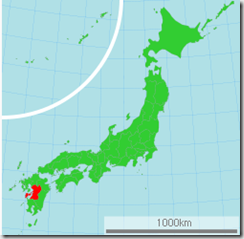
It’s been three years since Japan has had to deal with an H5 avian flu outbreak in poultry or wild birds (see OIE reports 29/06/11 Final report 48089 & 25/06/11 Final report 48022), but that respite appears over as several birds at a poultry farm in Kumamoto Prefecture have tested positive for the avian virus. 


The exact subtype has yet to be identified, but any form of H5 influenza is considered a serious threat to the poultry industry, so Japan’s MAFF (Ministry of Agriculture, Forestry & Fisheries) has issued culling and quarantine instructions.


We should learn in the next day or so whether this outbreak is due to H5N1, H5N2, or the newly emerged H5N8 virus.  Below you’ll find links to announcement from MAFF, along with a translated statement  on the outbreak.


About the situation of avian influenza in Japan

April 13, 2014, in the flesh for chicken farm in Kumamoto Prefecture, suspected affected animals of highly pathogenic avian influenza, which is a domestic animal infectious disease has been confirmed.

The We ask everyone who livestock stakeholders, including the poultry breeding farm, we ask that you deemed to early detection of abnormal poultry breeding and thorough hygiene management again.

Related notification
Press release


 April 13, 2014

Ministry of Agriculture, Forestry and Fisheries

For the installation of the "Ministry of Agriculture, Forestry and Fisheries avian influenza epidemic prevention task force" and confirmation of suspected affected animals of highly pathogenic avian influenza in Kumamoto Prefecture

Today, in the flesh for chicken farm I Kumamoto Prefecture, suspected affected animals of highly pathogenic avian influenza, which is a domestic animal infectious disease has been confirmed. For this reason, today, we held by installing the "Ministry of Agriculture, Forestry and Fisheries avian influenza epidemic prevention task force", the Ministry of Agriculture has decided to deal with future policies.

In addition, since the feeding administrator of the farm, was also carried out another farm management II, by the farm was also determined that the occurrence of farm suspected affected animals.

2 The farm has been restricting the movement of poultry rearing, etc. from the time the simple test were positive on a farm that symptoms develop.

It should be noted that, in our country, by eating poultry and egg poultry meat, cases of avian influenza virus was transmitted to humans has not been reported until now.

That may cause the spread of the disease, because it could violate the privacy of the person of the farmers, coverage in the field, thank you for your cooperation as strictly abstain.

Overview 1. Farms

Location:

I doubt generation farm

Kumamoto Prefecture Kuma County (Kuma-gun) Taragi Town (Taragi Town)

II caretaker farms the same

The prefecture same county Sagara Village (Sagara Village)

Feeding situation:

I meat for chicken (about 50,006 Senba)

II for chicken meat (about 50,006 Senba)

2. History

Afternoon (1) yesterday, Kumamoto Prefecture, conduct on-site inspection of the farm I have received a report of dead chickens, etc. increase.

Positive in five birds 5 birds in dead chickens (2) influenza simple test.

For the farm, with an instruction to limit movement of poultry, etc., (3) the district conducted a genetic testing.

(4) today, the results of genetic testing, make sure that it is a subtype H5.

(5) In addition, for feeding administrator of the farm, was also carried out another farm management II, by the farm also determined that the occurrence of farm suspected affected animals. In addition, the instructions already moved another limitation on the farm is the same prefecture.

Response 3. Future

Based on such "specific livestock epidemic quarantine guidelines for low pathogenic avian influenza and highly pathogenic avian influenza", perform the following measures.

The setting of movement restricted areas for the area of ​​3km radius within baked burial and culling of breeding poultry of 2 farm 1. I said, from II farm, required setting of the carry-out restricted areas for the area of ​​10km within III 3km radius The implementation quickly and accurately epidemic prevention measures.

For farm 2. Transfer restricted area, and carried out the occurrence confirmation test as soon as possible.

For three. Spread prevention, strengthen the disinfection of occurrence farm neighborhood and set up a disinfection point on the main road.

Held a 4. Food, Agriculture and Rural Policy Council Animal Health Subcommittee poultry disease subcommittee, to obtain technical advice necessary to quarantine measures.

In order to understand exactly 5. Infection status, the route of infection, etc., and to allow the study of precise quarantine policy, and dispatched experts of the National Institute of Animal Health and the Ministry of Agriculture, Forestry and Fisheries.

In order to support the quarantine measures 却等 embedded fired and killed six. Kumamoto Prefecture, as required, and dispatched "emergency assistance team" animal quarantine station around the country, from the National Livestock Breeding Center, etc..

Dispatch of 7. Epidemiological study team.

For 8. Every prefecture, Notification again to thoroughly Early Notification and early detection of the disease.

While achieving sufficient cooperation and 9. Relevant ministries, and strive to provide the most accurate information producers, consumers, to distributors, etc..

4. Others

(1) the farm, you restrict the movement of poultry rearing, etc. from the time that was positive in the simple test.

(2) Note that, in Japan, by eating poultry eggs and poultry meat, cases of avian influenza virus was transmitted to humans has not been reported until now.

That may cause the spread of the disease, because it could violate the privacy of the person of the farmer, interview (3) site, we will ask for your cooperation as strictly abstain.

As there is no possibility that both (4) future, so will endeavor to provide information fast, accurate, consumer officials and producers such as confusion due to unfounded rumors, thank you for your cooperation.