Monday, January 31, 2022

Preprint: Transmission of SARS-CoV-2 Omicron VOC subvariants BA.1 and BA.2: Evidence from Danish Households


Credit Our World In Data

#16,541

While the rate of COVID (primarily Omicron BA.1) infection in the United States, Germany, and the UK have stabilized over the past couple of weeks, in Denmark - where the BA.2 Omicron subvariant is now dominant - infections have continued to climb (see chart above) and are running roughly three times higher. 

Last Thursday Denmark's SSI characterized the transmission of BA.2 as being `well over one and a half more contagious than BA.1.', and a week before that the UK Health Security Agency designated BA.2 as a Variant Under Investigation (VUI).

But  many of the reports we've seen have been anecdotal. On Friday, in UKHSA: Risk Assessment On Omicron BA.2 Subvariantwhich cited limited data, found:

Growth rate

BA.2 has an increased growth rate compared to BA.1 in all regions of England where there are sufficient cases present to make an assessment. Whilst growth rates can be overestimates early in the emergence of a variant, the apparent growth advantage is currently substantial. 

Secondary attack rates 

Analysis from routine contact tracing data indicated higher secondary attack rates amongst contacts of BA.2 cases in households (13.4%; 95% CI: 10.7%-16.8%) than those for contacts of other Omicron cases (10.3%; 95% CI: 10.1%-10.4%) in the period 27 December 2021 to 11 January 2022. These secondary attack rates are not adjusted for vaccination status and reflect overall growth advantage rather than transmissibility. 

Vaccine effectiveness 

A preliminary assessment did not find evidence of a difference in vaccine effectiveness against symptomatic disease for BA.2 compared to BA.1. However, numbers included in this study are relatively small and it will be iterated. The University of Oxford has reported preliminary unpublished pseudovirus neutralisation data. In this study, BA.1 and BA.2 pseudoviruses did not differ substantially in neutralisation by sera from vaccinated individuals.


Yesterday, researchers from Denmark's SSI, and Copenhagen University, published the following preprint which compares the transmission dynamics of BA.1 and BA.2

While no evidence is presented suggesting any increased severity with BA.2, this report does find a much higher SAR (Secondary Attack Rate) in households affected by BA.2. 

BA.2 also appears to evade current vaccines (i.e. `Breakthrough infections') even better than BA.1, but - surprisingly -  fully vaccinated (and/or boosted) individuals who are infected, appear less capable of transmitting the virus onward to others. 

Transmission of SARS-CoV-2 Omicron VOC subvariants BA.1 and BA.2: Evidence from Danish Households

Frederik Plesner Lyngse, Carsten Thure Kirkeby, Matthew Denwood, Lasse Engbo Christiansen, Kåre Mølbak,Camilla Holten Møller, Robert Leo Skov, Tyra Grove Krause, Morten Rasmussen, Raphael Niklaus Sieber, Thor Bech Johannesen, Troels Lillebaek, Jannik Fonager, Anders Fomsgaard, Frederik Trier Møller, Marc Stegger, Maria Overvad,Katja Spiess, Laust Hvas Mortensen

doi: https://doi.org/10.1101/2022.01.28.22270044


Abstract

The Omicron SARS-CoV-2 variant of concern (VOC lineage B.1.1.529), which became dominant in many countries during early 2022, includes several subvariants with strikingly different genetic characteristics. Several countries, including Denmark, have observed the two Omicron subvariants: BA.1 and BA.2. 

In Denmark the latter has rapidly replaced the former as the dominant subvariant. Based on nationwide Danish data, we estimate the transmission dynamics of BA.1 and BA.2 following the spread of Omicron VOC within Danish households in late December 2021 and early January 2022. 

Among 8,541 primary household cases, of which 2,122 were BA.2, we identified a total of 5,702 secondary infections among 17,945 potential secondary cases during a 1-7 day follow-up period. 

The secondary attack rate (SAR) was estimated as 29% and 39% in households infected with Omicron BA.1 and BA.2, respectively. We found BA.2 to be associated with an increased susceptibility of infection for unvaccinated individuals (Odds Ratio (OR) 2.19; 95%-CI 1.58-3.04), fully vaccinated individuals (OR 2.45; 95%-CI 1.77-3.40) and booster-vaccinated individuals (OR 2.99; 95%-CI 2.11-4.24), compared to BA.1. 

We also found an increased transmissibility from unvaccinated primary cases in BA.2 households when compared to BA.1 households, with an OR of 2.62 (95%-CI 1.96-3.52). The pattern of increased transmissibility in BA.2 households was not observed for fully vaccinated and booster-vaccinated primary cases, where the OR of transmission was below 1 for BA.2 compared to BA.1. 

We conclude that Omicron BA.2 is inherently substantially more transmissible than BA.1, and that it also possesses immune-evasive properties that further reduce the protective effect of vaccination against infection, but do not increase its transmissibility from vaccinated individuals with breakthrough infections.

(SNIP)

The present household study showed a transmission advantage of Omicron BA.2 over BA.1. Although vaccinations, in particular booster vaccinations, did protect against infection, the 2.45 (fully vaccinated) and 2.99 (booster vaccinated) fold higher odds of infection in BA.2 households indicate that BA.2 as a phenotype represents a further step in immune evasion in the Omicron lineage.

However, it is likely that this change came with an evolutionary cost for BA.2. To our surprise, we found a decreased transmissibility of BA.2 relative to BA.1 among fully vaccinated and booster vaccinated, with estimates of 0.60 and 0.62, respectively. Based on such a considerable loss in transmissibility among vaccinated individuals, it is not straightforward to predict the future trajectory of BA.2 relative to BA.1 or other potentially emerging variants.

          (Continue . . . )
 

While the future course of COVID is incredibly difficult to predict, BA.2 - for now, at least - appears to have a competitive advantage over BA.1, and is likely to become increasingly dominant around the globe. 

Assuming, of course, that something more `biologically fit' doesn't emerge in the near future. 

About That NeoCoV Study


#16,540

On more that a few occasions over the past decade I've suggested that researchers interested in getting into a field with a lot of future potential consider becoming a chiropterist; someone who studies bats. 

Over the past 16 years - in additional to SARS-CoV and more recently SARS-CoV-2 - we've looked repeatedly at Nipah, Hendra, MERS-CoV, several varieties of Bat Influenza (H17 & H18), lyssaviruses, and several hemorrhagic fevers - all linked to bats.

In 2017 researchers from EcoHealth Alliance published a letter in Nature (Host and viral traits predict zoonotic spillover from mammals) providing the first comprehensive analysis of viruses known to infect mammals.

From their website summary: 
The study shows that bats carry a significantly higher proportion of viruses able to infect people than any other group of mammals; and it identifies the species and geographic regions on the planet with the highest number of yet-to-be discovered, or ‘missing’, viruses likely to infect people. This work provides a new way to predict where and how we should work to identify and pre-empt the next potential viral pandemic before it emerges.
In January of 2019, a year before COVID emerged, we took a deep dive into the pandemic potential of bat viruses in Curr. Opinion Virology: Viruses In Bats & Potential Spillover To Animals And Humans. In the years prior to that, we looked at emerging bat coronaviruses repeatedly, including:


But until COVID - the coronavirus of greatest concern (which emerged in the spring of 2012) was MERS-CoV - which is endemic in camels in parts of the Middle East, but is believed to have originated in bats.  

Since then, more than 2,500 human infections have been confirmed, and nearly 900 deaths (both likely significant undercounts). Unlike COVID, which has about a 1%-2% fatality rate, roughly 35% of known MERS patients have died. 

Surveillance and reporting of cases has dropped dramatically in the 2 years since COVID emerged (see EMRO Chart Below), potentially leaving us open to being hit again from left field.  


Late last week Chinese scientists published a report (not yet peer reviewed) on the pre-print server BioRxiv, on a cousin to the MERS-CoV virus (dubbed NeoCoV) found in South African bats which appears to use the ACE2 receptor to enter cells, which could conceivably make it easier to jump to humans. 

This is not a SARS-CoV-2 variant, nor is it an immediate threat to public health

Instead it is a reminder that SARS-COV-2 isn't the only coronavirus out there in the wild we have to worry about, and that the next coronavirus pandemic could be worse than COVID. 

First a link, and the abstract from the report, then I'll return with more.


Close relatives of MERS-CoV in bats use ACE2 as their functional receptors

Qing Xiong,Lei Cao, Chengbao Ma, Chen Liu, Junyu Si, Peng Liu, Mengxue Gu, Chunli Wang, Lulu Shi, Fei Tong, Meiling Huang, Jing Li, Chufeng Zhao, Chao Shen, Yu Chen, Huabin Zhao, Ke Lan, Xiangxi Wang, Huan Yan

doi: https://doi.org/10.1101/2022.01.24.477490 

This article is a preprint and has not been certified by peer review [what does this mean?].


Summary

Middle East Respiratory Syndrome coronavirus (MERS-CoV) and several bat coronaviruses employ Dipeptidyl peptidase-4 (DPP4) as their functional receptors14. However, the receptor for NeoCoV, the closest MERS-CoV relative yet discovered in bats, remains enigmatic5.

In this study, we unexpectedly found that NeoCoV and its close relative, PDF-2180-CoV, can efficiently use some types of bat Angiotensin-converting enzyme 2 (ACE2) and, less favorably, human ACE2 for entry. The two viruses use their spikes’ S1 subunit carboxyl-terminal domains (S1-CTD) for high-affinity and species-specific ACE2 binding. Cryo-electron microscopy analysis revealed a novel coronavirus-ACE2 binding interface and a protein-glycan interaction, distinct from other known ACE2-using viruses.

We identified a molecular determinant close to the viral binding interface that restricts human ACE2 from supporting NeoCoV infection, especially around residue Asp338. Conversely, NeoCoV efficiently infects human ACE2 expressing cells after a T510F mutation on the receptor-binding motif (RBM). Notably, the infection could not be cross-neutralized by antibodies targeting SARS-CoV-2 or MERS-CoV.

Our study demonstrates the first case of ACE2 usage in MERS-related viruses, shedding light on a potential bio-safety threat of the human emergence of an ACE2 using “MERS-CoV-2” with both high fatality and transmission rate.

For now, it appears that NeoCoV's ability to infect human cells remains poor, although the evolutionary process could remedy those deficits over time.  

Even if NeoCoV never achieves increased human infectivity, this report should remind us that there are plenty of pandemic contenders out there - most of which aren't even on our radar - that are quietly evolving and adapting, and which someday could emerge in a big way. 

While it may take years before the next pandemic emerges, it could also happen tomorrow. Another pandemic is considered inevitable (see PNAS Research: Intensity and Frequency of Extreme Novel Epidemics) - and we either prepare seriously for it now - or risk being caught flat footed and unprepared.

Again. 

Sunday, January 30, 2022

FAO Global AIV with Zoonotic Potential - Situation Update


#16.539


A decade ago, the list of avian influenza viruses with `zoonotic potential' was pretty short; primarily consisting of H5N1, H7N2, H7N7 and H9N2. Of those, only H5N1 - which had emerged in Southeast Asia in the mid-1990s and then moved westward into Europe and the Middle East - had shown real potential

By 2013, H5N1 appeared on the decline, but it was suddenly joined by a serious contender; H7N9 - which would spark 5 significant waves of human infection in China before it was brought under control in 2017 using a new H5+H7 poultry vaccine. 

Over 2013-2014, we also saw the emergence of H10N8 in China, H5N8 in South Korea (which spread globally in 2015 and has reassorted into various H5Nx subtypes), H6N1 in Taiwan, along with a short list of other H7Nx viruses (H7N2, H7N4, etc.). 

As the map above illustrates, Europe, Western Africa, and parts of Eastern Asia (South Korea, Japan, Taiwan) have reported the bulk of outbreaks (in poultry, and wild birds) since October 2021. Of note, North America has reported its first outbreaks of HPAI H5 since 2016.

Meanwhile, other regions - including Mainland China, large swaths of Asia and Africa, and the Middle East - are likely under reporting outbreaks. 

Despite reporting no outbreaks in poultry in more than a year, China has reported 3 dozen human infections with H5N6 over the past 12 months (see map below), most supposedly via close contact with infected poultry.  

This is currently the most active, and deadliest, avian flu affecting humans reported worldwide.  So far, H5N6 has not shown an ability to transmit readily from human-to-human. 

But, as we saw in PLoS Path: H9N2 Virus-derived M1 Protein Promotes H5N6 Virus Release in Mammalian Cells these HPAI H5 viruses continue to evolve, making them a genuine concern. 

A few excerpts from the FAO's latest report. Follow the link for the extensive data provided.  

Global AIV with Zoonotic Potential situation update
26 January 2022, 17:00 hours; Rome

The next issue will be distributed on 23 February 2022.
Overview

Situation: This update covers avian influenza viruses with zoonotic potential occurring worldwide, i.e. H5Nx, H7Nx highly pathogenic avian influenza (HPAI) viruses and H5Nx, H6N1, H7Nx, H9N2, H10N7, H10N8 low pathogenic avian influenza (LPAI).

Specific information is available for Chinese-origin H7N9 viruses and HPAI viruses in sub-Saharan Africa in related FAO Avian Influenza situation updates.

HPAI outbreaks in animals officially reported since last update (23 December 2021): in total, 1 050 outbreaks have been reported in four geographic regions (Africa, Americas, Asia, and Europe) caused by H5 HPAI (14), H5N1 HPAI (998), H5N2 HPAI (13), H5N3 HPAI (1), H5N5 HPAI (1), and H5N8 HPAI (23) (see Table 1 for details).

LPAI events in animals officially reported since last update (23 December 2021): 2 new events were reported (see Table 2 for details).

Number of human cases officially reported since last update (23 December 2021): 13 new events were reported in China (12) and in the United Kingdom (1). In China, seven influenza A(H5N6) human infections were reported in Guangdong Province (2), Guangxi Autonomous Region (1), and Sichuan (3) and Zhejiang (1) provinces, with latest onset date on 06 January 2022, and five influenza A(H9N2) human infections were reported in Anhui (1), Hubei (2), and Jiangsu (1) provinces, and in Guangxi Autonomous Region (1). In addition, the United Kingdom reported an A(H5) human infection on 5 January 2022, the case was asymptomatic and exposed to live ducks [reference1; reference2; reference3].


As the above chart illustrates, HPAI H5N1 is the most reported subtype, and Europe is reporting the vast majority of the outbreaks.   That said, what is going on in many parts isn't known.

Since 2016 we've seen increasing avian mortality and increased host range in HPAI H5Nx viruses circulating in Europe, including serious infection of several mammalian species (see CDC EID Journal: Encephalitis and Death in Wild Mammals at An Animal Rehab Center From HPAI H5N8 - UK).

Just over a month ago, in ECDC/EFSA Raise Zoonotic Risk Potential Of Avian H5Nx, we looked at growing concerns over the continued evolution of these H5 clade 2.3.4.4b viruses, and their potential to jump species to humans.

While these European H5 viruses haven't shown the same pathogenicity in humans as their Asia cousins, they do bear watching.  For more on the spread and evolution of these viruses, you may wish to revisit:

Science: Emerging H5N8 Avian Influenza Viruses

V. Evolution: Genomic Evolution, Transmission Dynamics, and Pathogenicity of Avian H5N8 Viruses Emerging in China, 2020

DEFRA: Highly Pathogenic Avian Influenza (HPAI) in the UK, and Europe

Saturday, January 29, 2022

Denmark SSI Reports Novel Swine Variant Flu Infection In Slaughterhouse Worker


#16,538


Not quite a year ago, in Denmark: Statens Serum Institut (SSI) Reports Detection of A Novel Flu (Jan. 2021), we saw a barebones report from Denmark's SSI on the detection of a novel (presumably swine-variant) flu virus in a resident without recent contact with pigs.

While the subtype was not specified, The SSI described this novel flu as likely coming from pigs, which suggested a variant H1Nx or H3Nx, with H1N1v, H1N2v, and H3N2v being the most likely subtypes.

The CDC describes Swine Variant viruses in their Key Facts FAQ.

What is a variant influenza virus?
When an influenza virus that normally circulates in swine (but not people) is detected in a person, it is called a “variant influenza virus.” For example, if a swine origin influenza A H3N2 virus is detected in a person, that virus will be called an “H3N2 variant” virus or “H3N2v” virus.

Last November, in EID Journal: Reassortant Influenza A(H1N1)pdm09 Virus in Elderly Woman, Denmark, January 2021, we finally learned the details of this case, which is notable because the virus was a novel reassorted H1N1v, comprised of the human A(H1N1)pdm09 virus with the NS gene from an EA-like H1N1 swine virus. 

Additionally, the  patient (who had multiple comorbidities) was in a pandemic lockdown at the time of her infection, had very little outside contact, and was one of only 46 confirmed flu cases in Denmark during the 2020-2021 flu season. 

Exactly how she came to be infected with a novel swine variant virus under these conditions isn't known, but the author did dangle a tantalizing possibility; she lived roughly 2 km from a pig farm, and her ". . . residence was downwind of the pig herd most days preceding clinical symptoms.

Today we have a new report from Denmark's SSI, this time on another recent infection by (an unspecified) novel `swine-flu' virus, which was detected in a pig slaughterhouse worker last November. 

First the translated press release, then I'll return with a postscript. 

Findings of influenza from pigs in a citizen of Denmark

The Statens Serum Institut (SSI) has recently detected a case of influenza in a citizen of Denmark with a virus variant that probably originates from pigs. The citizen works at a Danish pig slaughterhouse. It was a serious course of illness in an otherwise healthy person. All indications are that this is a single case of infection. It is not estimated that there is a risk of infection between people.

Last edited January 29, 2022

A Danish citizen has been diagnosed with swine flu.

The finding was made via the national influenza monitoring at the Statens Serum Institut (SSI).

The sample was taken at the end of November 2021, when the patient was admitted to the hospital for a few days with acutely occurring serious illness. The patient was carefully examined and the only thing found was influenza virus detected in a sample from the respiratory tract.

Upon closer analysis of the influenza virus in question from the sample, it was found that it is a virus that has so far only been detected in pigs.

Isolated case


No further related cases are known in Denmark. Nor have other cases of this virus been detected by laboratory monitoring.

It is estimated that the patient has been infected in connection with his work at a Danish pig slaughterhouse.

Furthermore, it is not estimated that there is no risk of further human-to-human transmission.

Similar viruses detected in three herds in 2021

In the national monitoring of influenza in pigs, swine flu has been detected that is very similar to the virus that has now been found in the infected citizen, in three pig herds in Denmark earlier in 2021.

It is known that swine flu virus is found in Danish pig herds.

In the beginning of 2021, a case of infection with swine flu virus was also found in a Danish citizen. However, the new case has nothing to do with the previous case.

Working on clarifying the process

SSI is now in the process of gathering further information to further clarify the clinical course and mode of transmission.

SSI will continue to monitor the presence of these types of influenza viruses. Both in Danish patients and as part of the monitoring of influenza virus in Danish pig herds.

A close collaboration is currently underway on the relevant infection episode between the Danish health authorities and the veterinary authorities. At the same time, the WHO and the European health authorities have been informed.

While the subtype in this latest case is not identified, it is described as being a `subtype so far only been detected in pigs', which would suggest a different reassortment from the one described last November (which was detected in a human). 

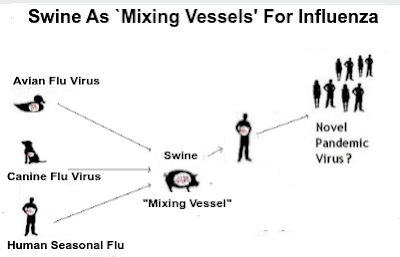
And as we've discussed often in the past (see Are Influenza Pandemic Viruses Members Of An Exclusive Club?) - swine flu viruses are viewed as having a bit of an advantage in the pandemic sweepstakes, as only H1, H2, and H3 influenza subtypes are known to have sparked a human influenza pandemic in the last 130 years.

This doesn't mean we couldn't seen an avian (H5, H7, H9, etc.) flu pandemic, only that swine viruses have less far to evolve to adapt to humans.  Which is why we track these sporadic species jumps from swine to humans. 

Over the past year we've seen sporadic cases  around the world, with recent cases reported in the United States (17), France, Taiwan, Canada (4), Brazil, Germany, Denmark (2) and the Netherlands.

The CDC's IRAT (Influenza Risk Assessment Tool) lists 3 North American swine viruses as having at least some pandemic potential (2 added in 2019). 

H1N2 variant [A/California/62/2018]  Jul   2019   5.8  5.7 Moderate
H3N2 variant [A/Ohio/13/2017]          Jul   2019   6.6  5.8 Moderate
H3N2 variant [A/Indiana/08/2011]      Dec 2012   6.0  4.5 Moderate 

Although we don't get much information about it, the CDC currently ranks a Chinese Swine-variant EA H1N1 `G4' as having the highest pandemic potential of any flu virus on their list. 

So far, the good news is that currently circulating swine variant viruses haven't become biologically `fit' enough spark a pandemic. In order to be successful, they need to be able to replicate and transmit on par with already circulating human flu viruses.  

Less reassuring, surveillance, testing, and reporting on swine variant viruses around the world is haphazard at best, and in many regions, nonexistent. 

Stay tuned.

Friday, January 28, 2022

CDC FluView Week 3 & CDC Statement On Low Risk From Avian H5N1


#16,537


While influenza is not exactly exploding across the country - likely due to some of the preventive measures still being taken against the COVID pandemic - it continues at moderate levels, particularly across the southern tier of states (see map above)

The key messages from this week's FluView report:

Key Points

  • The percent of specimens testing positive for influenza remains stable, indicating that influenza virus circulation has remained at similar levels during the past two weeks, even while overall levels of respiratory illness have declined. While influenza activity is difficult to predict, it is expected to continue for several more weeks.
  • The majority of influenza viruses detected are A(H3N2). Most of the H3N2 viruses identified so far this season are genetically closely related to the vaccine virus, but there are some antigenic differences that have developed as H3N2 viruses have continued to evolve.
  • The percentage of outpatient visits due to respiratory illness decreased nationally again this week but remains above baseline. Influenza is contributing to levels of respiratory illness, but other respiratory viruses are also circulating. The relative contribution of influenza varies by location.
  • The number of hospital admissions reported to HHS Protect declined slightly again this week.
  • The cumulative hospitalization rate in the FluSurv-NET system is higher than the rate for the entire 2020-2021 season, but lower than the rate seen at this time during the four seasons preceding the COVID-19 pandemic.
  • CDC estimates that so far this season there have been at least 2 million flu illnesses, 20,000 hospitalizations, and 1,200 deaths from flu.
  • There’s still time to get vaccinated. An annual flu vaccine is the best way to protect against flu and its potentially serious complications. CDC recommends everyone 6 months and older get a flu vaccine.
  • Flu vaccination coverage so far is lower this season compared to last.
  • Flu vaccines are available at many different locations, including pharmacies and health departments. Visit www.vaccines.gov to find a flu vaccine near you.
  • There are also flu antiviral drugs that can be used to treat flu illness.


For the first time since 2016, HPAI H5Nx viruses have been detected in wild birds in North America (see USDA Confirms 2 Additional HPAI H5N1 Detections In Wild Birds (North & South Carolina), and since their last incursion, the Eurasian clade 2.3.4.4b lineage of H5Nx has been designated as having at least some zoonotic potential

While primarily a threat to wild birds, poultry, and captive birds, this Eurasian lineage of HPAI H5Nx has recently been linked to increased mammalian infections (see Netherlands: WBVR Diagnoses Avian H5N1 In Another Fox), and sporadic, and thus far mild, human infections (see UKHSA Statement On Human H5 Infection In England).

This Eurasian H5Nx virus is similar to, but from a different lineage, than the more dangerous Asian H5N1 virus that has sparked recurrent pandemic concerns over the past two decades. So far - unlike in Europe - we've not seen any outbreaks in commercial poultry this winter in the Untied States. 

While the risks to the general public are undoubtedly very low at this time, the CDC has issued the following statement, along with links to guidance for poultry producers, hunters, and Health Care providers. 

Recent Asian A(H5N1) Bird Flu Infections in U.S. Wild Birds Pose a Low Risk to the Public

Guidance is available for poultry producers, hunters, health care providers and the public.
Español | Other Languages

January 27, 2022—The U.S. Department of Agriculture’s (USDA) Animal and Plant Health Inspective Service (APHIS) recently announced the first detections of Asian highly pathogenic avian influenza (HPAI) H5 viruses in wild birds in the United States since 2016. Wild birds can carry HPAI A(H5N1) bird flu without showing symptoms, but these viruses can cause illness and death in domestic poultry. Human infections with HPAI A(H5N1) bird flu are rare but can occur, usually after close contact with infected birds. CDC considers the health risk to the general public from these recent Asian HPAI A(H5N1) wild bird flu infections to be low at this time. On the animal health side, the U.S. Department of Interior and USDA are the lead federal departments for outbreak investigation and control in wild birds, and USDA APHIS is the lead agency for such activities in domestic birds.

Since 2003, the World Health Organization (WHO) has reported 863 cases and 455 deaths pdf icon[251 KB, 4 Pages] from human infection with HPAI A(H5N1) viruses in 18 countries, as of January 21, 2022. The most recent human infection with HPAI A(H5N1) was reported in the United Kingdom in January 2022 in association with exposure to domestically kept infected birds. No human infections associated with HPAI A(H5N1) viruses have ever been identified in the United States to date.

Infected birds shed avian influenza virus in their saliva, mucous and feces. Human infections with bird flu viruses can happen when enough virus gets into a person’s eyes, nose or mouth, or is inhaled. People with close or prolonged unprotected contact with infected birds or contaminated environments may be at greater risk of infection. Illnesses in humans from avian influenza virus infections have ranged in severity from mild to severe. The spread of avian influenza A viruses from one sick person to another is very rare, and when it has happened, it has not led to sustained spread among people.

While CDC considers the current risk to the general public from these HPAI A(H5N1) detections in wild birds to be low, it is important to remember that risk depends on exposure, and people with more exposure may have a greater risk of infection. Guidance varies based on potential exposure. There is existing federal guidance around bird flu exposures for different groups of people, including hunters pdf icon[532 KB, 2 Pages], poultry producers and the general public, as well as health care providers.

As a reminder, it is safe to eat properly handled and cooked poultry in the United States. The proper handling and cooking of poultry and eggs to an internal temperature of 165˚F kills bacteria and viruses, including HPAI viruses.

CDC will provide updates on this situation as needed.


UKHSA: Risk Assessment On Omicron BA.2 Subvariant


#16,536

While the Omicron subvariant BA.2 is getting a lot of press, we still don't know a whole lot about this new entry in the pandemic sweepstakes, although it appears to be outperforming the BA.1 Omicron varant in several Northern European nations (see here, here, and here). 

Yesterday, Denmark's SSI characterized the transmission of BA.2 as being `well over one and a half more contagious than BA.1.', and a week ago the UK Health Security Agency designated BA.2 as a Variant Under Investigation (VUI).

Still unknown are the relative severity of BA.2 compared to BA.1, and whether recent infection with BA.1 conveys protection against subsequent infection with BA.2.  Both are factors that could weigh heavily on the future impact of this new subvariant.  

While a month ago, Omicron BA.1 was being touted as one of the most transmissible viruses in the world. Today, it appears that BA.2 has once again upped the ante. 

Today the UKHSA released two documents describing what is known about BA.2.  First stop, an excerpt from the 28-page report:

SARS-CoV-2 variants of concern andvariants under investigation in England 

Technical briefing 35

28 January 2022

(EXCERPT)

BA.2 The Omicron variant sub-lineage BA.2 was designated a variant under investigation (VUI22JAN-01) by the UK Health Security Agency (UKHSA) Variant Technical Group on 19 January 2022. As of 24 January 2022, 1,072 genomically confirmed cases of BA.2 have been identified in England. This is a small number of cases for characterisation analysis and BA.2 assessments are therefore preliminary.

Sequencing data is complete up to 16 January, at which point 96.1% of sequences were BA.1, 3.4% were BA.2 and 0.5% were other lineages. BA.2 does not contain the deletion at S:69-70 and is S-gene target positive (SGTP) on PCR diagnostic assays with targets in this area. SGTP is now a reasonable proxy for BA.2 (accounting for 80% of sequenced SGTP cases with an increasing trend). 

The proportion of SGTP cases is now increasing. As of the 24 January 2022, the overall proportion of SGTP cases in England is 4.4% compared to 2.2% on the 17 January. There is geographical variation with the highest proportion in London (9.5%) and the lowest in the North-East region (0.9%). 

Growth rate

BA.2 has an increased growth rate compared to BA.1 in all regions of England where there are sufficient cases present to make an assessment. Whilst growth rates can be overestimates early in the emergence of a variant, the apparent growth advantage is currently substantial. 

Secondary attack rates 

Analysis from routine contact tracing data indicated higher secondary attack rates amongst contacts of BA.2 cases in households (13.4%; 95% CI: 10.7%-16.8%) than those for contacts of other Omicron cases (10.3%; 95% CI: 10.1%-10.4%) in the period 27 December 2021 to 11 January 2022. These secondary attack rates are not adjusted for vaccination status and reflect overall growth advantage rather than transmissibility. 

Vaccine effectiveness 

A preliminary assessment did not find evidence of a difference in vaccine effectiveness against symptomatic disease for BA.2 compared to BA.1. However, numbers included in this study are relatively small and it will be iterated. The University of Oxford has reported preliminary unpublished pseudovirus neutralisation data. In this study, BA.1 and BA.2 pseudoviruses did not differ substantially in neutralisation by sera from vaccinated individuals.


The UKHSA also released the following risk assessment graphic, which only cites to to moderate confidence in the data (and insufficient data on severity), but suggests BA.2 has a transmission advantage over BA.1. 


Just how much of an impact BA.2 will have on the pandemic remains unknown. This emerging subvariant does appear destined to overtake BA.1 in many European countries and it is hard to see why that won't happen in the rest of the world.  

Places - such as the United States - where Omicron appears to have peaked, may see another wave of cases later this spring.  Its size will likely depend upon the duration and strength of resistance following BA.1 infection. 

If BA.2's severity remains on par with - or is less - than we saw with BA.1, then this should be manageable.  So far, we don't have enough data to say with confidence one way or the other. 

For countries like China - which have managed to control community transmission of the pandemic virus through aggressive  `Zero-COVID' policies - that task is likely to become even harder to maintain. 

And without high levels of community immunity left over from prior waves, BA.2's impact may prove greater. 

Despite bland assurances by many governments that we are nearing the `end' of the pandemic, SARS-CoV-2 continues to deliver new, often game-changing variants with frustrating regularity.  

An evolutionary process that could easily continue for quite some time. 

CDC EID Journal: High-Dose Convalescent Plasma for Treatment of Severe COVID-19


#15,535

During the opening months of the COVID pandemic - before monoclonal antibodies, vaccines, and antiviral medications could be developed - a good deal of hope was pinned on a very old therapy (Convalescent Plasma) to treat those who were infected with this newly emerging virus.
Convalescent plasma therapy - using blood products collected from recovered cases - is not a new idea, and was used extensively during the first half of the 20th century to treat a variety of infectious diseases. 
While its use gradually faded with the advent of powerful antibiotics and other drugs in the 20th century, the rise of new, mostly zoonotic viral diseases - for which few drug therapies are available - has sparked a revival in interest in convalescent plasma therapy in recent years. 
Over the past decade we've seen some promising results (see 2011's CID Journal: Convalescent Plasma Therapy For Severe H1N1, 2015's Int J Infect Dis: Convalescent Plasma Treatment Of An H7N9 Patient In China), and even some early media reports on Convalescent Plasma treatment of COVID-19 in China.  
But we've also seen some high profile failures, such as 2019's Lancet: Clinical Trial On Use of Convalescent Plasma To Treat Severe Influenza, which disappointingly found that `High-titre anti-influenza plasma conferred no significant benefit over non-immune plasma' and 2016's NEJM: Evaluation of Convalescent Plasma for Ebola Virus Disease in Guinea, which reported no statistically significant improvement in survival over the control group.
 
While widely used in hospitalized patients in 2020 - bolstered by anecdotal reports suggesting improved outcomes - by the end of the first year of the pandemic, results from clinical trials began to erode confidence in this treatment option. 

RECOVERY Convalescent Plasma Trial Closes Recruitment Of Hospitalized COVID Patients

Another Convalescent Plasma Study Fails To Find Benefit For Severe COVID-19

Despite these setbacks - and a substantial shift to other therapies in 2021 -  there was still hope that delivered in a high enough dose, that Convalescent Plasma (CP) might still be an effective treatment for severe COVID disease.  

Which brings us to a new research article out of Brazil that finds, once more, that even in high doses, CP did not reduce mortality or length of hospitalization. 

I've only reproduced excerpts from a much longer report. Follow the link to read it in its entirety.


Volume 28, Number 3—March 2022
Research
High-Dose Convalescent Plasma for Treatment of Severe COVID-19
 
Gil C. De Santis , Luciana Correa Oliveira, Pedro M.M. Garibaldi, Carlos E.L. Almado, Julio Croda, Ghislaine G.A. Arcanjo, Érika A.F. Oliveira, Adriana C. Tonacio, Dante M. Langhi, José O. Bordin, Renato N. Gilio, Leonardo C. Palma, Elaine V. Santos, Simone K. Haddad, Benedito P.A. Prado, Marjorie Cornejo Pontelli, Rogério Gomes, Carlos H. Miranda, Maria Auxiliadora Martins, Dimas T. Covas, Eurico Arruda, Benedito A.L. Fonseca, and Rodrigo T. Calado


Abstract

To assess whether high-dose coronavirus disease (COVID-19) convalescent plasma (CCP) transfusion may benefit patients with severe COVID-19, we conducted a multicenter randomized trial in Brazil. Patients with severe COVID-19 who were within 10 days of initial symptom onset were eligible. Patients in the CCP group received 3 daily doses of CCP (600 mL/d) in addition to standard treatment; control patients received standard treatment only. Primary outcomes were death rates at days 30 and 60 of study randomization. Secondary outcomes were ventilator-free days and hospital-free days. We enrolled 107 patients: 36 CCP and 71 control. At day 30, death rates were 22% for CCP and 25% for the control group; at day 60, rates were 31% for CCP and 35% for control. Needs for invasive mechanical ventilation and durations of hospital stay were similar between groups. We conclude that high-dose CCP transfused within 10 days of symptom onset provided no benefit for patients with severe COVID-19.

(SNIP)

In the past, passive antibody transfer by plasma or serum transfusion has been used clinically to treat other infectious diseases, including Ebola, influenza A, severe acute respiratory syndrome, and Middle East respiratory syndrome, as well as COVID-19 (913). The presence of antiviral antibodies, in patient serum or in COVID-19 convalescent plasma (CCP), has been associated with more favorable clinical outcomes (14). Thus, CCP seems to be an attractive therapy because it is a potential source of neutralizing antibodies (15,16).

(SNIP)

To evaluate the efficacy and safety of high-dose CCP transfusion to treat severe COVID-19, we conducted an open-label multicenter randomized controlled trial. This study was approved by the national review board (Comissão Nacional de Ética em Pesquisa, CONEP; CAAE number 30509920.0.1001.0008). Written informed consent was obtained from all patients or legal representatives. The trial was performed in accordance with the principles of the Declaration of Helsinki and the International Conference on Harmonization–Good Clinical Practice guidelines. The trial was registered at the Brazilian Registry of Clinical Trials (http://www.ensaiosclinicos.gov.brExternal Link, no. RBR-7f4mt9f).

(SNIP)

Discussion

In this randomized clinical trial, transfusion of high-dose CCP did not reduce death rates, hospitalization durations, or number of days receiving mechanical ventilation for patients with very severe COVID-19. We detected a slightly reduced death rate, but it did not reach statistical significance. Serum inflammatory biomarkers were also reduced, but CCP transfusion did not influence the reduction. All enrolled patients experienced severe respiratory failure resulting from viral pneumonia, and most of them were undergoing invasive mechanical ventilation. Most patients had >1 concurrent condition, which increases mortality rates (25). More than one third of the enrolled patients needed kidney replacement therapy (hemodialysis). These characteristics emphasize the extreme severity of COVID-19 in the patients in our cohort. Participants received CCP as soon as possible, always within 10 days of symptom onset. This transfusion window was considered adequate at the time of the study planning and execution, especially when compared with other studies, in which transfusion occurred as late as day 39 (9). Of note, we observed that most trials evaluated the death rate at days 28 or 30 of randomization, but we observed that more than one fourth of the deaths in our study occurred during days 30–60.

(SNIP)

Among the limitations of our study, the number of patients enrolled was relatively small. However, because we anticipated difficulties obtaining the necessary amount of CCP to be administered to each patient, we decided to assign the participants at a ratio of 2 control to 1 CCP. Another weakness was that the study was not blinded. However, infusion of a high volume of intravenous placebo could have been harmful to recipients. Patients in the control group should not be exposed to additional risk as a consequence of their participation in a clinical trial. Another limitation was that our patients already had SARS-CoV-2 antibodies when they received CCP transfusion, which could explain the absence of response to this therapy.

In conclusion, our study found that high-dose convalescent plasma transfusion provided no benefits for patients with severe COVID-19. Transfusions did not reduce death rates at days 30 and 60 from randomization, time receiving mechanical ventilation, or length of hospital stay for patients with severe COVID-19. 

Dr. De Santis is a clinical hematologist at the University of São Paulo. His research interests include blood transfusion and cellular therapy, such as laboratory support for hematopoietic stem cell transplantation.

ECDC Rapid Risk Assessment On COVID Omicron - 19th Update


#16,534

The ECDC releases a full Rapid Risk Assessment on the SARS-COV-2 pandemic roughly once a month, with this being the second one since the Omicron variant was first announced in late November.  In that last assessment (Dec 15th), Omicron was expected to become the dominant variant in Europe by early 2022, but its severity was unknown. 

Fast forward six weeks, and Omicron is indeed dominant in Europe, North America, and is making huge inroads in Asia. But on the plus side, we have better information on its impact (see MMWR: Trends In Disease Severity & Health Care Utilization During the Early Omicron Variant Period- and while far from benign - it produces less severe illness than Delta.

This lucky break means the current surge in Omicron cases - while substantial - hasn't overwhelmed healthcare facilities as much as a comparable wave of Delta would have. That could change - if the emerging BA.2 subvariant turns out ot be even modestly more severe than BA.1 - or if another, more serious, variant should emerge. 

There are still many unanswered questions regarding the impact of Omicron, including the possibility of `Long COVID' in those only mildly sickened by the virus. 

You'll find the ECDC summary of the 36-page report below.


Assessment of the further spread and potential impact of the SARS-CoV-2 Omicron variant of concern in the EU/EEA, 19th update
Risk assessment
27 Jan 2022
 
This Rapid Risk Assessment extends the assessment of the further emergence and potential impact of Omicron in the context of ongoing transmission of the Delta variant that was published on 15 December 2021, to include new epidemiological data on the spread of Omicron, new data on vaccine uptake, updated forecasts, and the latest evidence on Omicron transmissibility, severity, immune escape, vaccine effectiveness, post-COVID-19 condition, and non-pharmaceutical interventions.

 Executive summary 


The SARS-CoV-2 Omicron variant of concern (VOC) is rapidly replacing SARS-CoV-2 Delta in most European Union/European Economic Area (EU/EEA) countries, and is broadly following a west-to-east progression. As pointed out by earlier in vitro and in vivo studies, Omicron can to a degree evade the protective effects of antibodies elicited by vaccination or natural infection according to factors such as number of vaccinations or time since last vaccination, thus leaving large portions of the EU/EEA population susceptible to infection. This has resulted in sharp increases in the number of COVID-19 cases, reaching an unprecedented intensity of community transmission across the region.

In comparison with earlier circulating variants, Omicron infections appear less likely to lead to a severe clinical outcome that requires hospitalisation or ICU admission. Hence, although the current overall 14-day notification rate in the EU/EEA is 2 621 cases per 100 000 population, which is three times higher than the highest peak observed during the pandemic to date, hospitalisation rates and mortality are below the levels observed in earlier pandemic waves.
However, the number of cases among older people has been increasing more recently in several EU/EEA countries, and this could result in a delayed increase of severe cases and deaths. Although the reduction in severity is partially due to inherent characteristics of the virus, results from vaccine effectiveness studies have shown that a significant role in preventing severe clinical outcomes from Omicron infection is played by vaccination, with effectiveness against severe illness increasing significantly among people having received three vaccine doses.
 
Since vaccination uptake is variable across EU/EEA countries (country range: 28.4–82.9%, average 69.4%) and since the uptake of booster doses is still at suboptimal levels in the majority of EU/EEA countries (80% of EU/EEA countries with booster uptake among adults below 60% as of week 2-2022), the expected impact of Omicron will vary, but countries with lower vaccine uptake are expected to experience the highest disease burden. Furthermore, given the very high levels of community transmission observed regardless of overall vaccine uptake, leading to many people being sick at the same time, countries with very high vaccine uptake will also likely undergo a period of substantial pressure on their healthcare systems and on the functioning of the society as a whole (mainly through absence from work and education).

Mathematical modelling results demonstrate that there is a substantial proportion of the population that remains vulnerable to severe outcomes across all EU/EEA countries, especially in those with lower vaccination coverage. Static projections show hospitalisations and mortality are expected to have a proportionally greater impact among people 60 years and older but will also impact people younger than 60 years. In response to the high incidence of Omicron, protection against the risk of high hospitalisation burden can be accomplished by increasing overall vaccination uptake, including rapidly administering booster doses, especially in the older and at-risk population, will protect against the risk of high hospitalisation burden. Furthermore, the vaccines and boosters provide additional longer-term benefits for individuals and society (e.g. preventing absence from work or education and post-acute COVID-19 syndrome).

There are no data so far on the incidence of prolonged symptoms after COVID-19 due to Omicron, nor on whether this differs from the incidence of post-COVID syndrome brought about by previously circulating variants of SARS-CoV-2. It is plausible that the large number of cases of Omicron infection may be followed by a high incidence of post-COVID-19 condition, with a proportionally higher incidence among people who are unvaccinated.

While we expect to be moving towards a more sustainable situation with COVID-19 circulating at manageable levels, we currently remain in a public health emergency pandemic situation, and it is important to note that even in a post-pandemic phase SARS-CoV-2 could still periodically cause high levels of strain on healthcare systems and lead to large outbreaks. Thus, moving forward, multi-layered surveillance, preparedness, and response strategies for addressing COVID-19 will be essential.

Download