Thursday, October 31, 2024

USDA Press Release On Plans for Enhanced Testing For H5N1 in Bulk Milk


#18,383


Yesterday the USDA published the following statement indicating that they plan to expand testing for H5N1 in dairy cattle, although they provide few details, and it isn't at all clear to what extent (if at all) testing will become mandatory. 

Given the lack of specifics, I offer it without comment.


USDA Builds on Actions to Protect Livestock and Public Health from H5N1 Avian Influenza

Press Release

WASHINGTON, October 30, 2024 – The U.S. Department of Agriculture’s Animal and Plant Health Inspection Service (APHIS) today announced the agency is planning to enhance testing and monitoring for H5N1, building on measures taken by USDA since the beginning of the avian influenza outbreak. In partnership with state veterinarians, USDA will implement a tiered strategy to collect milk samples to better assess where H5N1 is present, with the goal to better inform biosecurity and containment measures, as well as to inform state-led efforts to reduce risk to farm workers who may be in contact with animals infected with H5N1.

Since this disease was first detected in dairy cattle in March 2024, the USDA and state and federal partners have taken several steps to better understand the virus and work to eliminate it from dairy herds. In May 2024, USDA implemented a Federal Order to require the testing of cattle before interstate movement, which has helped to limit H5N1’s spread to new states; in the past 30 days, the number of states with known avian influenza detections in dairy herds has dropped from 14 to two. However, USDA believes that additional steps are needed to proactively support effective biosecurity measures, which are key for states and farmers to contain and eliminate H5N1 infections from their livestock.

USDA has precedent with successful bulk milk testing approaches, including the use of bulk milk testing to eradicate brucellosis from dairy herds. In addition, Colorado implemented statewide bulk milk testing after H5N1 was detected in dairy herds in two counties, and the most recent statewide testing has not detected any evidence of H5N1 in any herds in the state. In the coming weeks, USDA will work with regions and states that are ready to assist in expanding bulk milk testing.

USDA is working closely with state and private veterinary groups, which include practitioners who will play a vital role in carrying out this effort. USDA plans to first sample milk in bulk at the regional level, with additional testing at the farm level if necessary, until herds in an area are determined to be free of the virus. USDA will continue to work with state and private veterinarians on the final details of implementation, and will share guidance documents soon.

USDA continues to emphasize to farmers nationwide that biosecurity is the best weapon against the spread of H5N1, and farms should practice good biosecurity even if the virus has not been detected in their state or vicinity. Data collected over the past seven months has shown that H5N1 can be transmitted on equipment, people, or other items that move from farm to farm, including between dairies and poultry facilities. USDA’s Federal Order, announced in April 2024, to require testing before cattle movement between states has helped limit the spread of H5N1 to only 14 states, but local and state efforts to enhance biosecurity measures are also important. USDA strongly encourages herd owners to participate in available producer support programs, which help to cover the cost such as biosecurity programming, PPE for employees, and veterinary care.

In addition, USDA continues to support the rapid development and timely approval of an H5N1 vaccine for dairy cows, in addition to other species. Two vaccine candidates for use in dairy cows are currently undergoing field trials.

USDA has consistently operated on a science-based, step-by-step approach informed by what it learns about this virus through its everyday work, research, and monitoring efforts, and this marks the next step in the escalation of the agency’s response.

Today, USDA and the Oregon Department of Agriculture also announced the first detection of H5N1 in swine in the United States, which was detected in a non-commercial farm operation in Oregon. More information that announcement can be found here.

USDA scientists have worked closely with colleagues at the Centers for Disease Control and Prevention (CDC) and across the country and have not found any recent changes to the virus that increase the risk of transmission from animals to humans or between people. While cases among humans in direct contact with infected animals do continue to occur, partners at the CDC believe that the current risk to the public remains low.

As USDA takes additional steps to protect the health of livestock, the Department will continue to work closely with its federal partners at CDC to protect the health of people and FDA to protect the safety of the food supply. These collective, collaborative efforts have helped protect farmworkers and farmers, the health and welfare of livestock animals, and reaffirmed the safety of the nation’s food supply. The U.S. government remains committed to addressing this situation with urgency.

To learn more about USDA’s response to HPAI in dairy cattle, visit www.aphis.usda.gov/livestock-poultry-disease/avian/avian-influenza/hpai-detections/livestock.

USDA: California Adds 9 More Herds to Their H5N1 Infected List (n=202)


#18,382

For the fourth day in a row the USDA has incremented the number of infected herds in California, which a week ago sat at 137 confirmed herds, and in just 7 days has jumped to 202

Based on reports issued from other states, at least 9 other herds have tested positive (8 in Utah, 1 in Michigan) which have yet to show up on the USDA list.

California has reported at least 16 human H5 infections linked to exposure to infected dairy cows, although anecdotal reporting suggests this is an undercount.
As of October 28, 2024, CDPH has confirmed sixteen (16) human cases of bird flu in California. All individuals had contact with animals at different farms and all have experienced mild symptoms, including eye redness or discharge (conjunctivitis). None of the individuals have been hospitalized. While the risk to the general public remains low, additional human cases of bird flu are expected to be identified and confirmed in California among individuals who have contact with infected dairy cattle. CDPH recommends that personal protective equipment (PPE), such as eye protection (face shields or safety goggles), respirators (N95 masks), and gloves be worn by anyone working with animals or materials that are infected or potentially infected with the bird flu virus. Wearing PPE helps prevent infection. Please see CDPH’s Worker Protection from Bird Flu for full PPE guidance.  For the latest updates from CDPH, visit Bird Flu (ca.gov).

Meanwhile Washington State has increased the number of human infections linked to poultry exposure (supposedly of a non-bovine genotype) to 9.


All totaled, 39 human infections have been confirmed in the United States since late March, although once again, this is likely an undercount.


UKHSA Reports 1st Imported Case of Mpox Clade Ib In the UK


#18,381

Eleven weeks ago the WHO declared the Mpox outbreak in Central Africa to constitute a PHEIC (Public Health Emergency of International Concern) after reports that a new clade (Ib) of the virus had begun to spread outside of the DRC (see More African Nations Reporting Mpox - Africa CDC Mpox Update (Jul 30th)).

Yesterday the UK announced their first imported case of Mpox Clade Ib in a traveler recently returned from Africa.  The UK becomes the 5th non-African nation (along with India, Thailand, Sweden & Germany) to report an imported case of this emerging Mpox variant. 

First the announcement, after which I'll return with a bit more on how the UK is planning to deal with cases. 

UKHSA detects first case of Clade Ib mpox


The UK Health Security Agency (UKHSA) has detected a single confirmed human case of Clade Ib mpox.

From:UK Health Security Agency Published 30 October 2024

The UK Health Security Agency (UKHSA) has detected a single confirmed human case of Clade Ib mpox. The risk to the UK population remains low.

This is the first detection of this Clade of mpox in the UK. It is different from mpox Clade II that has been circulating at low levels in the UK since 2022, primarily among gay, bisexual and other men-who-have-sex-with-men (GBMSM).

UKHSA, the NHS and partner organisations have well tested capabilities to detect, contain and treat novel infectious diseases, and while this is the first confirmed case of mpox Clade Ib in the UK, there has been extensive planning underway to ensure healthcare professionals are equipped and prepared to respond to any confirmed cases.

The case was detected in London and the individual has been transferred to the Royal Free Hospital High Consequence Infectious Diseases unit. They had recently travelled to countries in Africa that are seeing community cases of Clade Ib mpox. The UKHSA and NHS will not be disclosing any further details about the individual.

Close contacts of the case are being followed up by UKHSA and partner organisations. Any contacts will be offered testing and vaccination as needed and advised on any necessary further care if they have symptoms or test positive.

UKHSA is working closely with the NHS and academic partners to determine the characteristics of the pathogen and further assess the risk to human health. While the existing evidence suggests mpox Clade Ib causes more severe disease than Clade II, we will continue to monitor and learn more about the severity, transmission and control measures. We will initially manage Clade Ib as a high consequence infectious disease (HCID) whilst we are learning more about the virus.


While the risks of sustained community spread of Mpox Clade Ib outside of Central Africa is currently believed to be low (see ECDC Assessment), six weeks ago, the UK released their Updated Mpox Technical Briefing #9 which presented 3 possible scenarios for the spread of Mpox in the UK ranging from the least to most impactful.

A) incursions and small clusters of cases,  

B) a controllable epidemic, and

C) community transmission 


Although the U.S. has yet to report an imported case, a little over a month ago the CDC released a HAN (Health Alert Network) advisory to clinicians (see CDC HAN #00516 - Prevention Strategies for Mpox)  on how to advise patients who may be at risk of contracting Mpox, or those who may be planning to travel to countries where the virus is currently circulating. 

Utah Becomes 15th State To Report HPAI H5N1 In Cattle (n=8)

Credit https://epi.utah.gov/ 

 #18,380

Late yesterday afternoon Hogvet51 broke the news that 8 dairy herds had tested positive for H5N1 in the State of Utah, a little more than two weeks after an outbreak of the B3.13 `bovine' genotype was detected in a large poultry operation in Cache County. 

Utah, having never reported HPAI in cattle, announced a week ago that bulk milk testing would commence in the affected county.

UDAF Enacts Mandatory Surveillance of HPAI in Cache County Dairies
Officials with the Utah Department of Agriculture and Food (UDAF) have enacted mandatory surveillance for highly pathogenic avian influenza (HPAI) in all dairies in Cache County. UDAF inspectors will collect bulk tank samples weekly from all Cache County dairy facilities; at this time Federal funding is available to cover the cost of this testing and there will be no additional cost to producers. In the event of a positive test, the dairy will be placed under a quarantine and no movement of lactating cattle will be permitted on or off the facility with the exception of cows going direct to slaughter.

HPAI is a disease that is highly contagious and often fatal in poultry and can be caused by highly pathogenic avian influenza A (H5) and A (H7) viruses. HPAI is often transmitted by wild birds to domestic poultry. In March 2024, HPAI H5N1 was first detected in dairy cattle in Texas and has spread to 14 other states including Idaho, Wyoming, and Colorado.
Genetic sequencing has confirmed that the HPAI H5N1 virus recently detected in a Cache County commercial poultry facility is the same one that has impacted dairy cattle in other states. Currently, there have been no confirmed cases of HPAI in Utah dairies.

         (Continue . . . )


Late yesterday the Utah Department of Agriculture & Food announced that 8 dairies in Cache County had tested positive for the avian flu virus.  This information has not yet been added to the USDA map and case count.


Officials with the Utah Department of Agriculture and Food (UDAF) confirmed  highly pathogenic avian influenza (HPAI) in 8 commercial dairy facilities in Cache County. Mandatory surveillance of HPAI was put into effect for all dairies in Cache County on October 23, 2024. Initial samples from all Cache County dairies were sent to the Utah Veterinary Diagnostic Laboratory in Logan and were confirmed by the USDA National Veterinary Services Laboratories (NVSL). Positive dairies have been placed under a quarantine; no movement of lactating cattle is permitted on or off affected facilities with the exception of cattle going direct to slaughter. Positive dairies have also been asked to implement biosecurity measures to prevent the spread of virus off of the dairy.


“Enacting mandatory surveillance and animal movement restrictions are important steps in preventing the further spread of this disease. At this time we don’t anticipate any major impacts on the food supply and the overall impacts to individual dairies are relatively minimal. This disease is not as harmful to dairy cattle as it is to poultry.”  — State Veterinarian Dr. Daniel Christensen.


UDAF is working closely with dairy producers and federal, state, and local partners on response plans, surveillance, and testing. Dairy and poultry owners should vigilantly watch their herds and flocks for signs of HPAI and practice strong biosecurity measures; funding is available for producer costs for enhancing biosecurity plans. Dairy cattle signs include decreased milk production; thicker, colostrum-like milk; decrease in feed consumption; dehydration; and fever. Most dairy cattle recover within a few weeks. Livestock owners and veterinarians must report signs of HPAi immediately to the State Veterinarian’s Office at statevet@utah.gov. It’s important to note that not all dairy cattle will exhibit symptoms and that all dairies should practice good biosecurity measures.

          (Continue . . . )


Once again we find that HPAI H5 has been flying under the radar in dairy cattle because of a lack of a cohesive, and mandatory, testing policy.  Had this B3.13 `cattle' strain not unexpectedly turned up in local poultry, then this outbreak in Utah dairies would likely still be spreading unnoticed. 

With a few exceptions, decisions on testing, on the use of PPE by farm workers, and on implementing biosecurity are all pretty much up to the dairy owners. 

Since many farmers have decided that `Don't test, don't tell' is better for their bottom line, we have no idea how widespread the avian virus is in American cattle. Or in pigs, or other farmed animals for that matter.  

We may get lucky, and H5N1 will `burn itself out' without producing a pandemic strain.  

But if we continue to treat avian flu as more of an economic or political problem than as a genuine public health concern, our luck may eventually run out.  

Wednesday, October 30, 2024

USDA: APHIS Reports 1st Detection of HPAI H5N1 in Swine (Oregon)


#18,379

With the caveat that this is appears to be a limited outbreak, we have the first official word of HPAI H5N1 spillover from poultry to swine on an American farm.  

Regular readers know that for months there has been speculation over when HPAI H5 would spillover into North American pigs, since they been shown to be susceptible in other nations.

A few past blogs on H5N1 and swine include:

Emerg. Inf. & Microbes: Pigs are Highly Susceptible To But Do Not Transmit Mink-Derived HPAI

EID Journal: Divergent Pathogenesis and Transmission of Highly Pathogenic Avian Influenza A(H5N1) in Swine

Seroconversion of a Swine Herd in a Free-Range Rural Multi-Species Farm against HPAI H5N1 2.3.4.4b Clade Virus (2023)

Sci. Rpts.: Evidence Of H5N1 Exposure In Domestic Pigs - Nigeria (2018)

Today's announcement is therefore not a shock, but it does represent another milestone for an H5 virus that has been setting new records, and expanding its host range, at an alarming rate.  Luckily, this finding is in a small backyard farming operation, and there is no indication of further spread.

However, testing of livestock in this country for HPAI H5 is sporadic at best, and we don't have a good handle over whether there may be other spillovers on other farms around the nation.  Particularly since pigs may be able to carry the H5 virus asymptomatically.

While that may be good news for the pig, it doesn't prevent the virus from reassorting with other (swine or human) influenza viruses, or potentially transmitting to other hosts. 

We will obviously be awaiting further updates, and hopefully, results of additional testing.  


Federal and State Veterinary Agencies Share Update on HPAI Detections in Oregon Backyard Farm, Including First H5N1 Detections in Swine


There is no concern about the safety of the nation’s pork supply as a result of this finding.   

Press Release 
Contact:
aphispress@usda.gov   

WASHINGTON, Oct. 30, 2024 – The U.S. Department of Agriculture (USDA) and Oregon state veterinary officials are investigating positive cases of H5N1 in a backyard farming operation in Oregon that has a mix of poultry and livestock, including swine. The Oregon Department of Agriculture announced on Friday, Oct. 25, that poultry on this farm represented the first H5N1 detection in Crook County, Oregon. On Tuesday, Oct. 29, the USDA National Veterinary Services Laboratories also confirmed one of the farm’s five pigs to be infected with H5N1, marking the first detection of H5N1 in swine in the United States.

The livestock and poultry on this farm shared water sources, housing, and equipment; in other states, this combination has enabled transmission between species. Although the swine did not display signs of illness, the Oregon Department of Health and USDA tested the five swine for H5N1 out of an abundance of caution and because of the presence of H5N1 in other animals on the premises. The swine were euthanized to facilitate additional diagnostic analysis. Test results were negative for two of the pigs, and test results are still pending for two others.  

This farm is a non-commercial operation, and the animals were not intended for the commercial food supply. There is no concern about the safety of the nation’s pork supply as a result of this finding.     

In addition, the farm has been quarantined to prevent further spread of the virus. Other animals, including sheep and goats on the farm, remain under surveillance.  

USDA’s National Veterinary Services Laboratories (NVSL) has conducted genomic sequencing of virus from the poultry infected on this farm, and that sequencing has not identified any changes to the H5N1 virus that would suggest to USDA and CDC that it is more transmissible to humans, indicating that the current risk to the public remains low.

Local public health officials, Oregon Health Authority, Oregon State Veterinarian, Oregon Department of Agriculture, as well as the U.S. Department of Agriculture and U.S. Department of Health and Human Services are coordinating on this investigation and will provide additional updates as they become available.   

All detections of H5N1 include viral genome sequencing to provide additional information of interest to medical professionals and the research community to improve our understanding of the virus. Genetic sequencing for these samples is underway, though sequencing results may be inconclusive due to low viral levels in the samples.   

 USDA reminds all farmers that strong biosecurity is critical to eradicating this virus and to protecting the health of farmworkers, farmers and their families, livestock and businesses. More information about biosecurity, specifically regarding best practices for farms with multiple species, as well as how to access financial assistance to offset the cost of biosecurity and PPE for farmworkers is available here. Enrollment in these programs can be started with your local Area Veterinarian in Charge (AVIC) or State Animal Health Official. Your nearest USDA Farm Service Agency county office has more information and can also help you enroll.   

USDA continues to invest heavily in vaccine research and development as a tool to help stem and potentially stop the spread of this virus among animals. USDA has approved two vaccine field safety trials for vaccine candidates designed to protect dairy cows from H5N1, and continues to explore vaccine options for other species.    

As USDA takes additional steps to protect the health of livestock, the Department will continue to work closely with its federal partners at CDC to protect the health of people and FDA to protect the safety of the food supply. These collective, collaborative efforts have helped protect farmworkers and farmers, the health and welfare of livestock animals, and reaffirmed the safety of the nation’s food supply. The U.S. government remains committed to addressing this situation with urgency.   

To learn more about USDA’s response to HPAI in dairy cattle, visit www.aphis.usda.gov/livestock-poultry-disease/avian/avian-influenza/hpai-detections/livestock. 

Referral: SCI AM - A Bird Flu Vaccine Might Come Too Late to Save Us from H5N1


Credit ACIP/CDC


#18,377

Although there are no guarantees that avian H5N1 will spark the next pandemic, its recent global surge, its new found affinity for infecting dairy cattle, and its recent spillover into at least 3 dozen farm workers in the United States has it very high on our watch list. 

H5N1 has loomed large before - only to recede - and that could happen again, but over the past 20 years we've seen many nations (including the United States) stockpile relatively small quantities of H5N1 pre-pandemic vaccines.  

Since these vaccines have a limited shelf life, and these avian viruses continue to evolve, it is impractical to stockpile large quantities. As new clades and variants appear the WHO & CDC Work to Develop Candidate H5N1 Vaccinesand to date more than three dozen H5 CVVs have been selected by WHO for development.

Most of those candidate vaccine viruses are now extinct, making this an expensive proposition, but having an already approved CVV can save weeks or even months of valuable time if mass production and distribution of a vaccine are ever required.

We've already seen signs that changes to the HA surface protein - particularly with the case in Missouri - may render existing vaccines less effective.  Six weeks ago the CDC wrote:

The HA gene sequence confirms that the virus is clade 2.3.4.4b, and the NA sequence was confirmed as N1. There are two amino acid differences in the HA that have not been seen in sequences from previous human cases. These amino acid differences are not known to be associated with changes to the virus's ability to infect and spread among people. However, both differences are in locations that may impact the cross-reactivity of clade 2.3.4.4b candidate vaccine viruses (CVVs).A

Admittedly, even a `good match' with a pandemic strain might not be all that protective against infection, although it would hopefully reduce the severity of a breakthrough infection.  H5 vaccines have a reputation for being relatively poorly immunogenic, often requiring an adjuvant or very high amounts of antigen to elicit a good immune response. 

Complicating matters, we've also seen difficulties in producing bulk H5N1 vaccines in the past, particularly in egg-based production facilities (see Manufacturing Pandemic Flu Vaccines: Easier Said Than Done).

Having a pandemic vaccine will be critically important, but it is highly unlikely to be a panacea for a pandemic.  Particularly since a novel influenza virus might undergo rapid changes over the course of a pandemic, requiring frequent updates to any vaccine. 

Today one of the best science writers in the business - Maggie Fox - has an opinion piece in Scientific American on why an H5N1 vaccine may be slow in coming.  It deserves reading in its entirety, so I've simply provided the link. 

Highly recommended. 


OCTOBER 30, 2024

6 MIN READ
A Bird Flu Vaccine Might Come Too Late to Save Us from H5N1

If the influenza virus infecting cattle workers starts a pandemic, help in the form of a vaccine is months away

BY MAGGIE FOX


USDA: California Adds 7 More Infected Herds (n=193)


#18,376

The number of known herds infected with HPAI H5 continues to rise, with the USDA incrementing their case count for the third day in a row (Monday +41, Tues +8Today +7), as more test results are validated.  

In less than 2 months California has gone from being presumably free of the virus, to the home of nearly half of the nation's infected herds.  

Given the lack of mandatory testing, it is unknown how many other herds around the country may be (or may have been) infected.  Nor do we know how many more of California's 1,100+ herds may be affected. 

For now, `Don't test, don't tell' continues to be the preferred option for many dairy operators, who are banking on the idea that given enough time, the virus will `burn itself out'.  

While that could happen, the trend in California is not encouraging. 

Canada: CFIA Reports 4 More HPAI H5 Infected Poultry Farms (3 in B.C. - 1 in SK)


#18,375


After going 6 months without an outbreak in commercial poultry, late last week Canada's Food Inspection Agency (CFIA) announced 3 HPAI H5 outbreaks in British Columbia (see Canada & U.S. Report Fall Uptick In H5N1 Outbreaks In Poultry).

As we discussed two months ago, in Something Winged This Way Comes, we generally start seeing poultry and wild bird outbreaks in October as the annual southbound fall migration of birds from their northern latitude summer roosting areas reaches its peak.

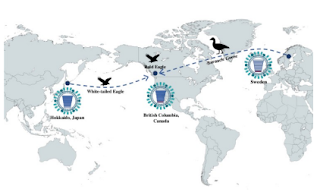
More than 200 bird species spend their summers in the Alaskan Arctic Refuge, and then funnel south each fall via 4 distinct North American Flyways (see map above). Alaska is also overlapped by the East Asian flyway, which may allow birds from Siberia and Mongolia to intermix with native migratory bird population (see USGS: Alaska - A Hotspot For Eurasian Avian Flu Introductions).

All of which means we can see occasional introduction of Asian avian viruses into our local bird populations, as well as incursions from European birds via the trans-Atlantic flyways (see Multiple Introductions of H5 HPAI Viruses into Canada Via both East Asia-Australasia/Pacific & Atlantic Flyways).

Over the past 5 days Canada's CFIA has announced 4 more outbreaks (see list below), 3 of which have occurred in the Fraser Valley (B.C) and 1 in Saskatchewan


Since last Friday's report the USDA has also announced 4 relatively small outbreaks (in Washington State, Oregon & California) affecting fewer than 200,000 birds. 


All of which reminds us that the amount of H5N1 in wild birds - and in the environment - continues to rise as we head into the fall and winter, and all flock owners (large and small) need to increase their biosecurity (see USDA's Defend the Flock).

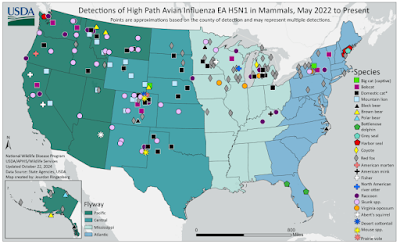
And while we're currently seeing a lull in the reporting of mammalian wildlife with H5N1 (see map below), that number now officially exceeds 400, with dozens involving domestic cats and other peridomestic animals (see Virology: Susceptibilities & Viral Shedding of Peridomestic Wildlife Infected with Clade 2.3.4.4b HPAI Virus (H5N1)).


These reported cases are almost certainly a significant undercount as wild animals often die in remote and difficult to access places, and it appears that some states are prioritizing the testing of suspected cases more than others.  

The CDC offers the following Advice for Pet Owners on avian flu:


As a general precaution, people should avoid direct contact with wild birds and observe wild birds only from a distance, whenever possible. People should also avoid contact between their pets (e.g., pet birds, dogs and cats) with wild birds. Don't touch sick or dead birds, their feces or litter, or any surface or water source (e.g., ponds, waterers, buckets, pans, troughs) that might be contaminated with their saliva, feces, or any other bodily fluids without wearing personal protective equipment (PPE). 

More information about specific precautions to take for preventing the spread of bird flu viruses between animals and people is available at Prevention and Antiviral Treatment of Bird Flu Viruses in People. Additional information about the appropriate PPE to wear is available at Backyard Flock Owners: Take Steps to Protect Yourself from Avian Influenza.

         (Continue . . . )

While the risk of exposure to HPAI H5N1 from a companion animal or a wild bird is considered low, it is not zero, and it arguably goes up during the fall and winter months due to the arrival of migratory birds.

While I hesitate to call this the `new normal', it is rapidly becoming our `new reality'

One to which we'll need to adapt and adjust, if we hope to keep avian flu from becoming an even bigger threat. 

Tuesday, October 29, 2024

USDA: California Reports 8 More H5N1 Infected Herds (n=186)


#18,374

The number of infected dairy herds in California continues to rise, with the USDA announcing another 8 positive herds this morning.  This brings California's total to 186 - all reported since late August - which is 48% of the nation's total (n=388)

California has also reported 16 human H5 infections linked to exposure to dairy cattle.  Both numbers, however, appear to be undercounts, as testing remains limited, and in many cases voluntary. 
Bird Flu in Humans

As of October 28, 2024, CDPH has confirmed sixteen (16) human cases of bird flu in California. All individuals had contact with animals at different farms and all have experienced mild symptoms, including eye redness or discharge (conjunctivitis). None of the individuals have been hospitalized. While the risk to the general public remains low, additional human cases of bird flu are expected to be identified and confirmed in California among individuals who have contact with infected dairy cattle. CDPH recommends that personal protective equipment (PPE), such as eye protection (face shields or safety goggles), respirators (N95 masks), and gloves be worn by anyone working with animals or materials that are infected or potentially infected with the bird flu virus. Wearing PPE helps prevent infection. Please see CDPH’s Worker Protection from Bird Flu for full PPE guidance. For the latest updates from CDPH, visit Bird Flu (ca.gov).


The lack of reports from other states in recent weeks may, or may not, reflect what is actually happening on the ground since testing - except prior to interstate transport of cattle - remains voluntary. 

ECDC: Surveillance & Targeted Testing for the Early Detection of Zoonotic Influenza in Humans During the Winter Period in the EU/EEA


#18,373


Last June, in the wake of the discovery of 3 (now 3 dozen) human infections with H5 in the United States, the ECDC issued guidance for member nations on Enhanced Influenza Surveillance to Detect Avian Influenza Virus Infections in the EU/EEA During the Inter-Seasonal Period.

And as we saw in 2023's analysis from the UKHSA (see TTD (Time to Detect): Revisited), there could be dozens of undetected cases of human H5N1 infection before public health would likely detect them, perhaps even hundreds. 

As that ECDC summary pointed out:
Sentinel surveillance systems are important for the monitoring of respiratory viruses in the EU/EEA, but these systems are not designed and are not sufficiently sensitive to identify a newly emerging virus such as avian influenza in the general population early enough for the purpose of implementing control measures in a timely way
Today, with the added complication of the fall/winter surge in seasonal influenza upon us, the ECDC has issued new guidance.  As with guidance from the U.S. CDC, these are non-binding recommendations, and not all member states have the same capacity for monitoring for cases. 

I've only reproduced the summary below.  Follow the link to read the full 13-page document. 
Surveillance and targeted testing for the early detection of zoonotic influenza in humans during the winter period in the EU/EEA

Public health guidance
29 Oct 2024


This document gives recommendations to EU/EEA Member States on testing, typing and subtyping to identify zoonotic influenza virus infections in humans during the influenza season, 2024−2025 in the European Union/European Economic Area (EU/EEA). The recent detection of a human case of avian influenza A(H5N1) in Missouri, United States through the state’s surveillance system for seasonal influenza emphasises the importance of influenza virus typing, subtyping and further virus characterisation.

Raising awareness among healthcare workers (in primary and secondary care)
  • In areas where outbreaks of avian influenza in birds or mammals have occurred, there is a possibility that there may be human cases of zoonotic influenza infection with unknown exposure and therefore public health authorities should encourage laboratories and hospitals/clinicians to consider increasing testing for influenza, typing and subtyping.
  • Raising awareness should include communicating the local epidemiological situation, including avian influenza in birds and animals, to healthcare workers (including primary care workers) in the region.
  • In order not to miss or delay diagnosis of potential human zoonotic influenza cases, healthcare workers should ask patients about any symptoms compatible with zoonotic influenza infection and their history of exposure to animals, particularly in theECDC: Enhanced Influenza Surveillance to Detect Avian Influenza Virus Infections in the EU/EEA During the Inter-Seasonal Period context of any ongoing avian influenza outbreaks in birds or mammals.
Testing of exposed persons to infected animals with zoonotic influenza
  • Persons exposed to zoonotic influenza should be monitored for 10−14 days from last day of exposure.
  • If exposed individuals develop symptoms, they should self-isolate and be tested immediately.
  • Asymptomatic individuals who have been exposed to zoonotic influenza may be tested on a case-by-case basis, taking into account the level of exposure and the epidemiological context.
Testing, typing and subtyping for influenza in hospital settings
  • Patients admitted to hospital with respiratory symptoms or other symptoms compatible with avian influenza virus infection should be asked about their history of exposure to animals potentially infected with avian influenza or other sick/dead animals.
  • Patients admitted to hospital due to respiratory or other influenza-related symptoms should be tested for influenza A/B infection in accordance with a clinical decision, including subtyping. Decisions on who to test and type/subtype should take into account the epidemiological situation (e.g. avian influenza outbreaks in the area) and the risk of exposure and be linked to a national risk assessment. As the avian influenza epidemiological situation is dynamic, ECDC is continuously re-assessing the risk and will update the risk assessment as necessary in the quarterly ECDC/EFSA avian influenza monitoring report.
  • It is recommended that all hospitalised patients with unexplained viral encephalitis/meningoencephalitis in whom an alternative causative agent cannot be identified should be tested for influenza virus. Isolates from patients who test positive for influenza A should then be subtyped to rule out zoonotic influenza.
  • Severely ill patients with unexplained illness who have had prior animal exposure should be considered for influenza virus testing and further typing/subtyping if they test positive for influenza A.
  • Clusters of severe respiratory infections requiring hospitalisation should be investigated, and patients should be tested for zoonotic influenza if routine testing/subtyping for respiratory pathogens is inconclusive, or if they test positive for influenza A which cannot be subtyped.
Influenza testing in specimens from sentinel ILI/ARI/SARI surveillance sources
  • Ideally, all sentinel influenza-positive specimens from both primary and secondary care sentinel sources should be typed and subtyped.
Influenza testing in specimens from other sources (including non-sentinel)
  • If there are known avian influenza outbreaks in birds or mammals in the area, even in the absence of known exposure to infected animals, laboratories/clinicians are encouraged to increase typing and subtyping of influenza-A positive cases.
Wastewater surveillance
  • Wastewater surveillance is currently emerging as a novel surveillance tool to detect low-level circulation of avian influenza viruses due to outbreaks in birds or mammals, with studies mainly originating from the national system in the US.
  • In the EU/EEA, wastewater surveillance for influenza is currently being conducted in six EU/EEA countries (see reference 38), and additional countries have expressed interest in contributing to wastewater surveillance activities related to avian A(H5N1) influenza viruses.
  • Wastewater surveillance can be used as a potential complementary system useful for the early identification of the presence of circulating avian influenza viruses in specific areas.
Download
Surveillance and targeted testing for the early detection of zoonotic influenza in humans during the winter period in the EU/EEA - EN - [PDF-303.31 KB]

Australia: COVID-19 Response Inquiry Report


#18,372

Nearly five years after the emergence of the SARS-CoV-2 virus the world continues to languish in what is officially an `interpandemic period', although we are still being battered by the continually evolving remnants of COVID, and taunted by new, partially formed threats around the world.

Among the many losses from COVID are:

  • And in many cases, erosion in the public's trust in their government's ability to respond to future pandemics.
From the beginning of the crisis we looked at some of the governmental missteps, which included a general failure to prepare for a pandemic (see Failures of the Imagination), despite talking about it for years (see The Most Predicted Global Crisis of the 21st Century).

Governments initially reassured that the virus wasn't airborne, and only symptomatic individuals were infectious, and that the public didn't need to wear masks.  Instead, we heard `happy talk' about its stability, its low fatality rate, and how `herd immunity' would end the crisis in just `a matter of months. . . '

As governments panicked we saw the spread of inconsistent, and at times draconian, lock downs.  When vaccines finally became available, many governments decided to make COVID vaccines mandatory for `essential workers', even for those who were not in the healthcare industry. 

Far too often, the strict rules for the public were flouted by government officials (see BBC Partygate: A timeline of the lockdown parties).

Tens of billions of tax dollars were stolen or wasted as governments offered emergency `stimulus' packages (see AP Report The Great Grift: How billions in COVID-19 relief aid was stolen or wasted). 

The list goes on. . . . ad nauseam.  

Some governments did better than others, of course - and some positive things were accomplished - but the general perception is of a badly flawed response.

Out of all of this has come a new malady - which unlike COVID, isn't airborne - but is rather a social (media) disease; public cynicism and distrust.  One that continues to spread voraciously, and whose cure is anything but certain. 

And as a co-infection with the next pandemic virus, this malady will likely greatly exacerbate that crisis.  Today, trust (and uptake) in vaccines has plummeted, warnings from the WHO, or the CDC, are often dismissed as `propaganda', and there is a strong `anti-mask' movement online.  

Should a novel influenza, another coronavirus, or even a particularly aggressive COVID wave begin a world tour, governments and health agencies are going to need the cooperation - and trust - of the public. And right now, that appears in short supply.

Although Australia got off to a better start than many other nations during the COVID pandemic - closing its borders early and initially keeping cases and deaths low - when cases began to rise dramatically in 2021 their health care system struggled, as did their government, to cope.

Today the Australian Government has unveiled an 868 page independent report on their COVID response, with recommendations on what they can do now to begin to repair the damage and/or prepare for the next public health emergency. 

Commonwealth Government COVID-19 Response Inquiry

The purpose of the inquiry is to identify lessons learned to improve Australia’s preparedness for future pandemics.

On 25 October 2024 the Australian Government received the final report from the independent panel appointed to review the response to COVID-19 pandemic.

The inquiry reviewed the Commonwealth Government’s response to the COVID-19 pandemic to identify lessons learned and improve Australia’s preparedness for future pandemics.

The report includes nine guiding recommendations that are aligned with nine pillars of a successful pandemic response. The report identifies 19 immediate actions for the next 12-18 months, and a further seven medium-term actions prior to the next national health emergency.

COVID-19 Response Inquiry Report

Summary Report: Lessons for the next crisis

Inquiry terms of reference

Independent panel members


The inquiry was conducted by an independent panel who have extensive experience across public health, health, social care, government and economics.

Member                                       Role
Robyn Kruk AO                           Chair 
Professor Catherine Bennett        Member
Dr Angela Jackson                       Member


The panel was supported by a taskforce, based within the Department of Prime Minister and Cabinet, and will draw upon additional expertise as required.


As nearly 900 pages, I obviously haven't had time to do more than glance at this report.   We do have a summary, however, from The Conversation.  One that warns that the public's willingness to accept strict pandemic measures in the future will be limited.

You can read this report at:

Australia’s COVID inquiry shows why a permanent ‘centre for disease control’ is more urgent than ever

Published: October 29, 2024 2:44 am EDT


This report aside, nearly 5 years after the emergence of COVID, much of the world seems just as unprepared to deal with the next pandemic (see From Here To Impunity).

But at least we deserve points for consistency. 

CDC Statement: Lassa Fever Suspected in Death of U.S. Traveler Returning from West Africa

Credit CDC
 

#18,371

Lassa fever is a Viral Hemorrhagic Fever (VHF) which is endemic in parts of West Africa (see CDC map above), and is commonly carried by multimammate rats, a local rodent that often likes to enter human dwellings.

Exposure is typically through the urine or dried feces of infected rodents, and roughly 80% who are infected only experience mild symptoms.

The incubation period runs from 10 days to 3 weeks, and the overall mortality rate is believed to be in the 1%-2% range, although it runs much higher (15%-20%) among those sick enough to be hospitalized.

Like many other hemorrhagic fevers, person-to-person transmission may occur with exposure to the blood, tissue, secretions, or excretions of an individual (cite CDC How it spreads), but casual contact is not considered a risk.   

In recent years we've seen a small number of exported cases turning up in Europe, the UK, and occasionally the United States, among returning travelers from West Africa.  Local transmission is rare, however:

Late yesterday the CDC announced the detection of a suspected case of Lassa Fever in recent traveler to Africa who lived in Iowa.  

Lassa Fever Suspected in Death of U.S. Traveler Returning from West Africa

STATEMENT

CDC assesses the risk to the general public is extremely low

CDC Media Relations
(404) 639-3286
media@cdc.gov
https://www.cdc.gov/media/


The CDC and the Iowa Department of Health are investigating a suspected case of Lassa fever, which was diagnosed today in an Iowa resident who returned to the United States from West Africa early this month. The patient was not sick while traveling so the risk to fellow airline passengers is extremely low. The patient was hospitalized in isolation at the University of Iowa Health Care Medical Center when they died earlier this afternoon. Testing by the Nebraska Laboratory Response Network lab early this morning found the illness was presumptively positive for Lassa fever and confirmatory testing is planned.

Lassa fever is a viral disease common in West Africa, but rarely seen in the United States. In West Africa, Lassa virus is carried by rodents and spread to humans through contact with urine or droppings of infected rodents. In rare cases, it can be transmitted from person to person through direct contact with a sick person's blood or body fluids, through mucous membranes, or through sexual contact. The virus is not spread through casual contact, and patients are not believed to be infectious before symptoms begin. About 100,000 to 300,000 cases of Lassa fever, and 5,000 deaths related to Lassa fever, occur in West Africa each year.

If confirmed, the Iowa suspected case would be the ninth known occurrence since 1969 of Lassa fever in travelers returning to the United States from areas where Lassa fever is commonly found.

CDC is supporting state and local public health officials from Iowa who are working to learn more about how the patient may have contracted Lassa fever. Early information suggests the patient may have had contact with rodents while in West Africa. CDC and other federal agencies have offered federal assistance to Iowa. People with Lassa fever can only transmit the illness when they have active symptoms and CDC is working with state public health officials to identify people who had contact with the patient after the patient's symptoms began. Those identified as close contacts of the patient will be monitored for 21 days.

Additional information will be shared as we learn more about this patient. For more information about Lassa fever, see the CDC website at About Lassa Fever | Lassa Fever | CDC.


Monday, October 28, 2024

Washington State Raises Human H5 Case Count to 8 - California to 16

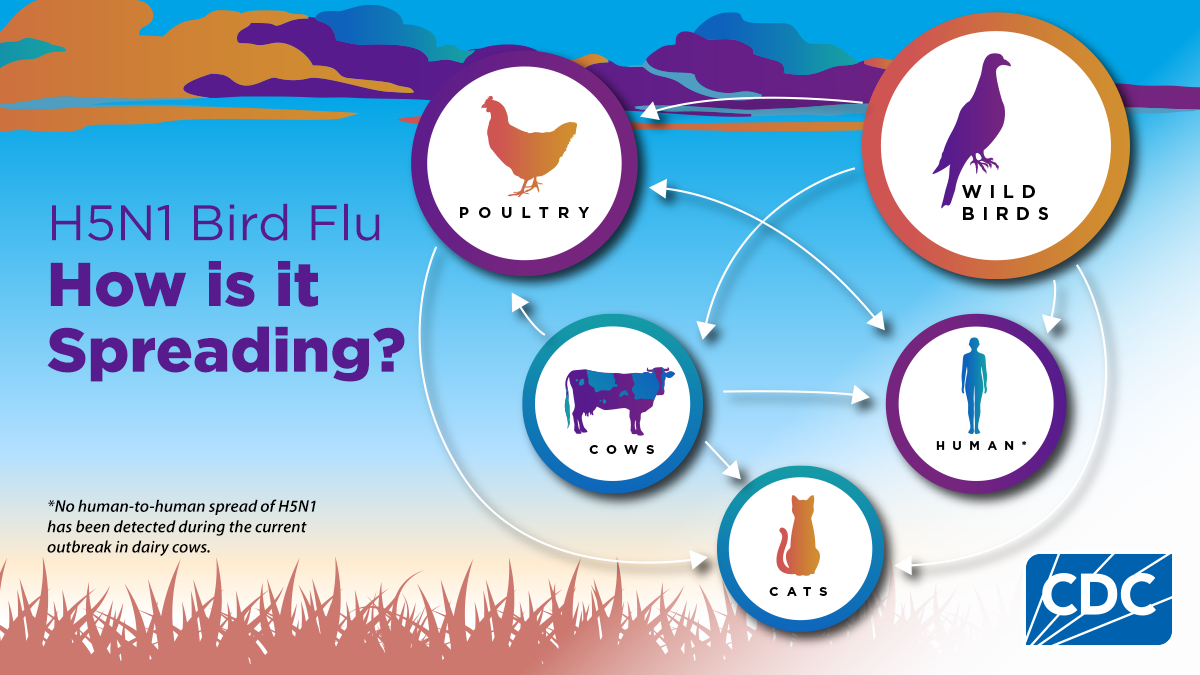
 H5N1 Bird Flu How is it Spreading?


#18,370


The Washington State Health Department Avian flu web page has updated their case count of human cases linked to poultry culling, adding 3 more confirmed cases since last week's report.  Their total is now 8.


Meanwhile California's Department of Public Health incremented their case count by 1 earlier today, raising their total to 16. 


We continue to get very little in the way of detail on these cases, but all have been described as experiencing `mild' symptoms. 

The CDC has not updated their case count, but these 4 should bring the total for 2024 to 38 . . .  a number which will likely continue to rise. 

Nature: A Human Isolate of Bovine H5N1 is Transmissible and Lethal in Animal Models


 #18,369

Today the journal Nature has published a study which looked at the characteristics of the first H5N1 virus isolated in Texas from a dairy worker (huTX37-H5N1) which carried a worrisome mutation (PB2-E627K), but produced only mild symptoms in the index case. 

In contrast to its mild presentation in the human, it proved lethal in both ferrets and mice, and it transmitted - with limited efficiency - via respiratory droplets to nearby ferrets. 

The study, which is behind a subscription paywall, can be accessed at the following link.  Luckily, however, we have an excellent overview published today from the NIH.

Article Published: 28 October 2024

A human isolate of bovine H5N1 is transmissible and lethal in animal models

Last July we looked at an earlier study (see Nature Comms: Pathogenicity and Transmissibility of Bovine H5N1 Influenza Viruswhich found this virus was less lethal, and did not transmit efficiently via the respiratory route to ferrets.

From this NIH review, we learn that this virus may be more formidable than previously thought, and that our mainstay influenza antiviral - oseltamivir (aka `Tamiflu') - may not be as effective as some newer options (i.e. favapirivir and baloxavir).

The `money quote' from these researchers is `. . . based in these observations, every effort should be made to contain HPAI H5N1 outbreaks in dairy cattle to limit the possibility of further human infections.”

A goal which, right now, we seem to be falling well short of. 


Bovine H5N1 influenza from infected worker transmissible and lethal in animal models

Some antiviral drugs highly effective against bovine H5N1
What

A highly pathogenic avian influenza (HPAI) H5N1 virus, isolated from the eye of a farm worker who became infected through contact with dairy cows, was lethal in mice and ferrets infected in a high-containment laboratory environment, according to a new study in Nature. The study investigators also found that the virus isolated from the worker, who experienced mild inflammation of the cornea (conjunctivitis), could be transmitted through the air between separated ferrets and might be capable of binding to and replicating in human respiratory tract cells.

The virus isolated from the worker is called huTX37-H5N1 and has a mutation (PB2-E627K) frequently seen in avian influenza viruses that replicate in mammal

“based in these observations, every effort should be made to contain HPAI H5N1 outbreaks in dairy cattle to limit the possibility of further human infections.”

s, typically making virus replication more efficient. These mutations underscore the need for continued monitoring and evaluation of viruses from the current H5N1 outbreak.

The study also showed that a bovine H5N1 virus is susceptible to the antiviral drugs favipiravir and baloxavir marboxil (brand name Xofluza) of the polymerase inhibitor class, as well as the neuraminidase inhibitor zanamivir. The virus is less sensitive to oseltamivir (Tamiflu), another neuraminidase inhibitor.

In laboratory experiments, huTX37-H5N1 replicated in human cornea and lung cells. The scientists determined the lethal dose of huTX37-H5N1 as less than 1 plaque-forming unit (PFU) in mice, compared to 31.6 PFU as the lethal dose of a bovine H5N1 virus isolated from the milk of a lactating cow. The huTX37-H5N1 virus also infected each of 15 different mouse tissues tested, with the highest virus levels found in respiratory tissues.

Researchers also infected ferrets with a high dose of huTX37-H5N1. Flu infections in ferrets more closely resemble human flu infections than those in mice. All infected ferrets died within 5 days and scientists found huTX37-H5N1 virus in all the tissues sampled, with high levels in the respiratory system. In a prior study, the researchers had infected ferrets with a bovine H5N1 virus and, although it caused severe disease, lethality was limited.

To evaluate respiratory transmission, the scientists placed healthy ferrets in cages about 5 centimeters away from ferrets infected one day earlier with one of four decreasing doses of huTX37-H5N1. All directly infected ferrets died within 6 days and, depending on the exposure dose, between 17% and 33% of the nearby animals became infected via respiratory droplet transmission. These results indicate that a bovine HPAI H5 virus isolated from an infected person can transmit among mammals via respiratory droplets, though with limited efficiency.

The authors note that the person infected with the huTX37-H5N1 virus did not develop severe illness. In fact, human cases reported from the current outbreak have mostly experienced conjunctivitis and/or mild respiratory symptoms. The researchers speculate that eye infection with a low dose of bovine H5N1 virus might result in localized conjunctivitis without severe disease in humans. Multiple exposures to seasonal human influenza viruses, they say, might provide people with low levels of protection against currently circulating HPAI H5N1 viruses—though additional study is needed.

In summary, this study characterizes the huTX37-H5N1 isolate, finding that it may be capable of replicating in cells of the respiratory tract in humans, that it is pathogenic in mice and ferrets, and that it is capable of being transmitted by the respiratory route in ferrets. 

based in these observations, every effort should be made to contain HPAI H5N1 outbreaks in dairy cattle to limit the possibility of further human infections.”

Scientists from the University of Wisconsin at Madison led the research with collaborators from Shizuoka and Tokyo Universities and the Research Center for Global Viral Diseases in Japan. The National Institute of Allergy and Infectious Diseases (NIAID), part of the National Institutes of Health, funded much of the work through its Centers of Excellence for Influenza Research and Response program.

Articles

C Gu et al. A human isolate of bovine H5N1 is transmissible and lethal in animal models. Nature DOI: 10.1038/s41586-024-08254-7 (2024).

A Eisfeld et al. Pathogenicity and transmissibility of bovine H5N1 influenza virus in mice and ferrets. Nature DOI: 10.1038/s41586-024-07766-6 (2024).