Showing posts with label reassortment. Show all posts

Thursday, April 23, 2015

EID Journal: The Rapidly Expanding Range Of HPAI Viruses

image

# 9971


What a difference a year makes.


In January of 2014 a new, HPAI H5N8 virus (which had only rarely been sighted in China before) turned up in a big way in South Korea’s poultry and wild bird population, and proceeded to infect dozens of farms, resulting in the culling of millions of birds.  


The virus briefly appeared in Southern Japan (see Japan: Detection Of H5 Avian Flu At Poultry Farm) in April of last year, but was pretty much considered an `Asian’ problem – and one that was far less well distributed across the landscape than was H5N1.


But early last November the world awoke to find HPAI H5N8 had made its way to western Europe, when a farm in Germany reported the virus (see Germany Reports H5N8 Outbreak in Turkeys), followed 10 days later  by reports from the Netherlands (see
Netherlands: `Severe’ HPAI Outbreak In Poultry), and again from Japan (see Japan: H5N8 In Migratory Bird Droppings).

image

H5N8 Branching Out To Europe & Japan


Suddenly H5N8 was on the move, in a manner which we hadn’t seen since the great H5N1 diaspora of 2006 – when that virus spread out of Asia and into Europe, Africa, and the Middle East.


Soon the UK, Italy, China and Russia would be added to the list of nations where H5N8 was showing up, as would Taiwan towards the end of the year. 

But the biggest surprise came when HPAI H5 virus literally crossed oceans and turned up – first in Canada’s Pacific Northwest (see Fraser Valley B.C. Culling Poultry After Detecting H5 Avian Flu) in early December – and then began spreading across the western United States (see EID Journal: Novel Eurasian HPAI A H5 Viruses in Wild Birds – Washington, USA).

.

And somewhat ominously, as H5N8 has arrived in Taiwan, Canada, and the United States, it  reassorted with local avian flu viruses and produced unique reassortant viruses (H5N2 and H5N1 in North America, H5N2, H5N3 in Taiwan).

image

How viruses shuffle their genes (reassort)


Of these, H5N2 appears to be spreading the fastest, and causing the most damage to the poultry industry.  But the possibility of seeing additional reassortments emerge is real, and their behavior – and their pathogenicity in birds and humans – is quite frankly, impossible to predict.


Yesterday the EID Journal published a dispatch on the recent arrival of these HPAI H5 viruses, their evolution to date, and how their propensity for viral reassortment may lead to the creation of additional subtypes in the future.  I’ve only posted some excerpts, follow the link to read it in its entirety.


Dispatch

Rapidly Expanding Range of Highly Pathogenic Avian Influenza Viruses

Jeffrey S. HallComments to Author , Robert J. Dusek, and Erica Spackman

Author affiliations: US Geological Survey National Wildlife Health Center, Madison, Wisconsin, USA (J.S. Hall, R.J. Dusek); US Department of Agriculture, Athens, Georgia, USA (E. Spackman)

Abstract

The movement of highly pathogenic avian influenza (H5N8) virus across Eurasia and into North America and the virus’ propensity to reassort with co-circulating low pathogenicity viruses raise concerns among poultry producers, wildlife biologists, aviculturists, and public health personnel worldwide. Surveillance, modeling, and experimental research will provide the knowledge required for intelligent policy and management decisions.

The recent introduction of highly pathogenic avian influenza (HPAI) subtype H5N8 virus into Europe and North America poses major risks to poultry industries, zoologic collections, and wildlife populations; thus, this introduction warrants continued and heightened vigilance.

First discovered in early 2014 in poultry and wild birds in South Korea, HPAI H5N8 virus apparently arose in China from reassortment events between HPAI subtype H5N1 virus (clade 2.3.4.4) and several low pathogenicity viruses (LPAIVs) (13). The H5N8 virus was subsequently detected in waterfowl in Russia in September 2014, and since then, H5N8 virus and reassortants have been detected in poultry and wild birds in Europe (Netherlands, Germany, Italy, the United Kingdom, Hungary, and Sweden), Taiwan, Japan, Canada (British Columbia), and the western and central United States (Washington, Oregon, California, Idaho, Utah, Minnesota, Missouri, Arkansas, Kansas, Wyoming, and Montana).

Wild waterfowl are a primary natural host for LPAIVs, and infection rates in these populations peak at autumn migratory staging locations, where large numbers of immunologically naive juvenile birds congregate (4). The HPAI H5N8 virus has apparently adapted to wild waterfowl hosts: few or no clinical signs or adverse effects are apparent in these hosts when infected with the virus. Thus, it seems probable that the virus was disseminated out of Russia into Europe, East Asia, and North America by migrating waterfowl during autumn 2014 (5).

The HPAI H5N8 virus has encountered, interacted with, and reassorted with co-circulating LPAIVs in migratory and overwintering waterfowl populations, creating new HPAI viruses (HPAIVs). In Taiwan, new Eurasian lineage reassortant HPAIVs (i.e., H5N2 and H5N3 subtypes) and the parental H5N8 subtype virus have been detected in poultry and wild birds (6). In North America, HPAI H5N8 virus continues to circulate among waterfowl and commercial and backyard poultry flocks. In addition, new HPAIV reassortants (i.e., H5N2 and H5N1 subtypes) that are combinations of HPAI H5N8 virus and genetic elements from Eurasian and North American viruses are also circulating in these populations (7,8) (Figure).

<SNIP>

As HPAIVs continue spreading and evolving, the questions posed here, along with many more questions, will need to be answered to understand the risks to agriculture, zoologic collections, wildlife, and, potentially, human populations. As other researchers have recently pointed out, robust, targeted surveillance programs among wild birds (11) and poultry, modeling of the movements of HPAIV-infected wild birds, and experimental research studies will provide the knowledge required for intelligent policy and management decisions regarding agriculture, wildlife, and public health.

(Continue . . .)


While we can’t know what new reassortments may appear next fall or winter in North America, the idea that somehow we in North America are somehow insulated from the Asian and Eurasian avian flu strains by oceans and distance seems pretty well demolished.


For more on how these viruses may be able to cross oceans and continents, you may wish to revisit:

USGS: Alaska - A Hotspot For Eurasian Avian Flu Introductions

Erasmus Study On Role Of Migratory Birds In Spread Of Avian Flu

PNAS: H5N1 Propagation Via Migratory Birds

EID Journal: A Proposed Strategy For Wild Bird Avian Influenza Surveillance

PLoS One: North Atlantic Flyways Provide Opportunities For Spread Of Avian Influenza Viruses

Wednesday, March 04, 2015

Study: Recombinant H5N2 Avian Influenza Virus Strains In Vaccinated Chickens

image

Photo Credit – FAO


# 9780


At the risk of sounding like a broken record, we’ve another study today that has documented multiple novel, recombinant H5N2 avian flu viruses circulating in vaccinated Chinese poultry.


China, which has relied predominantly on a poultry vaccination policy to control avian flu, has managed to protect their poultry flocks from excess mortality and morbidity, but – as we discussed previously (see EID Journal: Subclinical HPAI In Vaccinated Poultry – China – now finds itself with multiple clades and subtypes of HPAI in circulation and a roster of poultry vaccines that are slowly losing their effectiveness.


This isn’t just a problem in China, as we’ve seen similar results in Egypt (see Egypt: A Paltry Poultry Vaccine) and  Indonesia (see Indonesia: Debate Over Poultry Vaccination) as well.  


While quarantine and aggressive culling is the recommended HPAI control strategy, for countries with high food insecurity and a heavy reliance upon poultry, vaccines have long been an attractive option   And for the past decade they have been heavily employed in nations where bird flu has become endemic.


According to 2012’s Impact of vaccines and vaccination on global control of avian influenza by David Swain, more than 113 billion poultry vaccine doses were used from 2002 to 2010. Five countries accounted for 99% of vaccine used: 1) China (90.9%), 2) Egypt (4.6%), 3) Indonesia (2.3%), 4) Vietnam (1.4%), and 5) Hong Kong Special Administrative Region (< 0.01%).


The problem comes when these vaccines are either improperly applied, or not updated to deal with constantly evolving flu strains, which can drive the creation of vaccine-escape variant viruses.   


A task that becomes more difficult every year as the number of new, reassortant viruses increase.

The OIE (World Organization For Animal Health) has been long aware of the potential of vaccines to hide infection, and potentially drive viral evolution, warning that vaccination of poultry cannot be considered a long-term solution to combating the avian flu virus.


In 2009 the OIE advised:

The use of vaccination could last several years; however it will only be effective if it is applied to all poultry (chickens, hens, ducks, turkeys, geese, quails…) and through appropriate methods, particularly the use of a permanent cold chain. Vaccines should be produced in accordance with international quality standards prescribed in the OIE manual of diagnostic tests and vaccines for terrestrial animals.

As soon as national Veterinary Services are fully operational for early detection and rapid response using biosecurity measures in infected premises vaccination must be stopped; it is not recommended to use vaccination as a long term control measure since very often it contributes to hide the presence of the virus.

Any vaccination campaign must include an “exit strategy” i.e. a return to classic disease control measures.

In 2013, the OIE reiterated this advice in Questions and Answers on influenza A(H7N9), stating:


Does OIE recommend vaccination of animals to control the disease?

When appropriate vaccines are available, vaccination aims to protect the susceptible bird populations from potential infection. Vaccination reduces viral excretions by animals and the virus’ capacity to spread. Vaccination strategies can effectively be used as an emergency effort in the face of an outbreak or as a routine measure in an endemic area. Any decision to use vaccination must include an exit strategy, i.e. conditions to be met to stop vaccination.


Despite these warnings, none of the nations that now use 99% of the world’s poultry vaccines appear willing (or able) to move towards that recommended `exit’.  


First, a link and some excerpts  from a recently published open-access study in Viruses, after which I’ll return with a bit more:


Genomic and Phylogenetic Characterization of Novel, Recombinant H5N2 Avian Influenza Virus Strains Isolated from Vaccinated Chickens with Clinical Symptoms in China

Huaiying Xu, Fang Meng , Dihai Huang , Xiaodan Sheng, Youling Wang, Wei Zhang , Weishan Chang , Leyi Wang   and Zhuoming Qin

View Full-Text   |   Download PDF [1601 KB, uploaded 25 February 2015]   |   Browse Figures

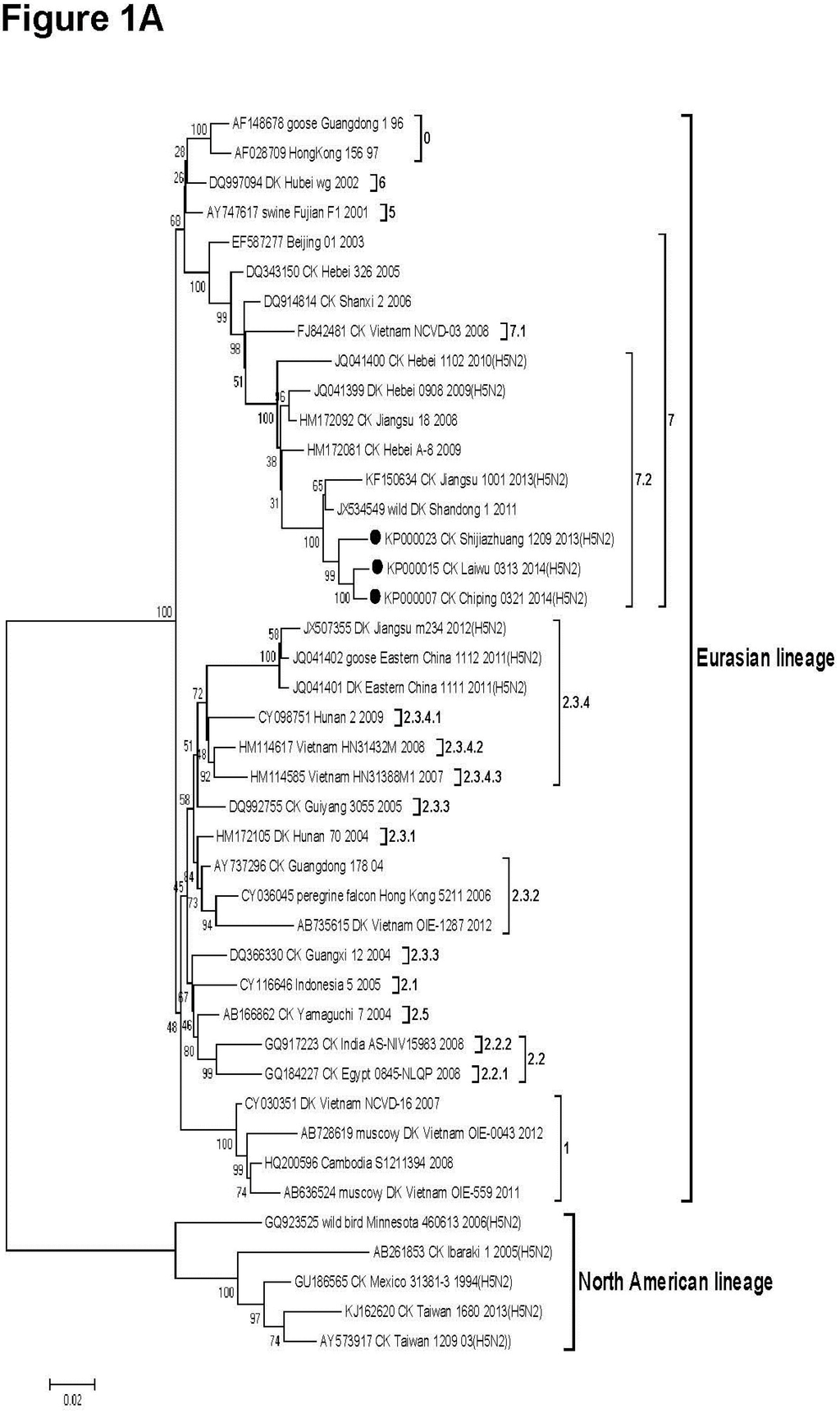
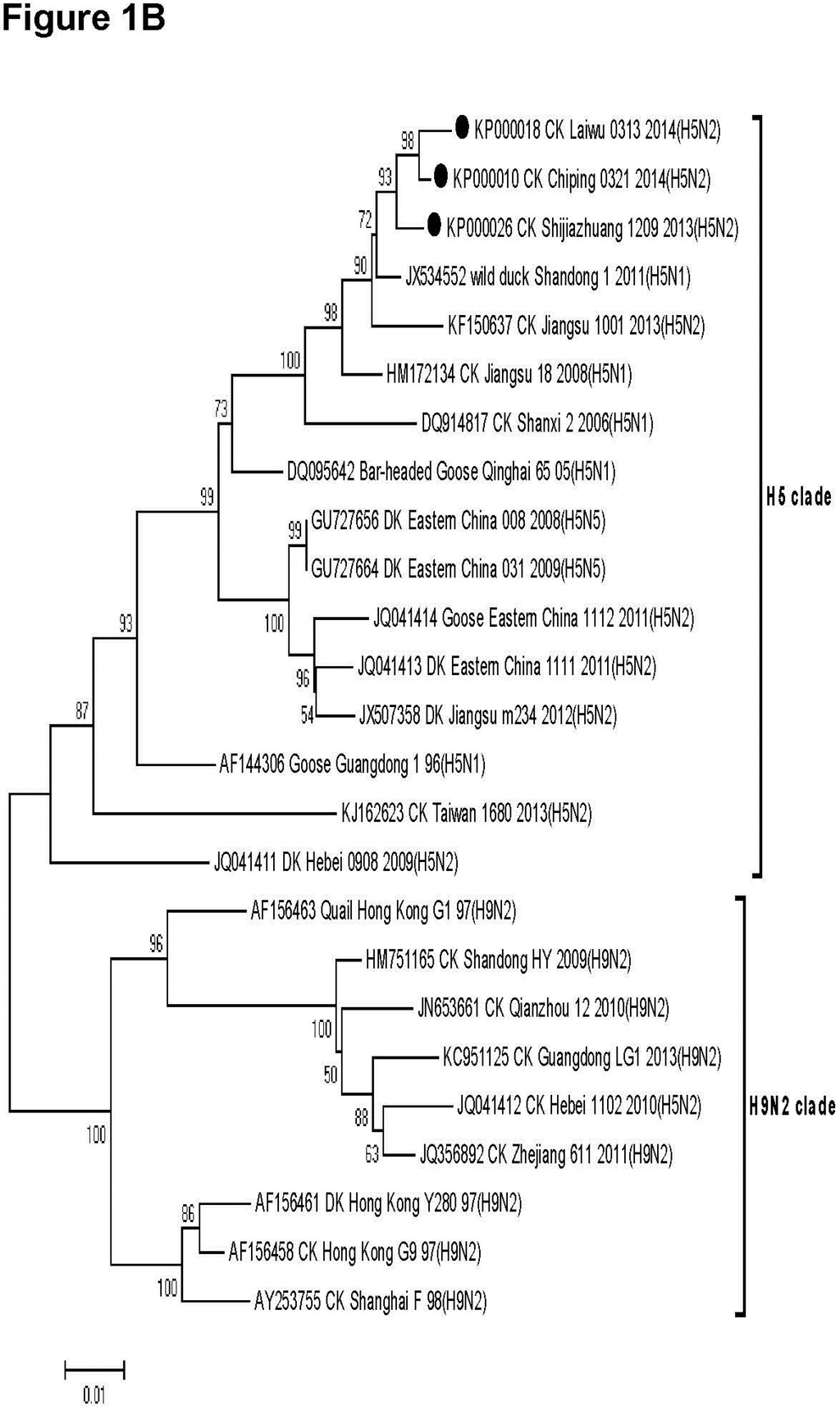
Abstract: Infection of poultry with diverse lineages of H5N2 avian influenza viruses has been documented for over three decades in different parts of the world, with limited outbreaks caused by this highly pathogenic avian influenza virus. In the present study, three avian H5N2 influenza viruses, A/chicken/Shijiazhuang/1209/2013, A/chicken/Chiping/0321/2014, and A/chicken/Laiwu/0313/2014, were isolated from chickens with clinical symptoms of avian influenza.

Complete genomic and phylogenetic analyses demonstrated that all three isolates are novel recombinant viruses with hemagglutinin (HA) and matrix (M) genes derived from H5N1, and remaining genes derived from H9N2-like viruses. The HA cleavage motif in all three strains (PQIEGRRRKR/GL) is characteristic of a highly pathogenic avian influenza virus strain.

These results indicate the occurrence of H5N2 recombination and highlight the importance of continued surveillance of the H5N2 subtype virus and reformulation of vaccine strains.

<SNIP>

Discussion

In this study, three H5N2 influenza virus strains isolated from chickens were identified as novel reassortants with a highly pathogenic viral genotype. Surprisingly, the affected birds had been vaccinated with killed influenza vaccines but still showed characteristic clinical symptoms of avian influenza and eventually died.

These results are in agreement with previous work indicating that AIVs can continue genetic evolution under vaccination pressure [20]. Moreover, this study highlights the importance and necessity of periodic reformulation of the vaccine strain according to the strains circulating in the field in countries where vaccines are applied to control avian influenza.

Therefore, we recommend that routine surveillance to monitor the influenza viral evolution in the field be carried out in combination with a comprehensive control program and vaccination as opposed to vaccination programs alone.

(Continue. . . )


The `elephant in the room’ is that 10 years ago, when most of these countries elected to rely primarily on poultry vaccinations to control H5N1, there was only one HPAI H5 virus of concern; H5N1.   Now we now have at least a half dozen subtypes (H5N1, H5N2, H5N3, H5N6, H5N5,  H5N8) and literally dozens of clades between them.


This rapid growth is likely due in no small part to the continued use of outdated, poorly matched poultry vaccines which only hid symptoms in birds, and allowed viruses to continue to circulate and reassort. 


But it isn’t just me saying that.  Last November the EID Journal dispatch Subclinical Highly Pathogenic Avian Influenza Virus Infection among Vaccinated Chickens, China  addressed these concerns, and suggested a way forward:


HPAI mass vaccination played a crucial role in HPAI control in China. However, this study demonstrated multiple disadvantages of HPAI mass vaccination, which had been suspected (13,14). For example, this study showed that H5N1 subtype HPAI virus has evolved into multiple H5N2 genotypes, which are all likely vaccine-escape variants, suggesting that this virus can easily evolve into vaccine-escape variants.

This observation suggests that HPAI mass vaccination, which is highly effective in the beginning of an outbreak, may lose its effectiveness with time unless the vaccine strains are updated. Moreover, this study showed that vaccinated chicken flocks can be infected with vaccine-escape variants without signs of illness.

<SNIP>

We propose that the only way out of this dilemma is to strengthen the strategy published previously, which covers the following components: education, biosecurity, rapid diagnostics and surveillance, and elimination of infected poultry (14). Mass vaccination should be used as an additional tool within this 4-component strategy, not in place of the 4 components.


Supposedly the definition of insanity is doing the same thing over and over again and expecting different results.


While a case can be made for the continued use of poultry vaccines in countries where these viruses are raging, a pattern of increasing risks and decreasing returns makes it imperative that modifications to these strategies are made before we vaccinate ourselves into a very unenviable corner.

Sunday, February 08, 2015

HK’s Dr. Ko Wing-man On Flu Reassortment Concerns

image

Reassortment is the mechanism where two different flu viruses infect the same cell simultaneously, and swap genetic material, producing a new, hybrid virus. -  Credit AFD


# 9686


At the same time that mainland China is experiencing their third winter wave of H7N9 infections, Hong Kong and the rest of southern China are embroiled in a particularly nasty H3N2 seasonal flu epidemic. 


Today’s flu update from Hong Kong’s CHP acknowledges:


Regarding severe cases, from noon yesterday (February 7) to noon today, four additional cases of influenza-associated admission to intensive care units or death (including two deaths) among adults aged 18 or above have been recorded under the enhanced surveillance in collaboration with public and private hospitals reactivated since January 2.

This brings the total number to 218 ( 142 deaths) so far. Among them, 207 were A(H3N2), five were B and six were A pending subtype. In the last winter season in early 2014, 266 (133 deaths) were filed.


Meanwhile, no additional cases of severe paediatric influenza-associated complication or death among children aged under 18 have been reported since yesterday via the ongoing reporting system. The total this year hence remains at 11 (no deaths) and all were A(H3N2). In 2014, 27 (four deaths) were filed.


Things are so bad - that while located in the Northern Hemisphere - Hong Kong is making arrangements to purchase a quantity of the recently revised Southern Hemisphere vaccine, as announced yesterday in New flu vaccine ready by April.

A couple of weeks ago, in Hong Kong CHP Update On Imported H7N9 Case, we looked at published reports saying that HK CHP director Dr. Ko Wing-man had publically expressed concerns over the possibility that this year’s seasonal flu, and the H7N9 virus, could cross paths and create a new, reassorted virus.


Today, based on reports in the South China Morning Post and Sputniknews, Dr. Ko Wing-man has apparently once again voiced those concerns.


Hong Kong Health Minister Warns of Possible New Deadly Virus Outbreak

© AFP 2015/ ISAAC LAWRENCE

 16:18 08.02.2015 (updated 16:54 08.02.2015)

Hong Kong's health minister stated that rampant seasonal flu in Hong Kong and the recent strain of bird flu detected in poultry could together give rise to a deadly new virus.

MOSCOW, (Sputnik) – The rampant seasonal flu in Hong Kong and the recent strain of bird flu detected in poultry could together give rise to a deadly new virus, Hong Kong's health minister said Sunday.

“If a person contracts two viruses, a gene recombination is likely to happen,” Ko Wing-man was quoted as saying by the South China Morning Post, adding that the mutation could lead to a more contagious virus.

(Continue . . . )


A novel/seasonal flu reassortment is not a new concern, nor is this scenario limited to H7N9, or the H3N2 virus. Anytime two different flu viruses inhabit the same host (human, avian, porcine, etc.) at the same time, the potential for seeing a reassortant virus exists. 

Most of the time, however, the resultant hybrid virus fails to thrive and spread, and it is never even noticed.


But when you have an abundance of seasonal flu co-circulating with a novel flu virus like H7N9, the odds of seeing a someone infected with both subtypes – admittedly a rare event – go up.  And the more opportunities these viruses have to get together, the better the chances are they will produce an offspring.


Last month, in EID Journal: Timing of Influenza A(H5N1) in Poultry and Humans Worldwide, 2004–2013, we looked exactly these concerns, albeit focusing on H5N1 and seasonal flu interactions.   The author’s wrote:

Abstract

Co-circulation of influenza A(H5N1) and seasonal influenza viruses among humans and animals could lead to co-infections, reassortment, and emergence of novel viruses with pandemic potential.


Previously, in the Lancet: Coinfection With H7N9 & H3N2, we saw the first evidence of co-infection with the newly emerged H7N9 virus and a seasonal flu virus in a human. While last October, in EID Journal: Human Co-Infection with Avian and Seasonal Influenza Viruses, China, we looked at co-infections in 2 patients in Hangzhou, in January 2014.


In all of three of these cases, no reassortant virus was detected.

But In 2011,  an influenza co-infection in Canada led to the creation of a unique hybrid reassorted virus (see Webinar: pH1N1 – H3N2 A Novel Influenza Reassortment), although it was not passed on to anyone else.


And in 2010, in EID Journal: Co-Infection By Influenza Strains, I wrote about a study in New Zealand during the opening months of the 2009 pandemic that discovered at least 11 co-infections (out of 1,044 samples tested) with the older seasonal H1N1 virus and the newly emergent pandemic H1N1 virus.

While rarely detected, influenza A coinfections are probably more common than we realize.  Luckily, most do not result in the production of a hybrid strain, else we’d be hip deep in novel viruses all the time.


Over the past few years we’ve seen a growing list of novel (avian, swine, canine) flu viruses emerge (H5N3, H5N2, H5N5, H5N6, H5N8, H7N9, H10N8, H3N8, H6N1, H1N1v, H1N2v, H3N2v, etc. . .), and each carries some risk of reassortment. 

With other novels viruses, or with human viruses. Or conceivably both.


How big that risk really is, in terms of producing a pandemic virus, is unknown.  Most of these reassortant hybrids will fail and fade away unnoticed, either being biologically `flawed’ in some way, or simply not as competitive as existing strains.


The odds of any one viral assignation producing a viable, humanized virus is probably fairly remote.


The concern is, if these viruses get enough rolls of the genetic dice, they will eventually roll a natural.  Which is why we watch Hong Kong, mainland China, and Egypt so carefully this time of year.

H5N1 Detected In B.C. Backyard Flock

image


# 9686

On January 15th of this year we learned of the first detection of a reassorted HPAI EA/AM H5N1 virus in North America, when this emerging subtype was detected in a green-winged teal in Whatcom County, Washington (see OIE: New Reassortant HPAI H5N1 In North America).


While carrying the same HA/NA designations as its more infamous Asian cousin -  this subtype is comprised of gene segments from the Eurasian (EA) H5N8 virus, along with genetic contributions from North American (AM) avian viruses. 

In other words, a new version of H5N1.


The OIE described it as:

This H5N1 subtype is different from strain circulating in Asia.

The gene constellation is as follows:

  • Eurasian lineage genes (PB2, H5, NP, MP >99% identical to A/gyrfalcon/WA/41088/2014 H5N8);
  • North American lineage genes (PB1 {98% identical to A/Northern pintail/Washington/40964/2014 H5N2}, PA, N1, NS of North American LPAI wild bird lineage.

The HA cleavage site is compatible with strains that are highly pathogenic. This novel HPAI EA/AM H5N1-reassortant virus has NOT been found in commercial poultry anywhere in the United States.


Although this reassortant was discovered in only one bird last month, the implications are that it is probably spreading in other wild and migratory  birds as well, and so it isn’t terribly surprising that it would turn up again in the Pacific Northwest.


After a couple of days of rumors and  media reports, yesterday Canada’s CFIA posted the following  notice of the detection of this new virus in a “non-commercial’ flock in Chilliwack, BC.


CFIA confirms presence of H5N1 virus in British Columbia and removal of quarantines from three farms

February 7, 2015

The Canadian Food Inspection Agency (CFIA) is continuing its investigation into an outbreak of avian influenza in British Columbia's Fraser Valley. The CFIA has confirmed the presence of a high pathogenic H5N1 avian influenza virus on a non-commercial farm in Chilliwack, BC. The infected premises is under quarantine, depopulation of the affected birds has been completed and disposal measures are underway.

This is the first time the H5N1 strain of the virus has been detected during the current avian influenza outbreak in British Columbia's Fraser Valley. The other affected farms in BC were infected by the H5N2 strain.

The H5N1 strain was found in wild birds in Washington State in January 2015.

(Continue . . .)


This notification provides us with very little actual information beyond the requisite assurances that `Avian influenza viruses do not pose risks to food safety when poultry and poultry products are properly handled and cooked.’  


We are even left to assume that this H5N1 virus is a match for the Washington state finding (likely so, but not stated implicitly).

While some of their official nonchalance may be forced, it is absolutely true that so far we’ve not seen any evidence that reassorted HPAI H5 viruses descended from the recently emerged Eurasian H5N8 subtype (H5 clade 2.3.4.4) have the ability to infect humans. 

These are, however, early days. 

And as new reassortants appear, and evolve, their behaviors and properties can sometimes change. Something our own CDC took notice of a little over a week ago, when they published interim guidance (see here and here) on testing and managing individuals potentially exposed to novel (H5 or H7) avian flu.  They wrote:

The appearance of newly detected avian influenza A H5 viruses in North America may increase the likelihood of human infection with these viruses in the United States. Because these newly identified avian influenza A H5 viruses are related to avian influenza A viruses associated with severe disease in humans (e.g., highly pathogenic Asian-lineage avian influenza A (H5N1) virus), they should be regarded as having the potential to cause severe disease in humans until shown otherwise


Of course, it is perfectly possible that H5N8 derived viruses – like the H5N2 viruses we’ve seen in the past – pose very little threat to human health.  But to assume such based on a very a limited track record would be folly.   The reason that H5 and H7 avian viruses are reportable to the OIE is because of their track record of quickly changing as they passage through birds.


For now, however, the big risk is to poultry operations. 


Unlike in Asia and the Middle East, which have endured heavy avian flu losses for more than a decade, North American poultry producers have not had to deal with these highly pathogenic H5 viruses.  If one or more of these subtypes (or future reassortants from them) manages to become endemic in North American birds - and that may already be happening -  the risks to the industry will only escalate.

Thursday, February 05, 2015

Virology J: Human-like H3N2 Influenza Viruses In Dogs - Guangxi, China

image


# 9674


Influenza viruses are constantly evolving, and do so via two well established routes; Antigenic drift & Antigenic Shift (reassortment).


Antigenic drift causes small, incremental changes in the virus over time. Drift is the standard evolutionary process of influenza viruses, and often come about due to replication errors that are common with single-strand RNA viruses (see NIAID Video: Antigenic Drift).


Shift occurs when one virus swap out chunks of their genetic code with gene segments from another virus.  This is known as reassortment. While far less common than drift, shift can produce abrupt, dramatic, and sometimes pandemic inducing changes to the virus (see NIAID Video: How Influenza Pandemics Occur).


While most reassortant viruses fail to thrive, every once in a while a viable, and competitive new subtype will emerge.  As any virologist will tell you, while rare  – Shift Happens.


It has only been in the past few years that dogs have been viewed as potential important `mixing vessels’  for influenza – an evolutionary process that has traditionally been associated with birds and swine. 


But as we learn more about the host range (which includes humans, equines, swine, birds, bats, camels, and marine mammals) and the genetic diversity of influenza viruses (currently 18 hemagglutinin & 11 neuraminidase subtypes identified), we find a far more complex and intermingled ecology than previously envisioned. 


In years past we’ve looked at a number of species with at least theoretical potential to act as mixing vessels, including in  Mixing Vessels For Influenza & A Host Of Reservoirs.


Last summer, and particularly apropos for today’s blog -  in Study: Dogs As Potential `Mixing Vessels’ For Influenza - we looked at the ability of different influenza strains (canine, equine and human)  to infect, and replicate in, canine tracheal tissues. 


Last November, In A Dog & Cat Flu Review, we looked at (among other things) the emergence and evolution of avian H3N2 and equine H3N8 viruses in dogs, and just last week we saw reports that Korea has continued to find evidence of avian H5N8 infection in dogs.


So it isn’t a huge surprise that we find a study, published yesterday in the Virology Journal, that has isolated and identified what appears to be a human/swine combination H3N2 influenza virus in pet dogs from Guangxi, China.


Emergence of human-like H3N2 influenza viruses in pet dogs in Guangxi, China

Ying Chen1*, Yan-Ning Mo1, Hua-Bo Zhou2, Zu-Zhang Wei1, Guo-Jun Wang3, Qing-Xiong Yu1, Xiong Xiao1, Wen-Juan Yang1 and Wei-Jian Huang1 

Virology Journal 2015, 12:10  doi:10.1186/s12985-015-0243-2

Published: 3 February 2015

Abstract (provisional)

Background After the 1968 H3N2 pandemic emerged in humans, H3N2 influenza viruses continuously circulated and evolved in nature. An H3N2 variant was circulating in humans in the 1990s and subsequently introduced into the pig population in the 2000s. This virus gradually became the main subtype of swine influenza virus worldwide. However, there were no reports of infections in dogs with this virus.

Findings  In 2013, 35 nasal swabs from pet dogs were positive for Influenza A virus by RT-PCR. Two viruses were isolated and genetically characterized. In the phylogenetic trees of all gene segments, two H3N2 canine isolates clustered with Moscow/10/99 and most H3N2 swine influenza viruses.

These results indicated that two H3N2 CIVs possessed high homology with human/swine influenza viruses, which at the same time exhibited some amino acid substitutions in NA, polymerase basic protein 1 (PB1), and nucleoprotein (NP), which probably were related to the interspecies transmission

.Conclusions These two viruses share the highest homology with swine H3N2, Moscow/99-like viruses, which indicated that these viruses might originate from swine viruses.

The complete article is available as a provisional PDF. The fully formatted PDF and HTML versions are in production.


While it doesn’t appear that these reassortant viruses have become well established in canine hosts, this adds to the growing body of evidence that dogs could serve as intermediate hosts – and potential mixing vessels – for a variety of non-canine influenza viruses.


Swine and poultry undoubtedly pose far larger reassortment risks, simply because they are natural hosts for influenza viruses, are often raised in large numbers and in close proximity with one another, and are often shipped long distances.


But as we’ve discussed previously, in China: Avian-Origin Canine H3N2 Prevalence In Farmed Dogs, in some parts of the world dogs are regarded as food  - not pets - and are raised under pretty much the same type of crowded conditions as other livestock, but apparently with even less oversight. 


China’s MOH introduced new regulations in 2013 requiring vaccinations and certificates of health for farmed dogs, but local reporting suggests widespread fraud or blatant disregard for these rules (see Yulin market dog safety not guaranteed - Reporter survey found that no regulations exist blank slaughter procedures).


While likely a minor player, all of this makes dogs a `wild card’ in the evolution and spread of new influenza reassortant viruses, and a host species worth keeping one eye on.

Wednesday, January 21, 2015

OIE: New Reassortant HPAI H5N1 In North America

image


# 9608


Yes, you read the title right;  H5N1.  


Not the same H5N1 as has been rife in Asia for the past decade, and is currently making trouble in Egypt - but a cousin - a new reassortant H5N1 with genetic components derived from both the Eurasian H5N8 virus (including the H5 HA) and by North American avian viruses. 


A more complete description is provided in the OIE report below, after which I’ll be back with more.

image

image

 Epidemiology

Source of the outbreak(s) or origin of infection

  • Contact with wild species

As part of the increased AI surveillance of wild birds (performed by testing hunter harvested birds), another Eurasian H5 clade 2.3.4.4 virus has been identified through whole genome sequencing of the virus isolate. Introduction of the Eurasian (EA) H5N8 virus into the Pacific Flyway sometime during late 2014 has allowed mixing with North American (AM) lineage viruses and generated new combinations with genes from both EA and AM origin (or “reassortant” viruses) such as the EA/AM H5N2-reassortant detected in Canada and the United States.

Such findings are not unexpected as the EA-H5N8 virus continues to circulate. A novel EA/AM H5N1-reassortant clade 2.3.4.4 was isolated from an American green-winged teal in Whatcom County, Washington.

This H5N1 subtype is different from strain circulating in Asia. The gene constellation is as follows: Eurasian lineage genes (PB2, H5, NP, MP >99% identical to A/gyrfalcon/WA/41088/2014 H5N8); North American lineage genes (PB1 {98% identical to A/Northern pintail/Washington/40964/2014 H5N2}, PA, N1, NS of North American LPAI wild bird lineage. The HA cleavage site is compatible with strains that are highly pathogenic. This novel HPAI EA/AM H5N1-reassortant virus has NOT been found in commercial poultry anywhere in the United States.


H5N8 continues to impress in its ability not only to travel rapidly across continents and oceans on the wings of migratory birds, but in the number of viable reassortant viruses it has managed to  spawn along the way.  Last spring, in EID Journal: Describing 3 Distinct H5N8 Reassortants In Korea, we saw early indicators of this virus’s growing diversity, while just last week Taiwan reported two `new’ reassortant viruses (H5N2 & H5N3).


Right now we don’t know anything about how this new reassortant virus will behave in poultry (other than being HPAI), or in non-avian species (including humans).  I would posit that there is a good deal of testing & research going on right now to determine that. 


Whether this turns out to be a flash in the avian flu pan, or an early glimpse of a new emerging threat, this report does remind us that influenza viruses are capable of rapid evolution, particularly through reassortment.


The number of new avian viruses that have appeared over the past couple of years (H7N9, H5N8, H5N6, H5N5, H5N3, H5N2, H10N8, etc.) illustrate that nature’s laboratory is open 24/7, and one that can easily throw us a nasty curve ball at any time.

Tuesday, January 13, 2015

EID Journal: Timing of Influenza A(H5N1) in Poultry and Humans Worldwide, 2004–2013

image

Figure 3. Monthly average number of highly pathogenic avian influenza A(H5N1) infection outbreaks among poultry (black line) and human H5N1 cases (white bars) for 8 study countries (Bangladesh, Cambodia, China, Egypt, Indonesia, Thailand, Turkey, and Vietnam) that reported 90% of all poultry H5N1 outbreaks and 97% of all human H5N1 cases during 2004–2013.


# 9569


While it will come as no surprise that they found the incidence of H5N1 infection – both in poultry and people – peaks during the months of January–March, there’s more to the synopsis which appeared yesterday in the CDC’s EID Journal on H5N1 activity over the past decade.


First, a link and the abstract, along with a few snippets from the discussion section (bolding mine) of this detailed, well-timed report, then I’ll return with more.


Volume 21, Number 2—February 2015
Synopsis

Timing of Influenza A(H5N1) in Poultry and Humans and Seasonal Influenza Activity Worldwide, 2004–2013

Lizette O. Durand, Patrick Glew, Diane Gross, Matthew Kasper, Susan Trock, Inkyu K. Kim, Joseph S. Bresee, Ruben Donis, Timothy M. Uyeki, Marc-Alain Widdowson, and Eduardo Azziz-BaumgartnerComments to Author

 Abstract

Co-circulation of influenza A(H5N1) and seasonal influenza viruses among humans and animals could lead to co-infections, reassortment, and emergence of novel viruses with pandemic potential.

We assessed the timing of subtype H5N1 outbreaks among poultry, human H5N1 cases, and human seasonal influenza in 8 countries that reported 97% of all human H5N1 cases and 90% of all poultry H5N1 outbreaks. In these countries, most outbreaks among poultry (7,001/11,331, 62%) and half of human cases (313/625, 50%) occurred during January–March.

Human H5N1 cases occurred in 167 (45%) of 372 months during which outbreaks among poultry occurred, compared with 59 (10%) of 574 months that had no outbreaks among poultry. Human H5N1 cases also occurred in 59 (22%) of 267 months during seasonal influenza periods. To reduce risk for co-infection, surveillance and control of H5N1 should be enhanced during January–March, when H5N1 outbreaks typically occur and overlap with seasonal influenza virus circulation.

<SNIP>

Discussion

Our study reaffirms that, in Southeast Asia, H5N1 outbreaks among poultry and human H5N1 cases often occur seasonally, during months when temperatures are relatively cool. Even when accounting for H5N1-endemic countries outside Southeast Asia, most (>50%) poultry H5N1 outbreaks and human H5N1 cases of H5N1 infection occurred during January–March.

Our analysis of 2004–2013 data from 8 countries also suggests that lower ambient temperatures are associated with H5N1 outbreaks among poultry, even though half of our data came from tropical countries, where annual temperature variations are often small. These results are similar to those described by Park and Glass, who observed poultry H5N1 outbreaks during 1997–2006 in Southeast Asia and China and concluded that these outbreaks most often occurred during colder months (10). Other studies have found similar associations (5,25,26). A decrease in temperature can make poultry more susceptible to H5N1 because lower ambient temperature can decrease poultry immunity (2729). Moreover, cold weather may enable prolonged viral survival in the secretions and feces of infected poultry, and anticipation of seasonal holidays (e.g., Chinese New Year) often results in increases in population density of domestic poultry and in trafficking of poultry (2734).

Human H5N1 cases were almost 5 times more common in months during which poultry H5N1 outbreaks occurred. These findings reaffirm reports that human H5N1 virus infection is typically preceded by exposure to sick or dead poultry (35) and suggest that human and animal health officials in affected countries should explore the effectiveness of education and outreach efforts before and postexposure prophylaxis during anticipated H5N1 epidemic periods. 

Our data also suggest that one fifth of human H5N1 cases occurred in months during which seasonal influenza was epidemic. Concurrent H5N1 and human seasonal influenza activity provides opportunities for humans and other animals (e.g., swine) to become co-infected with these co-circulating viruses and for the viruses to reassort. Reassortment may generate novel influenza A virus strains with the ability to cause sustained human-to-human transmission.

(Continue . . . .)


The final paragraph excerpted above discusses the dangers of having H5N1 co-infecting humans (or other hosts) with an already humanized seasonal flu virus (i.e. H3N2, H1N1). 


image

Reassortment is the mechanism where two different flu viruses infect the same cell simultaneously, and swap genetic material, producing a new, hybrid virus. -  Credit AFD


We know this can happen in the wild, as reassortment in birds and/or swine is the route by which many new subtypes of influenza are created.  It is how the H5N1 virus originally evolved in the 1990s, and how H7N9 abruptly appeared in the spring of 2013. 


Over the past year we’ve seen several additional reassortants of concern: including H5N6, H5N8, and H5N3, H10N8, and based on reports from Taiwan this week, a new H5N2.


We’ve also seen this process (albeit, rarely) in humans. In 2011 an influenza co-infection in Canada led to the creation of a unique hybrid reassorted virus (see Webinar: pH1N1 – H3N2 A Novel Influenza Reassortment), although it was not passed on to anyone else.


Influenza co-infections in humans are rarely documented, but probably occur more frequently than we suppose.  Luckily, the creation of successful reassortant viruses is the exception, not the rule.


In the summer of 2013, in the Lancet: Coinfection With H7N9 & H3N2, we saw the first evidence of co-infection with the newly emerged H7N9 virus and a seasonal flu virus in a human. While last October, in EID Journal: Human Co-Infection with Avian and Seasonal Influenza Viruses, China, we looked at co-infections in 2 patients in Hangzhou, in January 2014. In these cases, no reassortant virus was detected.


While an influenza co-infection leading to the creation of a biologically `fit’, and competitive, novel virus is the viral equivalent of hitting the lottery, when you have a growing number of viral players (H5N1, H7N9, H5N6, H5N8 . . .),  buying huge numbers of tickets (infecting hosts) every week, the chances of hitting the `right’ genetic combination go from being astronomically bad to being reasonably good over the long run.


Which is why we watch H5N1, H7N9, and the bevy of newly emerged avian viruses carefully for any signs that they are playing too well with others.

Monday, November 10, 2014

FAO-EMPRES Report On The Emergence And Threat Of H5N6

image


# 9305


For many years Southeast Asia has been considered `the cradle of influenza’, an area of the world where both human and animal influenza viruses circulate more-or-less year round, and where humans and farm animals often live in close proximity with one another.


In March of 2013, in EID Journal: Predicting Hotspots for Influenza Virus Reassortment, we looked at a study that selected East-Central China a one of the top hotspots in the world for the creation of zoonotic influenza viruses – those that can jump from animals to man. 


And then, almost on cue, two weeks later we saw the first reports of a new avian flu virus that had jumped to humans in Shanghai; H7N9.  


In a matter of less than 60 days, more than 130 human cases were diagnosed.  The following year -  another 320+ cases were tallied, and over the summer we saw the following assessment appear in Eurosurveillance: Genetic Tuning Of Avian H7N9 During Interspecies Transmission.

Overall, due to the genetic tuning procedure, the potential pandemic risk posed by the novel avian influenza A(H7N9) viruses is greater than that of any other known avian influenza viruses.


As if that weren’t enough,  in rapid succession over the past 12 months we’ve seen 3 more subtypes appear:


Suddenly, we’ve gone from having 1 worrisome bird flu virus (H5N1), to having at least 5 (H5N1, H7N9, H10N8, H5N8, H5N6).  All are the product of reassortment – the swapping of gene segments between two flu viruses - to produce a new hybrid.


Although categorized by their two surface proteins (HA & NA) Influenza A viruses have 8 gene segments (PB2, PB1, PA, HA, NP, NA, M1, M2, NS1, NS2).

image

Shift, or reassortment, happens when two different influenza viruses co-infect the same host swap genetic material.  New hybrid viruses may be the result of multiple reassortments, with gene contributions coming from several parental viruses.


Interestingly, while their HA and NA genes may differ – almost all of these new viral interlopers carry the internal genes from the avian H9N2 virus (see The Lancet: H9N2’s Role In Evolution Of Novel Avian Influenzas). 


And while we are talking about 5 main subtypes (for now, anyway), we’ve seen evidence of dozens of variants or clades bubbling up within these subtypes  - with new, updated versions emerging at a tremendous rate.


And new subtypes continue to emerge, as is evidenced by the announcement last month that an H5N3 virus was detected in a live bird market in Changsha, Hunan. 


The more subtypes in circulation, the more `interchangeable parts’  that are available for building new viruses. No one should be overly shocked if this list of newly emergent avian viruses continues to grow this winter. 


All of which brings us to a new 5-page FAO EMPRES report published today, excerpts which I’ve posted below.  By all means, download the entire PDF, as it is chock full of good information and covers the genesis – and possible interaction with – other avian influenza viruses in the region (i.e. H7N9, H10N8, H5N8, etc.).


Avian influenza A(H5N6): the latest addition to emerging zoonotic avian influenza threat In East and Southeast Asia

VOL 30 — NOVEMBER 2014 EMPRES-ANIMALHEALTH@FAO.ORG | WWW.FAO.ORG/AG/EMPRES.HTML

image


<BIG SNIP>

Perspectives and recommendations
The epidemiological and genetic analysis described above show that the virus is still more adapted to avian-type than  human-type respiratory receptors. However, with winter season approaching in eastern Asia, the prevalence of the virus in poultry is expected to rise, increasing both chances for human exposure and opportunities for mutation or reassortment, especially considering the location of circulation of this virus: in endemic regions with H5N1, H9N2 and H7N9 for China. The latter could change the viruses’ transmissibility to humans. H5N6 therefore remains a public health threat, which requires close monitoring in the same way as for H5N1 HPAI and H7N9.


The possibility exists that wild birds could become infected and spread these viruses to other countries or continents. Migratory birds, which have played a key role in the introduction of H5N1 to Europe and Africa [Kilpatrick et al, 2006] and of H5N8 to the Republic of Korea [Jeong et al, 2014], could spread the viruses to other countries or continents. Research is required to better understand the role migratory birds play in the epidemiology of these novel viruses and related risks.

(Continue . . . .)


For those who may have missed it, coincidentally I wrote about concerns over the spread of H5N6, H7N9, H5N8 and other avian flu viruses this morning in Bird Flu Spread: The Flyway Or The Highway?

Thursday, October 09, 2014

EID Journal: Human Co-Infection with Avian and Seasonal Influenza Viruses, China

image

Credit AFD


# 9169


One of the concerns we have with novel influenza viruses – those that primarily infect non-human species – is that when they do jump to humans, they may occasionally encounter and interact with human influenza viruses, and produce a more `humanized’ hybrid virus. 


A reassortant virus, with genes from both parental subtypes.


We know this can happen in the wild, as reassortment is the route by which many new subtypes of influenza are created.  It is how the H5N1 virus evolved in the 1990s, and how H7N9 abruptly appeared in the spring of 2013.  In 2014, we’ve seen three additional reassortments of concern; H5N6, H5N8, and H10N8.


We’ve also seen this process (albeit, rarely) in humans .


In 2011 an influenza co-infection in Canada  led to the creation of a unique hybrid reassorted virus (see Webinar: pH1N1 – H3N2 A Novel Influenza Reassortment). In that case, the patient was a 16-month old boy from the Greater Toronto Area who was admitted briefly to a local hospital for respiratory and gastrointestinal symptoms in January of 2011.


The child was sent home, and recovered without incident, and no other family members or contacts reported flu-like symptoms. It wasn’t until later, when viral cultures showed a hybrid (reassorted) H1N1-H3N2 virus, did scientists realize that something unusual had occurred.


In the summer of 2013, in the Lancet: Coinfection With H7N9 & H3N2, we saw the first evidence of co-infection with the newly emerged H7N9 virus and a seasonal flu virus i a human.  The case involved a 15-year-old boy from China - while two influenza viruses were isolated from the same patient - no reassorted virus was detected.  


Today, we’ve a Letter in the CDC’s EID journal that documents human co-infection between H7N9 and the other two parts of our seasonal flu triad;  H1N1pdm09 and Influenza B


Since reassortment between Influenza A and Influenza B has never, to my knowledge, been documented - it is of considerably less concern than co-infections with novel and seasonal influenza A strains.


With H7N9 expected to return to China this winter, coincident with the winter surge of seasonal influenza strains, opportunities once more arise for human co-infections to occur. Additional reassortants could also take place in avian species, and while pigs have not been a major player with the H7N9 virus to date, they do carry a variety of influenza viruses, and could also potentially serve as a `mixing vessel’ for flu as well. 


While only a small percentage of co-infections (regardless of host species) are apt to produce a reassortant virus, and an even smaller percentage of that group would produce a `biologically fit’ virus, the odds of seeing a `humanized hybrid’ emerge and begin to spread may be low –  they are not zero.


The more opportunities that are afforded to influenza viruses to co-infect a host, the greater the chances of seeing a reassortment. All of which making control measures against the spread of H7N9 – or any other novel virus – of great importance.


Here are some excerpts from this latest study.  Follow the link to read it in its entirety.


Volume 20, Number 11—November 2014
Letter

Human Co-Infection with Avian and Seasonal Influenza Viruses, China

To the Editor: In April 2013, a case of co-infection with avian-origin influenza A(H7N9) virus and seasonal influenza A(H3N2) virus was reported in Jiangsu Province, China (1). This case raised concern over the possible occurrence of new reassortants with enhanced transmissibility among humans. Because of the nature of the dynamic reassortment of A(H7N9) virus with A(H9N2) virus in the environment and in poultry (2,3), close surveillance for possible new reassortment in human patients with A(H7N9) infection is needed. We report co-infection in 2 patients in Hangzhou, the capital Zhejiang Province, China, in January 2014. The co-infections involved influenza A(H7N9) virus and a seasonal A(H1N1)pdm09 virus (1 patient) or a seasonal influenza B virus (1 patient).

Of 60 patients with laboratory-confirmed influenza A(H7N9) infections in Hangzhou in April 2013 and in January–February 2014, testing of pharyngeal swab samples indicated that 2 patients were also positive for seasonal influenza virus. The pharyngeal samples were tested by real-time reverse transcription PCR according to protocols provided by the Chinese National Influenza Center. Informed consent for this study was provided by each patient’s spouse.

On January 6, 2014, patient 1 (male, 58 years of age), a resident of Xiaoshan District, had a high fever (39.6°C) and a cough; at a hospital, he received a diagnosis of severe acute interstitial pneumonia. The patient had a history of chronic myelogenous leukemia; his history of exposure to live poultry was not clear. On January 13, infection with influenza A(H7N9) virus was laboratory confirmed; viral RNA from a pharyngeal swab sample collected before oseltamivir treatment was positive for the following: influenza A virus (cycle threshold [Ct] = 26), H7 (Ct = 27), N9 (Ct = 26), influenza A(H1N1)pdm09 virus H1 (Ct = 30), and N1 (Ct = 30). The 2 viruses were named A/Hangzhou/10–1/2014(H7N9) and A/Hangzhou/10–2/2014(H1N1)pdm09. The patient received oseltamivir while in the hospital but died on January 18.

On January 5, patient 2 (male, 54 years of age), also from Xiaoshan District, had fever and a cough; at a hospital, he received a diagnosis of severe acute pneumonia. He had a history of aplastic anemia and had been exposed to live poultry 1 week before symptom onset. On January 18, infection with influenza A(H7N9) virus was laboratory confirmed. Viral RNA from a pharyngeal swab sample collected before oseltamivir treatment was positive for the following: influenza A virus (Ct = 22), H7 (Ct = 23), N9 (Ct = 22), and influenza B virus (Ct = 22). The viruses were named A/Hangzhou/17–1/2014(H7N9) and B/Hangzhou/17–2/2014. This patient received oseltamivir but died on January 22.

<SNIP>

Taken together with the previous finding of human co-infection with A(H7N9) virus and A(H3N2) virus (1), our results show that human co-infection with A(H7N9) virus and each of the 3 seasonal influenza viruses currently circulating worldwide can occur. Avian influenza viruses, including A(H7N9), preferentially replicate in the lower respiratory tract of humans (8,9). In contrast, seasonal influenza viruses preferentially infect the upper respiratory tract of humans (10). Coexistence of A(H7N9) virus with either A(H1N1)pdm09 virus or influenza B virus in the pharyngeal swab samples from 2 patients suggests that the upper respiratory tract could provide a location for the A(H7N9) virus to reassort with other influenza viruses. The possibility that seasonal influenza viruses might provide some gene segments that increase the human-to-human transmissibility of possible new reassortants is cause for concern. For detection of such new influenza virus reassortants, extensive surveillance to identify influenza virus co-infections is necessary.

Jun Li, Yu Kou, Xinfen Yu, Yongxiang Sun, Yinyan Zhou, Xiaoying Pu, Tao Jin, Jingcao PanComments to Author , and George F. Gao

Author affiliations: Hangzhou Center for Disease Control and Prevention, Hangzhou, China (J. Li, Y. Kou, X. Yu, Y. Zhou, X. Pu, J. Pan); Xiaoshan District Center for Disease Control and Prevention, Hangzhou (Y. Sun); BGI-Shenzhen, Shenzhen, China (T. Jin); Chinese Academy of Sciences Key Laboratory of Pathogenic Microbiology and Immunology, Beijing, China (G.F. Gao)

Sunday, September 14, 2014

Whole-Genome Sequence Of Reassortant H5N6 Avian Virus

image

Photo Credit – FAO


# 9074


Just over 5 months ago we first learned of a new reassortant avian flu subtype called H5N6 which had infected local poultry - and killed a 49 year old man - in Nanchong City (see Sichuan China: 1st Known Human Infection With H5N6 Avian Flu). Although Low Pathogenic H5N6 had been identified previously in wild birds  in Taiwan, Germany, Sweden and the United States this new strain was classified as highly pathogenic.


And like the H5N8 virus which emerged last January in South Korea, this new virus appeared to be a reassortant of the H5N1 avian flu virus.

Flu Viruses are made up of 8 gene segments, and when two flu viruses infect the same cell in a host simultaneously, they can sometimes swap genetic material and create a new hybrid  or reassortant virus. This is how novel subtypes arise and how some pandemic viruses have been created in the past.

image

Most reassortant viruses are evolutionary failures, but every once in awhile a more `fit’ virus emerges.


After making an initial appearance in south central China last spring, the reassorted H5N6 virus laid low over the summer, but over the past 30 days has made appearances both in Vietnam and in China.


With outbreaks showing up over the past 30 days spread across more than 2000 miles of eastern Asia, concerns that we could see more outbreaks this fall and winter (along with the expected return of H7N9 and H5N1) run pretty high.  And of course, all of these viruses continue to reassort and evolve into new clades and occasionally new subtypes.


Last year, in  EID Journal: Predicting Hotspots for Influenza Virus Reassortment, we looked at research that ranked eastern China as one of the globe’s top breeding grounds for new flu strains. 


And indeed, over the past two years we’ve seen the emergence of no less than four new subtypes (H7N9, H10N8, H5N8, H5N6) from this region that pose significant risks to poultry or human health. 


While the assumption has been that this new H5N6 virus was a reassortant of the existing H5N1 virus, we’ve a whole-genome sequence analysis published this week that provides new insight into this subtype’s parentage.  The virus is apparently 7 parts avian H5N1, and 1 part avian H6N6, as described below:


Phylogenetic analyses showed that the NA gene belonged to the same clade with H6N6 viruses currently circulating in China, such as A/duck/Guangxi/Gxd-7/2011 t (up to 98% nucleotide identity with the reference strains), whereas the other seven genes were found to be more similar to those of eastern Asian H5N1 AIV strains (95 to 99% nucleotide identity)..


The complete analysis is available as an open-access report in Genome Announcements at the link below.


Whole-Genome Sequence of a Reassortant H5N6 Avian Influenza Virus Isolated from a Live Poultry Market in China, 2013

Xian Qi, Lunbiao Cui, Huiyan Yu, Yiyue Ge, Fengyang Tang

ABSTRACT

An avian influenza virus, A/environment/Zhenjiang/C13/2013(H5N6), was isolated from a live poultry market in eastern China. Phylogenetic analysis showed that the isolate was a novel reassortant virus with a neuraminidase (NA) gene from H6N6 viruses and the other seven genes from H5N1 viruses, which may pose a potential threat to human and animal health.

(Continue . . . )


Influenza reassortments happen all the time and mostly outside the view of scientists. Most will end up as viral flashes in the pan, unable to compete with more biologically fit flu viruses, and will quickly disappear into the evolutionary dustbin.


But with so many new subtypes now in circulation - and ample opportunities to reassort in birds, pigs, humans and other mammals – the potential exists for the offspring of one of these viral trysts to hit the reassortment jackpot, and emerge as the next pandemic virus.