Showing posts with label Dengue. Show all posts

Tuesday, September 02, 2014

Japan: Locally Acquired Dengue Cases Rise To 34

image

Credit Wikipedia


# 9026


Less than a week ago, in Japan Reports 1st Locally Acquired Dengue Case In 60 Years, we learned of a teenage girl  (without recent travel history outside the country), living in Saitama prefecture (near Tokyo) who had been diagnosed with Dengue fever.


This marks Japan’s first locally acquired case of the mosquito-borne virus since the 1940s (although a German tourist came home from a trip to Japan with Dengue in 2013).


In less than six days the number of Dengue cases reported from Japan has jumped to 34, with nearly all of them associated with recent visits to the  popular Tokyo destination Yoyogi Park (once part of the 1964 Olympic Village) , which is adjacent to the Harajuku railway station and Meiji Shrine in Shibuya.


Dengue fever cases jump to 34 as outbreak spreads around Japan

September 02, 2014

THE ASAHI SHIMBUN

Health ministry officials announced on Sept. 2 that 12 more cases of dengue fever have been confirmed from mosquitoes at Tokyo's Yoyogi Park, with the outbreak spreading farther across the country.

The latest patients reside in Tokyo, Osaka, Aomori and Yamanashi prefectures. Like the 22 other cases already confirmed, the 12 individuals have not gone abroad recently, but have visited Yoyogi Park in Shibuya Ward and its vicinity.

(Continue . . . )


While having a common, geographically-limited source may make eradicating their infected mosquitoes easier, the danger exists that visitors to the park either have, or will carry the virus to infect other mosquito populations in Japan. 


We’ll know that has happened if cases not associated with Yoyogi Park begin to emerge. 


While dengue infected mosquitoes may not survive Japan’s winter, the yearly influx of millions of tourists – many from regions of the world where Dengue is endemic – all but assures the virus will be re-introduced to Japan’s mosquito population in the future.


The World Health Organization estimates 100 million people are infected with Dengue each year, and 500,000 are sickened enough to require hospitalization.  The WHO considers Dengue to be the most rapidly spreading mosquito borne viral disease in the world, and that increasingly it is posing a threat to both Europe and North America. 

image

Countries at risk for Dengue Transmission


For more on the spread of Dengue around the world you may wish to revisit these recent blogs:


PAHO/WHO: Epidemiological Alert On Chikungunya & Dengue In the Americas

Florida: Miami Reports 1st Locally Acquired Dengue Case Of 2014

Locally Acquired Dengue In New York City.

Saturday, August 30, 2014

PAHO/WHO: Epidemiological Alert On Chikungunya & Dengue In the Americas

image


# 9020


While Ebola garners the bulk of the headlines, other serious disease threats like Chikungunya and Dengue continue their inexorable spread across the globe, infecting hundreds of times more people than does Ebola, albeit with a far lower morality rate.   


For 2013, PAHO provides the following assessment for Dengue in the Americas:


In 2013, dengue behaved like a classic epidemic for the Americas region, with the largest historical cases reported. In total, countries in the Americas reported more than 2.3 million cases of dengue, with 37,692 cases of severe dengue and 1,280 deaths, for a mortality rate of about 0.05%.


This year, for the first time, the Americas are also dealing with Chikungunya – which arrived late last fall in the Caribbean, and has spread rapidly since then.  PAHO’s most recent report (Week 34) indicates just over 650,000 CHKV infections in the Americas, and 37 deaths.

image


The arrival of Chikungunya to the Americas has been anticipated for some time, and the CDC & PAHO produced a 161 page guide on preparing for its arrival 3 years ago (see Preparedness and Response for Chikungunya Virus Introduction in the Americas).


Last May, in Florida Prepares For Chikungunya we looked at local preparations for its arrival.  Given its climate, its position as the gateway to the Caribbean, and that it receives millions of tourists every year -  Florida was considered a likely first US battleground against any CHKV invasion.  


And indeed, the first first locally acquired case in Florida was reported in July.


For now, the major concern is in the Caribbean, Central & South America where both Dengue and CHKV co-circulate, and where the burden of these diseases is infinitely higher than it is in the United States. As the height of the Dengue season generally occurs in the second half the year, the next few months are considered a critical time for mosquito control programs.


Yesterday PAHO and the World Health Organization released an 8-page PDF Epidemiological Alert for the Americas on these co-circulating mosquito-borne diseases.  Follow the link to read the entire document:


Epidemiological Alert

Chikungunya & Dengue Fever In the Americas

29 August 2014

Situation summary

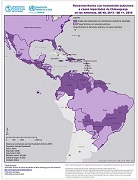
The first evidence of autochthonous chikungunya transmission in the Americas was recorded in December 2013, since then, autochthonous transmission has been detected in 33 countries and territories of the Americas (27 countries and territories in the Caribbean, 3 countries in Central America, 1 country and 1 territory in South America and 1 country in North America).1,2 As of epidemiological week (EW) 35 of 2014, the Pan American Health Organization / World Health Organization (PAHO/WHO) has been informed of a total of 659,367 cases, including 37 deaths, in the Americas.


Usually during the second semester of the year, Central America, Mexico and the Caribbean experience a seasonal increase in dengue fever transmission. Currently, the Dominican Republic, El Salvador, Guatemala, and Honduras, are recording increases in cases coinciding with this period of greater transmission.


The threats posed by the seasonal increase of dengue transmission and the introduction, or risks of introduction of the chikungunya virus in the Region require an integrated approach of prevention and vector control activities of both diseases. With the rapid spread of the chikungunya virus observed in some countries of the Americas, simultaneous dengue and chikungunya outbreaks may occur, which would result in increased health care demand. Accordingly, health care services must be prepared to meet expected increased demand without compromising quality of care; preparations should be guided by the PAHO/WHO recommendations for clinical management of patients with dengue or chikungunya.
 

(Continue . . . . .)


With the rapid expansion of both Dengue and Chikungunya around the globe, Europe and the United States are seeing signifcant increases in the number of imported cases every year – each with at least the potential to seed local mosquito populations with the virus. So far locally acquired infections in both regions remain relatively rare.


The lack of an abundant non-human animal reservoir for the virus is likely partly responsible. But in 2003, a CDC EID study also found that economics and lifestyle may have a lot to do to with our lack of locally transmitted Dengue (see Texas Lifestyle Limits Transmission of Dengue Virus).


But given the availability of two competent mosquito vectors (Aedes Aegypti & Aedes Albopictus), and repeated introductions of the virus from travelers coming from regions where the virus is endemic, our luck in this matter may not last forever.


The good news is that these mosquito-borne illnesses (and others, including WNV, SLEV, EEE, etc.) are largely preventable.


Florida’s Health department reminds people to always follow the `5 D’s’:

image

Wednesday, August 27, 2014

Japan Reports 1st Locally Acquired Dengue Case In 60 Years

image

Global brief on vector-borne diseases
pdf, 4.45 Mb


# 9005


Officially Japan hasn’t seen a locally acquired case of Dengue since the late 1940s, although in January of this year the journal Eurosurveillance published a reports on a German tourist who was diagnosed with the disease upon returning home from a trip to Japan (see Autochthonous dengue virus infection in Japan imported into Germany, September 2013).


Today, however, the Japanese Ministry of Health is reporting the local acquisition of the virus by a teenage girl (without travel history outside the country) residing in in Saitama prefecture, adjacent to Tokyo (see AP report Japan sees 1st local dengue case in over 60 years).


Japan, like the United States, sees hundred of imported dengue cases each year – carried by travelers coming from areas of the world where the virus is endemic.


If an infected traveler is viremic (currently producing large quantities of virus in the blood) - and is bitten by a local mosquito capable of vectoring the disease - it is possible to introduce the virus to a new region. In 2009 Dengue returned to the South Florida after a 60 year absence, and since then we’ve seen a handful of locally acquired cases each year (see MMWR: Dengue Fever In Key West). 


In order to spread, Dengue requires the right mosquito vector.  And the two species best suited to transmit the virus are the Aedes aegypti and Aedes albopictus mosquitoes, which also can spread such diseases as West Nile, Malaria, Yellow Fever, and Chikungunya.


While the Aedes Aegypti isn’t a problem in Japan, the Aedes Albopictus (`Asian Tiger’) mosquito is.

image


After World War II advances in insecticides and massive mosquito control programs practically eliminated Dengue in all but a few tropical ports.   But over the past 40 years - between the explosion of world travel, a rise in insecticide resistance, and lapses in mosquito control – the incidence of dengue around the world has literally exploded.


The World Health Organization  estimates 100 million people are infected with Dengue each year, and 500,000 are sickened enough to require hospitalization.  The WHO considers Dengue to be the most rapidly spreading mosquito borne viral disease in the world, and increasingly it is posing a threat to Europe and North America. 

image

Countries at risk for Dengue Transmission


The detection of a single autochthonous Dengue infection in Japan hardly constitutes a public health emergency, but it is another sign that this mosquito borne virus continues to encroach into new regions around the world, and that even places previously thought immune are becoming increasingly vulnerable.


And since they share a common mosquito vector, that probably holds true for Chikungunya as well. 

Thursday, August 07, 2014

Updating West Nile, CHKV & Dengue

image


# 8926


While Ebola dominates the daily news cycle, there are plenty of other public health concerns out there that are far more likely to threaten the average North American than imported cases of hemorrhagic fever.  Among those are mosquito-borne diseases like WNV, dengue, EEE, and Chikungunya.


Yesterday, the California Department of Public Health  announced two recent deaths from West Nile Virus, adding to a handful of deaths already reported this year in Arizona, Louisiana & Missouri.


CDPH Reports First Human West Nile Virus Fatalities This Summer

Date: 8/6/2014

Number: 14-069

Contact: Anita Gore - (916) 440-7259

SACRAMENTO

The first two deaths this summer due to West Nile virus infection have been confirmed by the California Department of Public Health (CDPH) it was announced today by Dr. Ron Chapman, CDPH Director and state public health officer. The first was a senior citizen from Sacramento County. The second was an adult from Shasta County.

“These unfortunate deaths remind us that we must protect ourselves from mosquito bites to prevent West Nile virus and other mosquito born infections,” said Chapman. “West Nile virus activity is greatest during the summertime.”

West Nile virus is transmitted to humans and animals by the bite of an infected mosquito. The risk of serious illness to most people is low. However, some individuals – less than one percent – can develop a serious neurologic illness such as encephalitis or meningitis. People 50 years of age and older have a higher chance of getting sick and are more likely to develop complications. Recent data also indicate that those with diabetes and/or hypertension are at greatest risk for serious illness.

To date in 2014, West Nile virus has been detected in 36 California counties.

(Continue . . . )


The least severe form of the disease – West Nile Fever - probably infects more than 100,000 Americans every year, although most are so mildly affected they have no idea the are infected.


Neuroinvasive cases (which present with meningitis, encephalitis, or flaccid Paralysis), while less common, are severe enough that they nearly always result in hospitalization and diagnosis, and so they are considered the best indicator of the scope of each year’s epidemic. 


Right now, California and Arizona lead the nation in reporting neuroinvasive cases of WNV, with a combined total of 24.

image

The amount of WNV activity varies considerable from year-to-year, and this year (so far, anyway) we haven’t seen a huge number of cases.  Surveillance and reporting, however, often lags several weeks behind actual events, and so we may still see a substantial number of cases this year.


This year we are also monitoring the arrival of locally transmitted Chikungunya in the United States, and while only 4 cases have been reported (all in Florida), we continue to see large numbers of imported cases being reported across the nation. 

Each imported case provides an opportunity for local mosquitoes to pick up, and transmit, the disease.

image


Florida and New York lead the nation with the number of imported CHKV cases, but as Chikungunya is not a nationally notifiable disease, surveillance is likely to under report cases. 


Chikungunya – while rarely fatal - can cause prolonged fever and polyarthralgias (joint pain), which in some cases can lead to permanent disability. 


With PAHO reporting more than 500,000 CHKV cases across the Caribbean over the past 7 months, it isn’t surprising that we are beginning to see locally transmitted cases in both Puerto Rico and the U.S. Virgin Islands.

image


Despite its rapid spread across the islands of the Caribbean, and into Central and South America, there are reasons to hope that CHKV won’t spread as rapidly as WNV has in the United States.


Unlike WNV, which resides in birds, CHKV doesn’t have an animal host other than humans which can aid in its spread (see WNV vs CHIKV: A Host Of Differences).  And studies have suggested that lifestyle and economic factors (ie. air conditioning, window screens, mosquito control programs) may further reduce transmission. 


Thus far, we haven’t seen much reporting on locally acquired Dengue this summer, with only one case reported in the Miami-Dade region of south Florida (see Florida: Miami Reports 1st Locally Acquired Dengue Case Of 2014). 


While now the most common mosquito-borne virus in the world (causing up to 100 million infections a year), Dengue has managed to do little more than spark a few limited outbreaks in North America, despite an abundance of the right mosquito vectors.


Whether our relative good luck will continue to hold with Dengue, and CHKV, remains to be seen. 


While the overall risk of contracting a mosquito-borne illness anywhere in the United States remains very small, with no vaccines available, and scattered cases of Dengue, West Nile Virus, EEE, SLEV, and the recent arrival of Chikungunya  - Florida’s Health departments urge people to always follow the `5 D’s’:

image

Wednesday, July 23, 2014

West Nile Virus, Dengue & Chikungunya Update

image

Credit CDC


# 8858


With MERS cases dwindling, and H7N9 and H5N1 basically in hibernation until fall, our attentions this summer have been focused largely on vector borne diseases that tend to flourish during warm weather months.   And three we are watching closely – WNV, Dengue & Chikungunya – are all relatively recent arrivals to the United States.


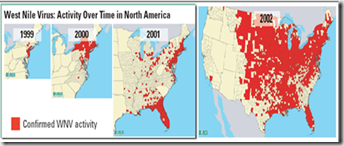
Over just a few years, WNV was able to spread from New York City, to every state in the lower 48.  In 2012, it caused nearly 3,000 cases of neuroinvasive WNV, and 286 deaths (see DVBID: 2012 Record Number Of West Nile Fatalities) – while the number of milder West Nile Fever cases probably exceeded 100,000.
image

From the USGS Factsheet on West Nile Virus


Each summer the CDC produces weekly surveillance reports on WNV activity (in humans, birds, and animals). And while these reports tend to lag behind actual events by a week or so (fatalities even more so, since some cases may be hospitalized for weeks before succumbing), they give us an excellent idea of how the WN season is progressing around the country.


While each WNV season varies as to its intensity and outbreak timing, so far we’ve not seen huge numbers of cases reported.  It is, however, usually the months of August and September that tells the tale.

image

Neuroinvasive cases (which present with meningitis, encephalitis, or flaccid Paralysis), while less common, are severe enough that they nearly always result in hospitalization and diagnosis, and so they are considered the best indicator of the scope of each year’s epidemic.  The number of `non-neuroinvasive’ cases counted is considered to represent only 1%-3% of the total.


Unlike Unlike Chikungunya and Dengue,  which primarily affect humans and non-human primates – WNV is mainly a disease of birds – which gives the virus a large natural reservoir to over winter in.  Humans and horses are considered `incidental’ infections (see WNV vs CHIKV: A Host Of Differences).

Dengue – which has increased tremendously around the world over the past 5 decades – has literally exploded in the Western Hemisphere since the year 2000 (see PAHO Five-fold increase in dengue cases in the Americas over the past decade), but thus far, has only made small inroads into North America.


In 2009 the Natural Resources Defense Council (NRDC) released a report outlining the risks that Dengue could re-establish itself in North America, that included this map showing the areas of the United States that are vulnerable to the introduction of Dengue.

image

Northern climes are far less likely to see dengue take hold than say, Florida or Southern Texas. Still, in the 18th and 19th century, both Malaria and Yellow Fever were endemic up and down the mid-Atlantic coast.


While we see hundreds of imported cases of dengue in the United States each year – each with at least the potential to seed local mosquito populations with the virus – so far locally acquired cases have remained rare.  The lack of an abundant non-human animal reservoir for the virus is likely partly responsible.


In 2003, a CDC EID study also found that economics and lifestyle may have a lot to do to with our lack of locally transmitted Dengue (see Texas Lifestyle Limits Transmission of Dengue Virus).


But given the availability of two competent mosquito vectors (Aedes Aegypti & Aedes Albopictus), and repeated introductions of the virus from travelers coming from regions where the virus is endemic, our luck in this matter may not last forever.


With well over 80 million visitors each year, many coming from regions where dengue, malaria, and chikungunya are endemic, Florida is the ideal place to monitor mosquito-borne diseases coming into the United States. The most recent Florida Arbovirus Surveillance Report (week 29) illustrates these repeated introductions:


International Travel-Associated Dengue Fever Cases: One case of dengue fever was reported this week in a person that had international travel: Brevard County. In 2014, 27 travel-associated cases have been reported.


Dengue Fever Cases Acquired in Florida:No cases of locally acquired dengue fever were reported this week. In 2014, a total of one case of locally acquired dengue fever has been reported.


International Travel-Associated Chikungunya Fever Cases: Six cases of chikungunya fever were reported this week in persons that had international travel. In 2014, 87 travel-associated cases have been reported.


Chikungunya Fever Cases Acquired in Florida:Two case of locally acquired chikungunya fever were reported this week in residents of Miami-Dade and Palm Beach Counties. In 2014, a total of two cases of locally acquired chikungunya fever have been reported.


Additionally, 28 cases of International Travel-Associated Malaria have been reported in Florida in 2014.  Over the past decade there have only been about a dozen locally acquired cases of Malaria in Florida.The only clusters were reported in 1996 (2 cases) and again in 2003 (8 cases) of locally acquired P. vivax malaria detected in Palm Beach County (see  Multifocal Autochthonous Transmission of Malaria --- Florida, 2003).


The new kid on the block is Chikungunya, and as with Dengue before it, it is now exploding across the Caribbean. The latest PAHO numbers show 436,586 cases since the outbreak began in December, but that is likely an undercount. Hardest hit has been the Dominican Republic, accounting for more than half of the total cases reported.

image


As with Dengue, the virus is maintained in the human population, and spread by mosquitoes – giving hope that the same environmental and economic factors that limit the spread of Dengue in the United States may also help suppress the spread of Chikungunya.


But the unknown factor is the Aedes Albopictus mosquito – aka the `Asian Tiger’ mosquito – which ironically also only recently arrived in North America.   First seen in Texas in the early 1980s (believed to have been imported on cargo ships from S.E. Asia), this aggressive biter can now be found from Florida to Maine, and swarms well into the Midwest.

image


In 2005 a mutation in the envelope protein gene (E1-A226V) of the Chikungunya virus was credited with allowing Aedes Albopictus or `Asian tiger’ mosquito to transmit the virus more efficiently (see A Single Mutation in Chikungunya Virus Affects Vector Specificity and Epidemic Potential), and has led to its rapid expansion across the globe.


It remains to be seen whether Chikungunya will act more like West Nile Virus – and become entrenched across large swaths of the United States – or act more like Dengue, and require constant reseeding from international travelers, only causing small localized clusters of infection.


The good news is that these mosquito-borne illnesses (and others, including SLEV, EEE, etc.) are largely preventable.


Florida’s Health department reminds people to always follow the `5 D’s’:

image

Friday, July 11, 2014

Wolbachia, West Nile Virus & An Unexpected Result

image

Credit Wikpedia


# 8824


Three years ago the mosquito-disease control world was abuzz with news of a promising new method to prevent mosquitoes from carrying, and passing on, dengue to humans. It involved infecting mosquitoes with Wolbachia, a bacterium commonly carried by a variety of insects around the world, and then releasing them into the wild.


Scientists discovered that when mosquitoes are infected with Wolbachia, their lifespan was halved and their ability to transmit dengue was greatly reduced, although the exact mechanism behind those effects wasn’t understood.


And given that, for mosquitoes – Wolbachia is a sexually transmitted disease – it was expected that wouldn’t take long after releasing a relatively small number of infected mozzies to start a local epidemic. We looked at some of these early trials back in 2011, with A Mosquito STD To Fight Dengue & A Sexually Transmitted Disease Cure).


And the early results were impressive. In early 2011 scientists in Queensland, Australia began releasing thousands of Wolbachia infected mosquitoes each week into the remote communities of Gordonvale and Yorkeys Knob, and within weeks infected mosquitoes overran the uninfected mosquito population in both test environments.


When an infected male mosquito mates with an uninfected female, the resultant fertilized eggs will fail to mature due to an abnormality known as cytoplasmic incompatibility (CI). Only the offspring from the union between already infected parents survive.


Since the Wolbachia infection is passed down from one generation to the next, that was expected to give the Wolbachia infected mosquitoes quite an evolutionary advantage.


And over the past couple of years hopes have even been raised that Wolbachia might be used to control malaria as well, as laboratory studies showed that infected anopheles stephensi mosquitoes developed resistance to malarial infection.


Wolbachia Invades Anopheles stephensi Populations and Induces Refractoriness to Plasmodium Infection

Guowu Bian1,2, Deepak Joshi1, Yuemei Dong3, Peng Lu1, Guoli Zhou1, Xiaoling Pan1, Yao Xu1, George Dimopoulos3, Zhiyong Xi1,4,*

+Wolbachia is a maternally transmitted symbiotic bacterium of insects that has been proposed as a potential agent for the control of insect-transmitted diseases. One of the major limitations preventing the development of Wolbachia for malaria control has been the inability to establish inherited infections of Wolbachia in anopheline mosquitoes. Here, we report the establishment of a stable Wolbachia infection in an important malaria vector, Anopheles stephensi. In A. stephensi, Wolbachia strain wAlbB displays both perfect maternal transmission and the ability to induce high levels of cytoplasmic incompatibility. Seeding of naturally uninfected A. stephensi populations with infected females repeatedly resulted in Wolbachia invasion of laboratory mosquito populations. Furthermore, wAlbB conferred resistance in the mosquito to the human malaria parasite Plasmodium falciparum.


While Wolbachia’s stock is riding high, yesterday a study published in PLoS Neglected Tropical Diseases raises a bit of an unexpected red flag. 


Researchers from Penn State, the University of Maryland, New York’s DOH and the State University of New York at Albany infected Culex tarsalis mosquitoes with Wolbachia and then allowed them to dine on West Nile Virus infected blood, fully expecting to see the same reduction in viral carriage as observed with dengue. 


Instead, they found quite the opposite:


Wolbachia Enhances West Nile Virus (WNV) Infection in the Mosquito Culex tarsalis

Brittany L. Dodson, Grant L. Hughes, Oluwatobi Paul, Amy C. Matacchiero, Laura D. Kramer, Jason L. Rasgon mail

Published: July 10, 2014  DOI: 10.1371/journal.pntd.0002965

Abstract

Novel strategies are required to control mosquitoes and the pathogens they transmit. One attractive approach involves maternally inherited endosymbiotic Wolbachia bacteria. After artificial infection with Wolbachia, many mosquitoes become refractory to infection and transmission of diverse pathogens. We evaluated the effects of Wolbachia (wAlbB strain) on infection, dissemination and transmission of West Nile virus (WNV) in the naturally uninfected mosquito Culex tarsalis, which is an important WNV vector in North America. After inoculation into adult female mosquitoes, Wolbachia reached high titers and disseminated widely to numerous tissues including the head, thoracic flight muscles, fat body and ovarian follicles.

Contrary to other systems, Wolbachia did not inhibit WNV in this mosquito. Rather, WNV infection rate was significantly higher in Wolbachia-infected mosquitoes compared to controls. Quantitative PCR of selected innate immune genes indicated that REL1 (the activator of the antiviral Toll immune pathway) was down regulated in Wolbachia-infected relative to control mosquitoes. This is the first observation of Wolbachia-induced enhancement of a human pathogen in mosquitoes, suggesting that caution should be applied before releasing Wolbachia-infected insects as part of a vector-borne disease control program.

Author Summary

Current methods to control mosquitoes and the pathogens they transmit are ineffective, partly due to insecticide and drug resistance. One novel control method involves exploiting naturally occurring Wolbachia bacteria in insects. Wolbachia are bacterial symbionts that are attractive candidates for mosquito-borne disease control due to their ability to inhibit pathogens infecting humans. Additionally, Wolbachia affects insect reproduction to facilitate its own transmission to offspring, which has been exploited to establish the bacterium in naturally uninfected field populations. Most Wolbachia pathogen control research has focused on Aedes and Anopheles mosquitoes, but Culex mosquitoes also transmit pathogens that affect human health.

We evaluated impacts of Wolbachia infection on West Nile virus (WNV) in the naturally uninfected mosquito Culex tarsalis. Wolbachia was able to efficiently establish infection in Cx. tarsalis but contrary to other studies, Wolbachia enhanced rather than inhibited WNV infection. Enhancement occurred in conjunction with suppression of mosquito anti-viral immune gene expression. This study indicates that Wolbachia control strategies to disrupt WNV via pathogen interference may not be feasible in Cx. tarsalis, and that caution should be used when releasing Wolbachia infected mosquitoes to control human vector-borne diseases.


Skipping down to the discussion section of the study, the authors write:

To our knowledge this is first study showing Wolbachia can potentially enhance a vector-borne pathogen that causes human disease. Our results, combined with other Wolbachia enhancement studies [17]–[20], [46]–[47], suggest that field deployment of Wolbachia-infected mosquitoes should proceed with caution.

Wolbachia effects on all potential pathogens in the study area should be determined. Additionally, several studies have shown that Wolbachia is capable of horizontal transfer to other insect species which could have unforeseen effects on non-target insects [52]–[54].

A lack of understanding of Wolbachia-pathogen-mosquito interactions could impact efficacy of disease control programs. Cx. tarsalis is a competent vector for many human pathogens, and further studies that assess alternative Wolbachia strains and viruses in Cx. tarsalis may elucidate the importance of host background on pathogen interference phenotypes in this medically important mosquito species.


None of this knocks Wolbachia out of the running as a potential control for dengue or malaria, two of the greatest impact infectious diseases in the world. This is a preliminary study, based on a single strain of Wolbachia in a single species of mosquito, and much more research is needed. 


It does, however, remind us that there are a great many more variables in the wild than can be accounted for inside the laboratory. 


And that when contemplating `bio-engineering’  - no matter how noble the goal - one must always consider the law of unintended consequences and proceed with caution.

Wednesday, July 09, 2014

Florida: Miami Reports 1st Locally Acquired Dengue Case Of 2014

image


# 8819


Although details are scant at this time, and a press conference is promised for 1:30 this afternoon, local media in Miami Florida (and now the local health department) are reporting the first locally acquired case of Dengue in Florida for 2014.  First the report, from the local NBC News affiliate, followed by a link to the health department announcment:


Miami-Dade Dengue Fever Case is 1st of 2014

Wednesday, Jul 9, 2014  |  Updated 12:11 PM EDT The first locally acquired case of Dengue Fever in Miami-Dade in 2014 has been confirmed, state health officials said Wednesday.

The patient was diagnosed based on symptoms and confirmed by laboratory tests and has fully recovered from the illness, the Florida Department of Health said in a statement.

More details on the case will be given at an afternoon news conference.

(Continue . . . )

Press Releases

July 9, 2014

First Locally Acquired Case of Dengue Fever in Miami-Dade County in 2014

FOR IMMEDIATE RELEASE

MEDIA AVAILABILITY

First Locally Acquired Case of Dengue Fever in Miami-Dade County in 2014

(Miami, July 9, 2014) – Florida Department of Health in Miami-Dade County officials received confirmation of the first locally acquired case of Dengue Fever in Miami-Dade County in 2014.

The individual was diagnosed with Dengue Fever based on symptoms and confirmed by laboratory tests. The individual has fully recovered from this illness.

The Florida Department of Health in Miami-Dade County will hold media availability (information as follows).

Who: Lillian Rivera, RN, MSN, PhD

Administrator

Florida Department of Health in Miami-Dade County

Edhelene (Gigi) Rico, MPH

Epidemiologist

Florida Department of Health in Miami-Dade County

Chalmers Vasquez

Mosquito Control Operations Manager

Miami-Dade County Public Works and Waste Management Department

Date: Wednesday, July 9, 2014

Time: 1:30 p.m.

(Continue . . . )

Up until 2009, Florida had kept dengue at bay for  6 decades.  But one (or likely, more than one) infected international travelers arrived in Key West, and the virus seeded into the local mosquito population (see MMWR: Dengue Fever In Key West).


Since then, we’ve seen sporadic locally acquired dengue cases in south Florida(see Florida: Dengue Forces Suspension Of Blood Donations In Two Counties), likely due to repeated `reseeding’ of the virus among local mosquito populations.


In 2013, Florida recorded 120 imported cases of Dengue (plus 23 locally acquired cases).  


So far, in 2014, Florida has reported 24 imported cases of Dengue (see the most recent arbovirus surveillance report). 

Thursday, June 19, 2014

Dengue, Not MERS, In Red Sea State (Sudan)

image

Credit Wikipedia


# 8761


For several weeks there have been reports of a `hemorrhagic’ fever in Sudan, which in turn gave rise to some highly speculative news reports earlier this week (see Sudan: Port Sudan Hit by Unknown Virus, MERS Suspected), despite the fact that little about the reports matched MERS.


Today (h/t Ronan Kelly on FluTrackers) we have a dispatch from the World Health Organization which identifies this `mystery’ virus as Dengue.


Dengue – which was fairly limited 40 years ago – has blossomed into a major public health concern, with 40% of the world’s population (2.5 billion) now at risk of infection. Each year  WHO estimates between 50 and 100 million people will be infected, including 500,000 cases of DHF (Dengue Hemorrhagic Fever), the most severe  form of the illness. 


This from WHO EMRO.


Dengue fever outbreak in Red Sea State, Sudan

18 June 2014 - An outbreak of dengue fever has been reported in Red Sea State, Sudan. As of 17 June 2014, a total of 738 cases with six deaths have been reported.


On 16 and 17 June, 57 new suspected dengue fever cases were reported - 36 cases from Port Sudan locality and 21 cases from Tokar locality.


Sudan’s Federal Ministry of Health, the State Ministry of Health and the World Health Organization (WHO) have been implementing control measures to reduce the risk of sustained transmission, as well as to minimize the impact on the affected population. Several activities have been taking place over the last weeks including strengthening of the surveillance system, vector control activities, improving case management and diagnosis through various training activities.


In addition, a joint action plan has been endorsed including vector control and health promotion activities in all affected localities with support from the Italian Cooperation, WHO, UNICEF, Sudanese Red Crescent Society, as well as community-based organization volunteers.


Dengue fever is transmitted by the bite of an Aedes mosquito infected with any one of the four dengue viruses. Symptoms, which appear from 3-14 days after infection, range from mild fever to incapacitating high fever with severe headache, pain behind the eyes, bleeding manifestations, muscle and joint pains, as well as rash.


The public are advised to take individual protective measures during the day to reduce mosquito bites if travelling to areas with dengue fever outbreak.


Since 2003, the Red Sea state has been hit by dengue fever. The worst outbreak so far was in 2010, with 4008 cases and 12 deaths.

Middle East respiratory syndrome coronavirus (MERS-CoV)

No suspected case of MERS-CoV has been reported from the Red Sea State. The haemorrhagic fever cases reported earlier were diagnosed as dengue fever. However, health authorities are in active search for any suspected MERS-CoV cases by strengthening surveillance in the state general hospital, private clinics and hospitals.

Monday, June 09, 2014

WNV vs CHIKV: A Host Of Differences

image

Credit CDC


# 8720


Despite the considerable public health problems that West Nile Fever causes in this country, and around the world, humans (and horses) are essentially a dead-end for the virus.  We are `incidental’ hosts, as we don’t produce enough of the virus in our bloodstream to allow another mosquito to transfer it on to others.


West Nile virus is actually a disease of birds, which serve as amplifying hosts for the virus, and human infection is basically a case of unintended collateral damage (see graphic below).

image

Photo Credit CDC


The vast majority of people infected by WNV are asymptomatic, or end up with mild nonspecific symptoms reminiscent of a summer `cold’.  The mild form of the disease is called West Nile Fever, and only 1%-3% who experience it are ever diagnosed, although estimates are 100,000 Americans or more are infected each year.


Neuroinvasive cases (which present with meningitis, encephalitis, or flaccid Paralysis) are severe enough that they nearly always result in hospitalization and diagnosis, and so they are considered the best indicator of the scope of each year’s epidemic. 


In 2012, the United States saw nearly 3,000 cases of neuroinvasive WNV, and 286 deaths (see DVBID: 2012 Record Number Of West Nile Fatalities).  


An impressive tally for a disease that infects humans – strictly speaking – only by virtue of happenstance. As you can see by the maps below, after its introduction in 1999, WNV spread across much of the United States in a matter of a few short years.  Today is is found in all 48 contiguous states.

image

From the USGS Factsheet on West Nile Virus


Chikungunya, on the other hand, has evolved to become a `humanized’ virus.  Outside of Africa (where it also resides in non-human primates), humans are the primary host for the virus, and once infected, can `amplify’  the virus efficiently for days.


According to the CDC: The risk of a person transmitting the virus to a biting mosquito or through blood is highest when the patient is viremic during the first 2–6 days of illness. 

image


Unlike with WNV, the majority of people infected with Chikungunya will become symptomatic. In their information for healthcare providers, the CDC lists:


Clinical findings

  • Majority of infected people become symptomatic
  • Incubation period usually 3–7 days (range 1–12 days)
  • Acute onset of fever and polyarthralgia are the primary clinical findings
  • Joint symptoms usually symmetric and often occur in hands and feet; they can be severe and debilitating
  • Other symptoms: Headache, myalgia, arthritis, conjunctivitis, nausea/vomiting, maculopapular rash
  • Lymphopenia, thrombocytopenia, elevated creatinine, and elevated hepatic transaminases are the most common clinical laboratory findings

Clinical course and outcomes

  • Acute symptoms typically resolve within 7–10 days
  • Rare complications include uveitis, retinitis, myocarditis, hepatitis, nephritis, bullous skin lesions, hemorrhage, meningoencephalitis, myelitis, Guillain-Barré syndrome, and cranial nerve palsies
  • Persons at risk for severe disease include neonates exposed intrapartum, older adults (e.g., > 65 years), and persons with underlying medical conditions (e.g., hypertension, diabetes, or cardiovascular disease)
  • Some patients might have relapse of rheumatologic symptoms (e.g., polyarthralgia, polyarthritis, tenosynovitis) in the months following acute illness
  • Studies report variable proportions of patients with persistent joint pains for months to years
  • Mortality is rare and occurs mostly in older adults


Treatment

  • No specific antiviral therapy
  • Supportive care with rest and fluids
  • Non-steroidal anti-inflammatory drugs (NSAIDs) to relieve acute pain and fever
  • Persistent joint pain may benefit from use of NSAIDs, corticosteroids, or physiotherapy

                        Over the past six months we’ve watched as Chikungunya  has spread across much of the Caribbean, infecting well over 100,000 people. While seemingly better equipped to spread across the United States than West Nile Virus – which, despite its limitations, has done a pretty good job – we really don’t know how much of a problem Chikungunya will pose to Americans this summer.  


                        We’ve had similar concerns with the expansion of Dengue – another `humanized’ arbovirus  that has made great strides around the globe – and has seen recent introductions into the United States (see MMWR: Dengue Fever In Key West).


                        While now the most common mosquito-borne virus in the world (causing up to 100 million infections a year), Dengue has managed to do little more than spark a few limited outbreaks in North America, despite an abundance of the right mosquito vectors.


                        In 2003, a CDC EID study looked at this paradox, and found that economics and lifestyle, may have more do to with our success against Dengue, than anything else.

                        Texas Lifestyle Limits Transmission of Dengue Virus

                        Paul Reiter* , Sarah Lathrop*, Michel L. Bunning*, Brad J. Biggerstaff*, Daniel Singer*, Tejpratap Tiwari*, Laura Baber†, Manuel Amador*, Jaime Thirion‡, Jack Hayes§, Calixto Seca¶, Jorge Mendez‡, Bernardo Ramirez#, Jerome Robinson†, Julie Rawlings¶, Vance Vorndam*, Stephen Waterman*, Duane Gubler*, Gary Clark*, and Edward Hayes*
                        Abstract

                        Urban dengue is common in most countries of the Americas, but has been rare in the United States for more than half a century. In 1999 we investigated an outbreak of the disease that affected Nuevo Laredo, Tamaulipas, Mexico, and Laredo, Texas, United States, contiguous cities that straddle the international border. The incidence of recent cases, indicated by immunoglobulin M antibody serosurvey, was higher in Nuevo Laredo, although the vector, Aedes aegypti, was more abundant in Laredo. Environmental factors that affect contact with mosquitoes, such as air-conditioning and human behavior, appear to account for this paradox. We conclude that the low prevalence of dengue in the United States is primarily due to economic, rather than climatic, factors.

                        Whether our luck will hold with Chikungunya (or continue to hold with Dengue) is anyone’s guess.  The global track record with both of these diseases has been impressive to date, and so one is not inclined to bet against their future success.


                        The overall risk of contracting a mosquito-borne illness anywhere in the United States remains very small, but it has increased in recent years, with the emergence of new threats like WNV, Dengue, and Chikungunya.


                        While there are no vaccines available for these viruses, these are still largely preventable diseases.  Local Health departments urge people to always follow the `5 D’s’ of prevention:

                        image

                        Monday, May 12, 2014

                        Florida Prepares For Chikungunya

                        image

                        One of two highly competent vectors in the Americas


                        # 8606


                        While MERS and Avian Flu may eventually prove a more dangerous viral foe, for the Caribbean, Florida, and potentially other parts of North America a trio of exotic mosquito borne viruses pose a more immediate threat; West Nile, Dengue, and the new kid on the block . . . the Chikungunya Virus (CHKV).


                        West Nile arrived in New York City 15 years ago, and and very quickly began to spread across the nation.  Today it has been reported in all 48 contiguous states.

                        image

                        From the USGS Factsheet on West Nile Virus


                        The headline last spring from the CDC was DVBID: 2012 Record Number Of West Nile Fatalities, where at least 243 deaths were recorded out of more than 5,000 infections. Given that most people experience only mild symptoms, and only the most serious are ever reported,  the actual number of WNV infections was certainly in the tens of thousands.


                        Dengue, while a more recent arrival and claiming fewer victims in the United States, showed up in 2009 (see MMWR: Dengue Fever In Key West) after an absence of roughly 60 years, and over the past five years has been sporadically seen in Florida (see Florida: Dengue Forces Suspension Of Blood Donations In Two Counties), Texas, and last November we even saw a case of Locally Acquired Dengue In New York City.


                        In 2009 the Natural Resources Defense Council (NRDC) released a report outlining the risks that Dengue could re-establish itself in North America, that included this map showing the areas of the United States that are vulnerable to the introduction of Dengue.

                        image

                        Northern climes are far less likely to see dengue take hold than say, Florida or Southern Texas. Still, in the 18th and 19th century, both Malaria and Yellow Fever were endemic up and down the mid-Atlantic coast.


                        While Dengue and WNV will both be watched carefully during the upcoming mosquito season, the sudden arrival of Chikungunya into the Caribbean last fall (see CDC Update On Chikungunya In The Caribbean) has added a new threat to the mix. 


                        Last month in Study: Chikungunya’s Growing Threat To The Americas, we looked at predictions that CHKV might be coming to a mosquito near you, an eventuality anticipated by the CDC/PAHO three years ago in their 161-page guide on preparing for the arrival of Chikungunya to the Americas (see Preparedness and Response for Chikungunya Virus Introduction in the Americas).


                        According to the ECDC, Chikungunya – which while rarely fatal, can cause prolonged fever and polyarthralgias (joint pain) - has now spread to more than a dozen Caribbean nations, and has caused more than 30,000 probable and confirmed infections (cite) over the past  6 months.


                        As you might expect, given its climate, its position as the gateway to the Caribbean, and that it receives millions of tourists every year -  Florida is considered a likely first US battleground against any CHKV invasion.  As part of their preparations for this unwelcome arrival, the Florida Department of Health recently held an Interagency Webinar on the CHKV threat.


                         Florida’s DOH Chikungunya Website contains some excellent resource materials from that webinar, including:


                        image


                        April 1st Interagency Webinar Presentations

                        Florida Surveillance and Response CHIK  (1.1 MB PDF)

                        Mosquito Control Measures CHIK (2.0 MB PDF)

                        Epidemiology and Medical Importance CHIK (PDF)

                        For a recording of the April 1st training please contact Epi.Training@flhealth.gov and list "CHIK Training" in subject line.


                        Although we’ve seen sporadic cases of viremic CHKV infected travelers to the United States in the past (see 2011 CID Journal report Chikungunya Fever in the United States: A Fifteen Year Review of Cases), those numbers have been small (109 between 1995- 2009), and so far (unlike dengue and WNV), we haven’t seen any evidence of local transmission.

                        image 

                        Imported CHKV in Florida – FL DOH


                        But with CHKV now in the Americas, the number of CHKV infected travelers to the United States will certainly increase,  and any who are viremic (producing large quantities virus in their blood) while visiting regions where suitable mosquito vectors are present, could potentially introduce the virus to the local mosquito population.


                        Which is precisely what happened in Northern Italy in 2007, when a single infected traveler returning from India provided a blood meal to a local mosquito that set off a chain of infection that eventually affected 300 people (see It's A Smaller World After All).


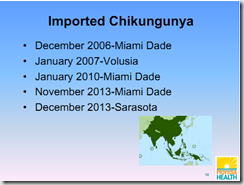
                        One of the best reviews of CHKV that I’ve seen can be found in the slide presentation - Epidemiology and Medical Importance CHIK (PDF) – a few excerpts which you will find below:

                        image

                        image


                        image

                        image

                        image

                        image


                        Chikungunya, like Dengue, WNV and other mosquito borne illnesses are largely preventable.


                        While the overall risk of contracting a mosquito-borne illness anywhere in the United States remains very small, with no vaccines available, and scattered cases of Dengue, West Nile Virus, EEE, SLEV, and now the specter of Chikungunya arriving in the near future - Florida’s Health departments urge people to always follow the `5 D’s’:

                        image


                        Good advice in Florida this during this spring and summer, and anyplace else mosquitoes can be found.