Showing posts with label GAR. Show all posts

Sunday, May 17, 2015

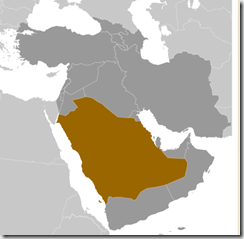
WHO MERS-CoV Update – Saudi Arabia

image

Saudi Arabia


# 10,058


The World Health Organization has published a Disease Outbreak News (DON) report on 5 recent MERS cases in KSA, one of which answers a question we’ve had about the index case of a recent cluster of cases in Hofuf, which now appears to have started almost a month ago.   


On April 20th we learned of a case in Hofuf, later described in the April 29th WHO DON as:


A 61-year-old male from Hafouf city developed symptoms on 16 April and was admitted to hospital on 18 April. The patient has comorbidities and a history of frequent contact with camels and sheep as well as consumption of raw camel milk. He has no history of exposure to other known risk factors in the 14 days prior to the onset of symptoms. Currently, the patient is in stable condition in a negative pressure isolation room on a ward.


Two weeks later (May 5th) we saw another announced case from Hofuf, which we now learn is a contact of the April 20th case (the following excerpt comes from today’s DON):

.

A 39-year-old male from Hofuf city developed symptoms on 28 April and was admitted to hospital on 3 May. The patient is a smoker and has no comorbidities. He is a contact of a laboratory-confirmed MERS-CoV case that was reported in a previous DON on 29 April (case n. 2). The patient has no history of exposure to other known risk factors in the 14 days prior to the onset of symptoms. Currently, he is in critical condition in ICU.


This case is listed as `a contact’ of the April 20th case, although it doesn’t say what the relationship with the index case was.  Since then, we’ve seen 5 more cases from Hafuf listed at `household contacts of a confirmed case’ presumably all part of the same family cluster - although we have yet to see full epidemiological details on those.  


While we’ve seen larger nosocomial or community clusters of MERS infection in Saudi Arabia, this may represent the largest household cluster to date (see Community Case Clusters of Middle East Respiratory Syndrome Coronavirus in Hafr Al-Batin, Kingdom of Saudi Arabia: A Descriptive Genomic study by Z.A. Memish et al.)


It isn’t clear at this point if all seven these Hafof cases are all part of the same household, or perhaps the `household cluster’ only involves the six reported since May 5th.  Details that will hopefully be sorted out soon.


Of the other four unrelated cases reviewed in today’s release, two have no known risk factors, while two others have some level of exposure to camels or sheep (one, however is pretty weak).  While an opportunity for infection, exposure to livestock is no guarantee that was the source of infection.


As we’ve discussed often (see WHO EMRO: Scientific Meeting Reviews MERS Progress & Knowledge Gaps), there remains a lot about how MERS spreads that we simply don’t fully understand, including the role of asymptomatic carriage and transmission of the virus.  


Anyone contemplating a visit to the region will want to review CDC Traveler’s Advice: Umrah, The Hajj and MERS.


Middle East Respiratory Syndrome coronavirus (MERS-CoV) – Saudi Arabia

Disease outbreak news
17 May 2015

Between 4 and 9 May, the National IHR Focal Point for the Kingdom of Saudi Arabia notified WHO of 5 additional cases of Middle East respiratory syndrome coronavirus (MERS-CoV) infection.

Details of the cases are as follows:
  • A 75-year-old male from Abqaiq city developed symptoms on 30 April and was admitted to hospital on 3 May. He is an ex-smoker and has comorbidities. Investigation of history of exposure to known risk factors in the 14 days prior to the onset of symptoms is ongoing. Currently, the patient is in stable condition in a negative pressure room on a ward.
  • A 61-year-old, non-national male from Najran city developed symptoms on 28 April and was admitted to hospital on 1 May. He had comorbidities. The patient had no history of direct contact with camels or consuming raw milk; however, he lived in an area with camels and sheep. The patient had no history of exposure to other known risk factors in the 14 days prior to the onset of symptoms. The patient passed away on 8 May.
  • A 48-year-old male from Taif city developed symptoms on 3 May and was admitted to hospital on 8 May. He has comorbidities. Investigation of history of exposure to known risk factors in the 14 days prior to the onset of symptoms is ongoing. Currently, the patient is in critical condition in ICU.
  • A 39-year-old male from Hofuf city developed symptoms on 28 April and was admitted to hospital on 3 May. The patient is a smoker and has no comorbidities. He is a contact of a laboratory-confirmed MERS-CoV case that was reported in a previous DON on 29 April (case n. 2). The patient has no history of exposure to other known risk factors in the 14 days prior to the onset of symptoms. Currently, he is in critical condition in ICU.
  • A 41-year-old, non-national male from Huraimla city developed symptoms on 13 April and was admitted to hospital on 23 April. He has comorbidities as well as a history of frequent contact with camels and consumption of raw camel milk. The patient has no history of exposure to other known risk factors in the 14 days prior to the onset of symptoms. Currently, he is in critical in ICU.

Contact tracing of household contacts and healthcare contacts is ongoing for these cases.

Globally, WHO has been notified of 1116 laboratory-confirmed cases of infection with MERS-CoV, including at least 423 related deaths.

Thursday, March 12, 2015

WHO: The DON Patrol

image

Credit WHO


# 9814


Amid the flurry of news reports and studies released yesterday, we also saw three World Health Organization DONs (Disease Outbreak News) summaries posted – 2 on MERS, and 1 on H7N9 in China. 


While these are follow up reports, and mostly serve to recap cases we’ve already heard about, they do often provide additional details of value.  


To view the latest reports, follow the links below:


Recent DONs

11 March 2015
Human infection with avian influenza A(H7N9) virus – China

On 9 March 2015, the National Health and Family Planning Commission (NHFPC) of China notified WHO of 59 additional laboratory-confirmed cases of human infection with avian influenza A(H7N9) virus, including 17 fatal cases. Onset dates ranged from 21 January to 25 February 2015. Below is a breakdown of the 59 cases included in this notification by epidemiological week of symptom onset:

  • Week 4 (19 – 25 January) 5 cases
  • Week 5 (26 January – 1 February) 13 cases
  • Week 6 (2 – 8 February) 9 cases
  • Week 7 (9 – 15 February) 15 cases
  • Week 8 (16 – 22 February) 14 cases
  • Week 9 (24 – 25 February) 3 cases

Of these 59 cases, 44 (75%) were male. The majority (49 cases, 83%) reported exposure to live poultry or live poultry markets; the exposure history of six cases is unknown or unavailable. Three family clusters were reported, each comprised of two cases; four of the six cases had exposure to live poultry or live poultry markets, one case had no exposure to poultry, and one case is still under investigation. Cases were reported from nine provinces: Anhui (4), Fujian (1), Guangdong (35), Guizhou (1), Hunan (2), Jiangsu (3), Jiangxi (1), Shanghai (1), and Zhejiang (11).


11 March 2015
Middle East respiratory syndrome coronavirus (MERS-CoV) – Qatar

On 9 March 2015, the IHR National Focal Point of Qatar notified WHO of 1 additional case of Middle East respiratory syndrome coronavirus (MERS-CoV) infection.


11 March 2015
Middle East respiratory syndrome coronavirus (MERS-CoV) – Saudi Arabia

Between 26 February and 2 March 2015, the National IHR Focal Point for the Kingdom of Saudi Arabia notified WHO of 18 additional cases of Middle East respiratory syndrome coronavirus (MERS-CoV) infection, including 5 deaths. Cases are listed by date of reporting, with the most recent case listed first.

Tuesday, December 02, 2014

WHO GAR Update On MERS – Saudi Arabia

image

Saudi Arabia


# 9395


We’ve a long, fairly detailed listing of 16 MERS cases reported by Saudi Arabia during the month of November courtesy of the World Health Organization’s GAR (Global Alert & Response) website. While these cases had previously been announced by the Saudi MOH, this WHO update provides additional details.


Although camel exposure and likely nosocomial transmission are mentioned in a number of these infections, for more than half of these cases the likely route of exposure is less than clear. 


The MERS coronavirus can produce a wide spectrum of disease in humans. Among diagnosed cases - roughly 50% are severe or life threatening while roughly 20% are described as being mild or asymptomatic.


The question of transmission from `asymptomatic’  carriers of the MERS virus, however, has yet to be resolved.


Last year we saw a  Study: Possible Transmission From Asymptomatic MERS-CoV Case suggesting it may be possible, and today’s report mentions at least two possible asymptomatic `bridges’ between potential cases (a nurse and a housekeeper) and newly infected individuals.  


But there remain sizable gaps in our understanding of the ecology and spread of the MERS virus. Answers that might be determined by a well-mounted case control study (see KSA Announces Start To Long-Awaited MERS Case Control Study), but which has yet to be published.


Middle East respiratory syndrome coronavirus (MERS-CoV) – Saudi Arabia

Disease outbreak news
2 December 2014

Between 3 and 19 November 2014, the National IHR Focal Point for the Kingdom of Saudi Arabia (KSA) notified WHO of 18 additional cases of Middle East respiratory syndrome coronavirus (MERS-CoV) infection, including 4 deaths.

Details of the cases are as follows:

1. A 99-year-old male from Alkharj city who developed symptoms on 10 November. He was admitted to hospital on 14 November. The patient had contact with camels but had no history of exposure to other known risk factors in the 14 days prior to the onset of symptoms. He was admitted to an intensive care unit (ICU) but passed away on 19 November.

2. An 84-year-old female from Alkharj city who developed symptoms on 15 November. The patient was admitted to hospital for a chronic condition on 1 November. She was hospitalized at the same time as a previously-reported, laboratory-confirmed MERS-CoV case but had no direct contact with the case. The patient had no history of exposure to other known risk factors in the 14 days prior to the onset of symptoms. She was admitted to ICU in critical condition and passed away on 19 November.

3. A 58-year-old male from Riyadh city who developed symptoms on 12 November. The patient has comorbidities and frequent contact with camels. He has no history of exposure to other known risk factors in the 14 days prior to the onset of symptoms. Currently, the patient is in stable condition and remains in isolation at home.

4. A 53-year-old male from Skaka city who developed symptoms on 8 November. He was admitted to hospital in Jouf on 10 November. The patient has comorbidities and a history of contact with camels and raw camel milk consumption. He had no exposure to other known risk factors in the 14 days prior to the onset of symptoms. Currently, the patient is in stable condition and remains in an isolation ward.

5. A 29-year-old, non-national male from Skaka city who developed symptoms on 2 November. He was admitted to hospital in Jouf on 10 November. The patient had no comorbidities. His wife, who remains asymptomatic, works as a nurse in a healthcare facility that has so far reported no MERS-CoV cases in Skaka. He had no history of exposure to other known risk factors in the 14 days prior to the onset of symptoms. The patient was admitted to ICU but passed away on 13 November.

6. A 22-year-old, non-national male from Taif city who developed symptoms on 8 November. He was admitted to hospital on 10 November. The patient has no comorbidities. He is a contact of a previously reported MERS-CoV case but has no history of exposure to other known risk factors in the 14 days prior to the onset of symptoms. The patient is currently in critical condition in ICU.

7. A 70-year-old female from Taif city who developed symptoms on 10 November. The patient was admitted to hospital for a chronic disease on 21 October. Between 2 and 4 November, she was in the same hospital as a laboratory-confirmed MERS-CoV case. Although there was no documented contact between the 2 patients, a particular housekeeper, who is currently asymptomatic, cleaned the rooms of both cases. The patient has no history of exposure to other known risk factors in the 14 days prior to the onset of symptoms.

8. A 70-year-old female from Alkharj city who was admitted to hospital with symptoms on 4 November. The patient had comorbidities but no history of exposure to known risk factors in the 14 days prior to the onset of symptoms. She was admitted to ICU in critical condition and passed away on 13 November.

9. A 45-year-old, non-national female from Riyadh city who developed symptoms on 3 November. The patient, who suffers from chronic medical conditions, was admitted to hospital on 1 November. She visited a health care facility that was treating several laboratory-confirmed MERS-CoV cases, although the patient did not come in contact with any of them. She had no history of exposure to other known risk factors in the 14 days prior to the onset of symptoms. The patient recovered and returned home on 10 November.

10. A 45-year-old male from Riyadh city who developed symptoms on 28 October. He was admitted to hospital on 4 November. The patient has comorbidities and came in contact with a laboratory-confirmed MERS-CoV case. He has no history of exposure to other known risk factors in the 14 days prior to the onset of symptoms. Currently, the patient is in stable condition and remains in an isolation ward.

11. A 49-year-old, non-national male from Jeddah city who developed symptoms on 29 October. He was admitted to hospital on 3 November. The patient had no comorbidities. He had no history of exposure to known risk factors in the 14 days prior to the onset of symptoms. Currently, the patient is in ICU.

12. A 75-year-old, non-national female from Taif city who developed symptoms on 28 October. She was admitted to hospital on 1 November. The patient has comorbidities. She came in contact with pigeons in the 14 days prior to the onset of symptoms but has no history of exposure to other known risk factors. Currently, the patient is in ICU.

13. A 32-year-old, non-national female from Riyadh city who developed symptoms on 28 October. She was admitted to hospital on 2 November. The patient had no comorbidities. She works in a healthcare facility with an ongoing MERS-CoV outbreak, although the patient has had no contact with any of the cases. She has no history of exposure to other known risk factors in the 14 days prior to the onset of symptoms. Currently, the patient is in stable condition and remains isolated in a ward.

14. A 33-year-old male from Riyadh city who developed symptoms on 31 October. He was admitted to hospital on 3 November. The patient has comorbidities. He has no history of exposure to known risk factors in the 14 days prior to the onset of symptoms. Currently, the patient is in stable condition and remains in an isolation ward.

15. A 33-year-old, non-national male from Riyadh city who developed symptoms on 18 October. He was admitted to hospital on 2 November. The patient has no comorbidities. He has a history of visiting a hospital with an ongoing MERS-CoV outbreak, although he has had no contact with any of the cases. The patient has no history of exposure to other known risk factors in the 14 days prior to the onset of symptoms. Currently, he is in stable condition and remains isolated in a ward.

16. A 31-year-old female from Riyadh city who developed symptoms on 18 October. She was admitted to hospital on 29 October. The patient has no comorbidities. She has no history of exposure to known risk factors in the 14 days prior to the onset of symptoms. Currently, the patient is in stable condition and remains isolated in a ward.

17. A 41-year-old male from Riyadh city who developed symptoms on 29 October. He was admitted to hospital on 30 October. The patient has no comorbidities. He visited a hospital with an ongoing MERS-CoV outbreak, although the patient had no contact with any of the cases. He has no history of exposure to other known risk factors in the 14 days prior to the onset of symptoms. Currently, the patient is in stable condition and isolated in a ward.

18. A 75-year-old male from Riyadh city who was admitted to hospital with symptoms on 30 October. The patient has comorbidities. He has no history of exposure to known risk factors in the 14 days prior to the onset of symptoms. Currently, the patient is in critical condition and remains in ICU.

Contact tracing of household contacts and healthcare contacts is ongoing for these cases.

The National IHR Focal Point for the Kingdom of Saudi Arabia also notified WHO of the death of 3 previously reported MERS-CoV cases.

Globally, the WHO has been notified of 927 laboratory-confirmed cases of infection with MERS-CoV, including at least 338 related deaths.

(Continue . . . )


Thursday, October 02, 2014

WHO DON Update On MERS - Saudi Arabia

image


# 9139


With the Hajj upon us, and more than two million religious pilgrims in Saudi Arabia this morn, over the past three weeks we’ve been following the slow uptick in MERS reports out of Saudi Arabia (including one exported case to Austria) with particular interest.

Today the World Health Organization has issued the following update, indicating that a fair number of these recent cases appear to have had significant camel and/or camel product contact.  Additionally, at least five cases were described as being healthcare workers or working in a healthcare setting.


Middle East respiratory syndrome coronavirus (MERS-CoV) – Saudi Arabia

Disease outbreak news
2 October 2014

The National IHR Focal Point of Saudi Arabia has reported additional laboratory-confirmed cases of infection with Middle East respiratory syndrome coronavirus (MERS-CoV) to WHO.

Between 11 August and 28 September 2014, 15 cases of infection with Middle East respiratory syndrome coronavirus (MERS-CoV) including 4 deaths were reported to WHO.

During September 2014, Saudi Arabia reported 11 MERS-CoV cases, including 2 deaths, from Taif (5), Riyadh (3), Najran (1), Jubail (1) and Raniah (1). The median age of the 11 cases is 43 years old (ranging from 27 to 76 years old) and 10 (91%) are men. Six cases (55%) suffered 1 or more co-morbidities, 2 (18%) reported contact with animals (e.g. sheep or camel) or the consumption of raw camel milk, and 4 (36%) are reported as healthcare workers or work in healthcare settings.

In August 2014, Saudi Arabia reported 4 MERS-CoV cases, including 2 deaths, from Jubail (2) Riyadh (1), Najran (1). The median age of the 4 cases is 64 years old (ranging from 34 to 72 years old) and all (100%) are men. Three cases (75%) suffered 1 or more co-morbidities, 2 (50%) reported contact with animals or the consumption of raw camel milk, and 1 case (25%) is a healthcare worker.

The National IHR Focal Point of Saudi Arabia also notified WHO of the death of 4 MERS-CoV cases previously reported to WHO in June and July 2014. The National IHR Focal Point of Greece has also notified WHO of the death of the Greek patient who had been receiving treatment for MERS-CoV infection in Greece, and was previously reported to WHO.

The total numbers of globally reported cases and deaths have also been updated taking into consideration a review of cases by Member States. Globally, 852 laboratory-confirmed cases of infection with MERS-CoV including at least 301 related deaths have been reported to WHO.


WHO advice

With the annual pilgrimage of Hajj underway, WHO encourages Member States to review WHO’s travel advice on MERS-CoV for pilgrimages, published in June 2014.

Based on the current situation and available information, WHO encourages all Member States to continue their surveillance for acute respiratory infections and to carefully review any unusual patterns.

(Continue . . . )

Thursday, September 04, 2014

WHO Ebola Update – Sept 4th

image

Credit CDC PHIL


# 9039


With the caveats that the numbers are constantly changing, and that in some areas reporting and surveillance is either scant or nonexistent, we have the latest update from the World Health Organization.   With the recent imported case into Senegal, this DON now covers 5 African nations.

Ebola virus disease outbreak – west Africa

Disease outbreak news
4 September 2014

Epidemiology and surveillance

WHO has committed to provide regular situation reports that include detailed epidemiological information and analysis, as well as regular monitoring of the national and international response to the outbreak against the Ebola response roadmap.

Recognizing the demand for updated numbers from this outbreak, the following information is being released in advance of the second update of this situation report.

As of 31 August 2014, 3685 (probable, confirmed and suspected) cases and 1841 deaths have been reported in the current outbreak of Ebola virus disease by the Ministries of Health of Guinea, Liberia and Sierra Leone.

In Nigeria, there have been 21 cases and 7 deaths.

In Senegal, one case has been confirmed and there have been no Ebola deaths or further suspected cases.

Data reported in the Disease Outbreak News are based on official information reported by Ministries of Health. These numbers are subject to change due to ongoing reclassification, retrospective investigation and availability of laboratory results.

image

image

Friday, August 22, 2014

WHO Ebola Update – Aug 22nd

image

# 8989


Ebola virus disease update - west Africa

Disease outbreak news
22 August 2014

Epidemiology and surveillance

Between 19 and 20 August 2014, a total of 142 new cases of Ebola virus disease (laboratory-confirmed, probable, and suspect cases) as well as 77 deaths were reported from Guinea, Liberia, Nigeria, and Sierra Leone.

Health sector response

Questions have been received in WHO Headquarters about the original proposed budget for the response and the new draft budget, which is being reviewed by partners. The increase in needed resources is based on improved data and understanding of the situation on the ground in the affected countries. The new estimation of costs is derived using a unit-cost model, built for the most intense transmission areas and reflects the average operational costs based on the current situation in the affected countries. The major assumptions for the cost estimates will be announced towards the end of next week.

WHO continues to receive reports of rumoured or suspected cases from countries around the world and systematic verification of these cases is ongoing. Countries are encouraged to continue engaging in active surveillance and preparedness activities. As of today, no new cases have been confirmed outside of Guinea, Liberia, Nigeria, or Sierra Leone.

WHO does not recommend any travel or trade restrictions be applied except in cases where individuals have been confirmed or are suspected of being infected with EVD or where individuals have had contact with cases of EVD. (Contacts do not include properly-protected health-care workers and laboratory staff.) Temporary recommendations from the Emergency Committee with regard to actions to be taken by countries can be found at:

Wednesday, August 13, 2014

WHO Ebola Update – August 13th

image

@WHO & Partners Ebola Response In Guinea


# 8950


The World Health Organization has published their latest Ebola update, showing 128 new cases reported over the two day period of August 10th-11th, including 56 deaths.  


The WHO also released a clarification on country classifications (category 1, 2, or 3)  via email to journalists, which you’ll find after the GAR (Global Alert & Response) update.


Ebola virus disease update - west Africa

Disease outbreak news
13 August 2014

Epidemiology and surveillance

Between 10 and 11 August 2014, a total of 128 new cases of Ebola virus disease (laboratory-confirmed, probable, and suspect cases) as well as 56 deaths were reported from Guinea, Liberia, Nigeria, and Sierra Leone.

Contact tracing in Guinea, Nigeria, and Sierra Leone has resulted in a range between 94% and 98% of contacts of EVD cases being identified and followed-up. In Liberia, efforts are underway to strengthen contact tracing, but help is needed in this area. The Liberian Army has also recently placed a third province under quarantine as part of the ongoing effort to stop transmission of EVD.

Health sector response

On 11 August, WHO convened a panel of medical ethicists, scientific experts, and lay people from the affected countries to consider and assess the ethical implications for clinical decision-making of the potential use of unregistered interventions.

In the particular circumstances of this outbreak, and provided certain conditions are met, the panel reached consensus that it is ethical to offer unproven interventions with as yet unknown efficacy and adverse effects, as potential treatment or prevention.

Ethical criteria must guide the provision of such interventions. These include transparency about all aspects of care, informed consent, freedom of choice, confidentiality, respect for the person, preservation of dignity and involvement of the community.

Additional information on the outcomes of the meeting can be found at http://www.who.int/mediacentre/news/statements/2014/ebola-ethical-review-summary/en/. A report of the meeting proceedings will be available to the public by 17 August 2014.

On the operational side, WHO is finalizing its strategic operations response plan and expects to share this with countries and partners in the coming days. Mapping is also underway to develop an operational picture in order to coordinate and move people and materials to areas of greatest need.

WHO does not recommend any travel or trade restrictions be applied except in cases where individuals have been confirmed or are suspected of being infected with EVD or where individuals have had contact with cases of EVD. (Contacts do not include properly-protected health-care workers and laboratory staff.) Temporary recommendations from the Emergency Committee with regard to actions to be taken by countries can be found at http://who.int/mediacentre/news/statements/2014/ebola-20140808/en/.

Disease update
Confirmed, probable, and suspect cases and deaths from Ebola virus disease in Guinea, Liberia, Nigeria, and Sierra Leone, as of 11 August 2014

image


Clarification on country groupings for Ebola outbreak:


On 8 August 2014, the Director-General of the World Health Organization (WHO) declared the Ebola outbreak in West Africa was a public health emergency of international concern.  In addition she recommended governments take action depending on the situation within their countries.

  • Category 1 – those affected with Ebola (Guinea, Liberia, Nigeria and Sierra Leone)
  • Category 2 –at high risk of transmission because of movement of people between the affected countries or because they are nearby the affected countries. countries with a potential or confirmed Ebola case, OR unaffected States with land borders of affected countries.
  • Category 3 – all other countries
On 13 August, the Ministry of Health and WHO in Kenya held a press conference to update media on the preparedness measures the government in Kenya was taking.  In that press conference, WHO mentioned that Kenya was a category 2 country meaning it does not currently have a case of Ebola but there is movement of people between Kenya and the countries that do have cases.
Under the recommendations of the Director General after the Ebola Emergency Committee last week, countries that do not have cases should:
  • Establish surveillance for cases of unexplained fever or deaths
  • Establish access to a qualified diagnostic laboratory to test for Ebola virus
  • Ensure that health workers are aware of and trained in appropriate infection prevention and control
  • Establish rapid response teams with the capacity to investigate and manage Ebola virus cases and their contacts.
In the recommendations, countries are grouped by their vulnerability to importation for Ebola.  For more information on that actions recommended for different groups of countries please see this website: http://www.who.int/mediacentre/news/statements/2014/ebola-20140808/en/
Best Regards
WHO Media Team

Tuesday, July 01, 2014

WHO Ebola Update – July 1st

Health staff dressed in protective clothing constructing a perimeter for the isolation ward.

MSF (Médecins Sans Frontières) health staff in protective clothing constructing perimeter for isolation ward.

Credit CDC Ebola Webpage


# 8799


In advance of this week’s sub-regional ministerial meeting on Ebola (see WHO To Convene Emergency Meeting On Ebola) tomorrow and Thursday, we get the following update adding 22 new cases between June 25th and June 30th.


Ebola virus disease, West Africa – update

Disease outbreak news
1 July 2014

Based on epidemiological analysis conducted by WHO, three major factors are contributing to patterns of transmission, which are currently responsible for the continuous propagation of Ebola virus disease (EVD) in the sub-region. These factors include transmission of EVD in rural communities, facilitated by strong cultural practices and traditional beliefs; transmission of EVD in densely populated peri-urban areas of Conakry in Guinea and Monrovia in Liberia; and cross-border transmission of EVD along the border areas of Guinea, Liberia, and Sierra Leone, where commercial and social activities continue among the border areas of these countries.

Health sector response

Containment of this outbreak requires a strong response in the countries and especially along their shared border areas. As one of the response elements, WHO is organizing a high-level meeting for the Ministers of Health in the sub-region scheduled for 2–3 July 2014 in Accra, Ghana. The meeting will bring together Ministers of Health and the Directors of disease prevention and control from 11 African countries (Côte d’Ivoire, the Democratic Republic of the Congo, Gambia, Ghana, Guinea, Guinea-Bissau, Liberia, Mali, Senegal, Sierra Leone, and Uganda), as well as partners, Ebola survivors, representatives of airlines and mining companies, and the donor communities. The objective of the meeting is to analyse the situation, identify gaps, develop operational response plans, and to ensure increased political commitment and enhanced cross-border collaboration for EVD response activities among the countries in the sub-region.

WHO and technical partners in the Global Outbreak Alert and Response Network (GOARN), including the EU Mobile Laboratory consortium, the IFRC, and national societies, Institut Pasteur Dakar, Institut Pasteur Lyon, Institut Pasteur Paris, Bernard Nocht Institute in Hamburg, Médecins Sans Frontières/Doctors without Borders, Public Health Agency of Canada, Public Health England, and US CDC, together with UN agencies, DFID, EU, ECHO, and other partners are providing the necessary technical expertise and support to the Ministries of Health to stop community and health facility transmission of the virus.

WHO is closely supporting the Ministries of Health through the deployment of additional experts in various specialties, providing field logistics support, and personal protective equipment and medical supplies. These experts are drawn from WHO offices, GOARN partners, specialised networks, especially in the region, and include:

  • Field epidemiologists, who are working with the countries in surveillance and monitoring of the outbreak;
  • Laboratory experts who are providing mobile field laboratories in early confirmation of Ebola cases;
  • Clinical management experts who are deployed to health facilities and are treating affected patients;
  • Clinical management experts who are deployed to health facilities and are treating affected patients;
  • Infection and prevention control experts who are helping countries in their ongoing efforts to stop transmission of the virus in the community and health-care facilities;
  • Logisticians who are ensuring and operational response platform, and dispatching essential equipment and needed materials; and
  • Social mobilization and risk communications teams who are helping public health officials to develop and deliver appropriate messages about how to report, handle, and treat Ebola cases.

WHO does not recommend any travel or trade restrictions be applied to Guinea, Liberia, or Sierra Leone based on the current information available for this event.

Disease update

New cases and deaths attributable to Ebola virus disease (EVD) continue to be reported by the Ministries of Health in the three West African countries of Guinea, Liberia, and Sierra Leone. Between 25 and 30 June 2014, 22 new cases of EVD, including 14 deaths, were reported from the three countries, as follows: Guinea, 3 new cases and 5 deaths; Liberia, 8 new cases with 7 deaths; and Sierra Leone 11 new cases and 2 deaths. These numbers include laboratory-confirmed, probable, and suspect cases and deaths of EVD.

As of 30 June 2014, the cumulative number of cases attributed to EVD in the three countries stands at 759, including 467 deaths. The distribution and classification of the cases are as follows: Guinea, 413 cases (293 confirmed, 88 probable, and 32 suspected) and 303 deaths (193 confirmed, 82 probable, and 28 suspected); Liberia, 107 cases (52 confirmed, 21 probable, and 34 suspected) and 65 deaths (33 confirmed, 17 probable, and 15 suspected); and Sierra Leone, 239 cases (199 confirmed, 31 probable, and 9 suspected) and 99 deaths (65 confirmed, 29 probable, and 5 suspected).

image 

The total number of cases is subject to change due to reclassification, retrospective investigation, consolidation of cases and laboratory data, and enhanced surveillance. Data reported in the Disease Outbreak News are based on best available information reported by Ministries of Health.

Monday, June 23, 2014

WHO Ebola Update – June 22rd

image

Credit @UNMILNews


# 8773


Along with the ECDC epidemiological update I posted earlier today, we have the following GAR (Global Alert & Response) update from the World Health Organization on West Africa’s Ebola outbreak.


Ebola virus disease, West Africa – update

Disease Outbreak News
22 June 2014

Guinea

Between 16 and 18 June 2014, a total of 3 new cases and 3 deaths were reported from Gueckedou (3 cases and 0 death), Telimele (0 case and 2 deaths), and Boffa (0 cases and 1 death). This brings the cumulative number of cases and deaths reported from Guinea to 390 (258 confirmed, 88 probable, and 44 suspected) and 267 deaths.

The geographical distribution of these cases and deaths is as follows: Conakry, 64 cases and 33 deaths; Gueckedou, 227 cases and 173 deaths; Macenta, 41 cases and 28 deaths; Dabola, 4 cases and 4 deaths; Kissidougou, 8 cases and 5 deaths; Dinguiraye, 1 case and 1 death; Telimele, 26 cases and 10 deaths; Boffa, 18 cases and 12 deaths; and Kouroussa, 1 case and 1 death. Sixteen (16) patients are currently in EVD Treatment Centres in Conakry (4), Gueckedou (11), and Telimele (1).

The number of contacts currently being followed-up countrywide is 1253 and are distributed as follows: Conakry, 246; Gueckedou, 527; Macenta, 52; Telimele, 118; Dubreka, 118; Kouroussa 16 and Boffa, 176. So far 70.1% (2950 contacts completed the follow-up period out of 4203 contacts registered since the beginning of the outbreak) have completed the mandatory 21-day observation period.

Sierra Leone

Between 15 and 17 June 2014, a total of 39 new cases and 8 new deaths were reported from Kailahun (34 cases and 7 deaths), Kenema (4 new cases and 1 death) and Western (1 case and 0 death). This brings the cumulative number of cases and deaths reported from Sierra Leone to 136 (103 confirmed, 19 probable, and 14 suspected) and 58 deaths.

The geographical distribution of these cases and deaths is as follows: Kailahun, 128 cases and 55 deaths; Kambia, 1 case and 0 deaths; Port Loko, 2 cases and 1 death; Kenema, 4 cases and 1 death; and Western, 1 case and 1 death. Thirty one (31) patients are currently in the EVD Treatment Centre in Kenema.

The number of contacts currently being followed-up countrywide is 37 from Kailahun. Community health workers are being trained to do the follow up and contact listing is continuing in Kenema, Kailahun, Kambia, and Port Loko.

Liberia

Between 16 and 19 June 2014, a total of 7 new cases and 1 new death were reported from Lofa (5 cases and 0 deaths) and Montserrado (2 cases and 1 death). This brings the cumulative number of cases and deaths reported from Liberia to 41 (24 confirmed, 9 probable, and 8 suspected) and 25 deaths.

The geographical distribution of these cases and deaths is as follows: Lofa, 28 cases and 14 deaths; Montserrado, 9 cases and 9 deaths; Margibi, 2 cases and 2 deaths; and Nimba, 2 cases and 0 deaths. Eight (8) patients are currently in the EVD Treatment Centres in Lofa.

The number of contacts currently being followed-up countrywide is 108 and are distributed as follows: Lofa, 95 and Montserrado, 13. So far, 41.5% (108 completed the follow-up period out of a 260 contacts registered since the beginning of the outbreak) have completed the mandatory 21-day observation period.

WHO response

WHO and its partners continue to provide the necessary technical expertise to the Ministries of Health to stop community and health facility transmission of the virus. This includes, among others, a high-level advocacy meeting with the governments of the three affected countries to enhance coordination, information management, and communication. The WHO Regional Director, in consultation with the Director General, has established a temporary function of WHO sub-regional EVD outbreak response Coordinator to directly support the affected countries. The Coordinator will be based in Conakry, Guinea. In addition, WHO is planning a high-level meeting for the Ministers of Health in the sub-region to be held 2–3 July in Accra, Ghana, with the objective of ensuring increased political commitment and cross-border collaboration for EVD response activities among the countries in the sub-region. WHO, GOARN, and other partners are also closely supporting the Ministries of Health in deploying additional experts in the various specialities (epidemiology, social mobilization, case management, data management, and logistics, among others) to support the EVD outbreak response efforts. The next cross-border technical meeting among the three countries is planned for 23 June 2014 in Kailahun, Sierra Leone.

WHO does not recommend any travel or trade restrictions be applied to Guinea, Liberia, or Sierra Leone based on the current information available for this event.

Saturday, June 14, 2014

WHO MERS Update – Algeria

image

Location of Algeria


# 8744


The World Health Organization has published a GAR (Global Alert & Response) update on two recent (unrelated) imported MERS cases in Algeria (see earlier report WHO Africa EPR Update On Algeria MERS Cases).  Both patients had recently returned from performing Umrah in Saudi Arabia.


Since the earlier update (mentioned above), one of the patients – aged 59 – has died of multi-organ failure.


Middle East respiratory syndrome coronavirus (MERS-CoV) – update

14/06/2014

On 31 May 2014, the National IHR Focal Point of Algeria notified WHO of two laboratory-confirmed cases of infection with Middle East Respiratory Syndrome Coronavirus (MERS-CoV). This is the first report of laboratory- confirmed cases in Algeria.
Details of the two cases are as follows:

  • The first case is a 66 year-old man who was part of a pilgrimage group that went to Saudi Arabia to perform Umrah on 14 May 2014. The patient became ill on 23 May 2014, while in Saudi Arabia. Upon his arrival to Algeria on 28 May 2014,  he was hospitalized. The patient has underlying medical conditions. 
  • The second case is a 59 year-old man who went on a pilgrimage in Saudi Arabia on 5 May 2014. The patient became ill on 23 May 2014, while in Saudi Arabia. On 29 May 2014, he was hospitalized.  He did not have any underlying medical condition. Despite all medical care, the patient died on 10 June 2014 from multi organ failure.

Since June 2013, the Ministry of Health, Population and Hospital Reform (MSPRH) has enhanced activities for the early detection and monitoring of MERS-CoV.  MSPRH was alerted by the Prefecture Health Services of Tipaza and Tlemcen of the two suspected cases of MERS-CoV on 29 May 2014. On 30 May 2014, laboratory confirmation was established for both cases by the Institut Pasteur in Algeria. 
Medical and preventive measures have been implemented in accordance with the instructions issued by MSPRH, which include:
  • Meetings of the crisis committee
  • Points of entries have been informed to heighten surveillance, and inform passengers travelling to pilgrim areas. Information products have been developed and are distributed to passengers. A special area has been assigned to facilitate interaction with passengers, the distribution of leaflets with public health recommendations, as well as the distribution of disinfectant and masks.
  • Investigation teams are following up on confirmed and suspected MERS CoV cases based on national directives for surveillance and alert.
  • Information campaigns are ongoing, using different channels of information including the media.

Globally, 699 laboratory-confirmed cases of infection with MERS-CoV including at least 210 related deaths have officially been reported to WHO.  

(Continue . . .)


Wednesday, June 11, 2014

WHO MERS Update – Iran

image


# 8727


Two weeks ago, in  Iran’s MOH Reports 2 MERS Cases, we saw the first official acknowledgement of MERS cases by the Iranian government. In the days that followed, we saw reports that additional cases were being tested, but no more cases have been officially announced.


Today the World Health Organization has published the following GAR (Global Alert & Response) update on these first two cases, which clarifies some aspects not exactly made clear in the earlier (machine translated) reports.


What is of particular interest is that this report describes an unusual `chain of infection’ - one that starts with an unidentified `woman who had an Influenza Like Illness (ILI) and had travelled to Saudi Arabia to perform Umra’ , who appears to have infected an Iranian woman (with no history of travel or camel contact) sometime in early May, who in turn, is suspected of infecting her younger sister (who also had no travel history or camel contact).


No details on this first suspected case are provided, but the epidemiological investigation continues.


Middle East respiratory syndrome coronavirus (MERS-CoV) – update

Disease Outbreak News
11 June 2014

On 26 May 2014, the National IHR Focal Point of the Islamic Republic of Iran reported to WHO the first 2 laboratory confirmed cases of infection with Middle East respiratory syndrome coronavirus (MERS-CoV). The 2 patients are sisters and residents of Kerman Province.

The following details were provided to WHO:

  • A 52-year-old woman who became ill on 11 May and was admitted to the hospital on the same day. The patient is currently in a critical condition. She is known to have an underlying medical condition. The patient did not have a history of travel. She however, had a history of close contact with a woman who had an Influenza Like Illness (ILI) and had travelled to Saudi Arabia to perform Umra. The patient had no history of contact with animals and no history of consumption of raw camel products in the 14 days prior to becoming ill.
  • A 50-year-old woman who became ill on 11 May and was admitted to a hospital on 17 May. She is currently in a stable condition. The patient is known to have an underlying medical condition. She does not have a history of travel. She is reported to have had close contact with her sister, above mentioned 52-year-old patient. The patient had no history of contact with animals and no history of consumption of raw camel products in the 14 days prior to becoming ill.

All close contacts of the above mentioned cases, including family members, other patients in the hospital, and health-care workers are currently under investigation by the provincial health authorities and the Iranian Centre for Disease Control. Some control measures have been put in place at the hospital where the two cases are hospitalized. Relevant information and instructions have been disseminated to relatives, airport personnel, pilgrims returning from Umra and travellers.

Globally, 683 laboratory-confirmed cases of infection with MERS-CoV including 204 related deaths have officially been reported to WHO. This global total includes all of the cases reported in this update, plus 44 laboratory-confirmed cases officially reported to WHO by Saudi Arabia between 19 May and 2 June. WHO is working closely with Saudi Arabia for additional information on these cases and will provide further updates as soon as possible

(Continue . . .)


Tuesday, June 10, 2014

WHO H7N9 Update – June 10th

image


# 8724


Today’s World Health Organization GAR update references four previously announced cases, all from May, including a father-son cluster in Shandong province.  Interestingly, 3 of the 4 cases are listed as having no contact with live poultry.


As we saw last summer, we’ve seen a sharp drop off in human cases now that warm weather has returned to China. 


While scattered cases are possible during the summer, unless something dramatic changes with the virus, it will probably be next fall before we see a significant resurgence in cases.


Human infection with avian influenza A(H7N9) virus – update

Disease outbreak news
10 June 2014

On 4 June 2014, the National Health and Family Planning Commission (NHFPC) of China notified WHO of 4 additional laboratory-confirmed cases of human infection with avian influenza A(H7N9) virus.

Details of the cases are as follows:
  • A 61-year-old man from Yantai City, Shandong Province who became ill on 6 May, was admitted to a hospital on 10 May and subsequently died. The patient had exposure to live poultry. He is the father of the 33-year-old man described below.
  • A 33-year-old man from Yantai City, Shandong Province who became ill on 16 May and was admitted to a hospital on the same day. He has mild symptoms of illness. The patient did not have exposure to live poultry. He is the son of 61-year-old man described above. He was living and caring for his father during his hospitalization.
  • A 51-year-old man from Huaian City, Jiangsu Province, who became ill on 17 May and was admitted to a hospital on 25 May. He is currently in a severe condition. The patient had no exposure to live poultry.
  • A 51-year-old woman from Changzhou City, Jiangsu Province, who became ill on 22 May and was admitted to a hospital on 27 May. She is currently in a critical condition. The patient had no exposure to live poultry.

(Continue . . .)

Wednesday, June 04, 2014

WHO MERS-CoV Update – Jordan

image


# 8705


The World Health Organization has released a new GAR (Global Alert & Response) update on the MERS virus, with another case reported from Jordan.  This time, the report involves a 26 year-old healthcare worker who was exposed to a previously reported infected HCW (see May 15th  WHO MERS Update: US, Netherlands, UAE, Jordan & Lebanon).

The global tally listed in this report (681 cases) obviously does not include yesterday’s announced Saudi MOH: Review Finds 113 Additional MERS Cases.


Middle East respiratory syndrome coronavirus (MERS-CoV) – update

Disease Outbreak News
4 June 2014

On 1 June 2014, the National IHR Focal Point for Jordan reported to WHO an additional case of Middle East respiratory syndrome coronavirus (MERS-CoV) in Amman, Jordan.

The case is 26-year-old male health-care worker. He presented with fever on 23 May 2014. His condition deteriorated as he developed pneumonia and gastrointestinal symptoms and he was admitted to the hospital on 30 May 2014. A specimen was collected and tested positive for MERS-CoV on 31 May 2014. He is currently in a stable condition. He has no known comorbidities, but does have a history of contact with a laboratory confirmed MERS-CoV health-care worker case reported to WHO on 11 May 2014. He has no history of travel and no history of contact with animals.

Tracing and screening of 6 family members and 54 health-care workers for MERS-CoV is currently ongoing.

Globally, 681 laboratory-confirmed cases of infection with MERS-CoV including 204 related deaths have officially been reported to WHO. This global total includes all of the cases reported in this update, plus 44 laboratory-confirmed cases officially reported to WHO by Saudi Arabia between 19 May and 2 June. WHO is working closely with Saudi Arabia for additional information on these cases and will provide further updates as soon as possible.

(Continue . . .)


Sunday, May 25, 2014

WHO Update: Ebola virus disease, West Africa

image

Credit @UNMILNews


# 8664


The Ebola outbreak in West Africa continues more than 10 weeks after the first cases began to appear in the nation of Guinea. Since then, this outbreak has spread to Liberia and Sierra Leone. You can review some of my earlier coverage, and background reports, at:


Ebola: NEJM - New Clade, WHO Messaging & Updated FAQ
CDC Travel Alert: Ebola In Guinea
Ebola In Guinea: ECDC Rapid Risk Assessment
A Brief History Of Ebola


Yesterday the World Health Organization published a GAR (Global Alert & Response) update on the situation in West Africa, where despite signs of improvement,  we continue to see new cases being reported.


Ebola virus disease, West Africa -- update

24/05/2014

Guinea
Cases and deaths attributable to Ebola virus disease (EVD) continue to occur in Guinea. As of May 23, 2014, 8 new cases and 3 new deaths were reported from one newly affected district, Telimele (3 cases and 0 deaths) and two existing affected areas, Gueckedou (2 cases and 0 deaths) and Macenta (3 cases and 3 deaths).

Since the beginning of the outbreak, the cumulative total number of clinical cases of EVD is 258, including 174 deaths. The classification of these cases and deaths is as follows: confirmed (146 cases and 95 deaths); probable (67 cases and 57 deaths) and suspected (67 cases and 57 deaths). The geographical distribution of the clinical cases of EVD is as follows: Conakry (50 cases, including 25 deaths), Gueckedou (170/121), Macenta (22/17), Kissidougou (8/6), Dabola (4/4), Djinguiraye (1/1) and Telimele (3/0). The number of patients currently hospitalized is 9 (6 in Gueckedou and 3 in Telimele); that of contacts being actively followed-up is 153 (132 in Gueckedou and 41 in Telimele).

 
The number of cases remains subject to change due to reclassification, retrospective investigation, consolidation of cases and laboratory data, enhanced surveillance and contact tracing activities.


Liberia and Sierra Leone
In Liberia and Sierra Leone, the situation continues to be stable with no new cases being reported. Social mobilization and surveillance activities are on-going.


WHO response


In response to the new cluster of cases and deaths in Guinea, WHO has redeployed experts to the affected areas to support the EVD investigation; active case search and contact follow-up; establishment of isolation facilities in Telimele; case management and infection prevention and control. A team of social mobilization experts trained by WHO has also been redeployed to support public health awareness with an emphasis on approaches to addressing community resistance from some villages.


WHO does not recommend that any travel or trade restrictions be applied to Guinea or Liberia based on the current information available for this event.

Friday, May 23, 2014

WHO MERS Update – UAE


image

UAE’s Proximity to Saudi Arabia


# 8659


The World Health Organization has published a GAR (Global Alert & Response) update with three new cases from the UAE, which – based on FluTracker’s MERS Case Line Listing - brings the number of cases reported out of the United Arab Emirates over the past 60 days to roughly 48.


Middle East respiratory syndrome coronavirus (MERS-CoV) – update

Disease Outbreak News

23 May 2014 - On 21 May 2014, the National IHR Focal Point of the United Arab Emirates (UAE) reported 3 additional cases of Middle East respiratory syndrome coronavirus (MERS-CoV) in Abu Dhabi, UAE.

Details of the patients are as follows:
  • A 71 year-old male in Abu Dhabi. He was admitted to hospital on 11 February 2014 and is known to have several comorbidities. On 4 May, he developed fever and on 7 May tested positive for MERS-CoV by PCR. Currently, he is in a stable condition. He had contact with a previously confirmed case in the hospital: a health-care worker (a 39 year-old female) reported to WHO on the 11 May 2014. He has no history of contact with animals and no history of consumption of raw camel products.
  • A 26 year-old male in Abu Dhabi. He was detected through general screening at his workplace on 7 May without any history of contact to a laboratory confirmed MERS-CoV case. He tested positive for MERS-CoV by PCR on 8 May 2014. While asymptomatic at the time of screening, the investigation revealed that he had mild cough on 1 May 2014. He has no comorbidities and no travel history. He had contact with animals (cows and sheep but not camels), but has no history of consumption of raw camel products. He was admitted to hospital for isolation on 8 May and discharged on 14 May.
  • A 36 year-old male from Abu Dhabi. He developed symptoms, including fever and mild breathing difficulty, on 2 May and was seen in an outpatient service on 4 May. His condition deteriorated and he was admitted to hospital on 7 May with high grade fever and developed breathing difficulty. On 9 May, he tested positive for MERS-CoV by PCR. He recovered and was discharged on 12 May. He is known to have comorbidities, but reported no contact with a laboratory confirmed MERS-CoV case and has no travel history. He also has no contact with animals and no history of consumption of raw camel products.

Contact investigations are ongoing and further information will be communicated when available.

Globally, 635 laboratory-confirmed cases of infection with MERS-CoV have officially been reported to WHO, including 193 deaths. This global total includes all of the cases reported in this update, plus 17 laboratory confirmed cases officially reported to WHO by Saudi Arabia between 16 and 18 May. WHO is working closely with Saudi Arabia for additional information on these cases and will provide further updates as soon as possible.

(Continue . . . )


Thursday, May 22, 2014

WHO GAR Update On Illinois MERS Case

image


# 8653


The World Health Organization has posted a GAR (Global Alert & Response) update on last week’s announced MERS-positive serology test on an Illinois contact of the the imported Indiana case (see CDC: Contact Of Indiana MERS Case Tests Positive For The Virus).


While not meeting the current WHO definition of a `confirmed case’, this seropositive test result is still considered a strong indicator of a probable recent infection with the MERS coronavirus. 


Earlier this week Dr. Ian Mackay made a strong case for the use of serological testing in identifying cases (see MERS-CoV detections: The April wave recedes...). This case is considered important since this person had fairly limited (40 minutes) face-to-face contact with a confirmed case.


Meanwhile, the global case count has now risen to 632 cases, and while Saudi case numbers are included in this tally, no details on Saudi cases have been published by the WHO since April 14th.  The WHO states that they continue to work with Saudi Arabia on getting additional information on these cases, and will provide further updates as soon as possible.


Middle East respiratory syndrome coronavirus (MERS-CoV) – update

Disease Outbreak News

22 May 2014 - On 2 May 2014, the National IHR Focal Point for the United States notified WHO about the first laboratory confirmed case of MERS-CoV infection in the United States.

As part of the investigation of contacts of the first confirmed case, testing for MERS-CoV was undertaken on contacts. A contact of the first case initially tested negative for MERS-CoV by PCR based on respiratory tract samples taken 10 days after contact with the first case. However, on 16 May, this contact tested positive for antibodies for MERS-CoV in a blood sample taken 14 days after contact. Currently, this individual is asymptomatic. He is a male in his 70s with comorbidities and has no history of travel to countries outside the United States.

The antibody test result suggests this individual may have been infected with MERS-CoV; however he does not meet WHO's current definition of a laboratory confirmed case of MERS-CoV, which requires positive PCR tests.

Globally, 632 laboratory-confirmed cases of infection with MERS-CoV have officially been reported to WHO, including 193 deaths. The global total includes all of the case reported in this update, plus 17 laboratory confirmed cases officially reported to WHO from Saudi Arabia between 16 and 18 May. WHO is working with Saudi Arabia for additional information on these cases and will provide further updates as soon as possible.

(Continue . . . )


Saturday, May 17, 2014

WHO MERS Update- Netherlands 2nd Case

image

# 8632


We’ve an update from the World Health Organization on the second confirmed MERS cases imported into the the Netherlands, a close contact of the original case we learned about on Wednesday (see Netherlands Reports 1st Imported MERS Case). 


This case illustrates how easily a `mildly’ infected person might go undetected, as this patient’s were not severe enough for her to seek medical help upon her return from Saudi Arabia.  Her condition was discovered during the contact investigation of the original case, and she was isolated, and now her contacts are being checked. 


Middle East respiratory syndrome coronavirus (MERS-CoV) – update

6/05/2014

16 MAY 2014 – On 15 May 2014, the National IHR Focal Point for the Netherlands notified WHO about a second laboratory confirmed case of MERS-CoV infection in the Netherlands. The case was discovered during the national contact investigation, performed in relation to the first MERS-CoV case in the Netherlands reported on 14 May 2014.

 
This second patient is a 73-year old female citizen of the Netherlands and a close family member of the first case. Both patients were on the same trip through the Kingdom of Saudi Arabia and shared a hotel room throughout the entire journey. This second patient has co-morbidities and developed first symptoms, including some breathing difficulties, on 5 May 2014 in Mecca, Saudi Arabia. Upon return to the Netherlands on 10 May, the patient presented with mild respiratory symptoms and fever, but these were not severe enough for her to seek medical help.


During contact investigation, her clinical condition was re-evaluated by a general practitioner and sampling for MERS-CoV was initiated. Samples taken from the patient are currently being tested, but initial findings confirm she is positive for MERS-Cov. Currently, the patient is in a stable condition with fever and mild respiratory symptoms and is hospitalized in isolation.


Identification of close contacts (including flight contacts) has been initiated, although the majority of her contacts overlap with those from the first patient.


Globally, 614 laboratory-confirmed cases of infection with MERS-CoV have officially been reported to WHO, including 181 deaths. The global total includes all of the case reported in this update, plus 41 laboratory confirmed cases officially reported to WHO from Saudi Arabia between 10 and 15 May. WHO is working with Saudi Arabia for additional information on these cases and will provide further updates as soon as possible.


(Continue . . . ) 

Thursday, May 15, 2014

WHO MERS Update: US, Netherlands, UAE, Jordan & Lebanon

image

Coronavirus – Credit CDC PHIL


# 8628


We’ve a very long MERS-CoV GAR (Global Alert & Response) update from the World Health Organization detailing 18 recent cases recorded across five countries.    This is the first MERS update since May 7th.


Noticeably absent again are any reports from Saudi Arabia, which has seen (by far) the greatest number of MERS cases, but has not had cases listed in a WHO DON update since April 14th.  


While we don’t know the particulars as to why KSA cases have not been reported in more than a month, we do know that the WHO cannot published a report until it has received official notification from the member nation’s MOH.  The Saudi backlog of unreported cases at this time must be approaching 300 cases.


Regarding the reporting from the UAE, we continue to see a large number of Healthcare workers testing positive for the virus.


Middle East respiratory syndrome coronavirus (MERS-CoV) – update

Disease Outbreak News

15 May 2014 - The following cases of laboratory confirmed Middle East respiratory syndrome coronavirus (MERS-CoV) have been reported from Jordan, Lebanon, the Netherlands, the United Arab Emirates, and the United States.

Netherlands

On 14 May 2014, the National IHR Focal Point for the Netherlands notified WHO of the first laboratory confirmed case of MERS-CoV infection in the Netherlands. The patient is a 70 year-old male citizen of the Netherlands, with travel history to the Kingdom of Saudi Arabia between 26 April 2014 and 10 May 2014.

The patient developed first symptoms on 1 May 2014 while in Medina, Saudi Arabia. He was evaluated at an emergency care department in Mecca on 6 May and given antibiotics; he did not have respiratory symptoms while in Saudi Arabia. On return to the Netherlands, on 10 May, his condition deteriorated, including development of respiratory symptoms, and he was hospitalized on the same day. On 13 May, he tested positive for MERS-CoV. Currently, the patient is in the ICU in a stable condition.

The patient reports no contact with animals or consumption of raw animal products. Identification of close contacts, including flight contacts has been initiated.

United States of America

On 12 May 2014, the United States IHR National Focal Point reported the second laboratory confirmed MERS-CoV infection in the United States in a male health-care worker in his 40s, who lives and works in Jeddah, Saudi Arabia.

He travelled to the United States from Jeddah on 1 May 2014 on commercial flights via London Heathrow with travel from London to Boston, Massachusetts; from Boston to Atlanta, Georgia; and from Atlanta to Orlando, Florida.

He began feeling unwell on 1 May 2014 on the flight from Jeddah to London with a low-grade fever, chills, and a slight cough. On 9 May 2014, he was seen in an emergency room and hospitalized. The patient is in a stable condition.

The Division of Global Migration and Quarantine (DGMQ) from the US Centers for Disease Control and Prevention (CDC) continues to work with local, state, and international partners, as well as with the airlines to obtain the passenger manifests from the flights to help identify, locate, and interview contacts.

United Arab Emirates

On 11 May 2014, the National IHR Focal Point of the United Arab Emirates reported nine additional MERS-CoV cases residing in Abu Dhabi. Two are UAE nationals, one is an Omani national, and six are of different nationalities but residing in Abu Dhabi.

  • A 51-year old male Omani national, residing in Al Buraimi, Oman, developed fever on 18 April 2014. He was admitted to the hospital on 20 April 2014. On 23 April 2014 he tested positive for MERS-CoV. He is currently in hospital in isolation in a stable condition. The patient has comorbidities, no history of travel, no contact with animals, and no history of contact with a laboratory confirmed case of MERS-CoV. The IHR NFP for Oman was already informed about this case.
  • A 39-year-old female health-care worker, residing in Abu Dhabi, who was screened as part of contact investigation. She was asymptomatic; MERS-CoV was confirmed by the laboratory on the 25 April 2014. She has a history of exposure to a confirmed case of MERS-CoV notified to WHO on 18 April 2014. She has no comorbidities, no history of travel, and no contact with animals.
  • A 30-year old male UAE national, residing in Abu Dhabi. On 24 April 2014, he went to the emergency room with cough and shortness of breath, but he was clinically stable, and was treated as an outpatient. On 25 April, he tested positive for MERS-CoV. He is currently in hospital in a good general condition. The patient had reported comorbidities, no history of recent travel, no history of animal contact, and no history of contact with a laboratory confirmed case of MERS-CoV.
  • A 42-years old male UAE national, residing in Abu Dhabi, who was asymptomatic and was screened as a contact of the first case in this notification. On 25 April 2014, he tested positive for MERS-CoV. He has no history of travel and no history of contact with animals.
  • A 30-year old female health-care worker residing in Abu Dhabi. She had a sore throat on 15 April 2014; a sputum sample was taken on 16 April 2014 as part of a general screening of health-care workers following a cluster of cases in the hospital. She tested positive for MERS-CoV on the 17 April 2014 and was admitted to hospital the same day. She was discharged on the 22 April 2014. She has no comorbidity, no significant travel history, and no contact with animals.
  • A 44-year old male health-care worker residing in Abu Dhabi. He had a mild sore throat that started on the 19 April 2014. He had contact on 13 April at a social gathering with a confirmed case reported to WHO on 17 April 2014. The patient tested positive for MERS-CoV on 21 April 2014 and was admitted to hospital on 22 April 2014. He was discharged on 1 May 2014. He has no comorbidities, no significant travel history, and no contact with animals.
  • A 41-year old male hospital employee residing in Abu Dhabi. He was asymptomatic, but was screened without having contact with any case as part of a general screening at his work place. On 21 April, he tested positive for MERS-CoV and was admitted to hospital on 22 April. He was discharged on 27 April 2014. He has no comorbidities, no significant travel history, and no contact with animals
  • A 68-year old male hospital employee residing in Abu Dhabi. He was asymptomatic, but was screened without having contact with any case as part of a general screening at his work place. On 23 April, he tested positive for MERS-CoV and was admitted to hospital on 24 April 2014 for isolation. He was discharged on 30 April 2014. He has reported comorbidities, has no significant travel history, and no contact with animals.
  • A 45-year old male hospital employee residing in Abu Dhabi. He was asymptomatic, but was screened without having contact with any case as part of a general screening at his work place. On 26 April, he tested positive for MERS-CoV and was admitted to hospital on the same day for isolation. He was discharged on 1 May 2014. He has no comorbidities, no significant travel history, and no contact with animals.

On 8 May 2014, the National IHR Focal Point for the United Arab Emirates (UAE) reported an additional four laboratory-confirmed cases of infection with MERS-CoV.

  • A 37 year-old male expatriate construction worker in Abu Dhabi who became ill on 23 April 2014 and was hospitalized on 29 April 2014. He tested positive for MERS-CoV on 1 May 2014 and is currently in the intensive care unit (ICU) in a critical but stable condition. He is reported to have no comorbidities, no history of travel, and no contact with laboratory confirmed cases or with animals.
  • A 38 year-old female administrative officer in a health clinic from Abu Dhabi who became ill on 20 April 2014. She was admitted to hospital on 26 April 2014. Initial laboratory tests for MERS-CoV were negative for the virus, but a follow-up test on 27 April 2014 returned positive on 1 May 2014. Currently, the patient is in the ICU in a critical but stable situation. She has several comorbidities, but is also to have no history of travel, no contact with laboratory confirmed cases or with animals, and no history of raw camel milk consumption.
  • A 61 year-old male expatriate tailor shop owner residing in Abu Dhabi. He has been hospitalized since 18 March 2014 as a case of atrial fibrillation and chronic obstructive pulmonary disease (COPD). Samples collected on 29 April 2014 and sent to the laboratory tested positive for MERS-CoV on 1 May 2014. Currently, he is in the ICU in a critical but stable condition. He is reported have no history of travel, no contact with laboratory confirmed cases or with animals, and no history of raw camel milk consumption.
  • A 34 year-old female expatriate residing in Abu Dhabi. She is asymptomatic. She was detected through mass screening of her work place without being in contact with any known case. Samples collected on 29 April 2014 and sent to the laboratory tested positive for MERS-CoV on 1 May 2014. She is reported to have no comorbidities, no history of travel, and no contact with laboratory confirmed cases or with animals. She is a vegetarian and consumes only pasteurized dairy products.

One additional case not previously reported was provided to WHO on 8 April 2014 by the National IHR Focal Point for UAE:

  • A 59 year-old male farm employee residing in Abu Dhabi. The patient had onset of symptoms on 28 March 2014 with febrile illness. On 30 March 2014, he was admitted to hospital and was being treated in the ICU. On 3 April 2014, he was laboratory confirmed with MERS-CoV. He is reported to have had contact with an admitted laboratory confirmed case of MERS-CoV.

Public health authorities continued to carry out contact tracing and an epidemiological investigation. Further developments will be communicated when available.

Jordan

On 11 May 2014, the National IHR Focal Point for Jordan reported to WHO an additional case of MERS-CoV.

The case is a 50 year-old male health-care worker, Jordanian citizen, and resident of Zarka Governorate. He presented with symptoms on 7 May 2014. On 10 May his condition worsened and he was diagnosed with pneumonia after performing a chest X-ray. He was admitted to hospital the same day and tested positive for MERS-CoV. The patient has a history of contact with two MERS-confirmed cases. He is in a stable condition. He is reported to have no history of travel and no history of contact with animals.

Tracing and screening of six family members and 24 health-care workers for MERS-CoV is currently ongoing.

Lebanon

On 8 May, 2014, the National IHR Focal Point (NFP) of Lebanon reported the first laboratory-confirmed case of MERS-CoV infection.

On 22 April 2014, a 60 year-old male health-care worker and national of Lebanon complained of high-grade fever. On 27 April 2014, he was diagnosed with pneumonia and was admitted to the hospital on 30 April 2014. His symptoms included fever, dyspnoea, and productive cough. On 2 May 2014, he tested positive for MERS-CoV. He is reported to have comorbidities. He was in a stable condition in hospital and was released on 7 May 2014.

The patient is reported to have no contact with laboratory confirmed cases or with animals and no history of raw camel milk consumption. No history of travel was reported in the 14 days prior to onset of symptoms.

The patient is known to travel throughout the Gulf region, particularly to Kuwait, Saudi Arabia, and UAE; investigations into the patient’s travel history are ongoing. His most recent travel was five weeks prior to symptom onset to UAE and eight weeks prior to symptom onset to Jeddah where he visited one of the hospitals that had been facing an upsurge of MERS-CoV cases.

Globally, 572 laboratory-confirmed cases of infection with MERS-CoV have officially been reported to WHO, including 173 deaths. The global total includes all of the cases reported in this update (18), plus 58 laboratory confirmed cases officially reported to WHO from Saudi Arabia between 5 and 9 May. WHO is working with Saudi Arabia for additional information on these cases and will provide further updates as soon as possible.

(Continue . . . )