Showing posts with label Update. Show all posts

Sunday, May 24, 2015

WHO MERS-CoV Updates: South Korea, Qatar, UAE

image

Coronavirus – Credit CDC PHIL


# 10,083


The World Health Organization has also posted updates on three recent MERS events outside of Saudi Arabia.  The first details South Korea’s first imported case, and subsequent transmission of the virus.


Middle East respiratory syndrome coronavirus (MERS-CoV) – Republic of Korea

Disease outbreak news
24 May 2015

On 20 May 2015, the National IHR Focal Point of the Republic of Korea notified WHO of the first laboratory confirmed case of Middle East respiratory syndrome coronavirus (MERS-CoV) infection. On 21 May, two additional confirmed cases were reported.

Details of the case are as follows:

The first case is a 68 year-old male with the following travel history: 18-29 April, Bahrain; 29-30 April, United Arab Emirates; 30 April to 1 May, Bahrain; 1-2 May, the Kingdom of Saudi Arabia; 2 May, Bahrain; and 2-3 May, Qatar. The patient arrived at Korea’s Incheon International airport via Qatar on 4 May. He was asymptomatic on arrival. The patient developed symptoms on 11 May and sought medical care at a clinic from 12 May to 15 May on an outpatient basis. He was then admitted to hospital on 15 May and discharged on 17 May. On the evening of discharge, the patient visited the emergency department of another hospital. A sputum sample tested positive for MERS-CoV on 20 May, whereupon he was transferred to the nationally designated treatment facility for isolation. The patient has no history of exposure to known risk factors in the 14 days prior to detection. Investigation of the source of infection is ongoing.

The two additional cases were laboratory-confirmed for MERS-CoV on 21 May. One is a household contact. The other is a patient who shared the same hospital room with the first case. Currently, all three patients are in stable condition.

(Continue . . . )


This week we’ve also seen reports of two MERS cases from Qatar . The following report details the first of these.


Middle East respiratory syndrome coronavirus (MERS-CoV) – Qatar

Disease outbreak news
24 May 2015

On 21 May 2015, the National IHR Focal Point of Qatar notified WHO of 1 additional case of Middle East respiratory syndrome coronavirus (MERS-CoV) infection

Details of the case are as follows:

A 29-year-old, non-national male from Doha developed symptoms on 15 May and sought medical advice at a primary health care center on 19 May, whereupon he was treated symptomatically and sent home with home isolation instructions. Nasopharyngeal and oropharyngeal swabs tested positive for MERS-CoV on 20 May, whereupon the patient was admitted to hospital. He has no comorbidities. The patient has a history of frequent contact with camels but no consumption of raw camel milk. He has no history of exposure to other known risk factors in the 14 days prior to the onset of symptoms. Currently, the patient is in stable condition in a negative pressure isolation room on a ward. Contact tracing of household contacts and healthcare contacts is ongoing for the case.

(Continue . . . )


And the third reports the finding of a second asymptomatic MERS case among workers who were transporting camels from Oman to the UAE.  Imported camels are routinely tested for the virus, and when a positive reading was found, those with exposure were also tested (see WHO: Asymptomatic MERS-CoV Case – UAE).


Middle East respiratory syndrome coronavirus (MERS-CoV) – United Arab Emirates

Disease outbreak news
24 May 2015

On 18 May 2015, the IHR National Focal Point of the United Arab Emirates notified WHO of 1 additional case of Middle East respiratory syndrome coronavirus (MERS-CoV) infection.

Details of the case are as follows:

The patient is a 33-year-old, non-national male from Al Ain. He has a history of contact with MERS-CoV infected camels imported from Oman (see DON of 18 May). A sputum sample tested positive for MERS-CoV on 17 May, whereupon the patient was admitted to hospital. He was asymptomatic at the time of laboratory testing. He has no comorbidities and no history of exposure to other known risk factors in the 14 days prior to detection. Currently, the case is still asymptomatic and in stable condition in a negative pressure room on a ward.

Contact tracing of household contacts and healthcare contacts is ongoing for the case. The National IHR Focal Point of the United Arab Emirates informed the National IHR Focal Point of Oman about this case. Investigation of human contacts of the MERS-CoV infected camels is ongoing in Oman.

(Continue . . . )


Asymptomatic infections are of particular interest since so many community-acquired cases seemingly have no known exposure risks.  While it isn’t known yet whether asymptomatic cases can transmit the virus, researchers are eager to study these cases to try to figure that out (see Study: Possible Transmission From Asymptomatic MERS-CoV Case)..

Friday, May 15, 2015

Saudi MOH Coronavirus Website Back Up

image


# 10,055


Yesterday, in KSA: A Sudden Dearth Of MERS Data, I wrote about the recent glitches on the Saudi’s coronavirus website, their abrupt moving of daily (truncated) MERS updates to wecanstopthis.com, and my fervent hopes that this was just a temporary measure while they fixed their website issues.


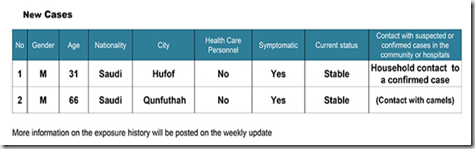
I’m pleased to report that the Saudi’s Coronavirus Command & Control Center is back up and running, they appear to be actively updating it, and we now have the case tables for the three cases reported on May 12th & 13th. 


May 13th


  image

May 12th

image


The May 13th case in Hufof is the 7th case from this region since April 20th,  and the 6th since May 5th.  The last five have all been described as `household contacts of a confirmed case’, suggesting this one of the largest household clusters we’ve seen.


The May 12th case from Jeddah is also listed as a household contact of a confirmed case, which is a bit curious, as we’ve not seen a case reported out of Jeddah in many weeks.  Hopefully we’ll get some clarification on this chain of infection in either their weekly report, or the next WHO update.


While the level of detail we get from these tables leaves a lot to be desired, after three days without them, their return is welcome indeed.

Monday, March 30, 2015

WHO: Updated MERS-CoV Summary

image

Credit WHO EMRO MERS Summary


# 9881


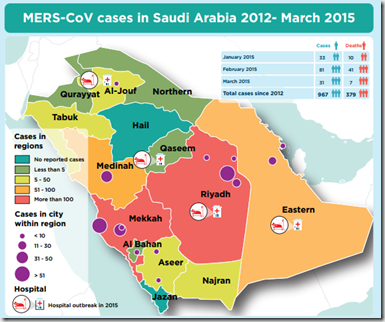
Even though avian flu has captured much of our attention this winter, running a close second is the MERS coronavirus, which continues to plague inhabitants of the Arabian peninsula – particularly in central and Western Saudi Arabia. 


Now nearly three years into this outbreak, we still have many unanswered questions regarding its source, and how it is spreading among humans.


After seeing low levels of cases in  2012 and 2013, we watched the number of cases skyrocket in April and May of last year (see chart below).   While a repeat performance is far from guaranteed, it is notable that the number of cases this year in the first quarter of the year is even higher than in 2014. 


image


With nearly 1,000 cases reported out of Saudi Arabia alone, and a roughly 40% fatality rate, MERS – over the past three years – has `outperformed(in terms of # of people infected, deaths, and  h-2-h `clusters’) all of the avian flu strains we’ve been watching (H5N1, H7N9, H5N6, H10N8, etc.) around the globe combined.


While impressive metrics, what these numbers can’t tell us is which of these viruses – if any – have the `legs’ to spark a global health crisis.  


Influenza viruses have a long, if infrequent history of sparking pandemics, and novel strains are always viewed with concern. But our experience with virulent coronaviruses is far less extensive, with basically only the `close-but-no-cigar’  SARS outbreak of 2003 to go on (see SARS and Remembrance).


Comparisons between SARS and MERS are inevitable given that both are coronaviruses, both probably originated in bats but were believed spread to humans via an intermediate host, both cause severe respiratory syndromes, and both are easily spread in a hospital environment.


But they also differ in some fundamental ways. 

  • SARS had a fatality ratio of roughly 10% while MERS has been fatal in about 40% of hospitalized cases
  • SARS had an R0 (Basic Reproductive Number) estimated between 2.0-3.0 while MERS remains  < 1.0
  • SARS burned intently for about 8 months and died out, while MERS has been slowly accelerating for 3 years
  • Half of SARS cases were under the age of 50, while the vast majority of MERS cases are over the age of 50
  • Unlike SARS which was fairly evenly divided, MERS cases are (for reasons not yet known) heavily skewed towards males


With April – and a possible repeat of last year’s surge – just around the corner, the World Health Organization has released an updated summary on the MERS virus, which includes some very useful graphics. 


While many questions about its transmission in the community remain, the basic epidemiology of the virus and demographics of its victims appears unchanged.


This from WHO’s Eastern Mediterranean Regional Office (EMRO).


Update on Middle East respiratory syndrome, March 2015

Highlights
  • A total of 967 laboratory-confirmed cases of MERS-CoV, including 379 deaths (case-fatality rate 39%) were reported from Saudi Arabia. Of these, a total of 145 cases, including 58 deaths (case-fatality rate 40%), were reported in 2015 to date.
  • The epidemiological and demographic characteristics of the disease do not show any significant difference. The majority of cases continue to be male and the most affected age group among primary cases are those between 50 and 59 years of old.
  • Nosocomial outbreaks in hospitals, though smaller in size and risk, as compared to the past, have been reported from Riyadh, Qassem, Al-Jouf and eastern Regions.
  • Since the last big hospital outbreak in Jeddah in 2014, nosocomial infection reported among health care workers have continued to decline (from as high as 25% to 12%).

Read the latest update on MERS-COV

MERS_COV_update

Tuesday, February 24, 2015

Hong Kong: Update On 3rd Imported H7N9 Case

image


# 9746


We’ve an update from Hong Kong’s CHP this morning on their epidemiological investigation into this seasons’ 3rd imported H7N9 case. This is the 13th known importation into Hong Kong since H7N9 emerged two years ago, and authorities have contact tracing and surveillance pretty much down to a science. 


While human-to-human transmission of the H7N9 virus has only rarely been reported, the incubation period is thought to be up to 10 days, and so arrangement are being made for asymptomatic contacts to be quarantined at the Lady MacLehose Holiday Village in Sai Kung.

Lady MacLehose Holiday Village

We’ve seen similar arrangements in the past both in Hong Kong and in Singapore (see Singapore MOH Puts Quarantine Chalets On Standby).  Symptomatic contacts are quartered in hospital isolation rooms.


Here is today’s update, after which I’ll return with a bit more:


Update on imported human case of avian influenza A(H7N9)

The Centre for Health Protection (CHP) of the Department of Health (DH) today (February 24) reported the latest updates on the third imported human case of avian influenza A(H7N9) in Hong Kong this winter, and again urged the public to maintain strict personal, food and environmental hygiene both locally and during travel.


Epidemiological investigations by the CHP have so far located 17 close contacts and 99 other contacts of the patient.

(A) Close contacts
------------------
The close contacts will be put under quarantine and prescribed with antiviral presumptive treatment until the completion of the five-day treatment, or 10 days since last exposure to the patient, whichever is earlier. They include:

  • An asymptomatic family member of the patient who tested negative for influenza A virus;
  • Five asymptomatic healthcare workers (HCWs) involved in Queen Mary Hospital (QMH);
  • Seven in-patients admitted to the same cubicle as the confirmed patient in QMH among which six were asymptomatic while the remaining one is under tracing; and
  • Three patients and one who accompanied one of them attending the same private clinic in Aberdeen with the confirmed patient. They are all asymptomatic.

The Lady MacLehose Holiday Village in Sai Kung under the Leisure and Cultural Services Department has been converted to a quarantine centre for asymptomatic close contacts, including the HCWs involved in QMH.

(B) Other contacts
------------------
Other contacts have been put under medical surveillance and they include:

  • Another asymptomatic family member who visited the confirmed patient in QMH;
  • 77 HCWs involved in QMH;
  • 15 asymptomatic clinic contacts including a private doctor, staff and patients of the private clinic; and
  • Six colleagues of the patient among whom one had mild upper respiratory tract infection symptoms before exposure to the patient while the rest are asymptomatic.

Investigations and contact tracing are ongoing.

Ends/Tuesday, February 24, 2015
Issued at HKT 17:18
NNNN


As mentioned yesterday, with this year’s severe, and concurrent, seasonal flu outbreak in Hong Kong there are enhanced concerns that someone could be simultaneously infected by both the H7N9 virus and H3N2.  Although the outcome of such a rare event is unpredictable, it could theoretically lead to the creation of a `hybrid’ or reassortant virus.


Yesterday the HK CHP released the following statement regarding the genetic profile of H7N9 viruses detected this year (excluding the latest one, on which genetic characterization is under way).


"While the activity of avian influenza viruses in the Mainland and human seasonal influenza viruses in Hong Kong remains high this winter and heightened vigilance and extra attention to hygiene are warranted, we will closely monitor the virus activity and genetic nature. Genetic analysis to date has revealed that H7N9 viruses confirmed in Hong Kong have remained to be of avian origin and had no significant differences from those detected in the Mainland, nor has there been evidence of reassortment with genes from human seasonal influenza viruses or resistance to the antiviral oseltamivir (Tamiflu)."


Previously, in the Lancet: Coinfection With H7N9 & H3N2, we saw the first evidence of co-infection with the newly emerged H7N9 virus and a seasonal flu virus in a human. While last October, in EID Journal: Human Co-Infection with Avian and Seasonal Influenza Viruses, China, we looked at co-infections in 2 patients in Hangzhou, in January 2014.


In all of three of these cases, no reassortant virus was detected.  Yet we know from experience that these sorts of events are possible (see pH1N1 – H3N2 A Novel Influenza Reassortment).


While rarely detected, influenza A coinfections are probably more common than we realize.  Luckily, most do not result in the creation of a reassorted virus - and of those that do - most end up being evolutionary failures.


The odds of any one viral tryst producing a viable, humanized virus is probably fairly remote.


The concern is, if these viruses get enough rolls of the genetic dice, they will eventually roll a natural.  Which is why we watch Hong Kong, mainland China, and Egypt so carefully this time of year.

Wednesday, December 24, 2014

WHO Ebola Update – Dec 24th

image


# 9483


While there are signs of progress, with the official numbers approaching 20,000 cases (and many more uncounted) the latest numbers from the WHO illustrate just how far we are from seeing an end to the Ebola outbreak in West Africa.  The worst-case scenarios may have been averted, but we are likely months away from seeing this outbreak contained.


A few excerpts from today’s lengthy report:


Summary

A total of 19 497 confirmed, probable, and suspected cases of Ebola virus disease (EVD) have been reported in four affected countries (Guinea, Liberia, Mali and Sierra Leone) and four previously affected countries (Nigeria, Senegal, Spain and the United States of America) in the seven days to 21 December (week 51). There have been 7588 reported deaths (case definitions are provided in Annex 1).

Reported case incidence is fluctuating in Guinea and declining in Liberia. In Sierra Leone, there are signs that the increase in incidence has slowed, and that incidence may no longer be increasing. The country’s west is now experiencing the most intense transmission in the affected countries, and response efforts have been strengthened to curb the spread of disease in the area. The reported case fatality rate in the three intense-transmission countries among all cases for whom a definitive outcome is known is 70%. Interventions in these countries continue to progress in line with the UN Mission for Ebola Emergency Response (UNMEER) aim to conduct 100% of burials safely and with dignity, and to isolate and treat 100% of EVD cases by 1 January, 2015. At a national level, the capacity to isolate and treat EVD patients has improved in all three countries since the commencement of the emergency response. While every country has sufficient capacity to isolate patients, the uneven geographical distribution of beds and cases means shortfalls persist in some districts. Each country has sufficient capacity to bury all people known to have died from Ebola, although it is possible that capacity is inadequate in some districts. The number of trained burial teams has significantly grown in each of the three countries in the past month. Every district that has reported a case of EVD in the three countries has access to a laboratory within 24 hours from sample collection. All three countries report that more than 90% of registered contacts associated with known cases of EVD are being traced, although there are discrepancies at the district level. The number of contacts traced per EVD case remains low in many districts.

Social mobilization continues to be an important component of the response. Engaging communities promotes burial practices that are safe and culturally acceptable, and the isolation and appropriate treatment of patients with clinical symptoms of EVD.

<SNIP>

Health-care workers

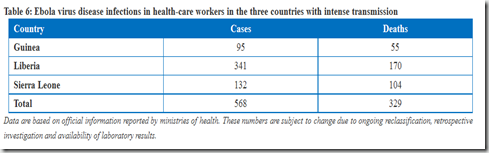
A total of 666 health-care workers (HCWs) are known to have been infected with EVD up to the end of 21 December, 366 of whom have died (table 6). The total case count includes 2 HCWs in Mali, 11 HCWs infected in Nigeria, 1 HCW infected in Spain while treating an EVD-positive patient, and 3 HCWs in the USA (including a HCW infected in Guinea, and 2 HCWs infected during the care of a patient in Texas). Seven HCW infections were reported in the week to 21 December, 6 in Guinea (including 5 in Coyah and 1 in Kankan) and 1 in Montserrado in Liberia.

Extensive investigations to determine the source of exposure in each case are being undertaken. Early indications are that a substantial proportion of infections occurred outside the context of Ebola treatment and care centres.

Table 6: Ebola virus disease infections in health-care workers in the three countries with intense transmission

image

(Continue . . . )


Thursday, November 20, 2014

WHO Update On Ebola In Mali – Nov 20th

image

Mali – Credit Wikipedia


# 9347


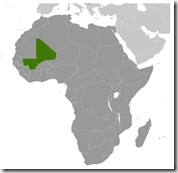
It has now been a little over a week since we learned of the second introduction of Ebola into the nation of Mali (see Media Reports: A Second Ebola Case In Mali), and unlike the first imported case in October, this time there are a number of secondary cases.  


While there has been a fair amount of reporting from the region, the situation there is obviously difficult, and the numbers often conflict. 


Today we’ve an update from the World Health Organization that details the individual cases from each importation,  and gives us a good sense of the size and progress of the epidemiological investigation.  


For now, Mali’s total stands at six Ebola cases (including the 2 year old from October), with 5 deaths.  Another 338 potential contacts have been identified, and 303 are under daily surveillance. Based on a maximum 21 day incubation period, we should know in the next week to 10 days whether additional contacts have been infected.


The size of the infected Imam’s funeral in Guinea adds considerably to the risks of further transmission in that country, and an additional 300 contacts are being traced there.


Mali: Details of the additional cases of Ebola virus disease

Ebola situation assessment - 20 November 2014

As of today, Mali has officially reported a cumulative total of 6 cases of Ebola virus disease, with 5 deaths. Of the 6 cases, 5 are laboratory confirmed and one remains probable as no samples were available for testing.

These numbers include the 2-year-old girl who initially imported the virus into Mali and died of the disease on 24 October.

Intensive tracing and monitoring of the child’s numerous contacts, including many who were monitored in hospital, failed to detect any additional cases. All 118 contacts, including family members, have now passed through the 21-day incubation period without developing symptoms.

The virus was almost certainly re-introduced into Mali by a 70-year-old Grand Imam from Guinea, who was admitted to Bamako’s Pasteur Clinic on 25 October and died on 27 October. He has been reclassified as a Guinea case, as he developed symptoms in that country. No samples were available for testing.

Pasteur Clinic: direct and indirect links

All 5 cases in this new outbreak are linked, 3 directly and 2 indirectly, to the patient in the Pasteur Clinic.

The first was a 25-year-old male nurse who worked at the clinic and was assigned to care for the Imam. He was hospitalized on 8 November. His case was laboratory-confirmed on 11 November and he died the same day.

The second case was confirmed in a doctor who worked at the clinic and treated the Imam. He developed symptoms on 5 November and was hospitalized on 8 November. Laboratory confirmation was received on 12 November. He is currently undergoing treatment

The third case was a 51-year-old friend of the Imam who visited him at the Pasteur Clinic. He developed symptoms on 7 November and died on 10 November from an undiagnosed cause. He is the country’s single probable case.

The friend’s infection led to an additional two confirmed and fatal cases. The first was a 57-year-old woman who had direct contact with the friend. She developed symptoms on 29 October. She was admitted to another clinic on 11 November and then transferred to a hospital on 12 November. She died that same day.

The second case was the woman’s son. He visited yet another clinic on 5 November and died at home on 14 November. Ebola infection was laboratory-confirmed in both cases.

Stepped up contact tracing

A massive effort is currently under way to identify all potential chains of transmission, monitor contacts, and prevent the outbreak from growing larger. At present 338 contacts have been identified and 303 (90%) of these have been placed under daily surveillance.

This rigorous “detective” work shows that the deceased nurse from the Pasteur Clinic had the largest number of contacts, at 98, including 75 family members.

As the successful experiences in Senegal and Nigeria show, aggressive contact tracing, which seeks to find and break every chain of transmission immediately after an imported case, can hold the number of additional cases to very small numbers and support a rapid end to the outbreak.

The Ministry of Health, with assistance from the WHO country office, has augmented the number of staff engaged in contact tracing by drawing on polio surveillance teams and using local medical students with training in epidemiology.

In addition, WHO has deployed 10 epidemiologists through its Global Outbreak Alert and Response Network, or GOARN.

The country is also ramping up its capacity to perform exit screening at the Bamako airport.

Guinea: Many mourners attended the funeral

The Imam was buried in his native village of Kourémalé, Guinea, on 28 October. That event has now been investigated. Thousands of mourners may have attended the funeral. Some of them touched the body as part of the traditional funeral ceremony. About 300 contacts are being traced.

Experts in Mali and at WHO agree that Mali will remain at risk of further imported cases as long as transmission across the border in ongoing.

Wednesday, November 19, 2014

WHO Ebola Situation Report – Nov 19th

image


# 9345


The World Health Organization has released their latest Ebola Roadmap Update.  I’ve reproduced the summary and the latest on infected health care workers below, but follow the link to read (or download) the entire document.


Ebola response roadmap - Situation report

19 November 2014

Download PDF


Summary

A total of 15 145 confirmed, probable, and suspected cases of Ebola virus disease (EVD) have been reported in six affected countries (Guinea, Liberia, Mali, Sierra Leone, Spain and the United States of America) and two previously affected countries (Nigeria and Senegal) up to the end of 16 November. There have been 5420 reported deaths. Cases and deaths continue to be under-reported in this outbreak.

In the three countries with widespread and intense transmission, reported case incidence is no longer increasing nationally in Guinea and Liberia, but is still increasing in Sierra Leone. The outbreaks in Guinea and Liberia now appear to be driven by intense transmission in several key districts, whereas transmission is intense throughout the north and west of Sierra Leone. The number of new cases is highest in N’Zerekore in Guinea; Montserrado in Liberia; and in the western and northern areas of Sierra Leone, particularly the capital, Freetown, and nearby Port Loko. Lofa in Liberia, and Kenema and Kailahun in Sierra Leone have now reported no or a very low number of new cases for several weeks.

In Mali, there have been 6 reported confirmed and probable cases, and 5 deaths. The most recent cases have occurred in the Malian capital Bamako, and are not related to the country’s first EVD-positive patient, who died on 24 October. All identified contacts connected with this initial case have now completed 21-day follow-up. 

The response to the EVD outbreak continues to evolve in the three most affected countries. Over 1000 beds are now operational in 18 Ebola Treatment Centres. As this number increases, so does the capacity to isolate patients and prevent further transmission of the disease. The capacity to conduct burials in a safe and dignified manner of patients who have died from EVD is a crucial part of halting EVD transmission. More than 4800 safe and dignified burials have taken place since the outbreak began. Accurate, timely laboratory diagnosis of EVD cases is also an integral part of the response. Samples from all 53 EVD-affected districts of the three most-affected countries can be transported to a laboratory for testing within 24 hours of sample collection.

<SNIP>

Health-care workers

A total of 584 health-care workers (HCWs) are known to have been infected with EVD up to the end of 16 November, 329 of whom have died (table 6). This includes 2 HCWs in Mali (1 of whom died), 11 HCWs infected in Nigeria, 1 HCW infected in Spain while treating an EVD-positive patient, and 3 HCWs in the US (including a HCW infected in Guinea, and 2 HCWs infected during the care of a patient in Texas). In the week to 16 November, 8 HCWs were reported infected in Liberia, and 3 in Sierra Leone. However, the cases in Liberia are unlikely to have occurred during the past week, and are instead likely to represent cases whose onset went unreported over the course of previous weeks.

image

(Continue . . . )


Friday, September 26, 2014

CDC Update On EV-D68 – Sept 25th

States with Confirmed EV-D68 Infections


# 9115


We’ve been following the EV-D68 outbreak now for over a month (see Kansas City Outbreak Identified As HEV 68 & Enterovirus D-68 (HEV-D68) Update), and as of last night’s update, 38 states have now confirmed cases of this rarely (at least, until now) seen enterovirus.


While some adults may be infected, this virus seems to mainly affect younger children, probably due to a lack of previous exposure to similar viruses. Most will endure only mild to moderate illness, but a small percentage of (mostly) kids have required hospitalization. 


The low number of positive cases reported by the CDC only represents the tip of the iceberg, as testing (and reporting) of cases is not mandatory, and often during an outbreak only a few representative samples are forwarded to the State or CDC labs for testing.


The virus appears to be spreading rapidly, and more states are sending samples for testing every day. If it isn’t already in your state, it likely will be soon.


Last night the CDC revamped their EV-D68 webpage, with new links and updated information.  Follow the link to view:


Enterovirus D68 in the United States, 2014

What We Know

States with Lab-confirmed EV‑D68 Infections

From mid-August to September 25, 2014, a total of 226 people in 38 states have been confirmed to have respiratory illness caused by EV-D68. Learn more about states with confirmed cases.

  • EV-D68 infections have recently been documented across the United States.  
    • From mid-August to September 25, 2014, CDC or state public health laboratories have confirmed a total of 226 people in 38 states with respiratory illness caused by EV-D68. Learn about states with confirmed cases. This indicates that at least one case has been detected in each state listed but does not indicate how widespread infections are in each state.
    • Enteroviruses commonly circulate in summer and fall. We’re currently in middle of the enterovirus season, and EV-D68 infections are likely to decline later in the fall.
  • Many state health departments have reported increases this year in cases of severe respiratory illness in children. 
    • This increase could be caused by many different viruses that are common during this time of year. EV-D68 appears to be the predominant type of enterovirus this year and may be contributing to the increases in severe respiratory illnesses.
    • Hospitals in Missouri and Illinois were the first to document this increase that was later identified to be caused predominantly by EV-D68 infection. Read more.
  • CDC is prioritizing testing of specimens from children with severe respiratory illness. There are likely many children affected with milder forms of illness. Of the specimens tested by the CDC lab, about half have tested positive for EV-D68. About one third have tested positive for an enterovirus or rhinovirus other than EV-D68. See map of states with lab-confirmed EV-D68 infections for more information.
  • All the confirmed cases this year of EV-D68 infection have been among children, except for one adult. Many of the children had asthma or a history of wheezing. So far, no deaths attributed to EV-D68 infection have been documented.

What CDC Is Doing about EV-D68

CDC is

  • continuing to collect information from states and assess the situation to better understand
    • EV-D68 and the illness caused by this virus and
    • how widespread EV-D68 infections may be within each state and the populations affected.
  • helping states with diagnostic and molecular typing for EV-D68.
  • working with state and local health departments and clinical and state laboratories to
    • enhance their capacity to identify and investigate outbreaks, and
    • perform diagnostic and molecular typing tests to improve detection of enteroviruses and enhance surveillance.
  • helping the Colorado health department investigate these cases among children in Colorado who had respiratory illness and later developed neurologic illness.
  • developing and validating a diagnostic test to detect EV-D68 in specimens. CDC will explore options for providing test kits and protocols to state public health labs.
  • providing information to healthcare professionals, policymakers, general public, and partners in numerous formats, including Morbidity and Mortality Weekly Reports (MMWRs), health alerts, websites, social media, podcasts, infographics, and presentations.

Related Pages

Tuesday, September 16, 2014

CDC: EV-D68 Confirmed In 12 States

image

# 9084


With the caveat that a number of additional states have reported clusters of respiratory illness consistent with EV-D68 infection, and that only a small fraction of cases from each region are being tested, we’ve the latest update from the CDC indicating that 130 people across 12 states have tested positive for this emerging enterovirus.  


This is up from 6 states reporting last week, and the number of states reporting this virus is expected to grow in the coming weeks. Thus far, thousands of people are believed to have been infected over the past 30 days.


While most people infected will only experience a `bad cold’, a small percentage of people – particularly those with asthma or other comorbidities – may experience serious illness and require hospitalization.   For more on this virus, the CDC has prepared an Enterovirus D68 FAQ.


Later today (2pm EDT) the CDC will hold  COCA call on the EV-D68 virus for clinicians and other healthcare providers.


States with Lab-confirmed Enterovirus D68

From mid-August to September 16, 2014, a total of 130 people from 12 states were confirmed to have respiratory illness caused by EV-D68. The 12 states are Alabama, Colorado, Illinois, Indiana, Iowa, Kansas, Kentucky, Louisiana, Missouri, New York, Oklahoma, and Pennsylvania. The cases of EV-D68 infection were confirmed by the CDC or state public health laboratories that notified CDC.

In the upcoming weeks, more states will have confirmed cases of EV-D68 infection.

  • The primary reason for increases in cases is that several states are investigating clusters of people with severe respiratory illness, and specimens are still being tested for EV-D68. It can take a while to test specimens and obtain lab results. That’s because the testing is complex and slower, and can only be done by CDC and a small number of state public health laboratories. As the backlog of specimens is processed, the number of states and confirmed cases will likely increase. These increases will not necessarily reflect changes in real time, or mean that the situation is getting worse.
  • Some of the increase will be from new EV-D68 infections since people are more likely to get infected with enteroviruses in the summer and fall. We are currently in the middle of the enterovirus season.

As investigations progress, we will have a better understanding of the trends for EV-D68 infections.

WHO Ebola Response Roadmap Update – Sept 16th

image


# 9082

The World Health Organization has published a new update on the Ebola epidemic in West Africa.  I’ve only posted some excerpts, follow the link to read the 4 page document in its entirety.


WHO: EBOLA RESPONSE ROADMAP UPDATE


16 September 2014


Following  the  roadmap  structure,  country  reports  fall  into  two  categories:  those  with  widespread and intense transmission (Guinea, Liberia, and Sierra Leone); and those with an initial case or cases, or with localized transmission (Nigeria, Senegal)
.
A  second  meeting  of  the  Emergency  Committee  convened  by  the  Director-General  under  the International  Health  Regulations  (2005)  [IHR  (2005)]  regarding  the  2014  Ebola  outbreak  in  West Africa will begin discussion via email this week. The meeting will review the status of the outbreak as a  public  health  emergency  of  international  concern,  and  assess  the  impact  of  current  temporary measures to contain the outbreak and reduce international spread.

1. COUNTRIES WITH WIDESPREAD AND INTENSE TRANSMISSION


4963  (probable, confirmed and suspected; see Annex 1) cases and  2453  deaths have been reported in the current outbreak of Ebola virus disease as at 13 September 2014 by the Ministries of Health of Guinea and Sierra Leone, and as at 9 September by the Ministry of Health of Liberia.

Table 1: Probable, confirmed and suspected cases of Ebola virus disease in Guinea, Liberia and Sierra Leone

image

There  are  several  points  to  be  considered  when  interpreting  epidemiological  data  for  the  Ebola outbreak. Many of the deaths attributed to Ebola virus in this outbreak occurred in people who were suspected, but not confirmed, to have died from the disease. Ebola cases are only confirmed when a sample  tests  positive in  the  laboratory.  If  samples  taken  from  a  body  test  negative  for  Ebola,  that person is no longer counted among Ebola deaths and the figures are adjusted accordingly. However, because laboratory services and treatment centres are currently overwhelmed in several countries, the  numbers  of  probable  and  suspected  cases,  together  with  those  confirmed,  may  be  a  more accurate reflection of case numbers. Work is also ongoing to resolve discrepancies between different sources of data, which may lead to a revision of the numbers of cases and deaths in the future.

(Continue . . . )


Thursday, August 28, 2014

WHO Ebola Update – August 28th

image


# 9011


It has been more than a week since the last World Health Organization update on the Ebola situation in Africa, and so as one might expect, today’s catch-up report presents some pretty big numbers.


Between the 20th and 26th, nearly 600 new cases have been reported, and just over 200 additional deaths.


The situation in Liberia and Sierra Leone remains chaotic and confused, and these numbers should not be perceived as a full accounting of the outbreak.   As the WHO notes in today’s update, the outbreak is still accelerating, with more than 40% of all cases reported in the past 21 days.


We also have a new – apparently unrelated – outbreak of Ebola in the DRC, whose full scope is not yet known.


And finally, after hopes were raised earlier this week that Nigeria had successfully contained their Ebola outbreak, this morning there are reports of two new cases in Nigeria (see ABC News report Nigeria Ebola Patient Hid From Government), which effectively resets the clock and requires a new round of contact tracing.


Ebola virus disease update - west Africa

Disease outbreak news
28 August 2014

Epidemiology and surveillance
  • The total number of probable and confirmed cases in the current outbreak of Ebola virus disease (EVD) in the four affected countries as reported by the respective Ministries of Health of Guinea, Liberia, Nigeria, and Sierra Leone is 3069, with 1552 deaths.
  • The outbreak continues to accelerate. More than 40% of the total number of cases have occurred within the past 21 days. However, most cases are concentrated in only a few localities.
  • The overall case fatality rate is 52%. It ranges from 42% in Sierra Leone to 66% in Guinea.
  • A separate outbreak of Ebola virus disease, which is not related to the outbreak in West Africa, was reported on 24 August by the Democratic Republic of Congo (DRC) and is detailed in a separate edition of the Disease Outbreak News (http://who.int/csr/don/2014_08_27_ebola/en/)
Health sector response

A full understanding of the outbreak that will lead to improved response requires detailed analysis of exactly where transmission is occurring (by district level) and of time trends. This analysis is ongoing. Preliminary results show that cases are still concentrated (62% of all reported cases since the beginning of the outbreak) in the epicentre of the outbreak in Gueckedou (Guinea); Lofa (Liberia), where cases continue to rise; and Kenema and Kailahun (Sierra Leone). Capital cities are of particular concern, owing to their population density and repercussions for travel and trade.

WHO and its partners are on the ground establishing Ebola treatment centres and strengthening capacity for laboratory testing, contact tracing, social mobilization, safe burials, and non-Ebola health care.

WHO continues to monitor for reports of rumoured or suspected cases from countries around the world and systematic verification of these cases is ongoing. Countries are encouraged to continue engaging in active surveillance and preparedness activities. Cases of EVD have been reported from the Democratic Republic of Congo. The cases in DRC are not related to the outbreak in West Africa. Outside of the four affected countries in West Africa and DRC, no new cases have been confirmed in other countries.

WHO does not recommend any travel or trade restrictions be applied except in cases where individuals have been confirmed or are suspected of being infected with EVD or where individuals have had contact with cases of EVD. (Contacts do not include properly-protected health-care workers and laboratory staff.) Temporary recommendations from the Emergency Committee with regard to actions to be taken by countries can be found at http://who.int/mediacentre/news/statements/2014/ebola-20140808/en/.

Disease update

As of 26 August 2014, the cumulative number of cases attributed to EVD in the four countries stands at 3 069, including 1552 deaths. The distribution and classification of the cases are as follows: Guinea, 647 cases (482 confirmed, 141 probable, and 25 suspected), including 430 deaths; Liberia, 1378 cases (322 confirmed, 674 probable, and 382 suspected), including 694 deaths; Nigeria, 17 cases (13 confirmed, 1 probable, and 3 suspected), including 6 deaths; and Sierra Leone, 1026 cases (935 confirmed, 37 probable, and 54 suspected), including 422 deaths.

Tuesday, August 26, 2014

Icelandic Met Office: Bárðarbunga Update – Aug 26th

image


# 9001


Although no surface eruption has occurred, seismic activity under and nearby the glacier-covered Bárðarbunga caldera continues to escalate, with the largest event – an M5.7 quake – hitting last night. 


It is still highly uncertain what happens next, but given the history of this particular volcano, no one is ready to relax.


In today’s update the Icelandic Met Office presents three possible scenarios ranging from a gradual decrease in seismic activity, to a large scale fissure eruption. 


26th August 2014 11:50 - from the Advisory Board of scientists

Scientists from the Icelandic Met Office and the Institute of Earth Sciences, and representatives of the Civil Protection in Iceland, attend the meetings of the Advisory Board.

The following points were the conclusion at a meeting of the Advisory Board today:

  • Intense seismicity continues. Over 500 events have been recorded since midnight.
  • Seismicity continues to migrate northward. Seismicity is now concentrated on the 10 km long tip of the dike extending 5 km beyond the edge of the Dyngjujökull glacier.
  • At 01:26 this morning an earthquake of magnitude 5,7 was observed beneath the Bárðarbunga caldera.
  • The dyke beneath Dyngjujökull is now thought to be close to 40 km long. Modelling
    of GPS data indicates that about 50 million cubic meters of magma have added to the volume in the last 24 hours.
  • There are no indications that the intensity of the activity declining. The following three scenarios are still considered most likely:
    • The migration of magma could stop, accompanied by a gradual reduction in seismic activity.
    • The dike could reach the surface of the crust, starting an eruption. In this scenario, it is most likely that the eruption would be near the northern tip of the dyke. This would most likely produce an effusive lava eruption with limited explosive, ash-producing activity.
    • An alternate scenario would be the dyke reaching the surface where a significant part, or all, of the fissure is beneath the glacier. This would most likely produce a flood in Jökulsá á Fjöllum and perhaps explosive, ash-producing activity.
  • Other scenarios cannot be excluded. For example, an eruption inside the Bárðarbunga caldera is possible but presently considered to be less likely.
From the Icelandic Met Office:

The Aviation Color Code remains at the "orange" level.

26th August 2014 06:45 - from geoscientist on duty

Seismic activity continues to be high.

Biggest earthquake in the current swarm was measured this night at 01:26. According to USGS the magnitude was 5.7. The event was localized in the northern/northwestern part of Bardarbunga caldera at 6 km depth.

Most of the seismic activity is close to the rim of Dyngjujokull. The dyke is still migrating to the north and the tip of it is already around 10 km outside of the glacier. Most of the events are at the depth of 8-12 km.

There have been no signs of harmonic tremor.

Friday, August 22, 2014

WHO Ebola Update – Aug 22nd

image

# 8989


Ebola virus disease update - west Africa

Disease outbreak news
22 August 2014

Epidemiology and surveillance

Between 19 and 20 August 2014, a total of 142 new cases of Ebola virus disease (laboratory-confirmed, probable, and suspect cases) as well as 77 deaths were reported from Guinea, Liberia, Nigeria, and Sierra Leone.

Health sector response

Questions have been received in WHO Headquarters about the original proposed budget for the response and the new draft budget, which is being reviewed by partners. The increase in needed resources is based on improved data and understanding of the situation on the ground in the affected countries. The new estimation of costs is derived using a unit-cost model, built for the most intense transmission areas and reflects the average operational costs based on the current situation in the affected countries. The major assumptions for the cost estimates will be announced towards the end of next week.

WHO continues to receive reports of rumoured or suspected cases from countries around the world and systematic verification of these cases is ongoing. Countries are encouraged to continue engaging in active surveillance and preparedness activities. As of today, no new cases have been confirmed outside of Guinea, Liberia, Nigeria, or Sierra Leone.

WHO does not recommend any travel or trade restrictions be applied except in cases where individuals have been confirmed or are suspected of being infected with EVD or where individuals have had contact with cases of EVD. (Contacts do not include properly-protected health-care workers and laboratory staff.) Temporary recommendations from the Emergency Committee with regard to actions to be taken by countries can be found at:

Tuesday, August 19, 2014

WHO Ebola Update – August 19th

image


# 8969


The World Health Organization has released a new Ebola update, this time adding cases reported between August 14th and August 16th.  Theses numbers are believed to only partially represent the situation on the ground in West Africa, as limited reporting and surveillance in many regions, and the public’s fear of reporting illness, likely influence the count. 


Of note, after more than two weeks of seeing relatively low counts – Guinea’s numbers jumped by 24 in this latest report, while Nigeria adds three more cases, albeit without details. 


There are conflicting media reports regarding these additional Nigerian cases (see Crofsblog for best ongoing Ebola news coverage), and while the number of new cases reported out of Liberia today are half that reported on Friday, the situation there is reportedly getting worse, not better. 


Ebola virus disease update - West Africa

Disease outbreak news
19 August 2014

Epidemiology and surveillance

Between 14 and 16 August 2014, a total of 113 new cases of Ebola virus disease (laboratory-confirmed, probable, and suspect cases) as well as 84 deaths were reported from Guinea, Liberia*, Nigeria, and Sierra Leone.

Health sector response

The response of WHO and other partners to the Ebola Virus outbreak is continuing to grow in Guinea, Liberia, Nigeria and Sierra Leone. To reduce the likelihood that those who are infected will carry the disease outside their communities, the governments have set up quarantine zones in areas of high transmission including severely-affected cities such as Gueckedou in Guinea, Kenema and Kailahun in Sierra Leone and Foya in Liberia.

This prevents people living in these areas from moving to other parts of the country and potentially increasing EVD transmission. However, it also means that barriers to travel limit their access to food and other necessities. While preventing further transmission of EVD is crucial, it is essential that people in those zones have access to food, water, good sanitation and other basic supplies.

WHO is working with the United Nations World Food Programme (WFP) to ensure people in the quarantine zones receive regular food aid and other non-medical supplies. WFP is now scaling up its programme to distribute food to the around 1 million people living in the quarantine zones in Guinea, Liberia and Sierra Leone.

Food has been delivered to hospitalized patients and people under quarantine who are not able to leave their homes to purchase food. Providing regular food supplies is a potent means of limiting unnecessary movement.

WHO does not recommend any travel or trade restrictions be applied except in cases where individuals have been confirmed or are suspected of being infected with EVD or where individuals have had contact with cases of EVD. (Contacts do not include properly-protected health-care workers and laboratory staff.) Temporary recommendations from the Emergency Committee with regard to actions to be taken by countries can be found at:

IHR Emergency Committee meeting on Ebola outbreak in west Africa

Wednesday, August 06, 2014

WHO Ebola Update: Aug 2nd – Aug 4th

image


# 8921


The World Health Organization has posted a new Ebola update, showing 108 new cases between August 2nd and 4th, including 5 new cases in Nigeria (see earlier report Nigerian MOH Reports 7 Cases Of Ebola, 2nd Death).  Liberia and Sierra Leone are practically tied with the number of new cases (48 and 45) over this time period, and the total number of cases now exceeds 1700.


Today and tomorrow the WHO is holding a meeting of the IHR Emergency Committee to discuss whether Ebola constitutes a PHEIC (Public Health Emergency Of International Concern), and to come up with strategies to combat the spread of the virus.   We should get a press conference on Friday with the results of that meeting.


Below you’ll find today’s update:.


Ebola virus disease update - West Africa

Disease outbreak news
6 August 2014

Epidemiology and surveillance

Between 2 and 4 August 2014, a total of 108 new cases of Ebola virus disease (laboratory-confirmed, probable, and suspect cases) as well as 45 deaths were reported from Guinea, Liberia, Nigeria, and Sierra Leone.

Health sector response

A mission briefing with representatives from Member States was held on 5 August at the World Health Organization (WHO). Information about the nature of Ebola virus disease (EVD) was highlighted. This was followed by outlining the essential components for control, including the need for national leadership, improved care and case management, identifying transmission chains and stopping disease spread, and preventing further outbreaks. Among the critical issues are: cross-border infections and travelers; partners reaching the limits of their capacity and ability to respond rapidly, safely, and effectively; and concerns about the socio-economic impact of continued transmission.

The Director-General also shared information from her recent meetings in Guinea with Member States of the Mano River Union – Côte d’Ivoire, Guinea, Liberia, and Sierra Leone. She outlined that the response in West Africa would focus on three areas:

  • Treatment of Guéckédou, Kenema, and Foya as a unified sector, which will include public health measures meant to reduce movement in and out of the area.
  • Intensifying current measures in Guinea, Liberia, Nigeria, and Sierra Leone.
  • Taking steps to reduce international spread to other countries in Africa and outside of the African Region.

The Sub-regional Ebola Operations Coordination Centre (SEOCC) in Conakry reported on 5 August that the following actions are underway in the four affected countries:

  • In Guinea, new foci have emerged and case management facilities will be needed. Exit screening is currently being tested in Conakry, in partnership with the US CDC.
  • In Liberia, security issues continue to be of concern, notwithstanding the commitment of the Government. Community resistance remains high.
  • In Nigeria, the Government is focused on following up the contacts from the index case. Clinical support is urgently needed and a treatment centre is being set up for managing cases of EVD.
  • In Sierra Leone, efforts are underway to map where treatment centres are most needed and getting those set up. A similar exercise is underway for laboratories.

The SEOCC is assisting countries with these and many other response measures.

On 6 August, WHO is convening an Emergency Committee of international experts to review the outbreak and advise the Director-General, in accordance with the International Health Regulations, whether the Ebola virus disease outbreak constitutes a Public Health Emergency of International Concern (PHEIC). Experts will receive an epidemiological briefing and will determine whether the criteria for a PHEIC have been met. If the Emergency Committee agrees that this is a PHEIC, they will then advise the Director-General on temporary recommendations. A summary of the meeting will be made public and a press briefing will be held on Friday, 8 August.

Disease update

New cases and deaths attributable to EVD continue to be reported by the Ministries of Health in Guinea, Liberia, Nigeria, and Sierra Leone. Between 2 and 4 August 2014, 108 new cases (laboratory-confirmed, probable, and suspect cases) of EVD and 45 deaths were reported from the four countries as follows: Guinea, 10 new cases and 5 deaths; Liberia, 48 new cases and 27 deaths; Nigeria, 5 new cases and 0 death; and Sierra Leone, 45 new cases and 13 deaths.

As of 4 August 2014, the cumulative number of cases attributed to EVD in the four countries stands at 1 711, including 932 deaths. The distribution and classification of the cases are as follows: Guinea, 495 cases (351 confirmed, 133 probable, and 11 suspected), including 363 deaths; Liberia, 516 cases (143 confirmed, 252 probable, and 121 suspected), including 282 deaths; Nigeria, 9 cases (0 confirmed, 2 probable, and 7 suspected), including 1 death; and Sierra Leone, 691 cases (576 confirmed, 49 probable, and 66 suspected), including 286 deaths.

Wednesday, July 30, 2014

WHO Ebola Update – July 29th

image


# 8894


The World Health Organization African Regional Office has posted updated numbers on the Ebola outbreak.  Between July 24th and July 27th 122 new cases were reported, and 57 deaths.   Follow the link below to read the entire update.


Ebola virus disease, West Africa – update 29 July 2014


Epidemiology and surveillance

The World Health Organization (WHO) continues to monitor the evolution of the Ebola virus disease (EVD) outbreak in Sierra Leone, Liberia, Guinea and Nigeria. The Ebola epidemic trend in Sierra Leone, Liberia, and Guinea remains precarious, with continuing community and health-facility transmissions of infection.

Between 24 and 27 July 2014, a total of 122 new cases (suspect, probable, and laboratory-confirmed cases) as well as 57 deaths were reported from Liberia, Sierra Leone, Guinea and Nigeria.

The surge in the number of new EVD cases especially in Liberia, Sierra Leone and Guinea calls for concentrated efforts by all to address the identified problems such as health facility transmission and effective contact tracing.

In Nigeria, IHR focal person report confirms that the probable case notified was symptomatic at the time of arrival in Nigeria and that 59 contacts (15 from among the airport staff and 44 from the hospital) have been identified so far. The report also confirms that the patient travelled by air and arrived in Lagos, Nigeria, on 20th July via Lomé, Togo and Accra, Ghana.

The sample from this case is yet to be sent to the WHO Collaborating Centre at the Institute Pasteur in Dakar, Senegal, due to refusal by courier companies to transport this sample. Though only one probable case has been detected so far in Nigeria, Ebola virus infection in this country represents a significant development in the course of this outbreak.

The national authority in Nigeria, Togo and Ghana continue to work closely with WHO and partners in identification of contact and contact tracing as well as in preparing response plans.

(Continue . . .)


Saturday, June 07, 2014

WHO Ebola Update – West Africa

image

Credit @UNMILNews


# 8717


It is now three months since the first reports of deaths from a hemorrhagic fever began to emerge from the West African nation of Guinea.  In late March the illness was diagnosed as Ebola, and over the next month additional cases were reported in neighboring Sierra Leone and Liberia.  


Some earlier blog coverage of this epidemic includes:

Ebola: NEJM - New Clade, WHO Messaging & Updated FAQ

CDC Travel Alert: Ebola In Guinea

A Brief History Of Ebola


Overnight the World Health Organization has posted a GAR update on the Ebola outbreak, which has now affected 344 people in Guinea, 81 people  in Sierra Leone, and (as reported in April) 5 lab confirmed cases in Liberia.  Based on the Guinea numbers alone, this would make this easily the second worst Ebola outbreak recorded to date (surpassed only by Uganda, 2000-2001 with 425 cases).


First the latest update from the WHO, then I’ll be back with a little more:


Ebola virus disease, West Africa – update

06/06/2014

Guinea

Between 2 and 3 June 2014, 11 new cases (8 confirmed, 1 probable and 2 suspected) and 3 new deaths were reported from Conakry (7 new cases and 1 death), Gueckedou (2 new cases and 1 death), Telimele (1 new case and 0 deaths), and Boffa (1 new case and 1 death). This brings the cumulative total number of cases and deaths attributable to Ebola virus disease (EVD) in Guinea to 344 (207 confirmed, 81 probable, and 56 suspected cases) including 215 deaths.

The geographical distribution of these cases and deaths is as follows: Conakry, 65 cases and 27 deaths; Gueckedou, 193 cases and 143 deaths; Macenta, 44 cases and 26 deaths; Dabola, 4 cases and 4 deaths; Kissidougou, 7 cases and 5 deaths; Dinguiraye, 1 case and 1 death; Telimele, 23 cases and 5 deaths; and Boffa, 7 cases and 4 deaths. In terms of isolation, 31 patients are currently hospitalized – 6 in Conakry, 9 in Gueckedou, 15 in Telimele, and 1 in Boffa.  The number of contacts currently being followed-up countrywide is 987 distributed as follows: Conakry, 329 contacts; Gueckedou, 323 contacts; Macenta, 176 contacts; Telimele, 104 contacts; and Boffa, 55 contacts.

Sierra Leone
Between 2 and 5 June 2014, 9 new suspected cases were reported bringing the total number of EVD clinical cases to 81 (31 confirmed, 3 probable, and 47 suspected), including 6 deaths. Kailahun district is the epicentre of the outbreak in Sierra Leone. Eleven cases are currently in isolation at Kenema Hospital. The number of contacts currently being followed-up is 30. Community resistance is hindering the identification and follow-up of contacts.


Liberia
There have been no new confirmed cases since 6 April 2014.  Eleven contacts (5 health-care workers and 6 community relatives) are currently being followed-up. These contacts are of the probable case from nearby Kailahun, Sierra Leone who died in Foya, Liberia. The dead body was taken back to Kailahun for burial.
The total number of cases is subject to change due to reclassification, retrospective investigation, consolidation of cases and laboratory data and enhanced surveillance.


WHO response
WHO and partners continue to support the implementation of preventive and control measures in affected countries. Six experts and over 5,000 PPEs have been deployed to Sierra Leone to support the response operations.


WHO also supported Sierra Leone in developing proposals which were submitted to CERF ($238,000) and OCHA Emergency Fund (about $50,000) and DFID (£200,000).  A joint WHO/HQ and AFRO mission provided support to Guinea on reviewing the outbreak response operations. The total estimated budget for Sierra Leone's EVD outbreak response is about US $1.8 million. On 3 June 2014, WHO facilitated a cross-border collaboration meeting between Guinea, Liberia, and Sierra Leone. They agreed to reinforce cross-border surveillance and harmonize social mobilization communication tools to address community resistance. 
WHO does not recommend any travel or trade restrictions be applied to Guinea, Liberia, or Sierra Leone based on the current information available for this event.


While Ebola rarely travels far – and outbreaks tend to burn themselves out due to its virulence – it is possible that someone visiting the area could be exposed, and travel to another country or region while incubating the disease.  Hence the concerns expressed yesterday in The ECDC Risk Assessment On Brazil’s FIFA World Cup which mentioned the (very slim) possibility of an imported case during the games.


This week the CDC has also issued its third travel notice on this Ebola outbreak, this time for Sierra Leone.


Ebola in Sierra Leone

Alert - Level 2, Practice Enhanced Precautions

 Released: June 04, 2014

At a Glance
  • Suspected and Confirmed Case Count: 112
  • Suspected Case Deaths: 7
  • Laboratory Confirmed Cases: 31

What is the current situation?

As of May 27, 2014, the Sierra Leone Ministry of Health reported 7 confirmed cases of and several deaths from Ebola in Kailahun District, Sierra Leone. The district is located in the eastern region of the country, near the borders with Guinea and Liberia. Guinea and Liberia have also reported cases of Ebola. For more information, visit www.cdc.gov/vhf/ebola/outbreaks/guinea/index.html.

CDC recommends that travelers to Sierra Leone avoid contact with blood and body fluids of infected people to protect themselves.

<SNIP>

What can travelers do to prevent Ebola?

There is no vaccine for Ebola and no specific treatment. Although travelers are at low risk for the disease, it is important to take steps to prevent Ebola.

  • Practice careful hygiene. Avoid contact with blood and body fluids of severely ill people. Do not handle items that may have come in contact with an infected person’s blood or body fluids.
  • Avoid contact with animals.
  • Seek medical care if you develop fever, headache, achiness, sore throat, diarrhea, vomiting, stomach pain, rash, or red eyes.
  • Health care workers who may be exposed to people with the disease should follow these steps: (Continue . . .)