Wednesday, August 31, 2022

FDA Authorizes Moderna, Pfizer-BioNTech Bivalent COVID-19 Vaccines for Use as a Booster Dose


Credit ACIP/CDC


#16,974

Although the CDC still has to sign off on it, today the FDA announced an EUA (Emergency Use Authorization) for  both Pfizer-BioNTech and Moderna's Bivalent booster vaccine which contain messenger RNA (mRNA) components of the original SARS-CoV-2 strain along with one designed for the Omicron the BA.4 and BA.5 lineages. 

Because COVID strains change quickly, and fall is nearly upon us, there hasn't been enough time to evaluate the effectiveness of these booster shots.  

As with seasonal flu vaccines, we won't really know how effective they are until they have been deployed for a few months. Both Pfizer and Moderna have run clinical trails on an earlier version (with the BA.1 mRNA component), and based on that data, officials are hopeful this update booster will be an improvement.

Excerpts from today's announcement follow:


FDA Authorizes Moderna, Pfizer-BioNTech Bivalent COVID-19 Vaccines for Use as a Booster Dose

For Immediate Release:August 31, 2022

Today, the U.S. Food and Drug Administration amended the emergency use authorizations (EUAs) of the Moderna COVID-19 Vaccine and the Pfizer-BioNTech COVID-19 Vaccine to authorize bivalent formulations of the vaccines for use as a single booster dose at least two months following primary or booster vaccination. The bivalent vaccines, which we will also refer to as “updated boosters,” contain two messenger RNA (mRNA) components of SARS-CoV-2 virus, one of the original strain of SARS-CoV-2 and the other one in common between the BA.4 and BA.5 lineages of the omicron variant of SARS-CoV-2.

The Moderna COVID-19 Vaccine, Bivalent, is authorized for use as a single booster dose in individuals 18 years of age and older. The Pfizer-BioNTech COVID-19 Vaccine, Bivalent, is authorized for use as a single booster dose in individuals 12 years of age and older.

The monovalent COVID-19 vaccines that are authorized or approved by the FDA and have been administered to millions of people in the United States since December 2020 contain a component from the original strain of SARS-CoV-2.
What you need to know:
  • The authorized bivalent COVID-19 vaccines, or updated boosters, include an mRNA component of the original strain to provide an immune response that is broadly protective against COVID-19 and an mRNA component in common between the omicron variant BA.4 and BA.5 lineages to provide better protection against COVID-19 caused by the omicron variant.
  • The BA.4 and BA.5 lineages of the omicron variant are currently causing most cases of COVID-19 in the U.S. and are predicted to circulate this fall and winter. In June, the agency’s Vaccines and Related Biological Products Advisory Committee voted overwhelmingly to include an omicron component in COVID-19 booster vaccines.
  • For each bivalent COVID-19 vaccine, the FDA based its decision on the totality of available evidence, including extensive safety and effectiveness data for each of the monovalent mRNA COVID-19 vaccines, safety and immunogenicity data obtained from a clinical study of a bivalent COVID-19 vaccine that contained mRNA from omicron variant BA.1 lineage that is similar to each of the vaccines being authorized, and nonclinical data obtained using a bivalent COVID-19 vaccine that contained mRNA of the original strain and mRNA in common between the BA.4 and BA.5 lineages of the omicron variant.
  • Based on the data supporting each of these authorizations, the bivalent COVID-19 vaccines are expected to provide increased protection against the currently circulating omicron variant. Individuals who receive a bivalent COVID-19 vaccine may experience side effects commonly reported by individuals who receive authorized or approved monovalent mRNA COVID-19 vaccines.
  • With today’s authorization, the monovalent mRNA COVID-19 vaccines are not authorized as booster doses for individuals 12 years of age and older.
  • The agency will work quickly to evaluate future data and submissions to support authorization of bivalent COVID-19 boosters for additional age groups as we receive them.

Who is eligible to receive a single booster dose and when:

  • Individuals 18 years of age and older are eligible for a single booster dose of the Moderna COVID-19 Vaccine, Bivalent if it has been at least two months since they have completed primary vaccination or have received the most recent booster dose with any authorized or approved monovalent COVID-19 vaccine. 
  • Individuals 12 years of age and older are eligible for a single booster dose of the Pfizer-BioNTech COVID-19 Vaccine, Bivalent if it has been at least two months since they have completed primary vaccination or have received the most recent booster dose with any authorized or approved monovalent COVID-19 vaccine.
  • “The COVID-19 vaccines, including boosters, continue to save countless lives and prevent the most serious outcomes (hospitalization and death) of COVID-19,” said FDA Commissioner Robert M. Califf, M.D. “As we head into fall and begin to spend more time indoors, we strongly encourage anyone who is eligible to consider receiving a booster dose with a bivalent COVID-19 vaccine to provide better protection against currently circulating variants.”

Canada: First Detection Of H5N1 In A Black Bear


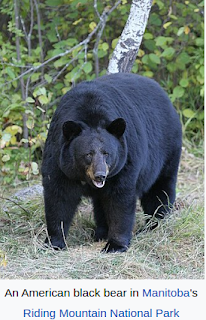
Credit Wikipedia 

#16,973

Adding to the list of `firsts' for HPAI H5N1 this summer (see today's First Known Infection of A Porpoise With Avian H5N1 and this report from June HPAI Detected In Arctic (Svalbard) For the First Time), Canadian Wildlife officials are reporting the first black bear known to be infected by HPAI H5N1.

And, as we've seen repeatedly over the past 2 years (see here, here, here, and here), this animal was also suffering from severe neurological manifestations.

Yesterday, Healthy Wildlife - the blog of the Canadian Wildlife Health Cooperative - published the following report.  I'll have a bit more after the break:

First case of highly pathogenic H5N1 avian influenza virus infection in a black bear

BY CAROLYN BLUSHKE · 2022-08-30


An adult female black bear exhibiting unusual behaviour was reported by visitors in June at Forillon National Park in the Gaspésie region, Quebec. This bear was exhibiting strange behaviour early in the day on June 14. It wandered between vehicles, went down to the water in a fishing harbour, began to swim around in circles, came out and hit a wall. Later that day, Parks Canada staff found the animal lying on its side in a ditch breathing shallowly and unresponsive to sound stimuli. Convulsions and spasms were also observed. Due to its condition, the animal was anesthetized by Parks Canada employees and then euthanized for humanitarian reasons. Various organs sampled by park employees were sent to the RCSF-Quebec for analysis.

Microscopic examination of the tissues revealed the presence of inflammatory lesions in the animal’s brain (meningoencephalitis). These lesions were characterized by a significant perivascular accumulation of lymphoplasmacytic cells. This same type of cell also infiltrated the meninges. Neuronal necrosis was also present. Molecular analyzes carried out by the MAPAQ laboratory revealed the presence of a highly pathogenic H5N1 avian influenza virus (H5N1 AIV) in the brain. This result was confirmed by the CFIA laboratory. 

The results of these examinations therefore indicate that the neurological signs observed in this bear were due to inflammation of the brain caused by an infection with the H5N1 AIV virus. This virus, which appeared in North America last winter, has so far been associated with significant mortalities in several species of wild birds. Three groups of birds have been particularly affected by this virus so far: waterfowl (geese and ducks), scavenger birds (gulls, vultures, corvids and bald eagles) and colonial seabirds (common eiders and gannets). 

Although much less common than infections in birds, fatal infections have also been reported in a few species of mammals, including red foxes, raccoons, striped skunks and harbour seals. The case described here is, to our knowledge, the first case of fatal infection by an H5N1 AIV in a bear. We can hypothesize that this animal became infected by consuming the carcasses of seabirds on the shores of the park. In fact, H5N1 AIV infections have been documented during the months of May and June in the region in several seabirds, including northern gannet, razorbill, surf scoter and common guillemot. This mode of infection (by ingestion) is the proposed mode of contamination for all mammalian species except seals.

The documentation of these cases of infection in mammalian species can help us better understand which genetic modifications can potentially promote infections in mammals, including humans.

Although the risk of transmission of this avian influenza virus to humans and domestic animals seems low, it is recommended not to approach, and especially not to touch a sick or dead animal. We will also prevent contact between our pets and dead wild birds or mammals. Additionally, although the risks are low, it is recommended that meat from game birds or mammalian species, which can potentially consume infected birds, be thoroughly cooked.
Recommendations related to hunting and avian flu can be consulted on the following web page: https://www.canada.ca/en/public-health/services/flu-influenza/fact-sheet-guidance-on-precautions-handling-wild-birds.html

Stéphane Lair – RCSF Quebec / CQSAS, Faculté de médecine vétérinaire, Université de Montréal


Unlike the epizootic of 2015 - which subsided once summer arrived - HPAI H5 has remained active in both North America and in Europe deep into the summer, and we can expect a new batch of migratory birds will arrive from their summer roosting spots over the next couple of months. 

Notably, the virus has broadened its avian host range (see DEFRA: The Unprecedented `Order Shift' In Wild Bird H5N1 Positives In Europe & The UK), as it has continued to expand geographically. 

Human infections, have thankfully been very few and mild. Nevertheless, just over 3 months ago the CDC Added Zoonotic Avian A/H5N1 Clade 2.3.4.4b To IRAT ListAlthough its threat to human health remains low, HPAI H5 appears to be slowly adapting to mammalian hosts, and so that happy state of affairs may not last forever.  

A recent study in Transboundary and Emerging Diseases, finds similar adaptations in an H5N8 virus in China.

H5N8 Subtype Avian Influenza Virus Isolated from Migratory Birds Emerging in Eastern China Possessed a High Pathogenicity in Mammals

Xinyu Miao,Mingcan Feng,Ouwen Zhu,Fan Yang,Yinyan Yin,Yuncong Yin,Sujuan Chen,Tao Qin,Daxin Peng,Xiufan Liu
First published: 21 August 2022

While there may be some - as yet, unidentified - species barrier that prevents avian H5 viruses from sparking a human pandemic (see Are Influenza Pandemic Viruses Members Of An Exclusive Club?), 20 years ago Coronaviruses regarded as mild `cold-like' viruses with no pandemic potential. 

Which is why we never like to say `never', when it comes to viruses. 

CDC HAN #00473: Variant Influenza Virus Infections: Recommendations for Identification, Treatment, and Prevention for Summer and Fall 2022


#16,972


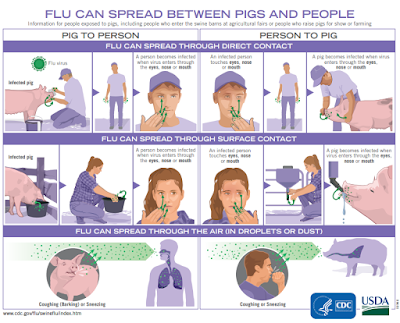
In late July, in Swine Variant Flu Season, we reviewed the recent history of recurrent swine variant flu infections - usually reported in the summer and fall and linked to county and state fairs - over the past dozen years.  

Ten days later, the West Virginia DHHR announced the first U.S. swine variant case of 2022, which has been followed by 4 more cases announced by the CDC (2 more in WV, 1 in Oregon, 1 in Ohio) during the month of August (see here, here, and here).  

Now that state and country fairs (and agricultural exhibits) are open again, the return of swine variant flu was almost inevitable. While it is rare to see swine variant viruses spread efficiently in humans, and most cases are mild or moderate, the CDC's IRAT (Influenza Risk Assessment Tool) lists 3 North American swine viruses as having at least some pandemic potential (2 added in 2019). 

H1N2 variant [A/California/62/2018]  Jul   2019   5.8  5.7 Moderate
H3N2 variant [A/Ohio/13/2017]          Jul   2019   6.6  5.8 Moderate
H3N2 variant [A/Indiana/08/2011]      Dec 2012   6.0  4.5 Moderate 

The CDC's Assessment of the Risk from these viruses reads:

CDC Assessment

Sporadic infections and even localized outbreaks among people with variant influenza viruses may occur. All influenza viruses have the capacity to change and it’s possible that variant viruses may change such that they infect people easily and spread easily from person-to-person. The Centers for Disease Control and Prevention (CDC) continues to monitor closely for variant influenza virus infections and will report cases of H3N2v and other variant influenza viruses weekly in FluView and on the case count tables on this website

Although these types of infections are sporadic, and rare, they likely happen more often than we know.  Most people don't see a doctor for mild or moderate flu, and even when they do, influenza sub-typing is rarely done. 

A study of an outbreak a dozen years ago (see CID Journal: Estimates Of Human Infection From H3N2v (Jul 2011-Apr 2012) suggested that perhaps only 1 out of 200 community cases were identified 

Results. We estimate that the median multiplier for children was 200 (90% range, 115–369) and for adults was 255 (90% range, 152–479) and that 2055 (90% range, 1187–3800) illnesses from H3N2v virus infections may have occurred from August 2011 to April 2012, suggesting that the new virus was more widespread than previously thought.

Since you have to actively look for cases if you hope to find them - and more infections are considered likely this fall - late yesterday the CDC released a new HAN advising clinicians to ask flu patients about recent swine contact, and to forward samples from suspected cases to state or local health departments for analysis. 

While this screening will focus primarily on those with direct contact with swine, that is the population where cases are likely to appear first.  A wider net could be cast should those cases begin to rise markedly.  

Variant Influenza Virus Infections: Recommendations for Identification, Treatment, and Prevention for Summer and Fall 2022

Distributed via the CDC Health Alert Network
August 30, 2022, 3:00 PM ET
CDCHAN-00473

Summary

The Centers for Disease Control and Prevention (CDC) is issuing this Health Alert Network (HAN) Health Advisory to provide updates on recent variant1 influenza virus infections and summarize CDC’s recommendations for identification, treatment, and prevention of variant influenza virus infection for the summer and fall of 2022.

Background

Five cases of human infection with influenza viruses that usually spread only in pigs, also known as variant influenza virus infections, were reported to CDC in August 2022. These cases include three infections with influenza A(H3N2) variant (A(H3N2)v) virus and two infections with influenza A(H1N2)v virus. These cases were identified in West Virginia (3), Oregon (1), and Ohio (1). Four of the five cases reported exposure to pigs or attendance at an agricultural fair prior to illness, and one reported no contact with pigs or attendance at an agricultural fair prior to illness. Clinical characteristics of these cases have been similar to those of seasonal influenza infections and have included fever, cough, pharyngitis, myalgia, and headache. No hospitalizations or deaths have occurred among these five cases, and all patients are recovering or have recovered from their illnesses. To date, no person-to-person spread associated with the five recent variant influenza virus infections has been identified.

Early identification and investigation of variant influenza virus infections are important to determine whether the virus is spreading efficiently among people. Rapid detection and characterization of novel influenza A viruses and efforts to reduce transmission to other people remain important components of national efforts to prevent the emergence of new viruses that could have pandemic potential. To accomplish this, testing for influenza viruses and monitoring for novel influenza A virus infections, including variant influenza virus infection, should continue year-round. Individuals, especially those at increased risk of influenza complications, can take public health measures to limit their risk of infection (e.g., limiting exposure to infected animals). Clinicians are encouraged to consider variant influenza virus infection as a possible diagnosis when evaluating patients with acute respiratory illnesses and exposure to pigs or agricultural fairs prior to illness.

Since 2005, 504 variant influenza virus infections (of different influenza A virus subtypes) have been identified in the United States; most of these infections have been associated with exposure to pigs or attendance at an agricultural fair prior to illness onset. Agricultural fairs occur across the United States each year, primarily during the summer and early fall. Many fairs have swine barns, where pigs from different geographic locations come in close contact with each other and with people. These venues may allow influenza viruses to spread among pigs and between pigs and people. Infected pigs may spread influenza viruses even if they are not symptomatic (e.g., coughing or sneezing).

CDC anticipates that state health departments may identify more cases of infection with variant influenza viruses in 2022 as the agricultural fair season continues. Testing for variant influenza viruses should focus primarily on persons with exposures known to be associated with variant influenza virus infection (e.g., agricultural fair attendance or workers in the swine industry). Novel influenza A virus infections, which include those caused by variant influenza viruses, are notifiable conditions in the United States, and all confirmed cases should be reported to CDC within 24 hours.

Recommendations for Clinicians
  • Outside of the traditional influenza season, ask patients with suspected influenza if they have any recent exposure to swine.
  • Clinicians who suspect influenza in persons with recent exposure to swine should:
    • Obtain a nasopharyngeal swab or aspirate from the patient,
    • Place the swab or aspirate in a viral transport medium, and
    • Contact their state or local health department to arrange transport and request a timely diagnosis at a state public health laboratory.
  • Recommend antiviral treatment in patients with suspected or confirmed variant influenza virus infection who are hospitalized, have severe illness, or are in a group considered at increased risk for complications from influenza2. Antiviral treatment can also be considered for those not at increased risk based on clinical judgement and if treatment can be initiated within 48 hours of illness onset.

Recommendations for Public Health Departments and Laboratorians
  • Enhance surveillance for respiratory illness during agricultural fair season to facilitate timely detection and investigation of variant influenza virus cases.
  • Enhance surveillance for respiratory illness during agricultural fair season to facilitate timely detection and investigation of variant influenza virus cases.
  • Respiratory specimens from persons suspected to have variant influenza A virus infection should be collected and sent for subtype-specific real-time polymerase chain reaction (RT-PCR) testing at a state public health laboratory. While commercially available rapid influenza diagnostic tests (RIDTs) and molecular assays for influenza can reliably detect variant influenza A viruses, they cannot differentiate variant influenza A viruses from human influenza A viruses.
  • Public health laboratories should immediately send influenza A virus specimens that cannot be subtyped or are presumptive variant influenza positive (using methods as outlined in the assay’s Instructions for Use) to CDC and submit all specimens that are otherwise unusual as soon as possible after identification. Please email flusupport@cdc.gov to alert CDC that you have a specimen to submit.

Recommendations for the Public
  • Persons who are at higher risk for influenza complications2 should avoid exposure to pigs and swine barns at fairs this year. If you cannot avoid exposure to pigs, you should wear a well-fitting mask that covers the nose and mouth and should perform hand hygiene frequently.
    • All persons should take precautions when engaging in activities that may involve swine contact. Precautions include hand hygiene before and after exposure to animals, avoiding eating or drinking in animal areas, and avoiding close contact with animals that look or act ill.
  • Patients with influenza-like illness who are at higher risk for influenza complications2 should see their healthcare provider as soon as possible after symptom onset to determine if treatment with antiviral medications is warranted.
    • Patients who experience influenza-like symptoms following direct or close contact with pigs and who seek medical care should inform their health care provider about the exposure.

For More Information


1Influenza viruses that circulate in swine are called swine influenza viruses when isolated from swine but are called variant viruses when isolated from humans.

2This includes persons with certain underlying chronic medical conditions such as asthma, diabetes, heart disease, or neurological conditions, pregnant people, and persons 5 years and younger and 65 years and older, or who have weakened immune systems.

Sweden: First Known Infection of A Porpoise With Avian H5N1


Photo Credit: Rodrigo Ferrada Stoehrel/SVA.

#16,971

While marine mammals are known to be susceptible to avian influenza viruses (mostly seals, and very rarely whales), before today we'd never seen a confirmed report of bird flu in a porpoise. 

But this has been a summer of H5N1 `firsts' (see HPAI Detected In Arctic (Svalbard) For the First Time).

The following (translated) report comes from Sweden's Statens Veterinärmedicinska Anstalt (National Veterinary Institute). I'll have a bit more after the break.

First case of bird flu confirmed in porpoises
Last updated: 2022-08-31

The Norwegian Veterinary Institute (SVA) has confirmed the first finding of avian influenza virus in a porpoise. The analysis shows that the porpoise died as a result of the same virus that was behind this summer's extensive bird flu outbreak among wild birds.

The young male porpoise stranded alive in Kämpersvik, in Tanum municipality, Västra Götaland 28 June 2022. Despite repeated attempts by private individuals to get it to swim out to deeper water again, it was too exhausted, got tangled in seaweed and died later in the evening. The porpoise was transported to SVA for an autopsy. The analysis now shows that bird flu virus was found in several organs and that the virus had caused brain and meningitis. The findings confirm that the bird flu virus was the cause of death.
- As far as we know, this is the first confirmed case in the world of bird flu in a porpoise. Unlike seals, where disease outbreaks caused by influenza viruses have been repeatedly demonstrated, there are only isolated reports of influenza viruses in cetaceans. It is likely that the porpoise somehow came into contact with infected birds, says Elina Thorsson, game veterinarian at SVA.
The same virus that is behind the big outbreak

The virus, H5N1, is the same virus that was also behind the extensive bird flu outbreak that is still ongoing among wild birds in Sweden, other parts of Europe and in North America. How the porpoise from Kämpersvik was infected is still unknown, but it was found at the same time as bird flu was causing high mortality among seabirds, especially gannets, on the west coast.
- It is an unusual find, and interesting because we get the opportunity to learn more about the virus. At the same time, this is about an individual case, and we have not seen any increased mortality among porpoises. We know that there is a risk that marine mammals can become infected, and have therefore included sampling for influenza in our surveillance program, says Elina Thorsson.
Monitoring of marine mammals

SVA examines stranded porpoises, other cetaceans and seals, in collaboration with the National Museum of Natural History. The aim is to find out how the animals are doing and what diseases and other threats they suffer from. In the long run, changes within populations, species and ecosystems can be detected. The work is carried out with support from Swedish environmental monitoring on behalf of the Swedish Maritime and Water Authority. Porpoises belong to the state's game and must be reported to the police if they are found dead.

Low risk of infection to humans

The risk of humans being infected with the variant of bird flu that is now circulating among wild birds is considered to be small.

Occasional cases of infection in other mammals

During the ongoing bird flu outbreak in Europe and North America, in addition to large numbers of dead wild birds, a smaller number of mammals have also been infected and died. The route of infection is suspected to be through close contact with infected birds. Single cases have been detected in red foxes, otters, lynxes and skunks. An increased mortality in both harbor seals and gray seals has been seen in connection with the outbreak in North America, but in Sweden there have been no increased reports of dead seals during the summer.

Once again, we learn of a mammalian infection resulting in the systemic spread of the virus, and severe (often fatal) neurological manifestations.  While clade 2.3.4.4b H5N1 infections have been very mild in the few human cases detected so far, it has exacted a much greater toll among terrestrial and marine mammals in the wild. 
Norwegian Veterinary Institute Reports Avian H5N1 Spillover Into Red Foxes

Two States (Michigan & Minnesota) Report HPAI Infection In Wild Foxes

Ontario: CWHC Reports HPAI H5 Infection With Severe Neurological Signs In Wild Foxes (Vulpes vulpes)

Netherlands DWHC Reports another Mammal (Polecat) Infected With H5N1

CDC EID Journal: Encephalitis and Death in Wild Mammals at An Animal Rehab Center From HPAI H5N8 - UK)
Just over a month ago, in PrePrint: HPAI H5N1 Infections in Wild Red Foxes Show Neurotropism and Adaptive Virus Mutations, we saw evidence from the Netherlands that Europe's avian H5N1 virus was adapting to its new-found mammalian hosts by acquiring the PB2-627K mutation.

PB2-627K can enable the virus to replicate more efficiently at the lower temperatures (33°C) commonly found in the respiratory tract of mammals, rather than the higher temperatures found in avian gastrointestinal tracts. 

Admittedly, H5N1 has loomed large several times before, only to recede. But clade 2.3.4.4b continues to evolve, and has become more widespread - and better adapted to year-round persistence - than past incarnations  (see Study: Global Dissemination of Avian H5N1 Clade 2.3.4.4b Viruses and Biologic Analysis Of Chinese Variants).

This recent, rapid spread of HPAI H5 has a lot of scientists genuinely worried (see Nature Why unprecedented bird flu outbreaks sweeping the world are concerning scientists).  

Where HPAI H5Nx goes from here is unknowable, but when a virus continually defies expectations, we ignore it at our own peril. 

Tuesday, August 30, 2022

EID Journal: Novel Zoonotic Avian Influenza Virus A(H3N8) Virus in Chicken, Hong Kong, China


First two H3N8 cases in Humans April-May 2022,
Henan Province roughly 400 miles apart

#16,970

In late April we saw the first confirmed human infection by avian H3N8 reported by Chinese officials in Henan Province (see China: NHC Confirms Human Avian H3N8 Infection In Henan Province). The patient - described as a 4 year-old boy from Zhumadian City - fell ill in early April - and at the time was reported to be in critical condition with respiratory failure.

A month later (May 26th), a second case was announced - also in Henan Province - which was eventually  confirmed by Hong Kong's CHP (see Hong Kong CHP Finally Notified Of 2nd H3N8 case).

Although any spillover of a novel influenza virus into humans is worthy of our attention, H3N8 is of particular concern because: 

As you can see, while it doesn't get as much attention as HPAI H5 or H7 - primarily because of their high mortality potential in humans H3N8 has been solidly on our radar for quite some time.  

All of which brings us to a new report, published today in the EID Journal, that describes the recent detection of a reassorted, and presumably zoonotic, avian H3N8 virus in Hong Kong's chickens.  

Not only is this virus closely related to the Hunan strains mentioned earlier, it also carries some worrisome genetic signatures (e.g. an H9N2 backbone) that we've seen with other zoonotic avian flu viruses (H5N1, H5N6, H7N9, H10N8).

Due to its length, I've only posted some excerpts, so you'll want to follow the link to see the full report.  I'll have a postscript when you return. 

Thomas H.C. Sit, Wanying Sun, Anne C.N. Tse, Christopher J. Brackman, Samuel M.S. Cheng, Amy W. Yan Tang, Jonathon T.L Cheung, Malik Peiris1 , and Leo L.M. Poon1

Abstract

Zoonotic and pandemic influenza continue to pose threats to global public health. Pandemics arise when novel influenza A viruses, derived in whole or in part from animal or avian influenza viruses, adapt to transmit efficiently in a human population that has little population immunity to contain its onward transmission. Viruses of previous pandemic concern, such as influenza A(H7N9), arose from influenza A(H9N2) viruses established in domestic poultry acquiring a hemagglutinin and neuraminidase from influenza A viruses of aquatic waterfowl.

 We report a novel influenza A(H3N8) virus in chicken that has emerged in a similar manner and that has been recently reported to cause zoonotic disease. Although they are H3 subtype, these avian viruses are antigenically distant from contemporary human influenza A(H3N2) viruses, and there is little cross-reactive immunity in the human population. It is essential to heighten surveillance for these avian A(H3N8) viruses in poultry and in humans.

Diverse influenza A viruses are found in aquatic waterfowl, poultry, swine, horses, aquatic mammals, bats, and domestic pets such as cats and dogs. Although there is a diversity of virus hemagglutinin (H1–H16) and neuraminidase (N1–N9) subtypes in aquatic birds, more restricted numbers of virus subtypes are established in other species, including chicken (1). The high mutation rates associated with an error-prone virus replication complex and the presence of a segmented genome enables genetic reassortment of gene segments of viruses of different species and interspecies transmission and adaptation to new hosts.

Influenza A virus subtypes H9 and H6 have formed established lineages in domestic chicken and game birds (quail, pheasant) farmed for consumption in Asia (2). The internal gene constellation of H9N2 viruses contains hemagglutinin (HA) and neuraminidase (NA) genes acquired from aquatic waterfowl to generate H5N1, H5N6, H7N9, and H10N8 viruses through genetic reassortment, and many of these viruses also became established in poultry, subsequently posing zoonotic and pandemic threats (35). A novel influenza A(H3N8) virus has been recently reported to cause zoonotic infection in Henan Province, China (6).

In this context, we report detection of novel H3N8 viruses recently identified in chicken in live poultry markets and chicken farms in Hong Kong, China, that are genetically similar to the zoonotic H3N8 viruses reported in mainland China (6). We also report that these recent H3N8 viruses have arisen in a manner akin to zoonotic H5N1, H7N9, and H10N8 viruses and that there is little cross-reactive immunity in the human population to these chicken H3N8 viruses.

(SNIP)

Discussion

We report detection of chicken influenza A(H3N8) viruses from live poultry markets and farms in Hong Kong. These viruses were genetically similar to each other and to a recently reported zoonotic H3N8 virus in mainland China (6). The viruses were novel reassortants that have virus internal gene segments derived from H9N2 lineage genotype 57 viruses (A/chicken/Zhejiang/HJ/2007-like) established in poultry in mainland China, but the H3 and N8 gene segments were derived from wild aquatic bird influenza A viruses. The H9N2 virus internal gene cassette was previously reported to facilitate the emergence of reassortant influenza A viruses of zoonotic potential (26). These chicken H3N8 viruses in Hong Kong were distinct from H3N8 viruses reported from poultry in mainland China (25), but a A/chicken/China/Guangdong_01/2022 (H3N8) virus genetically similar to these viruses in all 8 gene segments is reported in public databases (Appendix Table). These H3N8 viruses were also distinct from H3N8 viruses reported in horses, dogs and cats (2729).

These novel H3N8 viruses appear to have arisen in a manner analogous to the emergence of previous zoonotic H7N9 and H10N8 viruses, in which the H9N2 viruses enzootic in chicken and other game birds in China acquired HA and NA gene segments from wild, aquatic bird viruses. Wild aquatic birds share ecosystems with domestic ducks, and it is inevitable that influenza viruses will also be shared in such ecosystems. Subsequent trade systems in which domestic ducks and chickens (and other game birds) are mixed in close proximity within wholesale and retail poultry markets provide the opportunity for H9N2 viruses in chicken to acquire HA and NA gene segments from domestic ducks, as has been postulated in the emergence of H7N9 and H10N8 viruses (4).

Pandemics emerge when influenza viruses of birds, swine, or other mammals adapt to transmission between humans and when the human population lacks immunity to the hemagglutinin of the newly emerged virus. Cross-reactive immunity in humans is 1 parameter that is considered when risk assessing the pandemic threat from a newly emerged animal influenza virus (30).

Our data suggest that there is little antigenic cross-reactivity between contemporary seasonal H3N2 viruses and the H3N8 virus. The overall HI test seroprevalence at a titer >1:40 to H3N8 in age-stratified serum samples collected from blood donors in Hong Kong was 3.2%, and the estimated proportion of the population immune (weighted for age structure) was 2.9% (95% CI 1.2%–5.8%). We estimated that if this H3N8 virus acquired transmissibility between humans and acquired an R0 >1.033, cross-reactive population immunity would fail to impede its onward transmission in the human population. For comparison, similar estimation of the minimal R0 required for the 2009 pandemic H1N1 virus to spread in face of population immunity before its emergence and spread in 2009 was 1.231 (95% CI 1.185–1.292), a markedly higher threshold to cross (22).

In conclusion, we report the emergence of a novel influenza A(H3N8) virus in chickens in Hong Kong. This virus might have major zoonotic and pandemic potential. Our results indicate the need to enhance surveillance for this virus in poultry, carry out comprehensive risk assessment of such a virus, and prepare pandemic seed vaccine strains if justified by such risk assessment.

Dr. Sit is the chief veterinary officer and assistant director of the Agriculture, Fisheries, and Conservation Department of the Government of the Hong Kong Special Administrative Region, Hong Kong, China. His primary research interest is veterinary public health.

         (Continue . . . )


A little over a month ago, in Preprint: Human infection With a Novel Reassortment Avian Influenza A H3N8 Virus: An Epidemiological Investigation Study, we looked at some of the findings of China's investigation into the first human H3N8 infection.

Of particular note,  the family dog and cat both tested positive for H3N8, and a full-length HA sequencing revealed the HA to be identical to the boy's. 

It isn't possible to ascertain who infected who. The child could have contracted the virus from an avian exposure, and passed it on to these companion animals.  Or, or one of these animals could have contracted it, and passed it on to the child. 

But it does speak to both the transmissibility, and host range, of this novel virus.  The report also discussed its genetic sequences, which they described as:

Both HA and NA genes of the virus were of avian origin, with the HA gene most closely related to H3N2 and H3N8 viruses detected in ducks in Guangdong Province, and NA gene most closely related to wild bird H3N8 influenza viruses detected in the USA and Japan.

The six internal genes were acquired from Eurasian lineage H9N2 viruses. Molecular substitutions analysis revealed the haemagglutin retained avian-like receptor binding specificity but PB2 genes possessed sequence changes (E627K) associated with increased virulence and transmissibility in mammalian animal models.

Influenza A's superpower is its ability to simultaneously infect an animal (avian, swine, human, canine, etc.) host with two or more subtypes, and by swapping genetic material, create a new hybrid virus (reassortant). 


The vast majority of these reassortments turn out to be evolutionary failures, unable to compete with their parental viruses, and are doomed to die out quickly.  Only a very few have the `right stuff' to replicate and spread efficiently.  

While the future course and impact of H3N8 is unknowable, the fact that similar reassortants have been found in both Hunan Province - and in Hong Kong, roughly 1000 km away - suggests this novel virus has beaten the odds, and has developed some degree of biological fitness. 

Which means we need to pay very close attention.  Stay tuned. 

Monday, August 29, 2022

ECDC: Long-term Qualitative Scenarios for the COVID-19 Pandemic in the EU/EEA


#16,969

While the world yearns for an end to our persistent COVID pandemic, history tells us that pandemics don't end abruptly on a given date, but often linger on with intermittent waves and elevated excess mortality for years.

Last month, in Our COVID Pandemic: How Long Can It Last?. we looked at the years following the 1918 and 1957 influenza pandemics, which featured significant recurrences long after the pandemic was declared `over'

 1957 H2N2 pandemic & post-pandemic waves -  NEJM 2009 

Although the popular narrative - promoted by pundits and politicians - is that COVID will eventually weaken (or our immunity will increase) so that it becomes an endemic `seasonal flu-like' threat, that is far from the only possible scenario.  

In fact, it is just one of five contemplated in a new ECDC guidance document that takes the `long view' on how this pandemic may play out over the next 10 years. 


The full document runs 12 pages, but I've reproduced the executive summary below.  Follow the link to read it in its entirety.   I'll have a brief postscript after you return.
Long-term qualitative scenarios and considerations of their implications for preparedness and response to the COVID-19 pandemic in the EU/EEA
Guidance
29 Aug 2022
 

There are a wide range of potential trajectories for the progression of the COVID-19 pandemic in the coming months and years. This document sets out a number of scenarios that are intended to be plausible, internally consistent, and coherent descriptions of possible futures.
Executive summary

The scenarios consider the epidemiological context that can generally anticipated in the EU/EEA from the summer of 2022 onwards. The timeframe for the scenarios is from 2022 to 2032. In publishing this document, ECDC does not ascribe a probability, nor suggest a higher likelihood of occurrence, for any of the scenarios described, which are not quantitative forecasts. The scenarios are based on the key variables of growth rate, disease severity and immune protection from severe outcomes.

The qualitative scenarios are not mutually exclusive; over the course of the next decade it is entirely likely that there could be a transition from one scenario to another, due to changes in the virus, the level of immunity in the population or variations in societal response. The coming years will require extreme vigilance should new, more severe or more transmissible variants of SARS-CoV-2 emerge.

The scenarios and the associated public health response priorities outlined in this document provide a potential framework for defining overall strategic objectives and actions for managing COVID-19 according to a range of possible trajectories in the future.

Such strategic objectives need to be agreed upon so that operational discussions on the implications for a wide range of public health activities can take place according to a common understanding.

The public health activities outlined in this document that need to be considered in preparing for potential future scenarios include, but are but not limited to, surveillance, risk communication, pandemic preparedness, early warning, vaccination, medical countermeasures, NPI measures and IPC measures.

Long-term qualitative scenarios and considerations of their implications for preparedness and response to the COVID-19 pandemic in the EU/EEA - EN - [PDF-523.1 KB] 


While I certainly hope that scenario one - A Diminished Threat - is the one that lies ahead, we can't count on it.  Nor can we assume that even if COVID retreats that we won't immediately be blindsided by another, potentially worse, global health emergency. 

Given the likelihood that severe pandemics and regional epidemics will increase in the years ahead (see PNAS Research: Intensity and Frequency of Extreme Novel Epidemics), it is well past time to make pandemic preparedness (and prevention) a national priority.

Not that I expect it to happen, of course.  We are notoriously bad at taking the `long view'.  

But an old man can still wish. 

Last Call For Free At-Home COVID Test Kits From U.S. Govt.


Credit FDA

#16,968

Last January the U.S. government announced that all American households were eligible to order 4 free at-home COVID test kits. A 2nd round of 4 test kits was offered in March, followed by a 3rd round of (8) test kits in May.  

While tens of millions of families have taken advantage of this program, some undoubtedly have not, or haven't ordered the maximum number of free test kits available to them.  

According to a notice posted on the Government Website (see below), the window for ordering free tests will end this Friday (Sept 2nd.). 

(screen shot 8/29/22) 

While it is possible this offer will be revived in the future, if you still qualify for additional kits, you've got only a few days to place an order.  

You should be aware that the printed expiration dates on these, and previously shipped test kits are likely no longer valid. The FDA began authorizing extensions earlier this summer, with some kits now having as much as a 12-15 months `life'. 

These extensions vary by manufacturer, and not every home test kit has been granted an extension.  You'll need to go to the FDA website and check your kit(s), against their list.  

The FDA explains:

To see if the expiration date for your at-home OTC COVID-19 test has been extended, first find the row in the below table that matches the manufacturer and test name shown on the box label of your test.
  • If the Expiration Date column says that the shelf-life is "extended," there is a link to "updated expiration dates" where you can find a list of the original expiration dates and the new expiration dates. Find the original expiration date on the box label of your test and then look for the new expiration date in the "updated expiration dates" table for your test.
  • If the Expiration Date column does not say the shelf-life is extended, that means the expiration date on the box label of your test is still correct. The table will say "See box label" instead of having a link to updated expiration dates.
The FDA will update this table as additional shelf-life extensions are authorized.
For those who are not eligible for more kits, the government recommends


Sunday, August 28, 2022

The Tropical Atlantic Begins to Stir


https://www.nhc.noaa.gov/gtwo.php?basin=atlc&fdays=5


#16,967

Not that I'm complaining, since I live in the heart of hurricane country, but the tropical Atlantic has been unusually quiet since early July, with storm development hampered by an abundance of dry Saharan air and unfavorable winds.  

In fact, its been the quietest start to hurricane season in 30 years. 

Conditions were so unfavorable a month ago that I skipped my usual August Tropical Climatology blog this year, and they are only now starting to change (see NOAA 5 day outlook above).  

Right now, only one area (central tropical Atlantic) appears ripe for development, but the area in the western Caribbean bears watching. 

Normally, by Sept 1st, we'd already have seen our 2nd hurricane, and our 5th named storm (see chart below), but this year we've only seen 3 tropical storms (Alex, Bonnie & Colin).

September is historically the most active month for hurricanes (see chart below), with activity remaining elevated for most of October. So we aren't out of the woods yet.  And it is worth remembering that in 1992, we didn't see our first named storm until mid-August, but it was one to remember; CAT 5 Hurricane Andrew which slammed into South Florida on August 24th. 

 image

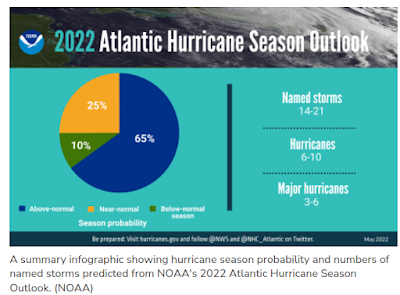
While it remains to be seen if this year's hurricane season will come close to the early season predictions (see below), last year there were 12 named storms active during the month of September.  And as Andrew proved in 1992, it only takes one to make a huge impact. 

While I've enjoyed the unexpected two-month respite, the tropics have my attention again, and if you live anywhere in the shaded areas in the map below, it should have yours as well. 


If you live in hurricane country, now is a good time to visit NOAA's National Hurricane Preparedness web page, and decide what you need to do now to keep you, your family, and your property safe during the coming tropical season.

While this blog, and many other internet sources (I follow Mark Sudduth's Hurricane Track, and Mike's Weather page), will cover this year's hurricane season. your primary source of forecast information should always be the National Hurricane Center in Miami, Florida.

These are the real experts, and the only ones you should rely on to track and forecast the storm.

If you are on Twitter, you should also follow @FEMA, @NHC_Atlantic, @NHC_Pacific and @ReadyGov and of course take direction from your local Emergency Management Office.

Saturday, August 27, 2022

Three BA.2.75 Preprints To Ponder


#16,966

With BA.5 accounting for nearly 89% of COVID cases in the United States, and BA.4.x responsible for just over 11% (estimates from CDC's Nowcast),concerns over the BA.2.75 variant - which is gaining ground in India - may seem either misplaced or premature. 

But the short history of Omicron tells us that the dominant variant changes often, with the reign of previous variants (BA.1, BA.1.1, BA.2, BA.2.12.1) often ending after only 2 to 3 months.  BA.5 may outlast its predecessors, but it will likely be supplanted by a new variant in the months ahead. 

Right now, the jury is still out as to what variant will rise next to dominance, but many observers are watching the BA.2.75 variant with considerable interest.  With that in mind, a handful of preprints on the relative fitness of this emerging variant for your consideration this morning.

The first is an animal study out of Japan, that finds (in Syrian hamsters, at least) that BA.2.75 has a greater affinity for the lungs than either BA.5 or BA.2.  This, according to the authors, suggests that BA.2.75 could have a greater impact than the last couple of Omicron variants.

The abstract, and a snippet from the Discussion section of the PDF follow, but you'll want to read the preprint in its entirety. 

Characterization of SARS-CoV-2 Omicron BA.2.75 clinical isolates
Ryuta Uraki, Shun Iida, Peter J. Halfmann, Seiya Yamayoshi, Yuichiro Hirata, Kiyoko Iwatsuki-Horimoto, Maki Kiso, Mutsumi Ito, Yuri Furusawa, Hiroshi Ueki, Yuko Sakai-Tagawa, Makoto Kuroda, Tadashi Maemura, Taksoo Kim, Sohtaro Mine, Noriko Kinoshita-Iwamoto, Rong Li, Yanan Liu, Deanna Larson, Shuetsu Fukushi, Shinji Watanabe, Ken Maeda, Zhongde Wang, Norio Ohmagari, James Theiler, Will Fischer, Bette Korber, Masaki Imai, Tadaki Suzuki, Yoshihiro Kawaoka

doi: https://doi.org/10.1101/2022.08.26.505450

This article is a preprint and has not been certified by peer review [what does this mean?].

000000154

Preview PDF

Abstract

The prevalence of the Omicron subvariant BA.2.75 is rapidly increasing in India and Nepal. In addition, BA.2.75 has been detected in at least 34 other countries and is spreading globally. However, the virological features of BA.2.75 are largely unknown.
Here, we evaluated the replicative ability and pathogenicity of BA.2.75 clinical isolates in Syrian hamsters. 

Although we found no substantial differences in weight change among hamsters infected with BA.2, BA.5, or BA.2.75, the replicative ability of BA.2.75 in the lungs was higher than that of BA.2 and BA.5

Of note, BA.2.75 caused focal viral pneumonia in hamsters, characterized by patchy inflammation interspersed in alveolar regions, which was not observed in BA.5-infected hamsters. Moreover, in competition assays, BA.2.75 replicated better than BA.5 in the lungs of hamsters. These results suggest that BA.2.75 can cause more severe respiratory disease than BA.5 and BA.2 and should be closely monitored.

          (Continue . . . )


          (Excerpt)

We note two key limitations in this study:

(1) although hamsters are one of the most  widely used animals that are known to be susceptible to SARS-CoV-2, including mice and non-human primates (Chan et al., 2020; Imai et al., 2020; Sia et al., 2020), it is unclear whether the BA.2.75 variant causes more clinically severe respiratory disease than other Omicron variants in humans; and

(2) our study was performed in immunologically naïve animals; however, many people have already acquired immunity to SARS-CoV-2 through natural infection and/or vaccination.

Therefore, it remains unclear whether our data reflect the clinical outcome in patients with immunity against SARS-CoV-2. Clinical studies are needed to corroborate our findings in the hamster model.

In summary, the prevalence of BA.2.75 has increased throughout India, and has been  increasing faster in regions where BA.5 and BA.2.75 are co-circulating, suggesting the potential  for BA.2.75 to become the next globally dominant variant.

Our data show that, compared to  BA.5 and BA.2, BA.2.75 can replicate efficiently in the lungs of hamsters and cause more severe respiratory disease. This higher replicative ability of BA.2.75 in the lower respiratory  tract may affect the clinical outcome in infected humans. Accordingly, the spread of this new  variant should be monitored closely.  


Our next stop is also from Japan, is an analysis of the increasing evolutionary distance of the S gene of BA.4/5 and BA.2.75 from the original Wuhan strain - and their docking affinity with ACE2 - in an attempt to predict their relative infectivity.  

SARS-CoV-2 Omicron BA.2.75 variant may be much more infective than preexisting variants

Aki Sugano, Yutaka Takaoka, Haruyuki Kataguchi, Minoru Kumaoka, Mika Ohta, Shigemi Kimura, Masatake Araki, Yoshitomo Morinaga, Yoshihiro Yamamoto
doi: https://doi.org/10.1101/2022.08.25.505217

ABSTRACT 

Objectives: In our previous research, we have reported mathematical model with molecular simulation analysis to predict the infectivity of seven SARS-CoV-2 variants. In this report, we aimed to predict the relative risk of the recent new variants of SARS-CoV-2 based on our previous research. 

Methods: We subjected Omicron BA.4/5 or BA.2.75 variant of SARS-CoV-2 to the analysis for the evolutionary distance of the spike protein gene (S gene) to appreciate the changes of the spike protein. We performed the molecular docking simulation analyses of the spike protein with human angiotensin-converting enzyme 2 (ACE2) to understand the docking affinity in these variants. We then compared the evolutionary distance and the docking affinity of these variants with that of the seven variants which were analyzed in our previous research. 

Results: The evolutionary distance of the S gene in BA.4/5 or BA.2.75 from the Wuhan variant were longer than the other variants. The highest docking affinity of the spike protein with ACE2 (ratio per Wuhan variant) was observed in BA.2.75. 

Conclusion: It is important to note that BA.2.75 has both the highest docking affinity and the longest evolutionary distance of the S gene. These results suggest that the infection of BA.2.75 can be spread further than preexisting variants.

          (Continue . . . )


While both of these preprints paint BA.2.75 as a potentially formidable foe, it is worth noting that we've been led astray by animal models before, and mathematical models don't always pan out in the real world. 

Time will tell. 

To end on a slightly less somber note we have a preprint from Sweden that suggests that BA.2.75 remains largely susceptible to bebtelovimab monoclonal antibody treatments, and is moderately susceptibility to tixagevimab and cilgavimab.


Evasion of neutralizing antibodies by Omicron sublineage BA.2.75
Daniel J. Sheward, Changil Kim, Julian Fischbach, Sandra Muschiol, Roy A. Ehling, Niklas K. Björkström, Gunilla B. Karlsson Hedestam, Sai T. Reddy, Jan Albert, Thomas P. Peacock, Ben Murrell
doi: https://doi.org/10.1101/2022.07.19.500716
  

Abstract

An emerging SARS-CoV-2 Omicron sublineage, BA.2.75, is increasing in frequency in India and has been detected in at least 15 countries as of 19 July 2022. Relative to BA.2, BA.2.75 carries nine additional mutations in spike. Here we report the sensitivity of the BA.2.75 spike to neutralization by a panel of clinically-relevant and pre-clinical monoclonal antibodies, as well as by serum from blood donated in Stockholm, Sweden, before and after the BA.1/BA.2 infection wave.

BA.2.75 largely maintains sensitivity to bebtelovimab, despite a slight reduction in potency, and exhibits moderate susceptibility to tixagevimab and cilgavimab. For sera sampled both before and after the BA.1/BA.2 infection wave, BA.2.75 does not show significantly greater antibody evasion than the currently-dominating BA.5.

          (Continue . . . )


SARS-CoV-2 remains notoriously unpredictable, and trying to guess where we will be with this pandemic 3 or 6 months from now is a fools game.  BA.2.75 may never ascend to dominance, but if it does, these early preprints can provide us with some insight as to what to expect.