Showing posts with label Biosecurity. Show all posts

Tuesday, May 19, 2015

OIE Statement On Avian Influenza: A Call For Stronger Biosecurity

image


# 10,066


In 2005 and 2006 we saw a huge expansion in the geographic range of the HPAI H5N1 virus – with the number of countries reporting outbreaks (or detections in wild birds) blooming to more than 60 worldwide.  For reasons not well understood, that expansion halted – and receded – in 2008 and the years that followed.


By 2010, only 18 countries reported H5N1

In 2011, that dropped to 16 countries

In 2012 it dropped again to only 15 countries

And by 2013 only 13 countries reported the virus


It seemed as if HPAI H5 was on the decline, and while a new H7N9 virus emerged in China in the spring of 2013, it wasn’t showing any imminent signs of spreading beyond the eastern provinces.


But then a new H5N8 virus emerged in China and Korea in early 2014, followed quickly by an H5N6 virus in China, Laos,and Vietnam.  The H5N8 virus began spreading via migratory birds – much as H5N1 did in the middle of the last decade – and we were suddenly seeing new reassortants appear (H5N2, H5N3, H5N1).


By the end of 2014, the number of countries reporting one or more types of HPAI H5 had jumped back up to 20, and in the first 5 months of 2015, at least 28 nations have reported HPAI H5.  


Although the introduction of a new, highly mobile H5N8 virus is no doubt a big reason behind this sudden spurt in avian flu, the venerable H5N1 virus is suddenly showing new vigor as well, turning up in a number of countries (i.e. Bulgaria, Nigeria, Niger, Bukino Faso, Hungary, etc.) that haven’t seen it in seven or eight years.


All of which leads us to a statement – released today by the OIE – recognizing this recent surge in the avian flu threat, and calling for stronger farm biosecurity measures worldwide.


The OIE recommends stronger farm biosecurity measures to curb the spread of avian influenza worldwide

Since early 2014, outbreaks of avian influenza (“bird flu”) involving different strains of the virus have been reported in more than 35 countries around the globe. Tens of millions of poultry have died as a result of these outbreaks, either naturally or due to the application of  stamping out measures. While it is not unusual for the avian influenza virus to circulate, particularly among wild birds, the recent upsurge in outbreaks worldwide reaffirms the need for better implementation of the intergovernmental standards adopted by the OIE’s 180 member countries on avian influenza surveillance, early detection, rapid response to outbreaks and prevention and control, especially farm biosecurity and, where appropriate, poultry vaccination.

Paris, 19 May 2015 – The global epizootic (epidemic outbreak in animals) of avian influenza subtype H5N1 that emerged in early 2004 resulted in the death of tens of millions of poultry. Several hundred human cases* were also detected, more than half of which proved fatal. Back then, this essentially animal epidemic was widely publicised for fear of the strain mutating into a form easily transmissible from person to person, which might have led to a global spread of the disease in humans.

Fortunately, the virus strain remained stable and the dreaded pandemic was averted. Based on this experience and the adoption of dedicated intergovernmental standards by the delegates of OIE member countries, many national animal health services have learned to manage outbreaks of avian influenza and contain them rapidly.


However, the apparent lull in the few years between then and 2014 should not make us lose sight of other recent episodes.


The H7N9 strain that emerged in China in early 2013 possessed surprising new characteristics. It was the very first time that a “low pathogenic” strain (i.e. one causing low mortality in poultry) proved capable of infecting humans, causing more than one hundred cases in just a few months. After live poultry markets were pinpointed as sites for virus multiplication and amplification, facilitating its transmission to humans, the interim measure of closing such markets led to a rapid improvement in the situation, but without resolving the problem altogether.


The following year, a new “highly pathogenic” strain of the avian influenza virus – H5N8 – was discovered in Korea and China, reaching Japan soon afterwards. From there the strain probably spread with migratory wild birds to India, Europe, Canada and later the United States of America. At present, the United States are also facing an epidemic of avian influenza H5N2, which has killed more than 30 million poultry countrywide in the space of a few months. No human cases associated with the H5N8 or H5N2 strain have so far been reported.


A large number of H5N1 outbreaks have also been confirmed in many West African countries in recent months. H5N1 continues to be endemic in Egypt, while new cases have occurred in Israel and Palestine.

To prevent the disease from spreading, it is vital to implement OIE-recommended biosecurity measures in farms, in commerce and in live bird markets, disease surveillance and early detection. While the role of wild birds as reservoirs and vectors of the virus has been highlighted in these various epidemics, other factors of transmission, especially among poultry farms, could rise to prominence unless appropriate precautions are taken.

The recent increase in avian influenza outbreaks in the Americas, Africa and Europe, and their persistence in Asia, has made it necessary for OIE member countries’ Veterinary Services to implement all the planned prevention measures at the farm level to address each specific local situation.

*Source: World Health Organization (WHO)

Monday, May 04, 2015

H5N2: The Other Biosecurity Concern

image

Credit Wikipedia


# 10,003


During summer months in North America, when we talk about influenza, we often talk about swine and swine variant flu strains that have sparked small outbreaks of human disease among fairgoers and pig farmers over the past few years (see  Keeping Our Eyes On The Prize Pig).  


Like humans, pigs are primarily affected by H1, H2 & H3 flu viruses, although studies have shown they are not immune to infection by other subtypes, including avian H5N1 (see EID Journal: Asymptomatic H5N1 In Pigs).


Swine possess both avian-like (SAα2,3Gal) and human-like (SAα2,6Gal) receptor cells in their respiratory tract, which scientists believe can facilitate a `bridging’ between avian and human strains. And being susceptible to avian, human, and swine flu strains, makes pigs a likely `mixing vessel’ for influenza reassortment.


Reassortant pig[6]

Since pigs can be infected by more than one flu virus at the same time, it is possible for two viruses to swap genetic material (reassort), resulting in a new hybrid strain.


Curiously, what is often a fatal infection in humans and poultry, is usually subclinical in pigs.   While good news for hog farmers, the authors of that EID study warned that the virus `can replicate undetected for prolonged periods, facilitating avian virus adaptation to mammalian hosts.’

Iowa, which is embroiled in the biggest HPAI (H5N2) outbreak in American history, also happens to be the nation’s largest producer of hogs.


According to the USDA’s Census of Agriculture (2012): The top three producers – Iowa, North Carolina, and Minnesota – together accounted for 55 percent of the value of U.S. hog and pig sales and 56 percent of the 66 million hog and pig end-of-year inventory in 2012.


All of which leads to the unavoidable question:  Are pigs susceptible to the North American HPAI H5N2 virus?


Yesterday, AgriNews carried a reassuring reporting, entitled HPAI no threat to pigs, but vets urge biosecurity vigilance, with quotes from Dr. Bill Hollis, District 5 director on the board of the American Association of Swine Veterinarians :


(Excerpt)

“It’s not currently expected to infect or to create disease in people or pigs,” he said.

Hollis said that while pigs can become infected with influenza virus, at the moment, there is no evidence that herds have contracted the HPAI H5 virus.

“We don’t think it would create clinical disease. We don’t expect clinical disease in people or pigs. But we don’t want to risk any transmission,” he said.

Producers are urged to continue strict biosecurity protocols and to pay attention to water supplies.

(Continue . . . )


At this point in time, Dr. Hollis is absolutely correct:  We’ve seen no evidence that American Swine herds have contracted the H5N2 virus.


The two caveats I would add here are that swine infection would probably be subclinical and therefore unlikely to be detected without lab testing, and we don’t know how much active surveillance (PCR & Serological testing) has been done in swine herds in the affected areas over the past couple of months.


The University of Minnesota’s Swine Disease Eradication Center has a slightly less sanguine assessment, in the following notice on their front page:


NOTICE: PIGS AND HIGH-PATH AVIAN INFLUENZA

Highly pathogenic avian influenza (HPAI) has recently been diagnosed in the US in Minnesota, Missouri, Arkansas, Oregon, Washington and Idaho. Birds in the affected flocks have experienced high mortality and measures have been put in place to quarantine and depopulate the affected flocks. Contact with wild birds is considered the most likely source of infection for domestic poultry.

Pigs are susceptible to infection with all influenza viruses, including HPAI. Pigs are usually sub-clinical and evidence of infection is usually only seen by serology. However, there are reports indicating that pigs can also develop the disease.

To date, there is no evidence that the new strains of HPAI (H5N2 or H5N8 subtypes) have infected pigs in the US. However, producers should be diligent about their biosecurity practices. Avian influenza viruses are highly contagious, extremely variable and wide-spread in birds. Preventing introduction of birds into swine facilities, avoiding contact with wild birds and bird droppings in general, and avoiding non-chlorinated surface water should be emphasized.


With the further caveat that not all H5N2 viruses are created equal, and you can’t necessarily predict how a new reassortant strain will behave based on an older strain, we do have some additional evidence of the ability of HPAI H5 viruses to infect pigs, with a potential for reassortment.


First:

Isolation and genetic characterization of H5N2 influenza viruses from pigs in Korea

Jin-Hong Lee, Philippe Noriel Q. Pascua, M.S. Song, Y.H. Baek, C.J. Kim, .W. Choi

Journal of Virology (Impact Factor: 4.65). 02/2009; 83. DOI: 10.1128/JVI.02403-08

ABSTRACT Due to dual susceptibility to both human and avian influenza A viruses, pigs are believed to be effective intermediate hosts for the spread and production of new viruses with pandemic potential. In early 2008, two swine H5N2 viruses were isolated from our routine swine surveillance in Korea.

The sequencing and phylogenetic analysis of surface proteins revealed that the Sw/Korea/C12/08 and Sw/Korea/C13/08 viruses were derived from avian influenza viruses of the Eurasian lineage. However, although the Sw/Korea/C12/08 isolate is an entirely avian-like virus, the Sw/Korea/C13/08 isolate is an avian-swine-like reassortant with the PB2, PA, NP, and M genes coming from a 2006 Korean swine H3N1-like virus. The molecular characterization of the two viruses indicated an absence of significant mutations that could be associated with virulence or binding affinity.

However, animal experiments showed that the reassortant Sw/Korea/C13/08 virus was more adapted and was more readily transmitted than the purely avian-like virus in a swine experimental model but not in ferrets. Furthermore, seroprevalence in swine sera from 2006 to 2008 suggested that avian H5 viruses have been infecting swine since 2006.

Although there are no known potential clinical implications of the avian-swine reassortant virus for pathogenicity in pigs or other species, including humans, at present, the efficient transmissibility of the swine-adapted H5N2 virus could facilitate virus spread and could be a potential model for pandemic, highly pathogenic avian influenza (e.g., H5N1 and H7N7) virus outbreaks or a pandemic strain itself


And then there’s this, from a 2010 PLoS One study:


Reassortant between Human-Like H3N2 and Avian H5 Subtype Influenza A Viruses in Pigs: A Potential Public Health Risk

Yanlong Cong , Guangmei Wang , Zhenhong Guan , Shuang Chang, Quanpeng Zhang, Guilian Yang, Weili Wang, Qingfeng Meng, Weiming Ren, Chunfeng Wang , Zhuang Ding

Published: September 7, 2010

DOI: 10.1371/journal.pone.0012591

Abstract

Background

Human-like H3N2 influenza viruses have repeatedly been transmitted to domestic pigs in different regions of the world, but it is still uncertain whether any of these variants could become established in pig populations. The fact that different subtypes of influenza viruses have been detected in pigs makes them an ideal candidate for the genesis of a possible reassortant virus with both human and avian origins. However, the determination of whether pigs can act as a “mixing vessel” for a possible future pandemic virus is still pending an answer. This prompted us to gather the epidemiological information and investigate the genetic evolution of swine influenza viruses in Jilin, China.

Results

Influenza surveillance of pigs in Jilin province, China revealed that H3N2 influenza viruses were regularly detected from domestic pigs during 2007 to 2008. Phylogenetic analysis revealed that two distinguishable groups of H3N2 influenza viruses were present in pigs: the wholly contemporary human-like H3N2 viruses (represented by the Moscow/10/99-like sublineage) and double-reassortant viruses containing genes from contemporary human H3N2 viruses and avian H5 viruses, both co-circulating in pig populations.


It is quite possible – perhaps even likely - that the North American reassortants of HPAI H5 will never pose a health threat to pigs, humans, or any other non-avian species.  So far, we’ve seen no evidence that they can, and that is certainly encouraging.  


But there is also much we don’t know about these viruses – including whether they can asymptomatically infect pigs or other mammals – and how and when they might reassort or evolve, and what effect that might have on their behavior in the months and years to come.


The only true constant with influenza is that it is constantly changing. 


Which is why – while H5N2 doesn’t appear to be ready for swine time - when it comes to predicting what a virus will, or won’t do, it is probably best to never say `never’.

Saturday, March 28, 2015

USDA Avian Flu Biosecurity Videos

image


# 9877


Although Europe, Asia, Africa, and the Middle East have had to deal with highly pathogenic avian H5 viruses for the better part of a decade, until very recently North America’s poultry industry and wild bird population have been spared.  All that changed last December when a dozen poultry farms in British Columbia’s Fraser Valley reported an outbreak of HPAI H5, which in very short order was reported in Washington, Oregon, and California.


Like falling dominos, more states began to report detections of HPAI H5 (H5N1, H5N2, H5N8) in wild birds, and backyard and commercial poultry operations. As of this week 11 states have now reported the virus, although their actual spread is likely to be greater.


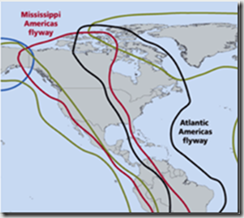
Since November we’ve seen H5N8 and/or H5N2/H5N1 turn in both the Pacific and Mississippi Americas Flyways, and at this point no one would be terribly surprised to see these viruses turn up further east along the Atlantic Americas flyway.

image

Credit FAO


While migratory flyways are predominately north-south corridors, their overlapping allows for a lateral (east-west) movement of avian viruses as well – often via shared nesting areas and ponds – something we’ve looked at recently in The North Atlantic Flyway Revisited & FAO On The Potential Threat Of HPAI Spread Via Migratory Birds.


Since we’ve yet to see any human infections from these reassortant H5 viruses, the immediate health risk to the public is considered very low. But as these new subtypes are related to viruses which have caused serious human infections (H5N1, H5N6) in other countries, they are being viewed cautiously by the CDC (see CDC: HPAI H5 Viruses In The United States)

image


The more immediate concerns revolve around protecting commercial and backyard poultry operations from infection, as these viruses are not only devastating to flocks in their current incarnation, they have the potential to evolve or reassort with other avian viruses with unpredictable results.


While commercial poultry operations have the most to lose, they are probably the best prepared to prevent infection.


In recent years we’ve seen a resurgence in the raising of backyard flocks in this country, and they are particularly vulnerable to infection. Late yesterday afternoon the USDA posted a blog on small flock biosecurity measures, along with links to several videos.


Bird Flu Is a Reminder For Back Yard Poultry Owners to Protect Their Birds By Practicing Good Biosecurity

Posted by Dr. Chrislyn Wood Nicholson, Poultry Health Specialist, USDA Animal and Plant Health Inspection Service, on March 27, 2015 at 5:00 PM

Dr. Wood on set with Healthy Harry taping new biosecurity videos.

Dr. Wood on set with Healthy Harry taping new biosecurity videos.

Since December 2014, there have been several highly pathogenic avian influenza (HPAI) confirmations in migratory wild birds, back yard flocks, captive wild birds and commercial poultry in several states along the Pacific, Mississippi and Central Flyways.  These HPAI virus strains can travel in wild birds without them appearing sick.  In fact, if back yard poultry flocks are exposed to these particular HPAI virus strains, they are highly contagious and cause bird death.  We are expecting that there will be more HPAI confirmations this spring as the bird migrations continue, so if you own or handle poultry, now is a great time to check your biosecurity practices.  You should follow good biosecurity at all times to help protect the birds’ health.  Your actions can make a difference!  Learn more here: http://healthybirds.aphis.usda.gov

As part of good biosecurity, you should prevent contact between your birds and wild birds, and report sick birds or unusual bird deaths to State/Federal officials, either through the state veterinarian or through USDA’s toll-free number: 1-866-536-7593.  You also should avoid contact with sick/dead poultry or wildlife. If contact occurs, wash your hands with soap and water and change clothing before having any contact with healthy domestic poultry and birds.   You are the best protection your birds have!  Learn more here:  http://healthybirds.aphis.usda.gov

What is biosecurity?  Biosecurity means taking some simple steps to keep your birds away from germs AND germs away from your birds.   If you follow good biosecurity, you will help ensure your birds remain healthy.

For backyard bird owners, there are 6 simple steps to biosecurity:

Commercial producers should follow biosecurity recommendations from their industry associations and the National Poultry Improvement Plan.

Want to learn more about practicing good biosecurity while being entertained?  Need to share information with 4H, FFA or school groups?  Here are links to a series of videos about biosecurity on YouTube:

Healthy Flocks Rock

Keep It Clean

Know Your Birds

Simple Steps to Keep Your Backyard Poultry Healthy

These videos will help you see biosecurity in action so you can feel confident you are taking the right steps to protect your backyard birds.

Thursday, December 11, 2014

An Avian Flu Assessment From The Chinese Academy of Sciences

Photo: ©FAO/Tariq Tinazay

Credit FAO


# 9431


Although the Chinese press can often be faulted for selective reporting, since the emergence of the H7N9 virus two years ago we’ve seen some refreshingly straightforward talk coming out of China’s scientific community. 


Unlike with the SARS epidemic of 2003, we’ve seen rapid publication of avian flu papers – both in Chinese and International journals – and a willingness to point out some of the policies (live bird market sales, reliance on vaccination) that have exacerbated the situation.


Today Xinhuanet is carrying a fairly technical (for a newspaper) article written by the Institute of Microbiology, Chinese Academy of Sciences, that touches on many of China’s bird flu issues we’ve addressed here in the past. Namely:

  • H7N9 (and to a lesser extent, H10N8) are circulating asymptomatically in Chinese poultry, but  can produce severe illness and high mortality in humans
  • Being asymptomatic in birds, these viruses are exceedingly difficult to track, or eradicate.
  • These avian viruses continue to rapidly evolve, and reassort (primarily with H9N2), to produce new clades and even new subtypes.
  • The most effective way to prevent human infection is to limit human contact with live birds, particularly through live bird market sales.
  • Good biosecurity measures, and disinfection practices can reduce the risks on farms, but poultry farmers remain at risk.
  • Migratory birds are considered an important part of the chain of infection between poultry farms, and it is important to maintain separation between wild birds and domesticated waterfowl or poultry.


First the (machine translated) article, then I’ll return with a bit more.


Cutting avian influenza virus propagation path


December 11, 2014 08:20:06 Source: Science and Technology Daily  

Since 2013, H7N9 avian influenza virus causing human infection with a new round behind the murderer, already experienced from 2013 to 2014 in the spring, there have been more than 400 people of infections. So how do we do to prevent bird flu scientifically?

From the point of view of the origin of the avian influenza virus, we are faced with the virus mostly through by wild waterfowl - domesticated waterfowl - domesticated terrestrial birds, and ultimately infect humans process. In this process, such as H7N9, H10N8 for this type of virus itself is not any harm poultry, poultry does not cause serious disease, but after contact with an infected person will cause very severe symptoms and may lead to death. Present data suggest that the avian influenza virus H7N9 fatality rate is about 30%.

Epidemiological and molecular genetic analysis suggests the virus, H7N9 and H10N8 and other avian influenza viruses can be as fast transport and diffusion of poultry to humans through live animal; and able to use in chickens prevalent H9N2 subtype of avian influenza virus for rapid mutation, thereby increasing the difficulty of prevention. Therefore, the most effective way to avoid infection with avian influenza is to reduce contact with live poultry. In the spring of 2013 H7N9 high incidence of measures to close the live bird markets significantly reduced the growth of human infections. Currently, including Beijing, Hangzhou, including some of the city but also to effectively ban live animal control birds - who broadcast path.

Control of H7N9 virus from birds to human propagation path can effectively reduce the number of disease, but does not reduce the spread of the virus in poultry and can not control the variation of the virus. So for poultry practitioners still a huge risk. So how to reduce poultry virus? In poultry, the avian flu virus is mainly present in the digestive tract of sick poultry, and released into the environment through feces, other individuals through contact with infected poultry or drinking environment, consumption of contaminated water and food are infected. The survey found that, for the regular size of farms, the use of appropriate management and disinfection measures, thus poultry infection rate is very low. For most of the live bird markets and informal culture, lack of appropriate measures, causing the virus prevalent in poultry, a huge risk to public health. Guangdong Province recently introduced live bird markets is for the relevant management measures to reduce the infection rate considering the poultry live bird markets.

Take reasonable management and disinfection measures can effectively prevent the spread of bird flu virus in poultry, then there is no way to reduce the generation of new bird flu virus it? Historically generated almost everyone infected with avian influenza viruses from wild birds carrying the virus genes. Therefore, controlling the virus from wild birds into the poultry has become the key to reducing the bird flu virus produced. Wild birds into the poultry virus mainly through contact with domesticated waterfowl, by sharing living environment, water and food, viral infection by domesticated fowl waterfowl. Therefore, migratory birds season, waterfowl stocking reasonable arrangements to reduce contact with wild birds is an important means of reducing the bird flu virus into the poultry. At the same time, strengthen the waterfowl (ducks) and terrestrial birds (chicken) farming and trade isolation of avian influenza virus is an important way to prevent widespread infection in poultry.

Because of poultry and bird flu virus does not easily disappear, and will for a long period of time with the host symbiotic and pathogenic different hosts occasional cause even death. It should be said, to deal with bird flu that is the most effective way to control the number of infected poultry, cut off the transmission path of the bird flu virus. (Author: Institute of Microbiology, Chinese Academy of Sciences)

Interestingly, even though poultry vaccines have been the mainstay of bird flu control in China for the past decade, there is no mention of their application in the control of avian flu this article – or of culling, for that matter.


The article focuses essentially on creating two barriers  1) between wild birds and domesticated waterfowl or poultry and 2) between live birds and the public.


While culling is traditionally the preferred method for eradicating bird flu in much of the world, we’ve discussed previously the economic and political realities  (see Food Insecurity, Economics, And The Control Of H7N9) that make that such an unpalatable option in China.


And poultry vaccines, while still in wide use, are falling out of favor because of the growing realization that over time and when pitted against a growing field of flu strains - they lose their effectiveness - and may actually be driving the creation of new vaccine escape viruses (see EID Journal: Subclinical HPAI In Vaccinated Poultry – China).


This article notes the role that the low path - but ubiquitous in Asian poultry – avian H9N2 virus has played in the development of these new viral threats, something we’ve discussed often (see The Lancet: H9N2’s Role In Evolution Of Novel Avian Influenzas & PLoS Path: Genetics, Receptor Binding, and Transmissibility Of Avian H9N2).


Over the past two years we’ve watched the emergence nearly a half dozen new avian flu subtypes in China (H7N9, H10N8, H5N3, H5N6, H5N8) - along with the creation of dozens of new clades of new and existing bird flu strains (see  China: H5 AI Rising).  And conditions appear ripe for the creation of even more in the future (see EID Journal: Predicting Hotspots for Influenza Virus Reassortment).

Whether these recommendations can be fully implemented, and will have the desired effect, is something we’ll have to wait and see. Attempts to close down, or regulate, live bird sales in China have been tried in the past and have met with great public resistance.


But at least, after 10 years of watching their bird flu problems escalate, the Chinese are openly discussing other control options.

Tuesday, December 09, 2014

CFIA Sets Bird Flu Control Zones In BC

image

Credit Wikipedia – British Columbia


# 9423


Last night CFIA  (the Canadian Food Inspection Agency) outlined new steps to control the spread of the HPAI (Highly Pathogenic) H5N2 virus detected last week at 5 poultry operations in southern British Columbia.   


Fully half of the province – everything south of Highway 16 – becomes part of the primary control zone.


Although no new farms have been announced as infected, surveillance and biosecurity measures will remain elevated for weeks to come.


CFIA establishes primary control zone to prevent spread of avian influenza in British Columbia

December 8, 2014

In order to prevent the spread of highly pathogenic avian influenza in British Columbia, the Canadian Food Inspection Agency (CFIA) has established a primary control zone in the area where the disease has been identified.

The Province of British Columbia and the poultry industry support this decision and are working together with the CFIA to implement it.

Avian influenza is highly contagious between birds and can spread rapidly. Because southern British Columbia has a high concentration of poultry operations, the primary control zone covers an area beyond the premises that are currently affected.

The primary control zone is bordered on the west by the Pacific Ocean, on the south by the United States border, on the north by Highway 16, and on the east by the border between British Columbia and Alberta.

The primary control zone is divided into three disease control zones: infected, restricted and security. The three zones represent relative levels of risk and movement restrictions vary accordingly. Most of the restrictions apply to the infected and restricted zones because of the greater potential that the virus can spread.

Within the primary control zone, there are three disease control sub-zones: infected, restricted and security.

  • The outer boundary of an infected zone is up to 3 km from any known infected premises.
  • The restricted zone is established surrounding the infected zone and measured based on the epidemiology of the disease in order to prevent the spread of avian influenza (3 km to 10 km).
  • The security zone is the remainder of the primary control zone (beyond 10 km).

The movement restrictions apply to:

  • captive birds (including but not limited to poultry, fowl and pet birds);
  • poultry products or by-products;
  • anything that has been exposed to captive birds (which could include but is not limited to feed, vehicles, equipment or clothing).

All movement of captive birds in and out of, and through this zone is strictly controlled and requires a permit from the CFIA. The movement restrictions also apply to poultry products and by-products and material that has come into contact with captive birds.

Avian influenza viruses do not pose risks to food safety when poultry and poultry products are properly handled and cooked. Avian influenza rarely affects humans that do not have consistent contact with infected birds. Public health authorities stand ready to take precautionary measures as warranted.

Poultry farmers are urged to take an active role in protecting their flocks by employing strict biosecurity measures on their property, and immediately reporting any suspicious symptoms to the CFIA.

For more information on avian influenza and measures poultry farmers can take to protect their flocks, please visit the CFIA web site at inspection.gc.ca.

Date modified:
2014-12-08

Friday, August 01, 2014

Fair Biosecurity & H3N2 In North Dakota Show Pigs

image


# 8901


County and State Fair season is underway in the northern states and will continue across the nation well into fall. One of the highlights for many visitors are the agricultural exhibits, including livestock exhibitions.  While educational, entertaining, and financially lucrative, there are admittedly some downsides.


Bringing together animals from farms all over the region provides unique opportunities to swap pathogens amongst themselves, and potentially spread them to handlers and the public.


In years past, the concern has centered primarily on swine flu, but the recent emergence of two new swine coronaviruses – PEDV & PDCoV  (see SECD: Another Emerging Coronavirus Threat) have complicated matters as well.  Unlike the swine influenzas, however, SECDs - or Swine Enteric Coronavirus Diseases  are not known to transmit to humans.


While they generally cause mild symptoms in adult pigs, among piglets, the mortality rate can run close to 100%. 


In some regions, fair administrators have implemented a terminal show policy where pigs exhibited at the fair must be sent to market at the show’s end, rather than back home (or worse, to another fair) to prevent the potential spread of porcine diseases. 


This report (and video) from a local Wisconsin TV station.

Terminal show policy in place to control swine virus

The PED virus has had a significant impact on pig populations in the United States in the last two years

Author: Dave Delozier, ddelozier@wisctv.com

Published On: Jul 25 2014 05:44:58 PM CDT

PORTAGE, Wis. -

While most pig exhibitors attend county fairs with the expectation their animal will be sold to market, it is now becoming a certainty.  Because of concerns about the spread of a deadly virus, Porcine Epidemic Diarrhea or PED, county fairs have adopted a terminal show policy.  That means a pig shown at a county fair must be sold to market at the shows end and cannot be taken back to a farm.

(Continue . . . )


Beyond the opportunities for porcine diseases to spread between pigs, fairs also provide lots of human-animal contact, which can lead to the spread of infections from humans-to-pigs, and from pigs-to-humans


Illustrating the two-way nature of disease sharing - shortly after the 2009 H1N1 virus emerged in the human population - it began showing up in pig herds around the world (see Study: Reassortants of H1N1pdm & Swine H1 & H3 Viruses in Japan)

image


With the emergence of several swine variant influenza viruses in the past few years (H1N1v, H1N2v, H3N2v) – all able to jump to humans (albeit, not able to transmit efficiently) -  we are seeing a greater emphasis on fair biosecurity than ever before (see CDC: Measures to Minimize Influenza Transmission at Swine Exhibitions, 2014).

Last week, in EID Journal: H3N2v Swine To Human Transmission At Agricultural Fairs – 2012, we looked at what was the most active year for swine variant transmission to humans, where the authors cautioned:


Swine-to-human transmission and human-to-swine transmission of influenza A virus are known to occur at fairs (28), highlighting the fact that swine in this setting are potentially exposed to multiple lineages of influenza A viruses simultaneously, making fairs ideal locations for genomic reassortment and novel virus formation.


Swine are highly susceptible to a variety of flu viruses (human, swine, avian) - and are viewed as excellent `mixing vessels’, allowing viruses to reassort into new hybrid strains.  This is how the 2009 H1N1 pandemic virus was created, after bouncing around swine herds for a decade or more.

Reassortant pig[6]


State & local  fairs have instituted inspections for any signs of illness in livestock – but as we’ve discussed previously (see Asymptomatic Pigs: Revisited) - pigs can sometimes carry these viruses without showing any outward signs of infection.


While we’ve not seen any reports of human infection with swine variant influenza this summer, fair officials and health departments are understandably on heightened alert, and are taking steps to try to prevent that from happening.  All of which serves as prelude to this announcement (yesterday) by North Dakota’s Department of Health.


Influenza A H3N2 Variant Viruses (H3N2v)

Influenza A H3N2v is a non-human influenza virus that normally circulates in pigs. In 2011, a small number of humans were found to be infected with this virus. From 2011 to 2013, a total of 340 cases of H3N2v was identified in 13 states, resulting in 17 hospitalizations and one death. Most of these cases occured in the summer months, and most reported contact with pigs. Symptoms and severity of H3N2v infections in humans resemble that of seasonal influenza, and include fever, cough, sore throat, body aches, and headache. No cases have been identified at this time for 2014, and no cases in North Dakota have ever been reported.

On July 31, 2014 it was reported that three pigs at the 2014 North Dakota State Fair had been removed for illness and had tested positive for an H3N2 virus. The North Dakota Department of Agriculture put out the following news release:

North Dakota Department of Agriculture
July 31, 2014

For immediate release

Precautions advised regarding influenza


BISMARCK – The North Dakota Department of Agriculture (NDDA) and North Dakota Department of Health (NDDoH) received results from the National Veterinary Services Laboratory confirming that three pigs exhibited at the state fair in Minot have tested positive for an influenza A H3N2 virus strain. Although influenza can be passed from swine to people, there is no evidence at this time that any people have become ill as a result of exposure to these pigs.

 
NDDA animal health division staff inspects all animals displayed at the North Dakota State Fair. The pigs appeared healthy when they arrived at the fair and became ill thereafter. After being tested, they were removed from the fairgrounds by their owners at the recommendation of veterinarians. This is the first time that an influenza virus has been confirmed in swine at a fair in North Dakota.

“Fairs and exhibits are an excellent way to showcase livestock and expose the public to animal agriculture production,” said Agriculture Commissioner Doug Goehring. “When appropriate precautions are taken, there is minimal risk of spreading disease to the public.”

 
However, some influenza viruses can spread from pigs to people and from people to pigs. Spread from infected pigs to humans is thought to happen in the same way that seasonal influenza viruses spread between people; mainly through infected respiratory droplets created when an infected pig coughs. Swine influenza has not been shown to be transmissible to people through eating properly handled and prepared pork or other products derived from pigs.

According to the NDDoH, appropriate precautions to prevent the spread of influenza from pigs to people include the same types of measures used to prevent the spread of influenza between people; frequent hand washing and avoiding contact with those that are ill. Other precautions include not eating or drinking around animals and avoiding contact with material, such as bedding material, which has been in contact with pigs. Any exhibitor or visitor at high risk of serious flu complications, who is planning to attend a fair where pigs will be present, should consider avoiding pigs and swine barns. The NDDoH also encourages those who work with pigs to take precautions to avoid the spread of illness. Use masks and gloves when you work with ill animals to protect yourself against transfer of the virus.


“Washing hands prior to working with or handling animals and likewise after working with animals is a good practice,” State Veterinarian, Dr. Susan Keller said. “Swine producers should contact their veterinarians if they have any questions about influenza-like illnesses in their pigs. Vaccines are available that may prevent illness.”


According to the NDDoH, if you experience symptoms of influenza (fever, cough, sore throat, body aches, headache) after contact with animals, report that contact to your primary health care provider. Conversely, if you have influenza, avoid contact with pigs during your illness and for another week after symptoms have disappeared.


For more information about influenza, including the H3N2v flu, visit the health department’s influenza website at www.ndflu.com or call the North Dakota Department of Health at 701-328-2378. For recommendations for swine producers, visit the NDDA website at www.nd.gov/ndda/disease/h3n2-influenza or call the State Veterinarian’s office at 701-328-2655.


Although only 19 swine variant flu infections were reported last year,  in 2012 more that 300 cases were reported, with nearly all linked to fairgoers, mostly in Indiana & Ohio.  Given the limits of surveillance, and the likelihood that some number of mild or asymptomatic cases went undetected, both numbers probably under represent the true incidence of the disease.


Nevertheless, these swine variant viruses do no yet appear ready for prime time, as they have yet to show signs of sustained and efficient transmission in the community.  


They do, however, bear watching as research has shown only limited community immunity to these variant strains (see CIDRAP: Children & Middle-Aged Most Susceptible To H3N2v).

Friday, July 11, 2014

CDC Announces Another Serious Biosecurity Incident

image

BSL-4 Lab Worker - Photo Credit –USAMRIID  


# 8826


It’s been a bad summer for US government labs, with two high profile biosecurity incidents involving `select agents’ – the most dangerous types of pathogens – reported over the past couple of weeks. 

First, there was the potential anthrax exposure incident (see CDC Statement On Possible Lab Exposure To Anthrax), reported on June 19th, followed last week by the discovery of several vials of unsecured smallpox at an FDA lab in Bethesda, Md. (see CDC Media Statement on Newly Discovered Smallpox Specimens).


Today during a hastily called press conference, a visibly concerned CDC director Thomas Frieden announced a third incident – the accidental shipment of H5N1 contaminated samples to a USDA lab roughly six weeks ago –  that was only just reported to the CDC’s senior management a couple of days ago.


Dr. Friedan also announced that at least two of the above mentioned smallpox vials contained viable virus, a bit of a surprise given its age (60 years) and storage environment.


All of this is likely to further inflame the debate over `Gain of Function’  (GOF) research, a topic which we’ve discussed often in the past (see The Debate Over Gain Of Function Studies Continues , Lipsitch & Galvani: GOF Research Concerns, H7N9: Reigniting The `Gain Of Function’ Research Debate).


This from the CDC’s press release


CDC Director Releases After-Action Report on Recent Anthrax Incident; Highlights Steps to Improve Laboratory Quality and Safety

The Centers for Disease Control and Prevention (CDC) released a report today that reviews the early June incident that involved the unintentional exposure of personnel to potentially viable anthrax at the CDC’s Roybal Campus. The report identifies factors found to have contributed to the incident; and highlights actions taken by the agency to address these factors and prevent future incidents. Based on a review of all aspects of the June incident, CDC concluded that while it is not impossible that staff members were exposed to viable B. anthracis, it is extremely unlikely that this occurred. None of the staff who was potentially exposed has become ill with anthrax. 

While finalizing this report, CDC leadership was made aware that earlier this year a culture of non-pathogenic avian influenza was unintentionally cross-contaminated at the CDC influenza laboratory with the highly pathogenic H5N1 strain of influenza and shipped to a BSL-3 select-agent laboratory operated by the United States Department of Agriculture (USDA). There were no exposures as a result of that incident.  The CDC influenza laboratory is now closed and will not reopen until adequate procedures are put in place. Further investigation, review, and action is underway. 

As a result of these two incidents, CDC is issuing, effective immediately, a moratorium on the movement (i.e., transfer inside or outside the agency) of biological materials (i.e., infectious agents, active or inactivated specimens) from BSL3 or BSL-4 facilities. The moratorium will remain in place pending review by an advisory committee.   

Based on an internal review called for by the CDC Director, the report released today concludes that the scientists’ failure to follow an approved, written study plan that met all laboratory safety requirements led to dozens of employees being potentially exposed.   The report also found that there was a lack of standard operating procedures to document when biological agents are properly inactivated in laboratories as well as a lack of adequate laboratory oversight of scientists performing work in these labs. The report concludes that the critical nature of CDC investigations to detect and respond to naturally occurring and man-made events with select agents while ensuring the safety of staff are paramount and should be guided by the highest standards.

In response to these incidents, CDC has initiated following steps, in addition to the moratorium:

  1. Established a high-level working group, reporting to the CDC Director, to, among other duties, accelerate improvements in laboratory safety, review and approve, on a laboratory-by-laboratory basis, resumed transfer of biological materials outside of BSL3 and BSL4 laboratories, and serve as the transition group for the single point of accountability on laboratory safety called for in the review of the potential exposure to anthrax incident.
  2. Begun the process of establishing an external advisory group for laboratory safety.  Invitations to participate in this group will be issued by July 18, 2014.
  3. Initiated an investigation to determine root causes that led to contamination of another avian influenza virus by the H5N1 virus.
  4. Reported the incident through the proper channels to the select agent oversight body, APHIS. 
  5. Established a review group, under the direction of CDC’s Associate Director for Science, to look at the systems, procedures, and personnel issues leading to this event and means of preventing similar events in the future.  This review will be done in conjunction with the internal investigation and in coordination with the working group.
  6. Undertaking appropriate personnel action expeditiously.

CDC has also implemented or is in the process of implementing the following key recommendations highlighted in the report to address the root causes of the anthrax incident:

  • CDC will establish a CDC-wide single point of accountability for laboratory safety.
  • The Bioterrorism Rapid Response and Technology (BRRAT) Laboratory will not be conducting work with any select agent[i] until a series of reviews and approvals are completed. BRRAT laboratory scientists do not have access to select agents, which have been placed in storage-only mode.  These restrictions will remain in place until changes have been put in place to prevent similar future incidents. 
  • Appropriate personnel action will be taken with respect to individuals who contributed to or were in a position to prevent this incident.
  • All inactivation procedures for laboratories working with select agents and other dangerous pathogens throughout CDC are being carefully reviewed and will be updated as needed.
  • CDC will improve its response to future internal incidents by the rapid establishment of an incident      command structure, as CDC uses for external events.
  • The implications for the use of select agents, including for CDC’s regulatory functions through CDC’s Division of Select Agents and Toxins will be carefully reviewed to incorporate any lessons learned.

The report details the specifics of the June incident. The incident originated when a biosafety level 3 (BSL3) laboratory at CDC prepared B. anthracis samples for use at lower biosafety levels (i.e., BSL 2) in other CDC labs where live bacteria are not required for the research.    Preparation of bacteria in this manner is routinely done within the CDC campus; however, in this instance, the lab used a procedure that may not have adequately inactivated the samples.  Thus, the potentially infectious samples were moved and used for experimentation by researchers in these lower biosafety level laboratories, who believing the samples were inactivated, were not wearing adequate personal protective equipment while handling the material.

The procedure used by CDC to deactivate the bacteria in this incident had been examined previously for effectiveness.  Two laboratories, one at CDC and the other at the Michigan Department of Community Health, conducted experiments to determine the effectiveness of the formic acid/acetonitrile protein extraction procedure for inactivating B. anthracis. Both laboratories found that the extraction procedure completely inactivated preparations of B. anthracis cells after 10 minutes.  However, these  CDC experiments using B. anthracis spores showed that a very small number of spores remained viable, even after 24 hours of treatment with the extraction chemicals.  This result is not unexpected as bacterial spores are typically much more resistant to chemical inactivation than bacterial cells.  After the incident was recognized, environmental testing for B. anthracis was done in the three CDC BSL-2 laboratories that had received specimens from the BSL-3 laboratory to determine if any of the bacteria had been disseminated more broadly.  No evidence of environmental contamination was found.

Although a sterility check done by the BSL-3 lab showed that the anthrax preparation had not been inactivated after a 10-minute extraction, the preparation had been extracted for 24 hours before transfer to the BSL-2 labs. At that point, all or the great majority of B. anthracis cells and spores would have been inactivated. 

CDC is committed to ensuring that people feel safe and are safe in the workplace and the community as employees conduct life-saving laboratory work.


This is obviously going to be a big story going forward.  


Stay tuned.

Sunday, June 29, 2014

The Debate Over Gain Of Function Studies Continues

image

BSL-4 Lab Worker - Photo Credit –USAMRIID


# 8793

`Gain of Function’ research (aka GOF) seeks to enhance the virulence, transmissibility, or host range of potentially deadly microorganisms. Proponents believe this could give us an early warning system for the next pandemic, and could aid in the timely creation of a vaccine.  


Opponents say those benefits are likely overstated, and there is a small - but genuine - risk that one of these `engineered’ pathogens could escape the lab, and actually cause the pandemic it was supposed to mitigate.


While GOF research isn’t new, the bioengineering tools we have today make possible tasks that would have been considered literally impossible a couple of decades ago.


All of this really came to a head about three years ago, when Dutch Virologist and flu researcher Dr. Ron Fouchier announced, at the 2011 ESWI Influenza Conference in Malta, that he’d created a `more transmissible’ form of the H5N1 virus (see Debra MacKenzie’s New Scientist: Five Easy Mutations).


At roughly the same time we saw a similar announcement from Yoshihiro Kawaoka, a highly respected virologist at the University of Wisconsin-Madison School of Veterinary Medicine, that together set alarm bells ringing in the world of biosecurity.


The early reaction outside of academia was fairly negative, with scathing editorials like An Engineered Doomsday  appearing in the New York Times. There was a year-long self imposed moratorium by a group of major researchers, to allow time for `public discussion and scientific debate’ of the issue, but in the end, very little of that actually took place. 


Instead, the moratorium was quietly lifted in early 2013, and research resumed, often in Biosafety level 3+ (Ag) facilities – not – as some have recommended, restricted to the highest containment Biosafety level 4 facilities. 


The revelation two weeks ago of a major breach in biosafety at a CDC lab in Atlanta (see CDC Statement On Possible Lab Exposure To Anthrax), along with the announcement earlier this month that Dr. Kawaoka had recreated viruses similar to the 1918 pandemic strain in his lab (see Cell Host & Microbe: 1918-like Avian Viruses Circulating In Birds Have Pandemic Potential) has helped to reignite the debate.


Today the Wisconsin State Journal carries a long article on concerns raised by University of Wisconsin biosafety expert.


UW-Madison flu studies raise risk more than prevent it, biosafety panelist says

By David Wahlberg | Wisconsin State Journal

UW-Madison scientist Yoshihiro Kawaoka says he’s creating potentially deadly flu viruses to help prevent a pandemic, but a campus biosafety panel member says the research could cause more harm than good because the viruses could escape from the lab.

“You’re increasing the probability of having a pandemic rather than decreasing the probability,” said Tom Jeffries, a member of the university’s Institutional Biosafety Committee, which reviews sensitive research.

Jeffries said the flu viruses Kawaoka creates in his lab at University Research Park on Madison’s West Side should be genetically modified to minimize the risk to humans. Kawaoka said doing that would undermine his studies, aimed at identifying troublesome flu viruses that could arise in nature.

(Continue . . .)


Late last week, the Journal Nature – which published Dr. Kawaoka’s H5N1 study in 2012 – published a cautionary opinion piece on the risks of doing this type of research.  Follow the link to read it in its entirety.

Nature | Editorial

Biosafety in the balance

An accident with anthrax demonstrates that pathogen research always carries a risk of release — and highlights the need for rigorous scrutiny of gain-of-function flu studies.

25 June 2014

The news last week of an accident involving live anthrax bacteria at the US Centers for Disease Control and Prevention (CDC) in Atlanta, Georgia, is troubling. Some 84 workers were potentially exposed to the deadly Ames strain at three CDC labs. But the incident will cause much wider ripples: it highlights the risks of the current proliferation of biocontainment labs and work on dangerous pathogens. If an accident can happen at the CDC, then it can happen anywhere.

(Continue . . . )


As you might imagine, speaking out against this sort of research isn’t exactly popular in academia, as these research projects can bring in large government grants, along with substantial publicity and prestige to Universities.


Suggestions that this sort of research be confined to biosafety level 4 facilities are often met with stiff resistance, since that would exclude most of the University based labs in this country.


Last November, in BMC Medicine: Containing Laboratory Escape Of Pandemic Viruses, we looked at a report that found the risks of seeing an accidental release from one of these labs is far from zero.


They calculated a .3% chance of release from any given lab each year, which works out to be roughly one every 100 years of lab operation.  With hundreds of of BSL-3 and BSL-4 labs around the world, the odds of seeing an accident in any given year somewhere in the world go up substantially.


While one can certainly argue with the methodologies used to come up with estimates for future events, we do know that between 2003 and 2009, US government laboratories had 395 incidents that involved the potential release of select agents  (see CIDRAP News  report Report: 395 mishaps at US labs risked releasing select agents).


While only 7 related infections were reported, this does add weight to the concerns being expressed by GOF research critics.   As does the most recent breach at the CDC lab in Atlanta.


For more background on all of this, you may wish to revisit a presentation by Dr. Marc Lipsitch on the the risks of these types of experiments from last September, while last December (see The Call For Urgent Talks On `GOF’ Research Projects), we saw  a letter – signed by 56 scientists – and published both in SciAm and the journal Nature - calling for `urgent talks’ over the future course of GOF research on influenza viruses, and other pathogens.


And more recently, we’ve seen the debate renewed, first in the pages of PLoS Medicine last month:


Lipsitch & Galvani: GOF Research Concerns


The debate then moved to CIDRAP News, where Kawaoka & Fouchier responded to this paper:

Experts call for alternatives to 'gain-of-function' flu studies


And most recently, a response back by Lipsitch & Galvani, again at CIDRAP.


COMMENTARY: The case against 'gain-of-function' experiments: A reply to Fouchier & Kawaoka

Marc Lipsitch, DPhil, and Alison P. Galvani, PhD


Unfortunately, despite the ongoing debate, this issue doesn’t seem to be any closer to resolution than it was two and half years ago when the fate of the Fouchier & Kawaoka H5N1 papers was still in doubt.

Friday, November 29, 2013

BMC Medicine: Containing Laboratory Escape Of Pandemic Viruses

image

BSL-4 Lab Worker - Photo Credit –USAMRIID


# 8017


While nobody really knows how the H1N1 influenza virus – absent in the human population for 20 years – managed to spark a pseudo-pandemic in 1977,  many researchers suspect it escaped a lab in either Russia or China in the mid-1970s.  Genetically, it was very similar to a strain that had circulated 2 decades earlier, something that would be difficult to occur in the wild, but might well  be explained had the virus been stored in a lab freezer (see EID Journal article Influenza Pandemics of the 20th Century Edwin D. Kilbourne).


The evidence is only circumstantial, so we may never know the truth of the matter.


With the rise of `Gain of Function’  (GOF) research – which aims to enhance the virulence, host range, or transmissibility of dangerous pathogens so that we may better understand their pandemic potential – biosecurity experts have warned that an accident at a BSL-3 or BSL-4 lab could have global ramifications (see mBio: The H5N1 Biosafety Level Debate).


While most researchers involved in this sort of work call the risks both manageable, and negligible, the truth is - lab accidents have occurred in the past, and despite very strict bio-safety rules and procedures, they are likely to happen again in the future. 


In 2009, the United States GAO issued a 104 page report (HIGH-CONTAINMENT LABORATORIES : National Strategy for Oversight Is Needed ) that looked at four high-profile biosecurity breeches {see below), and examined the risks of future lab accidents.


  • Alleged insider misuse of a select agent and laboratory;
  • Texas A&M University’s (TAMU) failure to report to CDC exposures to select agents in 2006
  • Power outages at CDC’s high-containment laboratories in 2007 and 2008
  • The release of foot-and-mouth disease virus in 2007 at the Pirbright facility in the U.K.


The GAO described the risks going forward (bolding mine):


Four highly publicized incidents in high-containment laboratories,  as well as evidence in scientific literature, demonstrate that (1) while laboratory accidents are rare, they do occur, primarily due to human error or systems (management and technical operations) failure, including the failure of safety equipment and procedures, (2) insiders can pose a risk, and (3) it is difficult to control inventories of biological agents with currently available technologies. Taken as a whole, these incidents demonstrate failures of systems and procedures meant to maintain biosafety and biosecurity in high-containment laboratories. For example, they revealed the failure to comply with regulatory requirements, safety measures that were not commensurate with the level of risk to public health posed by laboratory workers and pathogens in the laboratories, and the failure to fund ongoing facility maintenance and monitor the operational effectiveness of laboratory physical infrastructure.


At one of the most secure BSL-4 facilities in the world – USAMRIID (U.S. Army Medical Research Institute of Infectious Diseases) - their safety record is exceedingly good  . . .  but it is not perfect.  This (bolding mine) from their website:


In order to properly assess safety performance over time, USAMRIID compares the number of incidents to the number of times employees entered BSL-3 and BSL-4 laboratories in a given year.  It is important to note that in every incident from 2010-2012, no symptoms were reported and there were no signs of illness.

For instance, in 2012, USAMRIID had 20,402 entries into BSL-3 laboratories. During that time, there were 9 safety incidents within those laboratories; 2 were Potential Biological Exposures (PBE).  A PBE means that some risk of exposure to infectious agents and/or toxins may have occurred, resulting in Occupational Health staff placing the personnel involved on precautionary medical surveillance.  No illness or disease occurred in either case. The 2012 incident rate for BSL-3 laboratories was 0.044 percent.

Looking at BSL-4 laboratories, USAMRIID had 9,154 entries during 2012, with a total of 30 incidents including 6 Potential Biological Exposures (PBE).  A PBE means that some risk of exposure to infectious agents and/or toxins may have occurred, resulting in Occupational Health staff placing the personnel involved on precautionary medical surveillance.  In every case, no illness or disease occurred.  The 2012 incident rate for BSL-4 laboratories was 0.328 percent.


In 2011 CIDRAP NEWS published a report called:


Report: 395 mishaps at US labs risked releasing select agents

By Robert Roos

Sep 28, 2011 (CIDRAP News) – US government laboratories had 395 incidents that involved the potential release of select agents between 2003 and 2009, though only seven related infections were reported, according to a new National Research Council (NRC) report.

The accidents, including animal bites, needle sticks, and other mishaps, are mentioned briefly in an NRC report on the plans for a risk assessment for an Army biodefense lab to be built at Ft. Detrick in Frederick, Md.

"The Centers for Disease Control and Prevention (CDC) reports 395 cases of potential release events at national laboratories working with select agents," the report says.

"Seven LAIs [laboratory-acquired infections] were reported to CDC; four infections involved Brucella melitensis, two involved Francisella tularensis, and one involved an unspecified Coccidioides species," it continues. "CDC plans to publish an analysis of these events." The report does not list the outcomes of the infections.

(Continue . . . )

All of which serves as prelude to a report that was published yesterday in BMC Medicine, that models the ability of a research lab to detect and contain a potentially dangerous biosecurity breech, once it has occurred.


Containing the accidental laboratory escape of potential pandemic influenza viruses

Stefano Merler, Marco Ajelli, Laura Fumanelli and Alessandro Vespignani

BMC Medicine 2013, 11:252  doi:10.1186/1741-7015-11-252

Published: 28 November 2013

Abstract (provisional)

Background

The recent work on the modified H5N1 has stirred an intense debate on the risk associated with the accidental release from biosafety laboratory of potential pandemic pathogens. Here, we assess the risk that the accidental escape of a novel transmissible influenza strain would not be contained in the local community.

Methods

We develop here a detailed agent-based model that specifically considers laboratory workers and their contacts in microsimulations of the epidemic onset. We consider the following non-pharmaceutical interventions: isolation of the laboratory, laboratory workers' household quarantine, contact tracing of cases and subsequent household quarantine of identified secondary cases, and school and workplace closure both preventive and reactive.

Results

Model simulations suggest that there is a non-negligible probability (5% to 15%), strongly dependent on reproduction number and probability of developing clinical symptoms, that the escape event is not detected at all. We find that the containment depends on the timely implementation of non-pharmaceutical interventions and contact tracing and it may be effective (>90% probability per event) only for pathogens with moderate transmissibility (reproductive number no larger than R0 = 1.5). Containment depends on population density and structure as well, with a probability of giving rise to a global event that is three to five times lower in rural areas.

Conclusions

Results suggest that controllability of escape events is not guaranteed and, given the rapid increase of biosafety laboratories worldwide, this poses a serious threat to human health. Our findings may be relevant to policy makers when designing adequate preparedness plans and may have important implications for determining the location of new biosafety laboratories worldwide.

(Continue . . . . )

From a press release via Northeastern University, we get additional background on this research.  Follow the link to read it in its entirety, as I’ve only included an excerpt:


The potential pandemic

November 28, 2013 by Angela Herring

(EXCERPT)

The results of the sim­u­la­tion sug­gest a 5–15 per­cent chance that an acci­dental escape would not be detected, espe­cially in the case of very trans­mis­sible viruses and those where symp­toms are not imme­di­ately spotted. In addi­tion, they found that con­tain­ment would depend on the struc­ture and den­sity of the local pop­u­la­tion sur­rounding a facility.


“Most BSL labs are in big urban areas,” Vespig­nani explained. “In those areas we show that the prob­a­bility of not con­taining the out­break is three to five times larger than what it would be in iso­lated areas.”


While the prob­a­bility of acci­dental release is extremely low—there’s only 0.3 per­cent chance of a virus escaping one of these labs each year—even a single event can trans­late into a vast public health emer­gency, said Ste­fano Merler, one of the researchers who is based at the Kessler Foun­da­tion. More­over, the number of BSL3 and 4 lab­o­ra­to­ries is increasing, cre­ating a greater com­bined risk the world over.

(Continue . . . )


While there are only a few dozen BSL-4 labs around the world, there are literally thousands of BSL-3 capable labs. Admittedly, few are conducting GOF research, but even the release of an un-enhanced pathogen could potentially produce a huge impact.


Although many researchers can justifiably point out their lab’s exemplary safety record, the standards set and met in labs around the world can vary substantially.  And even the finest biosecurity methods can be thwarted by deliberate `bad acts’ by staff.  


Whether researchers doing this sort of research like to admit it it, the risks of seeing an accidental release from one of these labs is far from zero. While a .3% chance of release from any given lab works out to be roughly one every 100 years, with hundreds of of BSL-3 and BSL-4 labs around the world, the odds of seeing an accident in any given year somewhere in the world go up substantially.

.

And if today’s BMC Medicine study is correct, containment – particularly of a high R0 pathogen (highly infectious) – is far from guaranteed.