Showing posts with label CFR. Show all posts

Friday, April 25, 2014

The Elusive CFR Of MERS

Coronavirus

Photo Credit NIAID


# 8527


Whenever a novel virus emerges and begins to spread among humans, one of the first questions asked is `just how deadly is it?’


It is, surprisingly, an incredibly difficult question to answer.  Not only just in the beginning of an outbreak such as we are now, but often, even years or decades after an outbreak has ended.


The question seems simple enough:  Of those that are infected, what percentage will succumb to the disease?  Or, as epidemiologist’s call it, the CFR (Case Fatality Ratio).


Invariably, the earliest reports of any novel illness carry an exaggerated CFR, because only the sickest of the sick seek treatment, and those are the ones most apt to die. The early reports from Mexico in the spring of 2009 suggested a much higher CFR for the novel H1N1 virus than we ended up seeing globally.


Five years after the start that pandemic, we still don’t have a really good handle on its CFR, and if you go back to the pandemics of 1918, 1957, and 1968 the best you will find are estimates. And those estimates often vary considerably between researchers.


The worst pandemic in modern times was the Great Pandemic of 1918, which killed somewhere between 40 million and 100 million people.  In 2006, in a Lancet journal (doi:10.1016/S0140- 6736(06) 69895-4) article cited as much as a 30-fold difference in mortality rates around the world:


Estimation of potential global pandemic influenza mortality on the basis of vital registry data from the 1918—20 pandemic: a quantitative analysis

Christopher JL Murray , Alan D Lopez , Brian Chin , Dennis Feehan , Kenneth H Hill

Excess mortality ranged from 0·2% in Denmark to 4·4% in India. Since there was some under-registration of mortality in India, total pandemic mortality could have been even higher.


The CFR in the United States was estimated at roughly 2.5%, a far cry from the astronomical fatality rate estimates we’ve seen cited for the H5N1 virus (60%), H7N1 virus (30%), and even SARS (10%) – yet high enough to practically paralyze a nation and claim over 600,000 American lives.


While the 1918 pandemic claimed roughly 1 in 40 Americans who fell ill, our most recent pandemic (2009) was a couple of orders of magnitude less deadly. ( See CIDRAP NEWS CDC estimate of global H1N1 pandemic deaths: 284,000).


And even with our yearly seasonal influenza epidemics there is considerable academic debate over the true burden of the disease. After more than a decade of promoting the `flu kills roughly 36,000 Americans each year’ meme, the CDC refined their estimates in 2010 ( see MMWR: Estimates Of Yearly Seasonal Influenza Deaths).

For deaths with underlying pneumonia and influenza causes (the most narrow definition of flu-related fatalities used) the models estimated a yearly average of 6,309 (range: 961 in 1986--87 to 14,715 in 2003--04) influenza-associated deaths.


Using a broader criteria (underlying respiratory and circulatory causes including pneumonia and influenza causes)  the models estimated an annual average of 23,607 (range: 3,349 in 1986--87 to 48,614 in 2003--04) influenza-associated deaths.


Despite the 12-fold difference in deaths between the 1986-87 and 2003-04 seasons, the operative word here remains `estimated’. Numbers are extrapolated from  a surveillance subset of the nation, and there is no good definition for what constitutes a `flu-related’ death.


So, if we can’t say with any precision how deadly seasonal flu is after decades of scrutiny, what can we say about the MERS Coronavirus?


Well, today the CFR of MERS – based on a relatively small number of known cases - appears to run somewhere between 30% to 40% of symptomatic patients.  But that number drops when you add in those who are infected but display no symptoms.


The problem is, we are only now starting to get an idea of how large the number of asymptomatic cases may be, or how many `mild’ cases have gone undiagnosed.  The larger that cohort, the lower the CFR. 


Complicating matters, it is also likely that some number of people have died due to complications of MERS infection, but were never diagnosed with the virus.  Whether that number is large, or relatively small, is still a matter of conjecture.


We also don’t know much about the attack rate of this virus. That is: What percentage of people who are exposed will contract the virus?  During the first two years, based on the limited number of positive tests among contacts of known cases, the attack rate doesn’t appear to be very high.  And why some people contract the virus, while others don’t, is still unknown.


But those numbers could change should the virus better adapt to human hosts.


The bottom line is, while it is far too soon to put any decent number on the CFR of MERS, the good news is that not everyone who is exposed will even contract the virus. And among those that do, some will be asymptomatic, some will experience only mild symptoms, while some portion will see moderate to severe (or even life-threatening) illness.


Although some possible risk factors (including obesity, kidney disease, diabetes, COPD) have already been identified, we don’t know at this point why some people experience mild illness while other’s condition quickly deteriorates.


Ultimately I expect we will probably find the CFR of MERS to be considerably lower than today’s numbers suggest. But putting that in perspective, even a 10-fold reduction would still put us in the low single digits - and a 100-fold reduction would be still be deadlier than any influenza virus since 1918.


While admittedly not a nightmare-scenario out of a Stephen King novel - were MERS to began to spread globally and with a significant attack rate – the impact of a CFR even as low as  .1% would be considerable. 

 image

Credit - HHS Interim Pre-Pandemic Planning Guidence: Community Strategy For Pandemic Influenza Mitigation In the United States.


Thus far we are no where near that point yet with MERS, and with luck, never will be. 


But the fact remains that another pandemic will come sometime in the future, and its impact could be as moderate as 2009 or far worse than 1918. Making enhanced surveillance, and ongoing pandemic preparedness, essential steps if we hope to mitigate its effects and to protect the public.


For more on pandemic planning, and preparedness, you  may wish to revisit:


NPM13: Pandemic Planning Assumptions
The Pandemic Preparedness Messaging Dilemma
Pandemic Planning For Business


Thursday, February 20, 2014

WHO On H7N9 Case Counts & Fatalities

image 


# 8318


A follow up to my earlier report on China’s Ministry of Agriculture’s H7N9 cases counts and fatalities (see China’s MOA: H7N9 Fatalities Higher Than Previously Announced) comes courtesy of sharp-eyed Lisa Schnirring at CIDRAP NEWS who spotted what I read right past this morning in the WHO’s Recommended Composition Of 2014-15 Northern Hemisphere Flu Vaccine report.


Embedded halfway down  the second page is a brief synopsis with an even higher H7N9 fatality count (112 vs. 109)  than we saw announced earlier today from the China’s MOA, although with an increase in the number of overall cases (355 vs. 347) the resultant CFR (Case Fatality Ratio) is only marginally higher.


Zoonotic influenza infections caused by A(H5N1), A(H7N9), A(H9N2) and A(H10N8) viruses


From 24 September 2013 to 17 February 2014, 15 confirmed human cases of A(H5N1), 9 of which were fatal, were reported from Cambodia, Canada, China, Indonesia and Viet Nam. Highly pathogenic avian influenza A(H5N1) is present in poultry in each of  these countries except Canada. Since December 2003, a total of 652 cases with 387 deaths have been confirmed in 16 countries. To date there has been no evidence of sustained human-to-human transmission.

During this period 220  additional  human  cases of avian influenza A(H7N9) virus infection have been reported. All cases were in China with the exception of a single case detected in Malaysia in an individual travelling from Guangdong Province, China. Since February 2013, a total of 355 cases with 112 deaths have been reported3

Two cases of A(H9N2) were reported in this period, one each in China,  and China Hong Kong Special Administrative Region. The associated disease in both cases was mild with both viruses belonging to the A/chicken/Hong Kong/Y280/97 genetic lineage.

Three cases of A(H10N8) with two deaths were reported from Jiangxi Province, China during this period.  


While these numbers are not an exact match (likely due to different report cutoff dates), this is a very useful confirmation of the Chinese MOA report from earlier today, which indicated a mortality rate of over 31% among known cases. 


There are, almost certainly, some unknown number of  mild or asymptomatic cases not being counted. So this doesn’t tell us the absolute CFR (case fatality ratio) of this infection, only the current mortality rate among patients ill enough to be hospitalized.


Given that there are a number of already counted cases that are currently hospitalized, but whose outcome is not yet known, it is also possible this ratio could go higher.


What we don’t seem to have at this point is a sense of whether this mortality rate has remained more-or-less constant since the outbreak began a year ago, or if it has increased during this second wave.


For now, despite the high mortality rate of this virus, the good news is that it hasn’t shown the ability to transmit efficiently between humans.  But, like all influenza viruses, what we can say about it today may not hold true next week, or next year.

China’s MOA: H7N9 Fatalities Higher Than Previously Announced

 image

Credit Dr. Ian Mackay VDU Blog


# 8317


Although China has been refreshingly open about announcing new H7N9 cases over the past year, one area where it has been difficult to keep track has been patient outcomes.  Often patients are hospitalized in critical condition for weeks, or even months, and only rarely do we get an update as to whether they were discharged or died.


A little over a week ago, Dr. Ian Mackay looked at the number of fatal outcomes in H7N9 snapdate; the number of surviving and fatal human cases.…, and discussed the variable numbers we’ve seen coming from the individual Provinces and the media.


Late in January, the ECDC published their 3rd Rapid Risk Assessment on H7N9, where – based on 56 reported deaths out of 251 cases – they estimated a mortality rate of 22.3%.


Over the past month we’ve seen roughly 100 more cases reported, and an extrapolation would put the number of deaths in the upper 70s,  but today we learn from China’s Ministry of Agriculture that the number of deaths is quite a bit higher.


A big hat tip goes to Tetano and Sharon Sanders on FluTrackers for picking up a pair of reports (one directly from the MOA) indicating that – so far – H7N9 has resulted in 347 reported cases and 109 deaths.


A (tentative) CFR closer to  31.4%  - or 40% higher than previously disclosed.


This from the Chinese MOA’s General Office of the Ministry of Agriculture to seek "national poultry H7N9 influenza eradication program (draft)" opinion letter:


Office of the Ministry of Agriculture

February 19, 2014

National Poultry H7N9 influenza eradication program

To further improve the people infected with H7N9 avian influenza outbreak response work, to discover, excluding H7N9 avian influenza virus, and effectively protect poultry production safety, animal product quality and safety and public health and safety, according to the "Animal Epidemic Prevention Law" and other laws and regulations, the development of this plan.

I. Background

2013 China experienced H7N9 avian influenza confirmed cases since the first case of human infection, infection and disease has caused many deaths. As of February 18, 2014, has a total 347 cases of reported cases and 109 deaths. People infected with H7N9 bird flu on China's poultry industry has brought a serious impact. According to the China Animal Husbandry Association statistics, in the first half of 2013 the poultry industry, the direct loss of $ 60 billion since 2014 has lost 20 billion yuan.

National Avian Influenza Reference Laboratory report, the current environment isolated from poultry and out of the H7N9 avian influenza virus in poultry AVIRULENT performance, but the presence of the virus to mutate into highly pathogenic strains of possibilities, will the poultry industry greater risk. National surveillance and epidemiological findings suggest that, H7N9 avian influenza virus can infected poultry and contaminated the environment in the patient's body to the separation, the current positive samples mainly from the live poultry trade field point, but does not rule out the existence of a small number of contaminated poultry farms .

Developed and implemented national eradication program, quickly take unified action, master virus space, time, inter-group distribution of live poultry trade field points, poultry farms and other key aspects to take timely monitoring Excluding measures to strengthen source control, is significant.

(Continue . . .)


The next obvious question – assuming these numbers are right – is: 


Has the CFR gone up appreciably during this second wave or has the reporting on fatalities lagged behind all along? 


A sudden spike in mortality would be significant, as discussed last week, in Eurosurveillance:The Evolving Threat From New, Reassorted H7N9 Viruses. There we learned of three new reassortant H7N9 viruses detected during this second wave.  The report cautioned:


. . .  the new reassortments generated by A(H7N9) and local A(H9N2) strains may produce avian influenza virus strains that are more adaptive and have a higher pathogenicity in humans [16], emphasising the importance of continuously monitoring the A(H7N9) epidemic.


Whether today’s revised CFR number is due to a change in the virus’s behavior or simply the result of a long-term lapse in fatality reporting  is too early to know.


But either way, H7N9 deserves our ongoing attention and vigilance.

Tuesday, September 17, 2013

PLoS One: Seroprevalence Of H5N1 Among Bangladeshi Poultry Workers

image

Photo Credit – CDC PHIL


# 7782


One of the more contentious topics among H5N1 researchers has been the argument over the `real’ CFR (Case Fatality Ratio) of the H5N1 virus in humans.


The `official’ number – a fatality rate of nearly 60% – is derived from the total known human infections by the virus (637 as of Aug 31st, 2013), and the total number of fatalities within that group (378)


Critics point out that only the sickest of the sick would end up in a testing environment, and that many mild cases would recover and never be counted. The numbers, they maintain, are badly skewed.


While I think most researchers would agree that the 60% CFR number is likely misleading, it has been difficult to put a `good’ number on the mortality rate of H5N1. The best way to get an idea of the uncounted number of people infected by a virus in a population is to conduct regional seroprevalence studies. You essentially check antibody levels against a specific virus in a representative group of the population.


Unfortunately, you don’t end up with a clear cut Infected/Not Infected reading from these tests. You get an antibody titer level, and that requires a subjective decision as to what level constitutes proof of a `previous infection’.


Set the bar too high, and you rule out possible cases whose antibodies have declined over time (or who were exposed to an antigenically different H5N1 strain).

Make it too low, and you may count people who were exposed to a non-H5 virus or who received such a low viral load as to not develop illness or immunity.


Over the years we’ve seen a number of seroprevalence studies on the H5N1 virus, and the results (and methods) have varied considerably.


In February of 2012 (see Science: Peter Palese On The CFR of H5N1), the journal Science published a meta-analysis by Taia T. Wang,  Michael K. Parides &  Peter Palese, that argued that we are likely missing a great many H5N1 infections (perhaps millions), and that the virus is far less lethal than has been assumed in the past.


This was published during a time of great debate over the safety and wisdom of conducting H5N1 gain of function (GOF) or Dual Use of Concern (DURC) research (see The Furor Over H5N1 Research Continues).  GOF H5N1 research seeks to create in the laboratory H5N1 strains with increased virulence, transmission, or host range in hopes to better understand how pandemic viruses evolve.


These findings were used to argue that the H5N1 virus, and by extension Gain of Function research, were not nearly as dangerous as many feared.


That argument was quickly countered by CIDRAP director Michael T. Osterholm and Nick Kelley in an mBio  article, where they found little serological evidence to suggest that we are missing `millions’ of uncounted H5N1 infections (see mBio: Mammalian-Transmissible H5N1 Influenza: Facts and Perspective).


A few months later the journal Science published a response to the Palese study – authored by a truly impressive group of virologists and researchers – that also found little evidence to support the notion that `millions’ of mild infections have gone undetected.


Comment on “Seroevidence for H5N1 Influenza Infections in Humans: Meta-Analysis”

Maria D. Van Kerkhove, Steven Riley, Marc Lipsitch, Yi Guan, Arnold S. Monto, Robert G. Webster, Maria Zambon, Angus Nicoll, J. S. Malik Peiris, Neil M. Ferguson

Abstract

A better understanding of the severity of H5N1 in humans is needed. Wang et al. (Brevia, 23 March 2012, p. 1463; published online 23 February 2012) over interpret the results of seroprevalence studies and take too little account of underlying uncertainties. Although the true risk of death from H5N1 infection will likely be lower than the 60% of reported laboratory-confirmed cases, there is little evidence of millions of missed infections.


Their entire rationale may be read here, and it strongly counters the assessment presented by Wang et al. in the original paper.


Meanwhile, the controversy over GOF research continues, which we looked at most recently in H7N9: Reigniting The `Gain Of Function’ Research Debate.


Today (h/t  @Laurie_Garrett for the link) we’ve a new H5N1 seroprevalence study, this time conducted on poultry workers in Bangladesh who were exposed to infected chickens during laboratory confirmed bird flu outbreaks in 2009.  Given their frequent and close contact to infected birds, they would be expected to have the highest risk of H5N1 infection.


Their findings are summed up in the last line of the abstract: Despite exposure to sick poultry, no farm or market poultry workers were seropositive for HPAI H5N1 virus antibodies (95% confidence interval 0–1%).


The entire study, which appears this month in the journal PloS One, may be accessed at the link below:


Seroprevalence of Antibodies against Highly Pathogenic Avian Influenza A (H5N1) Virus among Poultry Workers in Bangladesh, 2009

Sharifa Nasreen mail, Salah Uddin Khan, Eduardo Azziz-Baumgartner, Kathy Hancock, Vic Veguilla, David Wang, Mahmudur Rahman, A. S. M. Alamgir, Katharine Sturm-Ramirez, Emily S. Gurley, Stephen P. Luby, Jacqueline M. Katz, Timothy M. Uyeki

Abstract

We conducted a cross-sectional study in 2009 to determine the seroprevalence and risk factors for highly pathogenic avian influenza A (H5N1) [HPAI H5N1] virus antibodies among poultry workers at farms and live bird markets with confirmed/suspected poultry outbreaks during 2009 in Bangladesh. We tested sera by microneutralization assay using A/Bangladesh/207095/2008 (H5N1; clade 2.2.2) virus with confirmation by horse red blood cell hemagglutination inhibition and H5-specific Western blot assays. We enrolled 212 workers from 87 farms and 210 workers from three live bird markets. One hundred and two farm workers (48%) culled poultry. One hundred and ninety-three farm workers (91%) and 178 market workers (85%) reported direct contact with poultry that died during a laboratory confirmed HPAI H5N1 poultry farm outbreak or market poultry die-offs from suspected HPAI H5N1. Despite exposure to sick poultry, no farm or market poultry workers were seropositive for HPAI H5N1 virus antibodies (95% confidence interval 0–1%).


While none of the poultry workers tested seropositive for the H5N1 virus (using thresholds established by WHO for serological testing), a small number did show mildly elevated titers – well below the threshold for positivity. 


The authors explain:


It is difficult to interpret these low levels of HPAI H5N1 virus neutralizing antibodies in a cross-sectional study. First, low titers may indicate cross reactive antibodies from a previous influenza A virus infection with a different subtype rather than the presence of HPAI H5N1 virus-specific neutralizing antibodies [11,13]. Single or multiple-clade H5N1 influenza vaccines can generate cross-clade neutralizing antibodies in humans and mice [22,23]. Nevertheless, only HPAI H5N1 clade 2.2.2 viruses were identified among domestic poultry in Bangladesh during 2007–2009 [1]. Second, these low titers could potentially reflect a limited neutralizing antibody response in some individuals with HPAI H5N1 virus infection. One study in Vietnam of persons with serologic evidence of clinically mild or asymptomatic HPAI H5N1 virus infection reported relatively lower neutralizing antibody titers compared with severely ill cases [24]. Third, low titers may reflect past HPAI H5N1 virus infection with declining neutralizing antibody titers over time to when serum was sampled, to levels below our defined cut-off titer defining a seropositive result [24,25].


Admittedly, there have been other studies conducted in recent years that have come up with higher (although still low) levels of seropositivity for the H5N1 virus.


  • Last year, in H5N1 Seroprevalence Among Jiangsu Province Poultry Workers, we saw a study that found across three locations tested (Gaochun, Jianhu and Gaoyou counties) the percentage of workers testing positive ranged from zero (Gaochun) to 5.38% (95%CI, 2.19%–10.78%) in Gaoyou.
  • In 2011, a study (see Subclinical H5 & H9 Infections In Humans) tested 605 residents in and around Beijing China for antibodies to H5 and H9 avian flu viruses.  Of these, just  5 (less than 1%) had antibodies to H9 avian influenza, and only 1 was positive for antibodies to H5.
  • In May of 2009 (see Cambodian Study Finds Rare Asymptomatic H5N1 Infections) we saw a study published in the Journal of Infectious Diseases on more than 600 members of a Cambodian village where 2 human H5N1 cases were detected in 2006. Antibody titers showed that only 1% (7 of 674) of the villagers tested had contracted, and fought off, the H5N1 virus.   A figure much lower than many had expected.
  • In 2004 (see The Thailand Serological Study)  322 poultry farmers (in provinces where H5N1 had been detected)  were tested.  Researchers  found that "no poultry workers had microneutralization titers >80, whereas 7 (2%) had lower titers that did not meet the WHO definition for seropositivity".


The debate over the true CFR of H5N1 continues, and no one really knows the answer.  It is most likely substantially lower than 60%, but how much lower is the question.  The great pandemic of 1918 carried a CFR of 2% or so for the United States and Europe, yet managed to kill tens of millions around the globe. 


Proving that even if the true mortality rate of this avian flu is 1/20th of the `official’ CFR (ie. 3%) , an H5N1 pandemic could prove disastrous.

Monday, June 24, 2013

Lancet: Clinical Severity Of Human H7N9 Infection


image

Credit CDC


# 7424


When we want to `cut to the chase’ when describing the impact of a particular infectious disease, we almost always go first to its CFR or Case Fatality Ratio; the percentage of people who contract the disease, and then die.


To calculate the CFR, you really only need to know two things; the total number of cases (the denominator), and the total number of deaths due to the illness (the numerator).


Unfortunately, in actual practice, both numbers can be maddeningly difficult to deduce. And without qualifiers, the CFR numbers that get bandied about are almost always misleading.


The example that anyone who follows avian flu is familiar with is the astronomical CFR for H5N1. With 630 cases reported globally since 2003, and 375 deaths, a quick calculation provides:


image 


And so the CFR of 60% is widely used. But is it correct?  Or even close to reality?


The problem is, with just about every illness or infection, only a fraction of the cases – usually the most severe – are identified. And it doesn’t matter whether we are talking about seasonal influenza, West Nile Virus, Salmonella, or avian flu.

surveillance

As the pyramid chart above indicates, only a tiny fraction of infectious disease cases  are actually reported to health authorities. - Credit CDC


With nearly every infectious disease, we see a wide spectrum of clinical illness, which can range from mild (or even asymptomatic) to severe.  Even with SARS in 2003, retrospective testing found asymptomatic cases.


So how confident are we that the denominator in the above equation (630) accurately represents the total number of H5N1 cases since 2003?


Not very.


And and how confident are we that numerator (375) accurately counts the number of deaths due to the virus?


Again, not very.


What we really know, is that among those cases that were sick enough to be hospitalized, tested, and diagnosed – 60% died.

The limited serological evidence we have suggests there may not be a lot of `missed’ cases in the general population (see The Great CFR Divide & Revisiting The H5N1 CFR Debate), but it would only take a few hundred unreported cases to cut the CFR in half.


Which brings us to an article appearing in The Lancet  today, that attempts to quantify the relative severity of the H7N9 virus compared to H5N1 and the 2009 H1N1 pandemic virus.


Human infection with avian influenza A H7N9 virus: an assessment of clinical severity

Hongjie Yu MD, Benjamin J Cowling PhD, Luzhao Feng MD, Eric HY Lau PhD, Qiaohong Liao MD, Tim K Tsang MPhil, Zhibin Peng MD, Peng Wu PhD , Fengfeng Liu MD, Vicky J Fang MPhil, Honglong Zhang MD, Ming Li ME, Lingjia Zeng MSc, Zhen Xu MD, Zhongjie Li MD, Huiming Luo MD, Qun Li MD, Zijian Feng MD, Bin Cao PhD, Weizhong Yang MD, Dr Joseph T Wu PhD, Dr Yu Wang PhD, Prof Gabriel M Leung MD

Summary

(EXCERPT)
Findings

Of 123 patients with laboratory-confirmed avian influenza A H7N9 virus infection who were admitted to hospital, 37 (30%) had died and 69 (56%) had recovered by May 28, 2013. After we accounted for incomplete data for 17 patients who were still in hospital, we estimated the fatality risk for all ages to be 36% (95% CI 26—45) on admission to hospital. Risks of mechanical ventilation or fatality (69%, 95% CI 60—77) and of admission to an intensive care unit, mechanical ventilation, or fatality (83%, 76—90) were high.


With assumptions about coverage of the sentinel surveillance network and health-care-seeking behaviour for patients with influenza-like illness associated with influenza A H7N9 virus infection, and pro-rata extrapolation, we estimated that the symptomatic case fatality risk could be between 160 (63—460) and 2800 (1000—9400) per 100 000 symptomatic cases.

Interpretation

Human infections with avian influenza A H7N9 virus seem to be less serious than has been previously reported. Many mild cases might already have occurred. Continued vigilance and sustained intensive control efforts are needed to minimise the risk of human infection.

(Continue . . .)

The main finding here is that the mortality rate for those hospitalized with H7N9 was roughly 36%, and that risk increases with age. This rate is greater than that seen in hospitalized cases with the 2009 H1N1 virus, but lower than we’ve seen with H5N1.


The authors argue against trying to come up with a `one-size-fits-all’ CFR for the H7N9 virus, and instead devised a two-stage approach; estimation of fatality risk among hospitalized patients and then estimation of number of symptomatic infections.


Calculating the fatality risk among hospitalized patients was fairly straight forward, but the second part; estimating the likely number of symptomatic H7N9 infections across China as of May 28 was considerably less so.


For this reason the authors listed a number of limitations to their study, particularly when it came to attempting to extrapolate the total number of cases. The authors provide a wide range of possibilities, writing:


Our estimate that between 1500 and 27 000 symptomatic infections with avian influenza A H7N9 virus might have occurred as of May 28, 2013, is much larger than the number of laboratory-confirmed cases.

They further calculated that the `symptomatic CFR’ of the virus probably runs between .16% and 2.8%. The authors warn that this estimate relies on a number of `simplifying assumptions’, and should therefore be viewed cautiously.


As I’m not a statistical wizard, I’ll let others with a background in mathematics dissect and analyze their methods. 


Lest anyone scoff at an estimated CFR of under 3%, I would remind them that the 1918 Spanish Flu – which killed somewhere between 50 and 100 million people – was estimated to have a CFR of roughly 2.5%.


Often, epidemiological data points like the CFR, CAR (Case Attack Rate), R0 (basic reproductive number) are only refined in retrospect, usually after years of analysis.


Complicating matters, these numbers are rarely static over time, or geography.


A second Lancet report (which shares a number of authors with the first study) - after comparing the epidemiological differences between H5N1 and H7N9 human infections - warns that public health officials should be preparing now for a possible resurgence of the H7N9 virus later in the year.


Comparative epidemiology of human infections with avian influenza A H7N9 and H5N1 viruses in China: a population-based study of laboratory-confirmed cases

Benjamin J Cowling PhD, Lianmei Jin MD, Eric HY Lau PhD, iaohong Liao MD, Peng Wu PhD, Hui Jiang MD, Tim K Tsang MPhil, Jiandong Zheng PhD, Vicky J Fang MPhil, Zhaorui Chang MD, Michael Y Ni MPH, Qian Zhang MD, Dennis KM Ip MPhil, Jianxing Yu MD, Yu Li MD, Liping Wang PhD, Wenxiao Tu MD, Ling Meng MD, Joseph T Wu PhD, Huiming Luo MD, Qun Li MD , Yuelong Shu PhD, Zhongjie Li MD, Zijian Feng MD, Weizhong Yang MD, Yu Wang PhD, Prof Gabriel M Leung MD,  Dr Hongjie Yu MD

(EXCERPT)

The differences in age distribution of patients with laboratory-confirmed infection with H7N9 and H5N1 are intriguing; presumably, immunity associated with different histories of influenza virus exposures has an important role in addition to differences in exposure patterns. Although we have reported the fatality risk for patients admitted to hospital, the symptomatic case-fatality risk remains to be established and a large portion of the “clinical iceberg” of infection might have remained undetected so far.


The warm season has now begun in China, and only one new laboratory-confirmed case of H7N9 in human beings has been identified since May 8, 2013. If H7N9 follows a similar pattern to H5N1 (figure 2B), the epidemic could reappear in the autumn. This potential lull should be an opportunity for discussion of definitive preventive public health measures, optimisation of clinical management, and capacity building in the region in view of the possibility that H7N9 could spread beyond China's borders.

Sunday, June 23, 2013

BMC Public Health: H5N1 In Indonesia, Diagnosis, Treatment & CFR

image


# 7422


One of the enigmas surrounding the H5N1 virus is the wide disparity in fatality rates between countries. As you can see from the chart above, Indonesia’s CFR (Case Fatality Ratio) is more than twice that of Egypt.


Of the nations that have reported cases, Bangladesh has the best record, with only a 14% fatality rate.


Granted, these numbers are likely skewed by differences in surveillance, testing, and reporting around the world, but they are what we have to work with.


One of the unknowns is the relative health impact of different clades of the H5N1 virus (until recently, Indonesia had only dealt with clades 2.1.1, 2.1.2. and 2.1.3, but now adds 2.3.2. – while clades 2.2.1 and 2.2 are endemic in Egypt).


But other factors have been posited, including delays in seeking healthcare and, once sought, the speed and quality of diagnosis and treatment.


A study, recently published in BMC Public Health, looks at the treatment and outcome of 124 cases of H5N1 infection reported in Indonesia between 2005 and 2010, and finds serious delays in the time between seeking medical treatment and an accurate diagnosis and antiviral treatment for the virus.


Human influenza A H5N1 in Indonesia: health care service-associated delays in treatment initiation

Wiku Adisasmito, Dewi Nur Aisyah, Tjandra Yoga Aditama, Rita Kusriastuti, ¿ Trihono, Agus Suwandono, Ondri Dwi Sampurno, ¿ Prasenohadi, Nurshanty A Sapada, MJN Mamahit, Anna Swenson, Nancy A Dreyer and Richard Coker

BMC Public Health 2013, 13:571 doi:10.1186/1471-2458-13-571

Published: 11 June 2013

Abstract (provisional)
Background

Indonesia has had more recorded human cases of influenza A H5N1 than any other country, with one of the world's highest case fatality rates. Understanding barriers to treatment may help ensure life-saving influenza-specific treatment is provided early enough to meaningfully improve clinical outcomes.

Methods

Data for this observational study of humans infected with influenza A H5N1 were obtained primarily from Ministry of Health, Provincial and District Health Office clinical records. Data included time from symptom onset to presentation for medical care, source of medical care provided, influenza virology, time to initiation of influenza-specific treatment with antiviral drugs, and survival.

Results

Data on 124 human cases of virologically confirmed avian influenza were collected between September 2005 and December 2010, representing 73% of all reported Indonesia cases. The median time from health service presentation to antiviral drug initiation was 7.0 days. Time to viral testing was highly correlated with starting antiviral treatment (p < 0.0001). We found substantial variability in the time to viral testing (p = 0.04) by type of medical care provider. Antivirals were started promptly after diagnosis (median 0 days).

Conclusions

Delays in the delivery of appropriate care to human cases of avian influenza H5N1 in Indonesia appear related to delays in diagnosis rather than presentation to health care settings. Either cases are not suspected of being H5N1 cases until nearly one week after presenting for medical care, or viral testing and/or antiviral treatment is not available where patients are presenting for care. Health system delays have increased since 2007.

The complete article is available as a provisional PDF. The fully formatted PDF and HTML versions are in production.


The therapeutic effects of antivirals, like oseltamivir, are the most pronounced in the first 48 hours of infection. After that, some benefit may be derived, but its effects are greatly diminished.


In Indonesia, this study found the average time between seeking medical treatment, and receipt of antivirals, was 7 days.  Too late to have much effect.


The authors write in the discussion section:


A low clinical suspicion of disease by health care workers likely remains an important impediment to early diagnosis, virological confirmation, and appropriate treatment initiation [13].


The signs and symptoms during the first two days of disease in cases reported here were mostly non-specific. This nonspecific clinical presentation of influenza A (H5N1) disease raises challenges.


The differential diagnosis of cases may include other influenza-like illnesses, dengue, or typhoid [14], to the exclusion of influenza A (H5N1). In an earlier report, only 12% of influenza H5N1 cases were initially diagnosed as having influenza H5N1
[13].


There’s a good deal of data included in this report, including demographic information on cases, CFRs based on the type of medical facility where patients were first seen, and a detailed list - by patient symptoms – of the time to seeking medical care, time to testing, and time to antiviral treatment. 


The authors conclude by writing:


Conclusions


Reducing health care system delays in the initiation of specific treatment for patients infected with influenza H5N1 is no easy matter. The non-specific nature of  the disease, especially in the early days, suggests a number of options that might be considered.


The application of rapid diagnostic tests on presentation to confirm or refute the diagnosis might enable clinicians to tailor their treatment better. Alternatively, the initiation of treatment when clinical suspicion is raised might offer benefits to the minority who actually have influenza H5N1.


Both of these approaches have cost implications that need to be determined. Prospective clinical studies too may offer more robust data on clinical symptoms and signs associated with differentiating H5N1 from other diseases as well as determining those likely to fare least well clinically and thus benefit most from influenza specific clinical interventions.

Thursday, June 06, 2013

Study: Deaths Associated With H7N9


image

Credit CDC


# 7368


From the Annals of Internal Medicine we get a letter – published June 4th - from researchers at the Institute of Disease Control and Prevention, Academy of Military Medical Sciences, Beijing, China that looks at the characteristics of 24 recent H7N9 fatalities in China.


The letter is freely available, and I’ve only excerpted a small portion below.


The authors found that most deaths occurred in patients over the age of 60, suggesting this is a risk factor.  They find the virus isn’t easily transmitted, but that once a person is infected, the clinical course progresses rapidly.


Follow the link to read:


Deaths Associated with Avian Influenza A(H7N9) Virus in China

Yuehua Ke, PhD, MD; Yufei Wang, PhD, MD; Wenyi Zhang, MD; Liuyu Huang, PhD; and Zeliang Chen, PhD, MD

Ann Intern Med. Published online 4 June 2013 doi:10.7326/0003-4819-159-2-201307160-00669

(EXCERPT)

Discussion: Infection of humans by novel influenza A viruses that are distinct from circulating viruses and produce severe disease can lead to sporadic human infections or influenza pandemics (4 - 5). Therefore, the recent discovery of the H7N9 virus is of great public health interest. Because most of the deaths we report occurred in patients aged 60 or older, it is reasonable to consider this demographic at high risk while we learn more about age distribution. In addition, the illness progresses rapidly after symptoms first appear; therefore, in suspected cases clinicians should plan to test for the diagnosis and treat early.

The current case-fatality rate for H7N9 infection is 19%, which is much higher than that for seasonal influenza and pandemic H1N1 influenza (0.1% to 1%), but lower than that for avian influenza H5N1 (40% to 60%). However, the case-fatality rate for H7N9 infection should decrease as we learn more about the disease because cases with more severe illnesses are identified earlier in the study of most new diseases.


Moreover, no H7N9 virus infections were found among close human contacts of the patients who died, which may allow us to worry a little less about human-to-human transmission of this virus.


Collectively, our data suggest that H7N9 virus infection has a relatively high case-fatality rate and progresses rapidly from symptom onset to severe illness and death. Therefore, clinicians should start antiviral treatment when infection with H7N9 virus is first suspected.


Chinese researchers continue to release detailed information on their H7N9 outbreak with remarkable speed.  A mindset that we can only wish the Saudi’s would adopt with their emerging MERS virus.


The unanswered question right now is how many mild, or asymptomatic infections there have been with the H7N9 virus (see H7N9: CFR Considerations).


If infection is rare, and surveillance is picking up the bulk of them, then this is indeed a very deadly flu virus. 


But if there are hundreds of cases going undetected, as researchers at the University of Hong Kong have proposed (see H7N9: Trying To Define The Size Of The Iceberg) then the real case fatality rate could be far lower than it currently appears.


It is worth noting at this point that the CFR of the Spanish Flu of 1918 – at least in the United States and most of Europe – was about 2%, or 1/10th the apparent fatality rate of this emerging virus.


Which means we could be an order of magnitude too high on calculating the fatality rate, and still be facing a formidable viral foe. 


Which is why so much attention has been focused on the H7N9 outbreak in China. While we are seeing a lull in cases right now, officials are anxiously waiting to see what happens with this virus when cooler weather returns in the fall.

Monday, April 29, 2013

H7N9: CFR Considerations

image

Credit Ian Mackay VDU


  7205


Over the weekend we saw a few hyperbolic headlines suggesting the H7N9 virus may be the `Deadliest’ bird flu ever, but the reality is, we haven’t enough data to begin to arrive at a reasonable estimate of its CFR (case fatality ratio).  


As of today, out of 126 cases, the Flu Wiki lists 24 deaths, while 22 have been treated and discharged from the hospital.


Another 79 cases remain hospitalized, some reportedly still in serious condition after several weeks of treatment. 


image


At this time we don’t know how many of those currently hospitalized will recover, and – just as importantly - how many additional `mild’ cases might be out there that have not been diagnosed and counted.


Dr. Ian MacKay’s  Virology Down Under  H7N9 website provides excellent commentary and graphs, including this one which deals with the `apparent CFR’ of the virus.


image


I use the word `apparent’ because we are dealing with incomplete data.


Right now, it sits at roughly 20%.


Dr. Mackay describes the `denominator problem’ (the total number of infected), this way:


Obviously, if the denominator is small (like it is now with so few cases and testing regents only just becoming widely available), then we see high proportions (percentages) of severe disease (x severe cases over a small number of total cases is a high proportion).


If there are mild cases of avian influenza A(H7N9) virus infection out there (as we have seen today, 15.04.13) and they are in large numbers, that denominator could be much larger and the severe disease cases will be "diluted" down to a smaller proportion (x severe cases over a large number of mild and severe total cases is a low proportion).


So, the big question is, are the 125 cases we’ve seen to date a fair representation of true spread of this virus, or are only `sickest of the sick’ showing up at the hospital?


If, as Hong Kong scientists predicted last week (see H7N9: Trying To Define The Size Of The Iceberg), there are actually twice as many cases out there than have been identified, then the `apparent’ CFR would be cut in half.


Of course, there could be uncounted deaths due to H7N9, attributed to other causes, as well.  And they would serve to drive the CFR higher (if we knew about them, that is).


Figuring out the mortality rate from influenza remains a complex and controversial task. One that has sparked heated academic debate, which I’ve written about in the past:


There are still debates – 95 years after the fact – over just how many people were killed during the 1918 Spanish flu.  Estimates range from about 40 million, up to 100 million.


Similarly, the 1957 pandemic is said to have killed between 2 million and 4 million globally, and to have caused about 70,000 deaths in the United States.


But nobody really knows.


For now, it is safe to say that the H7N9 virus appears to produce severe, and all-too-often fatal illness in a significant portion of the people it infects.


But whether we are seeing 80%, 50%, or only 10% of the cases out there is unknown.


While we bandy numbers like 20% and 60% CFR (for H5N1) around, it is worth remembering that the  worst pandemic on record – the 1918 Spanish Flu – had a highly variable fatality rate as it spread around the globe (see Study: Impact Of 1918 Pandemic In Mexico).


Its global CFR has been estimated at about 2.5%, but in 2006 in a Lancet journal (doi:10.1016/S0140- 6736(06) 69895-4) article cited as much as a 30-fold difference in mortality rates around the world:


Estimation of potential global pandemic influenza mortality on the basis of vital registry data from the 1918—20 pandemic: a quantitative analysis

Christopher JL Murray , Alan D Lopez , Brian Chin , Dennis Feehan , Kenneth H Hill

Excess mortality ranged from 0·2% in Denmark to 4·4% in India. Since there was some under-registration of mortality in India, total pandemic mortality could have been even higher.


Illustrating nicely just how variable the impact an emerging influenza virus can have, depending on things like geography, genetics, nutrition, healthcare standards, climate, locally circulating clades, and no doubt other factors that have yet to be identified.


While I expect we’ll get a better handle on the attack rate and CFR of this virus in the coming weeks, no one should get too comfortable with these numbers.


Influenza viruses have an amazing capacity to mutate and change (for better or worse), meaning the virus we see today may act little like the virus that we see next week, next month, or next year.


Stay tuned.

Monday, April 22, 2013

H7N9: Trying To Define The Size Of The Iceberg


image

Map Credit Laidback Al FluTrackers 


# 7173


The number of known H7N9 cases in China surpassed 100 over the weekend, although many scientists suspect that the official count only represents the `tip of the iceberg’. 


As I wrote yesterday:

Right now, we have no idea just how big, or small, the hidden portion of that iceberg might be.  Perhaps we are seeing the bulk of the cases, or perhaps there are many mild cases fluing under the `radar’.


At a press conference today held by the University of Hong Kong, researchers revealed their estimate that roughly half of that iceberg might be hidden.


First a report from Bloomberg News, then I’ll be back with more.


H7N9 Cases May Be Double Known Figure, Hong Kong Researchers Say

By Natasha Khan - Apr 22, 2013 3:46 AM ET

H7N9 bird flu may have infected twice as many people as the 103 cases reported, an analysis by researchers at the University of Hong Kong showed.


There may be 90 to 120 ill adults who haven’t been detected because their infections are mild, Benjamin Cowling, associate professor at the university’s public health research center, said today. The researchers’ analysis suggests risk of serious illness from the virus rises substantially with age, with more than half of reported cases age 60 or older, he said.

(Continue . . . )


The `denominator problem’, not knowing how many total infections there really are from this virus, makes coming to any conclusions based on the data we have `risky’ at best.


If, as these scientists suggest, there are really 200 cases out there, then the case fatality rate (now sitting at 20%) would be cut to (a still impressive) 10%.


Of course, if these researchers have substantially underestimated the number of `missing’ cases, that CFR would be considerably lower.


As was told in "The Blind Men and the Elephant" written by John Godfrey Saxe (1816-1887), six blind men touch a different part of an elephant, and each comes away with a different opinion at to what it must be.


This story has been attributed to the Sufis, Jainists, Buddhists or Hindus and has been used by all of them to teach that a limited perspective can lead scholars, teachers, and clerics to the wrong conclusion.


image


In the Buddhist version, each man decides the elephant must be like a pot (the elephants' head), wicket basket (ear), ploughshare (tusk), plough (trunk), granary (body), pillar (foot), mortar (back), pestle (tail) or brush (tip of the tail).


And so it is with the initial surveillance of this H7N9 outbreak in China. We see only bits and pieces of the entire picture, and must try to solve the mystery (or in this case, define the size of the influenza outbreak) based on incomplete information.


Over time, as more data comes in and notes are compared, we should get a better idea of what this `elephant’ really really looks like.


Until then, about all we can do is accept that we aren’t seeing the whole picture, and act accordingly.

Friday, April 05, 2013

China Reports 6th H7N9 Fatality


image

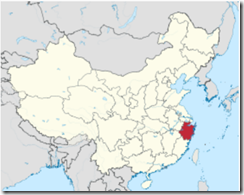
Zhejiang Province – Credit Wikipedia


# 7074


Considering that H7 avian viruses have generally been viewed as `rare and mild in humans’, the reassortant H7N9 virus spreading in Eastern China continues to play against type, with the sixth fatality being reported this morning out of Zhejiang Province.


This report from the Chinese News agency Xinhua.


Sixth death from H7N9 bird flu reported

English.news.cn   2013-04-05 12:17:21

HANGZHOU, April 5 (Xinhua) -- East China's Zhejiang Province on Friday morning reported that a man has died from the H7N9 bird flu, bringing the death toll from the new deadly strain to six in the country.


The city has reported three infections to date, and two have died, the Health Bureau of Zhejiang Province said Friday.


According to the health bureau, the 64-year-old man surnamed Zhang, who is a peasant farmer of Huzhou City, died at hospital after rescue efforts failed on Thursday night and it was confirmed he was infected with the H7N9 strain.


So far, 55 people who had a close contact with Zhang have shown no abnormal symptoms.


China has confirmed 14 H7N9 cases -- six in Shanghai, four in Jiangsu, three in Zhejiang and one in Anhui, in the first known human infections of the lesser-known strain.


Shanghai authorities on Thursday reported four deaths, with Zhejiang now reporting two.


Six deaths are admittedly worrisome, but we currently lack sufficient data to gauge the CFR or Case Fatality Ratio, of this virus.


At this time we don’t have any idea how many total cases  there are in China.


If there are a lot of mild cases out there not being treated in hospitals, then we are only seeing the the sickest of the sick, and the CFR would be lower than current numbers suggest.


If not . . . well, that would be a good news-bad news situation.  It would suggest the virus isn’t transmitting among humans (good), but that it carries a high CFR (bad).


In truth, the number of cases (and fatalities) for nearly every disease go underreported.  Health officials must then estimate the total disease burden based on mathematical models.


surveillance

As the pyramid chart above indicates, only a tiny fraction of infectious disease cases  are actually reported to health authorities. - Credit CDC


Fifteen years after it first emerged, the debate over the true CFR of the H5N1 avian flu virus is still hotly debated (see The Great CFR Divide).


And even when it comes to seasonal flu, the best we can do each year is to estimate the total number of cases and try to extrapolate a mortality rate.


As more data comes in, we should get a better `feel’ for the mortality rate of this virus , and if human-to-human transmission is established, eventually an estimate of the basic reproductive number (R0) of this virus.


R0 (pronounced R-naught) is the the number of new cases in a susceptible population likely to arise from a single infection.


With an  R0 below 1.0, a virus (as an epidemic) begins to sputter and dies out. 


Above 1.0, and an epidemic can have `legs’.


But those numbers will – of necessity – be estimates, and often vary over time, and by geographic location.


For now, our understanding of the threat posed by this H7 virus remains limited.  It could easily fade back into the woodwork, or it could become a contender. 


The next few days should provide better clues as to where all of this is going.


Stay tuned.

Friday, June 22, 2012

Revisiting The H5N1 CFR Debate


image

Source – WHO as of 6/7/12


# 6401


One of the more contentious aspects of the H5N1 research debate of the past 8 months has been the argument over the `real’ CFR (Case Fatality Ratio) of the H5N1 virus in humans.


The `official’ number – a fatality rate of roughly 60% – is derived from the total known human infections by the virus (606 as of June 7th, 2012), and the total number of fatalities within that group (357)


Critics point out that only the sickest of the sick would end up in a testing environment, and that many mild cases would recover and never be counted.


The numbers, they maintain, are badly skewed.


Last February (see Science: Peter Palese On The CFR of H5N1) the journal Science published a meta-analysis by  Taia T. Wang,  Michael K. Parides &  Peter Palese, that argued that we are likely missing a great many H5N1 infections (perhaps millions), and that the virus is far less lethal than has been assumed in the past.


That argument was countered by CIDRAP director Michael T. Osterholm and Nick Kelley in an mBio  article, where they found little serological evidence to suggest that we are missing `millions’ of uncounted H5N1 infections (see mBio: Mammalian-Transmissible H5N1 Influenza: Facts and Perspective).


Today, we’ve a new response to the Palese meta-analysis appearing in the journal Science. One with a remarkable pedigree; attached you’ll find some of the biggest names in influenza research:


Comment on “Seroevidence for H5N1 Influenza Infections in Humans: Meta-Analysis”

Science 22 June 2012:
Vol. 336 no. 6088 p. 1506
DOI: 10.1126/science.1221434

Maria D. Van Kerkhove, Steven Riley,Marc Lipsitch, Yi Guan, Arnold S. Monto, Robert G. Webster, Maria Zambon, Angus Nicoll, J. S. Malik Peiris, Neil M. Ferguson

Abstract

A better understanding of the severity of H5N1 in humans is needed. Wang et al. (Brevia, 23 March 2012, p. 1463; published online 23 February 2012) over interpret the results of seroprevalence studies and take too little account of underlying uncertainties. Although the true risk of death from H5N1 infection will likely be lower than the 60% of reported laboratory-confirmed cases, there is little evidence of millions of missed infections.


Their entire rationale may be read here, and it strongly counters the assessment presented by Wang et al. in the original paper.


Dueling opinion pieces, regardless of the credentials of those involved, can’t really settle this argument. What we need are more, and better, seroprevalence studies in places where the H5N1 virus is endemic to come to any firm conclusions.


While most researchers accept that the 60% CFR number is probably far too high, as the authors of today’s article caution, in the absence of compelling data to the contrary:


“The precautionary principle dictates that we continue to assume that natural H5N1 infection in humans carries a high risk of death”


A policy I would certainly endorse.

Monday, April 16, 2012

Differences In Virulence Between Closely Related H5N1 Strains


# 6286


One of the difficulties in determining the CFR (Case Fatality Rate) of the H5N1 virus (see The Great CFR Divide) is the fact that at least 20 distinct clades of the virus have so far been identified (with numerous variations among each clade), and that there appear to be differences in how they behave.


`Clades’ are essentially branches on the virus’s family tree. Each new branch has a clearly identifiable lineage from its parental strain, but has mutated far enough away to become a new strain.


The World Health Organization’s report from October of 2011, Updated unified nomenclature system for the highly pathogenic H5N1 avian influenza viruses, identifies and updates the known clades of the H5N1 virus that have emerged since the detection of the A/goose/Guangdong/1996 H5N1 virus strain back in the mid 1990s.


All of which means we are not watching just one H5N1 virus strain with pandemic potential, we are watching at least 20 genetically separate clades of the virus, with many minor variants of each clade thrown in the mix.


And over time, it is expected that even more clades will emerge as the virus mutates and/or swaps genetic material with other viruses.


To give you an idea of just how much the virus has diversified over the past 15 years, I’ve reproduced one of the WHO charts from in this report below.


image

(click to load larger image)


And among these different clades and strains (some of which have disappeared over the years), there appears to be a significant variation in its virulence, host range, and likely - transmissibility.


Anecdotally, a look at the latest World Health Organization tally of known human H5N1 cases shows a wide spread in case fatality rates around the world.


The latest global tally of human H5N1 cases from the WHO show 23 confirmed H5N1 infections for 2012, and 14 fatalities.


image


In Bangladesh, of the 6 known cases, none have died, while in Cambodia 18 or 20 have succumbed to the virus.  In Egypt, the CFR is running about 35%, while in Indonesia, it is nearly 83%.

Although there are likely many factors involved in causing this disparity in CFR – including quality of, and delays in seeking medical care – it suggests that the H5N1 virus is more virulent in some regions of the world than in others.


Which brings us to a study that recently appeared in the Journal Transboundary and Emerging Diseases that looked at two very similar H5N1 viruses of the same clade (2.3.2.1) that produced widely varying pathogenicity in mice and ducks.


Two Highly Pathogenic Avian Influenza H5N1 Viruses of Clade 2.3.2.1 with Similar Genetic Background but with Different Pathogenicity in Mice and Ducks

J. Hu, K. Zhao, X. Liu, X. Wang, Z. Chen, X. Liu

Article first published online: 12 APR 2012

DOI: 10.1111/j.1865-1682.2012.01325.x

Summary

A number of genetic markers for virulence of avian influenza viruses (AIVs) in different hosts have been identified. However, we isolated two H5N1 AIVs, A/Chicken/Jiangsu/k0402/2010(CK/10) and A/Goose/Jiangsu/k0403/2010(GS/10) with similar genetic background, but most well-defined molecular markers for virulence in mammals and avian species were not found in both viral genomes.

In addition, pathogenicity of this pair of viruses in different hosts remains unclear. Therefore, we evaluated their pathogenicity in chickens, mice, ducks and guinea pigs. Infection of CK/10 and GS/10 in chickens caused 100% mortality within 24 h.

Mouse experiment showed that CK/10 was highly pathogenic (MLD50 = 0.33 log10 EID50), whereas GS/10 was avirulent (MLD50 > 6.32 log10 EID50).

Interestingly, the virulence of CK/10 in ducks (DLD50 = 3.83 log10 EID50) was higher than that of GS/10 (DLD50 = 7.7 log10 EID50), which correlated with viral pathogenicity in mice. Although CK/10 and GS/10 showed distinct pathogenicity in mice, they both were lethal to guinea pigs, with CK/10 replicating to higher titres in airways than GS/10.

Collectively, these findings suggest that AIVs with similar genetic backgrounds may exhibit distinct pathogenicity in specific hosts and that some unknown molecular markers for virulence may exist and need to be identified.


With differences this great in the pathogenicity of two closely related H5N1 viruses, one might reasonably assume that even greater differences in host range, transmissibility, and virulence may exist between more dissimilar clades.


Which just might help explain the `dueling studies’ problem, where some seroprevalence studies have shown a small but significant percentage of apparent asymptomatic H5N1 infections in exposed populations, while the majority have not.


Granted, none of this brings us any closer to knowing  the true CFR of the H5N1. 


But that may well be an impossible question to answer accurately, unless we first specify which strain, clade, or sub-clade of the virus we are talking about.