Showing posts with label Hand hygiene. Show all posts

Wednesday, July 09, 2014

BMJ: The `Hawthorne Effect’ On Hospital Hand Hygiene Compliance

image

Credit WHO


# 8816


One hundred and sixty-six years ago, a Hungarian physician named Ignaz Semmelweis published a controversial medical book called Etiology, Concept and Prophylaxis of Childbed FeverSemmelweis demonstrated that infections could be greatly reduced by simply having doctors wash their hands before performing gynecological exams.


While that makes sense today, at the time his theories were considered radical (Pasteur wouldn’t come up with his `germ theory’ for another 17 years). Besides, it was outrageous to suggest that doctors might actually be causing disease and death among their patients.


Semmelweis was ridiculed, ostracized and eventually forced to leave his hospital post. He died at the age of 47 in an asylum, a broken man. Remarkably,16 decades later, infection control professionals must still continually remind HCWs (Health Care Workers) of the importance of good hand hygiene.


This assessment from the CDC on the burden of Hospital Acquired Infections in the United States is from 2011.

image


Which is the reason that the CDC, the ECDC, and the World Health Organization (among others) have promoted enhanced hand hygiene as the first – and most basic – step in reducing HAIs.  A few of their campaigns I’ve covered in the past include:


Aye, There’s The Rub
Fomite to Fingers To Face: A Triple Play Combination
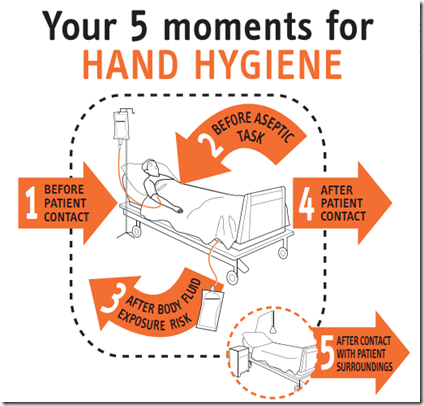
A Movement With Five Moments
Global Clean Your Hands Day


And based on a variety of metrics, including onsite auditors – whose job it is to observe and track compliance of HCWs – many hospitals are reporting much better hand hygiene stats.


But we’ve a new study, published in the BMJ, that suggests some of this new-found compliance may be due to observational bias – the so called `Hawthorne Effect’ – where the compliance of `watched’ HCWs may be significantly higher than those not under observation.


First a link to the open access study, which is long, detailed, and worth very much reading in its entirety.


BMJ Qual Saf doi:10.1136/bmjqs-2014-003080

  • Original research

Quantification of the Hawthorne effect in hand hygiene compliance monitoring using an electronic monitoring system: a retrospective cohort study

Open Access

Jocelyn A Srigley1,2, Colin D Furness3,4, G Ross Baker1, Michael Gardam5,6 

Published Online First 7 July 2014

Abstract

Background The Hawthorne effect, or behaviour change due to awareness of being observed, is assumed to inflate hand hygiene compliance rates as measured by direct observation but there are limited data to support this.

Objective To determine whether the presence of hand hygiene auditors was associated with an increase in hand hygiene events as measured by a real-time location system (RTLS).

Methods The RTLS recorded all uses of alcohol-based hand rub and soap for 8 months in two units in an academic acute care hospital. The RTLS also tracked the movement of hospital hand hygiene auditors. Rates of hand hygiene events per dispenser per hour as measured by the RTLS were compared for dispensers within sight of auditors and those not exposed to auditors.

Results The hand hygiene event rate in dispensers visible to auditors (3.75/dispenser/h) was significantly higher than in dispensers not visible to the auditors at the same time (1.48; p=0.001) and in the same dispensers during the week prior (1.07; p<0.001). The rate increased significantly when auditors were present compared with 1–5 min prior to the auditors’ arrival (1.50; p=0.009). There were no significant changes inside patient rooms.

Conclusions Hand hygiene event rates were approximately threefold higher in hallways within eyesight of an auditor compared with when no auditor was visible and the increase occurred after the auditors’ arrival. This is consistent with the existence of a Hawthorne effect localised to areas where the auditor is visible and calls into question the accuracy of publicly reported hospital hand hygiene compliance rates.

(Continue . . . )


You’ll find a summary of this research the following press release from the University Health Network


Health-care worker hand hygiene rates increase three-fold when auditors visible

Hand hygiene rates were found to be three times higher when auditors were visible to healthcare workers than when there were no auditors present, according to a study in a major Canadian acute care hospital.

<SNIP>

The study examined the Hawthorne effect, also known as observation bias – the tendency of people to change their behavior when they are aware of an observer – using an electronic monitoring hand hygiene system in real-time, eliminating many of the biases inherent to human observation. Ultrasound "tags" on soap dispensers transmitted a signal to a nearby receiver each time the levers were pushed, and a time-stamped hand hygiene wash was recorded in a central data base.

<SNIP>

"The difference in hand hygiene rates, when an auditor is present compared to those times when one is not, is huge in this study, and we showed this effect to be very consistent," says Dr. Gardam, who is also an Associate Professor of Medicine at the University of Toronto.

"The magnitude of what we found calls into question the accuracy of directly observed hand hygiene rates and the usefulness of measuring and reporting them," says Dr. Gardam. "That said, human auditing of hand hygiene has been helpful to draw attention to this important preventative measure—we just can't stop focusing on it because our posted rates are not nearly as high as we think they are."

(Continue . . . )


While it stands to reason that `watched’ HCWs are probably more inclined to hit the hallway mounted alcohol dispenser as they walk by, the surprise here is the three-fold difference in compliance levels when auditors are present. This study is subject to a number of limitations (which are described in the BMJ article).


For more on the ongoing battle against HAIs, you may with to revisit:


Assessment Of Hand Hygiene Strategies In US Healthcare Facilities
SHEA Infection Control Recommendations On HCW Attire
Study: Exam Gloves, Dispensers & Bacterial Contamination

Sunday, March 02, 2014

Study: Efficacy Of Hand Hygiene Alone Against Influenza Infection

image

Photo Credit – CDC


# 8341


As was well illustrated during the opening months of the 2009 H1N1 pandemic – until a vaccine can be developed, produced, and distributed – public health interventions to reduce the spread of a virus are fairly limited, and consist primarily of NPIs – or Non-Pharmaceutical Interventions.

image

Credit CDC Non-Pharmaceutical Interventions

The goal, in those early months before a vaccine becomes available, is to reduce the spread of the virus as much as possible.  In this way, the burden on health care facilities, and toll of absenteeism and on the lives of those effected can be reduced.


image

Source - Community Strategy for Pandemic Influenza Mitigation


NPI’s have been described as being like slices of Swiss cheese, with each containing large holes through which the virus can pass, but when stacked on top of each other, can provide an effective barrier.


While it is known that these measures can help reduce influenza transmission, there are many open questions regarding their relative merits, cost effectiveness, and optimum combination.  


Among the researchers trying to nail down these merits, is Dr. Allison Aiello whose work at the University of Michigan we’ve examined previously. Back in 2010, in Michigan NPI Study: A Closer Look and Study: Effectiveness of NPIs Against ILI's, we looked at a multi-year research project that compared the effectiveness of handwashing and facemasks (alone, and in combination) at reducing the spread of seasonal influenza in a college dorm setting.


Their results?


Neither face mask use and hand hygiene nor face mask use alone was associated with a significant reduction in the rate of ILI, although combined, they produced a 35% to 51% reduction of infection over the control group.


Although this study did not directly study the effectiveness of hand washing alone, the implication here is that alcohol sanitizers and hand washing alone may not be as protective as has been hoped in the past. 


Flash forward four years and Dr. Aiello (now Professor of Epidemiology at UNC)  is back with a study (along with Dr. Benjamin Cowling  and V. W. Y. Wong of the University of Hong Kong) that looked at earlier studies in order to evaluate the effectiveness of hand hygiene alone in preventing influenza infection.


Hand hygiene and risk of influenza virus infections in the community: a systematic review and meta-analysis

V. W. Y. WONGa1, B. J. COWLINGa2 c1 and A. E. AIELLOa3 

SUMMARY

Community-based prevention strategies for seasonal and pandemic influenza are essential to minimize their potential threat to public health. Our aim was to evaluate the efficacy of hand hygiene interventions in reducing influenza transmission in the community and to investigate the possible modifying effects of latitude, temperature and humidity on hand hygiene efficacy. We identified 979 articles in the initial search and 10 randomized controlled trials met our inclusion criteria.

The combination of hand hygiene with facemasks was found to have statistically significant efficacy against laboratory-confirmed influenza while hand hygiene alone did not. Our meta-regression model did not identify statistically significant effects of latitude, temperature or humidity on the efficacy of hand hygiene.

Our findings highlight the potential importance of interventions that protect against multiple modes of influenza transmission, and the modest efficacy of hand hygiene suggests that additional measures besides hand hygiene may also be important to control influenza.


Before proceeding, I would note that the  advice from the CDC, HHS, WHO and just about every other public health agency around to globe to `wash your hands often is undoubtedly sage counsel, and can protect you against a wide range of illnesses and disease.


I am, and will continue to be, an inveterate hand washer and you are unlikely to find me out and about without a bottle of alcohol hand-sanitizer within reach.


But as far as influenza (and other common ILIs) are concerned, there isn’t a lot of evidence that handwashing alone offers much of a protection against infection.  Something I wrote about at some length back in 2009 (see Sanitized For Your Protection and The Flaw In The Ointment). 


While it is true that some influenza infections undoubtedly come via fomites (contaminated surfaces which we touch and then transfer to our mouths, eyes, or nose) - and that hand-washing might prevent some of those - most researchers would grant that most influenza is probably transmitted through large droplet or aerosol routes. 


Which would explain why studies have shown that combining handwashing with respiratory protection does appear to provide a significant degree of protection against influenza-like illnesses.


The problem with facemasks and other forms of PPEs (Personal Protective Equipment)– particularly during a severe pandemic – is one of supply. 


Our Strategic National Stockpile contains more than 100 million  N95 and surgical masks (see Caught With Our Masks Down), but the demand for PPEs during a serious pandemic would far exceed the supply. 


At one time the HHS estimated the nation would need 30 billion masks (27 billion surgical, 5 Billion N95) to deal with a major pandemic (see Time Magazine A New Pandemic Fear: A Shortage of Surgical Masks).


Making it difficult for the CDC, WHO, and other public agencies to broadly recommend their use, knowing they would quickly be in short supply.


Still, the CDC has in the past suggested that individuals and businesses may wish to stockpile a small quantity of facemasks (see Minnesota Health Department May 2007: Volume 2, Number 5 (PDF: 127KB/4 pages) as part of their general pandemic preparedness.


CDC officials could not emphasize enough that masks alone will not be sufficient to eliminate the risk of infection during a pandemic. Facemasks (e.g., surgical masks) and respirators (e.g., N95 masks) should be used in combination with other preventive measures, such as hand hygiene and social distancing, to help reduce the risk for influenza infection during a pandemic. 


Respirators (e.g., N95 masks) are still only being recommended for individuals who have unavoidable close contact with infected persons. Whenever possible, rather than relying on the use of facemasks (e.g., surgical masks) and respirators (e.g., N95 masks), close contact and crowded conditions should be avoided during an influenza pandemic. Facemasks (e.g., surgical masks) should be considered for use by individuals who enter crowded settings, both to protect their nose and mouth from other people’s coughs and to reduce the wearers’ likelihood of coughing on others. The time spent in crowded settings should be as short as possible.

Last July, in The Great Mask Debate Revisited I wrote about the pros and cons regarding facemasks, and the various studies comparing the protective qualities of surgical masks vs. N95 masks.  


Neither type should be regarded as perfect protection against infection, and with regards to the more expensive N95s, it takes more than just having a box in your closet (see Survival Of The Fit-tested) to protect you.


The bottom line, is that you hope to avail yourself of the (admittedly, limited) protection afforded by facemasks during a pandemic, your best bet is to buy any supplies well before a pandemic erupts.


As far as the `wash your hands  meme is concerned, while perhaps oversold for preventing influenza infection, hand washing is simple, cost effective, and has proven benefits as part of basic disease prevention and hygiene.


Which makes it an important component in any public health strategy, regardless of whether we find ourselves in the midst of an influenza epidemic.

Thursday, February 27, 2014

Assessment Of Hand Hygiene Strategies In US Healthcare Facilities

image

Credit WHO Hand Hygiene Campaign


# 8332


One hundred and sixty-seven years ago, a Hungarian physician named Ignaz Semmelweis published a controversial medical book called Etiology, Concept and Prophylaxis of Childbed Fever.


Childbed, or puerperal fever, was a major cause of mortality and morbidity among postpartum women, and Semmelweis demonstrated in his Viennese hospital that its incidence could be greatly reduced by having doctors wash their hands before performing gynecological exams.


His theories were considered radical (Pasteur wouldn’t come up with his `germ theory’ for another 17 years), and went against all currently accepted medical science. Besides, it was outrageous to suggest that doctors might actually be causing disease and death among their patients.


Today, while we know the importance of good hand hygiene – both inside and outside of medical settings – each year lapses in good hand cleansing practices lead to hundreds of thousands of avoidable hospital acquired infections (HAI’s) around the world, causing uncounted misery and costing tens of thousands of lives.


Which is the reason that the CDC, the ECDC, and the World Health Organization (among others) have promoted enhanced hand hygiene as the first – and most basic – step in reducing HAIs.  A few of their campaigns I’ve covered in the past include:


Aye, There’s The Rub
Study: Exam Gloves, Dispensers & Bacterial Contamination
Fomite to Fingers To Face: A Triple Play Combination
A Movement With Five Moments
Global Clean Your Hands Day


Although alcohol hand sanitizers are not without their limitations – particularly when dealing with norovirus and C.diff  (see CDC C. Diff FAQ & CMAJ: Hand Sanitizers May Be `Suboptimal’ For Preventing Norovirus) – their speed, availability, and ease of use make them an important part of any health facility's infection control program.


Yet, despite ongoing awareness campaigns, the latest report published in the American Journal of Infection Control indicates that there are still significant lapses in the WHO hand hygiene guidelines, even in the United States.

image


Between April and December 2011  health-care facilities around the world were invited to participate in a Hand hygiene self-assessment framework on the completion of the above Framework. The first analysis of that data (Summary report of the Framework global survey) was released in May of 2012, is available on the WHO website.


Between July and December of 2011, 2238 US facilities participating in the WHO global campaign were invited to complete the Hand Hygiene Self-Assessment Framework online.  Disappointingly, only 168 facilities (7.5%) responded, which limits the conclusions that can be drawn.


First a press release from Columbia University Medical Center, then a link to the study.


One in 5 US hospitals don't put hand sanitizer everywhere needed to prevent infections

Research from WHO and Columbia University School of Nursing

(NEW YORK, NY, February 27, 2014) – Approximately one in five U.S. health facilities don't make alcohol-based hand sanitizer available at every point of care, missing a critical opportunity to prevent health care-associated infections, according to new research from Columbia University School of Nursing and the World Health Organization (WHO) published in the American Journal of Infection Control. The study, which examined compliance with WHO hand hygiene guidelines in the U.S., also found that only about half of the hospitals, ambulatory care, and long-term care facilities had set aside funds in their budgets for hand hygiene training.

A research team jointly led by Laurie Conway, RN, MS, CIC, PhD student at Columbia Nursing, and Benedetta Allegranzi, MD, lead of the WHO infection control program Clean Care is Safer Care, surveyed compliance with WHO hand hygiene guidelines at a sample of 168 facilities in 42 states and Puerto Rico. Overall, 77.5% of facilities reported that alcohol-based sanitizer was continuously available at every point of care, the study found. About one in ten facilities reported that senior leaders such as the chief executive officer, medical director, and director of nursing didn't make a clear commitment to support hand hygiene improvement, according to the study.

"When hospitals don't focus heavily on hand hygiene, that puts patients at unnecessary risk for preventable health care-associated infections," says Conway. "The tone for compliance with infection control guidelines is set at the highest levels of management, and our study also found that executives aren't always doing all that they can to send a clear message that preventing infections is a priority."

(Continue . . . )


The full AJIC report is linked below:


Status of the implementation of the World Health Organization multimodal hand hygiene strategy in United States of America health care facilities

Results

Of 2,238 invited facilities, 168 participated in the survey (7.5%). A detailed analysis of 129, mainly nonteaching public facilities (80.6%), showed that most had an advanced or intermediate level of hand hygiene implementation progress (48.9% and 45.0%, respectively). The total Hand Hygiene Self-Assessment Framework score was 36 points higher for facilities with staffing levels of infection preventionists > 0.75/100 beds than for those with lower ratios (P = .01) and 41 points higher for facilities participating in hand hygiene campaigns (P = .002).

Conclusion

Despite the low response rate, the survey results are unique and allow interesting reflections. Whereas the level of progress of most participating facilities was encouraging, this may reflect reporting bias, ie, better hospitals more likely to report. However, even in respondents, further improvement can be achieved, in particular by embedding hand hygiene in a stronger institutional safety climate and optimizing staffing levels dedicated to infection prevention. These results should encourage the launch of a coordinated national campaign and higher participation in the WHO global campaign.

(Read entire study online . . . )


This oft quoted assessment from the CDC on the burden of Hospital Acquired Infections in the United States is from 2010.

A new report from CDC updates previous estimates of healthcare-associated infections. In American hospitals alone, healthcare-associated infections account for an estimated 1.7 million infections and 99,000 associated deaths each year. Of these infections:

  • 32 percent of all healthcare-associated infection are urinary tract infections
  • 22 percent are surgical site infections
  • 15 percent are pneumonia (lung infections)
  • 14 percent are bloodstream infections


We live in a germ laden world, and you don’t have to work in a hospital or a doctor’s office to be concerned with good hand hygiene. For more on all of this I’d invite you to visit:


http://www.globalhandwashingday.org/


And can also visit the CDC’s hand hygiene website, where you will find many resources, including information on how to complete the Hand Hygiene Self-Assessment Framework.


image

Sunday, October 13, 2013

Aye, There’s The Rub


image

Photo Credit – CDC


# 7854


Over the past decade, alcohol-based hand sanitizers have become ubiquitous in modern society  – both in medical facilities, and in the pockets and purses of millions of people. Their popularity stems from the fact that they are quick and easy to use, require no water or wash basin, and in many scenarios offer pretty good protection against germs.


While they are not always an appropriate substitute for a good old-fashioned soap & water hand scrubbing - particularly when dealing with C. difficile (see CDC C. Diff FAQ) or Norovirus (see CMAJ: Hand Sanitizers May Be `Suboptimal’ For Preventing Norovirus) - I confess, I keep a bottle handy almost everywhere I go. 


And I use it often.


image

With Global Handwashing Day just two days away, and cold & flu season upon us,  it is good timing that a study just published in BMC Infectious Disease looks at the efficacy of using alcohol hand sanitizers, focusing in particular on how much sanitizer is really needed to do a good job. 


And as it turns out, if you follow the directions on the bottle, you may not be getting the degree of disinfection you believe.  The following figure shows a composite (across 15 subjects) of areas of the hands that escaped sanitation during one of the trials conducted using the the manufacturer’s recommended quantity of product (1.1 ml).


image


It turns out that while alcohol based sanitizers work well against most common pathogens, the quantity of product recommended by many manufacturers (typically 1.1 ml, or a `single pump’ from the dispenser) provides inadequate coverage (both in terms of skin area and contact time) to meet current ASTM efficacy standards.


A `double-pump’ (ie. > 2 ml) provided not only better skin coverage, but longer contact time, resulting in a much greater reduction of skin contamination – meeting or exceeding  ASTM and  FDA efficacy standards.


A link to the study, along with some excerpts, then I’ll be back with a bit more.


Less and less–influence of volume on hand coverage and bactericidal efficacy in hand disinfection

Günter Kampf12*, Sigunde Ruselack3, Sven Eggerstedt3, Nicolas Nowak4 and Muhammad Bashir5

BMC Infectious Diseases 2013, 13:472 doi:10.1186/1471-2334-13-472

The electronic version of this article is the complete one and can be found online at: http://www.biomedcentral.com/1471-2334/13/472

Abstract

Background

Some manufacturers recommend using 1.1 mL per application of alcohol-based handrubs for effective hand disinfection. However, whether this volume is sufficient to cover both hands, as recommended by the World Health Organization, and fulfills current efficacy standards is unknown. This study aimed to determine hand coverage for three handrubs (two gels based on 70% v/v and 85% w/w ethanol and a foam based on 70% v/v ethanol) applied at various volumes.

Methods

Products were tested at product volumes of 1.1 mL, 2 mL, 2.4 mL as well as 1 and 2 pump dispenser pushes; the foam product was tested in addition at foam volumes of 1.1 mL, 2 mL, and 2.4 mL. Products were supplemented with a fluorescent dye and 15 participants applied products using responsible application techniques without any specific steps but the aim of completely covering both hands. Coverage quality was determined under ultraviolet light by two blinded investigators. Efficacy of the three handrubs was determined according to ASTM E 1174-06 and ASTM E 2755-10. For each experiment, the hands of 12 participants were contaminated with Serratia marcescens and the products applied as recommended (1.1 mL for 70% v/v ethanol products; 2 mL for the 85% w/w ethanol product). Log10-reduction was calculated.

Results

Volumes < 2 mL yielded high rates of incomplete coverage (67%–87%) whereas volumes ≥ 2 mL gave lower rates (13%–53%). Differences in coverage were significant between the five volumes tested for all handrubs (p < 0.001; two-way ANOVA) but not between the three handrubs themselves (p = 0.796). Application of 1.1 mL of 70% v/v ethanol rubs reduced contamination by 1.85 log10 or 1.60 log10 (ASTM E 1174-06); this failed the US FDA efficacy requirement of at least 2 log10. Application of 2 mL of the 85% w/w ethanol rub reduced contamination by 2.06 log10 (ASTM E 1174-06), fulfilling the US FDA efficacy requirement. Similar results were obtained according to ASTM E 2755-10.

Conclusions

Our data indicated that handrubs based on 70% ethanol (v/v) with a recommended volume of 1.1 mL per application do not ensure complete coverage of both hands and do not achieve current ASTM efficacy standards.


Actually, the entire (open access) study is worth reading, but for those not particularly interested in methods and materials, the Discussion at the end wraps things up nicely.  


As a former paramedic - I was, and still am - fanatical about hand hygiene. So we’ve looked at the topic of hand washing, and Hospital Acquired Infections (HAIs) often.


Last June, in The Great Unwashed, we looked at a Michigan State University study that found only about 5% of people who were observed in public restrooms washed their hands effectively.   While in Before You Ask To Borrow Someone’s Cell Phone . . . we looked at the degree of fecal (and other) contamination on fomites (inanimate objects like cell phones, keyboards, credit cards, money . . . )


We live in a germy world, and you don’t have to work in a hospital or a doctor’s office to be concerned with good hand hygiene.


For more on all of this I’d invite you to visit:


http://www.globalhandwashingday.org/


And the CDC’s hand hygiene website, where you will find many resources, including a link to a new iPad/iPhone application called iScrub.


image


Monday, July 01, 2013

Study: Exam Gloves, Dispensers & Bacterial Contamination

  image

Credit WHO Hand Hygiene Campaign


# 7438


Although individually packaged sterile gloves are recommended for surgery, suturing, or other highly invasive procedures, most of the time clinicians and health care workers (HCWs) will don a pair of non-sterile exam gloves, usually pulled from an open dispenser, when interacting with patients.


Today, we’ve a study appearing in the Australasian Medical Journal – conducted by researchers from New Zealand’s University of Otago that found significant levels of bacterial contamination are introduced into these dispensers over time.


It turns out that poor hand hygiene by hospital staff - combined with the current design of these glove box dispensers – are likely to facilitate the transfer of dangerous bacteria to unused gloves.


World Health Organization (and other) guidelines emphasize the need for good hand hygiene before donning gloves, but compliance among HCWs has historically been low.


image

Source WHO Glove Use Guidance


First a link to the study and some excerpts from the abstract, then I’ll return with a bit more.


Bacterial Contamination of Unused, Disposable Non-sterile Gloves on a Hospital Orthopaedic Ward

Jon Cornwall, Kim Hughes, Jean-Claude Theis, Heather Brooks

Abstract

Background

Non-sterile disposable gloves are used on large hospital wards, however their potential role as a vehicle for pathogen transmission has not been explored in this setting.


<SNIP>

Results

Total bacterial counts ranged from 0 to 9.6 x 10³ cfu/glove. Environmental bacteria, particularly Bacillus species, were present on 31/38 (81.6%) of samples.


Half (19/38) the samples were contaminated with skin commensals; coagulase negative staphylococci were predominant. Enterococcus faecalis, Klebsiella pneumoniae, Pseudomonas sp. or methicillin susceptible Staphylococcus aureus were recovered from 5/38 (13.2%) of samples.


Significantly more skin commensals and pathogens were recovered from samples from days 3, 6, 9 than box-opening samples. Staphylococcus epidermidis and Klebsiella pneumoniae inoculated onto gloves remained viable for several days but counts decreased.

Conclusion

Health-care workers introduced skin commensals and pathogenic bacteria into glove boxes indicating that unused, non-sterile gloves are potential pathogen transmission vehicles in hospitals. Findings highlight adherence to hand-washing guidelines, common glove retrieval practice, and glove-box design as targets for decreasing bacteria transmission via gloves on hospital wards.


From the full text of this study, we get the following summary:


What this study adds:

1. In a hospital ward setting, unused non-sterile disposable gloves (NSDG) may become contaminated with skin commensals and pathogens during the act of glove retrieval.

2. Contaminated NSDG therefore have the potential to act as transmission vehicles for bacteria as demonstrated by these results.

3. Glove box design and glove withdrawal technique could be further examined to decrease the potential for pathogen transfer to unused gloves.


In the fall of 2011 we looked at a study published in Infection Control and Hospital Epidemiology (see A Barrier To Good Hand Hygiene) that found that exam glove use may actually decrease HCW compliance with good hand hygiene practices.


The study, which was conducted at 15 hospitals in the UK, found that hand hygiene compliance – even in this age of heightened awareness of infection control - was `disappointingly low’.


Overall hand hygiene compliance was observed to be just 47.7%, while the use of gloves was associated with a further decrease to just 41%.


Studies have shown that although compliance rates are improving, 50% of health care workers in the United States fail to consistently wash their hands between patients (cite).


For more on the challenge of preventing Hospital Acquired Infections you may wish to visit the CDC’s HAI PAGE.

image


Or revisit some of these earlier blogs on hospital acquired infections.


HPA: Healthcare-Associated Infection (HCAI) Survey
Study: Hospital Uniforms And Bacteria
Study: HAIs, Universal Surveillance, & MRSA

Monday, June 10, 2013

The Great Unwashed

image

Credit Michigan State University


# 7381


Discouraging news today from Michigan State University, where a study has determined that only about 5% of people who were observed in public restrooms washed their hands effectively.


Something to think about the next time you shake hands with a stranger (or even a friend).


As a former paramedic - I was, and still am - fanatical about hand hygiene. So we’ve looked the topic of handwashing compliance in this blog often, including:


Global Clean Your Hands Day: 2012
Doing The Hand Jive
Hand Hygiene Among Doctors Exposed
Giving Germs A Helping Hand


The article, and a link to the study, appear today in the Michigan State University’s Today online magazine.


Eww! Only 5 percent wash hands correctly

Contact(s): Carl Borchgrevink , Andy Henion

Remember Mom’s advice about washing your hands thoroughly after using the restroom?


Apparently not.


A new study by Michigan State University researchers found that only 5 percent of people who used the bathroom washed their hands long enough to kill the germs that can cause infections.


What’s more, 33 percent didn’t use soap and 10 percent didn’t wash their hands at all. Men were particularly bad at washing their hands correctly.


The study, based on observations of 3,749 people in public restrooms, appears in the Journal of Environmental Health.

(Continue . . . )

You’ll find a short (1:22) video on Youtube about this video.


And the study PDF may be viewed at:

image


Read it and weep. 


But don’t touch your eyes until you wash your hands.

Sunday, November 11, 2012

UK: Norovirus Season Starts Early

image

80% of Norovirus Outbreaks occur between November & April - Credit CDC 


# 6710


Whether you call it Norwalk or Norovirus – the more descriptive `Winter Vomiting Bug’, or the less accurate `stomach flu’  - the virus behind millions of cases of gastroenteritis each year can pack more misery into 72 hours than should be allowed by law.


Long the scourge of crowded institutions - like nursing homes, cruise ships, hospitals and schools - the virus also circulates readily in the community, taking advantage of low levels of human immunity and its ease of spread.


After exposure and a short incubation period (12-24 hours), the victim usually experiences nausea, frequent vomiting & diarrhea, and stomach pain – and may also experience headache, fever, and body aches.


The illness generally runs its course in 1 to 3 (very long) days, and most people recover.


But among those who are aged or infirmed, the virus can take a heavy toll. According to the CDC, each year the norovirus:


  • causes about 21 million cases of acute gastroenteritis (inflammation of the stomach or intestines or both)
  • contributes to about 70,000 hospitalizations and 800 deaths, mostly among young children and the elderly


Last month in JAMA, a study of 407 norovirus outbreaks across 308 nursing homes showed an 11% increase in fatalities during times when a facility was experiencing an outbreak.


JAMA. 2012 Oct 24;308(16):1668-75.

Hospitalizations and mortality associated with norovirus outbreaks in nursing homes, 2009-2010.

Trivedi TK, DeSalvo T, Lee L, Palumbo A, Moll M, Curns A, Hall AJ, Patel M, Parashar UD, Lopman BA.


A short (2 minute) video on this paper may be viewed below. Among their recommendations, it is important to identify an outbreak early, take preventative measures, and nursing staff who become infected should not return to work until at least 48 hours after their symptoms have abated.


Already this winter, I’m aware of a couple of outbreaks here in Central Florida, and in the post-hurricane Sandy recovery, we’ve media reports that Viral outbreak at Hurricane Sandy evacuation shelter shuts 3 Brooklyn schools.


And from the UK today,  reports that their `winter vomiting bug season’ has gotten off to an early start.


Stomach flu earlier, worse in Britain

Published: Nov. 11, 2012 at 12:35 AM

LONDON, Nov. 11 (UPI) -- Norovirus, or the stomach flu, is 27 percent higher in Britain than at the same time last year and six weeks earlier than usual, health officials say.

(Continue . . .)


Earlier this week, the HPA posted the following notice on their Syndromic Surveillance site, indicating reports of vomiting were elevated, suggesting `community-based norovirus activity’.


image


One of the keys to prevention is good hand hygiene.


Unfortunately, unlike with many other bacteria and viruses, alcohol gel doesn’t do a particularly good job of killing the virus, as we discussed last year in  CMAJ: Hand Sanitizers May Be `Suboptimal’ For Preventing Norovirus.


Which makes a good old fashion hand scrubbing with soap and water the best preventative.


The primary method of infection is via the fecal-oral route. The CDC describes it this way:


Norovirus and Food

Norovirus is a leading cause of disease from contaminated foods in the United States. Foods that are most commonly involved in foodborne norovirus outbreaks include leafy greens (such as lettuce), fresh fruits, and shellfish (such as oysters). However, any food item that is served raw or handled after being cooked can become contaminated with noroviruses.

Norovirus Spreads Quickly

Norovirus can spread quickly from person to person in crowded, closed places like long-term care facilities, daycare centers, schools, hotels, and cruise ships. Noroviruses can also be a major cause of gastroenteritis in restaurants and catered-meal settings if contaminated food is served.


The viruses are found in the vomit and stool of infected people. You can get it by

  • Eating food or drinking liquids that are contaminated with norovirus (someone gets stool or vomit on their hands, then touches food or drink).
  • Touching surfaces or objects contaminated with norovirus and then putting your hand or fingers in your mouth.
  • Having direct contact with a person who is infected with norovirus (for example, when caring for someone with norovirus or sharing foods or eating utensils with them).

People with norovirus illness are contagious from the moment they begin feeling sick until at least 3 days after they recover. But, some people may be contagious for even longer.


The role of direct aerosolized human-to-human transmission of norovirus remains a bit murky, although there are numerous anecdotal reports that suggest that it happens.


The CDC – in a an MMWR report from 2011 called Updated Norovirus Outbreak Management and Disease Prevention Guidelines describes transmission thusly:


Transmission

Norovirus is extremely contagious, with an estimated infectious dose as low as 18 viral particles (41), suggesting that approximately 5 billion infectious doses might be contained in each gram of feces during peak shedding. Humans are the only known reservoir for human norovirus infections, and transmission occurs by three general routes: person-to-person, foodborne, and waterborne.


Person-to-person transmission might occur directly through the fecal-oral route, by ingestion of aerosolized vomitus, or by indirect exposure via fomites or contaminated environmental surfaces.


The CDC recommends the following steps to protect yourself from the virus.


image


Good advice, but frankly - having already gone through at least one memorable bout with the virus - if I found myself caring for someone with Norovirus in my household, I’d take a few extra precautionary steps.


According to:


GUIDELINE FOR THE PREVENTION AND CONTROL OF NOROVIRUS GASTROENTERITIS OUTBREAKS IN HEALTHCARE SETTINGS

Taranisia MacCannell, PhD, MSc ; Craig A. Umscheid, MD, MSCE ; Rajender K. Agarwal, MD, MPH ; Ingi Lee, MD, MSCE ; Gretchen Kuntz, MSW, MSLIS ;Kurt B. Stevenson, MD, MPH 3 and the Healthcare Infection Control Practices Advisory Committee (HICPAC)

(EXCERPT)

PERSONAL PROTECTIVE EQUIPMENT

23. If norovirus infection is suspected, adherence to PPE use according to Contact and Standard Precautions is recommended for individuals entering the patient care area (i.e., gowns and gloves upon entry) to reduce the likelihood of exposure to infectious vomitus or fecal material.    (Category IB) (Key Question 1.C.4)

  
24. Use a surgical or procedure mask and eye protection or a full face shield if there is an anticipated risk of splashes to the face during the care of patients, particularly among those who are vomiting. (Category IB) (Key Question 3.C.2.a) 


25. More research is needed to evaluate the utility of implementing Universal Gloving (e.g., routine use of gloves for all patient care) during norovirus outbreaks. (No recommendation/unresolved issue) 


One of the reasons I keep a generous supply of exam gloves, and surgical (& N95) masks in my emergency kit. 


And finally, earlier this year in Norovirus Sequelae we looked at  a new study appearing in Clinical Infectious Diseases that found a link between norovirus infection and ongoing gastrointestinal complaints.


Researchers looked at the records of more than 1700 military personnel who were treated for AGE (acute gastroenteritis) during three known norovirus outbreaks.


By comparing them to controls, they determined that those with a history of AGE were at increased risk of developing chronic gastrointestinal disorders.


Since this was a fairly small study, and some variability was detected in outcomes across the three outbreaks studied, more research will be needed to confirm their findings and to determine how long these after effects may persist.


Still, this is one virus that you want to avoid catching, if at all possible.

Friday, October 05, 2012

Lancet: Public Response To The H1N1 Pandemic Of 2009


# 6610


During the opening months of the 2009 H1N1 pandemic – before a vaccine was available – about the only advice that public health departments could offer was that people practice good flu hygiene.


The CDC’s Action Steps released in September, 2009.


  1. Get your family vaccinated for seasonal flu and 2009 H1N1 flu.
  2. Cover your mouth and nose with a tissue when you cough or sneeze.  If you don’t have a tissue, cough or sneeze into your elbow or shoulder; not into your hands.
  3. Practice good hand hygiene by washing your hands often with soap and water, especially after coughing or sneezing.
  4. Stay home if you or your child is sick for at least 24 hours after there is no longer a fever or signs of a fever (without the use of fever-reducing medicine). Keeping sick students at home means that they keep their viruses to themselves rather than sharing them with others.


And variations of this advice was promoted pretty much worldwide, including this NHS promotion in the UK:


image


While many people did adopt these practices, many did not.  In September of 2009 I wrote of my own encounter with with an unrepentant public sneezer in a blog called  `Being A Sneeze Guard’.


And in a blog called And Yet, They Still Call It Wellington, we looked at a New Zealand study that found poor flu hygiene compliance during the 2009 pandemic.


Today, The Lancet has published a review of flu compliance that has garnered a good deal of press overnight, particularly in Britain, where compliance was less than sterling.


Public response to the 2009 influenza A H1N1 pandemic: a polling study in five countries

Dr Gillian K SteelFisher PhD , Robert J Blendon ScD , Johanna RM Ward MSc , Robyn Rapoport MA , Emily B Kahn PhD , Katrin S Kohl MD


Although the full text is behind a pay wall, the Fergus Walsh with the  BBC has a report with some of the details.


Britons 'kissed through swine flu'

(Excerpt)

Researchers at Harvard School of Public Health in Boston questioned nearly 5,000 people. Just 25% of British people surveyed said they more frequently coughed or sneezed into their elbow or shoulder during the pandemic compared with 82% in Mexico and 84% in Argentina. Some 53% of Britons said they washed their hands or used hand sanitizer more frequently, compared with 89% in Argentina, and 72% in Japan and the US.


Just 2% of Britons said they avoided hugging or kissing family or friends compared with 46% of those questioned in Mexico and 21% in the US.

(Continue . . .)


It wasn’t just the general public displaying a cavalier attitude during the pandemic - something I wrote about in Hand Hygiene Among Doctors Exposed. That concerned an observational study conducted at two scientific conferences on the hand washing habits of doctors.


The first was the 26th Meeting of the Scandinavian Society on Antimicrobial Chemotherapy (SSAC) in Tromsø, Norway, and second took place at the International Congress on Antimicrobial Agents and Chemotherapy (ICAAC) in San Francisco, CA.


Both took place in September 2009, during the height of the pandemic.


Observers stationed in the men’s and women’s restrooms kept track of the hand washing compliance among the men and women (mostly infectious disease specialists) attending these conferences.


The results, while better than others we’ve seen among the general public, were still less than comforting.


The study appeared in the  AJIC (American Journal of Infection Control) and was called:


Do as I say, not as I do: Handwashing compliance of infectious diseases experts during influenza pandemic

Anu Kantele, MD, PhD, Mari Kanerva, MD, PhD, Mikko Seppänen, MD, PhD, Jussi Sutinen, MD, PhD, Kirsi Skogberg, MD, PhD, Laura Pakarinen, MD, Iiro H.S. Jääskeläinen, MD, Inko Aho, MD, Asko Järvinen, MD, PhD, Taru Finnilä, MD Jukka Ollgren, PhD


The bottom line was that in San Francisco only 69% of the men were observed to wash with soap and water, and 86% of the women. Results from the conference in  Tromsø, Norway conference were even more disturbing, with just 38% of the men, and 84% of the women using soap and water.


You’ll find a lot more on this subject in Giving Germs A Helping Hand, which looked at low handwashing compliance among doctors and other healthcare providers.


To try to encourage better hand hygiene among health care providers, the CDC has a hand hygiene website  with  many resources, including a link to a new iPad/iPhone application called iScrub.


image

Monday, June 25, 2012

Norovirus Sequelae


# 6404


Last month I wrote a blog called Norovirus: The Gift That Keeps On Giving, about an outbreak of this nasty gastrointestinal malady among a group of teenage girls at a soccer tournament in 2010.  


It now appears that the above title may have been more appropriate than I imagined, as a new study appearing in Clinical Infectious Diseases finds a link between norovirus infection and ongoing gastrointestinal complaints.


According to the CDC norovirus sickens more than 20 million Americans every year, hospitalizes up to 70,000, and contribute to 800 deaths.  The CDC maintains an extensive Norovirus webpage where they describe the illness, how it is spread, and how to avoid infection.


image


As if enduring 24 to 48 hours of vomiting and diarrhea wasn’t enough, today’s study suggests that those who experience a norovirus infection are at substantially greater risk of developing chronic dyspepsia, constipation and GERD (Gastroesophageal reflux disease).


In the following study researchers looked at the records of more than 1700 military personnel who were treated for AGE (acute gastroenteritis) during three known norovirus outbreaks. 


By comparing them to controls, they determined that those with a history of AGE were at increased risk of developing chronic gastrointestinal disorders.


Since this was a fairly small study, and some variability was detected in outcomes across the three outbreaks studied, more research will be needed to confirm their findings and to determine how long these after effects may persist.


Post-infectious gastrointestinal disorders following norovirus outbreaks

Chad K. Porter1, Dennis J. Faix, Danny Shiau, Jennifer Espiritu, Benjamin J. Espinosa, and Mark S. Riddle

Results. We identified 1,718 subjects from three outbreaks. After controlling for important demographic covariates, the incidence of constipation, dyspepsia and GERD was approximately 1.5 fold higher (p<0.01) in AGE exposed subjects than matched subjects. We also noted variability in outcome incidence across outbreaks.

Conclusions. It appears that the risk of dyspepsia, constipation and GERD are higher among those who have AGE during a confirmed norovirus outbreak. While these findings need confirmation, they suggest that dysmotility may result subsequent to these infections. If confirmed, the costs and morbidity associated with the chronic consequences of norovirus should be considered.


Dysmotility is a generic medical term to describe diseases of the GI tract (esophagus, stomach, small and large intestines) where the muscles do not function properly.


The primary route of infection is the fecal-oral route (although there is evidence it can also be airborne), and the best intervention is . . . you guessed it . . .  washing your hands.


Unfortunately, unlike with many other bacteria and viruses, alcohol gel doesn’t do a particularly good job of killing the virus, as we discussed last year in  CMAJ: Hand Sanitizers May Be `Suboptimal’ For Preventing Norovirus.


For more information, the CDC’s hand hygiene website provides many useful resources, including a link to a new iPad/iPhone application called iScrub.


image

Friday, May 04, 2012

Global Clean Your Hands Day: 2012


Five steps to 5 May 2012 - What's YOUR plan?


# 6316


Tomorrow, May 5th, is being promoted by the World Health Organization as global  CLEAN YOUR HANDS DAY - to encourage HCWs (Healthcare workers) to improve and sustain hand hygiene practices around the world.


While exact numbers are unknown, it is estimated that tens . . . perhaps hundreds of millions of people around the world are adversely affected by what are largely preventable  health care-associated infections (HCAI) each year.


Most of these infections could be prevented by HCWs maintaining good hand hygiene – cleaning their hands properly, and at the appropriate time.


Last year we saw the introduction of the 5 moments for hand hygiene campaign.


image

image


This from the World Health Organization.


WHO Save lives: clean your hands global annual campaign

Date: 5 May 2012

Each year, hundreds of millions of patients all around the world are affected by health care-associated infections (HCAI). Although HCAI is the most frequent adverse event in health care, its true global burden has been unknown because of the difficulty in gathering reliable data. However, recent work by WHO and others highlights that developing countries are more affected. Most health care-associated infections are preventable through good hand hygiene – health-care workers cleaning hands, at the right times and in the right way.

The Save Lives: clean your hands global annual campaign, launched in 2009, is a day in which WHO is committed to 'bringing people together to improve and sustain hand hygiene'. Overall it is an opportunity to:

  • be part of a global movement to improve hand hygiene and receive acknowledgement of this from WHO;
  • be one of the leaders helping to prevent HCAI in your country; subsequently saving lives;
  • receive support for moving from commitment to action at the point of patient care;
  • share your knowledge and successes with others;
  • join a network of countries that have already committed to sustained hand hygiene campaigning; and
  • demonstrate your commitment to making patient safety a priority.
Related links


Lest anyone think that this is just a problem in developing countries, the CDC reports that every year about 2 million Americans get a hospital associated infection (HAI), and as many as 100,000 people die each year as a result.


A point driven home repeatedly by Maryn McKenna in her book, Superbug: The Fatal Menace of MRSA which I reviewed here.


Remarkably, Maryn points out that 50% of health care workers fail to consistently wash their hands between patients.


Whether you work in a healthcare setting or not, today would be a good day to visit the CDC’s hand hygiene website, where you will find many resources, including a link to a new iPad/iPhone application called iScrub.


image


To round out this entry, some oldies but goodies from the AFD archives.


Doing The Hand Jive
Referral: Maryn McKenna On Hand Hygiene
Gonna Wash Those Germs Right Off Of My Hands


A collection of Hand Washing posters can be found at:


http://www.cdc.gov/handhygiene/Resources.html


And lastly, a return engagement by that consummate entertainer, one that Maryn McKenna  introduced me to a few years ago . . .  the one you all know and  love . . give it up for GERMY, in the award winning all singing, all dancing production of Soapacabana!