Showing posts with label Pregnancy. Show all posts

Tuesday, April 07, 2015

Pregnancy, Flu and The Next Pandemic

image

Photo Credit – CDC


# 9909


During the 1918 pandemic an abnormally high number of pregnant women died from the influenza, and those that survived endured a very high miscarriage rate.  Again, during the much milder 1957 Asian Flu, pregnant women reportedly suffered disproportionately higher mortality rates than non-pregnant women of the same age.


Historical reviews of both events are available in a Perspective, written by 3 CDC physicians (Sonja A. Rasmussen,  Denise J. Jamieson, Joseph S. Bresee) and published in the CDC Journal of EID article, Pandemic Influenza and Pregnant Women in February of 2008.

True to form, the 2009 H1N1 pandemic saw similarly high rates of influenza complications among pregnant women, often with tragic results. 


  • During the 2009 H1N1 pandemic,  pregnant women were six times more likely to be hospitalized than non-pregnant women (see Pregnancy & Flu: A Bad Combination).
  • And in 2011, in BMJ: Perinatal Outcomes After Maternal 2009/H1N1 Infection we saw a study where pregnant women who were admitted to the hospital with an  H1N1 infection experienced a 3 to 4 times higher rate of preterm birth, 4 to 5 times greater risk of stillbirth, and a 4 to 6 times higher rate of neonatal death.


    One problem with these studies has been they are often undertaken either in an ad hoc fashion in the midst of an influenza crisis, or are based on a retrospective look at the data.  While both can provide important clues, a more orderly and well planned study would likely provide better data.


    To that end, researchers in the UK have already designed, and put into `hibernation’ until needed, the framework for just such a study, if and when the next influenza pandemic appears.   First a link to the Abstract (the entire document is available online), then I’ll be back with a bit more.


    Planning for a cohort study to investigate the impact and management of influenza in pregnancy in a future pandemic.

    Editors

    Knight M, Brocklehurst P, O’Brien P, Quigley MA, Kurinczuk JJ.

    Source

    Southampton (UK): NIHR Journals Library; 2015 Mar.
    Health Services and Delivery Research.

    Excerpt

    BACKGROUND:

    Evidence from the 2009 A/H1N1 influenza pandemic demonstrated that pregnant women are particularly vulnerable to infection and at an increased risk of death. Active data collection through the UK Obstetric Surveillance System (UKOSS) about women admitted to hospital during the 2009 A/H1N1 pandemic was used to inform ongoing clinical guidance regarding the use of antiviral treatment for pregnant women and demonstrated that, in addition to an increased risk of maternal morbidity, influenza infection in pregnancy is associated with poor perinatal outcomes, including an increased risk of stillbirth and preterm birth. This evidence influenced the decision to offer routine influenza immunisation to pregnant women. Even in a non-epidemic period, pregnant women continue to die from influenza.

    OBJECTIVE:

    To establish, and then to put into hibernation, the study mechanisms needed to mount a rapid investigation of the impact of pandemic influenza in pregnancy in the event of a newly emerging pandemic strain.

    DESIGN:

    A new UKOSS cohort study was designed, based on the 2009–10 study, and following consultation with the Pandemic Flu Planning Group at the Royal College of Obstetricians and Gynaecologists and the UKOSS Steering Committee, to identify potential previously unanswered questions.

    SETTING:

    UK maternity units.

    PARTICIPANTS:

    All pregnant women admitted to hospital with influenza in a future pandemic.

    MAIN OUTCOME MEASURES:

    Management of pregnant women with influenza infection, intervention rates, treatment and pregnancy outcome for both the mother and fetus.

    RESULTS:

    The study was designed and approved by the UKOSS Steering Committee and then placed into hibernation for activation in the event of an influenza pandemic.

    CONCLUSIONS:

    Pregnant women, as a result of their changed immunological status, appear to be particularly susceptible to infection, including from influenza. The existence of the UKOSS enabled us to rapidly mount a study of pregnant women who were hospitalised with 2009 A/H1N1 influenza. Minor modifications to incorporate previously unanswered questions and our previous study enabled us to design, and then put into hibernation, a new study ready to investigate the impact and management of influenza in pregnancy, which is poised for activation in the event of a newly emerging pandemic strain. This will enable real-time data to be available on which to base rapid changes in clinical management as the as-yet-unforeseen pandemic unfolds. In the event of an influenza pandemic the study will be available to be immediately activated following expedited regulatory approvals.


    We’ve known for a long time that influenza and pregnancy can endanger both the mother and unborn child’s life – and that holds true for both pandemic and seasonal influenza.


    Over the past decade we’ve also seen a handful of studies tentatively linking prenatal exposure to influenza (or an influenza-like-illness) with a variety of child and adolescent development disorders (see Of Pregnancy, Flu & Autism).


    Which explains why the CDC, the WHO, and other public health stress the importance of seasonal flu vaccination for pregnant women every year. 

    Despite all of this evidence of harm from influenza - there remains reluctance among some pregnant women to get the shot. In part, due to the persistent anti-vaccine rhetoric on the internet and in the media - including unfounded claims that the 2009 H1N1 vaccine was responsible for `thousands’ of miscarriages. 


    The science, however, overwhelmingly supports the safety of flu shots for pregnant women.


    In October of 2011, in IDSA: Flu Vaccines In Pregnancy, we saw several studies presented at the 49th Annual Meeting of the Infectious Diseases Society of America (IDSA) reaffirming the benefits and safety of maternal vaccination.The CDC has synopsized these studies in:


    Pregnancy and Influenza Vaccine Safety


    In 2012, in BMJ: H1N1 Vaccination & Fetal Death Rates, we looked at a large cohort study of pregnant women in Demark that reassuringly finds no increase in miscarriage among those who received the 2009 H1N1 vaccine.  Results that mirrored another study  we saw in  Hong Kong: No Increase In Fetal Death Among Vaccine Recipients.


    Ironically, while some seek to demonize the flu vaccine as causing fetal deaths, in October of 2011 in UK: Pregnancy And Swine Flu a study conducted at Oxford University by the National Perinatal Epidemiology unit found a strong link between infection with the 2009 `swine’ flu and an increased number of stillbirths.


    Fetal deaths among women infected with the H1N1 virus were 5 times higher than normal.


    While no drug or vaccine can claim to be 100% safe or benign, the evidence continues to show that flu vaccines are among the safest drugs available, and that most years they can provide decent protection against a serious and potentially deadly illness.


    For pregnant women and their unborn children - the real risks come from influenza virus - not from the vaccine.

    Monday, February 24, 2014

    Pregnancy, Influenza & Elevated Psychosis Risks In Adult Offspring

    image

    Photo Credit – CDC


    # 8326


    It’s been well documented that influenza and pregnancy are a bad combination - one that can endanger both the mother and unborn child’s life – and that women are more susceptible to influenza while (and just after) they are pregnant. It is for this reason that the CDC encourages all pregnant women to get the flu shot (see Pregnant Women & Influenza (Flu)).


    These risks were well illustrated in an open access research article in the BMJ in 2011 (Perinatal outcomes after maternal 2009/H1N1 infection: national cohort study) that found that pregnant women who were admitted to the hospital with an  H1N1 infection experienced a 3 to 4 times higher rate of preterm birth, 4 to 5 times greater risk of stillbirth, and a 4 to 6 times higher rate of neonatal death.


    But over the past decade we’ve also seen evidence of a less obvious, and long-delayed, impact of these type of infections.  Namely, an increase in a variety of child, adolescent, and adult development disorders experienced by offspring who were exposed to the flu (or the mother’s immune response) while in the womb.


    A few examples include:


    These studies are admittedly small and less than conclusive, and while they suggest an increase in relative risk over pregnancies without fever or viral infection – in terms of absolute risk – the odds that a mother’s fever or viral infection during pregnancy would result in a developmentally challenged child remains low.


    We’ve a new study, this time appearing in the American Journal of Psychiatry that adds to, and reinforces some of these earlier studies.  While not finding a statistically significant link between maternal pregnancy and bipolarity in offspring (odds ratio of 1.26), when they refined it to bipolar disorder with psychosis, they determined a nearly fivefold increased risk.


    The authors explain:


    “Since prenatal influenza has been previously associated with schizophrenia, a disorder characterized in large part by psychotic episodes such as hallucinations and delusions, our results support the hypothesis that maternal influenza exposure may preferentially increase the risk for psychosis apart from traditional diagnostic categories.”


    Although more research is needed to validate these findings, the authors suggest that prevention of maternal influenza infection may decrease the incidence of bipolar disorder with psychotic features in the population.


    Serological Documentation of Maternal Influenza Exposure and Bipolar Disorder in Adult Offspring

    Sarah E. Canetta, Ph.D.; Yuanyuan Bao, M.S.; Mary Dawn T. Co, M.D.; Francis A. Ennis, M.D.; John Cruz, B.S.; Masanori Terajima, M.D., Ph.D.; Ling Shen, Ph.D.; Christoph Kellendonk, Ph.D.; Catherine A. Schaefer, Ph.D.; Alan S. Brown, M.D., M.P.H.

    Abstract

    Objective The authors examined whether serologically confirmed maternal exposure to influenza was associated with an increased risk of bipolar disorder in the offspring and with subtypes of bipolar disorder, with and without psychotic features.

    Method The study used a nested case-control design in the Child Health and Development Study birth cohort. In all, 85 individuals with bipolar disorder were identified following extensive ascertainment and diagnostic assessment and matched to 170 comparison subjects in the analysis. Serological documentation of maternal exposure to influenza was determined using the hemagglutination inhibition assay.

    Results No association was observed between serologically documented maternal exposure to influenza and bipolar disorder in offspring. However, maternal serological influenza exposure was related to a significant fivefold greater risk of bipolar disorder with psychotic features.

    Conclusions The results suggest that maternal influenza exposure may increase the risk for offspring to develop bipolar disorder with psychotic features. Taken together with earlier associations between prenatal influenza exposure and schizophrenia, these results may suggest that prenatal influenza is a risk factor for psychosis rather than for a specific psychotic disorder diagnosis.


    Obviously this is a major concern for expectant mothers, but we’ve also seen evidence that the influenza virus can be neurotropic - capable of infecting and damaging brain cells – in people of any age, not just those in the womb.


    When you consider the potential long-term health effects of influenza infection – rare or not – it makes sense to do whatever one can reasonably do to avoid infection. 


    And that means getting the flu shot every year, avoiding people when they are obviously sick, and practicing good flu hygiene (covering coughs, washing hands, avoid touching face) year round.

    Thursday, May 09, 2013

    Pregnancy, Influenza, & Bipolar Disorder In Offspring

    image

    Photo Credit – CDC


    # 7252


    While we await the next installment in the nCoV and H7N9 story, we’ve a new study that appeared yesterday in JAMA Psychiatry, that links bipolar disorder (BD) to influenza exposure while still in the womb.


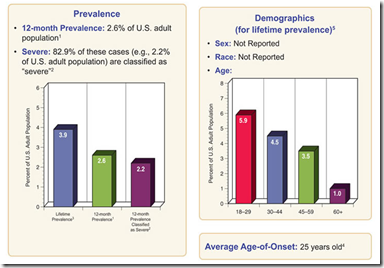
    Some background information on BD from the NIMH, that shows millions of Americans suffer to one degree or another from this disorder.


    Bipolar Disorder Among Adults

    Bipolar disorder, sometimes referred to as manic-depressive disorder, is characterized by dramatic shifts in mood, energy, and activity levels that affect a person’s ability to carry out day-to-day tasks. These shifts in mood and energy levels are more severe than the normal ups and downs that are experienced by everyone.


    Additional information about bipolar disorder can be found on NIMH’s bipolar disorder page.

    image


    As you might imagine, it takes the review of decades of health data to link a viral exposure in the womb to the development of any adult-onset illness.  


    And that’s exactly what researchers from Columbia University Medical Center, the New York State Psychiatric Institute, Kaiser Permanente, in Oakland, California; and the University of KwaZulu-Natal Durban, South Africa did.


    Using data derived from Kaiser Permanente Health Plan's Northern California region, researchers checked for influenza diagnoses among pregnant women enrolled between 1959 and 1966, and then followed up on their offspring’s medical records for diagnoses consistent with bipolar disorder later in life.


    Based on a relatively small, and geographically limited data set, researchers found a nearly 4-fold increase (3.82 times) in bipolar disorder among offspring whose mother had experienced an influenza infection during pregnancy, compared to offspring not exposed to the virus as a fetus.


    First a link to the study (and some excerpts from the abstract), then I’ll return with more.


    Gestational Influenza and Bipolar Disorder in Adult Offspring

    Raveen Parboosing, MBChB, MMed, FCPath(SA)(Viro), MS; Yuanyuan Bao, MS; Ling Shen, PhD; Catherine A. Schaefer, PhD; Alan S. Brown, MD, MPH

    JAMA Psychiatry. 2013;():1-8. doi:10.1001/jamapsychiatry.2013.896.

    (EXCERPT)

    Main Outcome and Measures  Bipolar I or II disorder, BD not otherwise specified, or BD with psychotic features.

    Results  We found a significant, nearly 4-fold increase in the risk of BD (odds ratio, 3.82 [95% CI, 1.58-9.24; P = .003]) after exposure to maternal influenza at any time during pregnancy. The findings were not confounded by maternal age, race, educational level, gestational age at birth, and maternal psychiatric disorders.

    Conclusions and Relevance  Maternal influenza may be a risk factor for BD. Although replication is required, the findings suggest that prevention of maternal influenza during pregnancy may reduce the risk of BD.


    As with all observational studies, there are some weaknesses that must be considered, including: the relatively small cohort of patients studied, the lack of lab confirmation of maternal flu diagnosis, and difficulties in finding intact medical histories on offspring.  


    That said, over the past decade we’ve seen a growing number of studies that have tentatively linked prenatal exposure to influenza (or an influenza-like-illness) to a variety of child, adolescent, and adult psychiatric and developmental disorders. 


    A few examples include:


    It should be noted that these studies looked at relative risk increases, and that the absolute risk of offspring developing these psychiatric or developmental disorders later in life – regardless of exposure in the womb - is still fairly low.


    Debated also is whether these disorders might be caused by an immune response to infection by the mother, or fetal exposure to the virus itself.


    While the jury is still out, we’ve seen evidence that the influenza virus can be neurotropic - capable of infecting and damaging brain cells. For a recent review of this supposed link, see Revisiting The Influenza-Parkinson’s Link.


    For these, and other reasons, the CDC and many other public health entities continue to stress the importance of seasonal flu vaccination for pregnant women.


    In October of 2011, in IDSA: Flu Vaccines In Pregnancy, we saw several studies presented at the 49th Annual Meeting of the Infectious Diseases Society of America (IDSA) reaffirming the benefits and safety of maternal vaccination.


    The CDC has synopsized these studies in:


    Pregnancy and Influenza Vaccine Safety


    Vaccines are drugs, and there is no such thing as a 100% safe and 100% effective drug. Even taking over-the-counter medicines entail some risks.


    But the safety profile of flu vaccines is excellent, and serious side effects are exceedingly rare.


    The overwhelming evidence shows that the real risk comes from the virus, not from the shot.

    Thursday, January 24, 2013

    Two Studies On The 2009 Pandemic Flu Vaccine & Pregnancy

    image

    Photo Credit – CDC


    # 6877


    We’ve known for a long time that influenza and pregnancy are a bad combination - one that can endanger both the mother and unborn child’s life – and that women are more susceptible to influenza when they are pregnant.


    During the 1918 pandemic an abnormally high number of pregnant women died from the influenza, and those that survived endured a very high miscarriage rate.  Again, during the much milder 1957 Asian Flu, pregnant women reportedly suffered disproportionately higher mortality rates than non-pregnant women of the same age.


    Historical reviews of both events are available in a Perspective, written by 3 CDC physicians (Sonja A. Rasmussen,  Denise J. Jamieson, Joseph S. Bresee) and published in the CDC Journal of EID article, Pandemic Influenza and Pregnant Women in February of 2008.


    True to form, the 2009 H1N1 pandemic saw similarly high rates of influenza complications among pregnant women. 


    An open access research article in the BMJ in 2011 (Perinatal outcomes after maternal 2009/H1N1 infection: national cohort study) found that pregnant women who were admitted to the hospital with an  H1N1 infection experienced a 3 to 4 times higher rate of preterm birth, 4 to 5 times greater risk of stillbirth, and a 4 to 6 times higher rate of neonatal death.


    Over the past decade we’ve also seen a handful of studies tentatively linking prenatal exposure to influenza (or an influenza-like-illness) with a variety of child and adolescent development disorders (see Of Pregnancy, Flu & Autism).


    All of which explains why the CDC, the WHO, and other public health stress the importance of seasonal flu vaccination for pregnant women.


    Despite all of this evidence of harm from influenza - there remains some reluctance among pregnant women to get the shot - in part due to the persistent anti-vaccine rhetoric on the internet and in the media.


    Despite studies showing exactly the opposite effect, during and after the 2009 H1N1 pandemic there were unfounded claims that the 2009 H1N1 vaccine was responsible for `thousands’ of miscarriages.


    Our first stop then is a study that recently appeared in the NEJM that looked at a large cohort of pregnant Norwegian women during the pandemic, and found that while influenza increased the rate of fetal deaths, that vaccination did not, and may have reduced the number fetal deaths.


    Risk of Fetal Death after Pandemic Influenza Virus Infection or Vaccination

    Siri E. HĂ¥berg, M.D., Ph.D., Lill Trogstad, M.D., Ph.D., Nina Gunnes, Ph.D., Allen J. Wilcox, M.D., Ph.D., HĂ¥kon K. Gjessing, Ph.D., Sven Ove Samuelsen, Ph.D., Anders Skrondal, Ph.D., Inger Cappelen, Ph.D., Anders Engeland, Ph.D., Preben Aavitsland, M.D., Steinar Madsen, M.D., Ingebjørg Buajordet, Ph.D., Kari Furu, Ph.D., Per Nafstad, M.D., Ph.D., Stein Emil Vollset, M.D., Dr.P.H., Berit Feiring, M.Sc.Pharm., Hanne Nøkleby, M.D., Per Magnus, M.D., Ph.D., and Camilla Stoltenberg, M.D., Ph.D.

    N Engl J Med 2013; 368:333-340J anuary 24, 2013 DOI: 10.1056/NEJMoa1207210

    Conclusions

    Pandemic influenza virus infection in pregnancy was associated with an increased risk of fetal death. Vaccination during pregnancy reduced the risk of an influenza diagnosis.


    Vaccination itself was not associated with increased fetal mortality and may have reduced the risk of influenza-related fetal death during the pandemic. (Funded by the Norwegian Institute of Public Health.)


    This was not the first study to show the safety of the 2009 pandemic flu vaccination in pregnancy, only the latest. 


    Last year, in BMJ: H1N1 Vaccination & Fetal Death Rates, we looked at a study on a large cohort of pregnant women from Demark that reassuringly found no increase in miscarriage among those who received the 2009 H1N1 vaccine.


    We saw similar results in 2010 (see Hong Kong: No Increase In Fetal Death Among Vaccine Recipients).  For more studies on the safety of flu vaccines in pregnancy, see IDSA: Flu Vaccines In Pregnancy.


    Our second study, published overnight in PLoS One, looks at transplacental transfer of antibodies following vaccination with the AS03A-Adjuvanted H1N1 2009 Vaccine.


    As infants are highly susceptible to influenza, and vaccination is not recommended before the age of 6 months, the receipt of vaccine derived antibodies from the mother while still in the womb might provide needed protection.


    This study looked for antibodies in cord blood samples taken from babies shortly after delivery from 77 vaccinated and 27 unvaccinated women during the fall and winter of 2009.


    Multi-Centre Observational Study of Transplacental Transmission of Influenza Antibodies following Vaccination with AS03A-Adjuvanted H1N1 2009 Vaccine

    Richard Puleston , George Bugg, Katja Hoschler, Justin Konje, James Thornton, Iain Stephenson, Puja Myles, Joanne Enstone, Glenda Augustine, Yvette Davis, Maria Zambon, Karl Nicholson, Jonathan Nguyen-Van-Tam

    Abstract

    Introduction

    Illness and death from influenza increase during pregnancy. In the United Kingdom pregnant women were targeted in a national programme for vaccination during the H1N1 2009–10 pandemic.

    Methods

    In this study, pregnant women were recruited in labour from November 9, 2009 to March 10, 2010. Pandemic vaccination status was determined. Venous cord blood collected at delivery was evaluated for transplacental transfer of antibodies by measurement of haemagglutination inhibition and microneutralization titres.

    Results

    Samples were collected from 77 vaccinated and 27 unvaccinated women. Seroprotection (HI titre ≥1:40) was detected in 58 (75.3%, 95% CI 64.2–84.4) cord blood samples from vaccinated women and 5 (18.5%, 95% CI 6.3–38.1) from unvaccinated women (P<0.0001). There was evidence of transplacental seroprotection 8 days after maternal immunization (77.9%, 95 CI 66.2–87.1), maintained in most cases for at least 16 weeks.

    Discussion

    Immunization of pregnant women with AS03A-adjuvanted vaccine is followed by transplacental transfer of passive immunity at titres consistent with clinical protection in three-quarters of new-born infants. The findings support national and international pandemic H1N1 2009 recommendations for immunization during pregnancy.


    In the body of the study, the authors caution:

    Although there are no established correlates of protection for HI or MN in children and infants, evidence is accumulating that antibodies against seasonal influenza viruses, at levels that are normally associated with protection, can be found in a high proportion of cord blood samples  and neonates following immunization during pregnancy.


    Our study found that three-quarters of vaccinated women had ‘seroprotective’ cord blood HI antibody titres of ≥1:40 that are associated with at least 50% protection against symptomatic influenza in adults.


    Once again, this is not the first study to show a potential `protective effect’ to the fetus from maternal flu vaccination. In 2011, in saw:


    Impact of maternal immunization on influenza hospitalizations in infants

    American Journal of Obstetrics and Gynecology, 2011; 204 (6): S141 DOI:

    Katherine A. Poehling, Peter G. Szilagyi, Mary A. Staat, Beverly M. Snively, Daniel C. Payne, Carolyn B. Bridges, Susan Y. Chu, Laney S. Light, Mila M. Prill, Lyn Finelli, Marie R. Griffin, Kathryn M. Edwards.


    This study analyzed data collected by CDC and the New Vaccine Surveillance Network between 2002 and 2009 (before the H1N1 pandemic), and found that infants born to mothers who had received the flu vaccine during pregnancy were more than 45% less likely to be hospitalized with laboratory confirmed influenza.


    In October of 2010, in Study: Protecting Two With One Shot I blogged on Lisa Schnirring’s CIDRAP News story regarding a study that showed that babies born to mothers who received the flu vaccination experienced fewer infections and hospitalizations during their first six months than babies whose mothers did not.


    And two years before that, we saw a study conducted in Bangladesh (see CIDRAP’s Study: Flu shots in pregnant women benefit newborns) that offered pretty much the same conclusion.


    While we may wish that flu shots were more effective in preventing illness (see CIDRAP: The Need For `Game Changing’ Flu Vaccines), flu shots are still considered the best preventative action you can take against influenza, and serious side effects are extremely rare.


    And for pregnant women and their unborn child, the evidence continues to show that the real risks come from influenza virus, not from the vaccine.

    Monday, November 12, 2012

    Of Pregnancy, Flu & Autism


    image

    Photo Credit – CDC


    # 6711


    We’ve known for a long time that influenza during pregnancy can endanger the mother, and unborn child’s life. Furthermore, it appears that pregnant women are more susceptible to influenza than are non-pregnant women.


    Why is not exactly known, although it is theorized that the normal protections of a woman's immune system are temporarily altered to allow her to carry what is essentially a foreign body - a fetus - without rejection.


    During the 2009 H1N1 pandemic pregnant women were six times more likely to be hospitalized than non-pregnant women (see Pregnancy & Flu: A Bad Combination). 


    And in 2011, in BMJ: Perinatal Outcomes After Maternal 2009/H1N1 Infection we saw a study where pregnant women who were admitted to the hospital with an  H1N1 infection experienced a 3 to 4 times higher rate of preterm birth, 4 to 5 times greater risk of stillbirth, and a 4 to 6 times higher rate of neonatal death.


    Over the past decade we’ve also seen a handful of studies tentatively linking prenatal exposure to influenza (or an influenza-like-illness) with a variety of child and adolescent development disorders. 


    A few examples include:


    These studies are admittedly small and less than conclusive.


    And while they suggest an increase in relative risk over pregnancies without fever or viral infection – in terms of absolute risk – the odds that a mother’s fever or viral infection during pregnancy would result in a developmentally challenged child remains low.


    Today, we’ve a new study appearing in the journal Pediatrics that adds, incrementally, to earlier suspicions regarding prenatal exposure to influenza and the risks of developmental disorders.


    Researchers followed up on more than 96,000 Danish children born between 1997 and 2003. They compiled a (self reported) history of the mother’s pregnancy (including infections, fevers, and antibiotic use), and compared that to diagnoses of ASD and infantile autism among the children.


    Autism After Infection, Febrile Episodes, and Antibiotic Use During Pregnancy: An Exploratory Study

    Hjördis Ă“sk AtladĂ³ttir, MD, PhD, Tine Brink Henriksen, MD, PhD, Diana E. Schendel, PhD, and Erik T. Parner, PhDd

    RESULTS: Overall, we found little evidence that various types of mild common infectious diseases or febrile episodes during pregnancy were associated with ASD/infantile autism. However, our data suggest that maternal influenza infection was associated with a twofold increased risk of infantile autism, prolonged episodes of fever caused a threefold increased risk of infantile autism, and use of various antibiotics during pregnancy were potential risk factors for ASD/infantile autism.


    The two major findings were:


    • A twofold increase in autism among children with prenatal influenza exposure
    • A threefold increase in autism among children with prolonged prenatal fever exposure


    It should be noted that these are relative risk increases, and once again, the absolute risk of having an autistic or developmentally challenged child after experiencing an influenza infection or fever during pregnancy is still quite low.


    Nor does this study point to influenza (or fever) during pregnancy as being a major cause of autism.  For now, this study only suggests that these could be two of many possible causes for the disorder.


    And this caveat: This just one study, based on a limited cohort of subjects, that relied heavily on (potentially unreliable) self-reporting of illness/fever during pregnancy.


    Meaning that we need to approach these findings cautiously.


    Maggie Fox of NBC News has more on this story.


    Flu, fever linked with autism in pregnancy study

    By Maggie Fox, NBC News

    Doctors trying to find some of the causes of autism put another piece into the puzzle on Monday: They found women who had flu while they were pregnant were twice as likely to have a child later diagnosed with autism. Those who had a fever lasting a week or longer -- perhaps caused by flu or maybe by something else -- were three times as likely to have an autistic child.

    (Continue . . .)


    Even without this latest study, the preponderance of evidence continues to show that pregnant women – and their unborn children – are at greater risk from influenza than most people appreciate.


    Which is why the the CDC and other public health entities continue to stress the importance of seasonal flu vaccination for pregnant women.


    In October of 2011, in IDSA: Flu Vaccines In Pregnancy, we saw several studies presented at the 49th Annual Meeting of the Infectious Diseases Society of America (IDSA) reaffirming the benefits and safety of maternal vaccination.


    The CDC has synopsized these studies in:


    Pregnancy and Influenza Vaccine Safety


    Vaccines are drugs, and there is no such thing as a 100% safe and 100% effective drug. Even taking over-the-counter medicines entail some risks.


    But the safety profile of flu vaccines is excellent, and serious side effects are exceedingly rare.


    The overwhelming evidence shows that the real risk comes from the virus, not from the shot.

    Wednesday, May 02, 2012

    BMJ: H1N1 Vaccination & Fetal Death Rates

    image

    Photo Credit – CDC


    # 6311


    One of the persistent myths on the internet is that the 2009 H1N1 vaccine was responsible for `thousands’ of miscarriages. One need only Google `Vaccine + Miscarriage’ to see some of the propaganda out there.


    It is a sad but true statistic that in the United States about 1 million women experience a miscarriage every year. That works out to be about 2,500  miscarriages each day.


    And if we could vaccinate all of the pregnant women in the country today, tomorrow 2500 would still miscarry.


    And most would probably blame the vaccine.


    There is no such thing as a 100% benign drug, and so the possibility exists that a vaccine could produce serious adverse side effects. Which is why monitoring systems like VAERS are utilized to try to detect any spike in adverse effects from vaccines.


    Over the past 3 years we’ve seen very encouraging reports on the safety of the 2009 pandemic vaccine. Last October in Lancet: Guillain-BarrĂ© Syndrome & H1N1 Vaccine In Children) we learned:


    Surveillance and reporting systems have not found any unusual pattern of deaths in the United States attributable to the pandemic vaccine, and the oft predicted spike in Guillain-Barré syndrome (GBS) never occurred (see CIDRAP VAERS study finds H1N1 vaccine safety similar to seasonal vaccines').

    In fact, the VAERS report cited above found 0 deaths they could link to the pandemic Vaccine. Meanwhile, during the same period the CDC estimated that at least 12,000 (mostly younger) Americans died from the flu.


    And today, in the BMJ, we’ve another study of a large cohort of pregnant women in Demark that reassuringly finds no increase in miscarriage among those who received the 2009 H1N1 vaccine.


    Vaccination against pandemic A/H1N1 2009 influenza in pregnancy and risk of fetal death: cohort study in Denmark

    Published 2 May 2012  BMJ 2012;344:e2794

    Abstract (excerpt)

    Results The cohort comprised 54 585 pregnancies; 7062 (12.9%) women were vaccinated against pandemic A/H1N1 2009 influenza during pregnancy. Overall, 1818 fetal deaths occurred (1678 spontaneous abortions and 140 stillbirths). Exposure to the H1N1 vaccine was not associated with an increased risk of fetal death (adjusted hazard ratio 0.79, 95% confidence interval 0.53 to 1.16), or the secondary outcomes of spontaneous abortion (1.11, 0.71 to 1.73) and stillbirth (0.44, 0.20 to 0.94). Estimates for fetal death were similar in pregnant women with (0.82, 0.44 to 1.53) and without comorbidities (0.77, 0.47 to 1.25).


    Conclusion This large cohort study found no evidence of an increased risk of fetal death associated with exposure to an adjuvanted pandemic A/H1N1 2009 influenza vaccine during pregnancy.


    This latest study closely matches the findings of other researchers, such as we saw in  Hong Kong: No Increase In Fetal Death Among Vaccine Recipients.


    Ironically, while some seek to demonize the flu vaccine as causing fetal deaths, in October of last year in UK: Pregnancy And Swine Flu a study conducted at Oxford University by the National Perinatal Epidemiology unit found a strong link between infection with the 2009 `swine’ flu and an increased number of stillbirths.


    Fetal deaths among women infected with the H1N1 virus were 5 times higher than normal.


    Very early into the 2009 H1N1 outbreak – even before the declaration of a pandemic by the World Health Organization – it became apparent that pregnant women were making up a disproportionate number of ICU admissions for influenza, and deaths.


    Which is a pattern we’ve seen in pandemic outbreaks in the past (see Pregnancy & Flu: A Bad Combination).


    The truth is, the flu virus is a far greater danger to pregnant women and their unborn child than the vaccine.


    While the CDC and other public health entities continue to stress the importance of seasonal flu vaccination for pregnant women, there remains reluctance among some pregnant women to get the shot.


    Vaccines are drugs, and there is no such thing as a 100% safe and 100% effective drug. Even taking over-the-counter medicines entail some risks.


    But the evidence continues to show that flu vaccines are among the safest drugs available, and that most years they can provide decent protection against a serious and potentially deadly illness.


    For more reassuring research on the safety profile of modern flu vaccines, you may wish to revisit the following blogs:


    Harvard Study Reaffirms Safety Of Flu Vaccine
    MJA: Safety Of Flu Shot In Young Children
    NEJM: Study On China’s H1N1 Vaccine Safety
    Lancet: Immunogenicity and safety Of Adjuvanted Flu Vaccines

    Monday, October 24, 2011

    IDSA: Flu Vaccines In Pregnancy


     image

    Photo Credit – CDC


    # 5920


    Last week, in UK: Pregnancy And Swine Flu, we saw a study conducted at Oxford University by the National Perinatal Epidemiology unit that found a strong link between infection with the 2009 `swine’ flu and an increased number of stillbirths.


    Fetal deaths among women infected with the H1N1 virus were 5 times higher than normal.


    Very early into the 2009 H1N1 outbreak – even before the declaration of a pandemic by the World Health Organization – it became apparent that pregnant women were making up a disproportionate number of ICU admissions for influenza, and deaths.


    Which is a pattern we’ve seen in pandemic outbreaks in the past (see Pregnancy & Flu: A Bad Combination).


    While the CDC and other public health entities continue to stress the importance of seasonal flu vaccination for pregnant women, there remains some reluctance among pregnant women to get the shot.


    Last week, several studies were presented at the 49th Annual Meeting of the Infectious Diseases Society of America (IDSA) reaffirming the benefits and safety of maternal vaccination.


    The CDC has synopsized these studies and included a link to the IDSA press release.


    Pregnancy and Influenza Vaccine Safety

    Research shows:

    Influenza vaccination during pregnancy protects newborns from getting influenza.

    Pregnant women who get influenza vaccine pass their immunity to their babies in the form of flu antibodies. This protection lasts for several months after birth. Influenza protection was seen in newborns up to four months old. Babies born to women who were not vaccinated during pregnancy showed no antibody protection.

    Influenza vaccination does not cause miscarriage.

    Research shows no association between flu vaccination during pregnancy and miscarriage. This largest study conducted during the first trimester showed pregnant women who got the flu vaccine were no more likely to miscarry than those who did not get the flu vaccine.

    More pregnant women are getting vaccinated against influenza.

    The number of pregnant women receiving influenza vaccine has increased dramatically in the last couple of years in large part due to a national effort to vaccinate against the 2009 H1N1 pandemic influenza during the 2009-10 influenza season. Prior to 2009, less than 15 percent of pregnant women got vaccinated. In the past two influenza seasons, over half of pregnant women were vaccinated.

    For more information on these studies, read the IDSA press release.


    Vaccines are drugs, and there is no such thing as a 100% safe and 100% effective drug. Even taking over-the-counter medicines entail some risks.


    But the safety profile of flu vaccines is excellent, and serious side effects are exceedingly rare.


    The real risk comes from the virus, not from the shot.


    While studies like the ones above are unlikely to dissuade most anti-vaccination activists, hopefully they will provide some reassurance to women who are considering the vaccine, but are still on the fence.

    Wednesday, October 19, 2011

    UK: Pregnancy And Swine Flu


    # 5909


    There’s a report making a splash in the UK media today showing a link between increases in stillbirths and maternal deaths and infection with the 2009 H1N1 `swine’ flu.


    This is a pattern we’ve seen with earlier pandemic flu viruses, although the exact reason behind it remains a mystery.


    First, the story from the BBC on research conducted by the National Perinatal Epidemiology Unit at Oxford University, then I’ll return with more.


    19 October 2011 Last updated at 02:46 ET

    Study finds link between swine flu and stillbirth
    By Dominic Hughes

    Babies born to mothers who contracted the swine flu virus faced a much greater risk of being stillborn, according to a new study.


    Baby deaths among women infected with the 2009 strain of the virus were five times higher than normal.


    There was also a greater risk of premature births when compared to mothers who had not caught the virus.

    (Continue . . . )


    Noticeably absent from this report (and others in the media) is a link to the study, but this story appears to be based on a BMJ  open access study I wrote about last June.


    Perinatal outcomes after maternal 2009/H1N1 infection: national cohort study

    Matthias Pierce, Jennifer J Kurinczuk, Patsy Spark,Peter Brocklehurst, Marian Knight

    Results Perinatal mortality was higher in infants born to infected women (10 deaths among 256 infants; rate 39 (95% confidence interval 19 to 71) per 1000 total births) than in infants of uninfected women (9 deaths among 1233 infants; rate 7 (3 to 13) per 1000 total births) (P<0.001). This was principally explained by an increase in the rate of stillbirth (27 per 1000 total births v 6 per 1000 total births; P=0.001). Infants of infected women were also more likely to be born prematurely than were infants of comparison women (adjusted odds ratio 4.0, 95% confidence interval 2.7 to 5.9). Infected women who delivered preterm were more likely to be infected in their third trimester (P=0.046), to have been admitted to an intensive care unit (P<0.001), and to have a secondary pneumonia (P=0.001) than were those who delivered at term.

    Conclusions This study suggests an increase in the risk of poor outcomes of pregnancy in women infected with 2009/H1N1, which reinforces the message from studies of maternal risk alone. The health of pregnant women is an important public health priority in future waves of this and other influenza pandemics.


    Even before the novel H1N1 virus emerged in the spring of 2009, pregnancy was considered to be a significant risk factor during an influenza pandemic.


    Researchers saw during the 1918 Spanish Flu that an abnormally high number of pregnant women died, and those that survived endured a very high miscarriage rate.


    Even during the much milder 1957 Asian Flu, pregnant women reportedly suffered disproportionately higher mortality rates than non-pregnant women of the same age (cite Rasmussen SA, Jamieson DJ, Bresee JS. Pandemic influenza and pregnant women. Emerg Infect Dis)


    And very early into the 2009 H1N1 outbreak – even before the declaration of a pandemic by the World Health Organization – it became apparent that pregnant women were making up a disproportionate number of ICU admissions for influenza.


    Less than a month after the outbreak was detected, the CDC’s MMWR published case studies of three pregnant women who had contracted novel H1N1.


    Throughout the summer, pregnancy and flu was a major topic by public health officials around the world, with the WHO issuing a Pandemic Briefing # 5: Influenza In Pregnant Women in late July of 2009.


    Since then, we’ve seen a number of studies on the impact of the H1N1 virus on pregnant women, including BMJ Study: Pregnancy & Flu – published in the spring of 2010.  


    Although it was widely reported (see Pregnancy & Flu: A Bad Combination) during 2009 that pregnant women were up to 6 times more likely to be hospitalized with influenza than were non-pregnant women, this study found the risks of influenza death among pregnant women to be actually higher.


    And while pandemic flu seems to be worse for pregnant women than seasonal flu, both can produce serious complications.


    Which is why the CDC, and most other public health agencies around the world, continue to encourage seasonal flu vaccination – particularly for at risk groups – which includes pregnant women.


    Pregnant Women Need a Flu Shot!

    Photo: A woman with her healthcare professional.

    Photo Credit – CDC

    If you're pregnant, a flu shot is your best protection against serious illness from the flu. A flu shot can protect pregnant women, their unborn babies, and even their babies after birth.

    (Continue . . .)


    And as an added benefit, pregnant women who receive a flu shot can pass on important antibodies to their newborn infants – providing a degree of protection until they are old enough to receive the flu vaccine.


    A study from Wake Forest Baptist Medical Center, that appeared earlier this year in American Journal of Obstetrics & Gynecology found that infants born to mothers who had received the flu vaccine during pregnancy were more than 45% less likely to be hospitalized with laboratory confirmed influenza.


    For details on that research, you may wish to revisit Pssst! Immunity . . . Pass it On.


    The bottom line is that influenza presents a serious health threat to both the mother, and to the child she carries, and that vaccination can help lower those risks.

    Friday, June 24, 2011

    Pssst! Immunity . . . Pass it On


    # 5648


    Two related stories today involving expectant mothers and vaccines that have been in the news over the past 48 hours.


    Both suggest that one of the best ways to protect a newborn baby against influenza and pertussis is to vaccinate the mother before she gives birth.


    In both cases, newborn infants are too young to receive vaccines during the first months out of the womb, but may acquire limited immunity from antibodies passed on from the mother.


    First from the Advisory Committee On Immunization Practices (ACIP) meeting this week, a recommendation that pregnant women and other adults who will be in close contacts with a soon-to-be born infant receive the Pertussis vaccine.


    CIDRAP has the details in last night’s news scan. 


    ACIP recommends pertussis vaccine for pregnant women


    To protect infants in a time of increasing pertussis cases, pregnant women as well as teens and other adults in close contact with newborns should receive pertussis (whooping cough) vaccine, an advisory group to the US Centers for Disease Control and Prevention (CDC) said yesterday. The panel, the Advisory Committee on Immunization Practices (ACIP), also recommended meningococcal vaccine for high-risk infants at 9 months, according to MSNBC. The CDC still needs to decide on the recommendations but often follows ACIP guidance.

    (Continue . . . )


    A second report, this time from Wake Forest Baptist Medical Center, revolves around a study that appears this month in American Journal of Obstetrics & Gynecology.


    Impact of maternal immunization on influenza hospitalizations in infants

    American Journal of Obstetrics and Gynecology, 2011; 204 (6): S141 DOI:

    Katherine A. Poehling, Peter G. Szilagyi, Mary A. Staat, Beverly M. Snively, Daniel C. Payne, Carolyn B. Bridges, Susan Y. Chu, Laney S. Light, Mila M. Prill, Lyn Finelli, Marie R. Griffin, Kathryn M. Edwards.


    It found that by analyzing data collected by CDC and the New Vaccine Surveillance Network between 2002 and 2009 (before the H1N1 pandemic), that infants born to mothers who had received the flu vaccine during pregnancy were more than 45% less likely to be hospitalized with laboratory confirmed influenza.


    This isn’t the first time that studies have shown the benefits to the newborn child derived from maternal vaccination.  


    Last October, in Study: Protecting Two With One Shot I blogged on Lisa Schnirring’s CIDRAP News story regarding a study that showed that babies born to mothers who received the flu vaccination experienced fewer infections and hospitalizations during their first six months than babies whose mothers did not.


    And two years before that, we had a study conducted in Bangladesh (see CIDRAP’s Study: Flu shots in pregnant women benefit newborns) that offered pretty much the same conclusion.


    Pregnant women (and their unborn child) are at particularly high risk from influenza due to changes in the mother’s immune system during pregnancy.  This is something I’ve written about often, mostly recently in BMJ: Perinatal Outcomes After Maternal 2009/H1N1 Infection.


    Which is why the CDC encourages pregnant women to get the flu vaccine.


    Pregnant Women Need a Flu Shot!

    Photo: A woman with her healthcare professional.

    Photo Credit – CDC

    If you're pregnant, a flu shot is your best protection against serious illness from the flu. A flu shot can protect pregnant women, their unborn babies, and even their babies after birth.


    (Continue . . .)


    While the importance of maternal flu vaccination has been stressed in pediatric journals in the past, this most recent study is geared for the OB/GYN audience, which will hopefully induce them to recommend flu shots to their patients.


    For more on this, here is a link to the Press Release.


    Wake Forest Baptist Medical Center

    Influenza vaccination during pregnancy protects newborns

    WINSTON-SALEM, N.C. – June 23, 2011 – Infants born to mothers who received the influenza (flu) vaccine while pregnant are nearly 50 percent less likely to be hospitalized for the flu than infants born to mothers who did not receive the vaccine while pregnant, according to a new collaborative study by researchers at Wake Forest Baptist Medical Center and colleagues.

    (Continue . . . )


    And for more on the re-emergence of Pertussis in this country, you may wish to read:


    California Reports 9th Pertussis Fatality of 2010
    California Whooping Cough (Pertussis) Update
    California: Pertussis Epidemic

    Wednesday, June 15, 2011

    BMJ: Perinatal Outcomes After Maternal 2009/H1N1 Infection


    # 5631


    Even before the novel H1N1 virus emerged in the Spring of 2009, pregnancy was considered to be a significant risk factor during an influenza pandemic.  


    Researchers knew that during the 1918 pandemic an abnormally high number of pregnant women died from the the Spanish Flu, and those that survived endured a very high miscarriage rate.


    Even during the much milder 1957 Asian Flu, pregnant women reportedly suffered disproportionately higher mortality rates than non-pregnant women of the same age.


    The following anecdotal reports come from a 2008 CDC EID Journal article:


    Rasmussen SA, Jamieson DJ, Bresee JS. Pandemic influenza and pregnant women. Emerg Infect Dis [serial on the Internet].   


    Among 1,350 reported cases of influenza among pregnant women during the pandemic of 1918, the proportion of deaths was reported to be 27% (5).


    Similarly, among a small case series of 86 pregnant women hospitalized in Chicago for influenza in 1918, 45% died (6).


    Among pregnancy-associated deaths in Minnesota during the 1957 pandemic, influenza was the leading cause of death, accounting for nearly 20% of deaths associated with pregnancy during the pandemic period; half of women of reproductive age who died were pregnant (7).


    Pregnant women also appear to be more susceptible to influenza than non-pregnant women, although the exact reasons for this aren't well understood.


    It is believed, however, that the normal protections of a woman's immune system are temporarily altered to allow her to carry what is essentially a foreign body- a fetus - without rejection.


    And that alteration can place the mother (and child) at greater risk of infection from the influenza virus.


    Which is why the CDC and many other public health agencies strongly encourage pregnant women to get vaccinated against both seasonal and pandemic influenza. 


    image


    Very early into the 2009 H1N1 outbreak – even before the declaration of a pandemic by the World Health Organization – it became apparent that pregnant women were making up a disproportionate number of ICU admissions for influenza.


    On May 1st of 2009, a little more than a week after the first cases of novel H1N1 began to make headlines, the CDC published new guidelines for pregnant women in the Health Care or Education field that might come in direct contact with the Swine flu virus (See CDC Guidelines On Pregnancy And Pandemic Flu).


    Two weeks after that the MMWR published case studies of three pregnant women who had contracted novel H1N1.


    Throughout the summer, pregnancy and flu was a major topic by public health officials around the world, with the WHO issuing a Pandemic Briefing # 5: Influenza In Pregnant Women in late July of 2009.


    Since then, we’ve seen a number of studies on the impact of the H1N1 virus on pregnant women, including BMJ Study: Pregnancy & Flu – published in the spring of 2010.  


    Although it was widely reported (see Pregnancy & Flu: A Bad Combination) during 2009 that pregnant women were up to 6 times more likely to be hospitalized with influenza than were non-pregnant women, this study found the risks of influenza death among pregnant women to be actually higher.


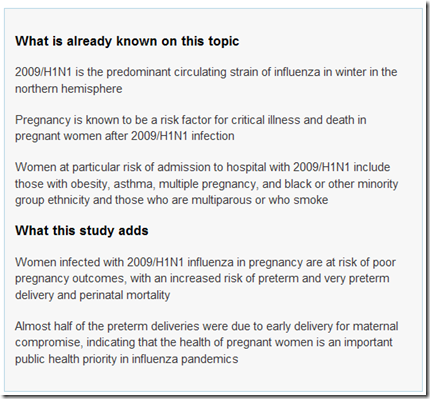
    Less well quantified has been the health impact on the unborn child when the mother was hospitalized with H1N1 influenza.


    Today an open access research article in the BMJ that found that pregnant women who were admitted to the hospital with an  H1N1 infection experienced a 3 to 4 times higher rate of preterm birth, 4 to 5 times greater risk of stillbirth, and a 4 to 6 times higher rate of neonatal death.


    Perinatal outcomes after maternal 2009/H1N1 infection: national cohort study

    Matthias Pierce, Jennifer J Kurinczuk, Patsy Spark, Peter Brocklehurst, Marian Knight,

    Accepted 13 April 2011

    Abstract

    Objectives To follow up a UK national cohort of women admitted to hospital with confirmed 2009/H1N1 influenza in pregnancy in order to obtain a complete picture of pregnancy outcomes and estimate the risks of adverse fetal and infant outcomes.


    Participants 256 women admitted to hospital with confirmed 2009/H1N1 in pregnancy during the second wave of pandemic infection between September 2009 and January 2010; 1220 pregnant women for comparison.


    Main outcome measures Rates of stillbirth, perinatal mortality, and neonatal mortality; odds ratios for infected versus comparison women.


    Results Perinatal mortality was higher in infants born to infected women (10 deaths among 256 infants; rate 39 (95% confidence interval 19 to 71) per 1000 total births) than in infants of uninfected women (9 deaths among 1233 infants; rate 7 (3 to 13) per 1000 total births) (P<0.001).

    This was principally explained by an increase in the rate of stillbirth (27 per 1000 total births v 6 per 1000 total births; P=0.001). Infants of infected women were also more likely to be born prematurely than were infants of comparison women (adjusted odds ratio 4.0, 95% confidence interval 2.7 to 5.9).

    Infected women who delivered preterm were more likely to be infected in their third trimester (P=0.046), to have been admitted to an intensive care unit (P<0.001), and to have a secondary pneumonia (P=0.001) than were those who delivered at term.

    Conclusions This study suggests an increase in the risk of poor outcomes of pregnancy in women infected with 2009/H1N1, which reinforces the message from studies of maternal risk alone. The health of pregnant women is an important public health priority in future waves of this and other influenza pandemics.


    image


    The bottom line is that influenza presents a serious health threat to the mother, and to the child she carries.  


    While flu vaccines are very safe, and most years reasonably effective, many pregnant women avoid taking one out of fears they may experience a rare adverse reaction.


    Today’s study highlights the fact that when you are dealing influenza and pregnancy, simply doing nothing represents a serious health risk of its own.


    Risks that could be substantially reduced by vaccination.

    Wednesday, October 13, 2010

    HHS Webcast Today: Pregnant Women And Flu


    # 4979


    The HHS & CDC  will hold a special webcast later today – hosted on Flu.gov – with information directed towards pregnant women and the flu.


    image

    Today at 1:00 PM EDT on Flu.gov/Live

    Pregnant Women and the Upcoming Flu Season

    A Know What to Do About the Flu webcast focusing on the importance of vaccination for pregnant women, including a discussion on vaccine safety and benefits to newborn children. 

    Guests:

    • Howard Koh, M.D., M.P.H, Assistant Secretary for Health, HHS
    • Denise Jamieson, M.D., Centers for Disease Control and Prevention
    • Laura Riley, M.D., Member of the American Congress of Obstetricians and Gynecologists
    • Siobhan Dolan, M.D., March of Dimes