Showing posts with label response. Show all posts

Wednesday, April 08, 2015

Hong Kong Stands Down From `Serious’ Influenza Response Level

image

# 9911


On December 27th, 2014 we saw Hong Kong Raise Influenza Pandemic Response Level to Serious after their first detection of an imported H7N9 case from the Mainland for the 2014-15 winter season.  This made the 11th such case detected since the virus emerged in the spring of 2013, and would be the first of three cases imported this year.


From the Preparedness Plan for Influenza Pandemic The Government of the Hong Kong Special Administrative Region (2014)

Serious Response Level


9. Serious Response Level corresponds to a situation where the risk of a novel influenza virus causing new and serious impact to human health in Hong Kong is moderate. Generally, it depicts a moderate risk of serious human infections caused by the novel influenza virus in Hong Kong, but serious infections are not expected to be widespread in the short term. Illustrative scenarios are shown in Box 2.

image


With fewer reports of H7N9 coming from the Mainland in the past 30 days, and the last imported case six weeks ago, the government of Hong Kong has decided to reduce the response level from `Serious’ to `Alert’.


Serious influenza response stands down

The Government today (April 8) lowered the response level of the Preparedness Plan for Influenza Pandemic from "Serious" to "Alert".


The response level was raised to "Serious" upon the detection of the first confirmed human case of avian influenza A(H7N9) in winter, imported from the Mainland on December 27, 2014. Since then Hong Kong has so far recorded three confirmed cases, which were all imported. The latest case was confirmed on February 23, 2015. The surveillance system of local public and private hospitals has not detected any new cases for more than a month.


A spokesman for the Centre for Health Protection (CHP) of the Department of Health said that the "Alert" response level was activated in view of the ongoing activity of highly pathogenic avian influenza among poultry outside Hong Kong.


"We will continue to closely monitor the global situation of avian influenza. So far, there is no evidence of efficient human-to-human transmission," the spokesman added.


Members of the public are advised to stay vigilant and maintain good personal and environmental hygiene, including washing hands frequently, particularly after sneezing or coughing; maintaining good indoor ventilation; building up good body immunity by having a balanced diet, regular exercise and adequate rest; and avoiding smoking.

Ends/Wednesday, April 8, 2015
Issued at HKT 14:45

Tuesday, January 20, 2015

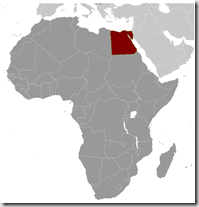
Egypt: Government Statements On H5N1 Response & Latest Fatality

image


# 9600


With 20 reported H5N1 cases already in the first 3 weeks of this new year, and 5 deaths, Egypt continues to see its largest string of human H5N1 infections in its 9 year history of dealing with this avian virus.  Over a little more than 2 months they’ve reported 49 cases, and 16 deaths – and there are few signs that this outbreak is waning.


Thus far, we’ve seen no credible reports suggesting community spread of the virus, and nearly all appear to have had direct contact with infected poultry.


Yesterday, in Egypt MOH Confirms 20th H5N1 Case Of 2015, we looked at some of the speculation over the likely cause of this surge in human cases, but the bottom line is no one really knows. Hopefully we’ll get some definitive answers via the World Health Organization or our NAMRU-2 station in Cairo in the coming days or weeks. 


In the meantime the Egyptian Government has announced the creation of a high-level `Supreme National Committee On Bird Flu’, ordered by  the Chairman of the Council of Ministers, to be chaired the first year by the Minister of Agriculture.


Mahlab issued a decision to form the Supreme National Committee to follow up the position of bird flu

Ryan and Kamal Mahmoud Mattawa

Tuesday 20/01/2015 - 12:27

Issued Engineer Ibrahim Mahlab, Chairman of the Council of Ministers, a decision to form the Supreme National Committee to follow the position of the bird flu, chaired by the Minister of Agriculture and Land Reclamation, for the first annual session, and membership of, the Minister of Local Development, and Minister of Health and Population, and the Environment Minister, in addition to the Governors (Giza / Cairo / Kafr el-Sheikh / Dakahlia / Qalubia / Minya / lake / Fayoum / Menoufia).


The Committee also includes head of SIS, the head of crisis management room cabinet, and the head of veterinary services at the Ministry of Defense, and a representative of the Medical Services Department Defense, and a representative of the Ministry of Interior (waterbodies police), and a representative of the Ministry of Foreign Affairs, and President of the General Authority for Veterinary Services, and representatives of preventive affairs and endemic sector. The Committee is concerned with the follow-up of bird flu, and to provide periodic report the results of its work and recommendations to the Chairman of the Board Ministers to take the necessary action, and shall preside over the Commission rotates Ministers Committee members annually, they also have to employ someone who sees their use of experts and specialists in the field of work


Meanwhile, the Governor of hard-hit Assuit Governorate - Maj. Gen. Ibrahim Hammad - has issued his own statement on their avian flu crisis. 


Assiut Governor: take all preventive measures to reduce the «Bird Flu»

Assiut - ASHA Posted on: Tuesday, January 20, 2015 - 13:33 | Last updated: Tuesday, January 20, 2015 - 13:33

Issued Gen. Ibrahim Hammad governor of Assiut, instructed aggravating administrators directorates of health, veterinary medicine, preventive medicine, to intensify surveillance campaigns in any place where cases of positive HIV infection show "bird flu", with the need for medical and preventive follow-up of cases, pointing to entrust the main operating room to maintain next Rooms operations centers immediate and ongoing follow-up.

He called Hammad, in a statement, today, to intensify awareness campaigns for citizens in the centers and villages, to raise awareness of the culture and the face of this virus, and the emphasis on them not to deal with live birds, whether buying or breeding houses.

(Continue . . . )


And finally, this sad Ministry of Health confirmation of Egypt’s 5th fatality of the new year, that of a 6 year old from Minya.


The Ministry of Health and Population for the death of a confirmed case of bird flu, a condition of a child at the age of 6 years from the province of Minya

The Ministry of Health and Population for the death of a confirmed case of bird flu, a condition of a child at the age of 6 years from the province of Minya, bringing the total number of cases of bird flu in 2015, so far 20 cases (6 cases of healing and 9 cases under treatment, 0.5 deaths).

Therefore, calls on the Ministry of Health and Population citizens who deal with poultry immediately go to the nearest hospital for medical service in the case of the emergence of symptoms of influenza them where to receive the injured bird flu drug Tamiflu within the first 24 hours of the onset of symptoms increases the cure rates of the disease and reduces death rates and advises the Ministry of Health of citizens who deal with poultry exercise caution and prudence when dealing with birds, especially that shows symptoms of sick and need to take preventive measures to prevent infection, such as cover your mouth and nose when dealing with poultry, wash your hands with soap and water after handling birds and not to take children to places of birds breeding or slaughter, as well as the need to separate the birds from the living quarters. Source: Media Center

Saturday, December 27, 2014

Hong Kong Raises Influenza Pandemic Response Level

image


# 9494


Based on what appears to be Hong Kong’s 11th imported H7N9 case (see Media Reports: H7N9 Case In Hong Kong) – and their first case of this winter season – HK’s emergency steering committee has raised their pandemic response level to `Serious’, the second highest level.


We saw similar declarations last winter when imported cases arrived in Hong Kong, and so officials there are well accustomed to the drill.


From the Preparedness Plan for Influenza Pandemic The Government of the Hong Kong Special Administrative Region (2014)


Serious Response Level


9. Serious Response Level corresponds to a situation where the risk of a novel influenza virus causing new and serious impact to human health in Hong Kong is moderate. Generally, it depicts a moderate risk of serious human infections caused by the novel influenza virus in Hong Kong, but serious infections are not expected to be widespread in the short term. Illustrative scenarios are shown in Box 2. 

image


While there is no update on the CHP website as of this writing (other than the raised response level), media reports have been pretty consistent on the details.  The local woman diagnosed with H7N9 has fairly recent travel history (with 2 female companions) to the Longgang district of Shenzhen, and consumed chicken on the trip, but the source of her infection has yet to be determined.


H7N9 cases in Hong Kong and the government appeared alert upgrade

2014/12/27 21:43 Latest update: 2014/12/27 21:43

(Central News Agency reporter Zhang Qian 27 (Xinhua) Hong Kong) Hong Kong authorities confirmed locally occurred after infection confirmed cases of H7N9 avian influenza, tonight announced that the influenza pandemic alert was raised serious strain. Authorities announced earlier, a 68-year-old local woman confirmed cases of H7N9 bird flu, is to Tuen Mun Hospital in critical condition. Secretary for Food and Health, said Ko night, the patient's family revealed that the patient had been on the 13th in China Shenzhen Longgang eaten cooked chickens afternoon after returning to Hong Kong, have not been to the local markets. According to preliminary authority to judge this is to enter the case, but was unable to determine the source of infection. 1031227


In this report, we learn that efforts are underway to contact the patient’s traveling companions.


Ko Wing-man: The Influenza Pandemic alert raised to serious

A 68-year-old local woman confirmed cases of H7N9 bird flu, now admitted to Tuen Mun Hospital in critical condition.

Food and Health Secretary Ko Wing-man, said the patient's family revealed that patients on the 13th of this month at about 8:00 in the morning with two female friends, the Shenzhen Bay Port, Shenzhen Longgang friend's house to eat cooked chickens today around 17:00 after returning to Hong Kong in Hong Kong during the incubation period not been to the market, initially classified the case as an input, but failed to identify the source of infection.

Ko Wing-man, said the patient developed fever on the 19th, twice consulted a private doctor, the day before the accident and emergency department for treatment of Tuen Mun Hospital, did not disclose to the public hospital during staff travel history. Ko said that public hospitals have already pandemic alert level to severe strain.

CHP Director of Health Leung Ting-hung appeal, two people with the patient as soon as possible to Shenzhen contact center.

Wednesday, October 15, 2014

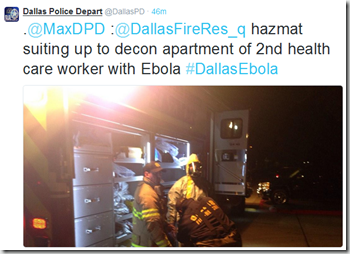
Dallas PD & FD On Site At Second Ebola Victim’s Residence

image


# 9197


We expect a live press conference at the hospital at around 8am (EDT) this morning, which ought to be carried live by local TV stations including WFAA, regarding the second local HCW diagnosed with the Ebola virus. 


Meanwhile, Dallas Police & Fire Departments are at this second HCWs residence, beginning a decontamination of their apartment and common areas, and notifying neighbors.  


The follow tweets and pictures come from the Dallas PD twitter stream.


image

image

image

image

Wednesday, October 08, 2014

WHO Ebola Response Roadmap Update #7 – Oct 8th

image 

# 9164


With the dual caveats that data acquisition from the affected countries is far from reliable,  and that other estimates suggest the actual numbers could be 2 to 3 times higher than the `official counts’, we’ve the latest grim set of figures from the World Health Organization on the Ebola outbreak in West Africa.


To date more than 8,000 suspected or confirmed cases have been recorded, including 3858 deaths.  Among healthcare workers, the toll continues to rise, with more than 400 infected, and more than 230 deaths.


What follows are just a few excerpts from a 10-page PDF report.


WHO: Ebola Response Roadmap Situation Report 8 October 2014

The total number of confirmed, probable, and suspected cases (see Annex 1) in the West African epidemic of Ebola virus disease (EVD) reported up to the end of 5 October 2014 (epidemiological week 40) is 8033 with 3879 deaths. Countries affected are Guinea, Liberia, Nigeria, Senegal, Sierra Leone, and the United States of America. A confirmed case of EVD has been reported in Spain1, but because the case was confirmed during the week ending 12 October (epidemiological week 41), information on this case will be included in the next Ebola Response Roadmap update.

The past week has seen a continuation of recent trends: the situation in Guinea, Liberia, and Sierra Leone continues to deteriorate, with widespread and persistent transmission of EVD. Problems with data gathering in Liberia continue. It should be emphasized that the reported fall in the number of new cases in Liberia over the past three weeks is unlikely to be genuine. Rather, it reflects a deterioration in the ability of overwhelmed responders to record accurate epidemiological data. It is clear from field reports and first responders that EVD cases are being under-reported from several key locations, and laboratory data that have not yet been integrated into official estimates indicate an increase in the number of new cases in Liberia. There is no evidence that the EVD epidemic in West Africa is being brought under control, though there is evidence of a decline in incidence in the districts of Lofa in Liberia, and Kailahun and Kenema in Sierra Leone.

image


Healthcare Workers infected and/or killed.

image

Friday, September 26, 2014

MMWR: Updated Preparedness and Response Framework for Influenza Pandemics

image

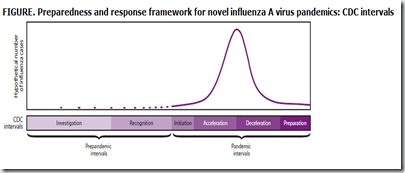
Hypothetical Influenza Outbreak Curve


# 9016


Last year the World Health Organization Unveiled New Pandemic Guidance, replacing their old pandemic phase system (3 pre-pandemic phases+ 3 pandemic phases+2 post-pandemic phases) with a more streamlined 4-phase system.

image


As you’ll note, this system utilizes `soft’ transitions from one phase to the next, indicating that changes may happen slowly, or at different rates in different regions, rather than abruptly.  The interpandemic phase is a time for preparedness, while the response is ramped up once an alert is sounded.


Yesterday the CDC published a new pandemic preparedness and response framework that aligns the CDC’s pandemic phase system more closely with the WHO’s, although there are some differences.


According the the CDC, this update `provides greater detail and clarity regarding the potential timing of key decisions and actions aimed at slowing the spread and mitigating the impact of an emerging pandemic’.


This is a fairly lengthy update, and so I’ve only posted the summary.  Follow the link below to read it in its entirety.  When you return, I’ll have a bit more.


Updated Preparedness and Response Framework for Influenza Pandemics

Recommendations and Reports

September 26, 2014 / 63(RR06);1-9

Prepared by Rachel Holloway1, Sonja A. Rasmussen, MD1, Stephanie Zaza, MD2, Nancy J. Cox, PhD3, Daniel B. Jernigan, MD3, with the Influenza Pandemic Framework Workgroup

1Influenza Coordination Unit, Office of Infectious Diseases

2Division of Adolescent and School Health, National Center for HIV/AIDS, Viral Hepatitis, STD, and TB Prevention

3Influenza Division, National Center for Immunization and Respiratory Diseases

Corresponding preparer: Sonja A. Rasmussen, MD, CDC. Telephone: 404-639-2297; E-mail: srasmussen@cdc.gov.

Summary

The complexities of planning for and responding to the emergence of novel influenza viruses emphasize the need for systematic frameworks to describe the progression of the event; weigh the risk of emergence and potential public health impact; evaluate transmissibility, antiviral resistance, and severity; and make decisions about interventions. On the basis of experience from recent influenza responses, CDC has updated its framework to describe influenza pandemic progression using six intervals (two prepandemic and four pandemic intervals) and eight domains.

his updated framework can be used for influenza pandemic planning and serves as recommendations for risk assessment, decision-making, and action in the United States. The updated framework replaces the U.S. federal government stages from the 2006 implementation plan for the National Strategy for Pandemic Influenza (US Homeland Security Council. National strategy for pandemic influenza: implementation plan. Washington, DC: US Homeland Security Council; 2006. Available at http://www.flu.gov/planning-preparedness/federal/pandemic-influenza-implementation.pdf ).

The six intervals of the updated framework are as follows: 1) investigation of cases of novel influenza, 2) recognition of increased potential for ongoing transmission, 3) initiation of a pandemic wave, 4) acceleration of a pandemic wave, 5) deceleration of a pandemic wave, and 6) preparation for future pandemic waves. The following eight domains are used to organize response efforts within each interval: incident management, surveillance and epidemiology, laboratory, community mitigation, medical care and countermeasures, vaccine, risk communications, and state/local coordination.

Compared with the previous U.S. government stages, this updated framework provides greater detail and clarity regarding the potential timing of key decisions and actions aimed at slowing the spread and mitigating the impact of an emerging pandemic. Use of this updated framework is anticipated to improve pandemic preparedness and response in the United States. Activities and decisions during a response are event-specific. These intervals serve as a reference for public health decision-making by federal, state, and local health authorities in the United States during an influenza pandemic and are not meant to be prescriptive or comprehensive. This framework incorporates information from newly developed tools for pandemic planning and response, including the Influenza Risk Assessment Tool and the Pandemic Severity Assessment Framework, and has been aligned with the pandemic phases restructured in 2013 by the World Health Organization.

(Continue . . . )

Despite their (mostly cosmetic) differences, both the CDC and the WHO stress that the time before the next pandemic strikes is a time for preparedness.   While there’s a perception that pandemics only come around every few decades, and most are – if not mild, at least manageable -  there are no guarantees how long it will be before the next severe one arrives.

Earlier this month, in NPM14: Because Pandemics Happen I wrote about both the history of pandemics, and the concerns held by some of the highest offices in the land over the potential impact of the next pandemic.


Many agencies consider pandemics to be among the top threats to national and global security.

 
While most people think that their state or federal government are prepared to handle the next pandemic, the Feds continue to remind us that they can’t handle a major disaster – including a pandemic – without the help of everyone involved.


Which is why September of every year is declared National Preparedness Month, where  FEMA and Ready.gov encourage everyone to prepare for a variety of disaster situations.  


And it’s not just me saying it.  This from Flu.gov.


Pandemic Flu

The federal government cannot prepare for or respond to the challenge of a flu pandemic alone. Your community can develop strategies that reduce the impact and spread of pandemic flu.

Faith-Based & Community Organizations Pandemic Influenza Preparedness Checklist (PDF – 68.91 KB)

Lista de Preparacion para una Pandemia de Gripe Tanto para Organizaciones Comunitarias como Religiosas (PDF – 268 KB)

Community Strategy for Pandemic Influenza Mitigation (PDF – 10.3 MB)

Plan Now to Be Ready for the Next Flu Pandemic (PDF – 213.55 KB)

The Next Flu Pandemic: What to Expect (PDF – 226.83 KB) (excerpts below)

image

image

Their advice (and this is for before a pandemic threat becomes imminent).

image


Saturday, September 13, 2014

The Very Model Of A Modern Major General Public Health Disaster

image

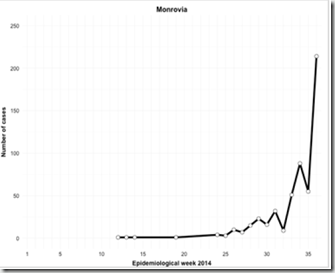
The Epi Curve from Monrovia


# 9072


In two short weeks we’ve gone from viewing the World Health Organization’s warning that as many as 20,000 people in West Africa could be infected by the Ebola virus as being a worst case scenario, to that being among the more optimistic estimates. 


While no one knows for certain how bad things will become, partly because there isn’t a lot of confidence in our understanding of how bad things are now, the forecasts are becoming increasingly dire, with some estimates in the hundreds of thousands by year’s end.


George E. P. Box, Professor Emeritus of Statistics at the University of Wisconsin, famously declared that All models are wrong, but some models are useful.” , which helps to explain the huge diversity in estimatesAs does the computer programmers creed: GIGOgarbage in: garbage out.

Which means we probably shouldn’t latch too firmly to any of these estimates, but we should recognize the general (dismal) direction in which all of them are leaning.


Yesterday, Deutsche Welle carried a report - Ebola threatens to destroy Sierra Leone and Liberia – where German Virologist Jonas Schmidt-Chanasit  provides an even more apocalyptic forecast, saying the virus will likely become `endemic’ in those countries, and that most of their population could ultimately be infected.


Overnight the New York Times ran an article called Scientists present dire Ebola projection which carried this lede:

The deadly Ebola outbreak sweeping across three countries in West Africa is likely to last 12 to 18 months more, much longer than anticipated, and could infect hundreds of thousands of people before it is brought under control, say scientists mapping its spread for the federal government.

While there are mitigation efforts that could still blunt these projected impacts  and shorten this epidemic, for that to happen, it will require an unprecedented international effort, and some very good luck with the development of vaccines.  

And while the world tries to respond to this staggering Ebola outbreak, overburdened public health agencies around the globe will also be tasked with playing Whack-A-Mole against a variety disease threats with global aspirations – like Avian flu in Asia (H7N9, H10N8, H5N1), MERS-CoV in the Middle East, and of course the one we don’t know about yet . . . Virus X.


Given the the number and size of these threats, rather than cutting back on public health budgets, we really need be investing in a bigger mallet;  A global public health response team with the resources, and international backing, to investigate and coordinate a response to future emerging disease threats before they can spiral out of control.


Because the next threat that comes down the pike could make the carnage wrought by Ebola pale in comparison.


Thursday, August 28, 2014

WHO Ebola Response Roadmap

image


# 9013


With the Ebola outbreak in Western Africa continuing to accelerate, and the breadth and scope of the outbreak already greater than all previously described outbreaks combined, the World Health Organization has today released a 27 page PDF file outlining a roadmap to contain the outbreak over the next 6 to 9 months.


This roadmap contains a number of assumptions, including:


This Roadmap assumes that in many areas of intense transmission the actual number of cases may be 2-4 fold higher than that currently reported. It acknowledges that the aggregate case load of EVD could exceed 20,000 over the course of this emergency. The Roadmap assumes that a rapid escalation of the complementary strategies in intense transmission, resource-constrained areas will allow the comprehensive application of more standard containment strategies within 3 months. This plan recognizes that a number of currently unaffected countries could be exposed to EVD, but assumes that the emergency application of the standard control strategies will stop any new transmission within 8 weeks of the index case.


Below you’ll find the WHO press release on this Ebola response document.


WHO issues roadmap for scaled-up response to the Ebola outbreak

28 August 2014

The World Health Organization is today issuing a roadmap to guide and coordinate the international response to the outbreak of Ebola virus disease in West Africa.

The roadmap aims to stop ongoing Ebola transmission worldwide within 6–9 months, while rapidly managing the consequences of any further international spread. It also recognizes the need to address, in parallel, the outbreak’s broader socioeconomic impact.

It responds to the urgent need to dramatically scale up the international response. Nearly 40% of the total number of reported cases have occurred within the past three weeks.

The roadmap was informed by comments received from a large number of partners, including health officials in the affected countries, the African Union, development banks, other UN agencies, Médecins Sans Frontières (MSF), and countries providing direct financial support.

The roadmap will serve as a framework for updating detailed operational plans. Priority is being given to needs for treatment and management centres, social mobilization, and safe burials. These plans will be based on site-specific data that are being set out in regular situation reports, which will begin this week.

The situation reports map the hotspots and hot zones, present epidemiological data showing how the outbreak is evolving over time, and communicate what is known about the location of treatment facilities and laboratories, together with data needed to support other elements of the roadmap.

The roadmap covers the health dimensions of the international response. These dimensions include key potential bottlenecks requiring international coordination, such as the supply of personal protective equipment, disinfectants, and body bags.

The WHO roadmap will be complemented by the development of a separate UN-wide operational platform that brings in the skills and capacities of other agencies, including assets in the areas of logistics and transportation. The UN-wide platform aims to facilitate the delivery of essential services, such as food and other provisions, water supply and sanitation, and primary health care.

Resource flows to implement the roadmap will be tracked separately, with support from the World Bank.

This is a fast-moving outbreak with a number of unprecedented dimensions. The roadmap being issued today is sufficiently flexible to accommodate rapid changes in the outbreak’s epidemiology and the needs this creates.

Saturday, August 02, 2014

Hong Kong’s CHP Updates Ebola Response – Travel Warning

image

Credit Hong Kong CHP


# 8907


Earlier this week, in Hong Kong’s Ebola Response, we looked at their Centre for Health Protection’s plans to test anyone with a fever, and recent (within 3 wks) travel history to the West African nations of Guinea, Liberia, and Sierra Leone for the Ebola Virus, and the letter sent to doctors to alert them to report any suspected cases.


Today, Hong Kong’s government has posted a warning to `avoid unnecessary travel’ to these affected regions, and has provided an update to their local response plan.


Additionally, today airline passengers arriving from these African nations will receive information sheets on the Ebola virus, and what to do if they develop symptoms in the 21 days following their arrival.


DH update on measures against overseas outbreaks of Ebola virus disease

The Centre for Health Protection (CHP) of the Department of Health (DH) today (August 2) provides an update on local response in view of the overseas outbreaks of Ebola virus disease (EVD).

"As additional EVD cases and deaths have been continually reported in the Western African region since March 2014, we have been closely monitoring the latest developments. According to the World Health Organization (WHO), as of July 27, there have been 1 323 EVD cases including 729 deaths reported in the Western African region. We also call on the public to stay alert and maintain good personal, food and environmental hygiene during travel," a spokesman for the DH remarked.


"In view of the latest situation in the related area, we advised travellers to avoid unnecessary travel to the affected area including Guinea, Liberia and Sierra Leone. This travel alert message has been posted on the website of the CHP," the spokesman said.


Besides, the CHP has provided guidelines for health professional on infection control for EVD in healthcare settings. The CHP will issue letters to doctors and hospitals to remind them the importance of infection control measures. The guidelines are now available on the CHP's EVD page at (www.chp.gov.hk/files/pdf/ic_recommendations_for_evd.pdf)


Meanwhile, a new measure will be initiated later today that immigration officers will assist in identifying arrival passengers holding travel documents issued by the three affected countries and provide them information sheets of EVD. The information sheets will remind the sick travellers to approach port health personnel immediately if they are already sick upon arrival. If travellers have symptoms during visit in Hong Kong, they should seek medical treatment promptly in nearest Accident and Emergency Department of public hospitals as provided in the information sheet and tell the doctors about their travel history.


"Viral haemorrhagic fever, including EVD, has been a statutorily notifiable infectious disease since July 2008. No cases have been recorded in Hong Kong so far. The CHP's Public Health Laboratory Services Branch is capable of detecting the virus," the spokesman stressed.

  • There is currently no vaccine for EVD. The DH appealed to the public to take heed of the following preventive measures:
  • Observe good personal and environmental hygiene. Wash hands with soap frequently;
  • Avoid close contact with feverish or ill persons, and avoid contact with blood or bodily fluids of patients, including items which may have come in contact with an infected person's blood or bodily fluids;
  • Avoid contact with animals; and
  • Cook food thoroughly before consumption.


The public may visit the CHP's EVD page (www.chp.gov.hk/en/view_content/34199.html), the Travel Health News in the DH's Travel Health Service website (www.travelhealth.gov.hk/english/outbreaknews/outbreaknews.html) or the WHO's EVD page (www.who.int/csr/disease/ebola/en/) for more information and travel advice.

Ends/Saturday, August 2, 2014
Issued at HKT 18:26
NNNN

image

CHP Ebola Fact Sheet

Thursday, July 31, 2014

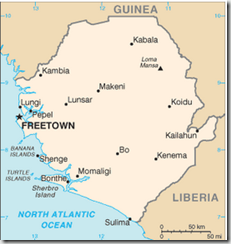
Sierra Leone Declares State Of Public Emergency Over Ebola

image


# 8896


In a statement released last night on the Ebola crisis, Sierra Leone’s President Ernest Bai Koroma stated  `. . .  the disease is beyond the scope of any one country, or community to defeat. Its social, economic, psychological and security implications require scaling up measures at international, national, inter-agency and community levels.’


Noting that `Extra-ordinary challenges require extra-ordinary measures’, President Koroma officially declared a State of Public Emergency last night – expected to last  at least 60 to 90 days.  In his statement he outlined the following steps to be taken to combat the Ebola outbreak.


We are launching a National Response Plan to inaugurate Phase Two of our fight against the disease. I also hereby establish a Presidential Task Force on Ebola which I will chair to champion the implementation of the following:

  • All epicenters of the disease will be quarantined;
  • The police and the military will give support to health officers and NGOs to do their work unhindered and restrict movements to and from epicenters;
  • Localities and homes where the disease is identified will be quarantined until cleared by medical teams;
  • Public meetings and gatherings will be restricted with the exception of essential meetings related to Ebola sensitization and education;
  • Active surveillance and house-to-house searches shall be conducted to trace and quarantine Ebola victims and suspects;
  • Parliament is recalled to promote MPs leadership at constituency levels;
  • Paramount chiefs are required to establish bye-laws that would complement other efforts to deal with the Ebola outbreak;
  • Mayors, chairmen of councils and councilors are hereby required to support Ebola control measures in their local government areas;
  • All deaths must be reported authorities before burial;
  • New protocols for arriving and departing passengers have been instituted at the Lungi International Airport;
  • Cancellation of all foreign trips by ministers and other government officials except absolutely essential engagements.


You can read the entire Presidential Statement at the link below:


Address to the Nation on the Ebola Outbreak By His Excellency The President Dr. Ernest Bai Koroma July 30, 2014

Wednesday, July 30, 2014

Hong Kong’s Ebola Response

image
Credit CDC PHIL


# 8893


Now that the tabloid press has discovered the Ebola outbreak in western Africa (and only 5 months after it began . . . ), and some have unabashedly begun promoting it as a `global pandemic threat’ , I’m finding it increasingly difficult to write anything about the outbreak without feeling like I’m aiding and abetting a media circus that has seriously jumped the shark. 


While it may not sell newspapers - the Ebola virus (as it stands now) -  is seriously lacking in the `global pandemic potential’ department.


It is not `airborne’ (unless flying coach or 1st class), and it isn’t all that easy to catch.


Health care workers, and family members – those most likely to come into contact with bodily fluids – are at greatest risk of exposure, along with those harvesting, preparing, or consuming infected bushmeat.  While one can argue that the virus could `mutate’ and become more transmissible over time, for now we’ve seen no evidence of that occurring. 


If it does, you can be sure I’ll post an update.


Hyperbolic headlines aside, there are legitimate concerns that an infected person could board an airplane in the outbreak zone, and travel to the UK, EU, North America, Hong Kong, or any other international destination. 


It has happened before with many other exotic diseases, and nothing prevents it from happening with Ebola. The general consensus is, however, that if an infected individual did arrive on our shores -  that with the public health resources available here – the risk to the general public would be low. 


As you might expect, public health agencies are alerting doctors, hospitals, and airlines on how to deal with this potential threat (see CDC Teleconference & HAN Notice On Ebola & CDC Interim Ebola Exposure Guidance For Airlines, Flight Crews). 


We saw the ECDC issue similar advice earlier this summer (see Rapid Risk Assessment on Ebola (June 9th)).


Today Hong Kong’s CHP, which has an enviable record of both being proactive, and willing to share information with the public, has issued the following  statement and sent letters to local doctors.


Ebola virus under watch

July 30, 2014

The Centre of Health Protection and the Hospital Authority have boosted surveillance and control measures for the Ebola virus in light of the outbreak in West Africa.

The centre’s Community Medicine Consultant Dr Chuang Shuk-kwan told reporters today more than 1,200 cases have been confirmed in Guinea, Liberia and Sierra Leone since March.

Anyone in Hong Kong with a fever who visited these three countries in the last three weeks will be sent to the Communicable Disease Centre in Princess Margaret Hospital for isolated treatment, she said.

The authority’s Chief Infection Control Officer Dr Dominic Tsang said the patient will be immediately tested for the virus.

Letters will be sent to all doctors today explaining the assessment criteria for Ebola, and reminding them to report suspected cases.

Travellers going to the three countries are advised to ensure good personal hygiene; avoid contact with ill people, body fluids and animals; cook food thoroughly; and, consult a doctor immediately if they feel ill.

Click here for information on the virus.


This is the letter sent to Hong Kong’s Physicians.


Our Ref. : (2) in DH SEB CD/8/15/1                     30 July 2014
Dear Doctor,


Updated Situation and Reporting Criteria of Ebola Virus Disease

Further to our letter sent to you on April 2, 2014, we would like to provide updates on the latest situation of the outbreak of Ebola Virus Disease (EVD). Since the first report of the EVD outbreak in West Africa in March this year, the cumulative numbers of cases attributed to EVD are continuously increasing.

<SNIP Case count updates >

The risk of infection for travellers is still low at the present moment. Person-to-person transmission was resulted from direct contact with body fluids or secretions of an infected patient. However, medical practitioners should always consider EVD in the differential diagnosis of febrile illness in any person with recent (within 21 days) travel history to affected areas/countries, i.e. Guinea, Liberia and Sierra Leone (as of July 29, 2014). The Centre for Health Protection will closely monitor the situation and update the affected areas from time to time.

Please refer to our website (http://chp.gov.hk/files/pdf/evd_affected_area.pdf) for the updated list of affected areas/countries. In this regard, we would like to solicit your assistance in notifying the CHP if you encounter patients fulfilling both the Clinical Criteria AND Epidemiological Criteria below:

Clinical Criteria

Suffering from a sudden onset of fever (≥ 38°C , 100.4°F);

OR

Having at least one of the following symptoms/signs: inexplicable bleeding, bloody diarrhoea, bleeding from gums, bleeding into skin (purpura), bleeding into eyes, or haematuria;

OR

Any inexplicable sudden death.

AND

Epidemiological Criteria

One or more of the following within 21 days before onset of illness:

Close contact* with a confirmed or probable case of Ebola Virus Disease or his/her bodily fluids;

 OR

Resided in or history of travel to an affected area/country#;

* Such as sleeping in the same household with a case, direct physical contact with the case (dead or alive) during the illness, direct physical contact with the (dead) case at the funeral, touched his/her blood or body fluids (including semen) during the illness, touched his/her clothes or linens, breastfed by the patient (baby).


# Affected countries (as of July 29, 2014): Guinea, Liberia, and Sierra Leone. For the updated list of affected countries/areas, please refer to the following website: http://chp.gov.hk/files/pdf/evd_affected_area.pdf

Patients meeting the above reporting criteria should be isolated immediately. Medical practitioners are reminded to notify the Central Notification Office (CENO) of CHP via fax (2477 2770), phone (2477 2772) or CENO On-line (http://ceno.chp.gov.hk/). Please also call our Medical Control Officer at 7116 3300 a/c 9179 for prompt investigation. CHP will make arrangement to send the patient to the Hospital Authority Infectious Disease Centre in Princess Margaret Hospital for isolation, testing and treatment.

For further information on EVD, please refer to the Annex or visit the CHP website at

http://www.chp.gov.hk/en/view_content/34199.html

Thank you for your ongoing support in combating communicable diseases.

Yours faithfully,

(Dr S K CHUANG)

for Controller, Centre for Health Protection Department of Health
Thursday, May 08, 2014

Indonesia Steps Up MERS-CoV Response

image

Source Indonesian Ministry of Health


# 8587


As the most populous Islamic nation in the world, Indonesia sends more religious pilgrims to Umrah and the Hajj than any other country, with more than 220 thousand taking part in 2012.  Despite these numbers, due to a 2013 20% cutback in the number of Hajj visas available to Indonesia, the waiting list to go is now about 12 years.


With Ramadan less than two months away, the number of Indonesian pilgrims headed to, and returning from, the Holy sites in Saudi Arabia is on the rise. 


And with that, we are seeing multiple reports of `suspected’ MERS cases being investigated in Indonesia. While none of these cases have yet been confirmed, the Indonesian Ministry of Health issued a number of statements today regarding testing of pilgrims, and travel advice to the Middle East.


The following comes from the Ministry of Health’s Center for Public Communication  Shehat Negeriku (Healthy Country) website.


Mers CoV: RS AND SURVEILLANCE PERSON ALERT 24 HOURS

08/05/2014,

Authorities alerted the hospital and officers to work 24-hour surveillance, including officers in Port Health Office in anticipation of the spread of the virus Corona. MERS Case CoV ( Middle East Respiratory Syndrome Corona Virus ) is moderate severity and Indonesia already has experience in the case of SARS and bird flu some time ago. It could be a good capital in the penanagan MERS.

Acting statement said. Director General of Disease Control and Environmental Health Prof. dr. Agus Purwadianto when asked by reporters following the escalation of cases MERS CoV increases worldwide.

According to Prof. Agus, until yesterday (7/5), certainly have not found a single positive case MERS CoV in Indonesia.

Meanwhile, following the escalation of MERS CoV in Saudi Arabia, Ministry of Health appealed to the pilgrims to postpone the departure umra pilgrimage in accordance with a travel advisor of the Government of Saudi Arabia.

"We continue to urge the (delay) to date, while we reviewed the continued development of the corona virus. Therefore, the risk of transmission is still there and we can not guess, "added Prof. Agus.

Added that the most important thing is to encourage this delay is currently no cure for the corona virus.

The second consideration, the risk is currently gathering with many people in Saudi Arabia. Where fear of transmitting the virus to the Indonesian pilgrims.


thus fitting the Umrah and Haj pilgrims, especially elderly to delay departure. At least, until teams of experts from WHO could ascertain the status of his case. Currently the Government is awaiting the results of the team. MoH will follow the provisions of international rules.

"It's not just about the only Umrah pilgrims," ​​said Prof. Agus.

This information is released by Center for Public Communication, Secretariat General of the Ministry of Health. For further information, please contact Hello MOH hotline code> lokal> 500-567; SMS 081281562620, Fax: (021) 52921669, website www.depkes.go.id  and email address kontak@depkes.go.id .


Another post, on the same site, indicates that the turn-around time for MERS testing is 24-hours.


24-HOUR BODY READY TO THANK LITBANGKES SAMPLE MERS-CoV

08/05/2014

Head of the Ministry of Health Prof. Balitbangkes. dr. Tjandra Yoga Aditama expressed Agency Health Research and Development Ministry of Health is ready to accept samples for 24 hours to check whether the samples infected Middle East Respiratory Syndrome Corona Virus or MERS-CoV.


"Our laboratory received samples prepared 24 hours. Please be delivered, "he said during a press conference at the Friendship Hospital (7/5). According to Prof. Tjandra, Balitbangkes is awaiting delivery of a sample of Medan and Bali to ensure corona virus or not.

(Continue . . .)

Another report, this time from Channel News Asia indicates that thermal scanners have been set up at airports,  that health checks are being conducted on all returning pilgrims, and that currently 11 people are being tested for the virus.


Indonesia stepping up measures to prevent MERS

By Devianti Faridz

POSTED: 08 May 2014 19:48

JAKARTA: Amid reports of more potential infections, Indonesia is stepping up measures to prevent the deadly MERS-CoV virus from entering the country.

Thermal scanners have been activated in 13 international airports across the country and pilgrims returning home from the Middle East must undergo health checks.

Pilgrims returning home from umrah must fill in a health alert card before they are inspected on arrival.

(continue . . .)


Despite the appeals for the elderly and others with comorbidities to postpone their Hajj or Umrah trip, for many of them, the opportunity to make the pilgrimage may not come around again in their lifetime.  


Meaning that many may choose to risk making the journey, despite falling into one of the `high risk groups’.

Saturday, April 05, 2014

NEJM: Lessons Learned From The 2009 Pandemic

image

Credit NEJM


# 8435


Although it seems like just yesterday, it’s been nearly five years since we first received word that a new swine-origin H1N1 virus had been identified in both San Diego and Imperial County, California and in San Antonio, Texas (see CDC Issues Outbreak Notice On Swine Flu).  Soon it became apparent that an outbreak had been ongoing for several weeks in Mexico, and early reports suggested a worrisome morbidity and mortality rate.


While it would take another six weeks - as the World Health Organization waited to see if the virus would continue to spread - on June 11th, 2009 the `swine’ H1N1 outbreak was declared a pandemic (see Chan Declares Level 6, Calls Pandemic `Moderate’ Severity).


This week Harvey V. Fineberg, M.D., Ph.D. - President of the Institute of Medicine (IOM) – has penned a review for the NEJM on what went right, and what went wrong, during the first pandemic response of the 21st century.  After a frank recounting of the public health challenges (both met and unmet) during the pandemic,  Dr. Fineberg notes:


In light of these structural impediments and operational deficiencies, the world was very fortunate that the 2009 H1N1 influenza pandemic was not more severe.


In 2011, an expert panel - chaired by Dr. Fineberg - produced  a 180-page assessment of the International pandemic response (see WHO Panel: World Ill-Prepared To Deal With A Pandemic), which concluded:


“The world is ill prepared to respond to a severe influenza pandemic or to any similarly global, sustained and threatening public-health emergency. 


In this latest review, Dr. Fineberg finds that – despite progress made over the past three years -  that this original assessment remains basically unchanged. 


The full article is available on the site, which I’m certain you’ll want to read in its entirety. 


Pandemic Preparedness and Response — Lessons from the H1N1 Influenza of 2009

Harvey V. Fineberg, M.D., Ph.D.

N Engl J Med 2014; 370:1335-1342April 3, 2014DOI: 10.1056/NEJMra1208802

Lessons from the 2009 H1N1 Influenza Pandemic.

A number of viruses have pandemic potential. For example, the coronavirus responsible for the severe acute respiratory syndrome (SARS), which first appeared in southern China in November 2002, caused 8096 cases and 774 deaths in 26 countries before coming to a halt by July 2003 mainly owing to isolation and quarantine.1 In terms of persistence, versatility, potential severity, and speed of spread, however, few viruses rival influenza virus. Endemic in a number of species, including humans, birds, and pigs, influenza virus causes annual outbreaks punctuated by occasional worldwide pandemics, which are characterized by sustained community spread in multiple regions of the world.

(Continue . . . )

Thursday, December 05, 2013

HK CHP: H7N9 Daily Update – Nov 5th

image

H7N9 Awareness Campaign Summer 2013 - Photo credit Hong Kong’s CHP


# 8043


Hong Kong’s CHP continues to provide daily progress reports on their epidemiological investigation into that city’s first H7N9 case.  So far, the news continues to be good.  Despite 17 close contacts in isolation - and roughly 220 additional contacts under medical surveillance - none have tested positive for the H7N9 virus.


Meanwhile, hospitals have ramped up their infection control protocols,  extensive public education campaigns are underway, and border control points (BCPs) are scanning incoming visitors for signs of fever or illness (an imprecise, but commonly employed control measure).


While none of these steps are guaranteed to keep the H7N9 virus at bay forever, they are about as fine of an example of a proactive public health response as one could hope for. Hong Kong’s dedication to avian flu drills, planning, and constant vigilance (see Hong Kong: Avian Influenza Drill) appears to be paying huge dividends.


As winter sets in and more H7N9 cases begin to emerge in Eastern China, one shouldn’t be too surprised to see this virus hitch a ride in another traveler, perhaps showing up outside of China. Hopefully public health agencies around the world are watching Hong Kong’s response, and taking notes


Epidemiological investigation and follow-up actions by CHP on confirmed human case of avian influenza A(H7N9) 


The Centre for Health Protection (CHP) of the Department of Health (DH) today (December 5) provided an update on the first confirmed human case of avian influenza A(H7N9) in Hong Kong.
"The epidemiological investigation, enhanced disease surveillance, port health measures and health education are proceeding," a spokesman for the DH remarked.

As of 2pm today, no additional close contacts have been identified. The number of close contacts located remains at 17 while there are over 220 other contacts. Details are as follows:

(A) 17 close contacts remain under quarantine for 10 days since their last contact with the patient. Their specimens tested negative for the avian influenza A(H7N9) virus upon preliminary laboratory testing by the Public Health Laboratory Services Branch of the CHP. During isolation, if their health conditions change, further testing and surveillance will be conducted. They include:


1. Ten home contacts (including four with non-specific symptoms);
2. A female collateral aged 33, who visited Shenzhen with the patient; and
3. Six patients in Tuen Mun Hospital (TMH) who stayed in the same cubicle with the confirmed patient (including one with non-specific symptoms).

(B) Over 220 other contacts, including two private doctors whom the patient consulted, their clinic staff, patients and accompanying relatives, healthcare workers (HCWs) of TMH, Queen Mary Hospital (QMH) and the ambulance service, and relevant hospital visitors, are all under medical surveillance. Among them:

1. A patient who consulted Dr Wong Chun-yan and presented with non-specific symptoms tested negative for the avian influenza A(H7N9) virus; and

2. Twelve HCWs of TMH and QMH who presented with non-specific symptoms tested negative for the avian influenza A(H7N9) virus.

Locally, enhanced surveillance over suspected cases in public and private hospitals is underway. The CHP will continue to maintain liaison with the World Health Organization (WHO), the Mainland and overseas health authorities to monitor the latest developments and obtain timely and accurate information. Local surveillance activities will be modified according to the WHO's recommendations.


"All border control points (BCPs) have implemented disease prevention and control measures. Thermal imaging systems are in place at BCPs for body temperature checks of inbound travellers. The DH has liaised with the Auxiliary Medical Service and the Civil Aid Service to deploy additional manpower at BCPs to conduct random temperature checks using handheld devices," the spokesman said.


The Port Health Office of the DH is maintaining liaison with the Shenzhen Entry-Exit Inspection and Quarantine Bureau to stay alert for travellers and also cross-boundary students with fever or other symptoms. Suspected cases will be immediately referred to public hospitals for follow-up investigation.


Regarding health education for travellers at BCPs, the distribution of health education pamphlets, display of posters on avian influenza A(H7N9) in departure and arrival halls, in-flight public announcements, environmental health inspection and the provision of regular updates to the travel industry via meetings and correspondence have all been escalated. The DH will keep a close eye on the latest developments and adopt corresponding port health measures.


"We have enhanced our publicity and health education on the prevention of avian influenza. Meanwhile, consulates, foreign domestic helpers' associations and non-governmental organisations serving ethnic minorities have been notified of the case, the latest developments and the preventive measures. Health educational materials are being distributed through them," the spokesman added.


An array of key publicity materials of the CHP, including those on avian influenza, influenza, guidelines for proper hand washing and personal and environmental hygiene in various languages including Indonesian, Hindi, Nepali, Urdu, Thai and Tagalog, can be accessed in the CHP's website (

www.chp.gov.hk/en/submenu/424.html).

The CHP hotline (2125 1111) has been set up for public enquiries and operates from 9am to 6pm. As of 4pm today, 57 calls had been received.

"Travellers, especially those returning from avian influenza A(H7N9)-affected areas with fever or respiratory symptoms, are reminded to immediately wear facial masks, seek medical attention and reveal their travel history to a doctor. Healthcare professionals should also pay special attention to patients who might have had contact with birds, poultry or their droppings in affected areas," the spokesman advised.
he spokesman also urged travellers not to visit live poultry markets in the affected areas and avoid direct contact with poultry, birds and their droppings. If contact has been made, they should thoroughly wash their hands with soap and water.


Members of the public should remain vigilant and are reminded to take heed of the following preventive advice against avian influenza:

* Poultry and eggs should be thoroughly cooked before eating;

* Wash hands frequently with soap, especially before touching the mouth, nose or eyes, handling food or eating; after going to the toilet or touching public installations or equipment such as escalator handrails, elevator control panels or door knobs; or when hands are dirtied by respiratory secretions after coughing or sneezing;

* Cover the nose and mouth while sneezing or coughing, and hold the spit with a tissue and put it into a covered dustbin;

* Avoid crowded places and contact with fever patients; and

* Wear a mask when respiratory symptoms develop or when taking care of fever patients. 

The public may visit the CHP's avian influenza page (

www.chp.gov.hk/en/view_content/24244.html) and its website (www.chp.gov.hk/files/pdf/global_statistics_avian_influenza_e.pdf) for more information on avian influenza-affected areas.

Ends/Thursday, December 5, 2013

Tuesday, December 03, 2013

HK CHP: Epidemiological Investigation & Response To H7N9 Case

image


# 8037


This morning  Hong Kong’s CHP has published a detailed accounting of their epidemiological tracing, and follow up, of contacts of their H7N9 patient this morning, with additional details on their quarantine plans that I blogged about earlier today (see HK: H7N9 Contact Tracing, Testing, Isolation & Quarantine). Among the revelations:


The patient’s traveling companion has now been located (see Video: HK Officials Seeking Traveling Companion Of H7N9 Patient), has tested negative, and remains asymptomatic.

At this point more than 200 people with potential exposure have been offered Tamiflu ® prophylaxis, most of whom are medical staff or hospital employees (see H7N9: CDC Guidance On Antiviral Chemoprophylaxis  for additional background).

The CHP is undertaking a massive public awareness campaign on H7N9 prevention.


All of which illustrates the seriousness with which Hong Kong’s public health authority is treating this single case.

3 December 2013

Epidemiological investigation and follow-up actions by CHP on confirmed human case of avian influenza A(H7N9) 

A spokesman for the Centre for Health Protection (CHP) of the Department of Health (DH) today (December 3) provided an update on the first confirmed human case of avian influenza A(H7N9) in Hong Kong affecting a woman aged 36.
 

"The Serious Response Level under the Government's Preparedness Plan for Influenza Pandemic has been activated while the CHP's epidemiological investigation and follow-up actions are currently in full swing," the spokesman remarked.


As of 2pm today, contact tracing conducted by the CHP has located 17 close contacts and over 200 other contacts. Details are as follows:


(A) 17 close contacts of the patient have been quarantined and prescribed with Tamiflu prophylaxis, including:

1. All ten home contacts, including four with non-specific symptoms, have been quarantined in Princess Margaret Hospital (PMH). Their specimens all tested negative for the avian influenza A(H7) virus upon preliminary laboratory testing by the Public Health Laboratory Services Branch (PHLSB) of the CHP;

2. The female travel collateral aged 33 who visited Shenzhen with the patient has been located and has remained asymptomatic. Her specimen tested negative for the avian influenza A(H7) virus upon preliminary laboratory testing by the PHLSB and she was transferred to PMH for quarantine; and

3. Six patients who stayed in the same cubicle with the confirmed patient in Tuen Mun Hospital (TMH) are currently under quarantine in hospital pending laboratory testing.

    The Lady MacLehose Holiday Village in Sai Kung under the Leisure and Cultural Services Department has been converted as quarantine centre and asymptomatic close contacts will be transferred there.

(B) Over 200 other contacts of the patient have been put under medical surveillance and offered with Tamiflu prophylaxis, including:

1. The two private doctors, Dr Simon Wong Siu-shan (Shop 17, G/F, Kai Hei Land Building, 385 Castle Peak Road) and Dr Wong Chun-yan (Shop 102A-103, G/F, Kam Wah Shopping Arcade, Tuen Lung Street), practising in Tuen Mun whom the patient respectively consulted at about 11am on November 25 and around 8.30pm on November 26 have been located. Both doctors, their staff, patients and accompanying relatives (over 30 persons) have all remained asymptomatic; and

2. Over 170 healthcare workers (HCWs) in TMH and QMH and the ambulance officers involved in patient transfer between the two hospitals have been identified. Seven of the HCWs who presented with non-specific symptoms have been tested negative for the avian influenza A(H7) virus.

    Contact tracing by the CHP is ongoing.

    "The CHP has also enhanced surveillance over suspected cases in public and private hospitals starting from today," the spokesman added.

    The CHP has issued letters to doctors and hospitals, kindergartens, child care centres, primary and secondary schools, as well as residential care homes for the elderly and disabled to keep them abreast of the latest situation.

    "The confirmed case has been notified to the World Health Organization, the National Health and Family Planning Commission, the General Administration of Quality Supervision, Inspection and Quarantine of the Mainland as well as health and quarantine authorities of Guangdong, Zhuhai and Macau," the spokesman said.

    "All border control points (BCPs) have implemented disease prevention and control measures. Body temperature checks and health surveillance have been enhanced. The Port Health Office of the DH has maintained liaison with the Shenzhen Entry-Exit Inspection and Quarantine Bureau in paying attention to travellers, and also cross-boundary students, who present with fever or are symptomatic. Suspected cases will be immediately referred to public hospitals for follow-up investigation," the spokesman remarked.

    Regarding health education to travellers at BCPs, distribution of health education pamphlets, the display of posters on avian influenza A(H7N9) in departure and arrival halls, in-flight public announcements, environmental health inspection, and the provision of regular updates to the travel industry via meetings and correspondence have all been escalated.

    The DH will keep a close eye on the latest development and adopt corresponding port health measures.

    The CHP's hotline (2125 1111) has been set up for public enquiries which will operate from 9am to 6pm. As of 4pm today, 13 enquiries were received.

    "Travellers, especially those returning from avian influenza A(H7N9)-affected areas, with fever or respiratory symptoms are reminded to immediately wear facial masks, seek medical attention, and reveal their travel history to doctors. Healthcare professionals should also pay special attention to patients who might have had contact with birds, poultry or their droppings in affected areas," the spokesman advised.

    The spokesman also urged travellers not to visit wet markets with live poultry in the affected areas and to avoid direct contact with poultry, birds and their droppings. If contact has been made, they should thoroughly wash their hands with soap and water.

    Members of the public should remain vigilant and are reminded to take heed of the following preventive advice against avian influenza:

  • Poultry and eggs should be thoroughly cooked before eating;
  • Wash hands frequently with soap, especially before touching the mouth, nose or eyes, handling food or eating; after going to the toilet or touching public installations or equipment such as escalator handrails, elevator control panels or door knobs; or when hands are dirtied by respiratory secretions after coughing or sneezing;
  • Cover the nose and mouth while sneezing or coughing, and hold the spit with a tissue and put it into a covered dustbin;
  • Avoid crowded places and contact with fever patients; and
  • Wear a mask when respiratory symptoms develop or when taking care of fever patients.

    The public may visit the CHP's avian influenza page (www.chp.gov.hk/en/view_content/24244.html) and its website (www.chp.gov.hk/files/pdf/global_statistics_avian_influenza_e.pdf) for more information on avian influenza-affected are