Monday, November 30, 2015

FRANCE: MOA Reports Two Additional Avian Influenza Outbreaks

image

Location Dordogne  - Credit DEFRA


# 10,760


A week after reporting their first case of H5N1 in eight years in a backyard poultry flock, the French Ministry of Agriculture today has announced two more outbreaks of avian influenza in the same region.


It is not entirely clear if today’s announcements are for H5N1, or some other subtype.


Although no specifics were offered regarding strain/subtype being reported today, last week a report from DEFRA: France’s HPAI H5N1 Another Mutated LPAI Strain indicated the H5N1 strain in the first outbreak was not the classic Eurasian H5N1 which emerged in 2003, but a recently mutated strain.


The following press release was released late today by France’s Ministry of Agriculture.


(Translation)

Ministry of Agriculture, of agri-food and forest

Press contacts

Paris, November 30, 2015

PRESS RELEASE

Two new cases of Avian Influenza detected in Dordogne

Following the detection of the first case of avian influenza in a farmyard on 24 November, the national emergency  response plan has been activated immediately, in accordance with the European regulations and International.

Among the actions deployed without delay, the Direction départementale de protection populations of Dordogne has set up protection zones and supervision strengthened around the barnyard. In addition, active surveillance extended has been implemented in the farms which are the subject of a monitoring annual with regard to Avian Influenza virus. Samples were made at various farms in Dordogne, despite the absence of mortality or clinical signs.

The results of these samples revealed the presence of Influenza strains Avian pathogenic to poultry at two farms. Them detailed sequencing is being carried out by the handles.

To protect and to limit the spread of the disease to more farms sensitive species, the services of the Ministry of  agriculture proceed currently for the slaughter of all the animals of the farms concerned and have decided the implementation of biosecurity measures in the entire Department.

Furthermore, it should be recalled that avian influenza is not transferable to human consumption of meat, eggs, fatty liver and more generally any food.

The mobilization of the State services is total alongside professionals for limiting the spread and consequences of the  disease, particularly in export.

Brazilian MOH Reports 500 New Microcephaly Cases In Past Week

image

Credit PAHO


# 10,759


Although some of this increase may be due to the fact that the nation’s entire healthcare system is on heightened alert to detect and report cases, there seems little doubt that an extraordinary jump in microcephalic birth defects is occurring in Brazil.


In most years, the number of cases of this rare defect reported across Brazil runs in the low triple digits. Over the past two weeks we’ve seen that number jump from 399, to 739, to now 1248 suspected cases.


This jump coincides with the arrival of the Zika Virus last spring (see ECDC: Complications Potentially Linked To The Zika Virus Outbreaks In Brazil & French Polynesia), and there is growing concern that the rapidly spreading Zika virus is to blame.


Microcephaly is a rare neurological condition where the child’s head is smaller in circumference than normal, and is often associated with developmental disorders. It can be caused by congenital disorders, maternal illness, or environmental exposures.


Today the Brazilian MOH has published a new Epidemiological Bulletin with the latest, awful numbers.


Registration Date: 11/30/2015 12:11:51 changed the 11/30/2015 in the 12:11:40

Epidemiological bulletin

Ministry of Health publishes new data microcephaly

Until November 28, 2015, it was reported 1,248 suspected cases of microcephaly, identified in 311 municipalities in 14 Brazilian states, according to the third edition of epidemiological report on microcephaly, released on Monday (30). The government remains making every effort to monitor and investigate, as a priority, the increasing number of cases of microcephaly in the country. The state of Pernambuco has the highest number of cases (646), being the first to identify an increase of microcephaly in your region. The State has the monitoring of the Ministry of Health team since October 22. Next are the states of Paraíba (248), Rio Grande do Norte (79), Sergipe (77), Alagoas (59), Bahia (37), Piauí (36), Ceará (25), Rio de Janeiro (13 ), Tocantins (12) Maranhão (12), Goiás (2), Mato Grosso do Sul (1) and Federal District (1). Among the total cases, seven deaths were reported. A newborn Ceara diagnosed with microcephaly and other congenital malformations through ultrasound, tested positive for zika virus. Five others in Rio Grande do Norte and Piauí are under investigation to determine cause of death.

ZIKA MICROCEPHALY E RATIO - The Ministry of Health confirmed on Saturday (28) the relationship between the Zika virus and microcephaly outbreak in the Northeast. Confirmation was possible from the confirmation of the Evandro Chagas identification of Zika virus presence Institute in blood and newborn tissues that came to death in Ceará.

This is an unprecedented situation in world scientific research. The research on the subject should continue to clarify issues such as: the transmission of the agent; its performance in the human body; infection of the fetus and period of increased vulnerability for pregnant women. On initial analysis, the risk is associated with the first three months of pregnancy. The finding reinforces the Health Ministry's call for a national mobilization to combat the Aedes aegypti mosquito, responsible for the spread of dengue, chikungunya and zika. The success of this measure requires national actions involving the Federal Government, states, municipalities and all of Brazilian society. The time is now to unite efforts to further intensify actions and mobilization. The campaign launched this week warned that the dengue mosquito kills and therefore can not be born. The idea is that all days are used for cleaning and inspection points which can be mosquito breeding. The Sabbath would be like D-Day, the housecleaning. The result Contents of Rapid Assessment for Aedes aegypti (LIRAa) indicates 199 municipalities in dengue outbreak risk, chikungunya and zika, which reinforces the need for an immediate mobilization of all.

(Continue . . . )

Indonesian MOH Update On Papua Outbreak Investigation

image

Papua (red) Indonesia

#10,758


With growing media and public attention and criticisms (see VOA Indonesia Commission: Government Not Serious Death Case Handle 41 Children in Papua) lodged by local observers, the Indonesian Ministry of Health is in the uncomfortable position of having to respond without having any real answers.


On Saturday we saw the initial Indonesian MOH Statement On Papua Outbreak, which basically said they were aware of the reports and were sending in a team of investigators.


Today we get a much longer report that describes the rigors of getting into the rugged back country, the living conditions (lack of sanitation, clean water or footwear, shared quarters with livestock, etc.), and the meager medical resources afforded to this region.


Complicating matters, the inhabitants of this remote region only understand  local Papuan dialects – not Indonesian.  The resulting narrative is murky, at best.  And of course the machine translation doesn’t help.


Samples have been taken, and lab tests will hopefully reveal more.   For now, the Papuan outbreak remains unquantified, and unidentified.  But at least, with this outbreak getting local media attention, we are getting regular reports from the MOH.


The question of the death of a toddler in the Nduga Papua, here's Tim Kemenkes search results

Published on: Monday, 30 November 2015 00:00:00,

A Health Ministry team was assigned to browse truth obituary Toddlers in Kab. Have visited the Nduga and doing fact gathering in Mbuwa Regency Nduga, Papua. A combined team of as many as 6 people derived from the a team crisis center Health Office of Papua New Guinea Area Health, laboratory and Biomedical Health R & D Hall Kemenkes visited 4 kampung namely Opmo, Digilmo, Ottolama, and Jerusalem.

The situation of the terrain at the site of fairly heavy with extreme weather, foggy, rainy with temperatures could reach 6 c. The journey from kampung to kampung is 8 hours by walking up and down the Hill. The people do not speak Indonesia, for that team accompanied the translator team task force bare feet and Papua Province.

Team Kemenkes descended on the Court finds there is a Toddler's death, although no official mortality data recorded both the amount and the time of his death. News of the death of Toddler data circulating in the media came from information Minister felt its citizens have long not been present in the Church. The estimated death toll is a compilation of deaths from June 2015 until now. However, when data from the pastor confirmed with came up to the House of the patient turns out to be the Toddler had died last year.

There is a Clinic in Mbuwa, but has not been functioning properly since the location is quite far from the residence of the population, besides public awareness towards the health facilities are still very low. The number of health workers in Clinics as much as 4 people, consisting of 1 person 1 person midwives, pharmacy, 1 head of clinics and 1 person doctor PTT. The reach of health workers towards the houses is very limited with regard to heavy terrain and a closed society against outsiders. According to doctor PTT served for him there (6 months) delivery by health workers rarely do.

The team also found no relationship has not seen the incident case between one patient with another patient with the idiosyncrasies of the outbreak that is increased incidence of cases above normal suddenly in a community. But there are almost the same symptoms in the form of cough, tightness, fever and some are accompanied by diarrhea.

Residents in district Mbuwa stay at home the several honay accompanied cages of pigs in it. Room in house honay has air circulation is not good. Only small children can stand upright in honay. In general the inhabitants do not use footwear. Terkontaminassi water source with pig manure and water never is cooked when it is consumed.

Team Kemenkes has taken the specimen comes from the people and examined in the laboratory for environmental health in Jayapura. The specimen comes from people who are sick and those contacts in the form of a specimen of blood, anal swab, nasal swab, sputum and throat swab.

On Monday (11/29), the Ministry of health sent a team of health will return to conduct the medical examination and immunization and health education. In addition, Kemenkes will bring drugs and MP ASI. Kemenkes will ask for help the TNI in order to penetrate the heavy terrain and difficult access.

The news was broadcast by a public Communication Centre, the Secretariat-General of the Ministry of health of INDONESIA. For more information please contact Halo Kemkes through hotline 1500-586; 081281562620 SMS, facsimile: (021) 52921669, and the contact email address [at] kemkes [dot] go [dot] id. 

ECDC: Complications Potentially Linked To The Zika Virus Outbreaks In Brazil & French Polynesia

image

The Latest Maps – but Zika Is Rapidly Adding Territory


# 10,757


Much like Chikungunya, the Zika Virus moved out of Africa in the middle of the last decade and began to spread across Asia and the South Pacific.  Both arrived in the Americas within  months of each other roughly two years ago.  Of the two, Chikungunya has caused the greatest impact by far, but Zika is rapidly making inroads into South and Central America.


Both have been described as being `milder’ than Dengue, self-limiting, and rarely fatal.  But over time those traits are being re-evaluated as more data comes in. 


Over the weekend the journal Neurology published a study called Chikungunya virus–associated encephalitis: A cohort study on La Réunion Island, 2005–2009 by Patrick Gérardin, MD, PhD et al. that found that CHIKV was a significant cause of CNS disease, with the very young children and the elderly at greatest risk. 


Zika, until recently, was considered even less of a health threat than Chikungunya, but after the outbreak in French Polynesia a year ago we saw a significant spike Guillain–Barré syndrome (GBS). Add in a surge in birth defects in Brazil that began months after Zika arrived there - along with an increase in GBS – and now this mosquito borne virus is also coming under new scrutiny.


Over the past few days additional data has emerged suggesting a (smaller) spike in birth defects in French Polynesia following their recent outbreak (see Post-Zika Outbreak Spike In Congenital Abnormalities In Brazil & French Polynesia).


All of which brings us to the following epidemiological update from the ECDC.   After you return I’ll have a bit more about where this virus might turn up next.


Epidemiological update: Complications potentially linked to the Zika virus outbreak, Brazil and French Polynesia

27 Nov 2015

Zika epidemic

Zika virus infections are still spreading in previously unaffected areas of the world. Since 2014, indigenous circulation of Zika virus (ZIKV) has been detected in the Americas. As of week 47, November 2015, autochthonous cases have been reported by WHO in Brazil, Colombia, Suriname, El Salvador and Guatemala [1]. According to media quoting the national authorities, on 26 November, the first two indigenous cases of ZIKV infection were confirmed in Mexico, one in Chiapas and the second in Nuevo Leon [2]. Autochthonous cases have also been reported from Cape Verde, the Republic of Fiji, the Republic of Vanuatu, Samoa, the French territory of New Caledonia, the Solomon Islands and Indonesia in 2015 [3-5].


Increase in notification of microcephaly in Brazil and Zika virus (ZIKV) infection

Background

On 11 November 2015, the Brazilian Ministry of Health declared a public health emergency in relation to an unusual increase in the number of children born with microcephaly in Pernambuco state during 2015 [6]. An increase of microcephaly was also reported in the states of Paraíba and Rio Grande do Norte. On 17 November 2015, the Brazilian Ministry of Health reported the confirmation by RT-PCR of the presence of ZIKV RNA in amniotic fluid samples collected from two pregnant women with foetal microcephaly from the state of Paraíba [7]. Both pregnant women presented compatible symptoms of ZIKV infection during their pregnancy. The significance of this finding is still under investigation. On 17 November 2015, the Pan American Health Organization/World Health Organization (PAHO/WHO) issued an epidemiological alert regarding the increase in microcephaly in the north east of Brazil. WHO Member States were requested to remain alert to the occurrence of similar events in their territories and to notify any occurrences through the channels established under the International Health Regulations (IHR) [8].

As of 21 November 2015, 739 suspected cases of microcephaly have been identified in 160 municipalities across nine states of Brazil. Pernambuco state has reported the highest number of cases (487) followed by the states of Paraíba (96), Sergipe (54), Rio Grande do Norte (47), Piauí (27), Alagoas (10), Ceará (9), Bahia (8) and Goiás (1) [9].

Figure 1. Number of cases of suspected microcephaly in the nine Brazilian states between 2010 and 21 November 2015

Guillain–Barré syndrome in Brazil

On 25 November 2015, media quoting the Flavivirus Laboratory at the Oswaldo Cruz Institute reported that seven cases of Guillain–Barré syndrome (GBS) had been linked to ZIKV cases in Pernambuco state [10]. The number of cases of GBS increased significantly in the north east of the country between April and June 2015, shortly after the ZIKV epidemic started. According to media, an increase in GBS has been observed in several states across Brazil, with 24 cases in Rio Grande do Norte state between April and June 2015, four times more than the historical average [11]. There have also been increases in Pernambuco (130 cases), Bahia (55 cases), Maranhão (14 cases) and Paraíba (6 cases) states [11]. Investigations are on-going regarding a possible association with ZIKV infection.


Congenital malformations (GBS) in French Polynesia

An increase in central nervous system malformations in foetuses and newborns has also been reported in French Polynesia following an epidemic of ZIKV infection in 2013–2014. The potential link between microcephaly and the Zika virus epidemic is addressed in ECDC’s Rapid Risk Assessment dated 24 November 2015 [12].


More information

ECDC health topic: Zika virus infection

ECDC Rapid Risk Assessments:

- 24 November 2015: Microcephaly in Brazil potentially linked to the Zika virus epidemic

- 26 May 2015: Rapid Risk Assessment: Zika virus infection outbreak, Brazil and the Pacific region

- 14 Feb 2014: Zika virus infection outbreak, French Polynesia


Although it isn’t yet official, there are media reports of Zika in Mexico. Much of Central & South America, along with the Caribbean are at risk. Included also are parts of North America where the two primary Aedes mosquito vectors can be found.

image

The Aedes Aegypti mosquito is pretty much limited to the Gulf Coast states, but the rapidly expanding range of the Aedes Albopictus mosquito (see below) covers pretty much the eastern half of the nation.  These mosquitoes can carry Dengue, Chikungunya, Zika and other diseases.


Despite repeated introductions we’ve yet to see either Dengue or Chikungunya establish themselves in North America. In 2003, a CDC EID study suggested that economics and lifestyle may help mitigate locally transmitted Dengue (see Texas Lifestyle Limits Transmission of Dengue Virus), but how long our luck will hold is unknown.


Taking note of this threat, last May the CDC held a Grand Rounds presentation to bring clinicians up to date on the Aedes mosquito threat, which is archived and available for viewing (see Grand Rounds: Preventing Aedes Mosquito-Borne Diseases).

image


The good news is that these mosquito-borne illnesses (and others, including WNV, SLEV, EEE, etc.) are largely preventable. Florida’s Health department reminds people to always follow the `5 D’s’:

image


For more on the global expansion of these vector-borne threats, you may wish to revisit:


PNAS: Asymptomatic Humans Transmit Dengue Virus To Mosquitoes

CMI: The Globalization Of Chikungunya

Chikungunya Update & CDC Webinar Online

CDC HAN Advisory On Recognizing & Treating Chikungunya Infection


Sunday, November 29, 2015

Brazilian MOH Statement On Zika Virus, Microcephaly & Deaths

image

Credit PAHO


# 10,756


Often our first take on the pathogenicity and burden of an emerging infectious disease is skewed by low sampling numbers, limited surveillance in regions where they tend to appear, and our tendency to only pick up the `sickest of the sick’  who present at local hospitals and clinics.


As a result, our initial impression is often one that exaggerates the threat or amplifies the mortality rate.


Less often the opposite is true, and over time we come to realize that a pathogen poses more of a threat than first thought.  While the final verdict isn’t in  – the Zika Virus – which has been described for years as generally producing `mild and self limiting’  illness (cite JAMA), appears to fall into this latter category.


Until the past couple of years outbreaks of Zika – a mosquito borne virus – have been relegated to remote regions with low populations and limited medical surveillance.  It has only been since the outbreak last year in the South Pacific (see Zika, Dengue & Unusual Rates Of Guillain Barre Syndrome In French Polynesia) that enough data has been collected to suggest a link to neurological disorders.


Over the past two weeks we’ve seen evidence suggesting that maternal Zika virus infection (probably in the 1st or possibly 2nd trimester) can cause severe birth defects (see ECDC Risk Assessment: Microcephaly In Brazil Potentially Linked To The Zika Virus Epidemic).


Overnight the Brazilian MOH upped the ante by announcing `a confirmed relationship’ between the virus and the birth defects, and releases details on two adult deaths they believe are linked to the virus.


While one could argue the evidence for causation is still pretty limited, given the large population at serious risk here, the precautionary principal demands a substantially lower burden of proof when swift action is needed.   Follow up studies will be needed to further nail down this link.


A hat tip to Gert Van Der Hoek at FluTrackers for posting this link.


(translation)

Ministry of health confirms relationship between virus Zika and microcephaly

Registration Date: 11/28/2015 18:11:32

The finding strengthens the call for a national mobilization to contain the mosquito, Aedes aegypti, responsible for spreading disease

The Ministry of health confirms this Saturday (28) the relationship between the virus Zika and microcephaly outbreak in the northeastern region. The Evandro Chagas Institute, an agency of the Ministry in Belém (PA), sent the result of tests carried out on a baby, born in Ceará, with microcephaly and other congenital malformations. In samples of blood and tissue, was identified the virus Zika.

From that found the baby who came to death, the Ministry of health considers confirmed the relationship between the virus and the occurrence of microcephaly. This is an unprecedented situation in scientific research. The investigations on the subject should continue to clarify issues such as the transmission of this agent, his performance in the human organism, the infection of the fetus and period of greatest vulnerability for pregnant women. On initial analysis, the risk is associated with the first three months of pregnancy.

The finding reinforces the call of the Ministry of health for a national mobilization to contain the mosquito, Aedes aegypti, responsible for the spread of dengue fever, and chikungunya zika. The success of this measure requires national action, involving the Union, the States, the municipalities and the Brazilian society as a whole. The time is now to unite efforts to intensify even more the actions and mobilization.

The campaign launched this week warning that the dengue mosquito kills and, therefore, cannot be born. The idea is that every day are used for cleaning and verification of outbreaks that may be mosquito breeding sites. The result of the rapid Survey indices for Aedes aegypti (LIRAa) indicates 199 Brazilian municipalities at risk of outbreak of dengue, chikungunya and zika, requiring a mobilization of all immediate.

OBITS

The Ministry of health has also been notified, on Friday (27), by the Instituto Evandro Chagas about two other deaths related to the virus Zika. The analysis indicates that the agent may have contributed to worsening of cases and deaths. This is the first call of death related to the virus Zika in the world, which shows a resemblance with dengue fever.

The first case was confirmed by the Instituto Evandro Chagas, in Belém (BA), this is a man with a history of Lupus and chronic use of medications steroids, a resident of São Luís, Maranhão. With suspected dengue fever, blood sample collection and fragments of viscera (brain, liver, spleen, kidney, lung and heart) and sent to the IEC. The laboratory test showed negative for dengue. With the RT-PCR technique, was detected the Zika virus genome in blood and guts.

Confirmed on Friday (27), the second case is a 16-year-old girl, in the municipality of Bala, in Pará, who died at the end of October. With suspicion of dengue, notified on 6 October, she presented a headache, nausea and petechiae (red dots on the skin and mucous membranes). The collection of blood was performed seven days after the onset of symptoms, on 29 September. The test was positive for Zika, confirmed and repeated.

All findings are being released as they are known. The goal is to provide transparency about the current situation, as well as issuing guidelines on population and to the public network. This is an important finding and deserves attention. The Ministry of health is deepening the analysis of the cases, as well as monitor other analyses that have been conducted by its organs for research and laboratory analysis. The initial Protocol for the care of possible worsening Zika is the same used for most serious dengue fever.

Ongoing investigations

The Ministry of health retains the investigations on the occurrence of microcephaly in babies, as well as the evaluation of severe cases in adults, the clinical manifestation and the spread of the disease. This week, at the invitation of the federal Government, representatives of the CDC (Centers for disease control and prevention, in English), of the United States, will join the efforts of national authorities and partners in these analyses. The CDC is a reference to the World Health Organization (who) communicable disease.

The who and its representation in the Americas, PAHO, have been updated on the progress of the actions, the results and conclusions of the Ministry of health.


Activities

The Ministry of health has intensified its monitoring of the situation, as a priority, and disseminate guidelines for the public and for the population, according to the results of the investigations. Moreover, keep in touch with the State and municipal departments to articulate a joint response and, in particular, to mobilize action against the Aedes aegypti mosquito.

The Ministry of health reports that the President of the Republic ordered the convening of the GEI (Inter-ministerial Executive Group), involving 17 ministries, for the formulation of a national plan to combat the vector transmitter, the Aedes Aegypti mosquito. Are also being stimulated research for the diagnosis of disease and fronts of mobilization in critical regions. There are plenty of financial resources to support their actions.

The measures involve, finally, welfare support and communication actions, such as prenatal care, psychosocial care, physiotherapy, early stimulation and support of the babies.

After 16 Day Lull Saudi MOH Announces 1 New MERS Case

image

#10,757


Following an unusually active summer, MERS reports in Saudi Arabia have dropped markedly during the past month, with today’s announced case only the 4th of November.  


Details, as usual, are scant – but this case involved a 35 y.o. female (non HCW) who is listed in critical condition, and who is considered a `primary’ case.

image

Primary cases are those who had no known exposure to an infected human, and represent nearly 40% of Saudi Arabia’s MERS cases.

image

That does not rule out a human community acquired infection, however.  MERS doesn’t present as a severe illness in everyone -  mild and asymptomatic cases have been documented - allowing for the possibility of spread in the community from persons not recognized as being sick.


Primary cases may also acquire the virus directly or indirectly from camel – or possibly camel product – exposure (see EID Journal: Risk Factors For Primary MERS-CoV Infection, Saudi Arabia).  And there may be other exposure risks as well.


For for the majority of primary cases,  their source of exposure remains unknown.

Saturday, November 28, 2015

Indonesian MOH Statement On Papua Outbreak

image

Papua (red) Indonesia


#10,754


Although it doesn’t tell us much more than we already knew, the Indonesian Ministry of Health has posted a statement about the unidentified outbreak in Papua, which has been widely reported to have killed between 30 and 56 children (and possibly some adults) in the past several weeks.


The outbreak is in a remote region already known for having little or no medical infrastructure and a very high infant mortality rate.  


We’ve seen reports suggesting that this outbreak may be related to a concurrent die off of pigs and chickens in the area, but nearly all of the accounts are second hand information muddled by machine translation.  Case counts, time spans, and symptoms described are too vague to even hazard a guess as to the cause.


The Indonesia MOH website was offline yesterday when I checked, but they posted this sometime later in the day.


Kemenkes Investigate death of 31 children in Papua

Jakarta, 27 November 2015

Menkes Nila Moeloek Farid presents to mourn and concerned over the death of 31 children in Papua, the Government responsible for the incident in Papua. The data we receive from the Department of health of Papua Prov. 31 children under the age of 2 years who died since October 2000 to the present.

I've commissioned Director General of disease control and environmental health (P2PL) to send an investigation team to the site, epidemiologic investigations (verification and investigation), recounts the Menkes (27/11).

Menkes stated that field trips to locations quite far and heavy. The current rapid response team from the Ministry of health surveillance and the R & D team is already leading to the location, i.e. the Nduga Regency Mbua village, Papua Province.

As soon as the team reached the site will report the results of the epidemiological investigation further, hopefully by that time the situation has been more clearly so that we can determine the next step, the light of Menkes.

Related to this, Menkes was already commissioned the Director-General of disease control and environmental health to convene the meeting, currently underway cross-Ministry coordination meeting/related agencies, among others the BNPB, the Ministry of agriculture and the TNI.

The news was broadcast by a public Communication Centre, the Secretariat-General of the Ministry of health of INDONESIA. For more information please contact Halo Kemkes through hotline < codes locale > 1500-586; 081281562620 SMS, facsimile: (021) 52921669, and the contact email address [at] kemkes [dot] go [dot] id. -

WHO Update: Microcephaly In Brazil

image

Credit PAHO


# 10,753


The World Health Organization has posted its second  update in a week on microcephaly in Brazil, bumping the number of reported cases from 399 last Sunday, to 739 today.  These numbers match the ones I posted on Tuesday in ECDC Risk Assessment: Microcephaly In Brazil Potentially Linked To The Zika Virus Epidemic.


Microcephaly is a neurological condition where the child’s head is smaller in circumference than normal, and is often associated with developmental disorders. It can be caused by congenital disorders, maternal illness, or environmental exposures.


While the cause has not been established, this unusual spike in cases comes at the same time as the arrival of the mosquito-borne Zika Virus, and as we discussed yesterday, French Polynesia experienced a similar (albeit much smaller) increase in congenital bird defects after their Zika outbreak (see Post-Zika Outbreak Spike In Congenital Abnormalities In Brazil & French Polynesia).


Despite only having recently arrived in the Americas, Zika is making rapid inroads in both South and Central America, already affecting Brazil, Colombia, and Suriname and with reports of cases this week from both El Salvador and Guatemala.


Until a link between Zika, maternal infection, and these birth defects can be established or disproven, the ECDC advises travelers visiting affected areas, particularly pregnant women, to take individual protective measures to prevent mosquito bites all day round as ZIKV is transmitted by a daytime mosquito and consequently protective measures must be applied during the day (unlike malaria).


Microcephaly – Brazil

Disease Outbreak News
27 November 2015

The Ministry of Health (MoH) of Brazil has provided PAHO/WHO with an update regarding the unusual increase in the number of cases of microcephaly among newborns in the northeast of Brazil.

As of 21 November, a total of 739 cases of microcephaly were being investigated in nine states in the northeast of Brazil. The distribution of the cases was as follows: Pernambuco (487 cases), Paraíba (96 cases), Sergipe (54 cases), Rio Grande do Norte (47 cases), Piauí (27 cases), Alagoas (10 cases), Ceará (9 cases), Bahia (8 cases) and Goiás (1 case). One fatal case was reported in the state of Rio Grande do Norte.

Public health response

In response to the situation, the MoH has taken the following actions:

  • disseminating information to health professionals on measures to be taken.
  • disseminating information to the population, especially pregnant women, to receive prenatal care and complete all tests recommended by their doctors.
  • disseminating information about established reference healthcare services and patient care flow in each Federation Unit.
  • strengthening vector prevention and control in urban and peri-urban areas, in accordance with the National Guidelines of the National Program for Dengue Control.

PAHO/WHO and the Global Outbreak Alert and Response Network (GOARN) is deploying technical experts to assist the MoH in various areas, including arbovirus virology, epidemiology and disease surveillance.

WHO advice

Although the cause of this event is yet to be determined, information is being shared with Member States to raise awareness of the situation and to alert countries for similar events in their territories. For these reasons and to further the understanding of the etiology of this event, PAHO/WHO urges Member States to report any increase of microcephaly or other neurological disorders in newborns that cannot be explained by known causes. Recommendations by PAHO/WHO are available in the Epidemiological Alert (see related links).

Friday, November 27, 2015

DEFRA: France’s HPAI H5N1 Another Mutated LPAI Strain

image


#10,752


Although one might naturally expect that the report of HPAI H5N1 in France this week would have been due to the same Eurasian H5N1 virus that has plagued Asia, Europe, and the Middle East for more than a decade – preliminary analysis suggests this week’s entry into the HPAI sweepstakes is of a different lineage entirely.


According to a report issued by DEFRA today, it is closely related to LPAI strains detected previously in Europe which are clearly distinguishable from contemporary strains associated with transglobal spread since 2003


In other words, it appears to be a mutated Low Path (LPAI) H5N1 virus of European lineage.   And this gets interesting because this is the third such case in Europe in the past six months (the other two being H7N7 in Lancashire, UK  and Lower Saxony, Germany earlier this summer).


Remarkable since this is believed to be a rare event, with only three other instances of `spontaneous mutation’ from LPAI to HPAI having been reported in Europe over the previous 10 years (the others: UK in 2008, Spain in 2009 & Italy in 2013  all involving H7N7)


HPAI viruses have been generated in the lab by repeated passage of LPAI viruses through chickens (cite FAO) but exactly how and why this occurs naturally is poorly understood (see JVI  Emergence of a Highly Pathogenic Avian Influenza Virus from a Low Pathogenic Progenitor). 


LPAI viruses are commonly found in wild and migratory birds, often only producing mild symptoms in poultry. The concern is -  when LPAI H5 and H7 viruses are not quickly controlled -  they have the potential to mutate into highly pathogenic strains.  


Hence all H5 & H7 outbreaks are reportable to the OIE, and must be quickly eradicated.


There are a lot of unanswered questions with today’s Defra report, not the least of which is exactly when and where did this LPAI virus become an HPAI virus.   Some excerpts from the report follow:


Preliminary Outbreak Assessment

Highly Pathogenic Avian Influenza H5N1 in poultry in France


26 November 2015 Ref: VITT/1200 H5N1 HPAI in France


Disease Report


France has reported an outbreak of highly pathogenic avian influenza, H5N1 in backyard poultry (broilers and layer hens) in the Dordogne (OIE, 2015; see map). An increase in mortality was reported with 22 out of 32 birds dead and the others destroyed as a disease control measure. Samples taken on the 19th November confirmed HPAI. Other disease control measures have been implemented including 3km protection and 10km surveillance zones in line with Directive 2005/94/EC.


This is an initial assessment and as such, there is still considerable uncertainty about the source of virus and where or when a mutation event occurred. However the French authorities have confirmed by sequence analysis that this is a European lineage virus (European Commission, 2015) and as such control measures are focussed on poultry.

Situation Assessment


The preliminary sequence of the strain indicates it is closely related to LPAI strains detected previously in Europe which are clearly distinguishable from contemporary strains associated with transglobal spread since 2003. H5N1 LPAI was last reported in France in 2009 in Calvados department in northern France in decoy ducks (ie tethered by hunters, and often in contact with wild birds).

H5N1 LPAI viruses of the ‘classical’ European lineage have been isolated from both poultry and wild birds sporadically in Europe, but mutation to high pathogenicity of these strains is a rare event. The last known such event was in 1991 in the UK when mutation occurred in a single commercial flock.

(SNIP)

Conclusion


This is only an initial report and at present there are still many unknowns, but the risk to the UK as a result of this outbreak is not significantly increased at this time but we will keep under close review. At the moment, it is not known whether the mutation from LPAI to HPAI occurred in the backyard poultry farm itself or was introduced by some other transmission pathway from another source.


There may not be high significance attached to the knowledge that this LPAI virus has mutated: indeed this is the reason behind our disease control measures for LPAI, so that early detection and elimination reduces the likelihood of mutation events occurring, and can therefore be quickly identified and controlled.


We will continue to monitor the situation closely. We would like to remind all poultry keepers to maintain high standards of biosecurity, remain vigilant and report any suspect clinical signs promptly and in addition using the testing to exclude scheme for avian notifiable disease where appropriate for early safeguard. For more information, please see Gibbens et al. (2014) and www.defra.gov.uk/ahvla-en/disease-control/nad

Post-Zika Outbreak Spike In Congenital Abnormalities In Brazil & French Polynesia

image

The Latest Maps – but Zika Is Rapidly Adding Territory


#10,751


Although a causal link has not been firmly established, the evidence linking recent outbreaks of the mosquito-borne Zika Virus and a large increase in congenital brain and skull abnormalities continues to grow. 


Five days ago, in Microcephaly In Brazil - Background & WHO Statement,  we saw the initial announcement of just under 400 cases in Brazil – a rate 10 times normal -  and just three days later that number had jumped to more than 700.


In yesterday’s ECDC Risk Assessment: Microcephaly In Brazil Potentially Linked To The Zika Virus Epidemic, we also saw the announcement of a smaller – but still elevated – number of cases in French Polynesia in the aftermath of their outbreak much earlier this year (see Zika, Dengue & Unusual Rates Of Guillain Barre Syndrome In French Polynesia).  The ECDC wrote:


On 24 November 2015, the health authorities of French Polynesia reported an unusual increase of at least 17 cases of central nervous system malformations in foetuses and infants during 2014–2015, coinciding with the Zika outbreaks on the French Polynesian islands. These malformations consisted of 12 foetal cerebral malformations or polymalformative syndromes, including brain lesions, and five infants reported with brainstem dysfunction and absence of swallowing.

None of the pregnant women described clinical signs of ZIKV infection, but the four tested were found positive by IgG serology assays for flavivirus, suggesting a possible asymptomatic ZIKV infection. Further serological investigations are ongoing. Based on the temporal correlation of these cases with the Zika epidemic, the health authorities of French Polynesia hypothesise that ZIKV infection may be associated with these abnormalities if mothers are infected during the first or second trimester of pregnancy.


Asymptomatic, or mild, infection with the Zika virus is considered to be the norm, not the exception (see EID Journal  Dispatch Detection of Zika Virus in Urine), and so many pregnant women may be completely unaware of their fetus’s exposure.  Zika can also be difficult to diagnose, and so it may already be in some regions but not officially recognized.


While all the evidence isn’t in - based on what is currently known - yesterday Ireland’s Health Protection Surveillance Centre issued a strongly worded travel advisory to women who are, or might be, pregnant and traveling in those places of the world where Zika is known or suspected to circulate.  


Increase in cases of congenital skull and brain abnormalities following Zika virus infection; Brazil and French Polynesia

The European Centre for Disease Prevention and Control (ECDC), the HSE and HPSC are advising women who are pregnant or who might become pregnant to ensure that they make every effort to protect themselves against biting mosquitos while travelling in areas affected by Zika virus disease. Zika virus infection is a febrile illness caused by Zika virus (ZIKAV). ZIKAV is spread by infected biting Aedes mosquitoes and can be found in a number of countries in the tropics (see here for a map of affected areas).

Authorities in Brazil and French Polynesia who have been monitoring extensive outbreaks of ZIKAV disease in these countries (each consisting of many thousands of ZIKAV cases) have begun - in the last two months - to see the emergence of large numbers of brain and skull abnormalities in new born babies. Currently there are 17 cases of brain abnormality under investigation in French Polynesia and more than 700 cases of microcephaly in north-eastern Brazil (microcephaly is a congenital condition in which a baby is born with an abnormally small head and it is frequently associated with markedly impaired intellectual development).

Until more information becomes available, HSE and HPSC are advising women who are pregnant or who might become pregnant to be aware of this risk and to make every effort to protect themselves against biting mosquitos while travelling in areas affected by ZIKAV illness (which corresponds very closely with malarious areas in the world).

Pregnant women (or those who are at risk of pregnancy) should discuss this with their Travel Physician and their Obstetrician (if they are already pregnant and booked in). Pregnant women should bear in mind that different mosquitoes (carrying different diseases) can bite at different times of day – they should ask locally which mosquitoes they need to protect themselves against (Aedes mosquitoes that carry ZIKAV tend to bite in the morning and late afternoon; Anopheles mosquitoes that carry malaria tend to bite at night). If pregnant or at risk of pregnancy they should remember to:

  1. Ensure they know when local mosquitos are likely to be biting
  2. Avoid areas where mosquitoes are likely to congregate (i.e. stagnant water)
  3. Wear appropriate clothing: long-sleeved shirts, long pants, boots and socks
  4. Protect their rooms: mosquito bites can be reduced by air conditioning, insect-proof screens
  5. Protect their beds: Bed nets and cot nets should be used if rooms are not adequately screened or air conditioned
  6. Use insect Repellents: CDC and the UK’s Bumps (run by the UK Teratology Information Service) advise that pregnant women can use DEET as a mosquito repellent, if they ensure to a) use it sparingly and b) wash it off when away from risk of biting mosquitoes, as it is a chemical applied to the skin. The risk to a pregnant woman's unborn baby, certainly from malaria, would outweigh any potential risk from DEET.

Full information on ZIKAV disease is available on the HPSC website. Details of General Practitioners listed with the Irish Society of Travel Medicine are available on their website.

26 November 2015


Given the potential for severe outcomes, and the importance of prevention,  I would expect to see other public health agencies follow suit.

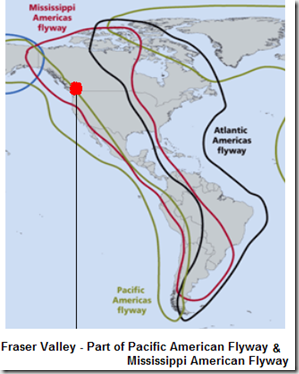
Media Report: H5N2 Detected In A Fraser Valley Hunted Duck

image


#10,750


Not quite a year ago we got the first word of an outbreak of H5 avian influenza among British Columbian poultry farms, one which was eventually determined to be highly pathogenic (HPAI) and genetically closely related to the H5N8 outbreak in Asia.  


In short order, we were seeing related H5N2, H5N8, and H5N1 viruses spreading across North American poultry farms and wild birds, kicking off the worst epizootic in American history.


The last reported poultry outbreaks were in early summer, and only one wild bird (a mallard in Utah) has reportedly tested positive since then. The expectation, however, is that HPAI H5 will return this fall and winter and once again threaten poultry operations.


Over the summer and fall very  aggressive surveillance systems have been put in place both in the United States and Canada (see APHIS/USDA Announce Updated Fall Surveillance Programs For Avian Flu). Among these setting up stations where duck hunters can have their birds swabbed and tested. 


Ducks are the natural reservoir for avian influenza viruses, can often carry them without ill effect, and the the logical place to find the virus first.


Which brings us to a media report this morning from Vancouver, B.C., stating a recently submitted duck has tested positive for the H5N2 virus. It is lacking in detail (collection location, date, who confirmed the tests, etc.), and as it is still the wee hours on the west coast, I’ve not found any official government reports confirming this story.


While I would stress this an unofficial media report for now, it  wouldn’t be surprising if this were true, as we’ve been awaiting the return of HPAI H5 for several months.   First the report, then I’ll return with a bit more.


Bird flu confirmed in wild Fraser Valley duck

Vancouver, BC, Canada / News Talk 980 CKNW | Vancouver's News. Vancouver's Talk

November 26, 2015 10:09 pm

A case of the Avian Flu virus has been confirmed in the Fraser Valley, after a duck was shot by a hunter earlier this week or on the weekend.

Ray Nickels from the BC Poultry Association confirmed the presence of the H5N2 virus, but says there’s little to fear.

“There’s no human risk here at all, it has to do with our industry concerns and about our bird health, but it is very dangerous for poultry flocks.”

Nickels says birds like ducks are carriers of the avian flu.

But he says strict regulations should protect commercial poultry.

“I think it’s fairly unlikely, given the strategies we have in place and that it is a wild duck, it’s not something that would be comingling with our poultry flocks.”

No word yet from the Canadian Food Inspection Agency.


Hard hit North American poultry famers have had a long summer to prepare for the return of avian flu, and have received an abundance of guidance on beefing up biosecurity from both Canadian (see Canada: CFIA Biosecurity Warning on Avian Influenza) and American (see APHIS: HPAI Biosecurity Self-Assessment Checklist) agricultural agencies.


Despite the upbeat assessment of their readiness in the media report above, only time will tell how successful these preparations will be in preventing outbreaks in poultry. 


The good news is that the strain of HPAI H5 that arrived in North America last fall, while related to several highly dangerous H5 viruses (H5N1, H5N6), has not been shown to infect humans. With any luck, that won’t change this fall or winter.


As one would expect, last June the CDC issued a HAN:HPAI H5 Exposure, Human Health Investigations & Response, providing specific guidance to local health authorities. 


For now, the threat posed by HPAI to humans in North America appears to be low. Something we examined in greater depth last July in  EID Journal: Infection Risk To Those Exposed To HPAI H5 Viruses – United States.


The detection of H5N2 in a hunted duck is neither alarming or unexpected.  It should, however, spur both backyard and commercial poultry producers to complete their biosecurity preparations for this winter.


Additional information for the poultry farmer is available at  http://www.poultrybiosecurity.org/, which provides a large, and constantly updated compendium of videos, documents, and PDF files on biosecurity.

Thursday, November 26, 2015

Indonesian MOH Takes Note Of Unidentified Papua Outbreak

image

Papua (red) Indonesia


# 10,749


In an update to yesterday’s report (see Indonesia: `Mystery Illness’ Kills 56 Children In Papua), we’ve twitter  confirmation from the Indonesian MOH Public Communications Office acknowledging the investigation, but ratcheting down the fatal case count to 31 children, not 41 or 56 as reported by the media.

image


Regardless of the actual number – and early media (and often official) reports get the details wrong –quite clearly something is killing children in the far eastern province of Papua.  This is an area with extremely high child mortality, however, and the cause may prove to be something far from exotic.


The main Indonesian MOH website is unreachable this morning (it times out), so I’ve been unable to see what they may have posted on their site.  But we do have several articles this morning in Detik Health on the outbreak, the first thanks to Gert Van Der Hoek on FluTrackers who posted it on this thread this morning.


Investigate Mysterious Death 32 Children in Papua, the Ministry of Health Inquiry Team to Location
Thursday, 26/11/2015


Jakarta, Ministry of Health has received reports about the mysterious death of 32 children in the District Mbuwa, Ndunga regency, Papua. The team of experts has been sent to uncover the cause of the incident. "My team and DHO Papua were at the scene to conduct an investigation," said Director General of Disease Control and Environmental Health (P2PL) Ministry of Health, Dr HM Subuh, MPH detikHealth when contacted on Thursday (26 / 11/2015). About the latest developments in the field investigation results, Subuh claimed to have not received a report.


Limited access to communication at the site became an obstacle for the latest information quickly. Clearly, Dawn submit corrections that the number of victims is not 41 as reported so far, but 31 cases. Meanwhile, head of the Papua Health Office Dr. Aloysius Giyai, as reported previously detikHealth MKes calls since October 2015 until today the number of victims reached 32 children.


Most of the victims are children children under the age of 2 years. The reported symptoms include high fever, convulsions and diarrhea. Both the Ministry of Health and the Papua Health Office is still awaiting the results of the examination of samples in the laboratory to determine the cause of death of the boys. Although the symptoms are similar to malaria, tests have been conducted by the officer showed negative results. Another suggestion that developing pneumonia (pneumonia) and ARI (Acute Respiratory Infections). "The important thing now is no reduction of the province and center," said Dawn.


In another report, also from Detik Health, we get a slightly different take, and it is not entirely clear over what time span these deaths have occurred.  Some reports indicate days or weeks, this one seems to indicate a couple of months.


Mysterious Death about 32 Children in the District Ndunga, this explanation Papua Health Office

AN Uyung Pramudiarja - detikHealth

Thursday, 26/11/2015 09:14 pmJakarta, Dozens of children in the District Ndunga, Papua reportedly died and up to now unclear what the ailment. Chief Medical Officer of Papua, Dr. Aloysius Giyai, MKes straighten maze of them. "Not 41 cases as reported. Until three days ago, there were 31 cases, and yesterday there was one new case. So the total 32 cases," said Dr. Aloysius detikHealth when contacted on Thursday (26/11/2015), of deaths of children, mostly under the age of 2 years, according to Dr. Aloysius occurred since October 2015. "So instead of once in a while, but the case has since 2 months then, "added Dr. Aloysius.

About the alleged cause of death, Dr. Aloysius do not want to speculate. According to him, this time he has sent a team of experts who will conduct field sampling. The sample will be examined in the laboratory to ensure the disease. Dozens of children in Mbuwa District, Regency Ndunga reportedly died with symptoms similar to malaria. Yet malaria test results were negative, the alleged pneumonia (pneumonia) and ARI (Acute Respiratory Infection).

Regency Ndunga is a division of Jayawijaya. Being in the expanse of the Valley Baliyem, this area has an altitude of 1,500 - 2000 meters above sea level. (Up / vit)


And last, an article that seems to be largely speculation, suggesting a parasitic infection might be behind these deaths.  Once again we see mention of dead farm animals in the vicinity.


There Possible Parasitic Infection in Mysterious Death Case of 32 kid in Papua

AN Uyung Pramudiarja - detikHealth

Thursday, 11/26/2015 12:47 pm

Jakarta, causes the death of 32 boys in the District Mbuwa, Ndunga Regency, Papua unclear. The Ministry of Health calls is possible parasitic infections. "Judging from the reported symptoms (ie) fever, high, seizures and no diarrhea could have been by viruses and bacteria or parasites," said Director General of Disease Control and Environmental Health (P2PL) Ministry of Health, Dr HM dawn, MPH. But according dawn, laboratory test results until now unknown.

The team from the Ministry of Health and the Department of Health Papua is now gone to the field to take samples. Chief Medical Officer of Papua, Dr. Aloysius Giyai, Kes mentions in Ndunga District recorded 32 children died in the last 2 months. In the area also had an outbreak that causes the dead farm animals, including pigs.

(Continue . . .)


A mystery to be sure, and one that – given the remote location and lack of medical infrastructure – may take some time to unravel.  


Stay tuned.

ECDC Risk Assessment: Microcephaly In Brazil Potentially Linked To The Zika Virus Epidemic

image

Credit ECDC  Zika Virus/Microcephaly  RRA


#10,748


Until the middle of the last decade the mosquito vectored Zika Virus (ZIKAV) was relatively unknown outside of Africa, but that began to change in 2007 when it was carried by a traveler to Yap Island in the South Pacific (see 2009 EID Journal Zika Virus Outside Africa by Edward B. Hayes) and rapidly spread to roughly 70% of the island’s inhabitants.


Zika gained notoriety again in 2011 when the EID Journal carried a  a remarkable Dispatch on the first Probable Non–Vector-borne Transmission of Zika Virus, Colorado, USA, involving two researchers infected in Africa, one of whom returned to the Untied States and passed the virus (presumably via sexual contact) on to his wife. 


This was the first instance where sexual transmission of an Arbovirus was suspected, the author’s writing:

Results also support ZIKV transmission from patient 1 to patient 3. Patient 3 had never traveled to Africa or Asia and had not left the United States since 2007. ZIKV has never been reported in the Western Hemisphere. Circumstantial evidence suggests direct person-to-person, possibly sexual, transmission of the virus.


Generally described as producing a `mild and self-limiting’  illness,  two years ago the Zika story took another turn when it arrived in French Polynesia, infecting thousands, and for the very first time we started seeing evidence of more severe neurological illness (see Zika, Dengue & Unusual Rates Of Guillain Barre Syndrome In French Polynesia).  


You’ll find follow up reports here & here.


As Chikungunya had done in the fall of 2013,  the Zika Virus arrived in the Americas in the spring of 2014 (Easter Island), and local transmission was reported by Brazil in May of 2015 in the north-east­ern part of the country. In the six months since then the virus has spread across much of Brazil, and this fall has been reported in Columbia and Suriname (see WHO WER: Zika Virus Outbreaks In the Americas).


As this virus spreads rapidly across more heavily populated regions of the world we are starting to get a better idea of its impact on human health, and it’s previous `mild & self-limiting’ description is deserving of a second look.


This week the Brazilian government announced that concurrent with the arrival of the Zika Virus, they’ve seen a 10-fold increase of microcephaly birth defects in several states (see Microcephaly In Brazil - Background & WHO Statement), reporting 399 cases as of November 17th.


Microcephaly is a neurological condition where the child’s head is smaller in circumference than normal, and is often associated with developmental disorders. It can be caused by congenital disorders, maternal illness, or environmental exposures.


In the past week, that number has jumped to 739 across 9 states, with the following statement from Brazil’s Ministry of Health released on Tuesday:


Registration Date: 11/24/2015 14:11:14 changed the 11/24/2015 in the 14:11:45

Ministry announces epidemiological bulletin on microcephaly

Until November 21, 2015, it was reported 739 suspected cases of microcephaly, identified in 160 municipalities in nine states of Brazil, according to the second edition of epidemiological report on microcephaly, released on Tuesday (24). The government remains making every effort to monitor and investigate, as a priority, the increasing number of cases of microcephaly in the country.

The Pernambuco state keeps with the highest number of cases (487), being the first to identify an increase of microcephaly in your area and which has the follow-Ministry of Health team since October 22. Next are the states of Paraíba (96), Sergipe (54), Rio Grande do Norte (47), Piauí (27), Alagoas (10), Ceará (9), Bahia (8) and Goiás (01). Among the total number of cases was reported a suspicious death in the state of Rio Grande do Norte. This case is under investigation to determine the cause of death.

(Continue . . . )


All of which brings us to the Rapid Risk Assessment published yesterday (but using the week-old number of 399 cases) by the ECDC which looks at the suspected – but not confirmed – link between the Zika virus and this surge in microcephaly.  


You’ll almost certainly want to download the full PDF, which provides an excellent overview of the the virus, and the current situation.


Microcephaly in Brazil potentially linked to the Zika virus epidemic, ECDC assesses the risk


25 Nov 2015

​New ECDC risk assessment evaluates the possible link between the observed increase of congenital microcephaly in Brazil and Zika virus (ZIKV) infection and assesses the potential risks associated with ZIKV infection for travellers, the EU, and the EU Overseas Countries and Territories and Outermost Regions.

There is currently only ecological evidence of an association between the two events, while a possible causative association cannot be ruled out; further investigations and studies are needed to understand the association and the possible role of other factors, states the ECDC risk assessment.

In November the Brazilian Ministry of Health declared a public health emergency in relation to an unusual increase in the number of children born with microcephaly in 2015.

The north-Brazilian state of Pernambuco has reported 141 cases of microcephaly in newborns in 2015, in comparison to an average of 10 cases per year from 2010–2014. A ten-fold increase in the incidence of microcephaly among newborns was observed in other north-eastern Brazilian states.

As the increase is within nine months of the Zika emergence, the Ministry of Health of Brazil has suggested a possible relationship between the increase in microcephaly and the ongoing Zika outbreak. While investigations are still ongoing, the authorities issued specific recommendations for pregnant women relating to protection from mosquito bites: such as keeping doors and windows closed or screened, wearing trousers and long-sleeved shirts and using repellents.

In comparison, in French Polynesia there was an increase of central nervous system malformations in foetuses and newborns following an epidemic of ZIKV infection: at least 17 such cases were reported during 2014–2015, coinciding with the Zika outbreaks on the French Polynesian islands, four tested women were found positive for flavivirus.

Congenital microcephaly is a descriptive diagnosis for a neurodevelopmental disorder causing small head of the newborn. It can be caused by a variety of factors, such as genetic disorder, brain injury, consumption of teratogenic drugs, exposure to chemicals as well as transplacental infections.

The involvement of ZIKV in microcephaly is not documented in the scientific literature, however, other Flavivirus infections are known to have the potential to cause premature birth, congenital defects and microcephaly.

ECDC risk assessment states that:

  • Travellers to countries where ZIKV is circulating are at risk of getting the disease through mosquito bites. 
  • During the winter season the risk for transmission of Zika is extremely low in the EU as the climatic conditions are not suitable for the activity of mosquito vector species. 
  • As the Zika epidemic is currently spreading in South America, the introduction of the virus from Brazil, Colombia, and Suriname or from Cape Verde to EU Overseas Countries and Territories and EU Outermost Regions, especially in the vicinity is possible.

ECDC risk assessment lists risk mitigation options for public health authorities in the EU/EEA, including precautions that are advisable to travellers to affected areas, particularly pregnant women.

Zika virus disease is a mosquito-borne viral disease which can be transmitted by invasive mosquito species, such as Aedes aegypti and Aedes albopictus. The disease symptoms, i.e. fever, joint swelling, rash, headaches, are usually mild and last for 2 to 7 days.

Read the risk assessment: Microcephaly in Brazil potentially linked to the Zika virus epidemic


Like Chikungunya, and Dengue before it, Zika appears to be well poised to establish itself across a wide range of the Caribbean, Central and South America.  All of which makes getting to the bottom of this epidemiological mystery a high priority.

Wednesday, November 25, 2015

Indonesia: `Mystery Illness’ Kills 56 Children In Papua

image

Papua (red) Indonesia

#10,747


ProMed Mail has picked up a report (see 25 Nov 2015 Undiagnosed illness - Indonesia: (PA) fatal, children, RFI) in the Jakarta Post, dated yesterday, indicating there has been sudden and unexplained rash of child deaths in Indonesia’s easternmost province; Papua.  


As of yesterday’s report, 41 children had died, along with some number of local pigs and chickens. 


As we’ve discussed often in the past, `Mystery’ diseases usually turn out to be far less mysterious once medical teams arrive and can begin testing.  Additionally, child mortality remains very high in Papua (see media report Unicef: Child Mortality Papua Three Times Higher than Jakarta), from a variety of non-exotic causes.


But given the  sudden onset, the apparent high mortality among children under 7, and the (possibly coincidental) die off of livestock, this is certainly worth keeping an eye on.


Three reports.  First, this from the Jakarta Post via ReliefWeb.


41 kids die from mystery disease in Papua

from Jakarta Post

Published on 24 Nov 2015 — View Original

  •  Nethy Dharma Somba, The Jakarta Post, Jayapura | Headlines | Tue, November 24 2015, 6:27 PM

A large number of children, many below the age of seven, have died of an unexplained disease in Mbuwa district, Nduga regency, Papua, following the start of the rainy season in early November.

A medical team consisting of health workers from Nduga, Wamena and Jayawijaya regencies arrived at the location but have yet to ascertain the cause of the deaths.

“As many as 41 children have died, as of today. They present with a slight illness at first but die shortly after these initial signs. The medical team from Nduga Health Office, assisted by the Wamena Health Office may have returned home, but the cause of these deaths remains uncertain,” said Mbuwa district chief Erias Gwijangge, during a call to The Jakarta Post on Monday.

Erias said Nduga and surrounding areas had experienced drought and were exposed to haze from forest fires. Rain only fell in the past month. When the rain began, a number of livestock, such as pigs and poultry, also died abruptly.

(Continue . . . )


I find no mention of this outbreak on the Indonesian Ministry of Health websites, but the Indonesian press and twitter (Hashtag `Kematian anak papua’  or `Papua Child Deaths’) is driving a lot of traffic on the story. Symptoms appear to be primarily fever and respiratory distress.


Today, at least based on one local media report, the number of fatalities has grown to 56.  This from Berita Satu.com.


Rabu, 25 November 2015 | 12:07


Died children in Papua Increases So 56

Papua Provincial Health Director, Aloysius Giyai.

Papua Provincial Health Director, Aloysius Giyai. (SP / Robert Vanwi)

Jayapura - The number of children who died from a mysterious disease in the District Mbuwa, nduga regency, Papua Province, increasing from 41 to 56 people. It was announced by the Chief District Mbuwa, Erias Gwijangga, Wednesday (25/11).

"Children who die under the age of seven years. Drugs gone. Medics at Mbuwa today seven people from the Department of Health Nduga," he said.

In such cases, the Provincial Health Director Papua, Aloysius Giyai, said he only heard of the incident three days ago.

"There was no report at all, even regents Nduga confirmation that we are also claimed to have received the report. But from the reports we have, there are 31 children who died, "said Giyai after the opening of a working meeting regional health Papua Province and the launch of his book Against Storm Extinction breakthrough-breakthrough Papua Healthy Towards Papua Risen, Mandiri Sejahtera at the Auditorium of Cendrawasih University, city of Jayapura , Papua, on Tuesday (24/11) afternoon.

Papua Provincial Health Office, he added, has deployed a team to the area. The team led by Section Chief and Disaster Outbreak Papua Provincial Health Office, Yamamoto Sasarari, joint head of PMK, a doctor Wopari Berry, who assisted the general practitioner, a pediatrician, nurses, laboratory personnel, and personnel survailance.

"The team will find out what the causes of child mortality and also to find a solution. Therefore, we can not tell the cause of death of children. There must be a field, looking for the cause, "he said.

(Continue . . . )


And lastly this report from the Suara Pembaruan, which describes the lack of medical care available in the Papau, and also mentions the updated number of 56 deaths. 


There's No Drugs, No Health Officer, Children's Papua It Even Died Mysterious

Wednesday, November 25, 2015 | 7:48

Papuan children in Biak. [SP / Jeis Montesori Kafiar]

[JAYAPURA] Pathetic. A total of 41 children under the age of seven years meninnggal the mysterious world throughout November 2015 in the District Mbuwa, nduga regency, Papua.

No medical help to save their lives. The local Health Department reasoned geographical problems and understaffed making them difficult to reach Papuans who mostly live in the interior.

Ironically, Chief Medical Officer of the Province of Papua, Aloysius Giyai admitted three days ago received a report related to the incident.

"There was no report at all, even Regent Nduga confirmation that we are also claimed to have received the report. But from the reports we have, there are 31 children who died, "said Giyai after opening Working Meeting of the Regional Health Papua Province and the launch of his book titled" Against the Storm Extinction breakthrough-breakthrough Papua Healthy Towards Papua Risen, Mandiri Sejahtera "at the auditorium of the University of Cendrawasih, Jayapura, Papua, on Tuesday (24/11) afternoon.

(Continue . . .)