Thursday, April 30, 2020

CDC Extended Guidance for Cleaning and Disinfecting (Homes, Schools, Businesses, etc.)


#15,227


Six weeks ago, in CDC Guidance: Disinfecting Your Home If Someone Is Sick, we looked at interim advice for COVID-19 disinfection in the home. While large-droplet transmission is believed to be the primary vector for spreading the virus, fomites - contaminated surfaces of inanimate objects - are also a huge concern.
Depending on the type of surface, and environmental conditions (temperature, humidity, UV light, etc) the SARS-CoV-2 virus can survive anywhere from hours to several days. 
Studies have have shown (see EID Journal: Aerosol and Surface Distribution of SARS-CoV-2 in Hospital Wards, Wuhan, China) that the virus can settle on many surfaces, even meters away from an infected person (see also CDC MMWR: Public Health Responses to COVID-19 Outbreaks on Cruise Ships — Worldwide).
This week, in anticipation of a phased reopening of many segments of the American economy in the weeks ahead, the CDC has released new, updated, and expanded guidance for cleaning and disinfecting surfaces in a wide range of venues. 
The full guidance is spread across two PDF files (PDF1 - 9 pages,   PDF2 - 2 pages).  I've only posted a few excerpts below, so follow the links and download the entire guidance.

Reopening Guidance for Cleaning and Disinfecting Public Spaces, Workplaces, Businesses, Schools, and Homes
This guidance is intended for all Americans, whether you own a business, run a school, or want to ensure the cleanliness and safety of your home. Reopening America requires all of us to move forward together by practicing social distancing and other daily habits to reduce our risk of exposure to the virus that causes COVID-19. 
Reopening the country also strongly relies on public health strategies, including increased testing of people for the virus, social distancing, isolation, and keeping track of how someone infected might have infected other people. This plan is part of the larger United States Government plan and focuses on cleaning and disinfecting public spaces, workplaces, businesses, schools, and can also be applied to your home.
Cleaning and disinfecting public spaces including your workplace, school, home, and business will require you to:
  • Develop your plan
  • Implement your plan
  • Maintain and revise your plan
Reducing the risk of exposure to COVID-19 by cleaning and disinfection is an important part of reopening public spaces that will require careful planning. Every American has been called upon to slow the spread of the virus through social distancing and prevention hygiene, such as frequently washing your hands and wearing face coverings. Everyone also has a role in making sure our communities are as safe as possible to reopen and remain open.
The virus that causes COVID-19 can be killed if you use the right products. EPA has compiled a list of disinfectant products that can be used against COVID-19, including ready-to-use sprays, concentrates, and wipes. Each product has been shown to be effective against viruses that are harder to kill than viruses like the one that causes COVID-19.
This document provides a general framework for cleaning and disinfection practices. The framework is based on doing the following: 
  1. Normal routine cleaning with soap and water will decrease how much of the virus is on surfaces and objects, which reduces the risk of exposure.
  2. Disinfection using EPA-approved disinfectants against COVID-19 can also help reduce the risk. Frequent disinfection of surfaces and objects touched by multiple people is important.
  3.  When EPA-approved disinfectants  are not available, alternative disinfectants can be used (for example, 1/3 cup of bleach added to 1 gallon of water, or 70% alcohol solutions). Do not mix bleach or other cleaning and disinfection products together. This can cause fumes that may be very dangerous to breathe in. Keep all disinfectants out of the reach of children.
Links to specific recommendations for many public spaces that use this framework, can be found at the end of this document.
It’s important to continue to follow federal, state, tribal, territorial, and local guidance for reopening America.
          (Continue . . . )

EID Journal: Pulmonary Embolism and Increased Levels of d-Dimer in COVID-19 Patients


Credit WHO

#15,226

Unlike influenza, which usually hits a patient like a freight train 2 to 4 days after infection, COVID-19 can have a much longer incubation period, followed by a slow ramping up of symptoms.
While most people will experience only a mild-to-moderate illness - and then recover - a significant number of patients report a week or more of mild illness before worsening symptoms force them to seek medical care. 
Some patients have reported improving symptoms, only to see their condition abruptly deteriorate in the second or third week of their illness. The CDC's Interim Clinical Guidance for Management of Patients with Confirmed Coronavirus Disease (COVID-19) describes this `delayed crash' phenomenon.
Clinical Progression
Among patients who developed severe disease, the medium time to dyspnea ranged from 5 to 8 days, the median time to acute respiratory distress syndrome (ARDS) ranged from 8 to 12 days, and the median time to ICU admission ranged from 10 to 12 days.5,6,10,11 
Clinicians should be aware of the potential for some patients to rapidly deteriorate one week after illness onset. Among all hospitalized patients, a range of 26% to 32% of patients were admitted to the ICU.6,8,11 Among all patients, a range of 3% to 17% developed ARDS compared to a range of 20% to 42% for hospitalized patients and 67% to 85% for patients admitted to the ICU.1,4-6,8,11 Mortality among patients admitted to the ICU ranges from 39% to 72% depending on the study.5,8,10,11 The median length of hospitalization among survivors was 10 to 13 days.1,6,8
While originally thought of as primarily a respiratory illness, over the past few weeks it has become increasingly clear that SARS-CoV-2 can cause a wide range of serious, systemic cardiovascular and hematological complications (primarily hypercoagulability). 

Two days ago the NEJM published Large-Vessel Stroke as a Presenting Feature of Covid-19 in the Young, while last weekend the UK's NHS issued an alert for possible vascular and cardiac inflammation in children with COVID-19.
There is obviously a lot more going on with COVID-19 disease than was originally suspected. 
A week ago, the journal Radiology released a special report on the diagnosis and treatment of complications due to blood clots in patients with COVID-19.  This from the Radiological Society of North America (RSNA):
“Imaging and pathological investigations confirmed the COVID-19 syndrome is a thrombo-inflammatory process that initially affects lung perfusion, but consecutively affects all organs of the body,” Professor van Beek said. “This highly thrombotic syndrome leads to macro-thrombosis and embolism. Therefore, strict thrombosis prophylaxis, close laboratory and appropriate imaging monitoring with early anti-coagulant therapy in case of suspected venous thromboembolism are indicated.”

Yesterday the CDC's EID Journal published three case histories of COVID-19 patients who developed pulmonary embolisms in the second week of their hospitalization (roughly 18 days into their illness). All three had elevated d-Dimer levels, which is a test for active coagulation and fibrinolysis.

I've only included excerpts (slightly reformatted for readability) from a much larger research report, so follow the link to read it in its entirety.

Volume 26, Number 8—August 2020
Research Letter
Pulmonary Embolism and Increased Levels of d-Dimer in Patients with Coronavirus Disease
Daniel O. Griffin , Alexandra Jensen, Mushmoom Khan, Jessica Chin, Kelly Chin, Jennifer Saad, Ryan Parnell, Christopher Awwad, and Darshan Patel
ABSTRACT
We report 3 patients with coronavirus disease who had a decline in respiratory status during their hospital course that responded well to intravenous steroids and interleukin-6 receptor antagonist therapy. These patients later showed development of persistent hypoxia with increased levels of d-dimer levels and were given a diagnosis of pulmonary embolisms.

Coronavirus disease (COVID-19), caused by severe acute respiratory syndrome coronavirus 2, has been extensively reported since the outbreak in Wuhan, China, and can progress to involve major respiratory complications (1). Patients commonly have fever, cough, abdominal pain, and diarrhea.
During the second week of illness, decompensation occurs in some patients, possibly driven by the cytokine storm associated with increased levels of interleukin-6. We report 3 case-patients with COVID-19 who were improving after successful treatment during the critical period but showed development of pulmonary emboli (PEs) despite deep vein thrombosis (DVT) prophylaxis.
Three patients admitted to Northwell Plainview Hospital (Plainview, NY, USA) showed positive results for COVID-19 and had acute hypoxic respiratory failure secondary to COVID-19. All 3 patients received azithromycin and hydroxychloroquine, but their conditions continued to progress to more severe respiratory failure.
During what was assumed to be the cytokine storm phase, on the basis of laboratory parameters and an increasing requirement for oxygen, the patients received intravenous steroids (solumedrol, 1–2 mg/kg/d for 5–8 d) and the interleukin-6 receptor antagonist tocilizumab (400 mg intravenously). Patients showed improvement and did not require intubation but later showed development of persistent hypoxemia with increases in levels of d-dimer. Computed tomography angiograms (CTAs) confirmed bilateral PEs, and the patients required supplemental oxygen (Table).
(SNIP 3 Case histories)
PEs can occur after the cytokine storm in COVID-19 patients, despite DVT prophylaxis. After initial improvements, patients might continue to have high or increasing oxygen requirements because of development of thromboembolic disease.
Previous studies showed that low levels of platelets, increased levels of d-dimer, and increasing levels of prothrombin in COVID-19 were associated with poor outcome, which might be explained by thromboembolic complications in patients with severe disease (2). Platelet counts remained within reference ranges for 2 of our patients and only decreased for 1 patient. Two patients had increases in d-dimer levels, and the third patient was admitted with a highly increased d-dimer level.
Autopsy reports from COVID-19 patients have shown microthrombi in lungs and in other organs with associated foci of hemorrhage (3,4). These findings suggest that severe endothelial dysfunction, driven by the cytokine storm and associated hypoxemia, leads to disseminated intravascular coagulation, causing thromboembolic complications.
In these patients, other parameters, such as the neutrophil–lymphocyte ratio, and inflammatory markers, including ferritin, C-reactive protein, and lactate dehydrogenase, were returning to reference levels despite increased d-dimer levels and increasing oxygen requirements. Standard dose DVT prophylaxis did not prevent this complication. This hypercoagulability was a consumptive coagulopathy and was not caused by an inhibitor, such as an anticardiolipin antibody; treatment with direct factor Xa inhibitors would be appropriate.
Although certain underlying conditions might have influenced the coagulation process in these patients, the hypothesis that hypercoagulability is driven by endothelial dysfunction is plausible. These case studies support the earlier observation that anticoagulation is associated with a decrease in mortality rates for COVID-19 patients (5). Monitoring disseminated intravascular coagulation and measurement of platelet counts, d-dimer and fibrinogen levels, and trending International Society of Thrombosis and Haemostasis scores might be beneficial for early diagnosis of PE in patients with COVID-19.

Dr. Griffin is an instructor in clinical medicine and associate research scientist at Columbia University Medical Center, New York, NY. His primary research interests are HIV, stem cells, and malignancies.

Wednesday, April 29, 2020

EID Journal: Evaluating Social Distancing Interventions To Delay or Flatten The Curve - COVID-19


Flatten The Curve - CDC circa Feb. 1st 2007

#15,225

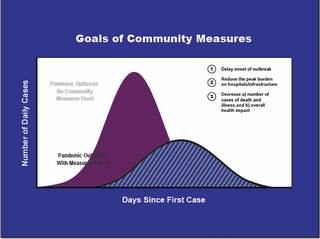
Up until a few months ago, few Americans knew what `flatten the curve'  meant, although it has been part and parcel of our nations pandemic preparedness plan since early in 2007 (see The CDC Does NPI).  Now, it is part of everyone's vocabulary. 
The theory behind it is based on the disparate experiences of St. Louis, which implemented strict social distancing during the 1918 Spanish Flu - and Philadelphia - which did not (see Why NPIs Will Be Our 1st Line Of Defense Against COVID-19).
But until a couple of months ago - at least in modern times - it hadn't been tested under genuine pandemic conditions.  And no one really knew if it was practical, or that it would work. 
Even today, with ample evidence that yes, you can `flatten the curve' - even with a highly contagious respiratory virus - there are unanswered questions about the optimum level of social distancing, the required duration, and how to safely emerge from `lockdown' without reigniting a viral firestorm. 
As nations try to come out of their economically, and socially, painful mitigation measures we'll begin to get a glimpse of what works, and what doesn't.  While politics and mounting economic pressures will undoubtedly play a role in how, and when they act, most nations will be using a variety of computer models and simulations to guide them.
As we discussed a little over a week ago, in CDC: COVID-19 Forecastingcomputer models are often quite useful, but they can't be taken literally.  What you get out of them depends primarily on what data you put into them. 
And in the study below, four different age-based social distancing scenarios are used over a 6-week period in a medium sized American or European City (based on Seattle, WA demographics), and run 1,000 times while varying 3 parameters; the R0, the latent period, and duration of infectiousness.

The study is lengthy, complex, and will be tough sledding for those (like myself) who are statistically challenged. But I've selected some of the less technical passages as excerpts below.  As always, you are encouraged to follow the link and read the full report. 

Volume 26, Number 8—August 2020
Research
Evaluating the Effectiveness of Social Distancing Interventions to Delay or Flatten the Epidemic Curve of Coronavirus Disease
Abstract
By April 2, 2020, >1 million persons worldwide were infected with severe acute respiratory syndrome coronavirus 2. We used a mathematical model to investigate the effectiveness of social distancing interventions in a mid-sized city. Interventions reduced contacts of adults >60 years of age, adults 20–59 years of age, and children < 19 years of age for 6 weeks.
Our results suggest interventions started earlier in the epidemic delay the epidemic curve and interventions started later flatten the epidemic curve.
We noted that, while social distancing interventions were in place, 20% of new cases and most hospitalizations and deaths were averted, even with modest reductions in contact among adults. 
However, when interventions ended, the epidemic rebounded. Our models suggest that social distancing can provide crucial time to increase healthcare capacity but must occur in conjunction with testing and contact tracing of all suspected cases to mitigate virus transmission.
(SNIP)
Discussion
The term “flatten the curve,” originating from the Centers for Disease Control and Prevention (26), has been used widely to describe the effects of social distancing interventions. Our results highlight how the timing of social distancing interventions can affect the epidemic curve. In our model, interventions put in place and lifted early in the epidemic only delayed the epidemic and did not flatten the epidemic curve. 
When an intervention was put in place later, we noted a flattening of the epidemic curve. Our results showed that the effectiveness of the intervention will depend on the ratio of susceptible, infected, and recovered persons in the population at the beginning of the intervention. 
Therefore, an accurate estimate of the number of current and recovered cases is crucial for evaluating possible interventions. As of April 2, 2020, the United States had performed 3,825 tests for SARS-CoV-2 per 1 million population (27). By comparison, Italy had performed 9,829 tests/1 million population (27). Expanding testing capabilities in all affected countries is critical to slowing and controlling the pandemic.
Some evidence suggests that persons who recover from COVID-19 will develop immunity to SARS-CoV-2 (28). However, at this point the duration of immunity is unclear. If immunity lasts longer than the outbreak, then waning immunity will not affect the dynamics of the epidemic. Furthermore, persons who recover from COVID-19 could re-enter the workforce and help care for the most vulnerable groups. However, if immunity is short-lived, for instance on the order of weeks, persons who recover could become re-infected, and extensions to social distancing interventions might be necessary.
         (SNIP)
Our results must be interpreted with caution. Hospitalizations and deaths averted during the first 100 days in our model would likely occur later if the interventions are lifted without taking any further action, such as widespread testing, self-isolation of infected persons, and contact tracing. As in any model, our assumptions could overestimate the effect of the interventions. However, quantifying the short-term effects of an intervention is vital to help decision makers estimate the immediate number of resources needed and plan for future interventions.
(SNIP)
Taken together, our results suggest that more aggressive approaches should be taken to mitigate the transmission of SARS-CoV-2. Social distancing interventions need to occur in tandem with testing and contact tracing to minimize the burden of COVID-19. New information about the epidemiologic characteristics of SARS-CoV-2 continues to arise. Incorporating such information into mathematical models such as ours is key to providing public health officials with the best tools to make decisions in uncertain times.

Dr. Matrajt is a research associate at the Fred Hutchinson Cancer Research Center. Her research interests include using quantitative tools to understand infectious disease dynamics and to optimize public health interventions.
Dr. Leung is a postdoctoral research fellow at the Fred Hutchinson Cancer Research Center. Her research interests include using mathematics to understand infectious disease transmission.

The original idea behind using NPIs to `flatten the curve' was to extend the length of a pandemic wave by lowering its daily peak, thereby reducing the crushing impact on hospitals and other community resources.  
While there was certainly hope, there was no guarantee that the actual number of infections, or the direct loss of life from the virus, would be any less.  The pain would just be spread out over a longer period of time. 
It was expected that collateral damage would be lessened, and that would save many lives. And if a vaccine, or an effective therapeutic could be developed before the pandemic had run its course, that could save additional lives as well. 
Suddenly we are faced with an unexpected dilemma. Strict lockdowns - while they have exacted a terrible economic cost - have worked in reducing infections and deaths far more effectively than anyone imagined. 
It is likely that hundreds of thousands - and perhaps millions - of lives have been spared by the incredible sacrifices that societies have made around the world in the past four months.  We have almost certainly avoided the collapse of numerous healthcare systems as well.
The $64 question is, what do we do now?   
How do we ease out of lockdown and revive the economies without destroying our unexpected early success?  As the above study cautions, gains made because of social distancing could be lost if interventions are lifted without taking further actions. 
While models and computer simulations may not be able to give us all of the answers, by feeding in new scenarios and fresh data each day, they can hopefully help tell us `where there be dragons, or shoals ahead' as we navigate through these uncharted waters in the months ahead.  
None of us, however, should expect it to be smooth sailing. 

Netherlands: COVID-19 In Farmed Mink


#15.224

Almost four weeks ago, in Susceptibility of Ferrets, Cats, Dogs & Other Domestic Animals to SARS-CoV-2, we looked at the experimental infection of a variety of farmed animals and household pets with the novel coronavirus.  The authors wrote:
We found that SARS-CoV-2 replicates poorly in dogs, pigs, chickens, and ducks, but efficiently in ferrets and cats. We found that the virus transmits in cats via respiratory droplets.
Given their similarity to ferrets - and since we've seen mink, and mink farms, infected with a variety of novel flu viruses over the past couple of decades - in the postscript I wrote:
Another species I would have liked to have seen included in this study are mink. They are extensively farmed in China - and around the world - and like ferrets, are highly susceptible to a number of human viral respiratory infections. A few of many studies we've looked at include:
Nature: Semiaquatic Mammals As Intermediate Hosts For Avian Influenza
That Touch Of Mink Flu (H9N2 Edition)
Vet. MicroB.: Eurasian Avian-Like Swine Influenza A (H1N1) Virus from Mink in China
Earlier this week, the Netherlands' National Institute for Public Health - RIVMreleased the following (translated) statement on the detection of SARS-CoV-2 at two mink farms - located roughly 5 km apart - in the south-central part of the country.
While the primary risk of contracting the virus is (by far) from another person, the RIVM has recommended some stringent measures (closing the roads to cyclists and pedestrians within 400 meters of the farms, testing air samples, etc.) out of an abundance of caution. 
First their report, then I'll return with more.

COVID-19 detected on two mink farms
News item | 04/26/2020 | 11:17

Two mink farms in Gemert-Bakel and Laarbeek have detected contaminations of COVID-19 in different minks. The minks showed various symptoms including respiratory problems. Investigations have been launched to determine the source of the infections. Because some employees had symptoms of the coronavirus at both companies, it is assumed that people are infected with animals. Previous research shows that ferrets, and therefore also minks, are susceptible to COVID-19 contamination. There are currently no indications that farm animals or pets play a role in the spread of COVID-19.
Minister Schouten of Agriculture, Nature and Food Quality has immediately announced measures. As of today, a reporting obligation has been introduced for mink farmers, veterinarians and persons in research institutions. If there are respiratory problems and increased mortality in minks, this must be reported to the NVWA. To prevent possible spread of the virus to other farms, both animals and manure must not leave an infected farm. Since other animals in livestock farming do not appear to be susceptible to the virus, a notification requirement is now only imposed for minks.
Contamination from person to person
It is important to know how the disease develops on the infected farms. This knowledge can be used to better understand the disease and its course in animals and humans.
Therefore, samples are collected from sick and healthy animals. These will be used for further investigation. While it is not expected that the virus will spread over longer distances, air and dust samples are also taken in the vicinity of the company as a precaution. These are being examined to see whether virus can be detected in this. The Lower House will be informed as soon as more information is available about the outcome of this investigation.
According to RIVM, based on current knowledge about COVID-19, the mink companies do not pose a risk of further spread to humans. Human to animal contamination is possible, but the impact of this mink contamination on human health is currently negligible. Human to human contamination is the driving force behind the current corona pandemic.
Precaution
There is currently no reason to believe that the virus spreads in these mink farms in any other way than it does between humans. As a precautionary measure, RIVM advises against cycling or walking within a radius of approximately 400 meters around the infected mink farm until the results of the research on the air and dust samples are known. It was decided to close the public road in this radius around the company for pedestrians and cyclists until the results of the research are known. The mayors of both municipalities will soon take this measure.
Documents
Letter to parliament Infection of minks with SARS-CoV-2
Letter to the Lower House of Minister Schouten (LNV) about mink infection with SARS-CoV-2.
Parliamentary Paper: Letter to Parliament | 04/26/2020
Although medium distance transmission (from hundreds of yards to a few km) of the virus is considered unlikely, we have seen past evidence of `viral plumes' emanating from avian flu infected poultry farms, with the virus carried on tiny dust particles (desiccated chicken manure, feathers, etc.) propelled aloft by exhaust fans.

Despite the low risks of seeing the same thing with these two mink farms, when dealing with a novel virus, it is alway prudent to cover all of the bases.
While SARS-CoV-2 susceptible mink pose far less of a concern than if the virus had an affinity for pigs, or poultry, or companion animals - it is important to monitor other potential hosts for the virus - as they could provide additional opportunities for the virus to adapt and evolve outside of our view.
The last thing we want is to be blindsided by this virus a second time.

Tuesday, April 28, 2020

UK Health Secretary On Pediatric Deaths Linked To COVID-19

Matt Hancock LBC Interview


#15,223

The UK's Health Secretary Matt Hancock appeared on a LBC Radio show this morning, fielding a number of (mostly critical) questions from the public on the UK's COVID-19 response.  Just over 19 minutes into the program, he addresses the recent reports (see HERE and HERE) on a potentially COVID-linked severe complication in children. 
After first stating that the only children that have died from COVID-19 in the UK had serious underlying health problems, Hancock corrected himself and stated that there have been deaths among children from this syndrome who didn't have underlying health conditions. 
He described it as a `. . . new disease we think may be caused by coronavirus . . . ", but warned they weren't 100% sure as some of the patients didn't test positive for the virus.   Although he described the number of cases as `small', he did not offer any numbers.

Coronavirus LIVE: Health Secretary answers questions from the public
28 April 2020, 06:14 | Updated: 28 April 2020, 08:58

 Meanwhile Reuters is reporting that British and Italian researchers are investigating similar reports from Italy, particularly among children under the age of 9.

SMC: UK Experts Weigh In On NHS Pediatric Alert On COVID-19


#15,222

Twenty-four hours ago, in PICS: NHS Alert On Possible Severe Pediatric COVID-19 Complicationwe looked at early reports of an unusual syndrome reported in pediatric patients suspected (or known) to have COVID-19 infection.

Since then, the UK's media has been filled with reports on this alert, including:
NHS on alert over new coronavirus-related syndrome putting children in intensive care
Coronavirus alert: Rare syndrome seen in UK children

At least 12 UK children have needed intensive care due to illness linked to Covid-19
Although we don't have a lot of details yet on this syndrome, it has been described as having features of both toxic shock syndrome (TSS) and atypical Kawasaki disease.   
While we await further details, a number of UK medical experts have weighed in on what is known, and their comments can be found on the Science Media Center (SMC).  There are currently five responses on the SMC website to these reports, but more will probably be added in the days to come. 
A few excerpts from 3 of the contributors, so follow the link to read them all in their entirety.

APRIL 27, 2020
Expert Reaction to an Urgent Alert has been Issued to Doctors About a Serious Coronavirus-related Condition in Children

An urgent alert has been issued to doctors by the Paediatric Intensive Care Society (PICSUK) regarding a serious coronavirus-related condition in children.

Prof Ian Jones, Professor of Virology, University of Reading, said:
“We need more data on the suggested link between SARS-CoV-2 and a widespread state of hyper-inflammation, especially in children. A general inflammatory syndrome was reported for selected Covid-19 patients recently in University Hospital Zurich and curiously, a general inflammation of blood vessels in children, Kawasaki disease, was once suggested to be linked to a related coronavirus, NL63, which uses the same receptor as SARS-CoV-2, although this was later found not to be the case. It’s too early to know if this is distinct aspect of SARS-CoV-2 or, for example, something else noted by the extended confinement with observant parents.”


Professor Russell Viner, President of the Royal College of Paediatrics and Child Health, said:
"We already know that a very small number of children can become severely ill with COVID-19 but this is very rare – evidence from throughout the world shows us that children appear to be the part of the population least affected by this infection.

“New diseases may present in ways that surprise us, and clinicians need to be made aware of any emerging evidence of particular symptoms or of underlying conditions which could make a patient more vulnerable to the virus.
“However our advice remains the same: parents should be reassured that children are unlikely to be seriously ill with COVID-19 but if they are concerned about their children’s health for any reason, they should seek help from a health professional.”
See here for more information: Guidance for parents on symptoms and seeking advice.


Professor Adilia Warris, Paediatric Infectious Diseases Specialist, University of Exeter, said:
What do we currently know about COVID-19 in children?
“Children have so far accounted for between 1% and 5% of diagnosed COVID-19 cases, have often milder disease than adults and deaths have been extremely rare.
“The largest series of paediatric cases originates from China, with 5.6% of 2143 children showing severe disease (e.g. needing oxygen), and 0.6% needing intensive care treatment.
“So far, children with underlying compromised immune systems or using immunosuppressive treatments (corticosteroids) are not at increased risk for developing severe Covid-19 disease.
“Children are unlikely to contribute to the transmission of COVID-19 in the population.
Is this likely to be COVID-19 or another, as yet unidentified, infectious pathogen?
“As we don’t know yet the full range of clinical presentations caused by COVID-19, we keep every possibility open that clinical presentations which can’t be explained by other causes, might be caused by COVID-19, or even a not yet recognized pathogen. As the inflammatory presentations referred to in the news, which a look-a-like with severe sepsis in children, asks for targeted management related to the causative pathogen, we consider both COVID-19 as well as a yet unrecognized pathogen in our differential diagnostic considerations.
“Please do consider that the absolute number of those cases are very low (a hand full at the moment). The call to ask if other colleagues have comparable experiences over the last week is so we are able to define what is going on, and if there is reason for additional assessment into this.
What is a multi-system inflammatory state?
“A clinical presentation where a lot of cytokines are produced which de-arrange a number of body functions, but the most important being leading to leaky blood vessels, causing low blood pressure and fluid accumulation in the lungs and other organs being in urgent need of intensive care treatment to support the function of the heart and the lungs (and sometimes other organs as well like the kidneys).
How much do we know about this condition? What do we need to know?
“What is the underlying cause, and how to best treat it.
Should people be worried?
“No, but as emphasized by the royal college for child health and paediatrics, if parents have genuine concerns about the health of their child, they should contact the GP and/or paediatrician.”
          (Continue . . . . )

EID Journal: Reduced Flu Under COVID-19 Control Measures -Singapore & Taiwan


#15,221


Due to the uncertain arrival date and subsequent spread of COVID-19 into the United States, a precise split between the impact of this year's flu season and the novel coronavirus may take years to unravel.
Surveillance for COVID-19 prior to March 1st was spotty at best, and many `influenza' cases - and deaths -  early in 2020 may have been due to the pandemic virus.
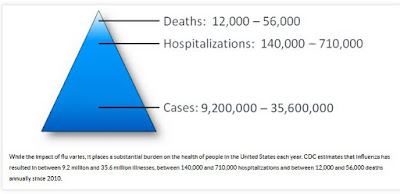
And that may explain the unusually wide range provided by this year's CDC Influenza Burden Estimates (see above), which range from 24,000 to 62,000 deaths.  The low end (24,000) would represent a relatively mild-to-moderate flu season, while the top end (62,000) would suggest a severe-to-high severe season.

But what we do know is, since the United States began its `15 days to Stop the Spread' of COVID-19 in Mid-March, the rate of ILI visits and hospitalizations began to fall dramatically (see FluView chart below).


The mitigation efforts against COVID-19 appear to have had a similar impact on reducing the spread and burden of influenza. While the rate of influenza might have fallen off a cliff by early April on its own accord, we've similar reports today - published in the CDC's EID Journal - of flu suppression starting even earlier in nations that began COVID-19 mitigation in January.

First links and brief excerpts from these reports, then I'll return with a postscript.

Volume 26, Number 8—August 2020
Research Letter
Decreased Influenza Incidence under COVID-19 Control Measures, Singapore
Roy Jiunn Jye Soo, Calvin J. Chiew, Stefan Ma, Rachael Pung, and Vernon Lee
Abstract
We compared indicators of influenza activity in 2020 before and after public health measures were taken to reduce coronavirus disease (COVID-19) with the corresponding indicators from 3 preceding years. Influenza activity declined substantially, suggesting that the measures taken for COVID-19 were effective in reducing spread of other viral respiratory diseases.
          (SNIP)
Our study has several limitations. First, a decrease in influenza transmission is expected in February–March, given the yearly bimodal pattern of influenza incidence in Singapore (5). However, the decrease in 2020 is marked compared to previous years. Second, there could be fewer ILI visits to government clinics because of altered health-seeking behavior, or cases may be referred to hospitals and therefore not captured as ILI cases in clinics. However, these missed ILI cases would not affect the proportion positive for influenza. Third, we can infer similar effects on COVID-19 only if the transmission dynamics are similar to influenza.
In conclusion, we found a marked decline in ILI in Singapore after the implementation of public health measures for COVID-19. Our findings suggest that such measures are effective in reducing spread of viral respiratory diseases and could mitigate the impact of the COVID-19 pandemic.
          (Continue . . . ) 


Volume 26, Number 8—August 2020
Research Letter
Collateral Benefit of COVID-19 Control Measures on Influenza Activity, TaiwanShu-Chen Kuo , Shu-Man Shih, Li-Hsin Chien, and Chao A. Hsiung
Abstract
Taiwan has strictly followed infection control measures to prevent spread of coronavirus disease. Meanwhile, nationwide surveillance data revealed drastic decreases in influenza diagnoses in outpatient departments, positivity rates of clinical specimens, and confirmed severe cases during the first 12 weeks of 2020 compared with the same period of 2019.
(SNIP)
The functional healthcare and surveillance systems in Taiwan, the government’s efforts to identify causes of ILI during the COVID-19 pandemic, and sufficient laboratory capacity ensure appropriate influenza testing and reporting of results. Healthcare avoidance during COVID-19 pandemic may be an important confounder for the results we reported. However, because of awareness of the similarities in symptoms between COVID-19 and influenza and the low number of COVID-19 patients in Taiwan ( < 200 cases as of March 21, 2020), patients with ILI would not avoid seeking medical help for a diagnosis. Healthcare avoidance also did not explain the lower number of severe influenza cases observed in 2020 (Figure, panel D). 
Therefore, we believe that the decreasing influenza activity in Taiwan in 2020 is the result of strict control measures that were established in response to COVID-19.
(Continue . . . )

These findings, much like the drop in car accidents and other trauma during our national lockdown, are not unexpected. 

During particularly severe flu seasons, the United States can see between 60,000 and 80,000 deaths due to influenza.  But even during a `normal' flu season, between 12,000 and 56,000 Americans can die, and that can include several hundred kids (under 18).

CDC Burden of Influenza
https://www.cdc.gov/flu/about/disease/burden.htm

While shutting down society and crippling the economy every flu season is out of the question, there are a number of low impact things we can do - such as wearing face covers or masks in public, using hand sanitizer, and staying home if you are sick - that just might shave a few thousand deaths off influenza's yearly butcher's bill.

We've already evidence the concept works, and proof that the American public - once rallied - can adapt to new mitigation efforts.  And next winter will likely only reinforce those habits.
While it has been cynically said that one should never let a perfectly good crisis go to waste, I prefer to think of this as a teachable moment. 
If we come out of this pandemic with a new found respect for seasonal flu - and a broad commitment towards practicing better flu hygiene as a society every winter - then the lessons of COVID-19 could continue to save lives for years to come.

And it just might give us an edge the next time a novel respiratory virus decides to call in the middle of flu season. 

Monday, April 27, 2020

PICS: NHS Alert On Possible Severe Pediatric COVID-19 Complication


#15,220

Although the young have generally been reported to fare pretty well with COVID-19 infection, over the past couple of weeks there have been anecdotal reports of more serious illness, and unusual symptoms (including `COVID toes'), in children.

Overnight PICS  - the Uk's Paediatric Intensive Care Society - tweeted an urgent alert (see below) warning of a rare, but potential serious COVID-19 complication in pediatric infections.  The original alert was reportedly distributed by the NHS.


This tweet even caught the attention of Jeremy Farrar at Wellcome Trust.


Overnight HSJ published:
Exclusive: National alert as ‘coronavirus-related condition may be emerging in children’
By Dave West 27 April 2020 
  • Alerts issued to GPs and children’s intensive care doctors
  • Very small numbers likely to have been affected
  • May be ’coronavirus related’ or a different ’infectious pathogen’ with similar characteristics
  • Little known so far about the syndrome
A serious coronavirus-related syndrome may be emerging in the UK, according to an “urgent alert” issued to doctors, following a rise in cases in the last two to three weeks, HSJ has learned.
An alert to GPs and seen by HSJ says that in the “last three weeks, there has been an apparent rise in the number of children of all ages presenting with a multisystem inflammatory state requiring intensive care across London and also in other regions of the UK”.
It adds: “There is a growing concern that a [covid-19] related inflammatory syndrome is emerging in children in the UK, or that there may be another, as yet unidentified, infectious pathogen associated with these cases.”
(Continue . . . )

One twitter account - run by doctors - has posted what appears to be the original NHS Alert.  I've not found the original yet on any NHS site, however.


There is still some question whether these severe pediatric cases are caused by COVID-19, or by some other disease process, but now that the alert has gone out, we should get more data relatively soon.

Reports Of `Mysterious Deaths' In Kano State, Nigeria

Credit Wikipedia


15,219

`Mystery' outbreaks are reported fairly often around the globe each year - particularly from remote regions with limited medical resources -  and more often than not turn out to caused by something relatively common (e.g., Malaria, Dengue, Influenza, Measles, alcohol poisoning, etc.)

We've covered quite a few over the years, including:
Bolivia: MOH & Media Reports On Unidentified Outbreak ( see PAHO Alert Arenavirus)

A Curious Report From Guyana ( later identified as Leptospirosis) 
Reports Of An Unidentified, Rapidly Fatal Illness In Ondo, Nigeria (later identified as methanol poisoning
Indonesia: `Mystery Illness’ Kills 56 Children In Papua (later identified as due to a combination of Pertussis and pneumonia.

Still, every once in awhile nature's laboratory serves up something new or unusual - like SARS in China, MERS-CoV in Saudi Arabia, Zika microcephaly in Brazil, H7N9/H10N8/H5N6/H7N4 in China, and most recently - a novel coronavirus (SARS-CoV-2) pandemic emanating from China. 
So we follow them cautiously, but with interest. 
Yesterday Shiloh on FluTrackers picked up several reports (see Nigeria: Mystery illness killing people in Kano. State Testing Center shut down) on hundreds of recent deaths in the northern state of Kano. A typical headline:
COVID-19: Nigerians react to mysterious deaths of prominent persons, 600 others in Kano
While we are in the midst of a COVID-19 pandemic - and it would make sense to put it at the top of the suspect list - local officials are denying a connection.  The latest official COVID-19 numbers from the NCDC (below), are almost certainly a major undercount.


Late yesterday, the Kano State Government released the following statement:

MYSTERIOUS DEATHS IN KANO: GOVT REACTS, SAYS UNCONNECTED WITH COVID-19
Posted by:Abubakar Dundu
Kano state Government on Sunday acknowledged recent deaths in Kano, promising that the state Government is on top of the situation, as Governor Abdullahi Umar Ganduje has already directed the state Ministry of Health to conduct a thorough investigation into the immediate and remote causes of the deaths.
In a Statement made available to journalists in Kano, the state Commissioner of Information, Malam Muhammad Garba, said although investigation into the cause of the deaths is still ongoing, preliminary report from the state Ministry of Health indicated that the deaths are not connected to the COVID-19 pandemic.
He added that reports from the state Ministry of Health has shown that most of the deaths were caused by complications arising from hypertension, diabetes, meningitis and acute maleria.
He further stated that Governor Abdullahi Umar Ganduje is earnestly waiting for the final report from the state Ministry of Health so as to take necessary action.
(SNIP)
He noted that, "the state government is concerned over what is happening. The Ministry of Health is already handling the situation. When they are through with the medical investigation, further necessary actions will be taken.
"I urge the good people of Kano state not to panic. Government is on top of the situation. The mystery or whatever it is will soon be unravelled.
          (Continue . . . .)


Within the past couple of hours, the Emir of Kano doubled-down on this position, making the following statement:
Mysterious Deaths In Kano Not Connected To Coronavirus, Emir Of Kano

The reaction on social media has been dubious, at best, with a lot of fingers pointing in different directions.  Overnight the Governor of Kano has accused the Nigerian Presidential Task Force on COVID-19 of abandoning their state, leaving them without a working test site for nearly a week.
COVID-19: Nigerian govt has abandoned Kano – Ganduje
Another ex-official weighed in with:
Kano NCDC officials not responding to distress calls – EX-NIHS ES
And yet another call for action from a local NGO:
NCDC urged to enhance testing centres in Kano

A visit to the Nigerian CDC finds their latest Epidemiological Weekly Report to be a several weeks out of date (current to Epi Week 14), and so there is no mention of the Kano deaths.


While there may be a new, deadly disease stalking the residents of Kano State, the odds favor a much greater spread of COVID-19 than has been reported. The government's immediate assurances that these deaths are not COVID-related are questionable given the lack of local testing. 
As with war, the first casualty in a pandemic is usually the truth. Sometimes it is deliberate, and sometimes it just comes with the confusion and inevitable breakdown of communications during a crisis. 
In any event, we'll be keeping an eye on this story as the week progresses. 

Sunday, April 26, 2020

Unexplained Pig Deaths In India


#15,218

With the rise of our COVID-19 pandemic - understandably - seasonal flu, avian flu, swine variant flu, African Swine Fever, Monkeypox, Ebola, earthquakes, hurricanes, and a host of other threats have taken a backseat in this blog over the past four months.
But despite our current preoccupation, none of these threats have diminished, and all have the potential for exacerbating our current crisis.  
Living in Florida, I'm particularly concerned about this year's hurricane season, as it will be much tougher for people to prepare than in years past. Crowded community shelters could help spread COVID-19, or the fear of the virus could keep people from evacuating to a safer place.
The same could be said for spring floods in the Midwest, wildfires out west, or an earthquake anyplace. 
The concurrent return of COVID-19 and seasonal flu next fall could overwhelm the nation's healthcare response, as could the bi-annual return of EV-D68 (see EID Journal: Association of EV-D68 with Acute Flaccid Myelitis, Philadelphia, PA, USA, 2009–2018). Other summer and fall threats include West Nile Virus, Swine-variant influenza, and other vectorborne diseases (lyme, CHKV, Dengue, etc.).
Much will depend on the level of social distancing that carries through the summer.  
There are other threats, including to our national and global supply chain (see Supply Chain Of Fools (Revisited)), prescription drug shortages (see CIDRAP: Growing Drug Shortages Due To COVID-19), and even food security for some parts of the world (see Iran: Bird Flu, Food Insecurity & Civil Unrest).
If we've learned anything from this pandemic, it is how interdependent the world has become in this 21st century.  What happens in China, or Africa, or India can have a profound impact on the rest of the world.
Which is why I'll be returning to a more eclectic range of blog topics in the days and weeks ahead. COVID-19 coverage will remain front and center, but it won't be the only threat we'll be watching going forward. 

Since from obscure reports (see Dec 31st's China: 27 Cases of `Atypical Viral Pneumonia' Reported In Wuhan, Hubei) big problems can sometimes grow, today we've a series of media reports collected and posted overnight by Treyfish on Flutrackers in an India pig death speculation thread.

Although details remain scant, typical of the reporting is this from Inside NE.

Pork Sale Banned in Assam after 1,964 Pigs Die of “Unnatural” Cause
By Inside NE -April 25, 2020
GUWAHATI, APRIL 25, 2020:
Assam Agriculture Minister Atul Bora on April 25 announced that the State administration has banned the sale of pork meat. This decision has been taken against the backdrop of over a thousand “unnatural deaths” of pigs being reported across the state.
          (Continue . . . )

Some media reports are calling this `swine flu', but that term is used liberally in India for any severe (human or porcine) flu.  While possible, there are a lot of pig fatal pig diseases, including a lot of pig diseases that could fit the bill, including FMD, PED, Classical Swine Fever (CSF) & PRRS.

One of the major topics of 2019 BC (Before Coronavirus) was the global spread of African Swine Fever, which emerged in China in the fall of 2018, and has subsequently spread across nearly all of Eastern Asia.  ASF is also rife in Eastern Europe and Russia (see UK: DEFRA Update On ASF In Eastern Europe/Belgium).
While ASF has yet to be reported in India, it has to be on the list of of possible suspects. CSF is also a possibility. 
While African Swine Fever (and Classical Swine Fever) do not pose a direct health threat to humans, they can be 100% fatal in pigs, devastate local economies, and can increase food insecurity.  All things that are tough to handle in normal times, but even more difficult in the midst of a pandemic. 

So we'll keep an eye on this story in the days ahead. 

OIE: Epidemiological Notes On South Carolina's H7N3 Outbreak


#15,217
Just over two weeks ago, in USDA/APHIS Confirm HPAI H7N3 In South Carolina Turkey Flockwe saw the first confirmed highly pathogenic avian influenza outbreak in the United States since the spring of 2017.
The initial report suggested that this HPAI H7 virus came about via an LPAI-to-HPAI mutation event (see graphic above).
There are two broad categories of avian influenza; LPAI (Low Pathogenic Avian Influenza) and HPAI (Highly Pathogenic Avian Influenza).
  • LPAI viruses are quite common in wild birds, cause little illness, and only rarely death. They are not considered to be a serious threat to public health, although H5 & H7 strains have the potential to mutate into HPAI strains.
  • HPAI viruses are more dangerous, can produce high morbidity and mortality in wild birds and in poultry, and can sometimes infect humans with serious result. The number of HPAI viruses that scientists have been tracking has increased markedly over the past 8 years, and now includes H5N1, H5N2, H5N6, H5N8, H7N9, and others.
Before the middle of the last decade, there was no uniform requirement to report or track LPAI infections in poultry. That changed in 2006 when the OIE made reporting of LPAI H5 & H7 viruses mandatory. The concern with these LPAI H5 and H7 viruses is that when they are not controlled - they have the potential to mutate into highly pathogenic strains. 
HPAI viruses have been generated in the laboratory by repeated passage of LPAI viruses through chickens (cite FAO) but exactly how and why this occurs naturally is poorly understood (see JVI Emergence of a Highly Pathogenic Avian Influenza Virus from a Low Pathogenic Progenitor).
On Friday the OIE released an update, indicating no additional outbreaks in South Carolina and providing the following epidemiological analysis.

24 April 2020 update 
All control area and enhanced weekly surveillance testing have reported negative results since 8 April 2020. Routine passive and active surveillance for the National Poultry Improvement Plan (NPIP) avian influenza programs is ongoing state-wide in South Carolina.
The USDA Animal Plant Health Inspection Service (APHIS) and South Carolina State Veterinarian’s Office, part of Clemson University Livestock Poultry Health (CULPH), continue conducting a comprehensive epidemiological investigation and enhanced surveillance in the area.  
Based on sequencing information for all H7N3 North Carolina/South Carolina (NC/SC) cases, data supports a single virus introduction followed by secondary spread. 
Mutation of the low pathogenic avian influenza (LPAI) virus to highly pathogenic avian influenza (HPAI) occurred in one house on a single premises. Sequencing information also supports that H7N3 LPAI NC/SC viruses are: 
  1. distinct from other recent H7 events in poultry, and have not previously been detected in poultry
  2. similar to other wild bird viruses, sharing a common HA ancestry with those from 2016-2018
  3. North American wild bird-origin viruses 
  4. NOT related to the H7N3 HPAI event in Mexico nor the Anhui lineage H7N9 viruses
The very good news in this report - aside from the fact that the virus has not spread to other farms - is that this appears to be a one-off, local event, and is not tied to the dangerous Asian H7 lineage, or to Mexico's recurrent outbreaks of H7N3 (see PLoS One: Rapid Evolution of Mexican H7N3 HPAI Viruses In Poultry).
This is a reminder that nature's laboratory continues to tinker with creating new strains of avian flu, and while most will end up brief footnotes in virological history, every once in awhile a genuine contender emerges. 
While we struggle mightily with a 1%-2% CFR Coronavirus pandemic, we've seen avian flu viruses with the potential for ten times greater lethality. Thankfully none have acquired the ability to transmit efficiently between humans.

Comforting, yes.  But the same could have been said about COVID-19 until about four months ago.

Saturday, April 25, 2020

WHO Scientific Brief: `Immunity Passports' For COVID-19


#15,216

One of the more tantalizing `solutions' for reopening the economy, and getting life back to something akin to `normal', is using antibody tests to determine who has already been exposed to the virus, and is presumably immune to re-infection.
The idea is that these immune individuals would be given `passports' to allow them to work, donate blood (for convalescent plasma and for the general blood supply), and perhaps even socialize with others who have been similarly `cleared'. 
Putting aside some of the obvious societal, economic, and enforcement issues this `immunological caste system' might cause, for this to work you'd have to A) have tens of millions of highly accurate antibody tests   B) be certain that post-infection antibodies convey immunity, and C) know how long that protection lasts. 
And right now, we don't have good answers for any of these questions. 
Despite the rolling out of scores of antibody tests by various labs over the past couple of weeks, most have not been verified or approved by the FDA.  We've seen disturbing reports of less-than-reliable antibody tests for COVID-19 being sold, both in the United States, and around the world (see New Test Hopes Dashed as U.K. Finds Antibody Kits Don’t Deliver). 
It is also worth noting, that after more than 7 years of research, as of last October no fully validated antibody test had been developed for MERS-CoV (see EID Journal: Sensitivity and Specificity Of MERS-CoV Antibody Testing). 
Two days ago, the IDSA (Infectious Diseases Society of America) issued the following statement on serological test accuracy and usefulness.
IDSA COVID-19 Antibody Testing Primer
Updated: April 22, 2020
As serological testing for SARS-CoV-2 advances, there are multiple issues that need to be addressed, from test quality to interpretation. Unlike molecular tests for COVID-19 (e.g., PCR), antibody tests may be better suited for public health surveillance and vaccine development than for diagnosis.
The current antibody testing landscape is varied and clinically unverified, and these tests should not be used as the sole test for diagnostic decisions. Further, until more evidence about protective immunity is available, serology results should not be used to make staffing decisions or decisions regarding the need for personal protective equipment.  
Even assuming an antibody test with near 100% sensitivity and specificity can be developed, manufactured, and distributed at a scale large enough to make sense, we still don't know how protective (or at what levels) post-infection antibodies are against reinfection.
These are issues we've discussed previously (see COVID-19: From Here To Immunity and When Studies Collide (COVID-19 Edition)).
Two weeks ago, epidemiologist Dr. Marc Lipsitch published an opinion piece in the New York Times that went over the still slim and sometimes conflicting evidence for acquired immunity from COVID-19 infection, along with some of the challenges of creating a vaccine (see Who Is Immune to the Coronavirus?).

Once again, even if we assume that post-infection antibodies convey immunity, we still won't know (for months) how long those antibodies remain protective.

While we don't have direct evidence on SARS-CoV-2 (the virus that causes COVID-19), previous studies on another novel coronavirus -  MERS-CoV - have shown less-than-robust and short-term antibody development in survivors; particularly those with mild or asymptomatic infections.
  • A year later (May 2017) a report in the EID Journal: MERS-CoV Antibody Response After 1 Year, followed and tested 11 survivors of South Korea's 2015 MERS outbreak at 6 and 12 months, and like earlier studies, found that those with mild illness saw significant reduction in antibody titers over a year's time.
Not to be a complete wet blanket on the subject, none of this is to say that COVID-19 infection doesn't convey long standing immunity, or that an antibody test couldn't be useful in getting people back to work. 
Only that there are a lot of scientific and practical hurdles to overcome before we can rely on either of them. 
Late yesterday the World Health Organization released the following scientific brief on `Immunity Passports' for COVID-19, raising many of the same questions we've just gone over.

"Immunity passports" in the context of COVID-19 
Scientific Brief
24 April 2020
WHO has published guidance on adjusting public health and social measures for the next phase of the COVID-19 response.1 Some governments have suggested that the detection of antibodies to the SARS-CoV-2, the virus that causes COVID-19, could serve as the basis for an “immunity passport” or “risk-free certificate” that would enable individuals to travel or to return to work assuming that they are protected against re-infection. There is currently no evidence that people who have recovered from COVID-19 and have antibodies are protected from a second infection.
The measurement of antibodies specific to COVID-19
The development of immunity to a pathogen through natural infection is a multi-step process that typically takes place over 1-2 weeks. The body responds to a viral infection immediately with a non-specific innate response in which macrophages, neutrophils, and dendritic cells slow the progress of virus and may even prevent it from causing symptoms. This non-specific response is followed by an adaptive response where the body makes antibodies that specifically bind to the virus. These antibodies are proteins called immunoglobulins. The body also makes T-cells that recognize and eliminate other cells infected with the virus. This is called cellular immunity. This combined adaptive response may clear the virus from the body, and if the response is strong enough, may prevent progression to severe illness or re-infection by the same virus. This process is often measured by the presence of antibodies in blood.
WHO continues to review the evidence on antibody responses to SARS-CoV-2 infection.2-17 Most of these studies show that people who have recovered from infection have antibodies to the virus. However, some of these people have very low levels of neutralizing antibodies in their blood,4 suggesting that cellular immunity may also be critical for recovery. As of 24 April 2020, no study has evaluated whether the presence of antibodies to SARS-CoV-2 confers immunity to subsequent infection by this virus in humans.
Laboratory tests that detect antibodies to SARS-CoV-2 in people, including rapid immunodiagnostic tests, need further validation to determine their accuracy and reliability. Inaccurate immunodiagnostic tests may falsely categorize people in two ways. The first is that they may falsely label people who have been infected as negative, and the second is that people who have not been infected are falsely labelled as positive. Both errors have serious consequences and will affect control efforts.

These tests also need to accurately distinguish between past infections from SARS-CoV-2 and those caused by the known set of six human coronaviruses. Four of these viruses cause the common cold and circulate widely. The remaining two are the viruses that cause Middle East Respiratory Syndrome and Severe Acute Respiratory Syndrome. People infected by any one of these viruses may produce antibodies that cross-react with antibodies produced in response to infection with SARS-CoV-2.
Many countries are now testing for SARS-CoV-2 antibodies at the population level or in specific groups, such as health workers, close contacts of known cases, or within households.21 WHO supports these studies, as they are critical for understanding the extent of – and risk factors associated with – infection. These studies will provide data on the percentage of people with detectable COVID-19 antibodies, but most are not designed to determine whether those people are immune to secondary infections.
Other considerations
At this point in the pandemic, there is not enough evidence about the effectiveness of antibody-mediated immunity to guarantee the accuracy of an “immunity passport” or “risk-free certificate.” People who assume that they are immune to a second infection because they have received a positive test result may ignore public health advice. The use of such certificates may therefore increase the risks of continued transmission. As new evidence becomes available, WHO will update this scientific brief.