Showing posts with label Coronavirus. Show all posts

Tuesday, January 20, 2015

Saudi Arabia: MOH Cancels Coronavirus Contracts Over Corruption Allegations

image


# 9601


Saudi Arabia’s Ministry of Health has had a bit of a revolving door this past year, with long-time Minister of Health  Dr. Abdullah Al-Rabiah abruptly replaced by Dr. Adel bin Mohammed Faqih (see Saudi Minister Of Health Replaced) last April, presumably over his inability to get control over their growing MERS problem.


On December 8th, we saw the Saudi King Appoints New MOH Amid Sweeping Changes To Ministries, appointing Dr. Muhammad Bin Ali Al-Hayazie to replace Dr. Faqih after just 8 months.


About 24 hours ago the Arabic press – and twitter – began talking about a corruption probe at the Saudi Ministry of Health that reportedly involves more than a billion Riyals (270 million USD) of coronavirus-related expenditures.  Arabic machine translations being what they are (decidedly murky), I decided to wait until an English language report appeared to blog it.


While it only scratches the surface, and doesn’t name names or provide dates, the following report from Arab News at least provides us some idea of the scope of the investigation.  


Follow the link to read the list of `suspect’ contracts.


MoH contracts canceled over corruption

  RIYADH: ARAB NEWS

Published — Tuesday 20 January 2015

The Ministry of Health has suspended 38 contracts from a total of 148 for health-related programs on the suspicion of corruption, sources said.


Sources said the suspicions surrounded 38 contracts worth SR1 billion allocated to fighting the coronavirus. It was found the amount was not spent on preventive measures. The total amount of money spent on the contracts reached SR663 million.


A ministerial order has been issued to form an internal committee to verify these contracts and it has become apparent that some contracts had spent the allocated money in full, according to information revealed by sources.


(Continue . . . )


It isn’t clear from this article exactly who did what, or under whose watch these `suspect’ contracts were let.   Assuming this isn’t handled in-camera, this may get very messy.  Except for the Arab News report above, I don’t mind much else in the English press about this.


If the official Saudi Press Agency (SPA) has covered this story, I’ve been unable to find it.


We are still waiting for the long promised case control study to be released by the Saudi Ministry, and with the height of MERS season soon to be upon us (April & May if last year is any guide), the sooner this gets resolved the better. 

Thursday, January 08, 2015

Oman Reports 3rd Coronavirus Case/Fatal

image


# 9546


Despite it’s proximity to Saudi Arabia, Oman hasn’t exactly been a hotbed of coronavirus activity, with only two other cases (both fatal) reported in the past.  The last case was reported just over a year ago (see Oman Reports Second MERS-CoV Fatality), but today there are media reports of a 3rd – fatal – case.


Oman’s Ministry of Health’s website doesn’t seem to have posted yet, but we have a couple of reports from the Arabic press.


This from the Saudi Press agency:

General / death patient was diagnosed with Corona virus in Oman

Muscat, 17 March 1436, corresponding to January 8, 2015, SPA


died of a person infected with HIV (Corona) that causes AIDS Middle East respiratory in the Sultanate of Oman, in the case is the third of its kind in Oman after nearly a full year from the occurrence of the above two cases.
The Ministry of Health of Oman in a statement today continued its efforts to monitor and control the disease through effective surveillance system in place and the readiness of all referral hospitals to deal with such cases.
// // ended


And this report from Al-Shabiba.


man recorded a third case of death due to La Coruna

08-01-2015

Muscat - Oman

Ministry of Health announced on the status of the death of the patient was diagnosed disease that causes respiratory syndrome Middle East Corona virus where it is the third case of its kind in Oman after nearly a full year of a two extremes

The ministry said in a statement today the continuation of its efforts to monitor and control the disease through effective surveillance system in place and the readiness of all referral hospitals to deal with such cases

She commended the Ministry of Health and the role of members of the community to contribute to the prevention of the spread of infectious diseases, infection, emphasizing the need to adhere to the preventive measures and follow healthy habits when sneezing and coughing and take care of personal hygiene, especially hand hygiene, where he and until the present time has not discovered a vaccine to protect against the disease or specific treatment for him

The ministry noted the need for caution when dealing with animals, especially the beauty and appealed to people who suffer from respiratory symptoms as cases of influenza follow healthy behaviors when sneezing and coughing and keep them off at a distance from the others and avoid mixing with them


Despite the relatively small number of human infections reported out of Oman, in 2013 (see Lancet: Camels Found With Antibodies To MERS-CoV-Like Virus) researchers found a high seroprevalence of antibodies to MERS-CoV in Omani camels.  From that report:


While no MERS-CoV antibodies were detected among the 160 cattle, sheep, and goat samples gathered from the Netherlands and Spain, specific antibodies to the MERS coronavirus were detected in all 50 of the dromedary camel samples gathered (from multiple locations) in Oman.


Although we only have a few years experience with this pathogen, the winter and spring months have provided major upticks in infections across the Arabian peninsula, and a link to the seasonal calving of camels is suspected.

Wednesday, August 13, 2014

PNAS: Receptor Usage & Cell Entry Of Bat Coronaviruses

image

More than one way to jump species


# 8949


In 2011 Hollywood director Stephen Soderbergh brought his pandemic thriller `Contagion’ to the big screen, with a fictionalized  MEV-1 bat virus as the viral villain (see Why You Should Catch `Contagion’). The following summer we became aware of a new, often deadly, respiratory virus in the Middle East – apparently also with bat origins – called MERS-CoV.


While one might simply assume Hollywood got `lucky’ and guessed right, the truth is the fictional MEV-1 used in the film was envisioned by the director of Columbia University’s Center for Infection and Immunity in New York – Dr. Ian Lipkin - who served as technical advisor for the film.


Bats, increasingly, are being viewed as substantial reservoirs for dangerous viruses. While long known to vector rabies, in the 1990s outbreaks of Hendra in Australia and Nipah in Malaysia and parts of Asia were eventually traced to bats, and while conclusive evidence is still lacking, the Ebola virus (and its cousin Marburg) are all believed to have bat origins


Bats are abundant (roughly 1/4th of all mammal species), mobile and wide ranging, and have adapted over millions of years to carry a variety of highly pathogenic viruses without ill effect.


Over the past couple of years we’ve also seen two new subtypes of influenza identified in bats (see A New Flu Comes Up To Bat & PLoS Pathogens: New World Bats Harbor Diverse Flu Strains).  All things considered, the past 20 years have been a Chiropterist’s delight.


While the world is riveted to the Ebola tragedy playing out in Africa, the bat viruses that with the most pandemic potential are those that once acquired, can spread via the respiratory route.  SARS and MERS are the two best known examples, but there are other similar coronaviruses circulating in bat that have the potential to jump species as well.


In September of 2012, shortly after the announced discovery of the MERS virus, I wrote that researchers from the University of Hong Kong had compared the genetic structure of the newly discovered coronavirus with other coronaviruses, and found it to be a 90% match to the HKU4 and HKU5 strains collected in the middle of the last decade in Hong Kong (see Coronavirus `Closely Related’ To HK Bat Strains.)


Earlier research (see Nature: Receptor For NCoV Found) determined that MERS-CoV uses a well known cell surface protein called dipeptidyl peptidase 4 (DPP4) to enter and infect human cells. 


This DPP4 cell surface protein (also called CD26) is evolutionarily conserved in other species, including bats, non-human primates, and other animals – all of which suggests that this virus might be able to infect a wide range of hosts. 


All of which serves as prelude to a new study, published yesterday in PNAS  that looks at the ability of the HKU4 coronavirus, and MERS-CoV, to attach to, and enter human cells. While both use the same dipeptidyl peptidase 4 (DPP4) receptor, the MERS coronavirus is far more adept at actually entering human cells than its HKU4 cousin.


Receptor usage and cell entry of bat coronavirus HKU4 provide insight into bat-to-human transmission of MERS coronavirus

Yang Yang, Lanying Du, Chang Liu, Lili Wang, Cuiqing Ma, Jian Tang, Ralph S. Baric, Shibo Jiang, and Fang Li

Abstract

Middle East respiratory syndrome coronavirus (MERS-CoV) currently spreads in humans and causes ∼36% fatality in infected patients. Believed to have originated from bats, MERS-CoV is genetically related to bat coronaviruses HKU4 and HKU5. To understand how bat coronaviruses transmit to humans, we investigated the receptor usage and cell entry activity of the virus-surface spike proteins of HKU4 and HKU5.

We found that dipeptidyl peptidase 4 (DPP4), the receptor for MERS-CoV, is also the receptor for HKU4, but not HKU5.

Despite sharing a common receptor, MERS-CoV and HKU4 spikes demonstrated functional differences.

First, whereas MERS-CoV prefers human DPP4 over bat DPP4 as its receptor, HKU4 shows the opposite trend. Second, in the absence of exogenous proteases, both MERS-CoV and HKU4 spikes mediate pseudovirus entry into bat cells, whereas only MERS-CoV spike, but not HKU4 spike, mediates pseudovirus entry into human cells.

Thus, MERS-CoV, but not HKU4, has adapted to use human DPP4 and human cellular proteases for efficient human cell entry, contributing to the enhanced pathogenesis of MERS-CoV in humans. These results establish DPP4 as a functional receptor for HKU4 and host cellular proteases as a host range determinant for HKU4. They also suggest that DPP4-recognizing bat coronaviruses threaten human health because of their spikes’ capability to adapt to human cells for cross-species transmissions.


Although the full study is behind a pay wall, the University of Minnesota Academic Health Center has published the following press release with additional details.


UMN and NYBC research finds potential MERS transmission mechanism between bats and humans

(EXCERPTS)

Researchers have identified the mechanism used by the deadly MERS virus to transmit from bats to humans. Bats are a native reservoir for MERS and the finding could be critical for understanding the animal origins of the virus, as well as preventing and controlling the spread of MERS and related viruses in humans.

<SNIP>

Researchers have known the MERS virus infects human cells by attaching itself to a receptor molecule called dipeptidyl peptidase 4 (DPP4) and then entering human cells. However, it was not known how MERS was being transmitted from bats to humans.

"We wanted to better understand what prompted MERS to jump from bats to humans, and knew we needed to find a virus that was isolated in bats but had the potential to move into a human model," said Li. "HKU4 virus is related to MERS and has, so far, infected bats but not humans. It provided a good model for understanding the bat-to-human transmission process of MERS and related viruses."

After investigating both MERS and HKU4, researchers observed two major indicators MERS had adapted to human cells in a way HKU4 had not done yet.

The first discovery was that HKU4 virus recognizes the same receptor, DPP4, as MERS virus.. However, MERS virus uses the DPP4 molecule from human origin better, whereas HKU4 virus uses the DPP4 molecule from bat origin better. HKU4 also struggles to enter human cells once attached to the DPP4 receptor on the human cell surface. MERS does not have such a problem, though both viruses are able to enter bat cells.

"Overall, our findings suggest that MERS virus has successfully adapted to human cells for efficient infections, and HKU4 virus can potentially infect human cells," said Li. "MERS and MERS-related bat viruses present a constant and long-term threat to human health. So far little is known about these bat viruses that are evolutionary ancestors to human viruses. We need to look at bat viruses carefully, learn how they infect cells and jump species, and then develop strategies to block their transmission to humans."

For more on MERS, and its use of DPP4 receptors, you may wish to revisit:

Virology Journal: Bats, DPP4 Receptors, and MERS-CoV

Monday, June 09, 2014

SECD: Another Emerging Coronavirus Threat

/image

Photo Credit CDC EID Journal


# 8722


A little over a year ago a new and deadly (to swine, at least) coronavirus made its first appearance in North America, and since then has swept across 30 states, killing more than 7 million pigs.  We looked at this emerging threat last October in mBio: PEDV - Porcine Epidemic Diarrhea Virus - An Emerging Coronavirus.


While distantly related to SARS and MERS (both are betacoronaviruses),  PEDV is an alphacoronavirus. We’ve seen no evidence of human infection due to PEDV coronavirus, so PEDV is not currently considered a zoonotic disease.


Two other genera also exist; Gammacoronaviruses & Deltacoronaviruses.  The first two (alpha & beta) are believed to originate in bats (but are found in many other species), with the second two (Gamma & Delta) are believed to have an avian origin.


In February of this year, the Ohio Department of Agriculture officially announced that a never-before-seen porcine deltacoronavirus (PDCoV) had been identified in the United States (see New, non-PED Coronavirus detected in pigs with diarrhea). From the announcement:


Sequence analysis of the new coronavirus shows that it is a deltacoronavirus, distinct from PED and TGE viruses.  The new virus has been designated as Swine DeltaCoronavirus (SDCV). This virus is closely related to a coronavirus which was detected in Hong Kong in 2012. The virus cannot spread to humans or other species and poses no risk to food safety. Further study is needed to confirm whether or not this virus is the cause of diarrheal disease in affected pigs.  


With a plethora of porcine pathogens to deal with , the USDA has lumped them together in the general category of SECD – or Swine Enteric Coronavirus Diseases.   After talking about doing so since last April, last week the USDA announced the mandatory reporting of SECDs by all farmers, veterinarians, and diagnostic labs. 


Swine Enteric Coronavirus Diseases (SECD), including Porcine Epidemic Diarrhea virus (PEDv)

Last Modified: Jun 5, 2014  

Since its appearance in the United States in April 2013, porcine epidemic diarrhea virus (PEDv) has spread within the swine industry.  In recent months, an additional related virus, porcine delta coronavirus (PDCoV), has appeared in this country.  Infections with these novel swine enteric coronavirus diseases (SECD) can cause significant morbidity and mortality, particularly in young piglets.

What is USDA doing about SECD?


In response to the significant impact swine enteric coronavirus diseases (SECD), including Porcine Epidemic Diarrhea virus (PEDv) and Porcine deltacoronavirus (PDCoV), are having on the U.S. pork industry, USDA issued a Federal Order on June 5, 2014.  USDA, States, herd veterinarians and producers will collaborate to manage the diseases in a manner that supports business continuity for commercial pork producers and maintains a plentiful supply of pork for consumers.

There are two basic requirements of the Federal Order.  First, producers, veterinarians, and diagnostic laboratories are now required to report all cases of new SECD, including PEDv and PDCoV, to USDA or State animal health officials.  Second, operations reporting these viruses must work with a veterinarian – either their herd veterinarian, or USDA or State animal health officials – to develop and implement a reasonable management plan to address the detected virus and prevent its spread.

To learn more about USDA’s SECD program, read our Q&A.


The pork industry is understandably sensitive to any negative publicity after the drubbing they took from the 2009 H1N1 pandemic, and is (rightfully) quick to point out that these viruses do not affect humans


What is left unsaid is that viruses – particularly RNA viruses like coronaviruses – tend to evolve over time. And what can be said about a particular virus today may not always hold true tomorrow. 


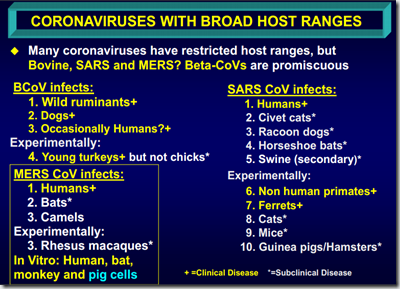
A topic well addressed by Dr. Linda J. Saif in her recent presentation CORONAVIRUSES: Lessons for. SARS and MERS Human Coronaviruses.

image 


Until it mutated, and gained the ability to jump species, the SARS coronavirus remained hidden and unnoticed in a bat reservoir.   And we have serological evidence going back at least 20 years that a MERS-like coronavirus has existed –apparently fairly benignly - in Middle Eastern dromedaries for at least two decades before becoming a `human’ problem. 


As the following slide from Dr. Saif’s presentation illustrates, while some coronaviruses are have a narrow host range, others have shown a propensity to expand their horizons. 


image


None of this means that these emerging SECDs will ever pose a direct threat to human health, but it is hard to completely discount the possibility. 


A notion discussed today in an article in the Perdue Exponent Online - which starts off as an interesting overview of recent MERS Vaccine research at the University - but ends with a discussion of the potential of seeing new zoonotic coronaviruses evolve.


Coronavirus masking mechanism disabled by Purdue team

Posted: Monday, June 9, 2014 10:00 am

BY REED SELLERS Summer Reporter

Purdue researchers have taken a giant leap toward a vaccine for a lethal and under-recognized category of diseases that are killing humans and thousands of pigs.

Andrew Mesecar, Purdue’s Walther Professor of Cancer Structural Biology and professor of biological sciences and chemistry, recently published his findings on the masking function of coronaviruses including the Middle East Respiratory Syndrome (MERS) and Severe Acute Respiratory Syndrome (SARS). According to Mesecar, there are currently no cures or vaccines for coronaviruses.

<SNIP>

This breakthrough is game-changing for researchers in the field of coronaviruses, but there is still no vaccine. The largest concern is the mutation of other coronaviruses from other species to humans.

SARS is believed to have mutated from infecting bats to cats to humans and MERS is believed to have mutated from infecting bats to camels to humans.

”The prediction with the SARS virus is that it took two amino acid mutations — two nucleotide mutations to make it infectious,” Mesecar said.

Two nucleotide mutations is a very low number of mutations and is concerning. A recent coronavirus is affecting the pig population in Indiana having killed around 600,000 pigs last fall and more during the winter. Mesecar said it is possible that the virus could mutate as MERS or SARS did which would pose another threat to health in the U.S.


More evidence  that human health and animal health are inexorably linked, and further validates the importance of promoting the `One Health Concept’, where human, animal, and environmental health are all interconnected. We know that most of the infectious diseases that afflict mankind began in other species:


Measles probably evolved from canine distemper and/or the Rinderpest virus of cattle. Tuberculosis, which now infects 1/3rd of humanity, likely jumped from domesticated goats and cattle, and influenza’s all seem to have an origin in waterfowl. The list is long, and still growing.


History continues to show that we ignore animal diseases – even those without an apparent affinity for infecting humans – at our own peril.  Otherwise, we are apt to get blindsided again, by a pathogen we should have seen coming.

Thursday, November 28, 2013

Qatar Supreme Council of Health Statement On MERS-CoV In Camels

image


# 8016


Yesterday was a bit of a `lost day’ for me, but I’m slowly catching up.  Below you’ll find the official statement from the Qatar’s Supreme Council of Health on the detection of the coronavirus in three camels. For more context, I would refer you to a pair of overnight blogs by  Dr. Mackay On MERS Cluster In Camels. 

Based on recent Scientific Research:

Three camels hit by MERS Coronavirus in Qatar

Doha - Wednesday, 27 Nov 2013

The Supreme Council of Health and the Ministry of Environment in collaboration with the National Institute of Public Health and Environment (RIVM) of the Ministry of Health and the Erasmus Medical Centre in the Netherlands announced confirmation of the first case of Middle East Respiratory Syndrome Coronavirus (MERS-CoV) in 3 camels in a herd in Qatar in a barn, which is linked to two confirmed human cases who have since then recovered.


For transparency purposes, we can confirm that the 3 camels were investigated among a herd of 14 camels, and the samples were collected as part of the epidemiological investigation in coordination between the Public Health Department and the Department of Animal Resources. It is to be noted that none of the 14 camels showed any sign of disease when the samples were collected. As a precautionary measure, the 14 camels were put in quarantine since the initial sampling and after 40 days as of now, none have shown any symptom or sign of the disease.


For information, the presence of the MERS-CoV is newly recognized among animals, and currently there is neither clear scientific case definition nor enough information as to the role animals may play in transmitting and spreading the diseases.


All contacts of the two recovered MERS-CoV cases, including relatives, friends and workers in the same barn have been screened with negative results. The two Departments are following up with the reference laboratory and Erasmus Medical Centre to test additional samples from other animal species and from the environment of the barn. The joint team of the Supreme Council of Health and the Department of Animal Resources is continuously monitoring the development of this disease and taking all necessary measures to prevent the spread of the disease.


This discovery came as a result of the collaborative efforts between the two ministries, and the RIVM laboratory and Erasmus Medical Centre in the Netherlands, together with the World Health Organization (WHO). Currently the two Departments are conducting a national survey to investigate the presence of virus in animals, humans and the environment, and the potential modes of transmission and exposure to the virus among humans who are in close contacts with animals. Until more information is available, it is recommended, that as a precautionary measure, any animals that have been in close contact with newly detected human MERS-CoV cases are separated for investigation of the presence of infection with the virus.


It is also recommended that people with underlying health conditions, such as heart disease, diabetes, kidney disease, respiratory disease, the immunosuppressed, and the elderly, avoid any close animal contacts when visiting farms and markets, and to practice good hygiene, such as washing hands

Wednesday, October 16, 2013

mBio: PEDV - Porcine Epidemic Diarrhea Virus – An Emerging Coronavirus

image

Photo Credit CDC EID Journal


# 7864


Over the past several months a newly emerging coronavirus – PEDV – has been identified in the United States, affecting swine herds in  at least 17 states, resulting in high mortality, particularly in piglets. The virus was first identified in the United States in May of this year, but there have been reports of the virus both in Asia and in Europe, going back several decades.


The University of Minnesota’s Center for Animal Health and Food Safety describes the virus thusly:
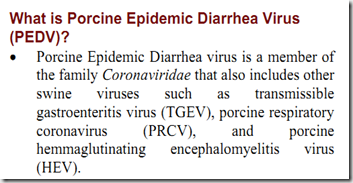
image


With the recent emergence of another coronavirus – MERS-CoV – and the history of human epidemic sparked by the SARS coronavirus a decade ago, there is understandable interest in PEDV both by agricultural and public health interests. 


It should be quickly noted, however, that we’ve seen no evidence of human infection due to PEDV coronavirus, so PEDV is not considered a zoonotic disease.


While SARS and MERS are both betacoronaviruses,  PEDV is an alphacoronavirus (two other genera also exist, Gammacoronavirus, and Deltacoronavirus).  The first two (alpha & beta) are believed to originate in bats (but are found in many other species), with the second two (Gamma & Delta) are believed to have an avian origin.


Although PED (porcine epidemic diarrhea) has been recognized in Asia since the 1970s, it has been considered exotic in North America.  Starting around 2010, China reported a sudden increase related pig deaths, which was the subject of the following CDC’s EID Journal dispatch published in August of 2012.

New Variants of Porcine Epidemic Diarrhea Virus, China, 2011

Wentao Li, Heng Li, Yunbo Liu, Yongfei Pan, Feng Deng, Yanhua Song, Xibiao Tang, and Qigai He

Abstract

In 2011, porcine epidemic diarrhea virus (PEDV) infection rates rose substantially in vaccinated swine herds. To determine the distribution profile of PEDV outbreak strains, we sequenced the full-length spike gene from samples from 9 farms where animals exhibited severe diarrhea and mortality rates were high. Three new PEDV variants were identified.

<SNIP>

The first confirmed PED case in the People’s Republic of China was reported in 1973. Almost 2 decades later, an oil emulsion, inactivated vaccine was developed and has since been in wide use throughout the swine industry in China. Until 2010, the prevalence of PEDV infection was relatively low with only sporadic outbreaks; however, starting in late 2010, a remarkable increase in PED outbreaks occurred in the pig-producing provinces.

(Continue . . . )


All of which serves as prelude to a study, published yesterday in the open access journal mBio, that takes a detailed look at the:


Origin, Evolution, and Genotyping of Emergent Porcine Epidemic Diarrhea Virus Strains in the United States

Yao-Wei Huanga,b, Allan W. Dickermanc, Pablo Piñeyroa, Long Lid, Li Fangd, Ross Kiehnee, Tanja Opriessnigf,g, Xiang-Jin Menga

ABSTRACT

Coronaviruses are known to infect humans and other animals and cause respiratory and gastrointestinal diseases. Here we report the emergence of porcine epidemic diarrhea virus (PEDV) in the United States and determination of its origin, evolution, and genotypes based on temporal and geographical evidence. Histological lesions in small intestine sections of affected pigs and the complete genomic sequences of three emergent strains of PEDV isolated from outbreaks in Minnesota and Iowa were characterized. Genetic and phylogenetic analyses of the three U.S. strains revealed a close relationship with Chinese PEDV strains and their likely Chinese origin. The U.S. PEDV strains underwent evolutionary divergence, which can be classified into two sublineages. The three emergent U.S. strains are most closely related to a strain isolated in 2012 from Anhui Province in China, which might be the result of multiple recombination events between different genetic lineages or sublineages of PEDV. Molecular clock analysis of the divergent time based on the complete genomic sequences is consistent with the actual time difference, approximately 2 to 3 years, of the PED outbreaks between China (December 2010) and the United States (May 2013).

The finding that the emergent U.S. PEDV strains share unique genetic features at the 5′-untranslated region with a bat coronavirus provided further support of the evolutionary origin of PEDV from bats and potential cross-species transmission. The data from this study have important implications for understanding the ongoing PEDV outbreaks in the United States and will guide future efforts to develop effective preventive and control measures against PEDV.

IMPORTANCE The sudden emergence of porcine epidemic diarrhea virus (PEDV), a coronavirus, for the first time in the United States causes significant economic and public health concerns. Since its recognition in May 2013, PEDV has rapidly spread across the United States, resulting in high mortality in piglets in more than 17 States now.

The ongoing outbreaks of Middle East respiratory syndrome coronavirus in humans from countries in or near the Arabian Peninsula and the historical deadly nature of the 2002 outbreaks of severe acute respiratory syndrome coronavirus create further anxiety over the emergence of PEDV in the United States due to the lack of scientific information about the origin and evolution of this emerging coronavirus.

Here we report the detailed genetic characterization, origin, and evolution of emergent PEDV strains in the United States. The results provide much needed information to devise effective preventive and control strategies against PEDV in the United States.

<SNIP>

In summary, we report here the emergence of PEDV in the United States and detailed genetic and phylogenetic analyses of the complete genomic sequences of three emergent U.S. PEDV strains from Minnesota and Iowa. The findings that the emergent U.S. PEDV strains are most closely related to Chinese G2a strains suggest that the emergence of the PEDV in the United States likely originated from China. However, the exact source of the origin is difficult to identify at this point. The finding that the emergent PEDV strains in the United States share unique genetic features with a bat coronavirus further suggests a possible evolutionary origin of PEDV from bat species and potential cross-species transmission. The information presented in this study will guide the current control measures to stop the ongoing spread of PEDV in the United States and also provides important clues for the development of an effective vaccine against the emergent PEDV strains.

(Continue . . . )


Whether the result of an introduction from China, or evolutionary events here in the United States, pig producers are now confronted with at least three new variants of this virus.  PEVD has the potential to cause extensive economic damage to pork producers across the nation.


It is just one of the many coronaviruses that affect animals species, but thankfully, not humans. 


Other non-zoonotic coronaviruses include Infectious bronchitis virus (IBV) in birds, (TEGV) transmissible gastroenteritis in swine, Bovine coronavirus (BCV), Feline coronavirus (FCoV), canine coronavirus (CCoV), and coronaviruses that target turkeys and ferrets.


The rub, as always, is that viruses are moving targets.  As we’ve just seen, a number of new variants have appeared here in the United States and in China over the past three years.  None have shown any signs of infecting humans, but until 2012, we’d never seen evidence of the MERS-CoV jumping species either


Which illustrates the importance of good surveillance and testing of livestock for infectious diseases, even those that don’t currently pose a threat to human health.


Because with viruses, an unexpected change in behavior can be literally only a few mutations away.

Sunday, September 01, 2013

KSA MOH Announces Two MERS-CoV Cases


image

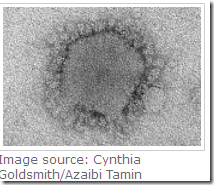
Coronavirus – Credit CDC PHIL


# 7623


When it comes to announcing new MERS-CoV cases, the Saudi Ministry of Health has never been particularly lavish with details, but today’s announcement of two new cases (1 in Riyadh and 1 in Hafr Al-Baatin) reaches new levels of brevity.


Earlier today, the MOH posted The ministry of health (MoH) announces full recovery of two patients that contracted Coronavirus which dealt with the two asymptomatic cases first reported on Thursday in ProMed Mail, and then by the World Health Organization on Friday.


A second release – also dated today – describes two new cases – ages 26 and 19, who have already been released from the hospital. 


A hat tip to @Ironorehopper on FluTrackers for posting this report.


First the Arabic translation – which indicates these patients were contacts of a previously diagnosed case – and the English version which makes no mention of exposure history.


(machine translation)

Health Announces healing two to Mkhaltin for people living with HIV (Corona) in Batin and Riyadh

10/26/1434

Ministry of Health announced the healing of two of the contacts of citizens with HIV (CK), the first case of a citizen in Batin-old (26 years old), and the other case of a citizen in Riyadh-old (19 years old), where the results of the tests that have already been conducted for two positive , has similarity to heal and thankfully, left the hospital, where he enjoyed good health.

The English language release.


The Ministry Announce Full Recovery of Two Coronavirus Patients.

9/1/2013

The ministry of health announces the fully recovery of two patients who contracted the Coronavirus.


The results of the tests carried out on the patient from Hafr Al-Baatin aged twenty six and the patient from Riyadh aged nineteen were successful.


Their health was evident as they left the hospital fully cured. – All praise due to Allah-.


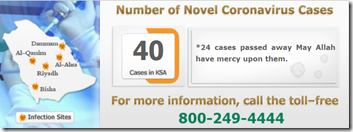
The MOH case count graphic has not been changed as of this posting.

Wednesday, August 28, 2013

EID Journal: Novel Bat Coronaviruses, Brazil and Mexico

image

Credit CDC Bat Safety


# 7610


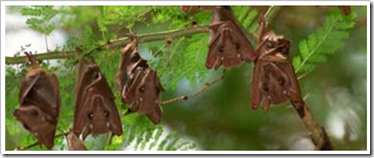
All things considered, the past couple of decades have turned out to be busy ones for Chiroptologists (scientists who study bats). Increasingly these winged mammals are being viewed as naturals hosts for, and potential vectors of, a number of newly recognized emerging infectious diseases.


Long known for carrying rabies, over the past 20 years scientists have discovered that bats can also harbor such viral nasties as Marburg, Ebola, Nipah, Hendra, and a variety of coronaviruses (including SARS).


Quite surprisingly, in March of 2012, we also learned of a new H17 flu subtype – the first ever known to infect bats (see A New Flu Comes Up To Bat).


Last week’s discovery a of match to a segment of the MERS-CoV in a bat sample (see EID Journal: Detection Of MERS-CoV In Saudi Arabian Bat, once again points towards bats as being the likely animal host for an important emerging virus.


Yesterday the CDC’s EID Journal published a letter from researchers who sampled bats in Mexico and Brazil, and like similar studies in Europe, Africa, and Asia (see  EID Journal: EMC/2012–related Coronaviruses in Bats, Coronavirus `Closely Related’ To HK Bat Strains), they found a number novel coronaviruses among them.


While none were matches for either SARS or MER-CoV, notably one was a Betacoronavirus – as are MERS and SARS.  I’ve provided some excerpts below, but follow the link to read it in its entirety.


Letter

Novel Bat Coronaviruses, Brazil and Mexico

Luiz Gustavo Bentim Góes1, Sicilene Gonzalez Ruvalcaba1, Angélica Almeida Campos, Luzia Helena Queiroz, Cristiano de Carvalho, José Antonio Jerez, Edison Luiz Durigon, Luis Ignacio Iñiguez Dávalos, and Samuel R. DominguezComments to Author


To the Editor: Bats are now recognized as natural reservoirs for many families of viruses that can cross species barriers and cause emerging diseases of humans and animals. Protecting humans against emerging diseases relies on identifying natural reservoirs for such viruses and surveillance for host-jumping events.


The emergence of the Middle East respiratory syndrome coronavirus (MERS-CoV) on the Arabian Peninsula (1) further justifies increased surveillance for coronaviruses (CoVs) in bats. MERS-CoV most likely is a zoonotic virus from a bat reservoir and is associated with high case-fatality rates among humans.


The existence of a diverse array of alphacoronaviruses in bats in the United States, Canada, and Trinidad has been reported (26). Recently, a possible new alphacoronavirus was detected in an urban roost of bats in southern Brazil (7), and a survey of bats in southern Mexico reported 8 novel alphacoronaviruses and 4 novel betacoronaviruses, 1 with 96% similarity to MERS-CoV (8). These findings expand the diversity and range of known bat coronaviruses and increase the known reservoir for potential emerging zoonotic CoVs.


<SNIP>


In summary, we found a novel alphacoronavirus in bats from Brazil and a novel betacoronavirus in a bat from Mexico. Both viruses were detected in bats with known or potential contact with humans. Because the bats we sampled were mostly adult males, the prevalence of CoVs that we identified is probably an underestimation of the true incidence of CoVs in these bat populations.


For bats of other species, incidence of CoVs among juvenile and female bats is higher (2,9). Furthermore, we used a non-nested, broadly conserved CoV PCR, which might have limited the sensitivity of CoV RNA detection.


The finding of a novel betacoronavirus in insectivorous bats in the New World is noteworthy. Three human CoVs (229E, SARS-CoV, and MERS-CoV) all have animal reservoirs of closely related viruses in Old World insectivorous bats (10) from which they most likely emerged, either directly or indirectly, into the human population.


Ongoing surveillance for CoVs in wildlife and increased research efforts to better understand the factors associated with CoV host-switching events are warranted.


None of this is meant to demonize bats, as they play an important role in our ecosystem. However, bats are increasingly being associated with diseases deadly to humans. 


To learn how you can stay safe when bats are near, the CDC offers the following advice.


Take Caution When Bats Are Near

Friday, June 07, 2013

Italy: MERS `Index’ Case Released From Hospital


image

Distribution of MERS-CoV Cases – Credit VDU MERS-CoV


# 7371


The last of Italy’s confirmed MERS cases – a 46 year old man with recent travel to Jordan – was released from the hospital last night after his tests no longer showed positive for the virus.


The unnamed patient was hospitalized on May 28th - and in stark contrast to many of the other cases we’ve seen - his condition has always been described as `good’.


Two others - a 2 year-old relative, and a co-worker - were also hospitalized for several days after developing mild symptoms, and testing positive for the virus.


This from La Nazione.


The new Sars, contagions in Flzorence was discharged the first case report

Florence, June 7, 2013 -

(EXCERPT)

At this point, all three patients (man, woman and child) who were hospitalized in Florence for the Mers (Middle East Respiratory Syndrome) are well and at home. Continuous health monitoring of people who are come into contact with the three, and to date no 'was recorded no new cases.


The mysteries surrounding this emerging coronavirus continue to deepen, particularly in light of the unusually mild course of illness in these three patients. While we’ve seen a few scattered `mild’ cases over the past year, the vast majority of those diagnosed have displayed serious, even fatal illness.


Again from Dr. Ian Mackay’s MERS-CoV website.


image


Unknown at this time is to what degree a person’s pre-existing medical conditions (or age, or even gender) may influence the course, and outcome, of infection.


Again, from Ian’s website:

image

Most MERS-CoV cases are in males (includes surviving and fatal cases) but the bias towards males among the fatal cases is extreme. This is likely linked to the high proportion of underlying medical conditions among males who died and were positive for the virus. It may also be due to some other factor that puts males at greater risk of exposure to the suspected animal host(s) of MERS-CoV.


Mild cases also raise concerns that there could be more undiagnosed cases out there not being picked up by surveillance, and that we are only seeing the proverbial `sickest of the sick’.


While contact testing has failed to show a high rate of human transmission, we probably won’t know how widespread this virus really is until seroprevalence studies can be conducted.

Thursday, June 06, 2013

A MERS Vaccine Candidate

image


# 7369


I don’t usually give `forward looking’, promotional, press releases from pharmaceutical companies any space in this blog because they are generally to medical science what P.T. Barnum was to the study of Zoology.


But today I’ll make an exception, as the press release from Novavax this morning – announcing their creation of a MERS vaccine candidate – is likely to generate a fair amount of media hoopla today.


Without taking anything away from Novavax - or their announced development of a candidate vaccine - it needs to be stated upfront that any vaccine for a novel coronavirus is going to take a very long time getting to market.


Even if this candidate vaccine is a home run (and we can always hope), we are talking years to get through the grueling safety and efficacy testing that would be required (in animals and then in humans) before the vaccine could be released.


So first, a link and a brief excerpt from the Novavax press release, then I’ll be back with a little more on the difficulties of creating a commercial MERS vaccine.


Novavax Produces MERS-CoV Vaccine Candidate

Novavax Produces MERS-CoV Vaccine Candidate

ROCKVILLE, Md., June 6, 2013 (GLOBE NEWSWIRE) -- Novavax, Inc. (Nasdaq:NVAX) announced today that it had successfully produced a vaccine candidate designed to provide protection against the recently emerging Middle East Respiratory Syndrome Coronavirus (MERS-CoV). The vaccine candidate, which was made using Novavax' recombinant nanoparticle vaccine technology, is based on the major surface spike (S) protein. The Company believes that its MERS-CoV vaccine candidate may provide a path forward for a vaccine for this emerging threat.

(Continue  . . . )


Ever since the 2003 SARS epidemic the World Health Organization has continued to urge research into, and the development of, a SARS vaccine.


But after more than 10 years of trying, the results have not been encouraging.


In 2004 it was widely reported that China had developed, and administered a SARS vaccine to 36 volunteers, and again in 2009, China once again announced they were working on a new SARS vaccine.


But to date, no viable (safe and effective) vaccine seems to have been developed.


In 2012, SARS vaccine research suffered a setback when a PloS One research article found that mice vaccinated with four different experimental SARS candidate vaccines developed the expected antibodies, but experienced lung damage when challenged with the virus.


Immunization with SARS Coronavirus Vaccines Leads to Pulmonary Immunopathology on Challenge with the SARS Virus

Chien-Te Tseng, Elena Sbrana, Naoko Iwata-Yoshikawa, Patrick C. Newman, Tania Garron, Robert L. Atmar, Clarence J. Peters, Robert B. Couch

Conclusions

These SARS-CoV vaccines all induced antibody and protection against infection with SARS-CoV. However, challenge of mice given any of the vaccines led to occurrence of Th2-type immunopathology suggesting hypersensitivity to SARS-CoV components was induced. Caution in proceeding to application of a SARS-CoV vaccine in humans is indicated.


Last year, recognizing that a crucial gap exists in our pandemic response, the NIH agreed to fund SARS vaccine research over the next five years at Baylor College.


Simply put, while Novavax’ development of a vaccine candidate is an important first step, it is far too soon to start popping the champagne corks.

Wednesday, June 05, 2013

WHO: MERS-CoV Update – June 5th

image

Latest case count from the Saudi MOH


# 7362


The World Health Organization has released an update that provides some information on a recent Saudi MERS-CoV case – that of a 14 year-old girl in the Eastern region (but not part of the Al Ahsa cluster) who fell ill on May 29th.


Yesterday’s announcement from the Saudi MOH concerned an 83 y.o. male from Al-Asha (see MOH: "A New Case of Novel Coronavirus Recorded in Al-Ahsa Governorate") and so I must assume the WHO update refers to the case reported (with zero details) on June 2nd.


This morning the @WHO  also tweeted the following carefully worded statement about the 8 MERS contacts that tested positive – then tested negative in Italy (see Italy: Media Now Report 8 Contacts Negative For MERS-CoV).


image


This from the WHO Global Alert & Response page.


Middle East respiratory syndrome coronavirus (MERS-CoV) - update

5 June 2013 - The Ministry of Health in Saudi Arabia has notified WHO of an additional laboratory-confirmed case with Middle East respiratory syndrome coronavirus (MERS-CoV).


The patient is a 14-year-old girl with underlying medical conditions who became ill on 29 May 2013. She is reported from the Eastern region, but not from Al-Ahsa where an outbreak began in a health care facility since April 2013. The patient is in stable condition.


Globally, from September 2012 to date, WHO has been informed of a total of 54 laboratory-confirmed cases of infection with MERS-CoV, including 30 deaths.


WHO has received reports of laboratory-confirmed cases originating in the following countries in the Middle East to date: Jordan, Qatar, Saudi Arabia, and the United Arab Emirates (UAE). France, Germany, Italy, Tunisia and the United Kingdom also reported laboratory-confirmed cases; they were either transferred there for care of the disease or returned from the Middle East and subsequently became ill. In France, Italy, Tunisia and the United Kingdom, there has been limited local transmission among patients who had not been to the Middle East but had been in close contact with the laboratory-confirmed or probable cases.


Based on the current situation and available information, WHO encourages all Member States to continue their surveillance for severe acute respiratory infections (SARI) and to carefully review any unusual patterns.

(continue . . . )


Monday, June 03, 2013

Italy: MOH Statement On MERS-CoV Cases – June 3rd

image

Credit Wikipedia


#7356


Perhaps more reassuring than informative, an update this morning from the Italian Ministry of Health takes center stage on their MOH homepage. This statement also contains links to the following related websites:


New coronavirus (CoV-Mers), Minister Lorenzin: situation under control

coronarovirus

There are three confirmed cases in our country until today New coronavirus (Mers-Cov). The conditions of the sick are not serious.

'' At the moment the situation is under control - said yesterday the Minister of Health Beatrice Lorenzin - We had a case of importation, which has generated two secondary cases. Fortunately the conditions of the people involved are under control and also the child is improving. We're now watching - added the Minister - with the authorities of Tuscany, all the people who have had contact with the sick. We work in close collaboration with the National Institute of Health. As already announced with the ministerial notes doctors ensure that this virus is transmitted from person to person through close contact and prolonged only '.'


Given the variable incubation period (which may be as long as two weeks cite), it may be some time before the `all clear’ can be sounded on the contacts of these three cases.


For now, in contrast to most of the other cases we’ve seen, all three of these cases are reportedly only suffering `mild’ symptoms.


Again, we’ll have to wait to see whether their status changes.

Sunday, June 02, 2013

WHO: MERS-CoV Update (Italy) – June 2nd

image

@WHO Twitter feed June 2nd, 2013


# 7351


With new reports coming in on the MERS coronavirus on practically a daily basis, weekends offer no respite for the folks at the World Health Organization (or here in Flublogia, for that matter). 


On Friday we learned of Italy’s first MERS case (see Italian MOH: Imported MERS-CoV Case in Italy); a 45 year-old traveler recently returned from Jordan.


Yesterday, we learned that two of his contacts – a 2 year-old child and a co-worker – were also infected (See Italy: MOH Confirms Two More MERS Cases).


This morning the WHO published another update – that includes these two new cases. As we’ve seen in the past, there are calls for enhanced vigilance, testing, infection control practices, and reporting by all member nations.


Middle East respiratory syndrome Coronavirus (MERS-CoV) – update

02/06/2013

The Ministry of Health in Italy, through the European Union’s Early Warning Response System has notified WHO of an additional two laboratory-confirmed cases with Middle East respiratory syndrome coronavirus (MERS-CoV) in the country.


Both the patients are close contacts of the recent laboratory-confirmed case with recent travel from Jordan. The first patient is a two-year-old girl and the second patient is a 42-year-old woman. They are in stable condition.


Globally, from September 2012 to date, WHO has been informed of a total of 53 laboratory-confirmed cases of infection with MERS-CoV, including 30 deaths.


WHO has received reports of laboratory-confirmed cases originating in the following countries in the Middle East to date: Jordan, Qatar, Saudi Arabia, and the United Arab Emirates (UAE). France, Germany, Italy,Tunisia and the United Kingdom also reported laboratory-confirmed cases; they were either transferred there for care of the disease or returned from the Middle East and subsequently became ill. In France, Italy, Tunisia and the United Kingdom, there has been limited local transmission among patients who had not been to the Middle East but had been in close contact with the laboratory-confirmed or probable cases.


Based on the current situation and available information, WHO encourages all Member States to continue their surveillance for severe acute respiratory infections (SARI) and to carefully review any unusual patterns.


Health care providers are advised to maintain vigilance. Recent travellers returning from the Middle East who develop SARI should be tested for MERS-CoV as advised in the current surveillance recommendations. Specimens from patients’ lower respiratory tracts should be obtained for diagnosis where possible. Clinicians are reminded that MERS-CoV infection should be considered even with atypical signs and symptoms, such as diarrhoea, in patients who are immunocompromised.


Health care facilities are reminded of the importance of systematic implementation of infection prevention and control (IPC). Health care facilities that provide care for patients suspected or confirmed with MERS-CoV infection should take appropriate measures to decrease the risk of transmission of the virus to other patients, health care workers and visitors.


All Member States are reminded to promptly assess and notify WHO of any new case of infection with MERS-CoV, along with information about potential exposures that may have resulted in infection and a description of the clinical course. Investigation into the source of exposure should promptly be initiated to identify the mode of exposure, so that further transmission of the virus can be prevented.


WHO does not advise special screening at points of entry with regard to this event nor does it currently recommend the application of any travel or trade restrictions.


WHO continues to closely monitor the situation.

Saturday, June 01, 2013

Italy: MOH Confirms Two More MERS Cases

image


# 7350


The Italian Ministry of Health this afternoon has released a statement indicating that they’ve identified two additional MERS coronavirus cases – both contacts of the 45-year old man recently returned from Jordan who was hospitalized on May 28th. 


They are a 2-year old child and a co-worker. Both are hospitalized in Florence, and reportedly doing well. The following is a machine translation from the MOH site.


PRESS RELEASE

NEW CORONAVIRUS, TWO NEW CASES CONFIRMED IN ITALY

· It is two people who have had close contact with the first case, and both are in good health.


· Ministry is closely monitoring the situation


The Region of Tuscany in the late afternoon announced today that the Ministry of Health two subjects already under medical surveillance because it entered into close contact with the first case of infection with Italian MERS CoV, have developed a clinical form of respiratory infection, which at the time presents a framework for both non-serious.


Laboratory investigations, carried out in collaboration between health authorities of Tuscany and the National Institute of Health, confirmed the diagnosis of infection with MERS CoV.


The two new cases refer to a child of about two years, part of the family of the first patient, and a co-worker of the same.


Both patients are hospitalized in isolation at health facilities in Florence.


The transmission of infection from diseased to people who have had prolonged close contact with them has already been documented, even in Europe, in the home and hospital.


The Ministry of Health is closely monitoring the situation in close contact with the health authorities of Tuscany.


Wednesday, May 29, 2013

France: Hospital Statement On MERS-CoV Fatality, Surviving Patient


image

Lille France – Credit Wikipedia


# 7334


In their first update in more than a week, yesterday the Centre Hospitalier Regionale et Universitaire de Lille  announced the death of one of their two MERS-CoV patients (see Media: France’s 1st MERS-CoV Patient Dies), and provided a brief update on the condition of the surviving patient.


The second patient, who became infected while sharing a room with their index case (before his infection was diagnosed), remains in very serious condition and on ECMO.


The index patient returned from a visit to Dubai (spanning Apr. 9th-17th) and was hospitalized on April 23rd in Valenciennes in the north of France. He was subsequently transferred to Douai on the 28th, and then a week later, on to the hospital in Lille.


The following is a machine translation.


The University Hospital of Lille mourns First patient coronavirus

The University Hospital of Lille mourns death this afternoon of the first patient coronavirus hospitalized in the intensive care unit of the University Hospital Centre of Lille since May 9, 2013, the following a multi-organ failure.


The patient was placed in a chamber designed to allow its isolation since his admission to the University Hospital of Lille, and had benefited from taking supported by a dedicated team.


Teams Centre resuscitation SAMU 59, and cardiac surgery (unit Circulatory Support) of the University Hospital of Lille, have implemented all the material means and human resources to support the patient in the best conditions.


He had especially placed under extracorporeal support (ECMO: Oxygenation by extracorporeal member), to take over his lung function. Branch and all the teams present their sincere University Hospital condolences to the family.


The second patient coronavirus is meanwhile still hospitalized in Resuscitation of the University Hospital Centre, under cardiopulmonary bypass (ECMO). His condition remains stable but still very serious