Showing posts with label Drug. Show all posts

Saturday, April 18, 2015

Early Signs Of Artemisinin-Resistant Malaria In Africa

Plasmodium falciparum in human blood – credit Wikipedia


# 9955


One of the realities of our never-ending battle against infectious diseases is that these organisms are able to evolve, and adapt, at an amazing rate, and that the antivirals, antibiotics, and other drugs in our arsenal of therapeutic drugs can – over time – lose some or all of their effectiveness.


Antibiotic resistance has been the greatest concern, and in recent years we’ve seen some antiviral drugs falter badly (Amantadine, a stalwart against influenza for decades, became unusable in 2005), often due to poor stewardship.


Anti-malarial drugs are not immune to this sort of evolutionary obsolescence, and any loss in effectiveness would put millions of people at risk of serious illness or even death.  Spread by mosquitoes, and caused by a parasite  – Plasmodium – Malaria is common in much of the world including Sub-Saharan Africa, Asia and the Americas.  


There are four microscopic protozoan parasites in the genus Plasmodium (P. vivax, P. falciparum, P. malariae and P. ovale) that cause malaria in humans around the world.  Of these Plasmodium falciparum is generally the most serious.


The parasites multiply in the liver and infect red blood cells, resulting in recurrent fevers and headaches - and in severe cases - coma and death.  Despite advances, Malaria remains an extremely serious problem in Africa, where 1 in 5 childhood deaths is due to the disease. According to the WHO’s 10 Facts on Malaria:


About 3.2 billion people – almost half of the world's population – are at risk of malaria. In 2013, there were about 198 million malaria cases (with an uncertainty range of 124 million to 283 million) and an estimated 584 000 malaria deaths (with an uncertainty range of 367 000 to 755 000). Increased prevention and control measures have led to a reduction in malaria mortality rates by 47% globally since 2000 and by 54% in the WHO African Region.


According to the WHO, the best available treatment - particularly for P. falciparum malaria - is artemisinin-based combination therapy (ACT).  Earlier treatment options such as choloroquine - the cheapest and for years the most commonly used drug - and the combination of sulfadoxine-pyrimethamine  have slowly lost their effectiveness. .


Of concern, since about 2007 evidence of resistance to the newer drug regimen ACT  has been showing up on the Cambodian-Thai border, and more recently in Myanmar (see MYANMAR: Anti-malarial drug resistance "hotspots" identified).


For now, ACT seems to be working in Africa, but the following press release from the London School of Hygiene & Tropical Medicine, suggests that success may be in danger. Researchers report finding Plasmodium falciparum malaria parasites with a mutation to the gene Ap2mu were less sensitive to artemisinin.


The abstract and full text to the dauntingly titled study - The Mu Subunit of Plasmodium falciparum Clathrin-Associated Adaptor Protein 2 Modulates In Vitro Parasite Response to Artemisinin and Quinine – is available from Antimicrobial Agents and Chemotherapy


Fortunately we also have the following  press release to go along with it.

New genetic mutation could signal start of malaria drug resistance in Africa

London School of Hygiene & Tropical Medicine

Early indicators of the malaria parasite in Africa developing resistance to the most effective drug available have been confirmed, according to new research published in Antimicrobial Agents and Chemotherapy.

Researchers at the London School of Hygiene & Tropical Medicine found Plasmodium falciparum malaria parasites with a mutation to the gene Ap2mu were less sensitive to the antimalarial drug artemisinin.

A study in 2013, also led by the School, suggested an initial link between a mutation in the ap2mu gene and low levels of malaria parasites remaining in the blood of Kenyan children after they had been treated.[1] However, further research was needed to confirm if these genetic characteristics represented an early step towards resistance.

In the new study, researchers genetically altered the malaria parasite in the laboratory to mutate ap2mu in the same way that had been observed in Kenya. They found the altered parasite was significantly less susceptible, requiring 32% more drug to be killed by artemisinin. The genetically altered parasite was also 42.4% less susceptible to the traditional antimalarial drug, quinine.

Earlier this year a different research group discovered mutations in the gene kelch13 which were linked to reduced susceptibility to artemisinin combination treatment in South East Asia.[2] Historically, resistance to antimalarial medicines has emerged in South East Asia and then spread to Africa. But these new findings suggest a different route to drug resistance may be developing independently in Africa.

Lead researcher Dr Colin Sutherland, Reader in Parasitology at the London School of Hygiene & Tropical Medicine, said: "Our findings could be a sign of much worse things to come for malaria in Africa. The malaria parasite is constantly evolving to evade our control efforts. We've already moved away from using quinine to treat cases as the malaria parasite has become more resistant to it, but if further drug resistance were to develop against our most valuable malaria drug, artemisinin, we would be facing a grave situation.

"We now know that the gene ap2mu is an important factor in determining how well our drugs kill malaria parasites. We will be conducting laboratory and field studies to more accurately measure the impact of mutations in the ap2mu gene. We hope our findings will help understand resistance of malaria to drugs, and potentially be an important tool for monitoring malaria treatment in the future."

The World Health Organization estimates more than half a million people die from malaria every year, mostly children under five. Plasmodium falciparum is the most deadly form of the malaria parasite.


If nature weren’t capable enough on its own, helping these parasites along in their arms race has been the fact that a large percentage of the anti-malarial drugs used in Asia and sub-Saharan Africa are either fake, or are of inferior quality (see Lancet: 1/3rd Of Malaria Drugs Fake Or Sub-Standard).


Using drugs that contain too little of their intended active ingredient can contribute to pathogens developing increased and widespread resistance over time.


This is a big enough problem that the CDC maintains a webpage devoted to Counterfeit and Substandard Antimalarial Drugs: Information for Travelers.


With World Malaria Day set for April 25th, we can expect to hear a good deal more about this devastating and often deadly disease over the next week.

Monday, September 15, 2014

Branswell: US & WHO Seek To Ramp Up Ebola Vaccine & Drug Production

image


# 9076


While there are hopes that some of the experimental drugs and vaccines under investigation for use against the Ebola virus will eventually prove both safe and effective, enormous challenges lie ahead in their manufacture and deployment to the field. 


Helen Branswell has the story this morning on efforts to jumpstart the manufacturing process in her article:


WHO, U.S. seek to increase production of Ebola drugs, vaccines

Helen Branswell, The Canadian Press
Published Monday, September 15, 2014 6:57AM EDT

TORONTO -- High level efforts are underway to find ways to substantially ramp up production of experimental Ebola vaccines and drugs, officials at the World Health Organization and within the U.S. government say.

The talks involve trying to find more production capacity for the therapeutics, which before this outbreak had never been tested in people.

On the table is a plan to try to devise a tweaked version of the antibody cocktail known as ZMapp, so that the drug -- currently produced in tobacco plants -- could be made in other production systems for which global capacity is greater.

(Continue . . . .)

Friday, November 22, 2013

Synthetic Cannabinoids Associated With Severe Illness, Stroke & Psychosis

image 


# 8001


In the 1970s, when I was a paramedic in Phoenix, AZ and in Florida, the street drug of choice was Heroin, and Naloxone (a narcotic antagonist used for treating opiate overdoses) was one of our most utilized meds.  There were a lot of pot smokers as well, but the weed available back then was comparatively mild, and unlikely to put a user in the back of my ambulance.


Today, the drug scene is much different.  Powder Cocaine arrived in the 1980s with a vengeance, and largely supplanted heroin, particularly among upscale users.  Crack cocaine was the option on the street.  Home brew crystal meth took off in the 1990s, and continues today.   And Heroin is back as well, and unlike the `black tar’ of the old days, is pure enough to snort.


Bad stuff, all.  But in recent years another drug has emerged, one that plays on people’s perception that marijuana is relatively harmless (and indeed, legal in some states); synthetic pot. 


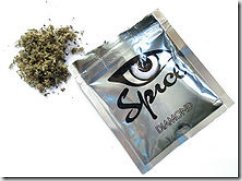
Cheap, and often readily available – usually sold as "herbal incense" or sometimes as  "herbal smoking blends"  with names like `Spice’, `K2’, or `Aroma’  – these synthetics have a growing reputation among ER doctors, and mental health professionals, as extremely dangerous drugs.


Over the summer, authorities in Denver reported at least 75 people treated in local emergency rooms due to bad reactions to `spice’, as reported in this CNN article 3 deaths may be tied to synthetic marijuana in Colorado.


Three reports today, one from yesterday’s MMWR, another on a recent study from the University of South Florida that links smoking  synthetic marijuana to a  risk of stroke in young people, and lastly an older report linking `spice’ and psychosis. 


Notes from the Field: Severe Illness Associated with Synthetic Cannabinoid Use — Brunswick, Georgia, 2013

Weekly

November 22, 2013 / 62(46);939-939

On August 23, 2013, the Georgia Poison Center was notified of eight persons examined in an emergency department in Brunswick, Georgia, after smoking or inhaling fumes from synthetic cannabinoids. The Georgia Poison Center notified the Georgia Drug and Narcotics Agency, which informed the Georgia Department of Public Health (DPH). The Brunswick emergency department was asked to report any additional patients who reported use of synthetic cannabinoid to the Coastal District Health Department. DPH investigators reviewed recent medical records of patients who had gone to the emergency department and found that 22 patients had been examined after using synthetic cannabinoids during August 22–September 9, 2013.

The 22 patients were aged 16–57 years (median: 25 years); 18 (82%) were male. Patients experienced hyperglycemia (13 [59%]), hypokalemia (nine [41%]), acidosis (seven [32%]), tachycardia (13 [59%]), nausea/vomiting (eight [36%]), confusion/disorientation (seven [32%]), aggression (seven [32%]), somnolence/unresponsiveness (seven [32%]), and seizures (three [14%]). Complications included pneumonia (two patients), rhabdomyolysis (one), and myocardial infarction (one). Six (27%) patients were admitted to the intensive care unit; five (23%) required assisted ventilation; none died. Serum from seven of the initial eight patients was tested for synthetic cannabinoid by the Clinical and Environmental Toxicology Laboratory at the University of California, San Francisco. Five tested positive for ADB-PINACA (N-(1-amino-3,3-dimethy-1-oxobutan-2-yl)-1-pentyl-1H-indazole-3-carboxamide), a previously unrecognized synthetic cannabinoid related to indole compounds recently identified in Europe and Japan (1).


Law enforcement authorities removed the synthetic cannabinoid from the implicated Brunswick smoke shop,* which sold all types of tobacco products and smoking paraphernalia. The product, "Crazy Clown," was tested by the Georgia Bureau of Investigation Crime Laboratory, which identified ADB-PINACA, an indazole classified under Georgia law as Schedule 1 on the basis of its close relationship to Schedule 1 compounds already specified. The smoke shop owners were charged on September 10, 2013, with possession of a Schedule 1 controlled substance with intent to distribute; no additional patients who used synthetic cannabinoids have been reported by the ED.

Synthetic cannabinoids are designer drugs often smoked as a marijuana alternative. Despite laws prohibiting synthetic cannabinoid sales, they are still widely available, and recent increases in reports of synthetic cannabinoid use and adverse health effects have occurred (2,3). Common adverse effects include altered mental status and tachycardia. Clinicians examining patients with suspected drug abuse and these symptoms should consider synthetic cannabinoid intoxication (4). Public health authorities can raise awareness of adverse events associated with synthetic cannabinoids and establish mechanisms for surveillance by partnering with poison centers, health-care providers, and law enforcement.


A second `Spice’ story comes this week from researches at USF, who studied a pair of siblings who both suffered ischemic strokes after smoking synthetic pot.


Case studies by USF Health neurologists link smoking “spice” with stroke in healthy, young adults

Written by Anne DeLotto Baier · November 19, 2013 @ 10:33 am · Filed under Hot News, Morsani College of Medicine, Neurosciences & Brain Repair, News Releases, Research

Tampa, FL (Nov. 19, 2013) – Add stroke to the list of severe health hazards that may be associated with smoking synthetic marijuana,  popularly known as spice or K2, a University of South Florida neurology team reports.

An advance online article in the journal Neurology  details case studies by the USF neurologists of two healthy, young siblings who experienced acute ischemic strokes soon after smoking the street drug spice.  Ischemic strokes occur when an artery to the brain is blocked.

Seizures, abnormal heart rhythms, heart attacks, psychosis, hallucinations and other serious adverse effects have been associated with smoking synthetic pot.  Medical journals have also begun to report a growing number of strokes potentially related to the use of natural (non-synthetic) marijuana.

“Since the two patients were siblings, we wondered whether they might have any undiagnosed genetic conditions that predisposed them to strokes at a young age. We rigorously looked for those and didn’t come up with anything,” said senior author W. Scott Burgin, MD, professor of neurology at the USF Health Morsani College of Medicine and director of the Comprehensive Stroke Center at Tampa General Hospital.

“To the best of our knowledge, what appeared to be heart-derived strokes occurred in two people with otherwise healthy hearts.  So more study is needed.”

(Continue . . . )


Citation:
Ischemic stroke after use of the synthetic marijuana “spice,” Melissa J. Freeman, MD; David Z. Rose, MD; Martin A. Myers, MD; Clifton L. Gooch, MD; Andrea C. Bozeman, MS, ARNP-C; and W. Scott Burgin, MD; Neurology; published online before print November 8, 2013, doi: 10.1212/01.wnl.0000437297.05570.a2


And finally, a trend that has been confirmed to me by mental health professionals, is they are increasingly seeing a link between synthetic marijuana use and the admission of patients for psychotic behavior.   This from Medscape in 2011.


Synthetic Cannabis May Pose an Even Greater Psychosis Risk

'Spice' Packs a Bigger Punch than Natural Cannabis

Deborah Brauser

December 13, 2011

December 13, 2011 (Scottsdale, Arizona) — The synthetic cannabis product known as Spice may pose a risk for psychosis in users, including those with no prior history of a psychiatric disorder, new research suggests.

A literature review, Internet sites, and even blogs spanning the past decade suggest that because it lacks the antipsychotic protective agents found in natural cannabis, Spice may pose an even greater risk of psychosis when compared with the natural product.

The results were presented here at the American Academy of Addiction Psychiatry (AAAP) 22nd Annual Meeting & Symposium.

"I would tell clinicians that when there are unexplained causes of psychosis and urine tests are coming back negative, to keep in mind that it could be caused by synthetic cannabis such as Spice," lead author Carlos Alverio, MD, a 4-year psychiatry resident from Boston University School of Medicine, Massachusetts, told Medscape Medical News.

(Continue . . . )

Tuesday, April 23, 2013

National Take Back Initiative - April 27th


image


Note:  While H7N9 has been the big story for the past three weeks in Flublogia – and seems poised to remain so for some time - thus far it hasn’t shown any signs of ongoing or efficient human-to-human transmission.


As H7N9 isn’t the only topic worthy of attention, starting today I’ll be returning to my regular - somewhat more eclectic format - and try to slip some non-H7N9 content into the mix each day.


That said, I anticipate that H7N9 will continue to grab the lion’s share of this blog’s space for the foreseeable future.


# 7177


Every year millions of pills are dispensed in the United States that – for a variety of reasons – never get taken by the person for whom they were intended.


Sometimes a doctor changes a prescription, or a patient simply doesn’t take their meds.  Often a patient dies with a medicine cabinet full of pills (a situation I was faced with last year with the death of my father).


Whatever the reason, these drugs pose a serious threat, both to people, and to the environment. 


Too often, they end up flushed down the drain, or tossed into the trash, only to end up contaminating rivers and streams.


And while most parents worry about the use of so-called `street drugs’, Increasingly. misappropriated prescription drugs are ending up in the hands of teenagers, and are being used recreationally.


Which brings us to a survey, released today, that shows:


National study: Teen misuse and abuse of prescription drugs up 33 percent since 2008

Public release date: 23-Apr-2013

New, nationally projectable survey results released today by The Partnership at Drugfree.org and MetLife Foundation confirmed that one in four teens has misused or abused a prescription drug at least once in their lifetime -- a 33 percent increase over the past five years.

image

(Continue . . . )


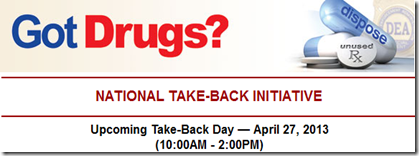
For many, the dilemma is how to properly dispose of these pills. To this end, the National Take Back Initiative was created by the DEA, in conjunction local law enforcement agencies, to provide a safe place to anonymously take these drugs.


NATIONAL TAKE-BACK INITIATIVE


Upcoming Take-Back Day — April 27, 2013
(10:00AM - 2:00PM)

The Drug Enforcement Administration (DEA) has scheduled another National Prescription Drug Take-Back Day which will take place on Saturday, April 27, 2013, from 10:00 a.m. to 2:00 p.m.  This is a great opportunity for those who missed the previous events, or who have subsequently accumulated unwanted, unused prescription drugs, to safely dispose of those medications.


In the five previous Take-Back events, DEA in conjunction with our state, local, and tribal law enforcement partners have collected more than 2 million pounds (1,018 tons) of prescription medications were removed from circulation.


The National Prescription Drug Take-Back Day aims to provide a safe, convenient, and responsible means of disposal, while also educating the general public about the potential for abuse of these medications.


The DOJ website has a handy search engine where you can locate a take back facility near you.


image

Tuesday, March 12, 2013

FDA: Drug Safety Communication On Azithromycin & Cardiac Risk


image

# 7000


Following up on a story from May of 2012, the Food and Drug Administration this morning has released a Drug Safety Communication on the popular macrolide antibiotic Azithromycin (aka Zithromax ®).


You may recall that last year, in NEJM: Cardiovascular Risks Of Taking Azithromycin I wrote about a study that found a `small absolute increase in cardiovascular deaths’ among patients taking the macrolide antibiotic Azithromycin when compared to a control group taking no antibiotics or with taking amoxicillin.

Shortly thereafter (May 17th, 2012), we saw an FDA Statement On Azithromycin & Cardiovascular Risks that included:


FDA is reviewing the results from this study and will communicate any new information that results from the FDA review.


Patients taking azithromycin should not stop taking their medicine without talking to their healthcare professional.


Healthcare professionals should be aware of the potential for QT interval prolongation and heart arrhythmias when prescribing or administering antibacterial drugs. (See additional information below.)


Fast forward nearly 10 months, and today the FDA released the following announcement:


FDA Drug Safety Communication: Azithromycin (Zithromax or Zmax) and the risk of potentially fatal heart rhythms

Safety Announcement

[3-12-2013]   The U.S. Food and Drug Administration (FDA) is warning the public that azithromycin (Zithromax or Zmax) can cause abnormal changes in the electrical activity of the heart that may lead to a potentially fatal irregular heart rhythm. Patients at particular risk for developing this condition include those with known risk factors such as existing QT interval prolongation, low blood levels of potassium or magnesium, a slower than normal heart rate, or use of certain drugs used to treat abnormal heart rhythms, or arrhythmias.  This communication is a result of our review of a study by medical researchers as well as another study by a manufacturer of the drug that assessed the potential for azithromycin to cause abnormal changes in the electrical activity of the heart.


The azithromycin drug labels have been updated to strengthen the Warnings and Precautions section with information related to the risk of QT interval prolongation and torsades de pointes, a specific, rare heart rhythm abnormality. Information has also been added regarding the results of a clinical QT study which showed that azithromycin can prolong the QTc interval. (see Data Summary)


Health care professionals should consider the risk of fatal heart rhythms with azithromycin when considering treatment options for patients who are already at risk for cardiovascular events (see Additional Information for Health Care Professionals below).  FDA notes that the potential risk of QT prolongation with azithromycin should be placed in appropriate context when choosing an antibacterial drug: Alternative drugs in the macrolide class, or non-macrolides such as the fluoroquinolones, also have the potential for QT prolongation or other significant side effects that should be considered when choosing an antibacterial drug.


FDA released a statement on May 17, 2012, about a New England Journal of Medicine (NEJM) study that compared the risks of cardiovascular death in patients treated with the antibacterial drugs azithromycin, amoxicillin, ciprofloxacin (Cipro), and levofloxacin (Levaquin), or no antibacterial drug.1 The study reported an increase in cardiovascular deaths, and in the risk of death from any cause, in persons treated with a 5-day course of azithromycin (Zithromax) compared to persons treated with amoxicillin, ciprofloxacin, or no drug. The risks of cardiovascular death associated with levofloxacin treatment were similar to those associated with azithromycin treatment.


FDA will update health care professionals and the public with any relevant information that becomes available about azithromycin and the risk of abnormal heart rhythms.

Tuesday, February 05, 2013

GSK Pledges To Release All Drug Trial Data

image


# 6909


It’s genuinely big news this afternoon that GSK (Glaxo-Smith-Kline) has pledged that they will publish all results of clinical study reports (CSRs) and clinical trials, not only going forward, but also going back on all approved medications developed since the year 2000.


It is estimated that roughly half of all clinical trials never see the light of day, and in 2010 an NHS Health Technology Assessment concluded that:


Studies with significant or positive results were more likely to be published than those with non-significant or negative results . . .


I’ve written in the past on the reluctance of Roche to release all of their clinical trial data on Tamiflu, and in RCTs: All That’s Gold Standard Doesn’t Glitter, we looked at a Johns Hopkins Study on pediatric clinical trials that found:


Overall, 41 percent of the 146 trials in the review had improper or poorly described randomization techniques. Industry-funded trials were six times more likely to have high risk for biased randomization than government-funded trials or those funded by nonprofit organizations.


While public concerns over industry reporting bias and secrecy have grown over the years, the charge has really been led by All Trials Registered, All Results Reported.

image


An initiative of Sense About Science, Bad Science, BMJ, James Lind Initiative, the Centre for Evidence-based Medicine and others, their grassroots campaign has put considerable pressure on pharmaceutical companies to release their data.


Today, in what can only be described as a major victory for the AllTrials campaign, GSK posted the following announcement on their corporate website, pledging to publish detailed drug trial data.


GSK announces support for AllTrials campaign for clinical data transparency

Issued: Tuesday 5 February 2013, London UK

GSK today further demonstrated its commitment to clinical trial transparency by announcing its support for the AllTrials campaign. The campaign is calling for registration of clinical trials and the disclosure of clinical trial results and clinical study reports (CSRs) to help drive further scientific understanding.


GSK already publicly discloses a significant amount of information about its clinical trials. The company registers and posts summary information about each trial it begins and shares the results of all its clinical trials – whether positive or negative – on a website accessible to all. Today this website includes almost 5,000 clinical trial result summaries and receives an average of almost 11,000 visitors each month. The company has also previously committed to seek publication of the results of all of its clinical trials that evaluate its medicines to peer-reviewed scientific journals.


Expanding on this, GSK is committing to make CSRs publicly available through its clinical trials register. CSRs are formal study reports that provide more details on the design, methods and results of clinical trials and form the basis of submissions to the US Food and Drug Administration (FDA), European Medicines Agency (EMA) and other regulatory agencies. From now, GSK will publish CSRs for all of its medicines once they have been approved or discontinued from development and the results have been published. This is to allow for the data to be first reviewed by regulators and the scientific community. Patient data in the CSRs and their appendices will be removed to ensure patient confidentiality is maintained.


In addition, while there are practical challenges, the company also intends to publish CSRs for clinical outcomes trials for all approved medicines dating back to the formation of GSK. This will require retrieval and examination of each historic CSR to remove confidential patient information. Given the significant volume of studies involved, the company will put in place a dedicated team to conduct this work which it expects to complete over a number of years. Posting will take place in a step-wise manner, with priority given to CSRs for its most commonly prescribed medicines.

(Continue . . . )


Hopefully this will be the first of many such industry announcements.

Tuesday, January 01, 2013

Color Me Non-Adherent

image 

Photo by Sage Ross (ragesoss.com), from Wikimedia Commons. Creative Commons Attribution-Share Alike 3.0 Unported.

# 6814


A fascinating bit of research, published yesterday in JAMA Internal Medicine, looks at the effects of generic pill appearance on how dutifully patients will continue to take their medications.


While generic drugs must meet strict standards as far as their active ingredients, they often are of a different color, size, or shape than their `brand name’ equivalents.


As it turns out, patients in this study were far less likely to refill, and take, dissimilar looking generic drugs, than they were the brand name drug.


First a link to the abstract (the full article is behind a pay wall), then some excerpts from the press release, after which I’ll return with a little more.


Original Investigation | ONLINE FIRST

Variations in Pill Appearance of Antiepileptic Drugs and the Risk of Nonadherence

Aaron S. Kesselheim, MD, JD, MPH; Alexander S. Misono, MD, MBA; William H. Shrank, MD, MSHS; Jeremy A. Greene, MD, PhD; Michael Doherty; Jerry Avorn, MD; Niteesh K. Choudhry, MD, PhD

Arch Intern Med. 2012;():1-7. doi:10.1001/2013.jamainternmed.997.

Background

Generic prescription drugs are bioequivalent to brand-name versions but may not have consistent color or shape, which can cause confusion and lead to interruptions in medication use. We sought to determine whether switching among different-appearing antiepileptic drugs (AEDs) is associated with increased rates of medication nonpersistence, which can have serious medical, financial, and social consequences.

<SNIP>

Conclusions 

Changes in pill color significantly increase the odds of nonpersistence; this may have important clinical implications. Our study supports a reconsideration of current regulatory policy that permits wide variation in the appearance of bioequivalent drugs.


And the press release from Brigham and Women's Hospital.


Differences in generic pill characteristics may lead to interruptions in essential medication use

Changes in pill appearance significantly increase the odds that patients will stop taking their drugs as prescribed

Boston, MA—Generic medications currently account for over 70 percent of prescriptions dispensed. However, while generic drugs are clinically bioequivalent to the brand-name version, they often differ in their physical characteristics, such as color and shape. Researchers from Brigham and Women's Hospital (BWH) have found that some patients who receive generic drugs that vary in their color are over 50 percent more likely to stop taking the drug, leading to potentially important and potentially adverse clinical effects.


The study will be published electronically on December 31, 2012 in the Archives of Internal Medicine.


"Pill appearance has long been suspected to be linked to medication adherence, yet this is the first empirical analysis that we know of that directly links pills' physical characteristics to patients' adherence behavior," explained Aaron S. Kesselheim MD, JD, MPH, assistant professor of medicine in the Division of Pharmacoepidemiology and Pharmacoeconomics at BWH, and principal investigator of this study. "We found that changes in pill color significantly increase the odds that patients will stop taking their drugs as prescribed."


The researchers conducted a case-control study of patients taking antiepileptic drugs and compared the odds that patients who did not refill their medication had been given pills that differed in color or shape from the prior prescriptions. Using a large national database of filled prescriptions, when the researchers identified a break in the patient's use of the drug, they looked at the previous two prescription fillings to see if they were the same color and shape. They found that interruptions in the prescription filling occurred significantly more frequently when the pills had different color. Interruptions in antiepileptic drug use for even a few days can raise the risk of seizure and have important medical and social consequences for patients.


(Continue . . . )


Somewhat connected to all of this are studies that have shown that the color, size, and shape of a pill (including placebos) has an effect on the the patient’s perception of how well they work.


In a 1996 edition of the BMJ, we find:


Effect of colour of drugs: systematic review of perceived effect of drugs and of their effectiveness.

A. J. de Craen, P. J. Roos, A. Leonard de Vries, and J. Kleijnen


RESULTS: The studies on perceived action of coloured drugs showed that red, yellow, and orange are associated with a stimulant effect, while blue and green are related to a tranquillising effect. The trials that assessed the impact of the colour of drugs on their effectiveness showed inconsistent differences between colours. The quality of the methods of these trials was variable. Hypnotic, sedative, and anxiolytic drugs were more likely than antidepressants to be green, blue, or purple.

CONCLUSIONS: Colours affect the perceived action of a drug and seem to influence the effectiveness of a drug. Moreover, a relation exists between the colouring of drugs that affect the central nervous system and the indications for which they are used. Research contributing to a better understanding of the effect of the colour of drugs is warranted.


Other research has shown that – with placebos – shots are deemed more effective than oral drugs, and capsules are perceived as being more effective than pills.


From a much earlier study, we get an idea of the pre-conceived notions that many patients have regarding pill color:


Percept Mot Skills. 1979 Oct;49(2):367-72.

Classification of placebo drugs: effect of color.

Jacobs KW, Nordan FM.

Abstract

To study the role of color in the pscyhological effects of placebo drugs, 100 subjects were asked to place each of six different colored capsules into one of three classifications of drug effects. Results indicate that red and yellow placebos are classified as stimulants while blue placebos are classified as depressants.


While the color of a pill may seem irrelevant to many people, the non-adherence of patients to their prescribed medications costs the health care system hundreds of billions of dollars each year.


NEHI Research Shows Patient Medication Nonadherence Costs Health Care System $290 Billion Annually

August 11, 2009

CAMBRIDGE, MA – The New England Healthcare Institute (NEHI) today released new research showing that patients who do not take their medications as prescribed by their doctors cost the U.S. health care system an estimated $290 billion in avoidable medical spending every year. NEHI, a nonprofit health policy organization, recommends four key actions that can best improve medication adherence.


Given the human, and economic costs of non-adherent patients, there may very well be substantial benefits to applying `pill psychology’ to generic prescription drug design.

Friday, August 10, 2012

Referral: McKenna On Resistant Gonorrhea


image

Credit CDC


# 6487


A topic that Maryn McKenna and I have both blogged about at length over the past year – Increasingly Drug Resistant Gonorrhea - was the subject of a major announcement out of the CDC yesterday.


In the wake of rising treatment failures with the existing treatment protocol, Thursday’s MMWR contained new guidelines on the treatment of gonorrhea, making the oral antibiotic cefixamine no longer the first line drug of choice, and substituting injectable ceftriaxone along with oral doses of either azithromycin or doxycycline.


Last night, Maryn McKenna – Flublogia’s expert in all things antibiotic resistant  - wrote about this bulletin in her SUPERBUG BLOG, and so I would invite you to jump  over to her site to read:


Resistant Gonorrhea: CDC Says Just One Drug Left


This problem extends far beyond the growing incidence of resistant Neisseria gonorrhoeae. You’ll find Maryn’s 2010 book Superbug: The Fatal Menace of MRSA serves as a terrific wakeup call and primer covering a wide range of these resistance issues. 


We’ve known this day was coming, of course. Over the past year I’ve written about the warning signs in:


ECDC Response Plan To Multi-Drug Resistant Gonorrhea

WHO: Urgent Action Needed On Resistant Gonorrhea

CDC Grand Rounds: Multidrug-Resistant Gonorrhea

Going, Going, Gonorrhea

The Path Of Increased Resistance


History has taught us – that given enough time – bacterial pathogens often manage to evolve resistance to whatever antibiotics we use against them.


With few new classes of antimicrobials in the developmental pipeline, the fear is that a few years down the road, our ability to treat even the simplest of infections may be compromised.


Director-General Margaret Chan of the WHO warned earlier this year during a keynote address to the Conference on Combating Antimicrobial Resistance in  Copenhagen, Denmark that our World Faces A `Post-Antibiotic Era’.


The D-G’s entire remarks may be viewed on the WHO’s website at Antimicrobial resistance in the European Union and the world, but I’ve excerpted a few choice statements below, after which you’ll find a link to the World Health Organization’s latest publication on antibiotic resistance.


Excerpts from D-G Chan’s March 14th, 2012 speech.


If current trends continue unabated, the future is easy to predict. Some experts say we are moving back to the pre-antibiotic era. No. This will be a post-antibiotic era. In terms of new replacement antibiotics, the pipeline is virtually dry, especially for gram-negative bacteria. The cupboard is nearly bare.

<SNIP>


A post-antibiotic era means, in effect, an end to modern medicine as we know it. Things as common as strep throat or a child’s scratched knee could once again kill.


The World Health Organization recently released a 120 page book that provides options and strategies for combating this global threat.


The evolving threat of antimicrobial resistance - Options for action

Authors:
World Health Organization

Publication details

Number of pages: 120
Publication date: 2012
Languages: English
ISBN: 978 92 4 1503181

Tuesday, May 15, 2012

CDC Grand Rounds: Multidrug-Resistant Gonorrhea


# 6328


As I’ve mentioned previously, once a month the CDC  presents a Public Health Grand Rounds webcast, that focuses on a single public health issue. In April of last year I gave considerable blog space to CDC Grand Rounds: Sodium Reduction


Later today (1 pm EDT) the CDC will live stream their latest Grand Rounds presentation, this time on the growing threat of multi-drug resistant gonorrhea.


Tuesday, May 15, 2012 1 p.m. – 2 p.m., EDT


Watch live webcast


This is a subject that both Maryn McKenna (see Drug-Resistant Gonorrhea: How We Lost Track and The Clap Came Back: Multidrug-Resistant Gonorrhea) and I have written about in the past.


A couple of my offerings include:


The Path Of Increased Resistance

image

True in the 1940s, but sadly, no longer the case – Photo Credit scdhec.gov


and . . .

Going, Going, Gonorrhea


Here is the CDC’s announcement for today’s Grand Rounds:


Public Health Grand Rounds

 The Growing Threat of Multidrug-Resistant Gonorrhea

Gonorrhea virus

This session of Grand Rounds will explore the development of antibiotic resistance in Neisseria gonorrhoeae as a growing public health concern because the United States gonorrhea control strategy relies on effective antibiotic therapy. Since antibiotics were first used for treatment of gonorrhea, N. gonorrhoeae has progressively developed resistance to the antibiotic drugs prescribed to treat it: sulfonilamides, penicillin, tetracycline, and ciprofloxacin. Currently, CDC STD treatment guidelines recommend dual therapy with a cephalosporin antibiotic (ceftriaxone is preferred) and either azithromycin or doxycycline to treat all uncomplicated gonococcal infections among adults and adolescents in the United States.


Given the ability of N. gonorrhoeae to develop antibiotic resistance, it is critical to continuously monitor gonococcal antibiotic resistance and encourage research and development of new treatment regimens for gonorrhea.

(Continue . . . )


Today’s presenters include:


Edward Hook III, MD
Professor of Medicine and Epidemiology
University of Alabama, Birmingham

William Shafer, PhD
Professor of Microbiology and Immunology
Emory University

Carolyn Deal, PhD
Chief, Sexually Transmitted Diseases Branch
National Institute of Allergy and Infectious Diseases
National Institutes of Health

Robert D. Kirkcaldy, MD, MPH
Medical Officer
Centers for Disease Control and Prevention
National Center for HIV/AIDS, Viral Hepatitis, STD, and TB Prevention


If you miss the live broadcast, you’ll be able to view this latest Grand Rounds presentation on the CDC’s Streaming Health Youtube Channel in about 48 hours.

Saturday, April 28, 2012

Turn In Your Old Rx Drugs Today

image


# 6301


Millions of medicine cabinets around the country are filled with unused, expired, and potentially dangerous prescription drugs that – for a variety of reasons – never get taken by the person for whom they were intended.


Often a doctor changes a prescription, or a patient doesn’t finish their meds.  Sometimes a patient dies with a medicine cabinet full of pills.


Whatever the reason, these drugs pose a serious threat, both to people, and to the environment. 


Too often, they end up flushed down the drain, or tossed into the trash, only to end up in rivers and streams. Or worse, they can end up in the hands of the wrong persons, and are used recreationally – particularly by teenagers.


For many, the dilemma is how to properly dispose of these pills. To this end, the National Take Back Initiative was created by the DEA, in conjunction local law enforcement agencies, to provide a safe – no question’s asked - place to take these drugs.


Today (April 28th), there will be thousands of drop-off points set up around the country where you can take these drugs.


You’ll find handy links for a search engine that will provide you with local drop off locations around the country.


NATIONAL TAKE-BACK INITIATIVE
April 28, 2012
10:00 AM - 2:00 PM

The Drug Enforcement Administration (DEA) has scheduled another National Prescription Drug Take-Back Day which will take place on Saturday, April 28, 2012, from 10:00 a.m. to 2:00 p.m.  This is a great opportunity for those who missed the previous events, or who have subsequently accumulated unwanted, unused prescription drugs, to safely dispose of those medications.

Americans that participated in the DEA’s third National Prescription Drug Take-Back Day on October 29, 2011, turned in more than 377,086 pounds (188.5 tons) of unwanted or expired medications for safe and proper disposal at the 5,327 take-back sites that were available in all 50 states and U.S. territories. When the results of the three prior Take-Back Days are combined, the DEA, and its state, local, and tribal law-enforcement and community partners have removed 995,185 pounds (498.5 tons) of medication from circulation in the past 13 months.

“The amount of prescription drugs turned in by the American public during the past three Take-Back Day events speaks volumes about the need to develop a convenient way to rid homes of unwanted or expired prescription drugs,” said DEA Administrator Michele M. Leonhart. “DEA remains hard at work to establish just such a drug disposal process, and will continue to offer take-back opportunities until the proper regulations are in place.”

“With the continued support and hard work of our more than 3,945 state, local, and tribal law enforcement and community partners, these three events have dramatically reduced the risk of prescription drug diversion and abuse, and increased awareness of this critical public health issue,” said Leonhart.

Collection Site Locator:

Find a collection site near you. Check back frequently as collection sites are continuously being added.

image

Friday, April 06, 2012

National Take Back Initiative - April 28th


 image


# 6265


Every year millions of pills are dispensed in the United States that – for a variety of reasons – never get taken by the person for whom they were intended.


Sometimes a doctor changes a prescription, or a patient simply doesn’t take their meds.  Often a patient dies with a medicine cabinet full of pills.


Whatever the reason, these drugs pose a serious threat, both to people, and to the environment. 


Too often, they end up flushed down the drain, or tossed into the trash, only to end up in rivers and streams.


Sometimes they end up in the hands of the wrong persons, and are used recreationally – particularly by teenagers.


And for those considering hanging on to these meds `just in case’, you should be aware that most drugs will lose potency over time, and a few can even become toxic with age.


For many, the dilemma is how to properly dispose of these pills. To this end, the National Take Back Initiative was created by the DEA, in conjunction local law enforcement agencies, to provide a safe place to take these drugs.


This from the DEA division of the DOJ.


You’ll find handy links for a search engine that will provide you with local drop off locations around the country.


NATIONAL TAKE-BACK INITIATIVE

April 28, 2012
10:00 AM - 2:00 PM

The Drug Enforcement Administration (DEA) has scheduled another National Prescription Drug Take-Back Day which will take place on Saturday, April 28, 2012, from 10:00 a.m. to 2:00 p.m.  This is a great opportunity for those who missed the previous events, or who have subsequently accumulated unwanted, unused prescription drugs, to safely dispose of those medications.


Americans that participated in the DEA’s third National Prescription Drug Take-Back Day on October 29, 2011, turned in more than 377,086 pounds (188.5 tons) of unwanted or expired medications for safe and proper disposal at the 5,327 take-back sites that were available in all 50 states and U.S. territories. When the results of the three prior Take-Back Days are combined, the DEA, and its state, local, and tribal law-enforcement and community partners have removed 995,185 pounds (498.5 tons) of medication from circulation in the past 13 months.


“The amount of prescription drugs turned in by the American public during the past three Take-Back Day events speaks volumes about the need to develop a convenient way to rid homes of unwanted or expired prescription drugs,” said DEA Administrator Michele M. Leonhart. “DEA remains hard at work to establish just such a drug disposal process, and will continue to offer take-back opportunities until the proper regulations are in place.”


“With the continued support and hard work of our more than 3,945 state, local, and tribal law enforcement and community partners, these three events have dramatically reduced the risk of prescription drug diversion and abuse, and increased awareness of this critical public health issue,” said Leonhart.


Collection Site Locator:

Find a collection site near you. Check back frequently as collection sites are continuously being added.

image

Friday, August 26, 2011

A Prescription For Disasters


# 5787


Photo Credit – Wikipedia Commons


I’ve written before of my visit to New Orleans five weeks after Katrina struck to help my twin brother retrieve what belongings we could from his French Quarter apartment.  


While we were in town one of his planned tasks was to get refills on his prescriptions from his local pharmacy.  But 5 weeks after the storm, his Mom & Pop pharmacy was still shuttered and vacant.


Like thousands of others post-Katrina, he was in a bind.


He had no way of contacting his doctor, no way to prove he had refills left at his pharmacy, and would be forced to find a new doctor and schedule an appointment in order to get new prescriptions.


For my brother, it wasn’t a life or death situation.  But for many others, daily medications are literally a matter of survival. 


Maintaining an adequate supply of essential prescription medication in your emergency kit, along with copies of your prescriptions, is an important part of individual and family preparedness.


Most doctors will gladly write an extra 14 or 30 day `disaster stash’ script for your most vital medications if you express your concern, and the AMA endorsed this idea several years ago (see AMA Now Supports Personal Rx Stockpiling For Disasters).


Depending upon your insurance coverage, you may have to pay for them out of pocket, but it certainly beats the alternative.


And if you do obtain a disaster stash, make sure to use and rotate those meds before they expire.


FEMA has long recommended that those with special needs make special preparations.


Considerations for people responsible for disabled individuals:

  • For those on respirators or other electric-powered medical equipment, make prior arrangements with your physician or check with your oxygen supplier about emergency plans, and be sure to have electrical back-up for any medical equipment.
  • Maintain a two-week supply of items such as dressings, nasal cannulas and suction catheters.
  • Maintain a two-week supply of both prescription and non-prescription medications.
  • Keep copies of your medical records.
  • Keep copies of prescriptions for medical equipment, supplies and medications.
  • Keep extra contact lenses and supplies, extra eyeglasses and extra batteries for hearing aids.
  • Make plans now to have accessible transportation in case of evacuation.
  • Shelters may be limited in accommodations to meet some of the needs of those with disabilities. Prepare ahead of time to ensure you will have what you need.


There are federal  programs designed to assist those in a federally declared disaster zone with their emergency prescription needs.  It is called EPAP or Emergency Prescription Assistance Program.

The goals of EPAP are to:

  • Ensure access to covered prescription drugs and DME for eligible individuals who present at a pharmacy with a valid prescription, at no cost to the affected individual.
  • Implement real-time point-of-sale eligibility checks and system edits for claims where the pharmacist has found no other coverage to limit dispensing of EPAP covered drugs and DME to eligible individuals.
  • Facilitate legitimate pharmacy claims from new pharmacy locations and other out of network pharmacies on an as-needed basis.


But of course, you’ll need to be able to prove you are eligible and that you have a valid prescription (see Eligibility Information Sheet For Emergency Prescription Assistance Program (EPAP)).


And depending upon the size and scope of the disaster, there could be delays in getting your prescriptions processed. 


So having an extra supply on hand is still important.


As is knowing what to do if your prescriptions are damaged in a disaster.   Here, the FDA offers some advice.


Safe Drug Use After a Natural Disaster

The Center for Drug Evaluation and Research (CDER) at the FDA offers the following information on the use of drugs that have been potentially affected by fire, flooding or unsafe water and the use of temperature-sensitive drug products when refrigeration is temporarily unavailable.

(Continue . . . )


And on a related subject, everyone should have a readily available (preferably carried in your wallet or purse), EMERGENCY medical history.


I addressed that issue in a blog called Those Who Forget Their History . . . .   A few excerpts (but follow the link to read the whole thing):


Since you can’t always know, in advance, when you might need medical care it is important to carry with you some kind of medical history at all times.  It can tell doctors important information about your history, medications, and allergies when you can’t.


Many hospitals and pharmacies provide – either free, or for a very nominal sum – folding wallet medical history forms with a plastic sleeve to protect them.


I’ve scanned the one offered by one of our local hospitals below. It is rudimentary, but covers the basics.

medhx1

medhx2

In a medical emergency, minutes can make the difference between life and death.  And even in less urgent cases, having all of this information can go a long ways towards speeding your treatment.


While disasters like hurricanes, floods, and earthquakes are never pleasant experiences, the things we do in advance of them can make the difference between being inconvenienced and uncomfortable, and being irreparably harmed.


Those with special medical needs are all the more vulnerable during a disaster, and so extra preparations are warranted.

Tuesday, June 21, 2011

PNAS: Challenging Drug Resistance Conventional Wisdom


# 5641


Proving you should never judge a study by it’s title, today we’ve an absolutely intriguing article that appears in today’s early edition of PNAS (Proceedings of the National Academy of Sciences) called:


The evolution of drug resistance and the curious orthodoxy of aggressive chemotherapy

Andrew F. Reada, Troy Dayc, and Silvie Huijbena


The authors – using malarial resistance as an example – suggest that some of the tactics used today to try to conserve the effectiveness of our drug arsenal may actually be driving the evolution of resistant pathogens.


In this article they question several conventional treatment wisdoms including:


  • whether the standard advice -  that patients must `finish a drug course even after they feel better’is always the best strategy to prevent the creation of resistant organisms.
  • whether it is always necessary (or even desirable) to hit an infection hard and fast with mono or combo therapy in order to effect a cure.


Heresy?


Perhaps.


But these authors are not advocating that we suddenly abandon our current antibiotic and drug strategies, only that we need to examine them closely to see if, and when, they really make sense.


And they suggest that what is appropriate for one type of pathogen, or in one part of the world at a given point in time, may not be the best course for another.


While they present a lot of detail (you are going to want to read the entire 7-page article), the basic premise is pretty simple. 


Resistant organisms are generally believed to be less biologically fit than their wild type ancestors, which is why we aren’t (yet, anyway) hip deep in resistant organisms.


As long as they share a host with a more `fit’ and competitive strain, they are rarely able to establish a toehold and proliferate.

 
But when you start applying heavy drug therapy, killing off only the drug sensitive strains, that small population of resistant pathogens can suddenly swell.


It’s almost a Nietzschian concept, really.  


Whatever doesn’t completely kill off a pathogen, makes the resistant strains stronger.


Of course, the issues are a great deal more complicated than I’ve outlined here. Rather than go in greater detail, I’ll simply suggest you read the article in its entirety.


The authors suggest that these concepts could apply across a wide range of resistance issues; everything from bacteria, parasites, and viruses to insecticide and cancer chemotherapy resistance. 


This article is one of many printed this week that results from:


. . . the Arthur M. Sackler Colloquium of the National Academy of Sciences, “In the Light of Evolution V: Cooperation and Conflict,” which was held January 7–8, 2011, at the Arnold and Mabel Beckman Center of the National Academies of Sciences and Engineering in Irvine, CA.

The complete program and audio files of most presentations are available on the NAS Web site at www.nasonline.org/SACKLER_cooperation.

Wednesday, April 27, 2011

National Take Back Initiative


image


# 5524


Every year millions of pills are dispensed in the United States that – for a variety of reasons – never get taken by the person for whom they were intended.


Sometimes a doctor changes a prescription, or a patient simply doesn’t take their meds.  Often a patient dies with a medicine cabinet full of pills.  


Whatever the reason, these drugs pose a serious threat, both to people, and to the environment. 


Too often, they end up flushed down the drain, or tossed into the trash, only to end up in rivers and streams.


Sometimes they end up in the hands of the wrong persons, and are used recreationally – particularly by teenagers.


For many, the dilemma is how to properly dispose of these pills.   To this end, the National Take Back Initiative was created by the DEA, in conjunction local law enforcement agencies, to provide a safe place to take these drugs.


This from the DEA division of the DOJ.


You’ll find handy links for a search engine that will provide you with local drop off locations around the country.


NATIONAL TAKE BACK INITIATIVE

APRIL 30, 2011
10:00 AM - 2:00 PM
Find a collection site near you

This initiative addresses a vital public safety and public health issue.  More than seven million Americans currently abuse prescription drugs, according to the 2009 Substance Abuse and Mental Health Administration’s National Survey on Drug Use and Health.  Each day, approximately, 2,500 teens use prescription drugs to get high for the first time according to the Partnership for a Drug Free America.  Studies show that a majority of abused prescription drugs are obtained from family and friends, including the home medicine cabinet.


In an effort to address this problem, DEA, in conjunction with state and local law enforcement agencies throughout the United States, conducted the first ever National Prescription Drug Take Back Day on Saturday, September 25, 2010.  The purpose of this National Take Back Day was to provide a venue for persons who wanted to dispose of unwanted and unused prescription drugs.  This effort was a huge success in removing potentially dangerous prescription drugs, particularly controlled substances, from our nation’s medicine cabinets.  There were approximately 3,000 state and local law enforcement agencies throughout the nation that participated in the event.  All told, the American Public turned in more than 121 tons of pills on this first National Take Back Day.


Due to the overwhelming success of the first event, DEA has scheduled the second National Prescription Drug Take Back Day which will take place on Saturday, April 30, 2011, from 10:00 am - 2:00 pm.  This is a great opportunity for those who missed the first event or who have subsequently accumulated unwanted, unused prescription drugs, to safely dispose of them.

Find a collection site near you


As a final note, for anyone thinking about hanging on to these medications for `a rainy day’, many lose potency over timeand worsea few can become toxic with age.


Better to turn them in, and let the experts deal with their disposal, than to risk using them or having them fall into the wrong hands.


Today is a good day to go through your medicine cabinet in anticipation of Saturday’s event.