Showing posts with label H5. Show all posts

Thursday, April 30, 2015

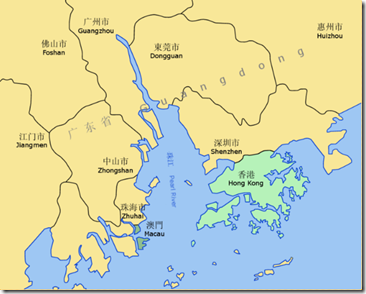
Hong Kong: Oriental Magpie Tests Positive For H5

image

Photo Credit- Wikipedia


# 9995


You may recall that just two weeks ago, HK authorities reported their first Wild Bird Found Infected With H5N6 – a peregrine falcon – and over the past decade they’ve seen scores of (mostly migratory) birds carrying the H5N1 virus. Hong Kong is one of the few places in the world where public health authorities take notice of something as seemingly inconsequential as a single dead bird.


To understand why, you have to go back to 1997, when the H5N1 Bird Flu virus suddenly appeared in Hong Kong – infecting 18 residents and killing 6. The source of the infection turned out to be their own domesticated poultry industry, likely infected by wild birds.


It was only the complete eradication of all poultry in the territory that managed to halt what many feared could have been a disaster. Since then, Hong Kong has kept a particularly watchful eye on their winged visitors.


The strain of HPAI H5 in today’s case has yet to be determined, but authorities are already advising poultry interests of the potential threat.  


This from Hong Kong’s CHP.


Oriental magpie robin tests positive for H5 virus


Preliminary testing of an Oriental magpie robin found in Sai Kung has returned a positive result for the H5 avian influenza virus, a spokesman for the Agriculture, Fisheries and Conservation Department (AFCD) said today (April 30), adding that further confirmatory tests are being conducted.


The sick Oriental magpie robin was found and collected near 10B Sha Kok Mei First Lane, Sai Kung yesterday (April 29). Oriental magpie robins are common resident birds in Hong Kong.


The spokesman said cleansing and disinfection have been stepped up at the venue, adding that there are no poultry farms within three kilometres of where the dead bird was found.

In view of the case, the AFCD has phoned poultry farmers to remind them to strengthen precautionary and biosecurity measures against avian influenza. Letters have been issued to farmers, pet bird shop owners and licence holders of pet poultry and racing pigeons reminding them that proper precautions must be taken.


The spokesman said the department would conduct frequent inspections of poultry farms and the wholesale market to ensure that proper precautions against avian influenza have been implemented. The department will continue its wild bird monitoring and surveillance.


"People should avoid personal contact with wild birds and live poultry and their droppings. They should clean their hands thoroughly after coming into contact with them. The public can call 1823 for follow-up if they come across suspicious, sick or dead birds, including the carcasses of wild birds and poultry," the spokesman said.


The Food and Environmental Hygiene Department (FEHD) will continue to be vigilant over imported live poultry as well as live poultry stalls. It will also remind stall operators to maintain good hygiene.


The Department of Health will keep up with its health education to remind the public to maintain strict personal and environmental hygiene to prevent avian influenza.


The AFCD, the FEHD, the Customs and Excise Department and the Police will strive to deter the illegal import of poultry and birds into Hong Kong to minimise the risk of avian influenza outbreaks caused by imported poultry and birds that have not gone through inspection and quarantine.


All relevant government departments will continue to be highly vigilant and strictly enforce preventive measures against avian influenza. Health advice is available from the "H5N1 Health Advice" page on the AFCD website at www.afcd.gov.hk.

Ends/Thursday, April 30, 2015
Issued at HKT 20:44
NNNN

Tuesday, April 07, 2015

CFIA: H5 Avian Flu Found On Ontario Turkey Farm

image


# 9007


The Canadian Food Inspection Agency (CFIA) is investigating a farm in Southern Ontario, near Woodstock, which has experienced recent elevated turkey mortality.  Preliminary testing indicates an H5 virus, and further testing is being done to determine the subtype and pathogenicity.  A neighboring farm is also under quarantine. 


Given the events of this winter, with the rapid eastward spread of HPAI H5, suspicions are running in that direction.  


If this turns out to be HPAI H5 (H5N2, H5N8, H5N1, etc.), then this would represent the most eastern detection of these subtypes to date.  We should know in a day or two.


Avian influenza confirmed on farm in Southern Ontario

OTTAWA, April 6, 2015

Preliminary testing by the Province of Ontario has confirmed the presence of H5 avian influenza on a turkey farm near Woodstock, Ontario.

The Canadian Food Inspection Agency (CFIA) has placed the farm, and a neighbouring farm, under quarantine to control disease spread and the industry sector has been notified to adopt enhanced biosecurity practices. Further testing by the CFIA is underway to confirm pathogenicity and to determine the precise subtype and strain of the virus. Pathogenicity refers to the severity of the illness caused in birds. Results are expected within days.

Avian influenza does not pose a risk to food safety when poultry and poultry products are properly handled and cooked. Avian influenza rarely affects humans that do not have consistent contact with infected birds. Public health authorities stand ready to take precautionary measures as warranted.

Initial tests for the disease were conducted on April 5 at the Animal Health Laboratory at the University of Guelph, after the turkey farm experienced sudden deaths of birds over several days.

All birds on the infected premises will be humanely euthanized and disposed of, in accordance with provincial environmental regulations and internationally accepted disease control guidelines. As lead response agency the CFIA will ensure the quarantine of the infected farm, and determine a surrounding surveillance zone for further testing and movement control measures. The CFIA will also lead on required depopulation of birds, while the Province will provide technical support on required carcass disposal. Once all birds have been removed, the CFIA will oversee the cleaning and disinfection of the barns, vehicles, equipment and tools to eliminate any infectious material that may remain.

The Province of Ontario, the CFIA, the owner of the infected birds, and the poultry industry are working closely together to manage the situation. Both levels of government will work with the poultry industry to address issues as they emerge. The Canadian poultry sector currently practices a high level of biosecurity that reduces the risk of disease spread.

Wednesday, January 14, 2015

WHO/FAO/OIE Announce A New H5 Clade (2.3.4.4)

image

(click to load larger image)  (Note: Chart only goes through 2011)


# 9575


While working on a completely different blog topic this morning (H5N5 receptor binding . . .stay tuned) I ran into the following statement by the WHO/OIE/FAO on a new H5 clade 2.3.4.4 designation, into which many of the recent H5 viruses reported in Europe, Asia, and North America will now apparently fall.  

Evolution of the influenza A(H5) haemagglutinin: WHO/OIE/FAO H5 Working Group reports a new clade designated 2.3.4.4

12 January 2015

Recent detections of highly pathogenic avian influenza A(H5N8) in East Asia and Europe, A(H5N8) and A(H5N2) in North America, and A(H5N6) in East and Southeast Asia, have prompted the WHO/OIE/FAO H5 Evolution Working Group to review and update the H5 haemagglutinin (HA) clade nomenclature (1-4), which was last revised based on sequence data available prior to December 2012 (4).

Although a detailed report describing the update of the existing nomenclature is in preparation, considering the high likelihood that these viruses will continue to be detected and reported, timely communication of the new clade designation is warranted. The phylogenetic analysis of H5 HA sequences from these viruses revealed extensive divergence and indicated the need to update the clade nomenclature for H5N1, H5N2, H5N5, H5N6, and H5N8 subtype viruses clustering in this HA group.

After careful analysis of all available H5 sequence data, this group of HA gene segments has been designated as clade 2.3.4.4 and use of this unified classification is recommended. The virology, animal and public health communities are encouraged to adopt this clade designation for these H5 HAs and discontinue use of the provisional clade 2.3.4.6 designation, which was assigned tentatively during the WHO Vaccine Virus Consultation in September 2014 in reviewing and selecting candidate vaccine viruses of this emerging group of viruses (5).


Clades are branches on the family tree, and the H5 family tree has grown spectacularly over the past 18 years.  Although the chart below will now have to be revised due to this new clade designation, it gives you some idea of the genetic diversity of H5N1 around the globe.

image


With HPAI H5 promiscuously sharing genes with other influenza viruses, these H5 clades are no longer just found in H5N1, but are also found in H5N2, H5N3, H5N5, H5N6, and H5N8 as well.

South Korea Reports New HPAI H5 & FMD Outbreaks

image

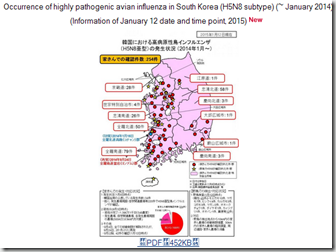
A year of H5N8 In Korea – Credit Japan’s MAFF 


# 9574


This week marks the 1 year anniversary of the first detection of the newly emerged HPAI H5N8 virus on the Korean peninsula (see Media Reporting Korean Poultry Outbreak Due To H5N8), and despite the culling of more than 15 million birds and Korean farms having some of the best poultry biosecurity procedures in the world, the virus continues to resurface.


Reintroduction via wild and migratory birds has been largely blamed, but it is also possible that in some cases the virus is being spread inadvertently by the poultry trade  (see Bird Flu Spread: The Flyway Or The Highway?).


Although other HPAI viruses are known to have spread via wild and migratory birds, the H5N8 virus appears to be unusually adept at this mode dispersal, having now shown up in Japan, Russia, China, Western Europe, and even the United States. 


In addition to recurring avian influenza outbreaks, South Korea is also battling outbreaks of FMD (Food & Mouth Disease) once again  – which according to the article below – has resulted in the detection of more than 50 cases since the beginning of December spread across 13 Korean cities and counties.  


FMD is a highly contagious viral disease that primarily afflicts cloven-hoofed animals (including cattle, sheep, goats, pigs, deer, etc.). Caused by a picornavirus, it has no relation to HFMD, which is a childhood disease in humans caused by a number of non-polio enteroviruses.


During the 2010-2011 FMD outbreak in South Korea, roughly 3.5 million animals were destroyed (151,425 cattle, 3,318,299 pigs, 8,071 goats, and 2,728 deer) and buried at more than four thousand locations around the country (EID Journal Control of Foot-and-Mouth  Disease during 2010–2011 Epidemic, South Korea).


The AI cases announced today are described as HPAI H5, and a final determination of the subtype will be announced over the next few days.  Given the recent events in Taiwan, and the propensity of H5 viruses to reassort, there is always the chance that these outbreaks will end up being something other than H5N8.


Korea confirms additional AI case

Updated : 2015-01-14 19:58

An additional case of avian influenza has been confirmed in Busan, South Korea’s largest sea port, quarantine officials said Wednesday.


According to Busan municipal authorities and quarantine officials, chickens and geese that were found dead at a poultry farm on Tuesday all tested positive for the H5 strain of bird flu.


It said further tests are needed to determine whether they died from the highly pathogenic H5N8 strain of the animal disease.


The confirmation marks the first time that Busan has reported a bird flu case since 2008.


Quarantine officials said 580 birds at the farm that raised geese, chickens and pigeons were all culled to prevent further spreading of the disease. It said four checkpoints have been set up around the poultry farm to disinfect cars and control the movement of people and animals.


In addition to the Busan case, quarantine officials said tests showed birds at a duck farm in Anseong, near Seoul, have tested positive for the H5 strain.


(Continue . . .)

Friday, December 19, 2014

Study: H5 Clade 2.3.4.6 Receptor Binding

image

# 9460


Unlike in mammals, where influenza viruses generally produce a respiratory infection, influenza in birds is a gastrointestinal malady. The virus attaches to - and replicates in – the avian gut,  and is spread primarily through infected droppings.


As you might imagine, avian flu viruses are well adapted to attack the kind of cells found within the avian intestinal tract; α2,3-linked sialic acid  avian receptor cells.


Humans, and many (but not all) mammals have very few α2,3 receptor cells in their upper airway (but do have some deep in the lungs), making it difficult for avian flu viruses to easily attach to, and infect, non-avian species


When they do jump to humans, it usually results in a serious deep lung infection (pneumonia).


Human, or mammalian adapted flu viruses bind preferentially to a different type of cell - α2,6 receptor cells -  which are abundant in their upper respiratory systems. They are also adapted to replicate in the 5 to 10 degree cooler environment of the upper airway, compared to the intestinal tract of birds.

For an avian influenza virus to successfully jump species and to become a human pandemic threat, these receptor binding and temperature tolerance issues are believed to be two of the biggest hurdles.  There are likely others, but these two appear to top the list.


As avian viruses jump (even tentatively) to other species, it gives them a chance to produce host adaptations;  mutations that favor survival in their new environment. The more jumps, the more opportunities the virus has (through trial and error)  to `figure out’  what evolutionary changes are needed to make the new species a suitable host.


Viruses also change slowly through antigenic drift, even in their native hosts, and can abruptly change through antigenic shift – or reassortment.  Shift occurs when two flu viruses inhabit the same host at the same time, swap genetic material, and produce a `hybrid’ strain.  

image


Birds, swine, humans . . .  in fact almost any flu susceptible species – can act as a mixing vessel.  While pandemic viruses are rare, as any virologist will tell you . . . Shift happens.


While we are justifiably concerned over the recently emerged H7N9 virus given its track record over the past couple of years, the avian flu virus with the longest resume and greatest diversity is H5N1 and its recently emerged cousins; H5N8, H5N6, H5N3.  This virus has been around for 18 years, and has gone from a single clade discovered in 1996 to a diverse, and growing constellation of clades, sub-clades, and variants within sub-clades.


The following chart from the World Health Organization hints at just how much diversity the virus acquired over its first 15 years..

image

(click to load larger image)  (Note: Chart only goes through 2011)


Until a year or so ago, most H5N1 clades were classified by 3 digit identifiers, such a clade 2.3.4.

But in 2013, researchers reported on Novel Variants of Clade 2.3.4 Highly Pathogenic Avian Influenza A(H5N1) Viruses, China, and suggested that `these groups should be assigned new fourth-order clades of 2.3.4.4, 2.3.4.5, and 2.3.4.6 to reflect the wide divergence of clade 2.3.4 viruses.’


In short order, we saw the emergence of several new H5 subtypes (through reassortment), all carrying the newly identified H5 clade 2.3.4.6 HA gene segment, including the recent high flying H5N8 and H5N6 subtypes. The graphic below (produced before H5N8 showed up in Europe and North America) illustrates their recent geographic spread in Asia comes from the November FAO-EMPRES Report On The Emergence And Threat Of H5N6).

image


While there are a lot of H5 clades out there, and more will invariably appear, right now clade 2.3.4.6 is making a lot of noise.   So the open access study, published this week in the Journal Veterinary Research, that looks at the receptor binding qualities of this new clade is of particular interest.


While many will want to read the entire report, I’ve excepted some highlights below.


In short, they determined that this new clade binds to both avian α2,3  and mammalian α2,6 receptor cells, and that at least one (of 4 tested) strains replicated well, and transmitted efficiently, in test guinea pigs.


Novel H5 clade 2.3.4.6 viruses with both α-2,3 and α-2,6 receptor binding properties may pose a pandemic threat

Qunhui Li1, Xuan Wang1, Min Gu12, Jie Zhu1, Xiaoli Hao1, Zhao Gao1, Zhongtao Sun1, Jiao Hu12, Shunlin Hu12, Xiaoquan Wang12, Xiaowen Liu12 and Xiufan Liu12*

Abstract

The emerging H5 clade 2.3.4.6 viruses of different NA subtypes have been detected in different domestic poultry in China. We evaluated the receptor binding property and transmissibility of four novel H5 clade 2.3.4.6 subtype highly pathogenic avian influenza viruses. The results show that these viruses bound to both avian-type (α-2,3) and human-type (α-2,6) receptors. Furthermore, we found that one of these viruses, GS/EC/1112/11, not only replicated but also transmitted efficiently in guinea pigs. Therefore, such novel H5 subtype viruses have the potential of a pandemic threat.

<SNIP>

Discussion

Historically, changes in the receptor binding protein of influenza virus, HA, have been implicated in the initiation of a pandemic. It has been established for the H1N1 (1918), H2N2 (1957) and H3N2 (1968) pandemic viruses that a change in HA protein from a preference for α-2,3-linked sialic acids (avian receptor) to a preference for α-2,6-linked sialic acids (human receptor) is a prerequisite for efficient transmission of avian viruses to humans [10].

H5 HPAIV pose a serious pandemic threat due to their virulence and high mortality in humans, and their increasingly expanding host reservoir and significant ongoing evolution could enhance their human-to-human transmissibility. Recently, novel clade 2.3.4.6 H5 HPAIV with various NA subtypes (H5N1, H5N2, H5N6, and H5N8) were reported in Eastern China and South Korea [2]-[7],[9],[15].

Here, we evaluated their receptor specificity and transmission in guinea pigs. The results show that the viruses bound to both avian-type (α-2,3) and human-type (α-2,6) receptors. In humans, the α-2,6 receptor is expressed mainly in the upper airway, while the α-2,3 receptor is expressed in alveoli and the terminal bronchiole [16].

A virus with good affinity to both α-2,3 and α-2,6 receptors may especially be harmful, as it could infect efficiently via its binding to α-2,6 receptors in the upper airway and simultaneously cause severe infection in the lung via its binding to α-2,3 receptors. And this hypothesis is supported by the fact that one of the two well-characterized HA genes from the H1N1 1918 pandemic virus binds efficiently to both α-2,3 and α-2,6 receptors [17]. In addition, previous studies showed that the human-infecting novel H7N9 and the latest reassortant H10N8 avian influenza viruses yet have substantial affinity to both avian-type (α-2,3) and human-type (α-2,6) receptors [18],[19].

Sequence analysis showed that novel H5 (HPAIV) clade 2.3.4.6 simultaneously carry a T160A mutation which results in the lack of an oligosaccharide side chain at 158–160 of HA, and it is critical for the H5 subtype influenza viruses tested to bind to human-like receptors and to transmit among a mammalian host [20],[21]. Whether this T160A variation affects the receptor-binding property deserves further investigation.

Previous studies showed that some H5 subtype influenza viruses can transmit efficiently in guinea pigs [21]. In this study, we also found that one of these viruses, GS/EC/1112/11, not only replicated but also transmitted efficiently in guinea pigs. These findings emphasize that continued circulation of these viruses may pose health threats for humans. Therefore, we need to intensify our effort to detect such viruses as early as possible.

(Continue . . .. )


Although there are likely other inhibiting factors stopping this H5 clade 2.3.4.6 strain (and others) from sparking a pandemic, this dual binding ability would appear to move this particular clade a little closer towards it becoming a potential global health threat.  


That said, it should be noted that in 2013 we saw a similar finding with the H7N9 virus (see NEJM Journal Watch: Characteristics of H7N9), but that virus still has not displayed the ability to spread efficiently from human-to-human.


Despite our continual gains in knowledge regarding influenza viruses, we obviously don’t know all of the factors involved in turning an avian influenza virus into a `humanized’ one.  But studies like this one may help us recognize an impending threat, and give us enough warning time to prepare our defenses (i.e. vaccines, antivirals, etc.).


For more on the evolution of H5 and H7 viruses, you might wish to revisit:
 

Nature Comms: Host Adaptation Of Avian Influenza Viruses
EID Journal: Potential Human Adaptation Mutation of Influenza A(H5N1) Virus, Canada
PLoS: Human-Type H5N1 Receptor Binding In Egypt

Tuesday, December 16, 2014

Bird Flu Updates From Japan, Germany & South Korea

image

South Korean H5N8 outbreaks – Credit MAFF


# 9445


We’ve updates this morning on two (now confirmed) suspected bird flu outbreaks I wrote about yesterday in Germany and Japan (see here, and here) , along with an update on the ongoing H5N8 outbreaks in South Korea.  H5N8 first appeared in South Korea 11 months ago, and since then has forced the culling of nearly 14 million birds across wide swaths of that country.


While some media reports are stating the bird flu outbreaks in Germany and Japan are confirmed as H5N8, others simply state HPAI H5 – and that further characterization is awaited.


First, an update on Japan’s outbreak.  This first statement from the Japanese Ministry of Agriculture, Forestry and Fisheries(MAFF), which does not fully identify the subtype, followed by a recent media report (via news24.jp) on the immediate response.


For confirmation of suspected affected animals of highly pathogenic avian influenza in Miyazaki Prefecture

For cases where highly pathogenic avian influenza in Miyazaki Prefecture is suspected, the results of genetic testing, is a H5 subtype, today, has been confirmed to be a pseudo-affected animals.

In addition, combined, I will inform you as Attachment, because there was a prime indication.

1. Overview

For cases where highly pathogenic avian influenza in Miyazaki Prefecture is suspected, the results of genetic testing, is a H5 subtype, today, has been confirmed to be a pseudo-affected animals.

Currently, it is a test in National Agriculture and Food Research Organization National Institute of Animal Health for NA subtypes.

Prefecture measures meeting with bird flu occurrence of Miyazaki Prefecture
(Kumamoto Prefecture)

In response to that bird flu has occurred in the poultry farm in Miyazaki Prefecture Nobeoka, Kumamoto Prefecture was installed the 16th measures meeting. The avian influenza virus, which is seen as highly pathogenic is confirmed, Miyazaki Prefecture Nobeoka of poultry farms. Miya 﨑県 went from dawn the 16th, chickens have been bred in this poultry farm, approximately 4000 birds slaughtered. In addition, this poultry movement and restriction of birds within a radius of three kilometers from, and radius 10 km within the carry-out limit also performed. Kumamoto Prefecture In response to this open the installation and the first round of meeting the livestock epidemic measures meeting that top the the 16th of Agriculture, Forestry and Fisheries Department. The conference was carried out interviews over the phone for all poultry farmers prefecture has been reported that there was no abnormality. In addition measures conference in Kumamoto City opened, it has become a high alert in preparation for the occurrence of the prefecture.


While the latest reports from Germany indicate a HP H5 virus – and while H5N8 is high on the suspect list – a final determination of the subtype has not been made.  At least according to most media reports.

Medical Journal online, 16.12.2014

Lower Saxony

Confirmed bird flu suspected

On a poultry farm in Lower Saxony Cloppenburg the bird flu virus has been detected. Whether it is the Asian dating, dangerous pathogens H5N8, should further tests show during the day.

CLOPPENBURG / HANNOVER. After the detection of avian influenza virus in Lower Saxony further study results are expected this Tuesday.

Specialists of the Friedrich-Loeffler-Institut Riems to determine which virus subtypes are involved and how dangerous it is.

The disease had occurred on Monday on a turkey farm in Cloppenburg. Almost 20,000 animals on the farm now have to be killed.

Whether it's the dangerous H5N8 bird flu as recently is in Mecklenburg-Vorpommern , now have to show the test results.

Alone in Cloppenburg nearly 13.5 million turkeys and chickens are kept. Lower Saxony is around 100 million poultry poultry producer in Germany is the most important.

(Continue . . . )


Meanwhile, in South Korea, while we aren’t seeing much media coverage (and what is available doesn’t translate particularly well), they are obviously continuing to see scattered outbreaks of H5N8 on poultry farms, presumably carried by migratory birds.

Yesterday it was announced that the zoo at Ulsan Grand Park would be closed over AI fears.

Ulsan Grand Park 'AI precaution, zoo temporarily closed

(Ulsan ACN 1) gimgyusin reporter | 16/12/2014 10:27:07 send an investigative

Due to the highly pathogenic avian influenza (AI) occurred in the production of Ulsan Grand Park Zoo is temporarily closed.

According to Ulsan City Facilities Management Corporation 16 days from the day to prevent the entry of bird flu bird flu has decided to temporarily calm closed to the point. This complex is that avian influenza region're about 17km away from the Ulsan Grand Park beyond the scope of avian influenza court explained that. But at least 43.2% of the total passengers Ulsan Grand Park Zoo Considering that Busan, Gyeongnam residents in preventive dimension has been highlighted as a temporary closed. closed for a minimum period of 30 days or more, given the incubation period of 15 days of virus is expected to be. Ulsan Grand Park zoo official said, "Citizens exhibited to the public for the animal to obtain the understanding of the points that inevitably closed for safety reasons," said "closed period is unclear ago ₩ 0 Visit website or contact us by phone (052- 271-8816 1-8) and asked to check whether the zoo and different operations, "through the Ulsan Grand Park Zoo has exhibited birds such as parrots to Kum Hong, including 22 kinds of more than 900 horses in the nation's first successful breeding.


And this syntax challenged machine translation of an outbreak in South Gyeongsang, that appears to be the cause of the zoo shutdown.


'Largest poultry farm miljipji' production caused highly pathogenic avian influenza AI

Articles input 2014-12-16 11:09

Nearby Busan and Ulsan also emergency alert rush

[ Herald = Yoon Jeong-hee (London) reporter - the largest poultry farm areas in South Gyeongsang production from highly pathogenic (H5N8) avian influenza (AI) let that occur in Yangsan Pusan ​​perimeter and nearby and Ulsan has embarked on an emergency alert.

Gyeongnam Yangsan myeonggokdong one of the farms in the Highly Pathogenic Avian dokgamga occurred, according to the ruling confirmed a rating of 13 days on laying hen farms in densely populated areas in Hebei and nearby (only 40 140 farm animals), the Figure defenses will chobisang stuck in. Last month, 20 days racing farm bird flu at a farm where the conduct occurred after disinfection of their defenses, such as increasing the number of bird flu since last 12 days off were pouring struggled on.

(Continue . . . )


We’ve already seen the H5N8 virus show up this fall in Korea, China, Japan, Germany, the Netherlands, and the UK – both in domesticated poultry, and in wild or migratory birds.


Compared to other avian flu viruses we’ve followed over the past decade, this one seems to be spreading geographically at a very rapid rate.

The good news, is that so far there have been no documented human infections with H5N8, and so this virus remains primarily a threat to wild birds and poultry operations.

For more on the spread of H5N8, you may wish to revisit:

FAO Warns On H5N8’s Spread

Bird Flu Spread: The Flyway Or The Highway?

EID Journal: Subclinical HPAI In Vaccinated Poultry – China


Tuesday, December 02, 2014

Fraser Valley B.C. Culling Poultry After Detecting H5 Avian Flu

image

Map Credit FAO


# 9399


Crof already has the story and the Canadian Government’s official statement (see Canada: Avian influenza confirmed on two farms in Fraser Valley). But  the upshot is that over the weekend two Fraser Valley, British Columbia farms – roughly 25 miles apart – saw unusually high mortality in turkeys and broilers, and now both farms have tested positive for H5 avian flu.


The subtype – and whether this is HPAI or LPAI – has yet to be determined, but the high mortality rate of the birds suggests high pathogenicity.


This is the fourth significant outbreak of avian flu in the Fraser Valley region over the past decade, with the first being an H7N3 outbreak in 2004 that required the culling of 17 million birds, cost the Canadian economy tens of millions of dollars, and resulted in at least two mild human infections (see EID Journal report Human Illness from Avian Influenza H7N3, British Columbia)


The following year, an LPAI H5N2 outbreak occurred on a duck and goose farm in the same region.  An OIE  report entitled Avian influenza: the Canadian experience by J. Pasick, Y. Berhane & K. Hooper-McGrevy describes the impact of these two outbreaks.


In 2004, Canada reported its first case of HPAI to the World Organisation for Animal Health (OIE). The outbreak, which began in a broiler breeder farm in the Fraser Valley of British Columbia, involved an H7N3 LPAI virus which underwent a sudden virulence shift to HPAI. More than 17 million birds were culled and CAN$380 million in gross economic costs incurred before the outbreak was eventually brought under control. In its aftermath a number of changes were implemented to mitigate the impact of any future HPAI outbreaks. These changes  involved various aspects of avian influenza detection and control, including selfquarantine, biosecurity, surveillance, and laboratory testing.


In 2005, a national surveillance programme for influenza A viruses in wild birds was initiated. Results of this survey  provided evidence for wild birds as the likely source of an H5N2 LPAI outbreak that occurred in domestic ducks in the Fraser Valley in the autumn of 2005. Wild birds were once again implicated in an H7N3 HPAI outbreak involving a broiler breeder operation in Saskatchewan in 2007. Fortunately, both of these outbreaks were limited in extent, a consequence of some of the changes implemented in response to the 2004 British Columbia outbreak.


Two farms Abbotsford farms were hit again in 2009 with the LPAI H5N2 virus (see H5N2 Identified In Canadian Outbreak), although the impact of these H5 outbreaks was far less than that seen in 2004 with H7N3. There was another H7N3 outbreak in Saskatchewan, but compared to 2004, this was a fairly minor event as well.


From the conclusion of the above report, the authors write:

The occurrence of HPAI H7N3 in the Fraser Valley of British Columbia was Canada’s first reported outbreak to the OIE. It precipitated a number of changes from producer to federal government levels, dealing with issues ranging from self-quarantine to laboratory testing.

The association of viruses that were responsible for subsequent LPAI H5N2 and HPAI H7N3 outbreaks with those found circulating in wild birds stresses the importance of the latter as a continued source of infection and of biosecurity as a means of preventing exposure.


It will take a day or two before we know if this outbreak is a repeat of the H5N2 subtype that struck in 2005 and 2009, or if it is of a different subtype. 

Sunday, November 30, 2014

Netherlands: Bird Flu Outbreak In Zoeterwoude

image

Credit http://www.rijksoverheid.nl/


# 9387


It’s been more than a week since the last announced bird flu outbreak in the Netherlands (see Netherlands: 2nd Farm At Kamperveen Showing Signs Of Bird Flu), but it appears this respite was short lived, as today the Central Government website announced the culling of 28K chickens for an H5 infection at a farm in Zoeterwoude. 

This farm is about 10 km from Ter Aar which reported an outbreak 10 days ago.

image


My thanks to Gert van der Hoek on FluTrackers for a better translation of the government announcement than my software could manage.   The exact subtype has not been determined, but it is likely to prove a match to the H5N8 virus which has affected 5 other farms in the Netherlands over the past couple of weeks.


Bird flu in Zoeterwoude

News item | 30-11-2014

In Zoeterwoude in a chickenfarm with around 28,000 animals bird flu (avian influenza, AI) had been established. This company has no outdoor access. The affected chickens are to be culled today. This is based on European rules. Depopulation is by the Dutch Food and Consumer Product Safety Authority (NVWA).


This infection is an H5 strain of bird flu. It is not yet clear whether it is a low pathogenic or highly pathogenic variant. Further analysis by the CVI should reveal this. It is expected that the results of this analysis are available tomorrow.


Surrounding the company in Zoeterwoude establishes a 10 mile area. Within this area are four other poultry farms. These companies are sampled and tested for avian influenza.

No H5 bird flu found in ducks companies

Meanwhile, the investigation into all ducks companies was completed in the Netherlands. There is no bird flu virus of the H5 type found on these companies.

Central Government

Tuesday, November 25, 2014

India Orders Massive Cull Over HPAI H5 Outbreak In Ducks

image

Credit Wikipedia


# 9369


Although the BBC is reporting this outbreak as H5N1 (see India: Kerala orders culling over bird flu fears) the FAO-EMPRES report simply lists the cause as HPAI H5, a designation that is still being used in the majority of media reports coming out of India this morning.


Hopefully we’ll see an official statement on the subtype soon.


In the meantime, the agricultural minister has order a cull of as many as 200,000 birds and has ordered a halt of transport of ducks or other poultry products from the region. This from Mathrubhumi.com.

Avian flu in Kerala: More than 200,000 birds to be culled

Alappuzha: With the avian flu virus in Alappuzha and Kottayam districts and also in a few panchayats being confirmed, the government will take preventive steps to contain the disease, said ministers V S Sivakumar and K P Mohanan at a joint press meet here on Tuesday.


'We got reports from a Bhopal laboratory that H5 avian influenza virus has been identified in poultry birds in Alappuzha, Kottayam and Pathanamthitta districts. So as a precautionary measure about two lakh birds mostly ducks would be culled starting Tuesday in the affected areas,' Agriculture Minister K.P. Mohanan told reporters after a high-level meeting chaired by Chief Minister Oommen Chandy.

(Continue . . . )


The exact subtype, and clade, of this virus is yet to be determined, as it the extent of this outbreak.

image


Although it has been awhile, India is no stranger to seeing bird flu outbreaks, both in domesticated birds and in wild or migratory birds.  The H5N1 virus was first detected on the Indian sub-continent in early 2006, but sparked numerous outbreaks in the 2008-2011 timeframe.


Last February, in OIE: H5N1 Detected In Crows Again – India, we saw the latest in a series of terrestrial bird detections that go back to at least 2008.  


Unlike many other countries that have seen outbreaks in poultry, India has yet to report a human infection with the H5N1 virus.

Thursday, November 20, 2014

H5 Bird Flu At Second Netherlands Farm – Ter Aar

image


# 9349


Located (according to Google map directions) about a 30 minute drive (28km) from the last weekend’s announced bird flu outbreak in Hekendorp, today we are learning of another outbreak of an H5 (N subtype unspecified) in Ter Aar, in the Netherlands.


A hat tip to Gert van der Hoek on FluTrackers to the link to the following announcement from the central government site for the Netherlands (Rijksoverheid.nl).

We should know the precise subtype (likely H5N8) in the next 12 to 24 hours.  Once again poultry transport is at a standstill in the Netherlands, as concerns of seeing even more outbreaks across Europe increase.


Bird flu in Ter Aar

News | 20-11-2014

In Ter Aar (Zuid-Holland) is a holding with three stables set in total around 43,000 laying hens bird flu (avian influenza, AI). The company is immediately cleared. This is based on European rules. The depopulation is by the Dutch Food and Consumer Authority (NVWA).

It is with this infection to an H5 strain of bird flu. It is not yet clear whether it is a low pathogenic or a highly pathogenic variant. Further analysis by the CVI must determine this. It is expected that the results of this analysis are at the earliest morning at the end of the day. This writes Dijksma Minister of Economic Affairs in a letter to the Lower House.

Again standstill poultry transport throughout the Netherlands

Measures Due to the recent outbreak of highly pathogenic avian influenza in Hekendorp taken immediately to prevent further spread. Precaution applies from Thursday, November 20, 2014 14:00 pm a total ban on transporting poultry and other poultry, eggs, poultry manure and used bedding from poultry and from poultry farms and slaughterhouses. For mixed farms with poultry applies these bans also for other animals from other animals of those companies. And manure This prohibition applies to up to 72 hours.

Ophok- and guard duty

Also the ophok- and cover requirement for hobby farmers of poultry and other birds for this period of up to 72 hours reset. For commercial poultry farms that requirement already applies to at least December 18, 2014.

Visitors policy and ban on hunting

In this period also applies a rating scheme on all poultry farms and mixed farms with poultry. Also applies to the Netherlands a ban on hunting the animals. Too, and a collective exhibition ban ban for poultry and other birds.

10-kilometer zone

Is a 10 km zone established around the company in Ter Aar. Within this area are four other poultry farms. These companies are sampled and tested for bird flu.

Monday, October 27, 2014

China: H5 AI Rising

image

Credit ECDC – 125 years of  Pandemic  History


# 9253


Despite its horrific impact on West Africa, Ebola – since it is not an `airborne virus’ – is unlikely to spark the next great pandemic.  None of which is to sell the impact of this virus short.  If it is not contained soon, it could wreak considerable havoc around the globe  -  particularly in the developing world. 


But respiratory viruses – particularly novel influenzas –  have far greater pandemic potential, and influenza reassortments (see chart above)  have a long history of doing precisely that.


For almost two decades the H5N1 virus has been on the radar screen – ever since it caused an outbreak in Hong Kong in 1997 (18 human infections, 6 fatal).  Massive poultry culls seemingly sent the virus packing – but it reappeared in Vietnam in  2003 – having apparently been circulating unnoticed in wild birds and poultry in China. 


For nearly a decade, the H5N1 virus captured the bulk of our attentions.  Yes, there were `other’ avian strains out there of interest – H7s and H9s - but none produced the kind of dramatic high mortality in humans that this HPAI H5N1 strain did. 


At least not until the spring of 2013 when – out of left field – H7N9 appeared in China, and rewrote the books on H7 avian strains. 


Instead of producing mild respiratory symptoms and conjunctivitis – which is what we saw with other H7 avian viruses – this reassortant was killing up to 30% of hospitalized cases.


Either virus would be devastating were they to gain the ability to spread efficiently between humans.  For now, infection comes primarily from direct exposure to infected poultry, and secondary transmission remains rare.  Neither virus has evolved to the point of becoming an imminent human pandemic threat.


But these viruses – and others recently arrived on the scene – continue to mutate, reassort, and evolve.  They roll the genetic dice millions of times each day - and even though successful mutations are rare -  with that many opportunities the odds say they will eventually find the right combinaton.


One that makes the virus more `biologically fit’.  

image

Reassorted viruses can result when two different flu strains inhabit the same host (human, swine, avian, or otherwise) at the same time. Under the right conditions, they can swap one or more gene segments and produce a hybrid virus.


The intermingling of wild birds, ducks, and poultry over the past two decades have produced dozens of new clades of avian flu viruses that could potentially endanger humans, including subtypes H5N1, H7N9, H10N8, and H9N2 (see EID Journal: Predicting Hotspots for Influenza Virus Reassortment).


H5N1 and H7N9 – the two avian viruses that are most widely entrenched - continue to evolve and spit into more and more clades and variants.  H5N1 alone has produced more than 20 clades over the years (not all continue to circulate).

image

Diversity of circulating H5N1 Clades – Credit WHO


Until a couple of years ago, China was very circumspect in regards to their `avian flu problem’.  Even when we heard of mass poultry die offs or culls, or when migratory birds flying out of China were often found to be infected, China rarely acknowledge human – or poultry – infections with H5N1.  


In the past two years, after a decade of really only watching H5N1, we’ve seen an unprecedented explosion in new subtypes of avian flu appearing in China.

  • H7N9
  • H10N8
  • H5N6
  • H6N1 (in Taiwan)


The H10N8 virus emerged last winter, and infected (and killed) three people in China.  H5N6 – while only infecting one person (that we know of) – has spread quickly across China and into Vietnam since it first appeared last April.


All of which brings us to 5 OIE reports filed late last week by China informing the international community of two `new H5 virus detections, and a significant number of H5N1, H5N2 and H5N6 detections among poultry across the country.  


The `new’ viruses are 2 detections of H5N8 in Liaoning – which appeared for the first time in South Korea last January and resulted in the culling of more than 10 million birds, and H5N3 detected in a live bird market in  Changsha, Hunan.


More numerous are reports of H5N1 – long known to plague China’s poultry industry, but rarely acknowledged – H5N2,  and the upstart H5N6 virus which first appeared 6 months ago. 

First stop, the detection through their national surveillance system of H5N1 at numerous sampling locations around the country.

image 

image


Followed by 24 detections of H5N6 over the past 6 weeks.


image

image

And lastly H5N2

image

image


While culling has traditionally been the standard procedure used to stamp out H5 avian flu outbreaks – even in China where avian flu vaccines are heavily employed – the disease control measures listed in these reports indicates less drastic measures are being employed.

image 


These recent reports only deal with the H5 family of avian viruses.  H7N9 also circulates widely in Chinese poultry, as does H9N2, and an ever widening array of other reassortant viruses. 


The good news is, despite an expanding array of viral components with which to play, successful reassortant viruses with genuine pandemic potential only appear very rarely. 


The bad news is that nature’s laboratory is open 24/7, and it is constantly trying to produce the next `successful’ virus.  And the more subtypes it has to play with, the greater the odds are it will come up with something we really don’t want to have to deal with.

Sunday, April 13, 2014

Japan: Detection Of H5 Avian Flu At Poultry Farm

image

Credit Wikipedia


# 8467


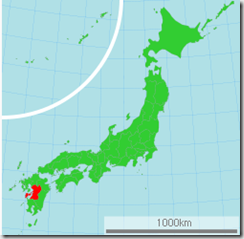
It’s been three years since Japan has had to deal with an H5 avian flu outbreak in poultry or wild birds (see OIE reports 29/06/11 Final report 48089 & 25/06/11 Final report 48022), but that respite appears over as several birds at a poultry farm in Kumamoto Prefecture have tested positive for the avian virus. 


The exact subtype has yet to be identified, but any form of H5 influenza is considered a serious threat to the poultry industry, so Japan’s MAFF (Ministry of Agriculture, Forestry & Fisheries) has issued culling and quarantine instructions.


We should learn in the next day or so whether this outbreak is due to H5N1, H5N2, or the newly emerged H5N8 virus.  Below you’ll find links to announcement from MAFF, along with a translated statement  on the outbreak.


About the situation of avian influenza in Japan

April 13, 2014, in the flesh for chicken farm in Kumamoto Prefecture, suspected affected animals of highly pathogenic avian influenza, which is a domestic animal infectious disease has been confirmed.

The We ask everyone who livestock stakeholders, including the poultry breeding farm, we ask that you deemed to early detection of abnormal poultry breeding and thorough hygiene management again.

Related notification
Press release


 April 13, 2014

Ministry of Agriculture, Forestry and Fisheries

For the installation of the "Ministry of Agriculture, Forestry and Fisheries avian influenza epidemic prevention task force" and confirmation of suspected affected animals of highly pathogenic avian influenza in Kumamoto Prefecture

Today, in the flesh for chicken farm I Kumamoto Prefecture, suspected affected animals of highly pathogenic avian influenza, which is a domestic animal infectious disease has been confirmed. For this reason, today, we held by installing the "Ministry of Agriculture, Forestry and Fisheries avian influenza epidemic prevention task force", the Ministry of Agriculture has decided to deal with future policies.

In addition, since the feeding administrator of the farm, was also carried out another farm management II, by the farm was also determined that the occurrence of farm suspected affected animals.

2 The farm has been restricting the movement of poultry rearing, etc. from the time the simple test were positive on a farm that symptoms develop.

It should be noted that, in our country, by eating poultry and egg poultry meat, cases of avian influenza virus was transmitted to humans has not been reported until now.

That may cause the spread of the disease, because it could violate the privacy of the person of the farmers, coverage in the field, thank you for your cooperation as strictly abstain.

Overview 1. Farms

Location:

I doubt generation farm

Kumamoto Prefecture Kuma County (Kuma-gun) Taragi Town (Taragi Town)

II caretaker farms the same

The prefecture same county Sagara Village (Sagara Village)

Feeding situation:

I meat for chicken (about 50,006 Senba)

II for chicken meat (about 50,006 Senba)

2. History

Afternoon (1) yesterday, Kumamoto Prefecture, conduct on-site inspection of the farm I have received a report of dead chickens, etc. increase.

Positive in five birds 5 birds in dead chickens (2) influenza simple test.

For the farm, with an instruction to limit movement of poultry, etc., (3) the district conducted a genetic testing.

(4) today, the results of genetic testing, make sure that it is a subtype H5.

(5) In addition, for feeding administrator of the farm, was also carried out another farm management II, by the farm also determined that the occurrence of farm suspected affected animals. In addition, the instructions already moved another limitation on the farm is the same prefecture.

Response 3. Future

Based on such "specific livestock epidemic quarantine guidelines for low pathogenic avian influenza and highly pathogenic avian influenza", perform the following measures.

The setting of movement restricted areas for the area of ​​3km radius within baked burial and culling of breeding poultry of 2 farm 1. I said, from II farm, required setting of the carry-out restricted areas for the area of ​​10km within III 3km radius The implementation quickly and accurately epidemic prevention measures.

For farm 2. Transfer restricted area, and carried out the occurrence confirmation test as soon as possible.

For three. Spread prevention, strengthen the disinfection of occurrence farm neighborhood and set up a disinfection point on the main road.

Held a 4. Food, Agriculture and Rural Policy Council Animal Health Subcommittee poultry disease subcommittee, to obtain technical advice necessary to quarantine measures.

In order to understand exactly 5. Infection status, the route of infection, etc., and to allow the study of precise quarantine policy, and dispatched experts of the National Institute of Animal Health and the Ministry of Agriculture, Forestry and Fisheries.

In order to support the quarantine measures 却等 embedded fired and killed six. Kumamoto Prefecture, as required, and dispatched "emergency assistance team" animal quarantine station around the country, from the National Livestock Breeding Center, etc..

Dispatch of 7. Epidemiological study team.

For 8. Every prefecture, Notification again to thoroughly Early Notification and early detection of the disease.

While achieving sufficient cooperation and 9. Relevant ministries, and strive to provide the most accurate information producers, consumers, to distributors, etc..

4. Others

(1) the farm, you restrict the movement of poultry rearing, etc. from the time that was positive in the simple test.

(2) Note that, in Japan, by eating poultry eggs and poultry meat, cases of avian influenza virus was transmitted to humans has not been reported until now.

That may cause the spread of the disease, because it could violate the privacy of the person of the farmer, interview (3) site, we will ask for your cooperation as strictly abstain.

As there is no possibility that both (4) future, so will endeavor to provide information fast, accurate, consumer officials and producers such as confusion due to unfounded rumors, thank you for your cooperation.

Monday, January 14, 2013

Updating The New York H5N? Report

image

Photo Credit – FAO


# 6856


Two days ago in (Presumably) LPAI H5N1 Found In New York, I blogged on a report from National Chicken Council’s Washington Report indicating that (presumably Low Pathogenic) H5N1 avian influenza had been detected at a New York live bird market, resulting in a halt of poultry exports to Japan & Taiwan.


Since then, a lot of people have been trying to track down details on this story, with very little success.


At least until this afternoon, when Sharon Sanders of FluTrackers managed to get responses from two members of the National Chicken Council who informed her that:


The USDA notified them of a laboratory confirmed low pathogenic H5N1 trace picked up from routine surveillance from a live market in one of the boroughs of New York City. This occurrence was approximately 2 weeks ago and they characterized this market as some type of neighborhood venue that sells non-commercially grown poultry i.e. not from a large commercial grower.


They also further clarified that the test came back positive for H5, but the N1 component was not detected.


Shortly after 5pm today, the USDA’s APHIS (Animal and Plant Health Inspection Service) forwarded the following information to Flutrackers and ProMed Mail  (along with a number of other recipients).


On behalf of Veterinary Services, APHIS, US Dept of Agriculture, I’d like to provide the following additional information on the 12Jan13 posting “PRO/AH/EDR> Avian influenza (H5N1:low path) - USA: (NY) poultry, RFI”:

· A Muscovy duck from a Brooklyn, NY Live Bird Market tested positive by rRT-PCR specific for the hemagglutinin H5 gene and negative for the neuraminidase N1 gene of avian influenza virus.

· Virus isolation is pending and we do not have an N-type at this time.

· The amino acid sequencing at the hemagglutinin protein cleavage site is compatible with North American low pathogenic avian influenza.

·  The market underwent an immediate sell down, closure and cleaning and disinfection (C&D). The C&D was completed on 1/11/13.

· Tracing and testing of the source flocks is underway.


To read how this whole detective story has unfolded over the past 48 hours, I would invite you to read this thread on FluTrackers. 

Kudos to the entire FluTrackers Team for staying on top of this story.


As I wrote on Saturday, the discovery of LPAI H5N1 in the United States is neither terribly unusual, nor is it a public health concern.  But as LPAI viruses can be progenitors of more virulent HPAI strains, steps will have to be taken to contain and eradicate this virus.