Showing posts with label Guidelines. Show all posts

Tuesday, November 11, 2014

ECDC: New Public Health Management Guidelines On Ebola

image


# 9307


The ECDC has released a pair of technical reports today on the public health management of Healthcare workers returning from Ebola-affected nations, and on anyone who might have been exposed to Ebola while in the EU.  We’ve seen similar guidance issued by the CDC, PHAC, Public Health England, and other government agencies – and while similar in many ways – each approaches the topic a bit differently.


A few excerpts follow, but download both PDFs to read them in their entirety. First stop is a 7-page report called:


Public health management of healthcare workers returning from Ebola-affected areas

7 November 2014

Proposed options

All healthcare workers (HCW) returning from affected areas should be provided with information upon their return. In addition they should undergo an individual exposure assessment as early as possible upon returning.  Additional measures can be considered on the basis of the results of the exposure assessment,  using the guidance in the table below.

image

(Continue . . . .)

The second document is an update to one we examined on October 23rd (see ECDC: Management Of Contacts Of Ebola Virus Disease Cases In The EU) that seeks to quantify the difference between `low risk’ and `high risk’ Ebola exposure, and to set a path on how to deal with both.


Public health management of persons having had contact with Ebola virus disease cases in the EU


7 November 2014

(EXCERPT)

Definition of contact persons


A contact person of an EVD case is a person not currently presenting symptoms, who has or may have been in contact with an EVD case, bodily fluids from a case, or a soiled environment. The associated risk of infection depends on the level of exposure which will, in turn, determine the type of monitoring.


1. Definition of contact persons with low-risk exposure:


Casual or physical contact with a feverish but ambulant and self-caring EVD case (e.g. sharing a seating
area or public transportation, including airplane transport; receptionist tasks; etc.)

Close, face-to-face or physical contact with a case (not coughing or vomiting)

Household, classroom or office contact.

2. Definition of contact persons with high-risk exposure2:

  • Close face-to-face contact (e.g. within one metre) without appropriate personal protective equipment (including eye protection) with a probable or confirmed case who is coughing, vomiting, bleeding, or has diarrhoea.
  • Direct contact with bodily fluids or any materials soiled by bodily fluids from a probable or confirmed case.
  • Percutaneous injury (e.g. with a needle) or mucosal exposure to bodily fluids, tissues or laboratory
    specimens of a probable or confirmed case.
  • Participation in funeral rites having direct contact with human remains (including bodily fluids) of a case in or from an area experiencing community transmission without appropriate personal protective equipment.
  • Having had unprotected sexual contact with a case within three months of the case recovering from EVD.
  • Having had direct contact with bushmeat, bats or primates, living or dead, from affected areas.

<SNIP>

• Contact with low-risk exposure:
− Self-monitoring for EVD symptoms, including fever of any grade, for 21 days after last exposure. Public
health authorities may do more, depending on the specific situation.
• Contact with high-risk exposure:
− Active monitoring for EVD symptoms, including fever of any grade, for 21 days after last exposure by public
health authorities;
− No travel abroad;
− Remaining reachable for active monitoring;
− Restriction of contacts (voluntary self-quarantine or imposed) to be considered in the event of very high-risk
exposure.


Contact persons should immediately self-isolate and contact health services in the event of any symptom appearing within 21 days. If no symptoms appear within 21 days of last exposure the contact person is no longer considered to be at risk of developing EVD.

(Continue . . . )

Friday, June 13, 2014

WHO Update On MERS-CoV Transmission Risks From Animals To Humans

Photo: ©FAO/Ami Vitale

Credit FAO


# 8739


Over the past nine months we’ve seen a steady procession of research papers, and cautionary public health statements, implicating camels as one potential source of human infection with the MERS Coronavirus.  


The virus has certainly been found in camels see Kuwait Tests Camels - Finds 6% Positive For MERS-CoV), and  we’ve seen a few instances where camel-to-human transmission is strongly suspected (see CIDRAP: More Evidence for Camel-to-Human MERS-CoV Transmission).


Yesterday, in Eurosurveillance: MERS-CoV Antibodies & RNA In Camel’s Milk – Qatar research supporting the notion that consumption of unpasteurized camel’s milk might be a route to infection. 


Acceptance of this MERS-camel connection in Saudi Arabia and the Middle East has been slow in coming. We’ve seen tepid warnings about avoiding raw camel products, along side statements from officials that there is no actual `proof’ that camels can transmit the virus to humans (see Saudi MOA Spokesman: Camel Link Unproven).


For many Saudis, the idea that camels – a beloved national symbol that literally made settlement of that arid region possible – could carry a disease deadly to humans,  is simply unthinkable. 


Nevertheless, the evidence is mounting, and today the World Health Organization released the following interim statement on the risks of camel-to-human transmission of the virus.


Middle East respiratory syndrome coronavirus (MERS‐CoV)


13 June 2014


Update on MERS‐CoV transmission from animals to humans, and interim recommendations for at‐risk groups


Over the past year, several investigations into the animal source of MERS‐CoV have been conducted. MERS‐CoV genetic sequences from humans and camels in Egypt, Oman, Qatar and Saudi Arabia demonstrate a close link between the virus found in camels and that found in people in the same geographic area. These and other studies have found MERS‐CoV antibodies in camels in Africa and the Middle East. 


Preliminary results from an ongoing investigation in Qatar show that people working closely with camels (e.g. farm workers, slaughterhouse workers and veterinarians) may be at higher risk of MERS‐CoV infection than people who do not have regular close contacts with camels. In Qatar and several other countries, animals, including goats, cows, sheep, water buffalo, swine and wild birds, have been tested for antibodies to MERS‐CoV, with no positive results.


The absence of antibodies in these animals indicates that the likelihood of other animals having a substantial role in transmission of MERS‐CoV is very low. These studies provide evidence that camels are a likely primary source of the MERS‐CoV that is infecting humans.  The current pattern of disease appears to be the result of repeated introductions of the virus from camels to people, resulting in limited human‐to‐human transmission, but not in sustained transmission.

Therefore, discovery of the routes of transmission, whether direct or indirect, between camels and people, is critical to stopping transmission of the virus.  WHO is working with partner agencies with expertise in animal health and food safety, including FAO, OIE and national authorities, to facilitate ongoing investigations. 


Investigation protocols and guidelines for dealing with new cases are available on the WHO website (http://www.who.int/csr/disease/coronavirus_infections/en/). 


General recommendations


As a general precaution, anyone visiting farms, markets, barns or other places where camels are present should practice general hygiene measures, including regular hand washing after touching animals, avoiding touching eyes, nose or mouth with hands, and avoiding contact with sick animals. People may also consider wearing protective gowns and gloves while handling animals. 


The consumption of raw or undercooked animal products, including milk and meat, carries a high risk of infection from a variety of organisms that might cause disease in humans. Animal products processed appropriately through proper cooking or pasteurization are safe for consumption but should also be handled with care, to avoid cross‐contamination with uncooked foods.

Recent studies in Qatar show that MERS‐CoV can be detected in raw milk from infected camels. Whether camels excrete MERS‐CoV in milk or the virus gets into the milk through cross‐contamination during milking is unclear. However, if MERS‐CoV is present, it will be destroyed by pasteurization or cooking. Camel meat and camel milk are nutritious products that can continue to be consumed after cooking, pasteurization, or other heat treatments. Safe alternatives should be developed to the tradition of sales of raw camel milk for direct consumption, along roadsides and farm gates.


Recommendations for at‐risk groups


Until more is understood about MERS, people with diabetes, renal failure, chronic lung disease, and immunocompromised persons are considered at high risk of severe disease from MERS‐CoV infection. Therefore, these people should avoid contact with camels, should not drink raw camel milk or camel urine, and should not eat meat that has not been properly cooked. Such recommendations should also be disseminated to travellers, tourists and pilgrims with above mentioned underlying conditions coming to the region from around the world.


Preliminary results from recent studies in Qatar indicate that people handling or working with camels are at increased risk of infection with MERS‐CoV compared with people who do not have contact with camels. Until more evidence is gathered, it is prudent for camel farm workers, slaughterhouse workers, market workers, veterinarians and those handling camels at racing facilities to practice good personal hygiene, including frequent hand washing after touching animals.

They should wear facial protection where feasible and protective clothing, which should be removed after work and washed daily.  Workers should also avoid exposing family members to soiled work clothing, shoes, or other items that may have come into contact with camel excretions. It is therefore recommended that these clothes and items remain at the workplace for daily washing and that workers have access to and use shower facilities at their workplaces before leaving the premises.


Camels infected with MERS‐CoV may not show any signs of infection. It is therefore not possible to know whether an animal in a farm, market, race track or slaughterhouse is excreting MERS‐CoV that can potentially infect humans. However, infected animals may shed MERS‐CoV through nasal and eye discharge, faeces, and potentially in their milk and urine. The virus may also be found in the organs and meat of an infected animal. Therefore, until more is known about infection in animals, the best protection is to practice good hygiene and avoid direct contact with all of these. Obviously sick animals should never be slaughtered for consumption; dead animals should be safely buried or destroyed. 


People who are not wearing protective gear should avoid contact with any animal that has been confirmed positive for MERS‐CoV until subsequent tests have confirmed that the animal is free of the virus.


Monday, November 18, 2013

AAP/CDC: New Guidance On For Antibiotics For Children

image

# 7989


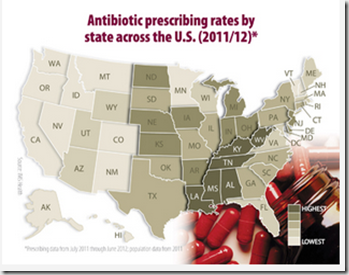
As the graphic above shows, there is considerable geographic disparity in the amount of antibiotics being prescribed across this country, with doctors some parts of the country being much quicker write ABx scripts than doctors in other regions.


In an attempt to bring some sensible level of standardization to the prescribing these drugs – and in so doing, hopefully reduce the creation and spread of antibiotic resistant bacteria - the American Academy of Pediatrics (AAP) and the CDC have produced a new set of guidelines for doctors to encourage  the judicious use of antibiotics when treating children with suspected bacterial infections.


First, some excerpts from the CDC’s press release, and then a link to the article in the journal Pediatrics.


New guidance limits antibiotics for common infections in children

Get Smart About Antibiotics Week 2013 calls for responsible antibiotic prescribing

Every year as many as 10 million U.S. children risk side effects from antibiotic prescriptions that are unlikely to help their upper respiratory conditions. Many of these infections are caused by viruses, which are not helped by antibiotics.

This overuse of antibiotics, a significant factor fueling antibiotic resistance, is the focus of a new report Principles of Judicious Antibiotic Prescribing for Bacterial Upper Respiratory Tract Infections in Pediatrics by the American Academy of Pediatrics (AAP) in collaboration with the Centers for Disease Control and Prevention (CDC).

Released today during Get Smart About Antibiotics Week, the report amplifies recent AAP guidance and promotes responsible antibiotic prescribing for three common upper respiratory tract infections in children: ear infections, sinus infections, and sore throats.

Antibiotic resistance occurs when bacteria evolve and are able to outsmart antibiotics, making even common infections difficult to treat. According to a landmark CDC report from September 2013, each year more than two million Americans get infections that are resistant to antibiotics and 23,000 die as a result.

For Clinicians:

3 Principles of Responsible Antibiotic Use

  1. Determine the likelihood of a bacterial infection: Antibiotics should not be used for viral diagnoses when a concurrent bacterial infection has been reasonably excluded.
  2. Weigh benefits versus harms of antibiotics: Symptom reduction and prevention of complications and secondary cases should be weighed against the risk for side effects and resistance, as well as cost.
  3. Implement accurate prescribing strategies: Select an appropriate antibiotic at the appropriate dose for the shortest duration required.

“Our medicine cabinet is nearly empty of antibiotics to treat some infections,” said CDC Director Tom Frieden, M.D., M.P.H.  “If doctors prescribe antibiotics carefully and patients take them as prescribed we can preserve these lifesaving drugs and avoid entering a post-antibiotic era.”

By providing detailed clinical criteria to help physicians distinguish between viral and bacterial upper respiratory tract infections, the recommendations provide guidance for physicians that will improve care for children. At the same time, it will help limit antibiotic prescriptions, giving bacteria fewer chances to become resistant and lowering children’s risk of side effects.

(Continue . . .)


The entire 11 page PDF is available online from the American Academy of Pediatrics (see link below).  The authors describe this guidance:


This clinical report focuses on antibiotic prescribing for key pediatric URIs that, in certain instances, may benefit from antibiotic therapy: AOM, acute bacterial sinusitis, and  pharyngitis. The specific recommendations are applicable to healthy children who do not have underlying medical conditions (eg, immunosuppression) placing themat increased risk of developing serious complications. The purpose of this report is to provide practitioners specific context using the most current recommendations and guidelines while applying 3 principles of judicious antibiotic use: (1) determination of the likelihood of a bacterial infection, (2) weighing the benefits and harms of antibiotics, and (3) implementing judicious prescribing strategies.


Follow the link to read and download the entire report:


Principles of Judicious Antibiotic Prescribing for Bacterial Upper Respiratory Tract Infections in Pediatrics

Adam L. Hersh, Mary Anne Jackson, Lauri A. Hicks and the COMMITTEE ON INFECTIOUS DISEASES

DOI: 10.1542/peds.2013-3260 ; originally published online November 18, 2013; Pediatrics

The online version of this article, along with updated information and services, is located on the World Wide Web at: http://pediatrics.aappublications.org/content/early/2013/11/12/peds.2013-3260


For more on this week’s focus on better stewardship of our antibiotic arsenal, you may wish to visit these recent blogs:


Surviving Winter’s Ills Without Abusing Antibiotics
The Lancet: Antibiotic Resistance - The Need For Global Solutions
ECDC: Antibiotic Resistance In the EU – 2012

Thursday, October 24, 2013

PHAC: Interim Guidelines For Surveillance Of MERS-COV & H7N9 In Canada

Coronavirus

Photo Credit NIAID


# 7896


Although no H7N9 or MERS cases have been detected in North America, and currently the PHAC (Public Health Agency of Canada) considers the risks to Canadians to be low at this time,  Canada – like the United State’s CDC – is gearing up surveillance procedures in order to be able to detect  introduction of the virus at the earliest opportunity.


Yesterday, PHAC released two new Interim guidelines for National Surveillance on these emerging viruses.


October 23, 2013  Interim National Surveillance Guidelines for Human Infection with Avian Influenza A(H7N9)

October 23, 2013I Interim National Surveillance Guidelines for Human Infection with Middle East Respiratory Syndrome Coronavirus (MERS-CoV)


You’ll find that both documents follow the same format, but are customized for each virus.  A few brief excerpts from the MERS-CoV Guidance  follow, but you’ll probably want to examine both documents in their entirety.


Surveillance Goals and Objectives

Given the evidence to date, the main goal of public health response is early detection and containment.

To accomplish this goal, following national surveillance objectives have been developed:

  1. Detect human cases of MERS-CoV infection in Canada
  2. Monitor the incidence and the geographical distribution of new cases over time
  3. Describe and monitor changes in the epidemiological and virological features of the disease(e.g. clinical features and progression, morbidity, mortality, incubation period, mode of transmission, at risk populations)
  4. Notify and disseminate information to stakeholders in order to facilitate timely and appropriate public health activities
Case Definition

The Public Health Agency of Canada has developed case definitions for classification and reporting of human cases of MERS-CoV. They are located on the Public Health Agency of Canada website.

Case Identification and Interview

Laboratory-confirmation of a MERS-CoV case is an immediate trigger to launch a thorough investigation. However, because collection, shipment, and testing of specimens often require several days or longer, the investigation may need to begin before laboratory test results are available for suspected cases. Even if laboratory-confirmation is not possible, an investigation should still be launched if a patient is strongly suspected to have MERS-CoV infection.

The patient and/or family members (if the patient is too ill to be interviewed or has died) should be interviewed within the first 24–48 hours of the investigation to collect basic demographic, clinical, and epidemiological information. A sample case investigation/reporting form for the interview can be found on the Public Health Agency’s website. Provinces and territories may choose to use this form, or a similar form developed for use within their jurisdiction.

Essential Basic Information

Within 24 hours of notification, the following priority data elements (Box 1) should be submitted on the initial case report form or through electronic methods for confirmed and probable cases (within 24 hours of PT notification)Footnote 1.

image

Contact Monitoring

Close contacts of confirmed or probable cases should be identified and monitored for the appearance of respiratory symptoms for 14 days after last exposure to the confirmed or probable case, while the case was symptomatic. Any contact that becomes ill with symptoms compatible with MERS-CoV in that period of time should be tested for MERS-CoV. Ring testing (testing those with closest and most prolonged contact) should be considered, and a subset of those with progressively less contact should be identified to evaluate transmissibility and evidence of asymptomatic infection.

A line-listing of all contacts and exposed persons that records demographic information, date of first and last common exposure or date of contact with the confirmed or probable case, and date of onset if fever or respiratory symptoms develop should be maintained. The common exposures and type of contact with the confirmed or probable case should be thoroughly documented for any contacts that become infected with MERS-CoV.

Additional information can be found in the Interim Guidance for Public Health Management of Human Illness Associated with MERS-CoV.

Enhanced Surveillance

Surveillance in the setting under investigation should be enhanced to detect cases that might arise subsequent to the discovery of the index case. The geographical area targeted will need to be assessed and defined by the suspected exposures of the confirmed case under investigation. The duration of the enhanced surveillance will depend on the findings of the investigation and whether there is evidence indicating that sustained transmission may be occurring in the area. A minimum of one month of enhanced surveillance is a reasonable starting point.

Enhancements include:

  • Establish mechanisms for rapid transfer of specimens to the National Microbiology Laboratory (NML)
  • Inform clinicians in the community of the need for increased vigilance and triggers for identification and notification
  • Increase testing for MERS-CoV of SARI cases at) local health care facilities in the area under investigation.
  • If resources allow, consider some testing of milder cases of influenza-like illness presenting to surveillance sites.

(Continue . . . )

PHAC also updated their Public Health Advisory on MERS-CoV for Canadians earlier today:

Public Health Notice: Middle East Respiratory Syndrome Coronavirus (MERS-CoV)

24 Oct 2013
Information is reviewed on a regular basis and updated as required.

Why you should take note

Since April 2012, cases of the Middle East Respiratory Syndrome Coronavirus (MERS-CoV) have been identified in eight countries: the United Kingdom (UK), Jordan, Qatar, Saudi Arabia, the United Arab Emirates, France, Tunisia and Italy. The initial cases in the UK, France, Tunisia and Italy were linked to travel to the Middle East.

Coronaviruses are the cause of the common cold, but can also be the cause of more severe illnesses with flu-like symptoms, including Severe Acute Respiratory Syndrome (SARS), with some cases resulting in death. This new virus is not the SARS virus. Additional cases of this new strain of coronavirus are expected. Official numbers are available hereExternal site.

Risk to Canadians

The risk to Canadians is low. This virus does not appear to spread easily from person to person.

At the same time, we do not yet fully understand exactly how people become infected with MERS-CoV. Experts are still investigating its source and how it spreads.

In the cases where it has appeared to have spread between people, those cases involved close contacts: family members, co-workers, fellow patients and healthcare workers.

Federal and provincial laboratories have been testing specimens and there are currently no cases in Canada.

Canadians can help protect themselves against these types of viruses by following some general measures:

  • Avoid close contact with anyone showing signs of illness (such as coughing and sneezing);
  • Cough and sneeze in your arm rather than your hand;
  • Wash your hands often and thoroughly;
  • Stay at home when sick.

(Continue . . . )


Note: The United States issued similar interim guidance for MERS-CoV in August (see CDC HAN Update On MERS-CoV) and for H7N9 in June (see CDC: Updated H7N9 Guidance Docs).

Tuesday, October 01, 2013

H7N9: Updated CDC Guidance For Antiviral Treatment

image


# 7827


While we’ve not seen any new cases of H7N9 in China since August, concerns remain that this virus is still circulating in the wild, and that it could reappear this fall or winter in humans.  Given the lab studies over the summer which suggest this virus – more than any other avian flu virus we’ve seen – shows signs of adaptation to mammals (see Science: H7N9 Transmissibility Study In Ferrets), worries over its potential spread beyond China has prompted the CDC to issue repeated guidance documents.


Late yesterday (Sept. 30th), two new guidance documents were posted, both dealing with antiviral medications and infection with, or exposure to, the H7N9 virus.


We’ll take them one at a time. First, in this blog, we’ll look at antiviral treatment.  I’ll post a second blog on chemoprophylaxis later this afternoon.


Due to their length I’ll only post excerpts.  You’ll want to follow the links to read them in their entirety.


Interim Guidance on the Use of Antiviral Agents for Treatment of Human Infections with Avian Influenza A (H7N9) Virus - Monday, September 30, 2013 8:46:00 PM

This document replaces “Interim Guidance on the Use of Antiviral Agents for Treatment of Human Infections with Avian Influenza A (H7N9) Virus” posted on April 18, 2013. Since that date, a Health Advisory with updated recommendations for testing and updated case definitions for H7N9 virus infection were released to reflect current epidemiology of H7N9 cases and risk assessment for infection. This guidance on antiviral treatment has been updated to be consistent with current CDC and World Health Organization recommendations, and provides updated recommendations for antiviral treatment of confirmed cases and probable cases of human infection with avian influenza A (H7N9), as well as cases under investigation for human infection with avian influenza A (H7N9) virus in the United States.

The previous guidance recommended antiviral treatment for all confirmed cases, probable cases, and cases of H7N9 under investigation.The new guidance continues to recommend treatment for all hospitalized H7N9 cases, and for confirmed and probable outpatient H7N9 cases. The primary change in the new guidance is that outpatient cases under investigation who have had recent close contact with a confirmed H7N9 case should receive antiviral treatment, whereas outpatients meeting only the travel exposure criteria for a case under investigation are not recommended to receive antiviral treatment (see Interim Guidance on Case Definitions to be Used for Novel Influenza A (H7N9) Case Investigations in the United States). For guidance on investigation of close contacts of confirmed or probable cases, see new Interim Guidance on the Use of Antiviral Medications for Chemoprophylaxis of Close Contacts of Persons with Avian Influenza A (H7N9) Virus Infection).

<SNIP>

Hospitalized Patients

  • Initiation of antiviral treatment with a neuraminidase inhibitor is recommended as early as possible for hospitalized patients who are confirmed cases, probable cases, or H7N9 cases under investigation, even if more than 48 hours has elapsed since illness onset.
  • For hospitalized patients and patients with severe or complicated illness, treatment with oral or enterically administered oseltamivir is recommended. Inhaled zanamivir is not recommended because of the lack of data for use in patients with severe influenza disease.
  • Laboratory testing and initiation of antiviral treatment should occur simultaneously; treatment should not be delayed while waiting for laboratory testing results. (For information regarding collection and laboratory testing, please see Interim Guidance for Specimen Collection, Processing, and Testing for Patients Who May Be Infected with Avian Influenza A (H7N9) Virus.)
  • The recommended treatment course for uncomplicated influenza is two doses per day of a neuraminidase inhibitor medication for 5 days; however, the optimal duration and dose are uncertain for severe or complicated influenza. Pending further data, longer courses of treatment (e.g., 10 days of treatment) should be considered for severely ill hospitalized H7N9 patients.
    • Clinical judgment and virologic testing of lower respiratory tract specimens by rRT-PCR should guide decisions to consider treatment regimens longer than 5 days for patients with severe and prolonged illness, until clearance of viral shedding. For patients with lower respiratory tract disease, lower respiratory tract specimens, such as bronchoalveolar lavage or endotracheal aspirate, are preferred; an oropharyngeal (throat) swab may be collected if lower respiratory specimens are not available.
    • Longer treatment regimens might be necessary in immunosuppressed persons who may have prolonged viral replication and also are at risk of developing antiviral-resistant virus.
    • A higher dose of oseltamivir has been recommended by some experts (e.g., 150 mg twice daily in adults with normal renal function) for treatment of influenza in immunocompromised patients and in severely ill hospitalized patients, although it is unknown if this provides clinical benefit [38-40].
  • Although oral or enterically delivered oseltamivir is well absorbed in critically ill influenza patients [41-45], for patients who cannot tolerate or absorb oral oseltamivir because of suspected or known gastric stasis, malabsorption, or gastrointestinal bleeding, the use of investigational intravenous (IV) zanamivir should be considered. IV zanamivir is an investigational parenterally administered neuraminidase inhibitor product available by enrollment in a clinical trial or compassionate use under an emergency investigational new drug (EIND) request to the manufacturer. An IV zanamivir compassionate use request may be made by contacting the GSK Clinical Support Help Desk via email (gskclinicalsupportHD@gsk.com) or by calling 1-877-626-8019 or 1-866-341-9160. The GSK Clinical Support Help Desk will provide information and instructions on obtaining IV zanamivir, assess eligibility for clinical trials, and provide the EIND form that needs to be completed to obtain FDA approval of release of the drug.
  • It is possible that some H7N9 viruses may rapidly become oseltamivir-resistant and remain zanamivir-susceptible [46]. If a hospitalized patient treated with oseltamivir manifests progressive lower respiratory symptoms, resistant virus should be considered, and, after consultation with the CDC Influenza Division, investigation for antiviral resistance should be performed and oseltamivir should be stopped when IV zanamivir can be initiated.

<SNIP>

Uncomplicated Illness in Outpatients

  • Initiation of antiviral treatment with a neuraminidase inhibitor is recommended as early as possible for outpatients who are confirmed cases, probable cases, or cases under investigation based on exposure criteria consisting of contact with a confirmed human H7N9 case. Treatment is not currently recommended for outpatients whose exposure criteria consists only of travel to an area with H7N9 cases (see Interim Guidance on Case Definitions to be Used for Novel Influenza A (H7N9) Case Investigations in the United States).
  • When warranted, antiviral treatment should be initiated as early as possible, even if more than 48 hours has elapsed since illness onset. For H7N9, treatment is recommended even for otherwise healthy persons, but is especially important for those at higher risk of influenza complications: this includes children <5 years, with highest risk for those aged <2 years old, adults aged >65 years, pregnant women, and persons with certain underlying medical conditions. Please see link for complete list of people considered to be at higher risk for influenza complications at Influenza Antiviral Medications: Summary for Clinicians.
  • For outpatients with uncomplicated disease in whom fever is absent and symptoms are nearly resolved, decisions to initiate antiviral treatment should be based on clinical judgment. Persons who are not treated with antiviral medications should be monitored for progression of illness.
  • Recommended duration of treatment for uncomplicated illness is 5 days.
  • Inhaled zanamivir is not recommended for persons with underlying airway disease (e.g., asthma or chronic obstructive pulmonary disease).


Of note, investigational intravenous (IV) zanamivir is mentioned as a potential  IV treatment option - but not peramivir -  which received a temporary EUA (Emergency Use Authorization) during the 2009 H1N1 pandemic.  Approved for use  in Japan and Korea, Peramivir’s U.S. Phase III trial was halted in November of 2012 for `futility’, and its future remains uncertain in the United States.

Thursday, August 08, 2013

WHO: Homecare Advice For Mild MERS-CoV Cases

 image

Photo Credit CDC


# 7551


Today The World Health Organization released a brief (7 page) document advising on how best to care for `mild’  MERS-CoV cases at home in the event that hospital care is either not feasible, or not desired by the patient.


We’ve already seen a small number of mild cases managed successfully at home, and should this virus ever begin to spread widely, the home care option will likely become even more common.


While acknowledging that hospitalization – at least at this stage of the spread of the virus – is probably preferable for all symptomatic cases, this document recognizes there may be some instances where home care is a reasonable option. They write:


Home care for patients with MERS-CoV infection presenting with mild symptoms


In view of the currently limited knowledge of the disease and its transmission, it may be prudent to hospitalize confirmed and probable (2) symptomatic cases of the MERS-CoV infection. This would ensure both safety and quality of healthcare and public health security.


However, for several possible reasons, including situations when inpatient care is unavailable or
unsafe, or in a case of informed refusal of hospitalization, alternative settings 3 for health care provision may need to be considered.

 
Depending on the local circumstances and resource availability, symptomatic contacts with milder symptoms 4 and without underlying conditions that put the patient at increased risk of developing complications, may be cared for in the home environment.


The same principle of care in the home environment applies to symptomatic patients not requiring or no longer requiring hospitalization. This decision requires careful clinical judgment and should be informed by assessing the safety of the patient’s home environment 5. 


I’ve included some excerpts, but you’ll want to download and read the entire document.


Rapid advice note on home care for patients with Middle East respiratory syndrome coronavirus (MERS-CoV) infection presenting with mild symptoms and management of contacts

08 August 2013

(EXCERPT)

Because of the possibility of rapid progression to the acute respiratory distress syndrome (ARDS) and other severe, life-threatening complications, even otherwise healthy, symptomatic contacts or probable cases should be placed under close medical observation when receiving care at home.


The patients and the household members should be educated on personal hygiene and basic infection prevention and control measures, and they should adhere to the following recommendations:

  • Limit contact with the ill person as much as possible. The household members should stay in a different room or, if that is not possible, maintain a distance of at least one metre from the ill person (e.g. sleep in a separate bed).
  • Ensure that anyone who is at increased risk of severe disease does not care for the ill person or come into close contact with the ill person. The current groups considered at increased risk for the MERS-CoV infection nclude those with chronic heart, lung or kidney conditions; diabetes; immunosuppression; blood disease; and older adults. If contact with the ill person
    cannot be avoided by those with an increased risk of severe disease, alternative housing should be considered.
  • Perform hand hygiene (12) following all contact with the ill person or his/her immediate environment. Hand hygiene should also be performed before and after preparing food, before eating, after using the toilet, and whenever hands look dirty. Perform hand hygiene using soap and water. If hands are not visibly soiled, alcohol-based hand rub can be used. Assistance for the ill person to perform regular hand hygiene may be provided as needed. Paper towels to dry hands are desirable; if they are not available, use dedicated cloth towels and replace them when they become wet.
  • Respiratory hygiene should be practiced by all, especially the ill person. Respiratory hygiene
    refers to covering the mouth and nose during coughing or sneezing using medical masks, cloth masks, tissues or flexed elbow, followed by hand hygiene.
  • Discard materials used to cover the mouth or nose, or clean them appropriately after use (e.g. wash handkerchiefs using regular soap or detergent and water).
  • The caregiver should wear a medical mask fitted tightly to the face when in the same room with the ill person. Masks should not be touched or handled during use. If the mask gets wet or dirty with secretions, it must be changed immediately. Discard the mask after use and perform hand hygiene after removal of the mask.


(Continue . . . )


Whether we are talking about a greater outbreak of MERS-CoV, or the spread of pandemic flu, the reality is during a genuine epidemic hospitals will quickly reach their capacity, and will be able to admit only the `sickest of the sick’.


Home care will become the norm, not the exception.


Flu.gov warns of Overloaded Health Care Systems during any severe influenza pandemic, writing:


  • Most people have little or no immunity to a pandemic virus. Infection and illness rates soar. A substantial percentage of the world’s population will require some form of medical care.
  • Nations are unlikely to have the staff, facilities, equipment, and hospital beds needed to cope with the number of people who get the pandemic flu.


Anticipating this, a number of state and federal agencies have prepared Home Care Guides for use during a pandemic. 


One of the most comprehensive, comes from the Santa Clara County Health Department, California and is available on CIDRAP’s Public Health Practices website. 


Home Care Guide: Providing Care at Home During Pandemic Flu


Home Care Guide (Vietnamese) Download pdf, 551 KB

Home Care Guide (Spanish)Download pdf, 203 KB

Home Care GuideDownload pdf, 6 MB

The Home Care Guide provides the public with a comprehensive description of how to care for sick family members at home during a pandemic. It includes lists of emergency supplies, guidelines on how to limit the spread of disease at home, instructions on how to take care of sick household members safely and effectively and basic information about pandemic flu. This guide was created prior to the emergence of novel H1N1 flu virus in 2009. Therefore, the fact sheets located under the attachments tab in the guide contain some generalized information about pandemics, as well as information about avian influenza that may need to be updated. The guide is available in English, Spanish, and Vietnamese.

image


Part of the advice in the WHO MERS guidelines, and the Pandemic Flu Homecare guides, is to use facemasks to reduce the spread of infection.  This from the Santa Clara County guide:


image


We obviously don’t  know if another pandemic is in the offing anytime soon, but it is always prudent to be prepared. Besides, most of the information provided in these flu brochures is applicable for dealing with seasonal flu at home, as well. 


So you may want to download one of these guides today, and think about what supplies you may want to have on hand that are available now, but that may be in short supply during an outbreak.


For more on the relative merits of different types of facemasks, you may also want to revisit The Great Mask Debate Revisited.

Wednesday, August 07, 2013

WHO: Guidelines For Post-Trauma Mental Health Care

image

Credit WHO


# 7548


We’ve discussed some of the issues surrounding post-trauma mental health here in the past, including:


Disaster’s Hidden Toll
Surviving A Different Kind Of Aftershock
Psychological First Aid: The WHO Guide For Field Workers
Post Disaster Stress & Suicide Rates


PTSD (Post Traumatic Stress Disorder) is increasingly recognized as a serious factor in the wake of any traumatic event, and early recognition and treatment can be invaluable in reducing its impact.


The World Health Organization has just released new guidelines on the treatment of PTSD, acute stress, and bereavement, which you can access at the link below:


Publication details

Number of pages: 273
Publication date: 2013
Languages: English
ISBN: 978 92 4 150540 6

Downloads
Overview

These WHO mhGAP guidelines were developed to provide recommended management strategies for conditions specifically related to stress, including symptoms of acute stress, post-traumatic stress disorder and bereavement.

The guidelines were developed by an independent Guidelines Development Group and inform a new mhGAP module on the Assessment and Management of Conditions Specifically Related to Stress.


Of note: Included in these guidelines is advice against the use of benzodiazepines (popular anti-anxiety drugs) during the first 30 days following a traumatic event, as they may actually slow recovery and have the potential to become addictive.  


For more background on these new guidelines we have the following press release:


WHO releases guidance on mental health care after trauma

New clinical protocol and guidelines to enable effective mental health care for adults and children exposed to trauma and loss

News release

6 August 2013 | GENEVA - WHO is releasing new clinical protocols and guidelines to health-care workers for treating the mental health consequences of trauma and loss.


Mental disorders are common, disabling and usually untreated, and WHO’s "Mental Health Global Action Programme (mhGAP)" was developed in 2008 to scale-up care for mental, neurological and substance use disorders with simple treatment protocols that can be offered by primary health-care doctors and nurses.

New care protocols for post-traumatic stress disorder and others

Now, WHO is extending this programme by including care for post-traumatic stress disorder (PTSD), acute stress and bereavement within its global programme.


“We have received numerous requests for guidance for mental health care after trauma and loss” says Dr Oleg Chestnov, WHO Assistant Director-General for Noncommunicable Diseases and Mental Health.

“Primary health-care providers will now be able to offer basic support consistent with the best available evidence. They will also learn when to refer to more advanced treatment.”


Traumatic events and loss a common experience

Traumatic events and loss are common in people’s lives. In a previous WHO study of 21 countries, more than 10% of respondents reported witnessing violence (21.8%) or experiencing interpersonal violence (18.8%), accidents (17.7%), exposure to war (16.2%) or trauma to a loved one (12.5%). An estimated 3.6% of the world's population has suffered from post-traumatic stress disorder (PTSD) in the previous year, the study showed.


Using the new protocol, which is co-published with the United Nations High Commissioner for Refugees (UNHCR), primary health-care workers can offer basic psychosocial support to refugees as well as people exposed to trauma or loss in other situations.


Types of support offered can include psychological first aid, stress management and helping affected people to identify and strengthen positive coping methods and social supports.


In addition, referral for advanced treatments such as cognitive-behavioural therapy (CBT) or a new technique called eye movement desensitization and reprocessing (EMDR) should be considered for people suffering from PTSD. These techniques help people reduce vivid, unwanted, repeated recollections of traumatic events. More training and supervision is recommended to make these techniques more widely available.


Warnings against some popular treatments

Primary health care staff are also warned against certain popular treatments. For example, benzodiazepines, which are anti-anxiety drugs, should not be offered to reduce acute traumatic stress symptoms or sleep problems in the first month after a potentially traumatic event.


“PTSD needs to be managed along with other common mental disorders” reports Dr Mark van Ommeren, Scientist in the WHO Department of Mental Health and Substance Abuse. “This new, simple WHO-UNHCR treatment protocol will guide health workers around the world to help adults and children who suffer from conditions specifically related to stress.” The new guidelines and protocol were published today in an article in "The Journal of the American Medical Association".

Additional information

There is no evidence on the benefits of benzodiazepines, a common anti-anxiety drug, on symptoms of traumatic stress after a recent potentially traumatic event. Benzodiazepines may slow down the time to recover from potentially traumatic events.


Key concerns about the use of benzodiazepines are that many people develop tolerance to their effects, gain little therapeutic benefit from chronic consumption, become dependent on them and suffer a withdrawal syndrome when they stop taking them.


Thus, the WHO recommendation is that benzodiazepines should not be offered to adults to reduce acute traumatic stress symptoms associated with significant impairment in daily functioning in the first month after a potentially traumatic event.


The WHO recommendation also notes that benzodiazepines can have their use for other mental disorders.

(Continue . . .)

Friday, September 14, 2012

IDSA: Pandemic and Seasonal Influenza Preparedness


image


# 6556


This morning the IDSA (Infectious Disease Society of America) and the AMA held a 2-hour webinar as part of the launch of an updated set of IDSA guidelines designed to educate federal policymakers on the issues of Pandemic and Seasonal Flu preparedness.


You’ll find a summary of their recommendations, and the link to download the 24-page PDF file at IDSA webpage below:


Pandemic and Seasonal Influenza


IDSA Pandemic and Seasonal Influenza Principles for US Action

IDSA has published (September 2012) an updated set of Pandemic and Seasonal Influenza Principles for United States Action to educate federal policymakers about how best to prepare for and respond to seasonal and pandemic influenza.


IDSA's first set of principles was issued in 2007 (see previous version here).  IDSA's updated principles rely upon the experience of the 2009 H1N1 influenza pandemic and are intended to assist the U.S. Department of Health and Human Services' (HHS) Assistant Secretary for Preparedness and Response (ASPR) and other agency officials as they establish priorities for implementation of the reauthorized Pandemic and All-Hazards Preparedness Act (PAHPA).

What Action Does IDSA Recommend?

IDSA strongly believes that much work remains ahead of us, and overall responses to seasonal influenza and pandemic preparedness must be closely interrelated. The Society calls for:

  • coordination between HHS and other U.S. government departments, as well as a need for better coordination within HHS, particularly concerning influenza vaccine efforts
  • establishing processes for continual review of critical and rapidly evolving components of influenza preparedness, such as the contents of the Strategic National Stockpile (SNS)
  • vigorously supporting the uptake of the annual influenza vaccine by health care workers including through the adoption of a mandatory approach (see IDSA's revised policy statement (PDF) for details)
  • significant and sustainable multi-year funding that may be used flexibly particularly by local health departments for "All-Hazards" preparedness


(Continue . . . )


While many items were discussed during today’s webinar, the take-away message is that while much progress has been made in recent years, the United States remains vulnerable to many pandemic and other biological threats.


Influenza is by far the best known threat, but isn’t the only pandemic possibility.


The IDSA Guideline, in its conclusion, sums it up this way:


Influenza remains among the greatest infectious disease threats to our nation and the global community.  Despite the investments and progress made in research and preparedness over the past decade, substantial gaps remain. The next influenza pandemic is inevitable, only the timing,  severity,  and point of origin remain unknown.  We cannot be complacent. We cannot afford to be penny-wise and pound-foolish,  eroding the  progress made and leaving our nation and the world vulnerable.  We must be prepared.

Monday, October 18, 2010

AHA Unveils 2010 CPR Guidelines


# 4989


image


Just 8 hours post-embargo, we’ve got the new American Heart Association 2010 CPR Guidelines, including the media kit with a ton of supporting information, and a terrific new video.


As a former AHA CPR Instructor (as not to play favorites, I was also an American Red Cross Instructor), these new guidelines are of particular interest to me.   Much has changed since I taught the class, based on research that I’ve covered in this blog in the recent past.


JAMA: Compression Only CPR

Results Of CPR Without Rescue Breathing


Excerpts from the press release, followed by a couple of the promotional aids, and finally the 3 minute video. 


A New Order for CPR, Spelled C-A-B

Statement Highlights:

- The 2010 AHA Guidelines for CPR and ECC update the 2005 guidelines.

- When administering CPR, immediate chest compressions should be done first.

- Untrained lay people are urged to administer Hands-Only CPR (chest compressions only).


DALLAS, Oct. 18 /PRNewswire-USNewswire/ -- The American Heart Association is re-arranging the ABCs of cardiopulmonary resuscitation (CPR) in its 2010 American Heart Association Guidelines for Cardiopulmonary Resuscitation and Emergency Cardiovascular Care, published in Circulation: Journal of the American Heart Association.


Recommending that chest compressions be the first step for lay and professional rescuers to revive victims of sudden cardiac arrest, the association said the A-B-Cs (Airway-Breathing-Compressions) of CPR should now be changed to C-A-B (Compressions-Airway-Breathing).


<SNIP>


All victims in cardiac arrest need chest compressions. In the first few minutes of a cardiac arrest, victims will have oxygen remaining in their lungs and bloodstream, so starting CPR with chest compressions can pump that blood to the victim's brain and heart sooner. Research shows that rescuers who started CPR with opening the airway took 30 critical seconds longer to begin chest compressions than rescuers who began CPR with chest compressions.


The change in the CPR sequence applies to adults, children and infants, but excludes newborns.


Other recommendations, based mainly on research published since the last AHA resuscitation guidelines in 2005:

  • During CPR, rescuers should give chest compressions a little faster, at a rate of at least 100 times a minute.
  • Rescuers should push deeper on the chest, compressing at least two inches in adults and children and 1.5 inches in infants.
  • Between each compression, rescuers should avoid leaning on the chest to allow it to return to its starting position.
  • Rescuers should avoid stopping chest compressions and avoid excessive ventilation.
  • All 9-1-1 centers should assertively provide instructions over the telephone to get chest compressions started when cardiac arrest is suspected.


Given the changes in how CPR is performed, and that this is Sudden Cardiac Awareness Month (see MMWR: Sudden Cardiac Arrest Awareness Month) wouldn’t this be a good time to take (or re-take) a CPR training class?


It only takes a few hours, and it could end up helping you save the life of someone you love.


To find a local CPR course contact your local chapter of the American Red Cross, the American Heart Association, or (usually) your local fire department or EMS can steer you to a class.

Tuesday, September 21, 2010

CDC Finalizes Flu Infection Control Guidance


# 4920


Earlier this summer the CDC published their proposed Flu Infection Control Guidance, soliciting comments and recommendations from interested parties (see CDC: Proposed Influenza Infection Control Guidance).


Two major concerns of HCWs (Health Care Workers) was the issue of whether flu shots should be mandatory, and a decision on what type of mask (surgical or N95 respirator) should be used for routine care of flu cases.


Despite calls from several major Infectious disease organizations (IDSA, SHEA, AAP), the CDC stopped short of recommending that flu shots be mandatory for HCWs.


Surgical masks were deemed appropriate for routine care of flu patients, although N95s are still recommended for certain higher risk procedures.


Rather than re-invent the wheel, I’ll simply provide you with a link to the new guidance, and refer you to Lisa Schnirring’s excellent coverage at CIDRAP.


CDC finalizes flu prevention guidance for health settings

Lisa Schnirring * Staff Writer

Sep 20, 2010 (CIDRAP News) – The US Centers for Disease Control and Prevention (CDC) recently issued new guidance for preventing flu in healthcare settings that reflects a year's worth of new information about the 2009 H1N1 virus and recommends surgical masks rather than N-95 respirators when providing routine care for flu patients.

(Continue . . .)


Thursday, July 15, 2010

FDA Farm Antibiotic Guidance Meets Resistance


# 2727


The use of antibiotics by farmers on their livestock in this country is largely unregulated, and many critics believe this policy is leading to the creation of new and dangerous antibiotic resistant bacteria.


The FDA recently released an updated guidance document recommending that antibiotics be used `judiciously’.   Here is how they define that:


FDA recommends that all antimicrobial drugs for animals and people be used only when necessary and appropriate.


Based on a thorough review of the available scientific information, FDA recommends that the use of medically important antimicrobial drugs in food-producing animals be limited to situations where:


the use of medically important antimicrobial drugs is necessary for assuring animal health; and the use of medically important antimicrobial drugs includes veterinary oversight or consultation.


Guidance papers do not carry the weight of law, however, and so any real changes must pass legislative muster.  According to this report from Reuters, these changes are meeting some resistance on Capitol Hill.


Officials seek limits on livestock antibiotics

WASHINGTON | Wed Jul 14, 2010 9:42pm EDT

WASHINGTON (Reuters) - Proposals to ban the use of antibiotics as a livestock growth promotant could drive up farmers costs without improving public health, skeptical lawmakers said on Wednesday.


Legislation to ban the decades-old practice is unlikely to pass this year, said sponsor Louise Slaughter, but her plan is to move further next year. The Food and Drug Administration recommended on June 28 that antibiotics be used only to prevent or treat livestock disease.

(Continue . . . )


The draft guidance is available from the FDA website as a 19-page PDF file :


The Judicious Use of Medically Important Antimicrobial Drugs in Food-Producing Animals


FDA invites the public to comment on the draft guidance. Submit written comments on the draft guidance to the Division of Dockets Management (HFA-305), Food and Drug Administration, 5630 Fishers Lane, rm. 1061, Rockville, MD 20852. Submit electronic comments to http://www.regulations.gov.

For more information on submitting comments see the Notice of Availability.


A Q&A format information sheet is also available at the FDA site:


Questions and Answers on FDA's Draft Guidance on the Judicious Use of Medically Important Antimicrobial Drugs in Food-Producing Animals


Maryn McKenna – whose book Superbug: The Fatal Menace of MRSA deals with antibiotic resistance – did a series of blogs on her (now archived) Old Superbug website on the dangers of unregulated antibiotic usage in farm animals.


Several of those stories  showcased reports from the CBS Evening News with Katie Couric on the use of antibiotics on the farm.  All of these have video links:


CBS antibiotics and farming package, day one
CBS antibiotics and farming, day 2 - and more on the Danish experience
Antibiotics and farming — CBS follow-up video


If you want a not-exactly-short course on antibiotics in animals, I can think of no better resource than combing through Maryn’s Superbug archives.  


Try using the label search function to narrow down your request.  

http://www.superbugtheblog.com/search/label/animals

will return 81 mostly relevant blog entries.

Wednesday, June 23, 2010

CDC: Proposed Influenza Infection Control Guidance


# 4669


The CDC has published their proposed updated guidance on influenza infection control in the Federal Registry, and will accept written public comments until July 22nd.


Notice: Updated Guidance: Prevention Strategies for Seasonal Influenza in Healthcare Settings


Federal Register: June 22, 2010 (Volume 75, Number 119)       Page 35497-35503


AGENCY: Centers for Disease Control and Prevention (CDC), Department of Health and Human Services (HHS).

ACTION: Notice with comment period.


While there’s a lot to absorb here, of particular interest to many HCWs (Health Care Workers) is the proposed guidance on workplace vaccinations, and the use of surgical facemasks vs. N95 respirators.


The issue of mandatory HCW vaccination has been both contentious and controversial.


New York State attempted to require vaccination as a requirement to work as a HCW, but legal challenges and vaccine shortages forced them to abandon – at least temporarily – that mandate  (see New York Rescinds Mandatory Flu Shots For HCWs).


  • Some hospitals around the nation have adopted mandatory vaccination – or require the wearing of masks by unvaccinated workers during flu season.
  • APIC (Association for Professionals in Infection Control and Epidemiology) has been promoting the idea of mandatory flu shots for HCWs for over a year (see APIC Seeking Mandatory Flu Shot For HCWs)
  • And the New York State Health Department indicates that they will pursue mandatory vaccination again in 2010, assuming adequate vaccine supplies are available.


While strongly advocating HCW influenza vaccination, the CDC has stopped short of mandating them.

Here is the passage from the proposed guidance:

Strategies to improve HCP vaccination rates include providing incentives, providing vaccine at no cost to HCP, improving access (e.g., offering vaccination at work and during work hours), and requiring personnel to sign declination forms to acknowledge that they have been educated about the benefits and risks of vaccination.

While some have mandated influenza vaccination for all HCP who do not have a Contraindication, it should be noted that mandatory vaccination of HCP remains a controversial issue.


Another area of infection control that remains contentious has been the use of surgical facemasks in lieu of N95 respirators for respiratory protection.


For decades the assumption has been that surgical masks do not protect the wearer.  They are used to protect others from the wearer’s germs.


For that reason, N95 respirators have been routinely recommended by the CDC for HCWs in contact with pandemic flu patients.   


Despite that recommendation, many healthcare facilities opted to go with the (presumed) less protective surgical masks last year, citing a short supply of N95s and complaints by some HCWs that they are difficult to work in.


image image

N-95 Respirator         Surgical Facemask


The use of surgical masks during the opening months of the pandemic led to protests by some nurses.


Nurses Protest Lack Of PPE’s
Report: Nurses File Complaint Over Lack Of PPE
California Nurses Association Statement On Lack Of PPE


Last fall we saw conflicting studies, some suggesting that surgical masks were reasonably protective against influenza.


JAMA: Surgical Masks vs N95 Respirators

Study: Efficacy of Facemasks Vs. Respirators


In guidance, updated as recently as March of this year, the CDC continued to recommend N95 respirators for HCWs who came in close contact with suspected or confirmed influenza patients.


This new proposed guidance relaxes those recommendations to using surgical masks for routine care, and reserving N95 masks for aerosol producing procedures (intubation, suctioning, etc).


Again, quoting from the proposed guidance.

HCP should don a facemask when entering the room of a patient with suspected or confirmed influenza. Remove the facemask when leaving the patient's room, dispose of the facemask in a waste container, and perform hand hygiene.


Based on their local needs, facilities and organizations may opt to provide employees with alternative personal protective equipment as long as it offers the same protection of the nose and mouth from splashes and sprays provided by facemasks (e.g., face shields and N95 respirators or powered air purifying respirators which would also protect against inhaling airborne particles). 


For aerosol producing procedures, they recommend:


HCP should wear respiratory protection equivalent to a fitted N95 filtering facepiece respirator (i.e., N95 respirator) or higher level of protection (e.g., powered air purifying respirator) during aerosol-generating procedures (See definition of respirator in Appendix). 


These proposed guidelines are obviously not going to please everyone.   


Those advocating stricter infection control will see the vaccination recommendations as being tepid and short of the mark, while those concerned with individual rights will view this as a victory.


Many hospitals will doubtless find the relaxed guidelines on respiratory protection easier to deal with (and less expensive, as well), while some HCWs will continue to question the efficacy and wisdom of using surgical masks for respiratory protection.


These guidelines are `living documents’, however. Always subject to change when new information – or a new pathogen – emerges.  


Interested parties should read the entire document, and comment if they so desire.

You may submit written comments to the following address:


Influenza Coordination Unit, Centers for Disease Control and Prevention, U.S. Department of Health and Human Services, Attn: Prevention Strategies for Seasonal Influenza in Healthcare Settings, 1600 Clifton Road, NE., MS A-20, Atlanta, GA 30333.

You may also submit written comments via e-mail to: ICUpubliccomments@cdc.gov