Showing posts with label Wild Birds. Show all posts

Tuesday, January 06, 2015

HPAI H5 Reportedly Detected In California Wild Duck

image
 

# 9535


Last month we saw outbreaks HPAI H5N2 in British Columbian poultry farms (see Fraser Valley B.C. Culling Poultry After Detecting H5 Avian Flu) followed by the detection of HPAI H5N2 and HPAI H5N8 in wild and migratory birds in both Washington State and Oregon (see USDA/APHIS: H5N8 Detected In Oregon Backyard Flock).


Given the recent detections of HPAI H5 in Canada, and the Pacific Northwest of the United States – and the migratory patterns of birds along the Pacific Flyway – one shouldn’t be terribly surprised to see additional detections further south over time.


While I haven’t found anything on the APHIS, USDA, or California Department of Agriculture websites, the non-profit organization California Waterfowl has posted the following short notice (h/t Gert van der Hoek on FluTrackers) on their Facebook page, indicating that a hunter-harvested duck in Butte California has tested positive of HPAI H5.


California Waterfowl

Avian influenza news from the USDA: This week, as a result of increased surveillance in the Pacific flyway, USDA has confirmed the presence of HPAI in a wild duck in Butte County, California.

The samples in California were collected from a hunter-harvested gadwall in Butte County, California, as part of increased wild bird surveillance. Testing by the California Animal Health and Food Safety Laboratory, a National Animal Health Laboratory Network (NAHLN) laboratory, was positive on H5 PCR, and the sequencing results were consistent with Eurasian H5N8. The National Veterinary Services Laboratories (NVSL) received the samples on December 31 and confirmed the presence of HPAI H5N8. This is the same HPAI H5N8 strain that was found in Washington gryfalcons and the Oregon backyard poultry flock. This is not an unexpected finding, given wild waterfowl migratory patterns in the Pacific flyway.


Although this seems pretty solid, I’ll keep an eye out for any additional information. Hopefully we’ll get an OIE notification or some other official statement that would confirm this report.

Wednesday, December 24, 2014

PNAS: H5N1 Propagation Via Migratory Birds

image

Source - OIE 63 Countries Report H5N1 Avian Influenza in Domestic Poultry/Wildlife 2003-2010).


# 9480


Although migratory birds have been labeled a `convenient scapegoat’ by conservationists who instead point their finger at the poultry industry for the spread of avian flu (see this recent statement by the UN CMS/FAO Scientific Task Force on Avian Influenza and Wild Birds), a fair review of the data makes the wild bird connection difficult to ignore.


Not that migratory birds are the only factor, since evidence strongly suggests poultry operations (including legal and illegal trade & transportation) have contributed mightily to the evolution and spread of avian viruses as well.


This is an ongoing, and often bitter debate I covered at some length  last month in Bird Flu Spread: The Flyway Or The Highway?, and previously here, here, and here.


Yesterday, in EID Journal: A Proposed Strategy For Wild Bird Avian Influenza Surveillance, we looked at recommendations for a more consolidated and cost effective program to monitor avian flu viruses in birds, while previously (see The North Atlantic Flyway Revisited & Satellite Images Show Where The Wild Goose Goes) we’ve looked at some of the individual migratory bird studies.


With the recently emerged HPAI H5N8 avian virus showing up not only in Europe, but in North America this fall, and an upstart H5N6 making inroads in across China and Vietnam, defining the role of migratory birds in the spread of these viruses gains even more importance.


Today we’ve a report from PNAS that looks back over much of the data gathered since the emergence of H5N1 in Southeast Asia, and presents the case that migratory birds have play a significant role in its propagation.  Among other things, they cite that along migratory flyways, H5N1 outbreaks closely match the seasonal arrival of migratory flocks.


They are quick to clarify, however, that migratory birds are likely just one of several underlying transmission networks, and that in some cases where the virus was detected in wild birds, the virus may have transmitted from poultry to birds instead of the other way around. 


As with all studies, the authors list a number of limitations, and so you’ll probably want to read this report in its entirety.  I’ve only excepted a couple of highlights, so follow the link to read:


Avian influenza H5N1 viral and bird migration networks in Asia

Huaiyu Tiana,1, Sen Zhoub,1, Lu Dongc,1, Thomas P. Van Boeckeld,1, Yujun Cuie,1, Yarong Wue, Bernard Cazellesf,g, Shanqian Huanga, Ruifu Yange, Bryan T. Grenfelld,h,2, and Bing Xua,b,i,2


Abstract

The spatial spread of the highly pathogenic avian influenza virus H5N1 and its long-term persistence in Asia have resulted in avian influenza panzootics and enormous economic losses in the poultry sector. However, an understanding of the regional long-distance transmission and seasonal patterns of the virus is still lacking. In this study, we present a phylogeographic approach to reconstruct the viral migration network. We show that within each wild fowl migratory flyway, the timing of H5N1 outbreaks and viral migrations are closely associated, but little viral transmission was observed between the flyways. The bird migration network is shown to better reflect the observed viral gene sequence data than other networks and contributes to seasonal H5N1 epidemics in local regions and its large-scale transmission along flyways. These findings have potentially far-reaching consequences, improving our understanding of how bird migration drives the periodic reemergence of H5N1 in Asia.

Significance

Highly pathogenic avian influenza virus H5N1 first emerged in Asia and subsequently unfolded into the first avian influenza panzootic, causing major economic losses in the poultry sector. However, we still do not understand the regional long-distance transmission and seasonal patterns of H5N1. In this study, we addressed this issue by combining H5N1 outbreak records, whole-genome sequences of viral samples, and satellite tracking data for four species of migratory birds in Asia. We show that timing of H5N1 outbreaks and viral migration are closely associated with known bird migration routes. The flyway is the major viral transmission barrier to the intracontinental spread of H5N1 by migratory birds in Asia, whereas geographic distances within the flyways have little effect on H5N1 transmission.

(Continue . . . )


For more on the recent emergence and spread of the H5N8 virus, and how it compares to the sudden expansion of H5N1 in the middle of the last decade, you may wish to revisit:

H5N8: A Case Of Deja Flu?


Monday, December 01, 2014

Netherlands: HPAI H5 Detected In Wild Ducks

image

Credit Rijksoverheid.nl.


# 9394


From the Netherland’s Ministry of Economic Affairs we get confirmation that at least two wild ducks recently sampled in Utrecht province tested positive for HPAI H5 , although the N-type has not yet been established.


It is likely, given the recent outbreaks in the region, that they will test positive for H5N8.


This follows similar reports from Germany, Korea, and Japan and adds weight to the notion that the recently emerged H5N8 virus is being transported across long distances by wild and migratory birds.


First the announcement, then some excerpts from a letter from the Ministry on the state of play and the investigation into the possible cause bird flu outbreak.


Bird flu found in wild ducks

News item | 01-12-2014

In two samples from wild ducks (wigeon) around Kamerik in Woerden avian influenza of the H5 type (highly pathogenic) encountered. The sampling is part of the investigation into the possible role of wild birds in the spread of bird flu in the Netherlands.

In addition, an analysis of the Central Veterinary Institute (CVI) that the three highly pathogenic bird flu cases in Hekendorp, Ter Aar and Kamperveen occurred independently. Writes Dijksma Secretary of Economic Affairs in a letter to parliament.

Next Step

Based on results from the research of wild birds and the analysis of the CVI will Dijksma Tuesday, December 2nd, 2014 during the consultation with the industry to disclose what the next steps regarding the measures taken to combat avian influenza.


State of bird flu (1 December 2014)


Dear President,

Yesterday, 30 November last. I have informed you about the outbreak of bird flu oeterwoude. I hereby inform you about the state of affairs, as well as the research into the possible cause.


State of bird flu Zoeterwoude


On 30 November. Was established on avian flu in a legpluimveebedrijf Zoeterwoude. This company is therefore eliminated. Research has now determined that the bird flu concerns highly pathogenic H5N8 type.
In the area with a radius of 1 km around the infected holding is still one other poultry. As a precaution, it was decided to eliminate this business preventively.


This involves a company with about 50,000 broilers. Between 1 km and 10 km area are 3 other poultry farms.  Two companies is currently no poultry. The other company has been inspected and samples taken to be examined.

Investigate possible cause

In my letter of 24 November. I informed you about the investigation the possible role of wild birds in the spread of bird flu. In the previously surveyed 1,500 wild birds was the highly pathogenic virus type H5N8 not found.

Today it was announced that in two samples of feces wigeon (wild duck species) near Kamerik (province of Utrecht) the bird flu virus has been detected by the highly pathogenic H5 type. The type of N this virus is not yet known, it is still under investigation.


The investigation is continuing.


In addition, research has been done on the introduction of the virus on the different companies. It is based on all available information, the most likely that there are three separate introductions of the bird flu virus  occurred in the areas Hekendorp, Ter Aar and Kamperveen. this is shown include analysis of the Central Veterinary Institute (CVI), part Wageningen UR, how the viruses that are found on the infected companies genetically similar.

Information about the virus in Zoeterwoude is expected at the end of this week.


Based on the above information, I deliberation me the continuation of the measures established to combat the outbreak of bird flu. In the government meeting that tomorrow I enter the sector, I will make my proposal present. Obviously, I will inform you of developments.


Sharon A.M. Dijksma
State Secretary for Economic Affairs

Sunday, March 09, 2014

PLoS One: Biodiversity of Influenza A in Wild Birds

image

Photo Source - FAO


# 8361


Thanks to the work of virologists like Dr. Robert Webster, we’ve known for decades that wild birds (most notably waterfowl) are the natural hosts of influenza A viruses - and that if you trace their lineage back far enough - all human, swine, and equine influenza A viruses are likely of avian origin.


Influenza A subtypes are categorized by two proteins they carry on their surface; their HA (hemagglutinin) and NA (neuraminidase).  Each of these subtypes can have many `clades’ (branches on the family tree), and within each clade there can be many minor variants.


If you count the recently discovered `bat flu’ viruses, there are now 18 known HA proteins, and 11 known NAs  (see PLoS Pathogens: New World Bats Harbor Diverse Flu Strains) – but to date, among birds - only HA types 1-16 and NA types 1-9 have been detected – making a total of 144 different avian subtypes possible.


Not all of these possible subtypes have actually been detected in the wild, but then, influenza is a constantly moving target, and subtypes may appear, and then disappear, over time. 


Our understanding of the prevalence, and biodiversity, of avian influenza viruses in birds has grown in recent years, but the sudden emergence of H7N9 in China a year ago, and the surprise eruption of H5N8 in Korean poultry in January, show that there is still much more to learn.


This week, an international group of researchers (hailing from the United States, Canada, Sweden & Australia) published an open access paper in PloS One providing perhaps the most detailed review of the biodiversity of influenza A viruses in wild birds to date.  Among their findings:


  • Among wild birds, 112 subtypes were identified
  • 49 (44%) of the 112 subtypes were also found in domestic birds
  • Five subtypes were found in domestic birds, but not in the wild
  • Globally, 79% (89/112) of wild bird subtypes were found in Mallards
  • The top five wild host species for subtype richness (n) were: Mallard - Anas platyrhynchos (89), Ruddy Turnstone - Arenaria interpres (45), Northern Pintail - Anas acuta (43), Northern Shoveler - Anas clypeata (35), and Blue-winged Teal - Anas discors (33).
  • 61% of all subtypes were found in > 1 order of birds, and 66% were detected on > 1 continent


Below you’ll find a link, and some excerpts, but by all means you’ll want to read the paper in its entirety.


Research Article

Sampling Strategies and Biodiversity of Influenza A Subtypes in Wild Birds

Sarah H. Olson, Jane Parmley, Catherine Soos, Martin Gilbert, Neus Latorre-Margalef, Jeffrey S. Hall, Phillip M. Hansbro, Frederick Leighton, Vincent Munster, Damien Joly

Published: March 05, 2014   DOI: 10.1371/journal.pone.0090826

Abstract

Wild aquatic birds are recognized as the natural reservoir of avian influenza A viruses (AIV), but across high and low pathogenic AIV strains, scientists have yet to rigorously identify most competent hosts for the various subtypes. We examined 11,870 GenBank records to provide a baseline inventory and insight into patterns of global AIV subtype diversity and richness. Further, we conducted an extensive literature review and communicated directly with scientists to accumulate data from 50 non-overlapping studies and over 250,000 birds to assess the status of historic sampling effort. We then built virus subtype sample-based accumulation curves to better estimate sample size targets that capture a specific percentage of virus subtype richness at seven sampling locations. Our study identifies a sampling methodology that will detect an estimated 75% of circulating virus subtypes from a targeted bird population and outlines future surveillance and research priorities that are needed to explore the influence of host and virus biodiversity on emergence and transmission.

image

Figure 1 - Subtypes found in Anseriformes (green), Charadriiformes (purple), Procellariiformes (blue), more than one order (gray), and occurrence in domestic birds (***)

While this study is not without its limitations (including geographic sampling bias, and a tendency for GenBank submissions to focus more on HPAI viruses), this study provides a number of interesting findings.  From the author’s Observations and findings.


We found that some subtypes appear to be limited to certain bird orders or flyways, which suggest the presence of a limited degree of subtype specificity to host or geographic region, but may also reflect sampling biases within GenBank. Fifty-six percent (5/9) of H9 subtypes were only found in Charadriiformes, of which four, H9N4, H9N5, H9N6, and H9N7, were only detected in Delaware Bay shorebirds. Fifty percent (8/16) of N3 subtypes were only found in Anseriformes. Australia alone had 75% (3/4) of known H15 subtypes; the other H15 subtypes have not been observed to date. We also identified H8, H13, and H15 subtypes where four or more combinations with NA subtypes had not been observed. Noticeably, N7 lacked eight combinations with HA subtypes.


And finally, some excerpts from a press release from the Wildlife Conservation Society, which participated in this research.


Birds of all feathers and global flu diversity

PUBLIC RELEASE DATE:

6-Mar-2014

A group of international scientists have completed the first global inventory of flu strains in birds by reviewing more than 50 published studies and genetic data, providing new insight into the drivers of viral diversity and the emergence of disease that can ultimately impact human health and livelihoods.

The research, published in the journal PLOS ONE and performed as part of the USAID PREDICT project, identified over 116 avian flu strains in wild birds. This is roughly twice the number that were found in domestic birds, and more than ten times the number found in humans. Additionally, an analysis of studies that sampled more than 5,000 birds suggested some regions may have more viral diversity than others.

<SNIP>

"This snapshot of the world of flu virus diversity in birds is the outcome of many years of ecology and evolution, as viewed through the lens of surveillance methods utilized by scientists from around the world," said study lead and Wildlife Conservation Society (WCS) Associate Director of Wildlife Epidemiology, Dr. Sarah Olson.


Understanding the natural diversity of viruses is critically important to identifying health risks. But authorities face a challenge, both in focusing efforts in the right places, and adequately financing surveillance to describe global flu diversity. To address this, the authors introduced a new method, which borrows on approaches used by ecologists, to estimate the diversity of flu viruses in a particular location. With this approach, health authorities can design surveillance programs to detect a given percentage of flu virus diversity.


The scientists also looked at patterns of flu diversity in different bird hosts. Mallards carry the highest number of strains at 89 and ruddy turnstones were second with 45. The more a strain was shared across wild bird types, the more likely it was to be found in domestic birds, a risk factor for spillover events. They also noted that some strains could be specific to certain bird types. For example, gulls and shorebirds (Charadriiformes) carried ten strains that have not been identified in any other bird order.


According to Dr. Olson, "This inventory isn't about blaming wild birds, but it allows us to map what we know, and informs our understanding of what drives viral diversity and the emergence of rare viral strains that can infect people. Given that flu viruses can jump from domestic poultry to people, ongoing efforts at improving biosecurity at poultry farms and markets remain key to outbreak prevention."

Monday, November 05, 2012

Pigeon Droppings

image 

Bihar State – Credit Wikipedia


# 6696


Last winter India was plagued with numerous stories of wild bird die offs that were largely blamed on the avian flu virus (see Media Report: H5N1 Killing Crows In Jharkhand).


By mid-December the Indian Veterinary Research Institute (IVRI), Bhopal, confirmed that the H5N1 virus was behind at least some of these deaths. (see EpiSouth eweb_195_15_12__11.pdf).


Over the next few months, more reports came in, involving thousands of dead birds (see The Kolkata Crow Mystery & H5N1: A Murder Of Crows) that spread across several northern states.


While it is fair to say that the H5N1 virus was widely suspected, it is not clear how many were actually confirmed by laboratory testing.


On February  6th,2012 official notification was made to the OIE of H5N1 virus detections in crows from four states; Jharkhand, Maharashtra, Orissa, and Bihar.

image

image


By the end of spring, reports of fresh H5N1 outbreaks in poultry - and wild bird die offs - came to a close in India, and the subject of bird flu dropped off the front pages.  With the return of fall weather, however, the bird flu virus is back in the news (see Bangalore, India: H5N1 in Turkeys).


And today we’ve  a report – once again from Bihar – of a fresh bird die-off, although this time the victims are not crows, but pigeons.


At this point, no testing has been done, so the cause of this die off is not known.  H5N1 is a possibility, but by no means is it the only one.


Pigeons are generally regarded as being far less susceptible to the H5N1 virus than many other bird species (see Role of Terrestrial Wild Birds in Ecology of Influenza A Virus (H5N1), but they are not completely immune.


Earlier this year (see WHO Updates H5N1 In Egypt & Indonesia), two human H5N1 deaths in Indonesia were linked to direct contact with pigeons. Other pigeon-related cases from the past include:


  •  In February of 2006, a 14 year-old pigeon handler in Iraq reportedly died from H5N1
  • The April 2006 CDC's EID Journal Avian Influenza H5N1 in Naturally Infected Domestic Cats, describes a domestic cat that died after eating an infected pigeon. 
  • In May of 2006, a 39 year-old man died after reportedly cleaning pigeon feces from blocked roof gutters at his home.


Any mass bird die off in an area where the H5N1 virus is endemic is worthy of investigation, but there are many other diseases that can kill pigeons. The Paramyxovirus (PMV) which has recently caused such a stir among pigeon fanciers in Australia and Newcastle virus are just two.


And pigeons (along with other terrestrial birds) may be affected by environmental factors, such as pesticides, and contaminated feed.


With all of these caveats, here is the report from the Times of India, which includes the somewhat unusual speculation from a veterinarian that faulty `mobile phone towers’ may be responsible for these deaths.


Over 500 pigeons drop dead in Bihar village

IANS | Nov 5, 2012, 05.41PM IST

PATNA: More than five hundred pigeons suddenly dropped dead at a village in Bihar's Bhagalpur district over the last four days, causing residents, some of them pigeon-keepers, to fear that something was amiss.


District officials are still to visit the site and conduct an inquiry.


Over 500 pigeons died mysteriously in Bath village near Sultanganj in Bhagalpur, about 250 km from the state capital.

(Continue . . . )


The history in India has been that officials are often slow to investigate reports of bird deaths, in poultry, and in the wild. Often, by the time an investigation is launched, the birds have been incinerated or are too decomposed, to examine.


So we’ll have to wait to see what, if any, answers are forthcoming on this event.

Monday, February 13, 2012

Egrets, They’ve Had A Few . . .


image

Photo Credit- Wikipedia


# 6139


This morning Hong Kong is reporting the discovery of two more H5N1 positive egrets. The dead birds were collected on February 6th and 7th and laboratory testing over the weekend has confirmed the presence of HPAI bird flu.


While we rarely hear of infected birds out of China (likely due to less than robust surveillance & reporting) - most years Hong Kong detects a couple of dozen cases - suggesting that the virus among wild birds on the mainland is probably more prevalent than is officially acknowledged. 


In December of 2008 Hong Kong saw their first outbreak of H5N1 in domesticated poultry in nearly 6 years. In early 2009 it was announced that the H5N1 outbreak was `likely’ caused by infected migratory birds.  See Wild Birds Eyed As Likely Source Of Hong Kong Bird Flu Outbreak.


Since then, local authorities have become even more diligent in their surveillance and testing of dead birds.


Over the past few weeks we’ve seen reports of magpie robins, egrets, peregrine falcons, and black-headed gulls testing positive for the virus in Hong Kong.


This from the Hong Kong government today:


 Little egrets test positive for H5N1 virus


A spokesman for the Agriculture, Fisheries and Conservation Department (AFCD) said today (February 13) that two dead little egrets found in Tuen Mun on February 6 and 7 were confirmed to be H5N1-positive after a series of laboratory tests.


The two dead birds were found and collected at the northern entrance to Tuen Mun Park, Tuen Mun Heung Sze Wui Road, on February 6 and 7.


The little egret is a common resident bird in Hong Kong.


The AFCD will continue to conduct inspections of poultry farms to ensure that proper precautions against avian influenza have been implemented.


The spokesman reminded people to observe good personal hygiene.


"They should avoid personal contact with wild birds or live poultry and clean their hands thoroughly after coming into contact with them," he said.

Ends/Monday, February 13, 2012
Issued at HKT 15:00
NNNN


Wednesday, February 01, 2012

Hong Kong: Gull & Peregrine Falcon Test Positive For H5 Virus


image


# 6112


Despite few reports of infected wild birds from mainland China (no doubt due to less than robust surveillance and reporting), most years we hear of a dozen or more H5N1 infected migratory birds making it into Hong Kong.


With each announcement, calls go out to increase biosecurity measures at local poultry farms, and for citizens to avoid contact with sick or dead birds.


In December of 2008 Hong Kong saw their first outbreak of H5N1 in domesticated poultry in nearly 6 years. In early 2009 it was announced that the H5N1 outbreak was `likely’ caused by infected migratory birds.  See Wild Birds Eyed As Likely Source Of Hong Kong Bird Flu Outbreak.


Since them, local authorities have become even more diligent in their surveillance and testing of dead birds.


Today, the Hong Kong government has announced the discovery of two more birds, from two different locations in the city, that have tested positive for the H5 virus in preliminary testing. 


Peregrine falcon and black-headed gull test positive for H5 virus

February 1, 2012 Issued at HKT 18:47

Preliminary testing of a dead peregrine falcon in Tung Chung and a dead black-headed gull in Yuen Long have tested positive for the H5 avian influenza virus, a spokesman for the Agriculture, Fisheries and Conservation Department (AFCD) said today (February 1), adding that further confirmatory tests are being conducted.


On January 30, the dead peregrine falcon and black-headed gull were found and collected in the park of Seaview Crescent, Man Tung Road, Tung Chung and Chun Yin Square Playground, Yuen Long respectively.


Peregrine falcons are rare winter visitors to Hong Kong, while the black-headed gull is a common visitor.


The spokesman said there were no poultry farms within three kilometres of where the dead peregrine falcon was found, but four chicken farms are within three kilometres of where the dead black-headed gull was found.  AFCD staff inspected the farms and found no abnormal mortality or symptoms of avian influenza among the chicken flocks. These farms will be put under enhanced surveillance.


In view of these cases, the AFCD has phoned poultry farmers to remind them to strengthen precautionary and biosecurity measures against avian influenza. Letters have been sent to farmers, pet bird shop owners and licence holders of pet poultry and racing pigeons reminding them that proper precautions must be taken.


The spokesman said the department would conduct frequent inspections of poultry farms and the wholesale market to ensure that proper precautions against avian influenza have been implemented. The department will continue its wild bird monitoring and surveillance.


"People should avoid personal contact with wild birds and live poultry and their droppings. They should clean their hands thoroughly after coming into contact with them. The public can call 1823 for follow-up if they come across suspicious sick or dead birds, including the carcasses of wild birds and poultry," the spokesman said.


(Continue . . . )


China ranks 174th in Reporters without Borders Press Freedom Index 2011/2012 (out of 179), while Hong Kong places 54th (not far below the United States which ranks 47th).


Which may help explain (in part, anyway) why most years we hear of more H5N1 infected birds from within the 426 sq. miles of Hong Kong than we do for the entire 3,704,426 sq. miles of mainland China.

Tuesday, January 11, 2011

USGS: Bird Deaths & Wildlife Die-Offs


# 5219


Last week the Internet, and the mainstream media, were suddenly preoccupied with stories of large bird die-offs in Arkansas and Louisiana, along with similar reports in Italy and Sweden.  


Suddenly, we had a new conspiracy in town.  The coming `Aflockalypse’.


Adding fuel to the firestorm, thousands of dead crabs washed up on the shores of Britain, and millions of fish were found floating belly up in the Chesapeake Bay and in New Zealand.


To some, these events seemed mysterious and somehow connected. Wild conspiracy theories, ranging from UFO death rays to government sponsored `chemtrails’  and the always handy HARRP project were proposed by various websites.


Wildlife experts were quick to caution that animal die-offs like the ones reported happen frequently, although they often go unnoticed.   


Causes can range from extreme weather changes, viral and bacterial infections, and starvation to toxins in the environment (including intentional poisoning). 


(Note: Highly pathogenic H5N1 avian flu has yet to appear in North America, so – for now, anyway - it remains an extremely low probability event here. In some parts of the world, however, it must be considered as a possible cause of a bird die-off.)


Sometimes, as in the case of the New Year’s Eve bird deaths in Beebe, Arkansas – man’s activities may be to blame, as is suspected of that night’s fireworks display.


Although perhaps not as entertaining as some of the wild theories floating around the Internet, the USGS has a far more sensible perspective on these wildlife die-offs, which they offered in a press release last night.


This is just an excerpt.  Follow the link to read the whole thing.


Wildlife Die-Offs are Relatively Common, Recent Bird Deaths Caused by Impact Trauma


Released: 1/10/2011 4:51:01 PM

Contact Information:
U.S. Department of the Interior, U.S. Geological Survey
Office of Communication
119 National Center
Reston, VA 20192
Marisa Lubeck
Phone: 303-202-4765


Large wildlife die-off events are fairly common, though they should never be ignored, according to the U.S. Geological Survey scientists whose preliminary tests showed that the bird deaths in Arkansas on New Year’s Eve and those in Louisiana were caused by impact trauma.


Preliminary findings from the USGS National Wildlife Health Center's Arkansas bird analyses suggest that the birds died from impact trauma, and these findings are consistent with the Arkansas Game and Fish Commission's statement. The State concluded that such trauma was probably a result of the birds being startled by loud noises on the night of Dec. 31, arousing them and causing them to fly into objects such as houses or trees. Scientists at the USGS NWHC performed necropsies—the animal version of an autopsy—on the birds and found internal hemorrhaging, while the pesticide tests they conducted were negative. Results from further laboratory tests are expected to be completed in 2-3 weeks.


"Although wildlife die-offs always pose a concern, they are not all that unusual," said Jonathan Sleeman, director of the USGS NWHC in Madison, Wis., which is completing its analyses of the Arkansas and Louisiana birds. "It's important to study and understand what happened in order to determine if we can prevent mortality events from happening again."


In 2010, the USGS NWHC documented eight die-off events of 1,000 or more birds. The causes: starvation, avian cholera, Newcastle disease and parasites, according to Sleeman. Such records show that, while the causes of death may vary, events like the red-winged blackbird die-off in Beebe, Ark., and the smaller one near Baton Rouge, La., are more common than people may realize.

(Continue . . .)


Admittedly, running this `official’ explanation instead of embracing one of the more popular (albeit, looney) conspiracy scenarios, probably won’t draw many new visitors to this blog.


But somehow, I think I can live with that.

Monday, December 27, 2010

Japan: 5 Hooded Cranes Test Positive For H5N1


# 5181


A brief follow up to a story from Wednesday of last week (see Japan: Hooded Crane Positive For H5N1), we are now learning that a total of 5 hooded cranes have tested positive for H5N1 at the national wildlife reserve in Izumi City, Kagoshima Prefecture Japan.


Roughly 80% of the world’s population of Hooded Cranes (est. pop.  10K) over-winter at Izumi City, after migrating from their summer breeding grounds in Siberia and Mongolia.

image

(Wikipedia Link)

Today’s report is from Kyodo News International.

No. of bird flu-infected cranes in Kagoshima totals 5

Monday, December 27, 2010 12:16 PM


According to this report, no new sick or dead cranes have been discovered over the past few days.   The area is being monitored for more signs of the virus, and public access to the reserve has been halted until January 18th.


After an absence of two years, the highly pathogenic H5N1 virus has shown up in a couple of locations in Japan this fall, including a poultry farm.  


Recent blogs on those events include:

Japan: Detection Of H5N1 In Ducks
Japan: Bird Flu Investigation At Poultry Farm
Japan: Bird Flu Detected In Dead Swan

Wednesday, December 22, 2010

Japan: Hooded Crane Positive For H5N1


# 5167


In recent weeks – after a prolonged absence of bird flu reports out of Japan - the H5N1 virus has been detected in several wild birds (ducks, swans) and at a poultry farm.


Recent blogs on those events include:


Japan: Detection Of H5N1 In Ducks
Japan: Bird Flu Investigation At Poultry Farm
Japan: Bird Flu Detected In Dead Swan


Now, we’ve reports of four sick or dying hooded cranes at the national reserve in Izumi City, Kagoshima Prefecture Japan, where 80% of the world’s hooded cranes overwinter.


Of those, one has tested positive for the H5N1 virus, and tests are being conducted on the others.


First, an English language report (and video) from NHK news, and then I’ll return with some thoughts on why all of this matters.


Gov't to analyze bird flu virus in wild crane

Wed, 22 Dec 2010

The Environment Ministry is analyzing bird flu virus detected in a wild crane in southwestern Japan to confirm what measures should be taken to prevent the virus from spreading.

(Continue . . .)


There are estimated to be fewer than 10,000 hooded cranes in the world, and the International Union for Conservation of Nature (IUCN) lists the species as Vulnerable (one step up from Endangered).


Their habit range is basically the northern end of the great East Asian - Australasian Flyway.


image


Breeding grounds are primarily in Siberia (and to a lesser extent, Mongolia) and the birds over winter in parts of Korea and China, but primarily in southern Japan.


You can find extended information on the Hooded Crane at the International Crane Foundation website.


Given their apparent ill effects from the H5N1 virus, and the long migratory distances involved, it doesn’t necessarily follow that these sick cranes were exposed to the virus in Siberia or Mongolia and subsequently brought it to Japan.


However, we do know that some species of birds (certain types of ducks, for instance) are perfectly capable of carrying the infection asymptomatically, with little or no ill effect.


Which suggests that these cranes may have been exposed either en route to Japan or perhaps after their arrival, via another migratory species.


Although we’ve not heard a lot about bird flu in Russia recently, in 2007 and 2008 we saw surveillance reports of wild birds in Siberia showing the presence of the H5N1 virus (see Siberian Birds Test Positive For H5N1 Antibodies and Siberian Birds Show H5N1 Antibodies).


The gist of these reports was that up to 2% of the birds sampled in Siberia showed antibodies to the H5N1 virus.


These birds, alive and healthy, were exposed at some point in their lives to the virus and either recovered or were never sickened to begin with.


In 2008, the following news story appeared in the Korean press (link is now dead).


Local Bird Flu Virus Matches Strain Found in Japan

Updated May.22,2008 


Researchers have found that strains of bird flu found in Korea and Japan this year are almost genetically the same. The National Veterinary Research and Quarantine Service said Wednesday that the genetic makeup of a strain of bird flu sampled from chickens in Gimje, South Jeolla Province was 99.7 percent identical to a sample from swans found in Japan's Akita prefecture.


The finding gives grounds to analysis that the latest outbreak of avian influenza may have originated from migratory birds.


And according to the OIE Report filed on Japan’s poultry outbreak last month (see OIE Notification On Japan’s H5N1)", the strain detected in November was very close to the strain detected in Hokkaido, Japan in 2008.


On 2 December 2010, the institute confirmed the cases as highly pathogenic avian influenza because the isolate caused 75 % mortality in 4-week-old chickens infected intravenously, and the amino acid sequence of the connecting peptide of the haemagglutinin was the same as that observed for the highly pathogenic avian influenza viruses isolated from faeces of wild ducks in Hokkaido in October 2008.


The emergence of similar strains of H5N1 over a period of years, and across great distances (Siberia to Izumi City = 2,000 miles) strongly supports the notion that the virus keeps being re-introduced to Japan (and Korea) by some species of migratory birds – probably coming out of Siberia, Mongolia, and China.


It should be noted that the East Asian - Australasian Flyway also encroaches on western Alaska, providing a potential air-bridge for the virus to migrate to North American birds as well.


The USGS and the Alaska Science Center track birds that migrate between Alaska and Asia, and from Alaska to the rest of the Americas, and test them for avian influenza viruses. 


Thus far, the highly pathogenic H5N1 has not been detected in North America.


Four migratory species (see USGS Tracking Animal Movements with Radio Telemetry) of particular interest are:


Common Eider clipart Common Eider - Eiders move from Alaska's North Slope to Russia and back.

Long-tailed duck clipart Long-tailed Ducks - These waterfowl migrate to Japan via Russia from Alaska's North Slope and also around the state of Alaska.

Black Brant clipart Black Brant - These geese migrate from Western Alaska to Baja Mexico and back.

loon clipart Loons - Loons are wide-ranging from Alaska to Mexico and Alaska to China and Japan.


The discovery of a few dead cranes from the H5N1 in some remote marsh or wildlife preserve halfway around the world may not sound like a big story, but it serves as an early warning system that the virus is on the move.


And that not only endangers wildlife and poultry interests, it poses a potential hazard to humans as well.

Saturday, December 18, 2010

Japan: Bird Flu Detected In Dead Swan


# 5158


image

From Kyodo news this morning, we get a brief story regarding the discovery of a sick and dying swan, infected with the highly pathogenic H5N1 virus.


The swan was found on December 4th, within 10 kilometers of a poultry farm  where 20,000 chickens were recently culled, after the detection of the virus (see Japan: Gearing Up To Tackle Bird Flu).


H5N1 bird flu strain detected from swan in Tottori Pref.

TOTTORI/TOYAMA, Japan, Dec. 18, Kyodo

The deadly H5N1 strain of avian influenza has been detected in what appeared to be a wild swan that died earlier this month in the western Japan city of Yonago, local officials said Saturday.

(Continue . . .)


According to other reports, two dead swans and one other observed to be swimming feebly in the area in the past week are being investigated for possible H5N1 infection as well.

Friday, December 10, 2010

South Korea Finds 2 H5N1 Infected Owls


# 5132


After several major bird flu outbreaks over the years, including the wave of H5N1 that swept the country’s poultry farms in 2008 (see here, here, and here), South Korea now mounts an aggressive annual surveillance program starting each fall and running through the spring.


The incidence of H5N1 infection among wild birds, and their role in spreading the disease, has been a subject of considerable debate over the years.


We’ve seen conflicting studies (and a good deal of rhetoric) that either implicate or exonerate wild or migratory birds as significant vectors of the virus.


A few blogs on that contentious debate include:


Another Migratory Bird Study
Not One Of The Usual Suspects
FAO: On The Trail Of Avian Influenza
The Migratory Bird Connection
India: The Role Of Migratory Birds In Spreading Bird Flu


The poultry industry would, naturally, like to lay the problem mainly at the perch of wild and  migratory birds. Naturalists tend to see poor biosecurity in poultry operations - and the illicit poultry trade - as the real culprits.


Personally, I’ve never seen any reason why these should be viewed as mutually exclusive options. Both could be major contributors, perhaps with one being a bigger factor than the other depending on where in the world you happen to be.


As one might suspect, when you actively look for bird flu . . .  you are more apt to find it.  At least in those regions (primarily Asia) where the virus is endemic.


And so it was of little surprise that earlier this week South Korea announced the discovery of a single duck at a wild migratory habitat that tested positive for the H5N1 virus.


2010/12/08 00:41 KST

S. Korea confirms bird flu outbreak in southern province

SEOUL, Dec. 8 (Yonhap) -- The South Korean government confirmed on Tuesday a bird flu outbreak in a southwestern region of the country, a main winter habitat of migratory birds.

The agricultural ministry said the state veterinary service confirmed that the bird flu virus was found in one of the blood samples sent from Iksan, North Jeolla Province.

The ministry conducted an emergency disinfection of the area around the Mangyeong River, where the infected wild bird was found, and put an area within a 10-kilometer radius from the site of the outbreak under intensive care.


While calling a lone infected duck an `outbreak’ might seem to be stretching the definition a bit, H5N1 is a communicable disease in birds, and so where you find one you are apt to find others.


Today, Yonhap news is reporting on the discovery of two more infected birds, although the location given is too vague to tell how far removed these cases are from the one reported earlier this week.


First the news report,  then a little more.


2010/12/10 17:34 KST

S. Korean quarantine officials find dead owls affected by bird flu

SEOUL, Dec. 10 (Yonhap) -- South Korean quarantine officials found two dead eagle owls infected with the virulent strain of bird flu in the central western part of the country on Friday.


The farm ministry, however, said that the discovery of the owls did not mean South Korea was affected by the disease since no domestically raised ducks and chickens have become sick from the highly contagious influenza. Exports of poultry will not be affected by the discovery, it stressed.


Eurasian Eagle Owl (Bubo bubo)


While the List of Species Affected by H5N1 (Avian Influenza) is long (and growing), somewhat surprisingly, owls have only rarely been mentioned.

USGS Owls 


Most wild birds are thought to become infected through the sharing of virally contaminated water sources.  H5N1 is primarily a gastrointestinal infection in birds, and is generally believed spread through infected feces.


Owls,  as opportunistic hunters - have another likely route of infection; the consumption of infected prey.


The Eurasian eagle owl is one of the largest owls in the world, and so is quite capable of taking medium sized quarry. Its diet includes mice, rats, rabbit, squirrels and other birds.


A scan of the USGS H5N1 database shows that rats, mice, and even rabbits ((a veritable smorgasbord for owls) . . .  along with many species of birds, have all been discovered carrying the H5N1 virus. 


So the discovery of two dead owls leads one to suspect there are more infected birds and/or animals in the region.


While the detection of a few wild birds with H5N1 in one week in Korea is hardly alarming, it is a reminder that the virus continues to exist, and spread, in the wild. 


So surveillance efforts, such as the one ongoing in South Korea and those mounted each year by the USGS, are important measures to help quantify, control, and contain the threat.

Tuesday, September 21, 2010

The Krasnoyarsk Duck Die Off


# 4818


image


Yesterday Dutchy on FluTrackers tracked down, translated, and posted an article from a Russian online news source that detailed the die off of `500’ birds.


Crof mentioned this story yesterday here.


First the original reports, then some follow ups:


Unknown virus in Krasnoyarsk lake killed 500 birds
KRASNOYARSK, September 20. On the shore of Lake Tagar in the Krasnoyarsk Territory ornithologists found dead migratory birds.


Among the dead birds - ducks (mallard, Cherokee, shelohvost) and crows. According EMERCOM Russia in Krasnoyarsk region, only found about 500 animals.


In connection with the emergency on the lake and 100-meter zone of sanitary quarantine. 2 posts were put up DPS and get information boards. Moreover, in Minusinsk District banned the hunting passes Ngs.ru


Causes of death of the birds are being investigated. Presumably, the death of the birds could occur as a result of acute viral disease. In this regard, there are already several reports on the return of bird flu.


Since then, the story has evolved (you can follow new reports on this thread), with additional contributions first from Sally Furniss and again from Dutchy.


1.09.2010 | 06:38


The cause of mass deaths of migratory birds in the area of Lake Tagar in the Krasnoyarsk Territory became virus type "A"


These are the preliminary findings of the Professional Regional Veterinary Service. According to ITAR-TASS, they completed this morning blood tests dead birds. It is reported that the general form of the virus.


Its varieties are numerous / avian, swine flu, etc. / and represent a significant risk in epidemiological terms. Currently Minusinsk region, where there was an emergency, completed a survey area, the collection of biomass dead birds, which will subsequently be burned. All poultry entered the edge closure of birds.


Apparently the exact type of influenza has not been nailed down, but given the mass die off, a highly pathogenic avian influenza (like H5N1) seems highly likely.


This next report from Dutchy not only asks if this is the return of Bird Flu, but also expands the size of the die off to `thousands’.


There is also a 2.5 minute Russian language news clip you can watch with video of the lake and the collection of dead and dying birds.


image


Although influenza appears to be the prime suspect here, other possibilities have been floated as well. The article below calls into question the original theory that blamed a blue-green algae bloom as the cause – and casts doubt on this being some kind of man-made toxin.


That said, poisonings (intentional or accidental), are often behind large bird die offs.


For now the culprit does appear to be a flu virus, and the leading candidate is H5N1.


Has bird flu returned?
21/09/2010
In the Krasnoyarsk region trying to find out what caused the mass deaths of migratory birds in the southern region.


In the Lake Tagar found about thousands of dead ducks. Specialists suggest that they died from the virus that is dangerous not only for birds but for the man.

- snip -


Among the dead and sick birds, biologists have discovered not just different species of ducks: mallards, teal, sorokonosku, but even a few crows and wagtails. All dead birds feed in different ways, and this fact is called into question the original version of the epidemic - the poisoning of ducks, blue-green algae.


No companies with environmentally dangerous production next either. Xiii and version of the intentional poisoning of ducks. Such mass mortality of wild birds in the Krasnoyarsk region has never been. And the epidemic is local in character.


More (machinetranslation in English)


News stories out of Russia (or anywhere else, for that matter) should always be taken with a grain of salt.  Early reports are often wrong or misleading and `facts’ – such as in the number of birds killed – are often revised in later reports.


Those caveats aside, this incident is definitely worth following.  As Crof said yesterday, it reminds one of the Qinghai Lake mass die off in 2005.


Earlier this summer, you may remember I blogged on an H5N1 Avian Flu Wild Bird Deaths On Russian-Mongolian Border. 


You can keep tabs on these latest reports by hitting the FluTrackers Thread.  Of course, I’ll  post any major updates here, as well.


For more on how the volunteer newshounds find, translate, and analyze foreign language news reports like this, you might wish to read Newshounds: They Cover The Pandemic Front.

Tuesday, June 29, 2010

WAHID Notification Of Russian H5N1


# 4682


Eleven days ago I wrote about the discovery of wild bird deaths from an unspecified (but likely H5N1) avian flu, along the Russian-Mongolian border at Uvs Nuur lake.


image


Over the past couple of days Russian authorities have submitted two reports to the OIE’s  WAHID (World Animal Health Information Database) Interface.


As expected, the laboratory testing has come back positive for highly pathogenic H5N1  and the total number of dead birds recovered is now 367.


Species affected included Great Crested Grebe (Podiceps cristatus), Goosander (Mergus merganser), Grey Heron (Ardea cinerea), Gadwall (Anas strepera), Eurasian Spoonbill (Platalea leucorodia).


This is the third die off of birds due to H5N1 in this region since 2006. 


A reminder that, while we don’t often read about it, avian flu continues to circulate in the wild. 

Saturday, June 26, 2010

Birds Of A Feather . . . .


# 4675


Yesterday Scott McPherson took a fascinating look at the role of of terrestrial wild birds (as opposed to waterfowl) in the spreading of various avian influenzas across the United States (see Songbirds, not just fowl, represent avian flu threat to US).


This morning, we’ve new research (that appeared yesterday) in PLoS One, suggesting that waterfowl may be acquiring and spreading avian flu viruses because their preening oils bind the virus to their feathers.


The persistence of avian flu viruses in bodies of water has been demonstrated in the past (Persistence of H5 and H7 avian influenza viruses in water  and  Persistence of avian influenza viruses in water).


Under the right conditions, the virus can remain viable for days or even weeks.


While avian influenza surveillance efforts among wild birds have concentrated on cloacal and tracheal samples, this research suggests that the additional step of sampling bird’s feathers might yield additional positives.


First, excerpts from the press release (slightly reparagraphed for readability), then a link to the PLoS One  Article.


Bird flu: In the plumage the secret of virus spread success

Today in PLoS ONE

International team of Italy-US scientists reports discovery of a new mechanism of avian influenza virus circulation and transmission in nature


A team of scientists, led by Mauro Delogu, virologist from the Veterinary Faculty of the Bologna University and researchers from the Istituto Superiore di Sanità, Istituto Zooprofilattico Sperimentale della Lombardia e dell'Emilia and St. Jude Children's Research Hospital (Memphis, Tennessee) have discovered a new way of avian influenza transmission.


<SNIP>

The scientists actually discovered that the preen oil gland secretions, by which all aquatic birds make their feathers waterproof, support a natural mechanism that concentrates AIVs from water onto birds' bodies. They found that a progressive virus "sticking" on feathers occurs because AIV-contaminated waters interact with the preen oil gland secretion.


Since waterbirds use to spread preen oil over their own (self-preening) or other birds' (allo-preening) plumage, it is easily understandable how these preening activities could facilitate the diffusion of the viruses in nature.


The discovery, adds Delogu, has also important implications in the surveillance of avian influenza viruses.


In fact, virus on feathers could escape detection by the current surveillance strategies which assay the virus secreted in the cloacal and tracheal samples only. Lack of detection of these viruses may greatly complicate surveillance and rapid responses to new virus emergence and spread. For this reason, Delogu said, in routine surveillance programs, additional sampling methods could be necessary to detect AIVs on birds' bodies.

(Continue . . . )


The PLoS One  link and abstract follow:


Can Preening Contribute to Influenza A Virus Infection in Wild Waterbirds?


Mauro Delogu, Maria A. De Marco, Livia Di Trani, Elisabetta Raffini, Claudia Cotti, Simona Puzelli, Fabio Ostanello, Robert G. Webster, Antonio Cassone, Isabella Donatelli

Abstract

Wild aquatic birds in the Orders Anseriformes and Charadriiformes are the main reservoir hosts perpetuating the genetic pool of all influenza A viruses, including pandemic viruses. High viral loads in feces of infected birds permit a fecal-oral route of transmission.


Numerous studies have reported the isolation of avian influenza viruses (AIVs) from surface water at aquatic bird habitats. These isolations indicate aquatic environments have an important role in the transmission of AIV among wild aquatic birds.


However, the progressive dilution of infectious feces in water could decrease the likelihood of virus/host interactions. To evaluate whether alternate mechanisms facilitate AIV transmission in aquatic bird populations, we investigated whether the preen oil gland secretions by which all aquatic birds make their feathers waterproof could support a natural mechanism that concentrates AIVs from water onto birds' bodies, thus, representing a possible source of infection by preening activity.


We consistently detected both viral RNA and infectious AIVs on swabs of preened feathers of 345 wild mallards by using reverse transcription–polymerase chain reaction (RT-PCR) and virus-isolation (VI) assays. Additionally, in two laboratory experiments using a quantitative real-time (qR) RT-PCR assay, we demonstrated that feather samples (n = 5) and cotton swabs (n = 24) experimentally impregnated with preen oil, when soaked in AIV-contaminated waters, attracted and concentrated AIVs on their surfaces. The data presented herein provide information that expands our understanding of AIV ecology in the wild bird reservoir system.

Friday, June 18, 2010

Avian Flu Wild Bird Deaths On Russian-Mongolian Border


# 4660


Nine days ago, the newshounds at FluTrackers had reports of a die off of wild birds from the H5N1 virus in Tibet (see H5N1 Bird Deaths In Tibet).


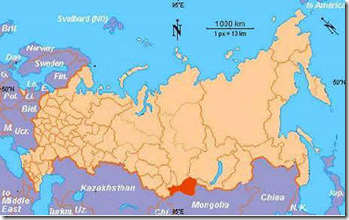
Today, new reports of bird deaths from an unspecified (but likely H5N1) avian flu, but this time it comes from the Russian-Mongolian border at Uvs Nuur lake. 


image


Sally Furniss of FluTrackers has posted a series of translated news articles from the Russian press in this thread over the past 24 hours.


Typical of these reports is the following, from 1nsk.ru.


Incidents


Service of veterinary supervision Tuva found hotbed of infection of avian influenza on the lake Uvs Nuur on the border with Mongolia. The specialists went to the scene to dispose of 85 carcasses of waterfowl. But until the epidemic of influenza is too early, reported on June 17 Tayge.info at the Department of State Veterinary Inspection and the health of animals Tuva.


"On the perishing in the lake Uvs Nuur birds in early June, officials said Reserve" Uvs Nuur Basin. June 7 Head of State Veterinary Inspection went to the place of inspection and found 85 carcasses of wild waterfowl. Eight biological samples sent to Kemerovo laboratory. June 11 in the four samples was identified avian influenza virus ", - told companion, adding that information from Tuva had already been sent to the Itar-Tass and the Moscow Veterinary Centre.


To localize the infection created a synthesis of anti detachment, which on June 15 went to the lake. Experts put their carcass birds in deep pits and burned. After the destruction of the pit will be backfilled, enclosed by barbed wire and equipped with warning signs. Telephone communications with participants of the detachment there, the latest data on the development of the disease will be known no earlier than June 25.


According to the staff member vetnadzora, now out of the lake Uvs Nuur is prohibited, "but there and in ordinary times, no one comes, even the inhabitants of the nearest village" Akchera. Interlocutor assured that there is no danger to humans. Send comment representatives Rosselkhoznadzor June 17 Tayge.info failed.


In addition to the lake Uvs Nuur, where in 2006 and 2009 has already seen outbreaks of bird flu, experts vetnadzora Tuva spent monitoring lakes Andaygyn and White, located in different parts of the country. Laboratory analysis of biological samples showed that the avian flu here has not yet arrived.


As noted in this article, bird flu has been detected in this area on two previous occasions. In 2006 and again in 2009.