Showing posts with label Briefing. Show all posts

Tuesday, September 02, 2014

CDC & WHO Press Briefings On Ebola

image

Credit CDC PHIL


#9030


Today the World Health Organization and the CDC both held press conferences (unfortunately, at the same time) on the Ebola outbreak in West Africa.   I was only able to listen in on the live CDC conference, and to the last part of the the UN conference, but both carried similar messages.


The Ebola outbreak in West Africa is moving faster than the response currently being mounted against it.  


A concerted international effort is needed now to defeat this epidemic, with the implied threat that we either deal with it now in Africa, or we risk having to deal with it for years to come around the globe.


CDC Director Dr. Thomas Frieden painted a grim picture in his CDC update on Ebola outbreak in West Africa saying that epidemic was `spiraling out of control’ , but stressed there was still `small window of opportunity’  to contain it.  


A transcript, and audio file, should be posted on the CDC Media website – hopefully later today.


CDC.gov, along with FluTrackers and others tweeted the event and you can follow the press conference using the twitter hashtag #DrFriedenCDC . A few examples follow:


image


A word about the elephant in the room, which Dr. Frieden briefly discussed in today’s news conference; The possibility that the Ebola virus could – over time – mutate into an even more difficult to contain virus.


This is something we discussed at last week in Study: Ebola Virus Is Rapidly Evolving, and is always a concern whenever a zoonotic virus spills over into the human population.


Viruses mutate – that’s their basic mechanism of survival – but luckily over the past 40 years Ebola has tended to remain pretty stable, it doesn’t mutate as quickly as some viruses, like influneza or HIV.  


As Dr. Frieden said, the risks of seeing a dangerous mutation are probably low, but they aren’t zero.  The CDC, and other labs, will be watching for suspicious changes in the virus, but so far, there is nothing to suggest the virus has changed the way it spreads.


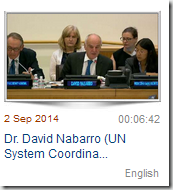
For brevity, individual statements by WHO Director-General Margaret Chan and the UN’s Special Coordinator on Ebola Dr. David Nabarro can be viewed on the following video links.

image

image

The entire 77  minute briefing can be viewed at:

image

Tuesday, August 26, 2014

UNOG: Press Briefing By The Information Service On Ebola – Aug 26th

image

Source OCHA 


# 9002


From today’s regular press briefing from the United Nations Office In Geneva (UNOG), we get an update that touches on a number of concerns, including the impact of air traffic disruptions and border closings for the Ebola-affected nations, and the recent detection of Ebola in the DRC.


Ebola

Tarik Jasarevic, for the World Health Organization  (WHO), stated that an update in the form of a situation report was expected to be delivered later in the day. Regarding WHO teams, Mr. Jasarevic reported that Dr. Kenji Fukuda was now back from Freetown to Monrovia in Liberia while Dr. David Nabarro was travelling to Conakry. Several press releases had been issued on their activities.

Responding to a question, Mr. Jasarevic confirmed that a second meeting on experimental treatment would indeed take place on 4-5 September and the WHO was planning a virtual press briefing and a note for journalists after the conference.

Answering another question on air traffic disruptions that occurred in the affected countries and ensuing supply shortages, Mr. Jasarevic responded that the WHO was looking at this issue very closely. He reiterated that cancellation of flights and closure of borders might have not only economic impacts on the country but also an adverse effect on WHO operations. Mr Jasarevic said that the WHO had regular discussions with airlines to reassure them that all the measures had been taken in affected countries in order to have in place exit screenings. The risk of Ebola infection through air travel was very low.

Asked about the impact of this supply shortage on the spread of Ebola virus in Western Africa, he said that the WHO was trying to find alternative ways and to work with UN humanitarian airlines services in case they did not find another solution. In a response to a question about WHO staff members who had been delayed by flight disruptions while trying to travel to one of the affected countries, Mr. Jasarevic said that the WHO staff had fortunately managed to get in.

On the issue of suspected cases in the Democratic Republic of the Congo, Mr. Jasarevic said that the WHO had been notified by the Ministry of Health of positive tests of two samples for Ebola in the province of Equator. Further tests were being currently conducted to identify the strain. WHO was working with several partners in the DRC to set up a rapid response. There had been 24 unexplained cases of hemorragic fever, 13 of which had resulted in deaths. It appeared to be an unrelated indigenous strain of Ebola but this still needed to be confirmed.

Regarding the situation of a colleague affected with the virus, Mr. Jasarevic said that he was still in Sierra Leone while WHO organized his repatriation, although the final destination had not yet been decided. Asked whether the WHO had reinforced its presence with the increasing number of deaths in the four affected countries , Mr. Jasarevic answered that the WHO currently had deployed 200 people in the field including WHO staff and external specialists. He highlighted that more than 400 people had been deployed, many of them several times, since the beginning of the epidemic outbreak.

(Continue . . . )


Saturday, May 03, 2014

CDC Briefing On MERS In US: Audio & Transcript

Graphic: Photo: Tablet and a cup of coffee

Credit CDC


# 8561


For those who missed it yesterday, the audio and written transcript of yesterday’s CDC briefing on the first MERS case to enter the United States is now posted online. 


Media Announcements and Events - CDC announces first case of Middle East Respiratory Syndrome Coronavirus infection (MERS-CoV) in the United States

CDC and the Indiana State Department of Heath are conducting a joint investigation of the first case of MERS-CoV in the United States. MERS-CoV, a virus new to humans, was first reported in the Arabian Peninsula in 2012. More »

Friday, May 2 at 3:00PM ET

Transcript | AudioAudio/Video file


CDC Transcript: First case of Middle East Respiratory Syndrome Coronavirus infection (MERS) in the United States - Transcript

Friday, May 2, 2014, 6:30 PM
CDC Telebriefing: Middle East Respiratory Syndrome Coronavirus (MERS-CoV) was confirmed today in a traveler to the United States. This virus is relatively new to humans and was first reported in Saudi Arabia in 2012.


And a link to the full CDC press release on this imported case:


CDC announces first case of Middle East Respiratory Syndrome Coronavirus infection (MERS) in the United States

MERS case in traveler from Saudi Arabia hospitalized in Indiana

Middle East Respiratory Syndrome Coronavirus (MERS-CoV) was confirmed today in a traveler to the United States. This virus is relatively new to humans and was first reported in Saudi Arabia in 2012.

“We’ve anticipated MERS reaching the US, and we’ve prepared for and are taking swift action,” said CDC Director Tom Frieden, M.D., M.P.H.  “We’re doing everything possible with hospital, local, and state health officials to find people who may have had contact with this person so they can be evaluated as appropriate.  This case reminds us that we are all connected by the air we breathe, the food we eat, and the water we drink.  We can break the chain of transmission in this case through focused efforts here and abroad.”

(Continue . . . )

Sunday, September 15, 2013

NPM13: Your Daily Threat Assessment Briefing

image

Photo Credit- NOAA Know your Risk


Note: This is day 15 of National Preparedness Month.  Follow this year’s campaign on Twitter by searching for the #NPM or #NPM13 hash tag.

This month, as part of NPM13, I’ll be rerunning some updated  preparedness essays (like this one) , along with some new ones.


# 7774


Every day busy CEOs along with investors, emergency planners, politicians- and even the President of the United States - receive specialized Daily Intelligence briefings outlining current or anticipated threats, along with other vital information.


While you may not hold the fate of nations, a billion dollar portfolio, or a fortune 500 company in your hands you do have a need to know your risks if you want you and your family to be prepared for a disaster.


And those risks can, and do, change on a daily basis. Particularly those involving climate and weather.


Fortunately, the Internet makes it easy to create a short list of websites to visit each day (I do so early each morning) that in a few short minutes will give you an early warning of what threats might be expected in the next few days.


Depending where you live, and where your personal interests lie, you will probably want to customize your `daily briefing’.  But to get you started, a quick tour of mine.


Note: I quickly scan these websites for news, alerts, or forecasts of interest for my region.  I certainly don’t attempt to read them in depth each day.


First stop, NOAAWatch’s Daily Briefing which provides an excellent overview of the natural threats facing the nation.

image

More than just weather, this NOAA page also tracks other natural threats such as earthquakes, volcanoes, and wildfires.

image


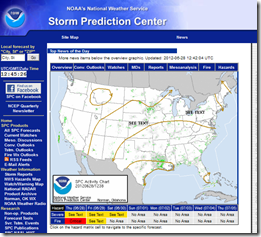
My second stop is usually NOAA’s Storm Prediction Center, which looks ahead as far as a week for areas that may expect severe weather.  At a glance I can see when, and where, weather trouble is expected.  This is particularly important during the spring and summer tornado season.

image

And during hurricane season, I also swing by the National Hurricane Center website each morning (and if there is an active storm, several times each day).

image

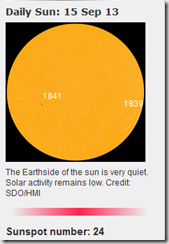
Although the sun remains unusually quiet, scientists believe we should hit the Solar Maximum over the next few months , so I also swing by Spaceweather.com or NOAA’s SPACE WEATHER PREDICTION CENTER for the latest on solar activity. 

image

And last, but not least, I visit the FEMA Blog to see what they are keeping an eye on.

image


During the day and overnight, I rely on NOAA WEATHER RADIO (NWR) and Twitter to follow @FEMA, @NHC_Atlantic, @NOAA and @CraigAtFEMA for real-time emergency alerts.

image

Like having an emergency kit and a first aid kit - having a weather radio is an important part of being prepared.

Of course, just knowing about the threats isn’t enough. You have to make use of that information.


To learn how to prepare as an individual, family, business owner, or community I would invite you to visit the following sites and use THIS LINK to access some of my recent preparedness blogs.


FEMA http://www.fema.gov/index.shtm

READY.GOV http://www.ready.gov/

AMERICAN RED CROSS http://www.redcross.org/


While some people lie awake at night worrying about disasters, I’ve discovered that being prepared is the key to sleeping well.

Preparing is easy.

It’s worrying that’s hard.

Friday, April 19, 2013

WHO: Transcript Of Media Briefing On H7N9

image


# 7166


Dr. Michael O’Leary, the World Health Organization’s  representative in China, gave a media briefing overnight, and  answered journalist’s questions. 


In this briefing, O’Leary describes three `clusters’ of cases where human-to-human transmission may have occurred.  


There are 3 clusters officially reported, I mentioned one of them, the one with the father and 2 sons… 2 of whom, the father and the son who did not die, were confirmed H7N9.


So that’s one of the clusters, and we know about another cluster of a parent and a child, where the daughter was caring for the parent who was very sick, and became sick herself with the H7N9.


A third cluster as well, a husband-and-wife cluster. In both of those, people were sick with severe pneumonia, and so were linked clinically. But I think it’s still the case that in both of those, only one of them is so far confirmed, but the investigations are continuing. And then we know about the other are still under active investigation, the more recent situation here in Beijing, the 7-year-girl who is now released from the hospital, an asymptomatic, (meaning he had) no symptoms neighbor.


Laboratory investigation is still underway, but he is suspected as being positive as well. But that child was not ill.


We’ve got a link to the full transcript, which is a bit long to reproduce here, but I’ve included excerpts.


You’ll want to follow the link to read it in its entirety.  


Transcript of media briefing by Dr Michael O'Leary, WHO Representative in China

Situation update on H7N9 in China

19 April 2013 - Good afternoon, and thank you for coming. I want to take this opportunity today to give you another update on the situation with avian influenza A(H7N9), to tell you a little about the WHO joint mission to China, and to answer a few questions.


First, about the mission. This week, WHO and the China National Health and Family Planning Commission are leading a joint mission of experts, at the invitation of the Government of China. The experts will visit areas affected by H7N9 in order to study the situation and provide recommendations on prevention and control of the disease.


I will be accompanying the team which will be visiting a number of sites in both Shanghai and Beijing.


Our team includes international and Chinese experts in epidemiology, laboratories, clinical management, and other areas. We will be meeting with a wide range of experts.

(Continue . . . )


I’ve highlighted a few excerpts from the Q&A below. 


JOURNALIST: I’m from China Radio International. Two questions. One, on Tuesday, Hong Kong Health Organization said that this might be a limited human-to-human transmission; do you have any comments on this? And the second question, it was reported before that this team will go to the bird market in Shanghai, where else are they going? Like labs or hospital?

DR MICHAEL O’LEARY: Yes, sure. About limited person-to-person transmission, I mentioned that these clusters are under investigations. It’s not usual even when a virus primarily is transmitting from animal-to-human, to have some rare or occasional cases, of very close contacts, coming down with the virus as well. That’s happened in H5N1 for example. But that’s a very different situation from easy and sustained transmission. And that’s what we do not see in this case. It’s not unexpected that if a person is sick and maybe receiving very close care, from a very close contact, that once in a while, it will pass to the other person, but this is not the same as sustained human-to-human transmissions. So, that’s what we are very alert for, because this becomes a different situation if the virus were to change in a way that enabled human-to-human transmission. Still, that’s not the case, we hope that will never be the case. But that’s what we watch for. Other question about where was the team visiting. Yes, bird markets, although as you know, the live bird markets in Shanghai have been closed. So there won’t be a lot to see. But the team is also on schedule to visit hospitals and other sites that have been the focus of the infection.

JOURNALIST: From BBC News. Could please just tell me, to be clear, what do you think the risks are in this outbreak? How serious do you think it is? You mentioned the concern about human-to-human, but what is the biggest concern to you?

DR MICHAEL O’LEARY: So, you know if the virus remains a primarily animal virus, then the risks to humans, would be expected, I think, to remain rare and sporadic, just as they have been. You know, this is a different virus from H5N1. It may ultimately act differently, but H5N1 has been the case 16 years and is still just the occasional, sporadic case, because it’s effectively an animal virus that once in a while, manages to jump to a human. So the situation changes, as I say, if the virus changes in a way that human-to-human transmission is possible, that’s a separate change from the one that has taken place already. You know, we can’t predict, there’s no way to predict, but it would really require now a separate mutation from the one we’ve seen, because there isn’t any evidence of that happening so far.

Friday, January 18, 2013

CDC FluView Week 2 & CDC Media Briefing


image


Credit CDC FluView


# 6866


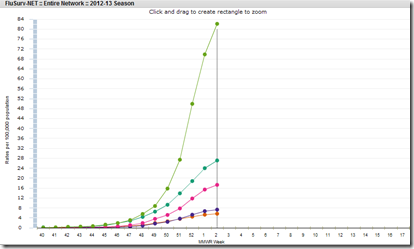
With the caveat that - `As a result of the end of year holidays and elevated influenza activity, some sites may be experiencing longer than normal reporting delays and data in previous weeks are likely to change as additional reports are received’ – the CDC has released their latest FluView Report, and has just completed a media briefing on this year’s flu season.


At noon EST today Tom Frieden, M.D., M.P.H., Director, Centers for Disease Control and Prevention and Margaret A. Hamburg, M.D., Commissioner, Food and Drug Administration held a telephone briefing.


Dr. Frieden stressed that while the flu season is roughly half-way through, influenza is still on the rise in some western states and he characterized it as shaping up to a `worse-than-average season’.


Hospitalizations and deaths, he warned are likely to increase for weeks to come.


Dr. Frieden also stressed the importance of early treatment with Tamiflu (oseltamivir) for high risk patients, and reiterated the confidence the CDC has in the beneficial effects of Tamiflu when taken promptly.


This year he warned that antivirals are being underused, and that somewhere between 1/3rd and 1/2 of those hospitalized with influenza were not prescribed Tamiflu prior to admission.


Dr. Frieden also reminded the media that flu vaccine is still available (although some spot shortages exist) – more is in the pipe line - and that it isn’t too late to get vaccinated. While available, you may need to call around to find vaccine in your vicinity.


He also urged people who are sick to stay home, and suggested that the elderly might want to limit their exposure to children right now.


Dr. Hamburg addressed the spot shortages of pediatric Tamiflu, and assured that pharmacists can easily compound liquid Tamiflu suspension using the capsules.


Dr. Hamburg also described some of the newer vaccines coming available, including cell-based vaccines, recombinant FluBlok vaccine, and quadravalent vaccines to come next year.


Some of the highlights of this week’s report include:


2012-2013 Influenza Season Week 2 ending January 12, 2013

During week 2 (January 6-12), influenza activity remained elevated in the United States, but decreased in some areas.

  • Viral Surveillance: Of 12,360 specimens tested and reported by collaborating laboratories, 3,638 (29.4%) were positive for influenza.
  • Pneumonia and Influenza Mortality: The proportion of deaths attributed to pneumonia and influenza (P&I) was above the epidemic threshold.
  • Influenza-Associated Pediatric Deaths: Nine influenza-associated pediatric deaths were reported.
  • Influenza-Associated Hospitalizations: A cumulative rate for the season of 18.8 laboratory-confirmed influenza-associated hospitalizations per 100,000 population was reported. Among all cases, 49.6% were in adults 65 years and older.
  • Outpatient Illness Surveillance: The proportion of outpatient visits for influenza-like illness (ILI) was 4.6%; this is above the national baseline of 2.2%. All 10 regions reported ILI above region-specific baseline levels. Thirty states and New York City experienced high ILI activity; 10 states experienced moderate activity; 7 states experienced low activity; 3 states experienced minimal activity, and the District of Columbia had insufficient data.
  • Geographic Spread of Influenza: Forty-eight states reported widespread geographic influenza activity; 2 states reported regional activity; the District of Columbia reported local activity; Guam reported no influenza activity, and Puerto Rico and the U.S. Virgin Islands did not report.


Three notable graphics from this week’s report.


First the 122 City P&I Mortality rate, which – due to the time patients may be hospitalized, and reporting delays – is usually a trailing indicator of flu activity shows its biggest jump this season.


image


And second, pediatric influenza-related deaths which adds 9 to this season’s total, albeit not all occurring during this last reporting week. In non-pandemic years, we often see 70 to 100 pediatric deaths reported, so while always tragic, the number of child deaths to date are running below average.

image

And finally, the age breakdown among influenza-confirmed hospitalizations shows a recent steep climb for those over the age of 65 indicating this is a particularly rough season for the elderly. 


This is the highest rate (82 per 100,000 pop) that we’ve seen in recent years.


image


Patients under the age of 4 come in second place, followed by adolescents and young adults. This is the normal pattern we expect to see with an H3N2 seasonal flu.

Thursday, August 09, 2012

Today’s CDC H3N2v Briefing


image

Credit Wikipedia


# 6486


The CDC held a press briefing earlier this afternoon to address the recent increase in H3N2v cases detected across Indiana, Ohio, and today . . . Illinois.  Dr. Joseph Bresee, of the CDC’s Influenza Division, gave a short statement and then took reporter’s questions.


The transcript will be posted on the CDC’s media site (HERE) later today.  But for now, a few highlights.


As has been widely reported, the number of confirmed H3N2v cases over the past week in the Midwest have increased sharply, from 16 reported last Friday to 145 reported today.


image

The lone case in Utah occurred in March, and is not part of this current outbreak.

These numbers are likely to increase over the coming days, as more cases get tested.  Individual states are now doing their own lab confirmation, and releasing results, and so the CDC’s numbers will only be updated once a week (Fridays).


While a five-fold increase in cases may look alarming, the CDC believes most of these cases come as the result of direct contact with pigs, not from human-to-human transmission.


While they concede that some `limited’ human-to-human transmission may have occurred in this outbreak, the vast majority of cases so far have had some sort of direct contact with pigs, or their environment.


As Dr. Bresee emphasized, “This is not a pandemic situation”.


All of the recent cases are genetically similar, meaning they are all swine H3N2 with the M (matrix) gene from the 2009 H1N1 virus.


It is thought that this M gene may help increase transmissibility of swine viruses among humans, but that this virus has not adapted sufficiently well to humans to be easily spread.


This virus remains sensitive to antivirals (oseltamivir and Zanamivir).


At this time, the CDC does not see the need to ask fairs to cancel or restrict the showing of pigs. Instead they are advising those who are in contact with pigs follow these recommendations:


  • Wash your hands frequently with soap and running water before and after exposure to animals.
  • Never eat, drink or put things in your mouth in animal areas.
  • Children younger than 5 years, people 65 years and older, pregnant women, and people with certain chronic medical conditions (like asthma, diabetes, heart disease, weakened immune systems, and neurological or neurodevelopmental conditions) are at high risk from serious complications if they get influenza. These people should consider avoiding exposure to pigs and swine barns this summer, especially if sick pigs have been identified.
  • If you have animals – including swine – watch them for signs of illness and call a veterinarian if you suspect they might be sick.
  • Avoid close contact with animals that look or act ill, when possible, and
  • Avoid contact with pigs if you are experiencing flu-like symptoms.


While there is obviously a lot of concern in the press and among the public, the bottom line is that unless and until this virus adapts sufficiently to spread easily among humans – it doesn’t represent a major public health threat.


The hallmark of influenza viruses, of course, is that they are constantly changing.  What we can say was true about a virus yesterday, may not hold true tomorrow.


And so public health officials will watch this emerging flu strain carefully for any signs that the situation is changing. 


Regardless of how this swine virus plays out, the CDC’s advice to practice good `flu hygiene’ (hand washing, covering coughs & sneezes, staying home if sick) - and to get the flu shot each fall - remain your best strategies against the multiple strains of influenza that circulate each year.

Thursday, June 28, 2012

Your Daily Risk Assessment Briefing


image

Photo Credit- NOAA Know your Risk


# 6407


Every day busy CEOs along with investors, emergency planners, politicians- and even the President of the United States - receive  specialized Daily Intelligence briefings outlining current or anticipated threats, along with other vital information.


While you may not hold the fate of nations, a billion dollar portfolio, or a fortune 500 company in your hands you do have a need to know your risks if you want you and your family to be prepared for a disaster. 


And those risks can, and do, change on a daily basis. Particularly those involving climate and weather


Fortunately, the Internet makes it easy to create a short list of websites to visit each day (I do so early each morning) that in a few short minutes will give you an early warning of what threats might be expected in the next few days.


Depending where you live, and where your personal interests lie, you will probably want to customize your `daily briefing’.  But to get you started, a quick tour of mine.


Note: I quickly scan these websites for news, alerts, or forecasts of interest for my region.  I certainly don’t attempt to read them in depth each day. 


First stop, NOAAWatch’s Daily Briefing which provides an excellent overview of the natural threats facing the nation.


image


An excellent example of some of the forecast tools available is this heat index map for this coming weekend, which shows extreme heat conditions are expected in the south eastern United States.


image


My second stop is usually NOAA’s Storm Prediction Center, which looks ahead as far as a week for areas that may expect severe weather.  At a glance I can see when, and where, weather trouble is expected.


image


And during hurricane season, I also swing by the National Hurricane Center website each morning (and if there is an active storm, several times each day).

image


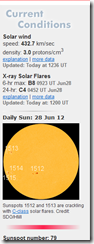
Since we are approaching the 11 year solar maximum, and since I have a deep interest in astronomy, I also swing by Spaceweather.com or NOAA’s SPACE WEATHER PREDICTION CENTER for the latest on solar activity. 

image


As I mentioned last January in Situational Awareness: Google Public Alerts, with the help of Google Earth you can also monitor real-time emergency alerts from all around the world.


image


And last, but not least, I visit the FEMA Blog to see what they are keeping an eye on.


During the day and overnight, I rely on NOAA WEATHER RADIO (NWR) and Twitter to follow @FEMA, @NHC_Atlantic, @NOAA and @CraigAtFEMA for real-time emergency alerts.

image


Like having an emergency kit and a first aid kit - having a weather radio is an important part of being prepared.


Of course, just knowing about the threats isn’t enough. You have to make use of that information.


To learn how to prepare as an individual, family, business owner, or community I would invite you to visit the following sites and use THIS LINK to access some of my preparedness blogs.


FEMA http://www.fema.gov/index.shtm

READY.GOV http://www.ready.gov/

AMERICAN RED CROSS http://www.redcross.org/


While some people lie awake at night worrying about disasters, I’ve discovered that being prepared is the key to sleeping well.


Preparing is easy.


It’s worrying that’s hard.

Monday, February 27, 2012

CDC Telebriefing On Influenza


# 6176


On Friday, Feb. 23rd, the CDC held a briefing on this year’s influenza season by Dr. Joseph Bresee.  Today they’ve posted the transcript, and an mp3 audio file from the briefing.


As Dr. Bresee points out, this is the slowest start to an influenza season that we’ve seen in 29 years.


And with this slow start has come a much lower incidence of hospitalization, pneumonia, and pediatric flu-related fatalities.


There are signs that the season is starting to pick up, and it is not unheard of for the flu season to peak in March or even April.


Dr. Bresee talks about the new WHO vaccine recommendations, and then takes questions from the press, primarily about reasons why the flu season is late this year.


CDC Telebriefing: Influenza Activity Update

Friday, February 23, 2012 at 1PM ET

Thursday, June 10, 2010

Pandemic Briefing Note 21: WHO Responds To Critics


# 4638


Over the past several months the World Health Organization has come under increasing (and in my mind, largely unwarranted) attack from critics who see conspiracies and duplicity behind their declaration of a pandemic last June.


Recently, the BMJ ran an article calling into question the integrity of the experts who serve as advisors to the WHO, suggesting that they might have been influenced by Big Pharma.


On Saturday I covered CIDRAP Dissects The WHO Allegations, and on Sunday I offered my latest take on the situation in Of Pandemics, Hurricanes and An Abundance Of Caution.


On Tuesday, the WHO released Margaret Chan’s Open Letter To The BMJ.


Today we get a lengthy response from the WHO regarding a number of the criticisms levied towards them.   I’ll not post the whole thing, as it runs roughly 2,000 words. 


Follow the link to read it in its entirety.


This briefing covers the following points:


Is this a genuine pandemic?

Did WHO remove severity from the definition of a pandemic?

Did WHO exaggerate the threat?

Were any WHO pandemic decisions made to increase industry profits?

What safeguards are in place to guard against conflicts of interest?

What is the function of the Emergency Committee and why have the names of its members not been disclosed?

What evidence supports a role for antiviral drugs during an influenza pandemic?

Was a WHO meeting held in 2002 on influenza vaccines and antiviral drugs influenced by industry?


The international response to the influenza pandemic: WHO responds to the critics

Pandemic (H1N1) 2009 briefing note 21

Background

10 JUNE 2010 | GENEVA -- On Friday 4 June 2010, the BMJ, formerly British Medical Journal, and the Parliamentary Assembly of the Council of Europe (PACE) simultaneously released reports critical of the World Health Organization's handling of the H1N1 pandemic. WHO takes the issues and concerns that were raised seriously and wishes to set the record straight on several points.

(Continue . . . )

Tuesday, December 22, 2009

WHO: Comparing Seasonal And Pandemic Flu Deaths


# 4183


One of the prevailing misconceptions about the pandemic of 2009 is that it is `mild’, with some in the media now portraying it as nearly inconsequential.  While the virus has certainly been mild in the majority of people, for a small subset of the population it has been  devastating.


And unlike seasonal flu, this virus has a predilection for younger members of society.   Roughly 90% of the fatalities being recorded from this virus are among those under the age of 65.


It is fair to say that a virus that kills mostly younger adults and children has a greater impact on society than a virus that exacts its greatest toll on those over the age of 80.


The WHO (World Health Organization) today has released a briefing note that attempts to explain some of the differences between the estimated deaths each year from seasonal flu and the deaths reported thus far from this pandemic.


These are all issues that have been addressed repeatedly in these pages, including in:


CDC Updates Their H1N1 Fatality Estimates
Medical Examiner: H1N1 Deaths Understated
When No Number Is Right
Dead Reckoning
Numbers Don’t Tell The Whole Story


A list of all of the WHO’s Pandemic briefing notes can be found here.


Comparing deaths from pandemic and seasonal influenza


Pandemic (H1N1) 2009 briefing note 20

22 DECEMBER 2009 | GENEVA -- Efforts to assess the severity of the H1N1 influenza pandemic sometimes compare numbers of confirmed deaths with those estimated for seasonal influenza, either nationally or worldwide. Such comparisons are not reliable for several reasons and can be misleading.


Numbers of deaths for seasonal influenza are estimates. They use statistical models designed to calculate so-called excess mortality that occurs during the period when influenza viruses are circulating widely in a given population.

Estimates using all-cause mortality

The models use data, as recorded in death certificates and medical records, indicating mortality from all causes, and compare the number of deaths during epidemics of seasonal influenza with baseline data on deaths during the rest of the year. The assumption is that infections with influenza viruses contribute to the “excess mortality” observed during the influenza season.


During epidemics of seasonal influenza, around 90% of deaths occur in the frail elderly, who often suffer from one or more chronic medical conditions. Although influenza can worsen these conditions and contribute to death, testing for influenza viruses is not done in most cases, and deaths are usually attributed to an underlying medical condition.


Methods for estimating excess mortality were introduced in the 19th century to capture these influenza-associated deaths that would otherwise be missed. Such estimates have helped counter assumptions that influenza is a mild illness that rarely kills.

Laboratory-confirmed deaths

In contrast, numbers of deaths from pandemic influenza, as notified by national authorities and tabulated by WHO, are laboratory-confirmed deaths, not estimates. For several reasons, these numbers do not give a true picture of mortality during the pandemic, which is unquestionably higher than indicated by laboratory-confirmed cases.


As pandemic influenza mimics the signs and symptoms of many common infectious diseases, doctors often do not suspect H1N1 infection and do not test. This is especially true in developing countries, where deaths from respiratory diseases, including pneumonia, are common occurrences. Moreover, routine testing for pandemic influenza is costly and demanding, and beyond the reach of most countries.


When testing confirms H1N1 infection in patients with underlying medical conditions, many doctors record these deaths as due to the medical condition, and not to the pandemic virus. These cases are also missed in official statistics.


As recent studies have shown, some tests for H1N1 infection are not entirely reliable, and false-negative results are a frequent problem. Accurate test results further depend on how and when samples were taken. Even in the best-equipped hospitals, doctors have reported seeing patients with distinctive and virtually identical disease profiles, yet only some have positive test results.


Moreover, in a large number of developing countries, systems for vital registration are either weak or non-existent, meaning that most deaths are neither investigated nor certified in terms of the cause.

Younger age groups

Comparisons of deaths from pandemic and seasonal influenza do not accurately measure the impact of the pandemic for another reason. Compared with seasonal influenza, the H1N1 virus affects a much younger age group in all categories – those most frequently infected, hospitalized, requiring intensive care, and dying.


WHO continues to assess the impact of the influenza pandemic as moderate. Accurate assessments of mortality and mortality rates will likely be possible only one to two years after the pandemic has peaked, and will rely on methods similar to those used to calculate excess mortality during seasonal influenza epidemics.

Friday, December 04, 2009

WHO Pandemic Update # 77


# 4120


Actually 3 reports for the price of 1.


The WHO Pandemic update # 77, their weekly virological surveillance update, and a lengthy report from SAGE (Strategic Advisory Group of Experts) on the 2009 H1N1 vaccine.


Follow the  links to read these reports.


Pandemic (H1N1) 2009 - update 77

Weekly update

4 December 2009 -- As of 29 November 2009, worldwide more than 207 countries and overseas territories or communities have reported laboratory confirmed cases of pandemic influenza H1N1 2009, including at least 8768 deaths.


As many countries have stopped counting individual cases, particularly of milder illness, the case count is likely to be significantly lower than the actual number of cases that have occurred. WHO is actively monitoring the progress of the pandemic through frequent consultations with the WHO Regional Offices and member states and through monitoring of multiple sources of data.

(Continue. . .)


Pandemic (H1N1) 2009 - update 77

Weekly update (more data on virological surveillance)

4 December 2009 -- Since the beginning of the pandemic in 19 April 2009 to 21 November, a total of 82 countries reported to FluNet. The total number of specimens reportedly positive for influenza viruses by NIC laboratories was 309,204. Of these, 220,641 (71.4%) were pandemic H1N1, 8130 (2.6%) were seasonal A (H1), 23,531 (7.6%) were A (H3), 51,071 (16.5%) were A (Not subtyped) and 5831 (1.9%) were influenza B.


For this reporting week (15 November to 21 November 2009); a total of 22 countries reported to FluNet. The total number of specimens reportedly positive for influenza viruses by NIC laboratories was 10,364. Of these, 9643 (93%) were pandemic H1N1, 104 (1%) were seasonal A (H1), 88 (0.8%) were A (H3), 467 (4.5%) were A (Not subtyped), 62 (0.6%) were influenza B. The above numbers represent only the specimens and results reported to FluNet. Some laboratories (NICs), under pressure of the pandemic surge, do not test for seasonal subtypes and accordingly, this data should be interpreted with caution.


Detailed virological information for the European Region of WHO is included in the EuroFlu Weekly Electronic Bulletin.


From the start of H1N1 pandemic (19 April) till 28th November 2009, cumulatively 150 countries shared a total of 19284 specimens (14879 clinical samples and 4405 virus isolates) with WHO CCs for confirmatory diagnosis and further characterization.


A mutation of D222G in the amino acid sequence of the haemagglutinin protein of the pandemic virus is being monitored by GISN. In addition to Norway, the mutation has also been observed in Brazil, China, Chinese Taipei, Finland, France, Italy, Japan, Mexico, Spain, , Ukraine, and USA, in both severe and mild cases.


Systematic surveillance conducted by GISN laboratories continues to detect incidents of H1N1 pandemic viruses that show resistance to the antiviral oseltamivir. Antiviral susceptibility testing has been carried out on pandemic H1N1 specimens and isolates from at least 31 countries. 96 cases of oseltamivir resistant pandemic H1N1 have been reported from GISN so far. All of these viruses show the same H275Y mutation, but remain sensitive to zanamivir.


Pandemic influenza A (H1N1) 2009 virus vaccine – conclusions and recommendations from the October 2009 meeting of the immunization Strategic Advisory Group of Experts

(EXCERPT)


The vast majority of influenza viruses identified worldwide are now pandemic (H1N1) 2009. So far, the virus has been antigenically stable and susceptible to oseltamivir and zanamivir. A limited number of viruses with resistance to oseltamivir have been reported from sporadic cases. SAGE remains aware that evolution of the virus (genetically and antigenically) is unpredictable, especially as the levels of background immunity to this virus build, bringing increased evolutionary pressures on the virus.


Mathematical modelling conducted on southern hemisphere data suggests a 20–40% infection attack rate, with a reproductive rate in the range of 1.1–1.5. The generation time and incubation period appear comparable with those of seasonal influenza. Modelling on vaccination strategies indicates that if vaccination occurs after the peak period of transmission (which may be the case in many northern hemisphere countries), immunization of groups at risk for severe outcomes will be more effective in reducing morbidity and mortality than immunization of groups most associated with transmission of infection.

Thursday, December 03, 2009

WHO Responds To Conflict Of Interest Allegations


Personal Note:  My blogging schedule will remain light, as the family medical crisis I mentioned two days ago drags on.  My apologies to  my readers.


Please check with Crof at Crofsblog for more timely news updates and Revere at Effect Measure and Vincent Racaniello at Virology Blog  for some of the best science analysis. You’ll find other reliable sources for information in my sidebar.


# 4015


Over the past few days allegations of impropriety and conflict of interest have arisen regarding the WHO (World Health Organization) and their use of advisors, some reportedly being paid by pharmaceutical companies.


An example of some of the coverage can be found in the PharmaTimes. 


Swine flu labelled a conspiracy


02 December 2009


The swine flu pandemic has been named as the “most ambitious scam and corruption of our time” after pharma has been found to be in bed with the World Health Organisation.


Journalists from Denmark have reported links between the World Health Organisation and pharmaceutical companies where firms have been covertly paying top WHO scientists. In the meantime, pharma profits from flu drugs have soared.


The journalists from the newspaper Information claim the public and political hysteria to swine flu is a result of an efficient public relations campaign, spearheaded by the WHO experts that have been prejudiced by pharma’s ready cash.

(Continue . . . )


The WHO has responded today with a lengthy briefing note outlining the steps they’ve taken to prevent conflicts of interest.   Admittedly, this statement may do little to dissuade the critics of the WHO and big Pharmaceutical interests. 


WHO use of advisory bodies in responding to the influenza pandemic

Pandemic (H1N1) 2009 briefing note 19


3 DECEMBER 2009 | GENEVA -- WHO is aware of some concerns, expressed in the media, that ties with the pharmaceutical industry among experts on the Organization’s advisory bodies may influence policy decisions, especially those relating to the influenza pandemic.


WHO has historically collaborated with the pharmaceutical industry for legitimate reasons. Efforts to improve health depend on better access to high-quality and affordable medicines, vaccines, and diagnostics. Medical interventions, including antiviral drugs, vaccines, and diagnostic tests, have long been recognized for their role in mitigating the health impact of an influenza pandemic. Pharmaceutical companies play an essential role in this regard and WHO has engaged with them to pursue its public health objectives.


Conflicts of interest: safeguards in place

Potential conflicts of interest are inherent in any relationship between a normative and health development agency, like WHO, and a profit-driven industry. Similar considerations apply when experts advising the Organization have professional links with pharmaceutical companies. Numerous safeguards are in place to manage possible conflicts of interest or their perception.


External experts who advise WHO are required to provide a declaration of interests that details professional or financial interests that could compromise the impartiality of their advice. Procedures are in place for identifying, investigating and assessing potential conflicts of interest, disclosing them, and taking appropriate action such as excluding an expert from participating in a meeting.

International Health Regulations

The influenza pandemic is providing the first major test of the revised International Health Regulations, which were approved by WHO Member States in 2005 and came into legal force in 2007. The Regulations provide an orderly, rules-based mechanism for coordinating the response to public health emergencies of international concern, such as that caused by the H1N1 pandemic virus.


Apart from protecting public health against the international spread of disease, the Regulations contain provisions for avoiding unnecessary interference with international travel and trade.


Under the provisions of the revised Regulations, an Emergency Committee advises the WHO Director-General on matters such as declaring a public health emergency of international concern, the need to raise the level of pandemic alert following spread of the H1N1 virus, and the need to introduce temporary measures, such as restrictions on travel or trade. Final decisions are made by the Director-General, as guided by the Committee’s advice.


All members of the Emergency Committee sign a confidentiality agreement, provide a declaration of interests, and agree to give their consultative time freely, without compensation. Members of the Committee are drawn from a roster of about 160 experts covering a range of public health areas. The framework for membership is set out in the International Health Regulations. Each State Party to the Regulations is entitled to nominate one member of the roster and additional experts are appointed by the Director-General. Recommendations of the Emergency Committee are immediately made public on the WHO web site together with the relevant decisions of the Director-General.


Strategic Advisory Group of Experts on Immunization


In responding to the pandemic, WHO has also drawn on advice from a standing body of experts, the Strategic Advisory Group of Experts on Immunization (SAGE), which advises WHO on vaccine use. Members of SAGE are likewise required to declare all professional and financial interests, including funding received from pharmaceutical companies or consultancies or other forms of professional engagement with pharmaceutical companies. The names and affiliations of members of SAGE and of SAGE working groups are published on the WHO web site, together with meeting reports and declarations of interest submitted by the experts.


Allegations of undeclared conflicts of interest are taken very seriously by WHO, and are immediately investigated.


Criticisms: understandable but unfounded


Public perceptions about the current H1N1 influenza pandemic, as well as national preparedness plans, were strongly influenced by a five-year close watch over the highly lethal H5N1 avian influenza virus, which was widely regarded as the virus most likely to ignite the next influenza pandemic. A pandemic caused by a virus that kills more than 60% of the people it infects is strikingly, and fortunately, very different from the reality of the current pandemic.


Adjusting public perceptions to suit a far less lethal virus has been problematic. Given the discrepancy between what was expected and what has happened, a search for ulterior motives on the part of WHO and its scientific advisers is understandable, though without justification.


WHO has consistently assessed the impact of the current influenza pandemic as moderate. WHO has consistently reminded the medical community, public, and media that the overwhelming majority of patients experience mild influenza-like illness and recover fully within a week, even without any form of medical treatment. WHO has consistently advised against any restrictions on travel or trade. Although influenza viruses are notoriously unpredictable, it is hoped that this moderate impact will continue throughout the duration of the pandemic.


Wednesday, December 02, 2009

WHO Briefing Statement On Tamiflu Resistant Viruses


# 4013


Lisa Schnirring of CIDRAP News tonight has an excellent overview of a briefing statement and a press conference held today by the WHO (World Health Organization) regarding Tamiflu resistant viruses and the need to `tweak’ treatment regimens for immunocompromised patients.


I’ve got the opening to Lisa’s overview, followed by the briefing note posted on the WHO site.


WHO: Resistant flu clusters warrant greater vigilance, treatment tweaks

Lisa Schnirring * Staff Writer

Dec 2, 2009 (CIDRAP News) – The World Health Organization (WHO) said today that oseltamivir (Tamiflu)-resistant pandemic H1N1 cases in hospital settings suggest that treatment doses may need to be increased in immunocompromised patients who have flu symptoms.


The agency made this statement after a teleconference with experts about two recent clusters of resistant cases. It also concluded that the events don't signal a public health threat.


The WHO, in a statement, said emergence of drug-resistant flu in severely immunosuppressed or immunocompromised patients is expected and has been well documented in seasonal flu.


In late October a Welsh hospital detected an outbreak of oseltamivir-resistant pandemic H1N1 in eight patients who had severe hematologic disorders. Edwina Hart, health minister for the Welsh Assembly Government, said today in a statement that three of the patients appear to have been infected in the hospital.


Three are still hospitalized, one in critical care. All are responding to treatment with a different antiviral, she said.


Hart said so far there is no evidence that the resistant strain spread outside the hospital and that it does not appear to be any more severe than nonresistant strains.

(Continue . . . )


You’ll find more details on the North Carolina cases at Duke Hospital Reports No Further Spread Of Resistant Strain.


This is the WHO briefing note.  It is rather lengthy, so I’ve not posted the entire thing.


Follow the links to read it in its entirety.


Oseltamivir resistance in immunocompromised hospital patients


Pandemic (H1N1) 2009 briefing note 18


2 DECEMBER 2009 | GENEVA -- WHO has been informed of two recent clusters of patients infected with oseltamivir-resistant H1N1 viruses. Both clusters, detected in Wales, UK and North Carolina, USA, occurred in a single ward in a hospital, and both involved patients whose immune systems were severely compromised or suppressed. Transmission of resistant virus from one patient to another is suspected in both outbreaks.


The emergence of drug-resistant influenza viruses in severely immunosuppressed or immunocompromised patients undergoing antiviral treatment is not unexpected and has been well documented during seasonal influenza. Virus replication can persist in such patients for prolonged periods of time despite antiviral treatment, creating an environment in which drug-resistant viruses can readily be selected. This phenomenon has also been observed for the pandemic (H1N1) 2009.


Upon receipt of the reports, WHO organized a telephone conference with officials and staff from the hospitals and experts in clinical medicine, epidemiology, and virology to discuss the two outbreaks. Particular attention is being given to the best treatment options for immunocompromised patients who become infected with the pandemic virus.

(Continue . . . )

Thursday, November 05, 2009

WHO Pandemic Briefing #15: Farmed Animals And H1N1


# 3959


The World Health Organization has released their 15th Pandemic Briefing note, this time dealing with the hot subject of the H1N1 virus beginning to show up in farm animals, such as turkeys and pigs.


This has been a frequent topic of conversation in this, an many other flu blogs, with my latest blog about this coming earlier today.


Infection of farmed animals with the pandemic virus

Pandemic (H1N1) 2009 briefing note 15

5 NOVEMBER 2009 | GENEVA -- To date, extensive testing by laboratories in the WHO influenza surveillance network has detected no signs that the H1N1 pandemic virus has mutated to a more virulent form. Currently licensed pandemic vaccines closely match circulating viruses and are expected to confer good protection.


Vigilance for changes in the H1N1 virus includes monitoring to detect possible influenza infections in susceptible animals, both mammals and birds, as well as humans. While most influenza A viruses circulating in mammals preferentially infect a single species, cross-species transmission is known to occur.

Infections in swine

Concern has traditionally focused on swine, which are susceptible to infections from human and avian influenza viruses as well as swine influenza viruses. As influenza viruses have eight neatly segmented genes, swine could theoretically operate as a viral “mixing vessel” for the exchange of genetic material when an animal is co-infected with different viruses. Such an event could lead to changes in the genetic makeup of the H1N1 virus or result in a novel influenza virus of unknown public health significance.


Since the new H1N1 pandemic virus emerged, a small number of infections in swine herds have been reported. Limited evidence suggests that these infections occurred following direct transmission of the virus from infected humans to swine. These isolated events have had no impact on the dynamics of the pandemic, which is spreading readily via human-to-human transmission. As human infections become increasingly widespread, transmission of the virus from humans to swine is likely to occur with greater frequency.

Influenza in other species

In addition, pandemic H1N1 infections have been reported in turkeys in Chile and Canada and in a few pet animals in the USA. Again, these infections were isolated events and pose no special risks to human health.


The virus is killed at normal cooking temperatures. No human infections have been linked to the consumption of properly prepared meat or animal products, or any other food items.


Another concern is the continuing presence of the highly pathogenic H5N1 avian influenza virus in poultry in several countries, where the virus is endemic. While no one can predict how the H5N1 virus might behave under the pressures of a pandemic, all data to date have been reassuring.


Most recently, authorities in Denmark reported a novel H3N2 influenza virus in mink on several mink farms. Sequencing of the virus demonstrated a combination of human and swine genes that has not been identified previously in circulating influenza viruses. Testing of farm workers detected no spread of the virus to humans. However, the incident demonstrates the constantly evolving ecology of influenza viruses, the potential for surprising changes, and the need for constant vigilance, also in animals.

Close monitoring needed

These recent findings further suggest that influenza A viruses in animals and humans increasingly behave like a pool of genes circulating among multiple hosts, and that the potential exists for novel influenza viruses to be generated in animals other than swine. This situation reinforces the need for close monitoring and close collaboration between public health and veterinary authorities.


When influenza infections are detected in farmed animals, WHO recommends monitoring of farm workers for signs of respiratory illness, and testing for H1N1 infection should such signs appear. FAO and OIE recommend that animals that are showing signs of illness be examined and properly managed, and allowed to fully recover before being transported or marketed.


In addition, samples from infected animals and humans should be taken for full genome sequencing of the influenza viruses to determine if mutations have occurred that could lead to changes in virulence, host range or antiviral resistance. Such sequencing is also important to assess the possible origin of the case or outbreak.

Official notification

Highly pathogenic avian influenza virus infections in birds must be reported to the World Organisation for Animal Health (OIE), as must any "emerging disease" in animals. This would include infections with the pandemic H1N1 virus or other novel influenza viruses, when consistent with the “emerging disease” criteria for official notification.


These animal health events should be reported, together with the results of epidemiological and virological investigations, in keeping with OIE requirements for notification.

RELATED LINKS

Evolution of pandemic H1N1 2009 in animals
Press release from the World Organisation for Animal Health (OIE)


Food and Agriculture Organization of the United Nations (FAO): Pandemic (H1N1) 2009

Friday, October 30, 2009

WHO Briefing Note # 14: Vaccine Policies And Strategies


# 3909


The WHO (World Health Organization) announced this week that they would be making 200 million doses of donated vaccine available to 100 developing nations over the coming months.  


Today, in their 14th Pandemic Briefing note, they provide expert guidance on the use of vaccine.


You can find all 14 briefing notes HERE.


Experts advise WHO on pandemic vaccine policies and strategies

Pandemic (H1N1) 2009 briefing note 14

30 OCTOBER 2009 | GENEVA -- The Strategic Advisory Group of Experts (SAGE) on Immunization, which advises WHO on policies and strategies for vaccines and immunization, devoted a session of its 27–29 October meeting to pandemic influenza vaccines. The experts reviewed the current epidemiological situation of the pandemic worldwide and considered issues and options from a public health perspective.


Items on the agenda included the status of vaccine availability, results from clinical trials on vaccine immunogenicity, and early results from safety monitoring in countries where administration of the H1N1 pandemic vaccine is currently under way.


The experts also advised WHO on the number of doses of vaccine needed to confer protection, also in different age groups, the co-administration of seasonal and pandemic vaccines, and vaccines for use in pregnant women. Recommendations on the formulation of seasonal influenza vaccines for the southern hemisphere in 2010 were also provided.


Current situation


Globally, teenagers and young adults continue to account for the majority of cases, with rates of hospitalization highest in very young children. Between 1% to 10% of patients with clinical illness require hospitalization. Of hospitalized patients, from 10% to 25% require admission to an intensive care unit, and from 2% to 9% have a fatal outcome.


Overall, from 7% to 10% of all hospitalized patients are pregnant women in their second or third trimester of pregnancy. Pregnant women are ten times more likely to need care in an intensive care unit when compared with the general population.


Based on these and other current findings, the experts made a number of recommendations.


Single dose recommended


The experts noted that a variety of pandemic vaccines, including live attenuated and both adjuvanted and non-adjuvanted inactivated vaccines, have now been licensed for use by regulatory authorities. SAGE recommended the use of a single dose of vaccine in adults and adolescents, beginning at the age of 10 years, provided such use is consistent with indications from regulatory authorities.


Data on immunogenicity in children older than 6 months and younger than 10 years are limited and more studies are needed. Where national authorities have made children a priority for early vaccination, SAGE recommended that priority be given to the administration of one dose of vaccine to as many children as possible. SAGE further stressed the need for studies to determine dosage regimens effective in immunocompromised persons.


Co-administration of vaccines


Clinical trials investigating the co-administration of seasonal and pandemic vaccines are ongoing, but SAGE acknowledged the recommendation, from the US Centers for Disease Control and Prevention, that live attenuated seasonal and live attenuated pandemic vaccines should not be co-administered.


The experts recommended that seasonal and pandemic vaccines can be administered simultaneously, provided both vaccines are inactivated, or one is inactivated and the other is live attenuated. The experts found no evidence that co-administration of vaccines, as recommended, would increase the risk of adverse events.


Vaccine safety


The experts reviewed early results from the monitoring of people who have received pandemic vaccines and found no indication of unusual adverse reactions. Some adverse events following vaccination have been notified, but these are well within the range of those seen with seasonal vaccines, which have an excellent safety profile. Although early results are reassuring, monitoring for adverse events should continue.


Vaccines for pregnant women


Concerning vaccines for pregnant women, SAGE noted that studies in experimental animals using live attenuated vaccines and non-adjuvanted or adjuvanted inactivated vaccines found no evidence of direct or indirect harmful effects on fertility, pregnancy, development of the embryo or fetus, birthing, or post-natal development.


Based on these data and the substantially elevated risk for a severe outcome in pregnant women infected with the pandemic virus, SAGE recommended that any licensed vaccine can be used in pregnant women, provided no specific contraindication has been identified by the regulatory authority.


Vaccines for the southern hemisphere in 2010


SAGE also considered vaccines for use in the southern hemisphere during the 2010 winter season. Two options were assessed: a trivalent vaccine, effective against the H1N1 pandemic virus, the seasonal H3N2 virus, and influenza B viruses, and a bivalent seasonal vaccine, effective against H3N2 and influenza B viruses, which might need to be supplemented with a separate monovalent H1N1 pandemic vaccine.


The experts concluded that both options should remain available for vaccine formulations in the southern hemisphere, subject to national needs.